


A Forbidden Orange is a companion piece to Stanley Kubrick's adaptation of A Clockwork Orange and the crisis the movie causes, as depicted in the documentary, is an interesting tale itself. In a filmography like Stanley Kubrick's, ranking movies can be a bit of a futile endeavor. One person's worst film could be another's favorite, so lauded and effective is Kubrick. A Clockwork Orange, for instance, is an incredibly nuanced dystopian crime film that has inspired decades of media afterward but has also attracted a considerable amount of negative attention.
Based on Anthony Burgess' 1962 novel of the same name, A Clockwork Orange takes place in a criminal-infested, near-future Britain. There, Alex DeLarge (Malcolm McDowell) is a monstrous delinquent who leads a group of henchmen, The Droogs, who spend their time committing all sorts of horrific crimes. After he's arrested, Alex is subjected to an experimental psychological conditioning technique that keeps him docile. A Clockwork Orange has been endlessly referenced, but the response upon its release was so indignant that the 2021 documentary A Forbidden Orange was made just about the worldwide reaction.
Kubrick Withdrew A Clockwork Orange From Cinemas In 1973
Kubrick Was Shocked At The Response To His Film
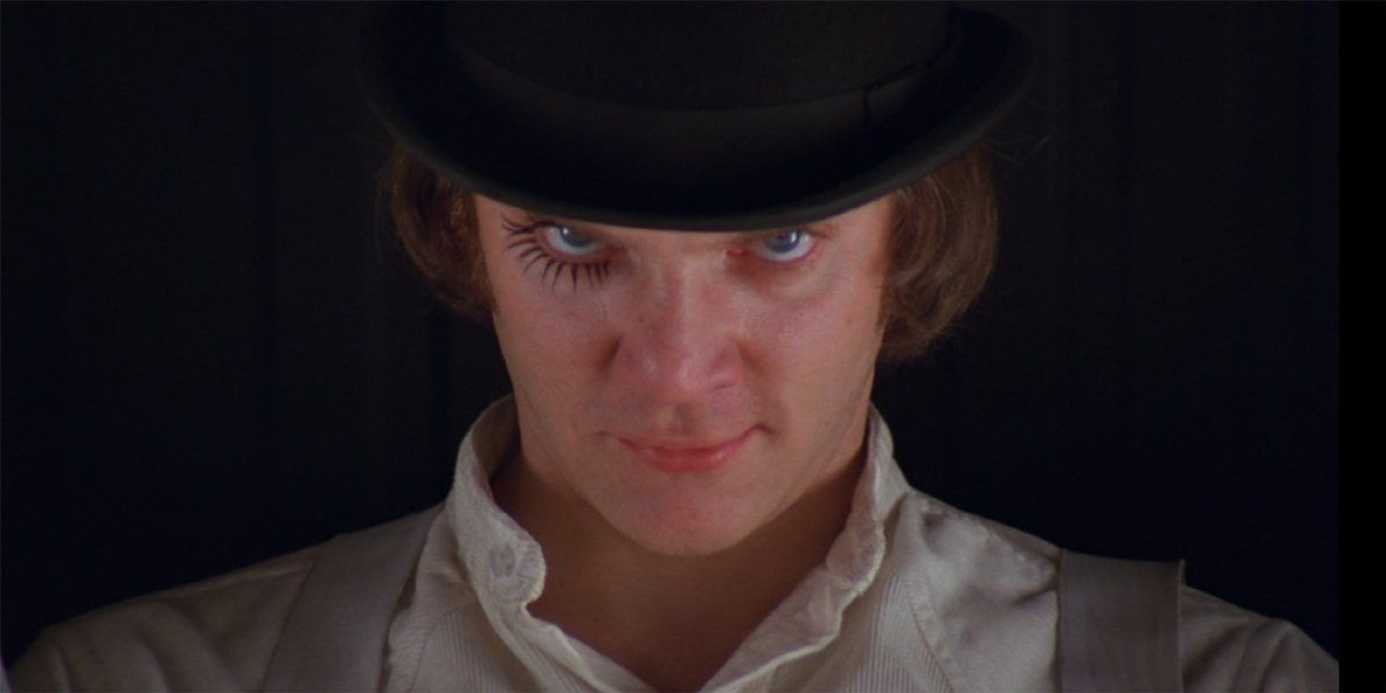
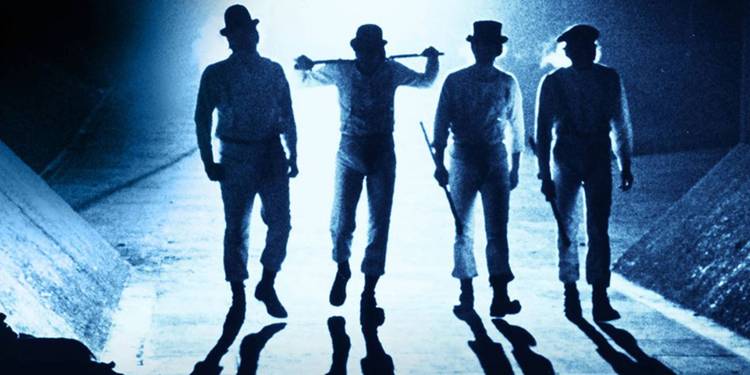
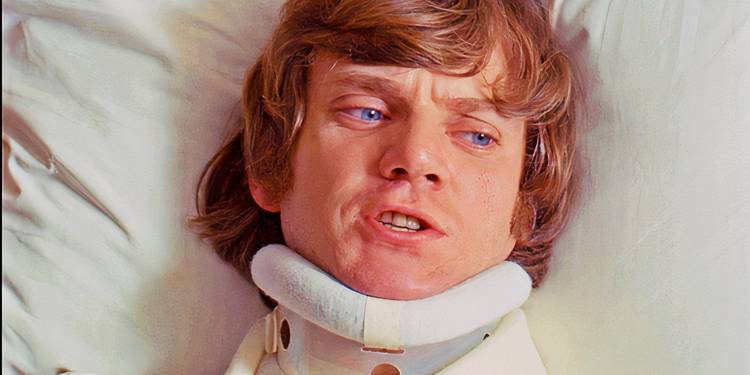
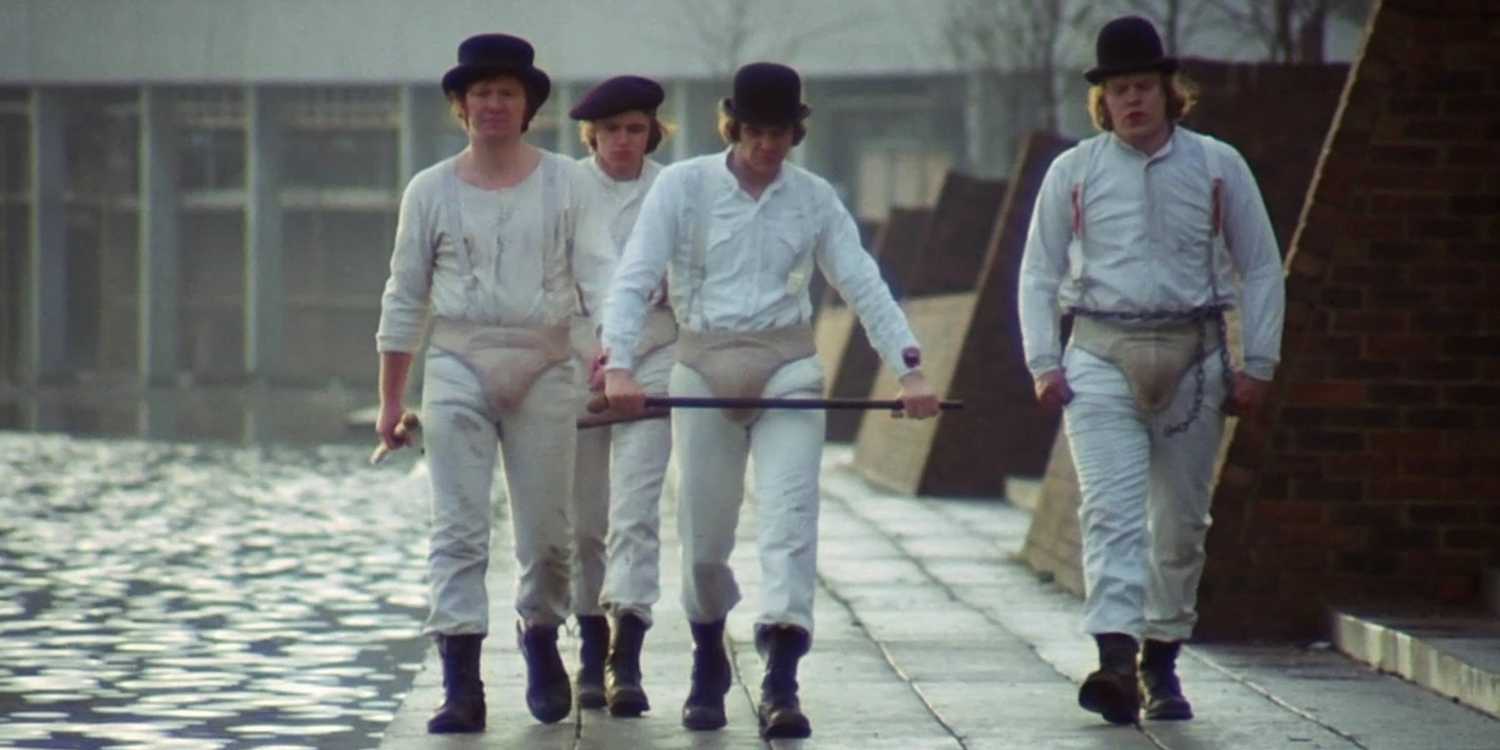
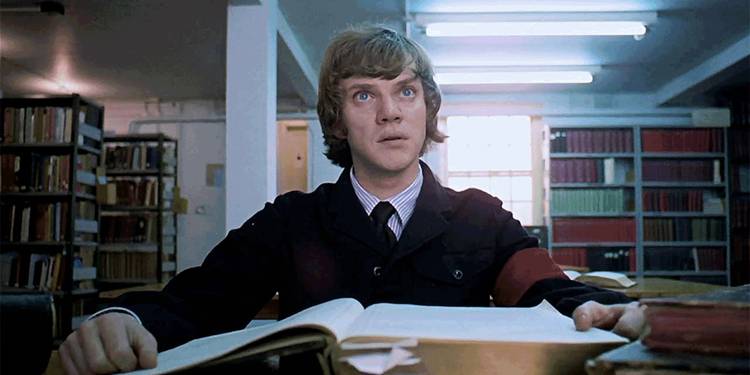


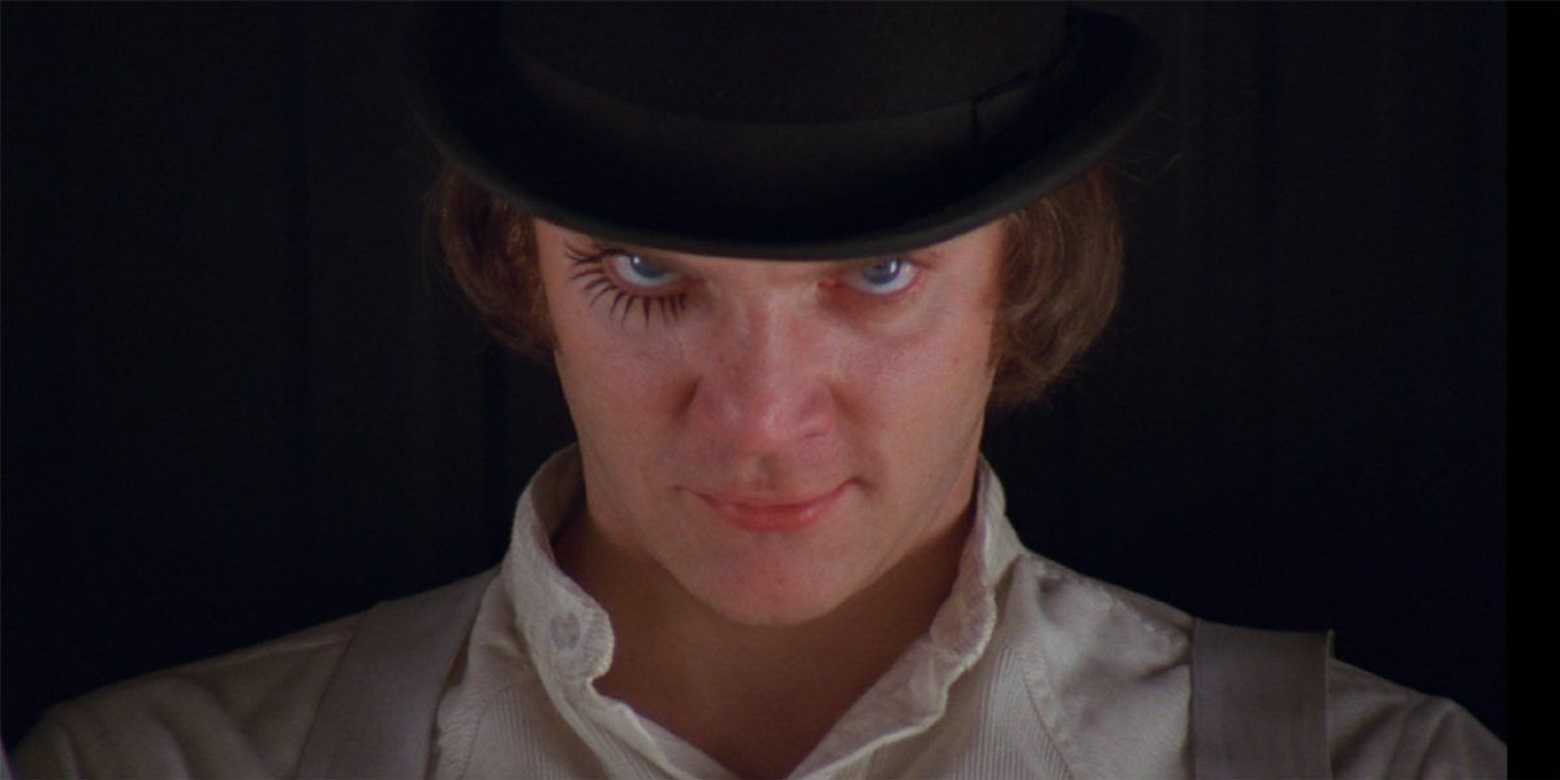
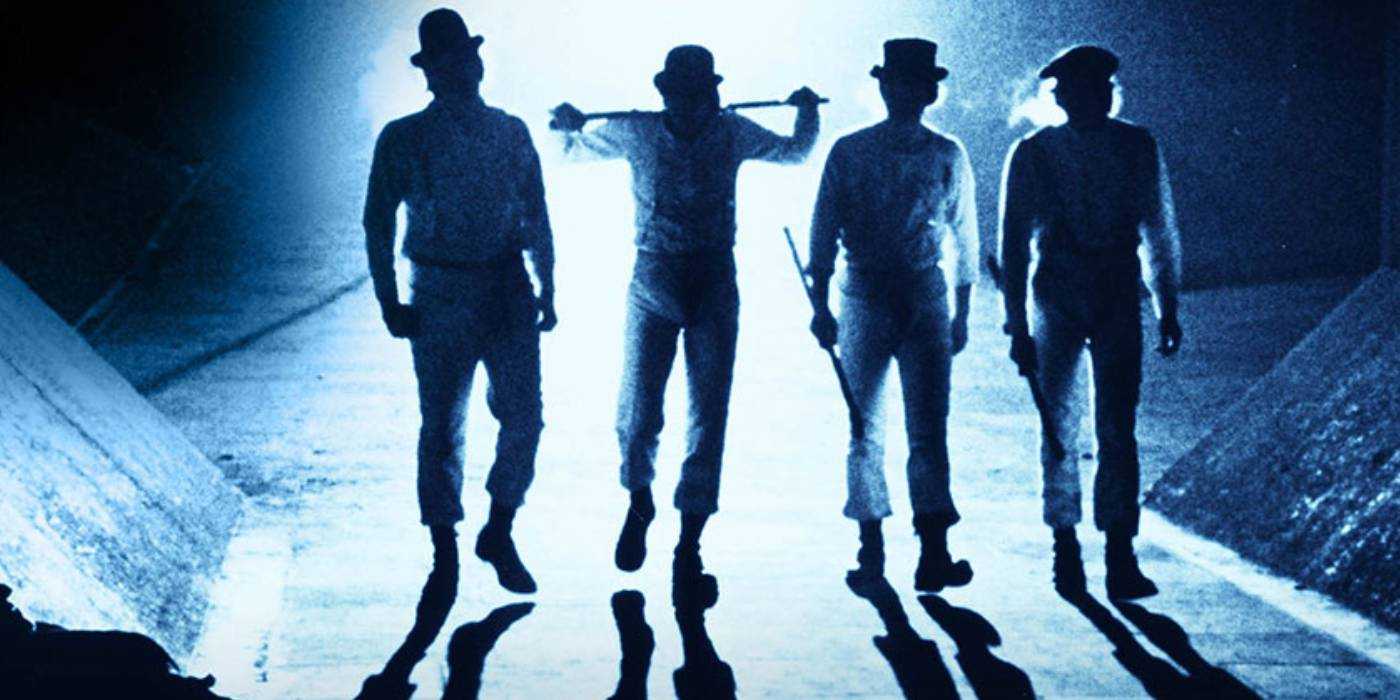
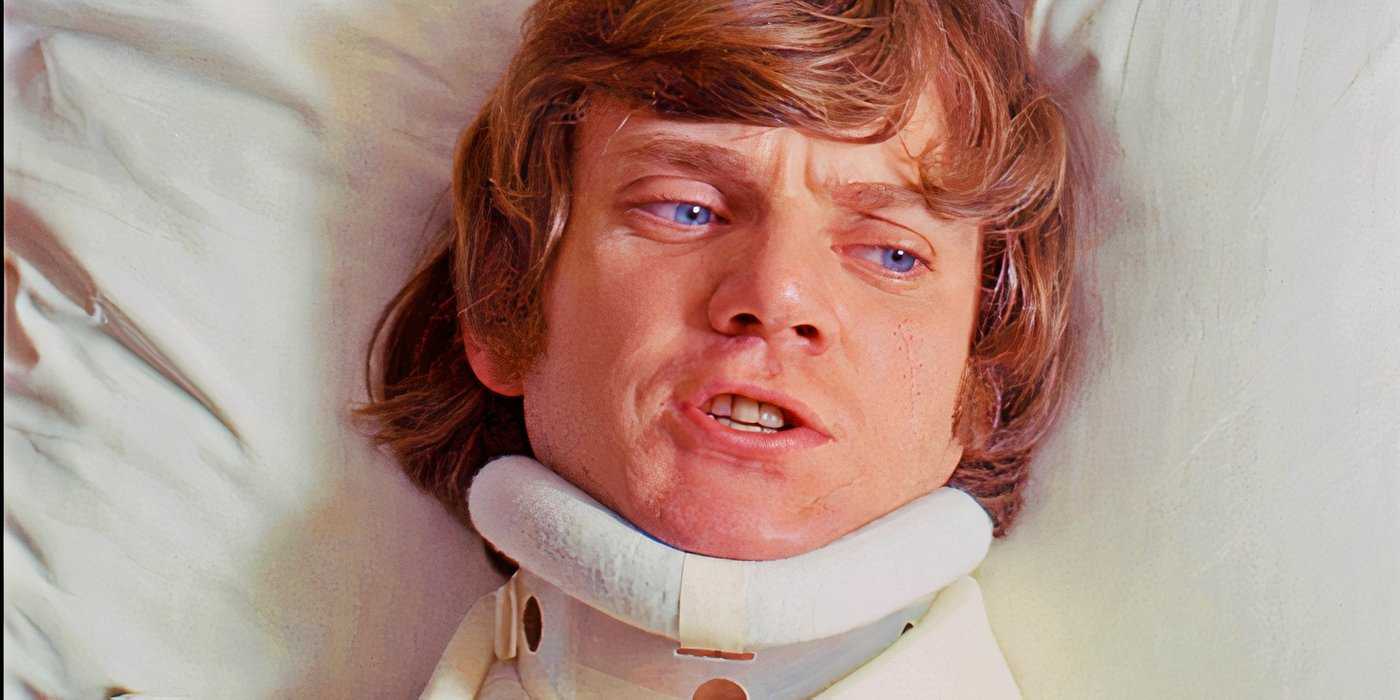 Image Created by Lukas Shayo
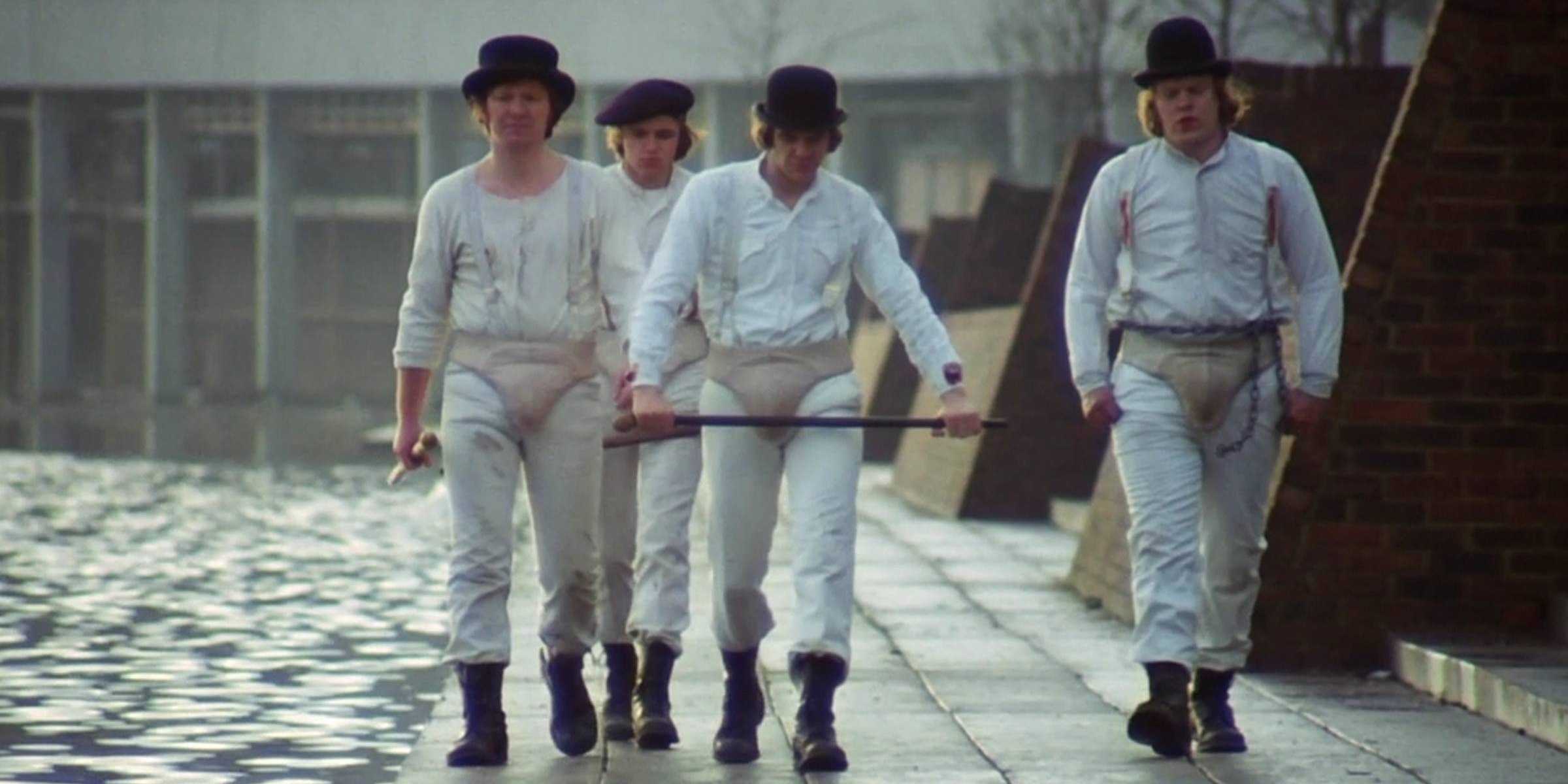
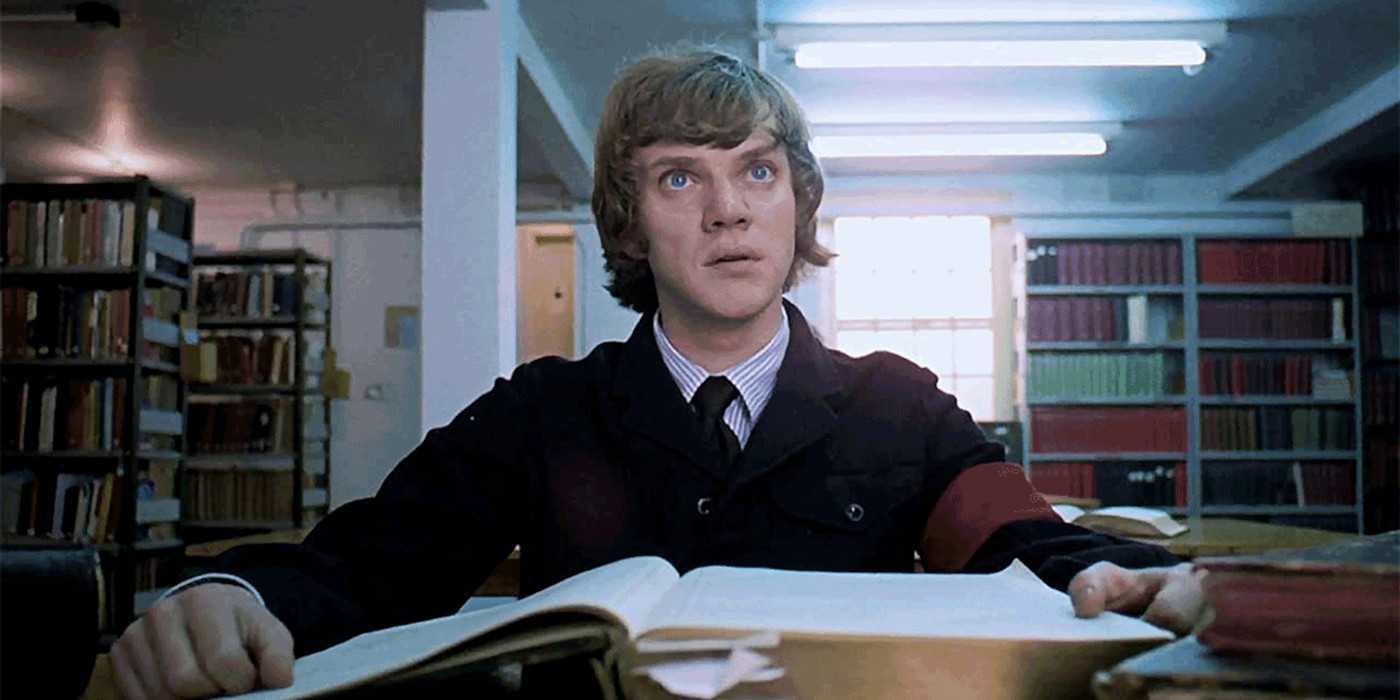
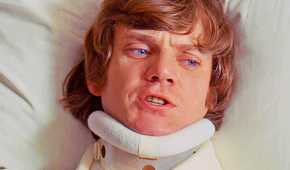
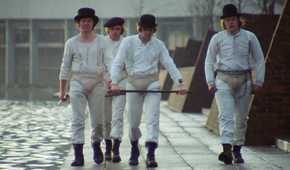
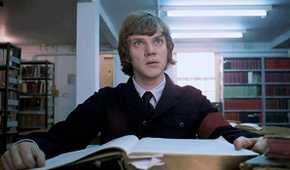
A Clockwork Orange was such a controversial film when it first premiered in theaters, that even Kubrick himself thought the movie should be pulled from circulation, so that's what he did. In 1972, the film was cited by a prosecutor in a court case (via Den of Geek). In the case, a 14-year-old was accused of manslaughter and the prosecutor pointed to A Clockwork Orange as inspiring his actions. The movie was quickly linked to more cases of "copycat" crimes being performed. Protests against the movie even occurred outside Kubrick's family home.
Kubrick was surprised by the reaction and argued that pinning real-life violence on the film was a mistake and that A Clockwork Orange was just one in a long line of movies that have been blamed for societal ills. Despite his feelings, Kubrick acted, and after the initial theatrical run ended in the UK in 1973, Kubrick requested that Warner Brothers remove the film from circulation. As movies did not come out on home video at this time, no one took notice of the ban until 1979 when the National Film Theatre was refused permission to screen the film.
It was not until March 2000 that A Clockwork Orange returned to British screens legally. Soon after Kubrick passed away, Warner Brothers applied for a rating certificate for the film, and it was, of course, granted an 18. The movie came to UK cinemas on March 17, 2000, and a home release followed quickly after. The response from the public was surprisingly tame — public outrage at the movie had clearly cooled over the decades.
A Clockwork Orange Bans Fans From Around The World
Some Countries Have Only Recently Unbanned The Film

Other countries also banned or put restrictions on A Clockwork Orange, and they didn't need Kubrick to do so. The film was banned in Ireland in 1973, independent of Kubrick's ban, but by the time the film came up for reappraisal in 1980, Kubrick's ban extended to the shared Britain-Ireland film distribution market and the country had to wait for Britain to approve the film (via Merlin). In Singapore, the movie was banned for over 30 years until 2011, when the ban was lifted, and the film was shown as part of the Perspectives Film Festival (via Yahoo).
|
Countries That Have Banned Stanley Kubrick's A Clockwork Orange |
|---|
|
Brazil |
|
Canada (Only Alberta and Nova Scotia) |
|
Ireland |
|
Malaysia |
|
Malta |
|
Singapore |
|
South Africa |
|
South Korea |
|
Spain |
|
The United Kingdom |
A Clockwork Orange was banned in South Africa for 13 years under the apartheid regime (via VisualMemory). It was later approved in 1984, though under strict viewing guidelines, including removing a scene from the film and making possession of the film on video illegal. The film was also banned in South Korea, Malaysia, and Spain (via IOL). It was also banned in Brazil in 1978 (via AnthonyBurgess). The movie was banned in the Canadian provinces of Alberta and Nova Scotia until at least 1999 (via HNMag). Malta also banned the film until 2000 (via Kreattivita).
Book Bans Of A Clockwork Orange
Some American High Schools Banned The Book For Its Offensive Content

Kubrick's adaptation of A Clockwork Orange is not the first time the story met controversy. The book version of A Clockwork Orange also met some censorship issues, particularly in the United States (via ALA). In 1973, a bookseller in Orem, Utah was arrested for selling the novel and though the charges were dropped, the seller had to close the store and relocate. The book was removed from an Aurora, Colorado high school in 2006 and high schools in Westport, Massachusetts in 2007.
The official reason for the bans were that the book had "objectionable" language.
It was also removed from two high schools in Anniston, Alabama in 1982, but the books were later reinstated. This is all a bit ironic considering that Burgess' novel originally had 21 chapters (via The Gemsbok). The final chapter depicts Alex seeing the error of his ways. Burgess himself said that he was pressured to cut the chapter for the US version by his American publisher because they insisted that American readers would appreciate a more realistic and dark novel. It's possible the American insistence on a darker tone got it banned from a few American high schools.
A Forbidden Orange Documents The Movie's Spain Premiere
The Documentary Was Released For A Clockwork Orange's 50th Anniversary

A Forbidden Orange is a 2021 documentary made for HBO Max in celebration of A Clockwork Orange's 50th anniversary. Narrated by Malcolm McDowell, the documentary is about the bans put on Kubrick's film, focusing specifically on its ban in Spain, which in the 1970s was under the rule of the fascist dictator, Francisco Franco. His well-documented discouragement of art and cultural vitality meant the film was not shown until 1975 when his rule began to weaken. That year, the town of Villadolid hosted an international film festival.
What they wanted to screen more than anything was the controversial A Clockwork Orange and, despite bomb threats, protests, and a town with older conservative residents and progressive students butting heads, the screening went off without a hitch. In a way, the documentary is mostly conflict-free. There's some hubbub before the opening of the film, but by the end of the movie, the only thing to show on screen is long lines of people waiting at the theater and some ticket-printing issues.
A Forbidden Orange is still an interesting companion to A Clockwork and shows just how important the movie was as a cultural statement, as much as it was an artistic one.
A Clockwork Orange's Legacy And Influence
Stanley Kubrick's Film Remains A Critical Depiction Of Morality

A Clockwork Orange is now considered one of the greatest movies ever, ranking number 243 in BFI's Sight and Sound poll for 2022. That's not to say it wasn't acclaimed upon release either, and the film earned four Academy Award nominations, including Best Picture. It also earned three Golden Globe nominations. A Clockwork Orange does have explicit nudity, violence, and graphic depictions of sexual assault, but the message of the film is clear, that these are not activities and ideals to aspire to.
Instead, A Clockwork Orange is asking about the nature of "goodness" and if forcing someone to be good at the cost of their free will is itself an even worse crime.
Alex is not a heroic figure by any means. He's a villain, and for all intents and purposes, he's evil. Just because Alex does not end the film punished for his crimes in A Clockwork Orange doesn't mean Kubrick and the movie are celebrating his actions. Instead, A Clockwork Orange is asking about the nature of "goodness" and if forcing someone to be good at the cost of their free will is itself an even worse crime. A Forbidden Orange shows what happens when people refuse to grapple with the nuances of the movie.


A Clockwork Orange
- Release Date
- October 28, 1971
- Runtime
- 137 minutes
- Director
- Stanley Kubrick
- Writers
- Stanley Kubrick
- Producers
- Max L. Raab
Cast
-
 Malcolm McDowellAlex
-
 Patrick MageeMr. Alexander
Directed by Stanley Kubrick, the film adaptation of Anthony Burgess's 1962 dystopian novel A Clockwork Orange presents a dark future where violent gangs roam the streets. Alex DeLarge is a sadistic gang member who gets arrested and subjected to a controversial form of behavior therapy.
- Budget
- $2.2 million

