


Alien: Romulus copies the ending of Ridley Scott's prequel films, but the future will be different thanks to one key factor. Directed by Fede Álvarez, the latest installment in the sci-fi franchise has quickly become revered as one of the best Alien movies of all time. The film currently holds an 80% critics score on Rotten Tomatoes, with reviews praising Alien: Romulus for bringing the franchise back to its roots. The sequel, taking place between the events of Alien and Aliens, is also a commercial success, garnering $331.5 million against an $80 million budget as of writing.
In addition to bringing new life into the horror film series, Alien: Romulus contains Easter eggs referencing various parts of the franchise. This includes direct callbacks to the first two movies, alongside concepts first introduced in Scott's prequels. One of these includes the Plagiarus Praepotens, a black, goo-like substance introduced in Prometheus that was being studied on the Renaissance before the Xenomorph's capture. Beyond this blatant reference, however, Alien: Romulus also copies both of Scott's prequel movies during its ending.
Alien: Romulus Ends The Same Way As Prometheus & Alien: Covenant
A Human & Android Are The Only Ones Left Alive

The end of Alien: Romulus sees Rain (Cailee Spaeny) and her android brother Andy (David Jonsson) as the only survivors of the Xenomorphs, flying to Yvaga in hopes of starting a new life. This is similar to how Scott's Prometheus ended, with scientist Elizabeth Shaw (Noomi Rapace) and android David (Michael Fassbender) leaving LV-223 in hopes of finding the Engineers' homeworld. This finale is also mirrored in Alien: Covenant's ending, which sees David put the surviving Daniels (Katherine Waterson) and Tennessee (Danny McBride) into stasis.
In Alien: Covenant, it's revealed that Shaw was dead, with David having used her body to attempt to perfect the Xenomorph.
All three Alien movies end with a human survivor and an android leaving on a spaceship, making the newest entry's final scene extremely similar to its two latest predecessors. The only key difference comes from Alien: Covenant, wherein David also brought two Facehuggers aboard, seemingly intent on killing Daniel and Tennessee. With Alien: Romulus' cast also mostly dying off as the film progresses, all three films share strong similarities in their endings. However, one major factor confirms a follow-up to the newest movie wouldn't mirror the same twist as Scott's prequels.
Alien: Romulus' Sequel Won't Repeat The Prequels' Same Tragic Human Twist
Andy Isn't Going To Kill Rain


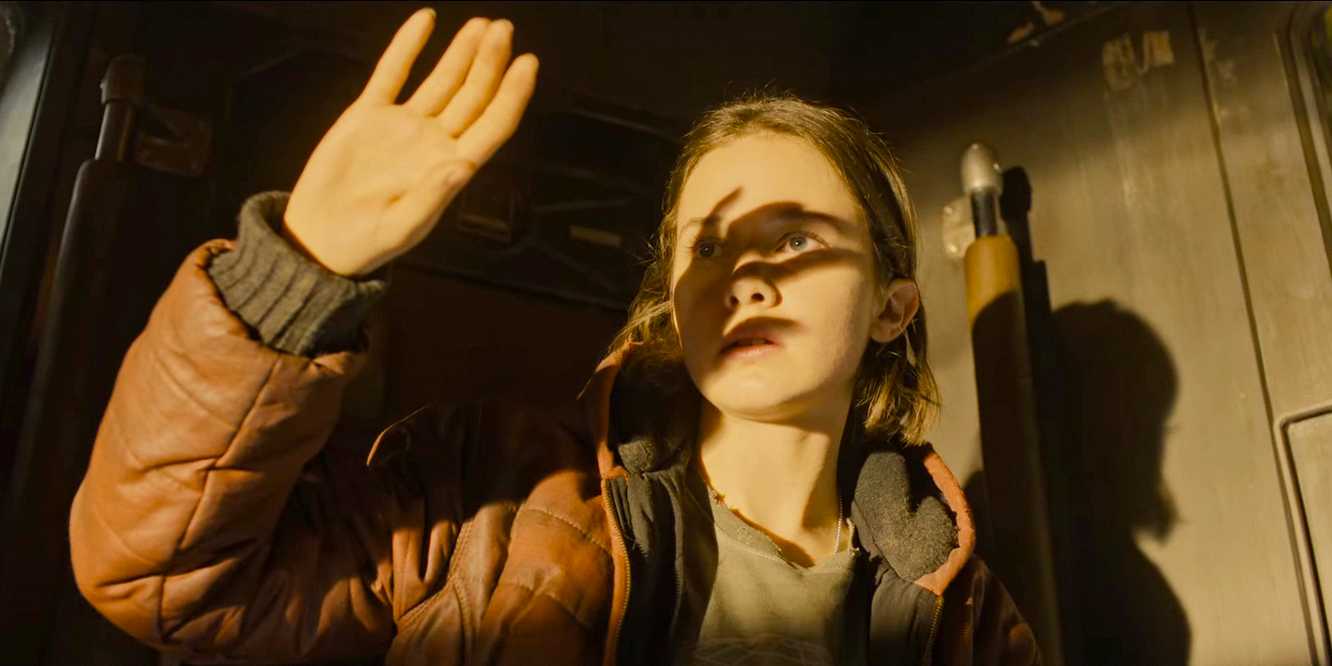




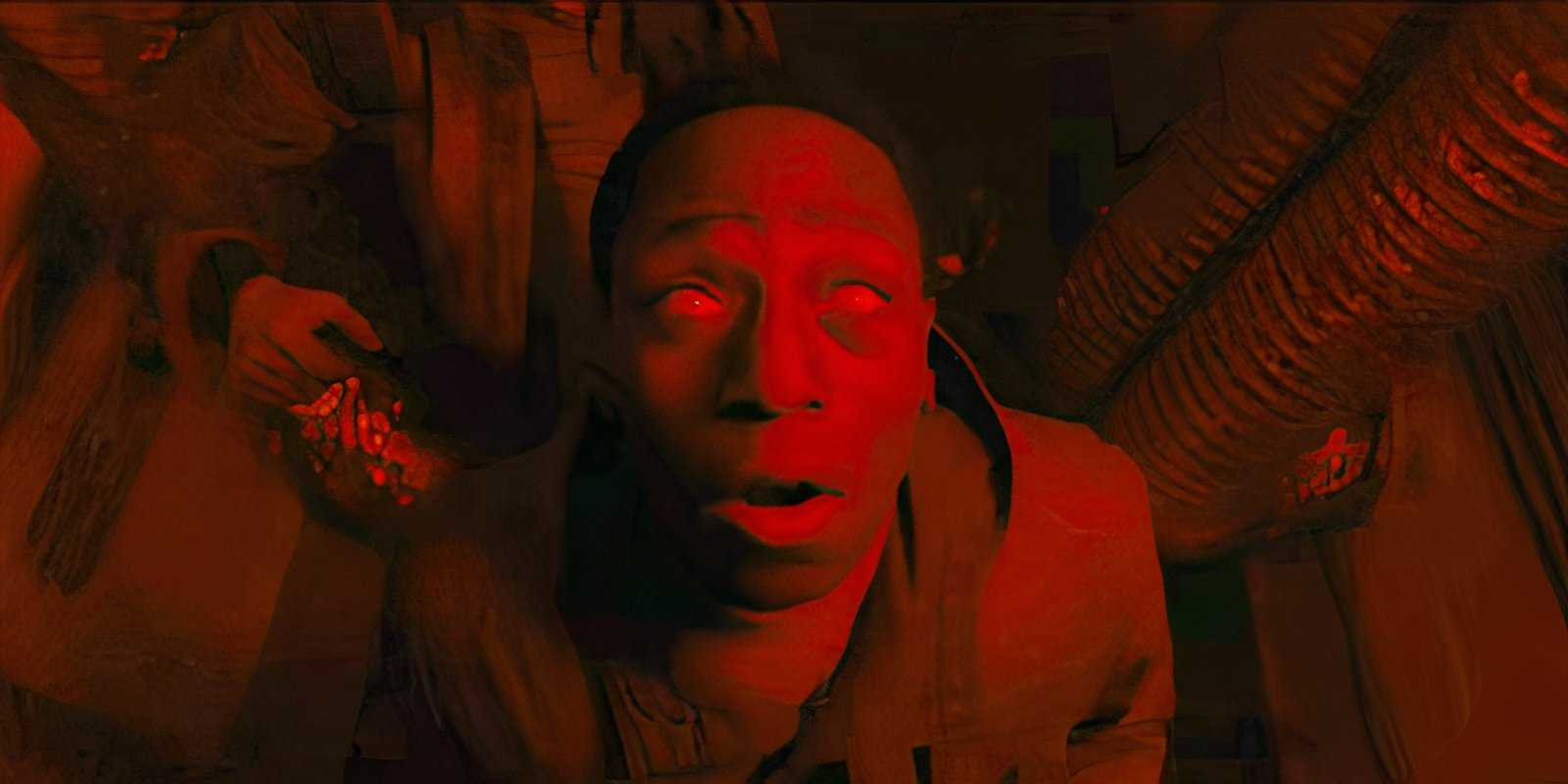
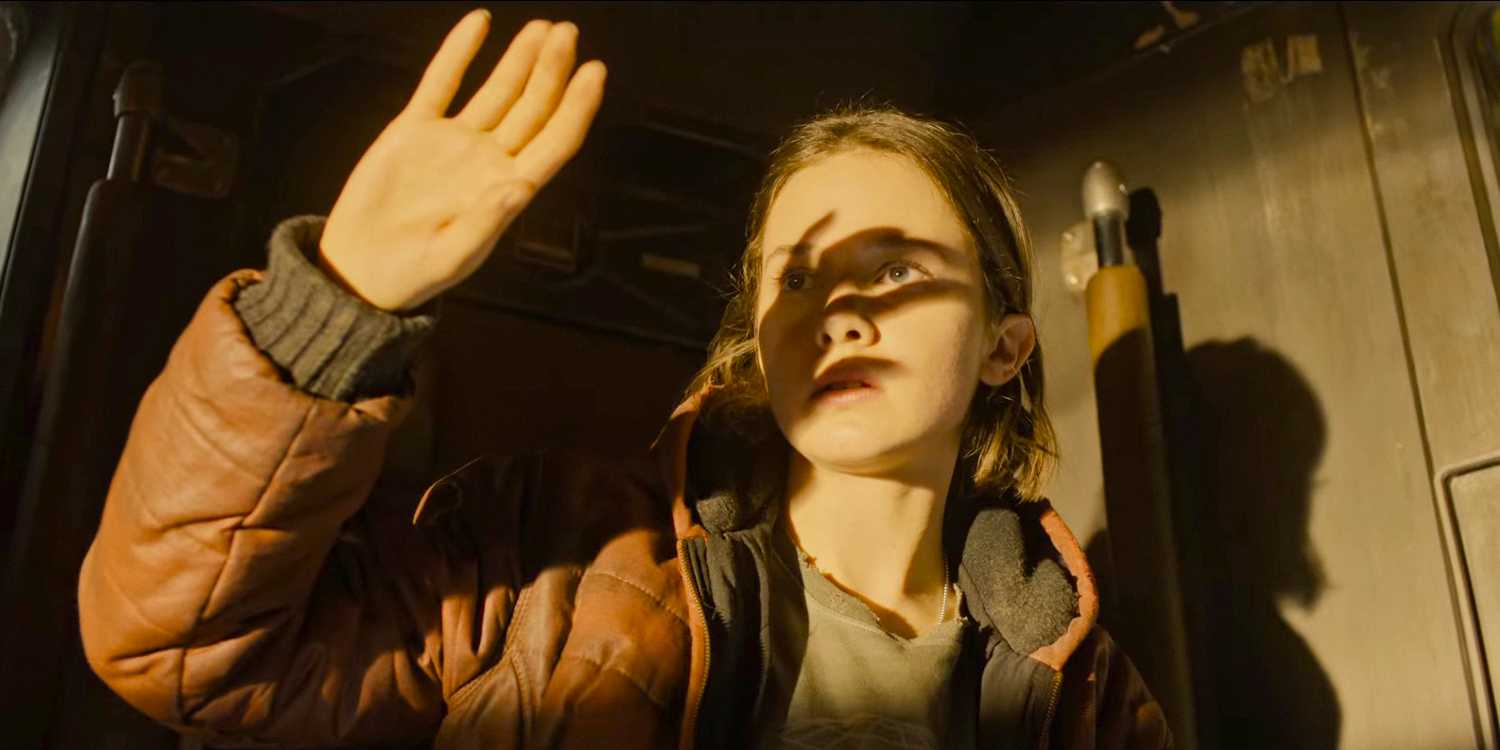






In Alien: Covenant, it's revealed that Shaw was dead, with David having used her body to attempt to perfect the Xenomorph. By the end of that same movie, it's clear the android plans to use Daniels and Tennessee in the same way, given the Facehuggers he brought on their ship. However, Rain will escape the fate of getting killed by an android, as Andy's main prerogative is making sure she is safe. This confirms that if an Alien: Romulus sequel ever happened, it could still follow the pair, as Rain wouldn't have to worry about Andy killing her.
While Andy's mission changed when Rook changed his prime directive, Rain was able to revert him back to his old self.
Although the ending of Alien: Romulus is extremely similar to Prometheus and Alien: Covenant, Rain and Andy's sibling relationship means another tragic outcome isn't going to happen. Instead, a sequel could see the pair returning as the central duo, clarifying how they continue to have a strong bond after their traumatic experiences. Similar endings aside, the newest movie offers much more concrete hope than Scott's prequels, making it stand out among the three of them.


- Release Date
- August 16, 2024
- Runtime
- 119 Minutes
- Director
- Fede Alvarez
- Writers
- Fede Alvarez, Rodo Sayagues, Dan O'Bannon, Ronald Shusett
- Producers
- Ridley Scott, Walter Hill, Michael A. Pruss
- Franchise(s)
- Alien
Cast
-
 Rain
-
 Andy
A group of young space colonists takes on a risky salvage job aboard a long abandoned space station, hoping for profit but instead awakening a lethal nightmare.
- Studio(s)
- Scott Free Productions, 20th Century
- Distributor(s)
- 20th Century
- Main Genre
- Horror

