


Summary
- Noah Hawley's Alien TV series will ignore Scott's prequels and return to the original concept of the xenomorph as a naturally occurring apex predator, rather than an artificial bioweapon.
- The TV series will also revert to the cassette futurism design of the original film, with outdated technology and a lived-in appearance, in contrast to the modern, glossy look of the prequels.
- These changes have significant implications for the Alien franchise, potentially creating a split in the canon and providing a fresh take on the series that recaptures the original film's magic.
As part of the beloved Alien franchise, Noah Hawley's Alien TV series is already under huge scrutiny – yet the writer and director has already confirmed that his vision will dispense with two of the worst elements from Ridley Scott's controversial prequels. After originating the xenomorph story with his classic 1979 sci-fi horror, Scott sought to expand the Alien universe's legacy and lore. However, following two divisive prequels, many long-term fans have been left frustrated by the director's creative decisions, many of which have retroactively impacted the earlier films.
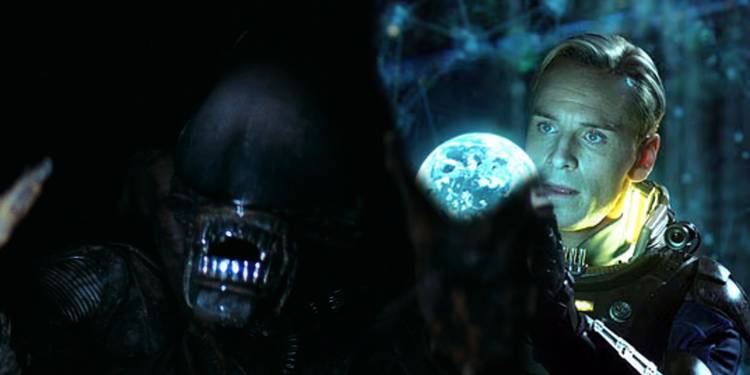
Before Prometheus' release, anticipation for an Alien prequel movie was high. Although the first movie is considered a masterpiece, it deliberately left many unanswered questions, such as the origin of the so-called Space Jockey. Scott set out to answer these and provide more backstory, suggesting that the bizarre creatures were the creators of all humanity. Alien Covenant took things even further, revealing that the xenomorphs themselves were the by-product of a pathogen engineered by the android David. The two movies updated the franchise's design as well as story, introducing advanced technology at odds with the original film's "space trucker" aesthetic. Hawley, it seems, is taking a different approach.
FX’s Alien TV Show Is Retconing The Xenomorph’s Origins After Prometheus


 Custom Image by SR Image Editor
 Custom Image By SR Image Editor
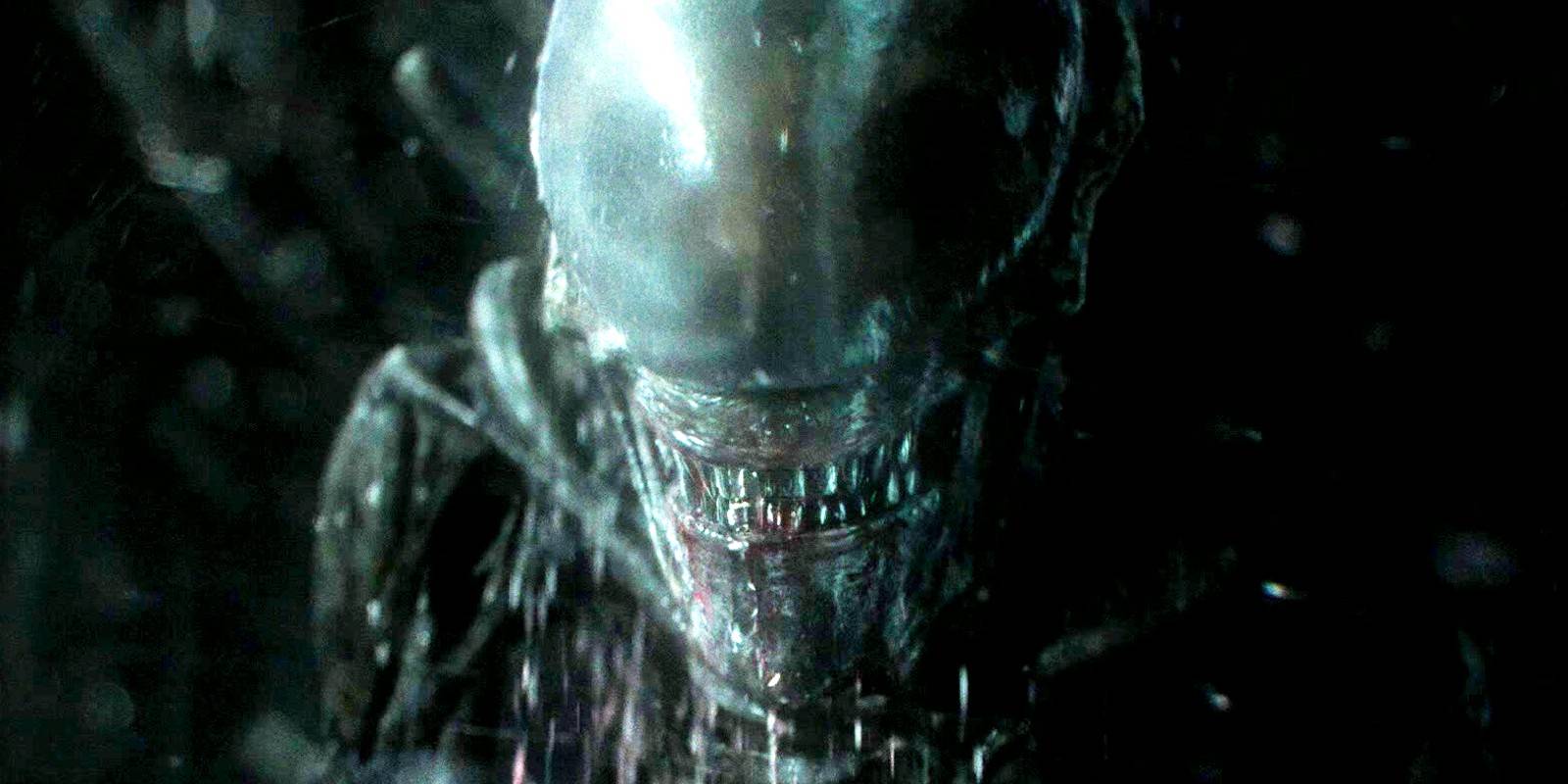
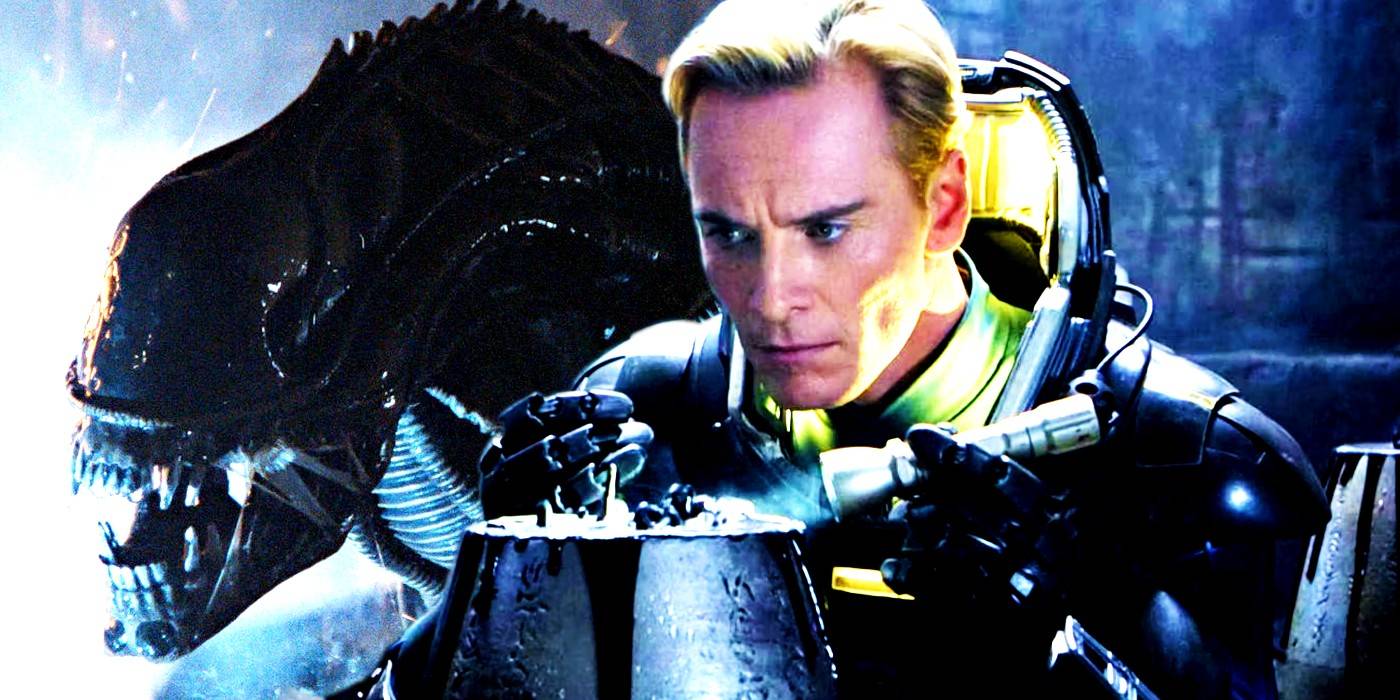
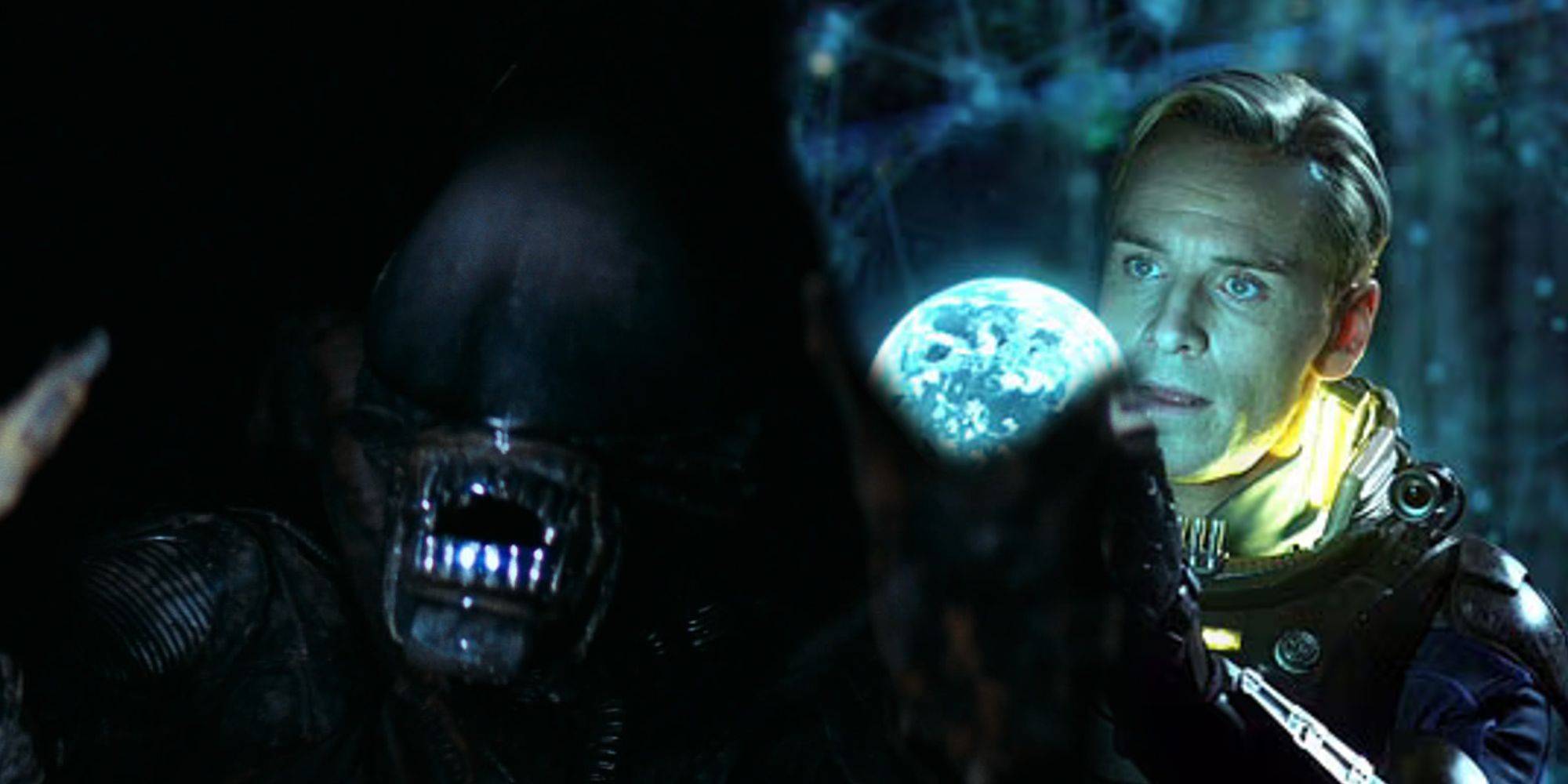


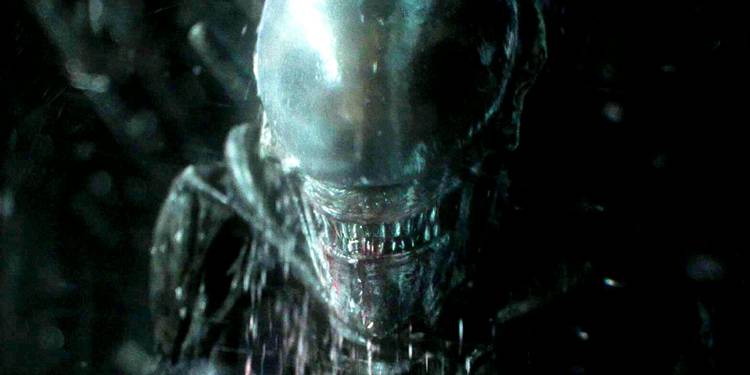
According to Hawley himself, the new Alien TV series will be ignoring and even exorcising many aspects of Scott's prequels from the franchise's history. As the showrunner explained in an interview with KCRW's The Business podcast, the decision to turn the xenomorph from a naturally occurring apex predator to an artificial bioweapon just didn't fit with his understanding of the original movie. In conversations with Scott, Hawley explained that he felt that a "perfect life form" as a result of "millions of years of evolution" is a much more effective monster than "a bioweapon created half an hour ago".
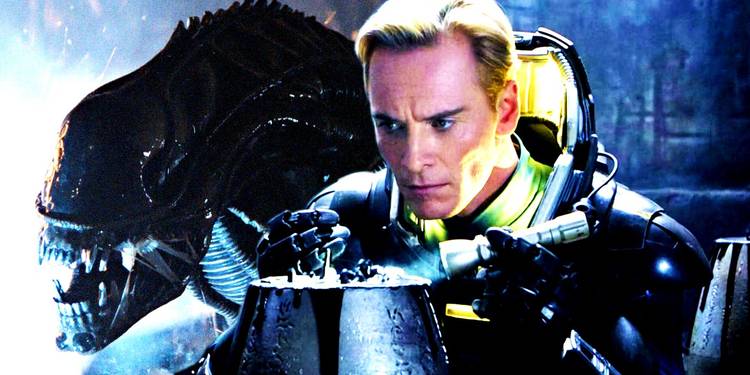
All this suggests that Hawley's project will undermine, if not completely rewrite Scott's exposition in Prometheus and Covenant. In both movies, it was confirmed that the 1979 xenomorph was not part of the natural world and was created through a grotesque and deliberate mutation of life. Inadvertently, this explanation lessened the power of Scott and artist H.R. Giger's original creation, making it akin to a science experiment run amok instead of a terrifying primal presence lurking in the dark corners of space. While it's unclear how Hawley intends to write David's meddling out of the lore, this approach will at least restore some of Alien's terrifying mystery.
The Alien Show Is Going Back To Cassette Futurism After Prometheus’ Modern Tech

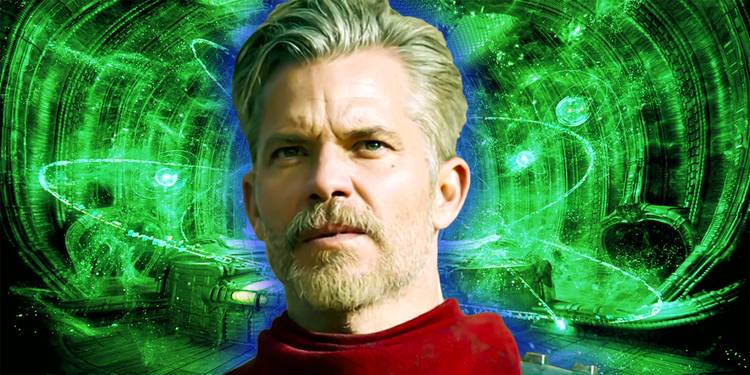
Another important alteration made by Scott in the Alien prequels was in the universe's design. In the 1979 original, the Nostromo looked more like a floating oil rig than a glossy spaceship, with its lived-in appearance influencing the look and feel of science-fiction films for decades to come. In this area, the prequels were a regression. Both Prometheus and Covenant made full use of modern CGI to show off advanced holograms and sparkling ship interiors – anathema to the vision presented in the first film. Not only did this decision make the two ships seem more advanced than the Nostromo, but it made both prequels feel more generic.
Hawley's new Alien show is also determined to right this wrong. As he explained in the podcast interview, making "the technology thousands of years more advanced than the technology of Alien" is inherently nonsensical, as well as insulting to the legacy of Alien's incredible original design. As such, Hawley is planning to reintroduce the "giant computer monitors" and "weird keyboards" that made the first film so recognizable.
What The Alien TV Show's Changes Mean For The Franchise

Both the design decision and the plan to retcon the xenomorph's origins have huge implications for the wider Alien franchise. Not only will consistent design fix a flaw in Alien's timeline, but creating an alternate origin story for the creature will directly contradict the events of both Prometheus and Covenant – effectively creating a split in the canon. Given that Scott's prequels have, since their release, been seen as the official version of events, such a step would either throw the entire series into turmoil or effectively sideline the two movies. Writing Prometheus and Covenant out of existence, however, could be good for the Alien franchise in the long run.
The Alien TV show, along with Fede Álvarez's tentatively titled Alien: Romulus can both return the franchise to its roots. While neither of Scott's movies were complete commercial or critical disasters, many viewers felt that providing detailed explanations for some of the series' most enigmatic scenes ruined what made Alien so magical to begin with. In effectively pretending as though these films don't exist, Noah Hawley can push the reset button, finding an alternative way to explore the creature that started it all without destroying its mystique.
Source: KCRW's The Business
