


Summary
- Always in Mind is a narrative platformer that explores human memory, following a 12-year-old boy named Teddy on a journey through his own subconscious.
- The puzzle-platforming mechanics of the game involve revealing hidden structures with a glowing ball of light, breaking through gates, and collecting memories and upgrades.
- The game features creative environments filled with symbolism, and offers meaningful reflections on aging, memory, and family. The demo is available now for PC via Steam.
Always in Mind is a new narrative platformer that explores the beauties and faults of human memory. The game will be the debut release from Inevitable Studios, which was founded by Cord Smith, a veteran developer of companies like Square Enix and SEGA. A new demo for the game has helped showcase its mechanics and overarching emotional ideas, giving a better idea of what players can expect from the final release.
The game follows Teddy, a 12-year-old boy who's recently fallen into a coma, journeying through his subconscious and learning about his family with the help of an AI implant named Proxy. The demo began mid-game in its fourth chapter - entitled Namesake - and because of this, not a lot of background was given to the situation save that Teddy's mother had unprecedented access to advanced technology. This allowed her to create Proxy as well as scan Teddy's family members' brains, letting them be explored, with this chapter focusing on his grandfather's mind.
Always In Mind's Puzzle-Platforming


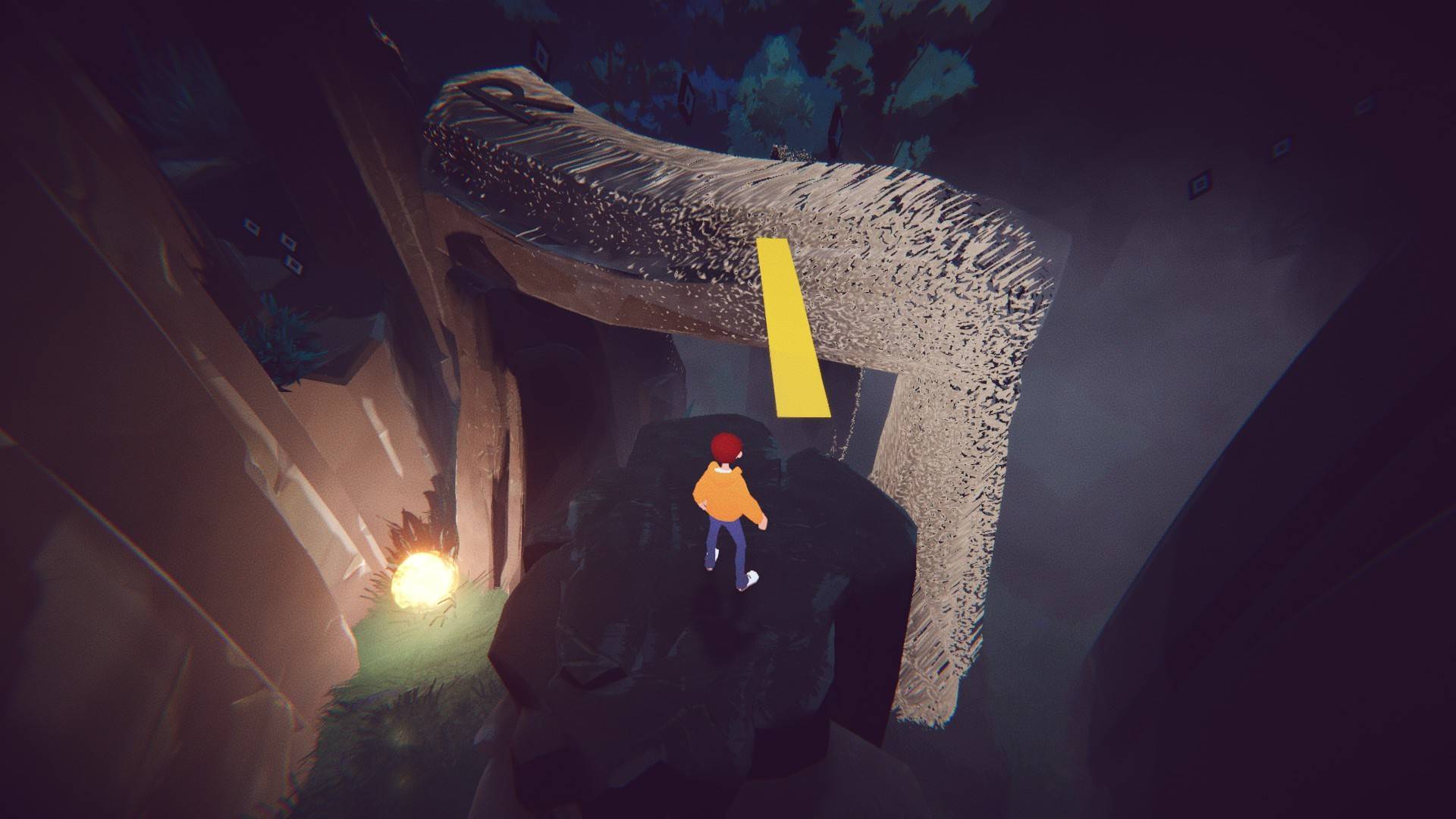
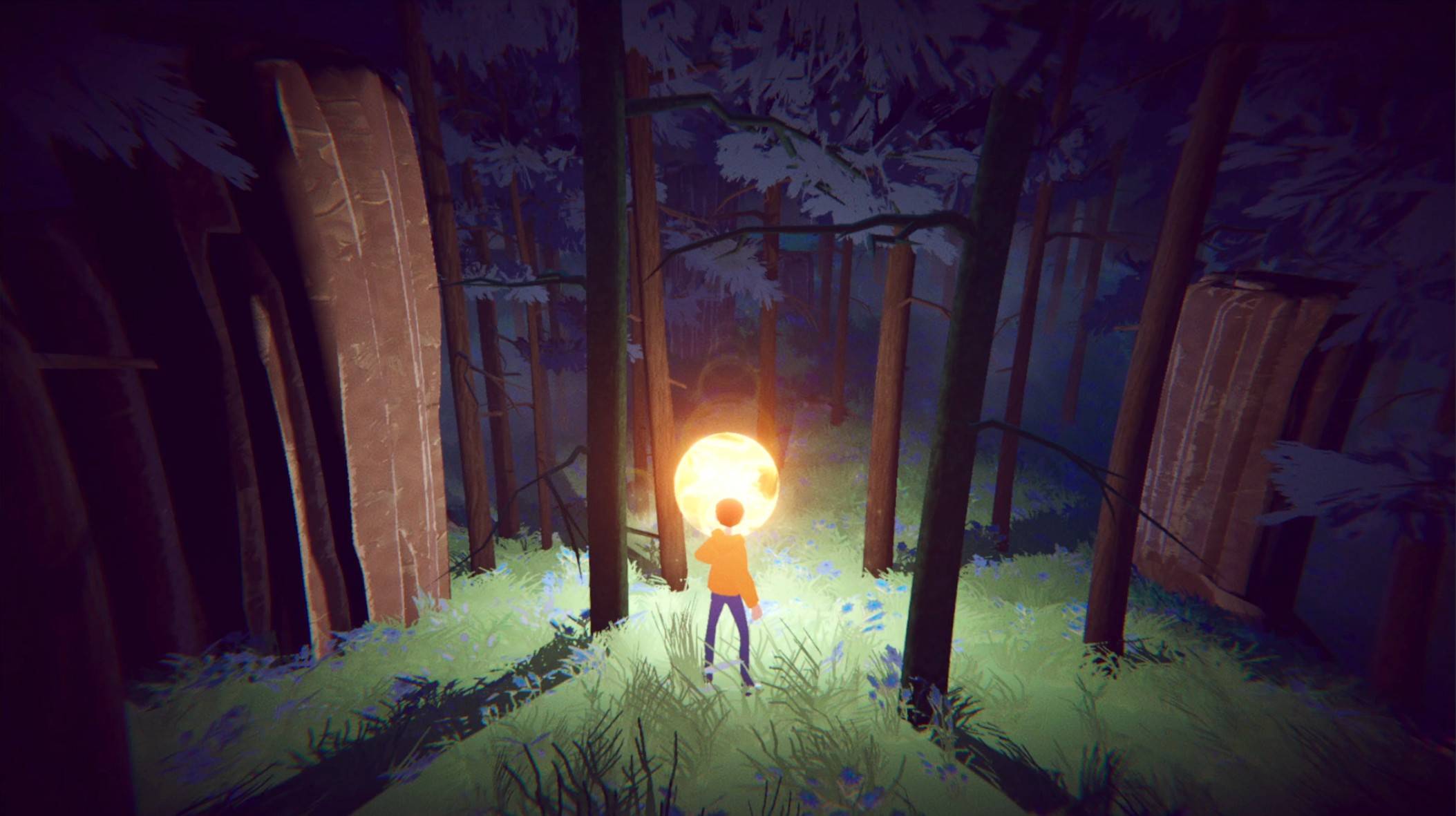




Traversal in Always in Mind functions similarly to games like The Unfinished Swan, where the player is responsible for revealing parts of their environment in order to progress. At the beginning of the demo, Proxy gives Teddy his "first upgrade," which allows him to control the AI in the form of a ball of light. In a clever play on the idea of illuminating the past, this glowing orb can be used to show hidden structures, which will help find paths to climb and cross gaps that at first glance seem insurmountable.
Players can aim and throw the kickball-esque light with the right trigger and call it back with the left, and utilize both for a special slam designed to break through the gates that are dotted throughout the world. A forceful kick can also be done with the X button, which is useful for more precise and powerful shots. As the demo progressed, so did its puzzling, with where to go next becoming harder to discern with each area explored, and the slow addition of timing-based platforming elements also gave a glimpse of what challenges future chapters might entail.
Uncovering Memories & Destroying Glitches

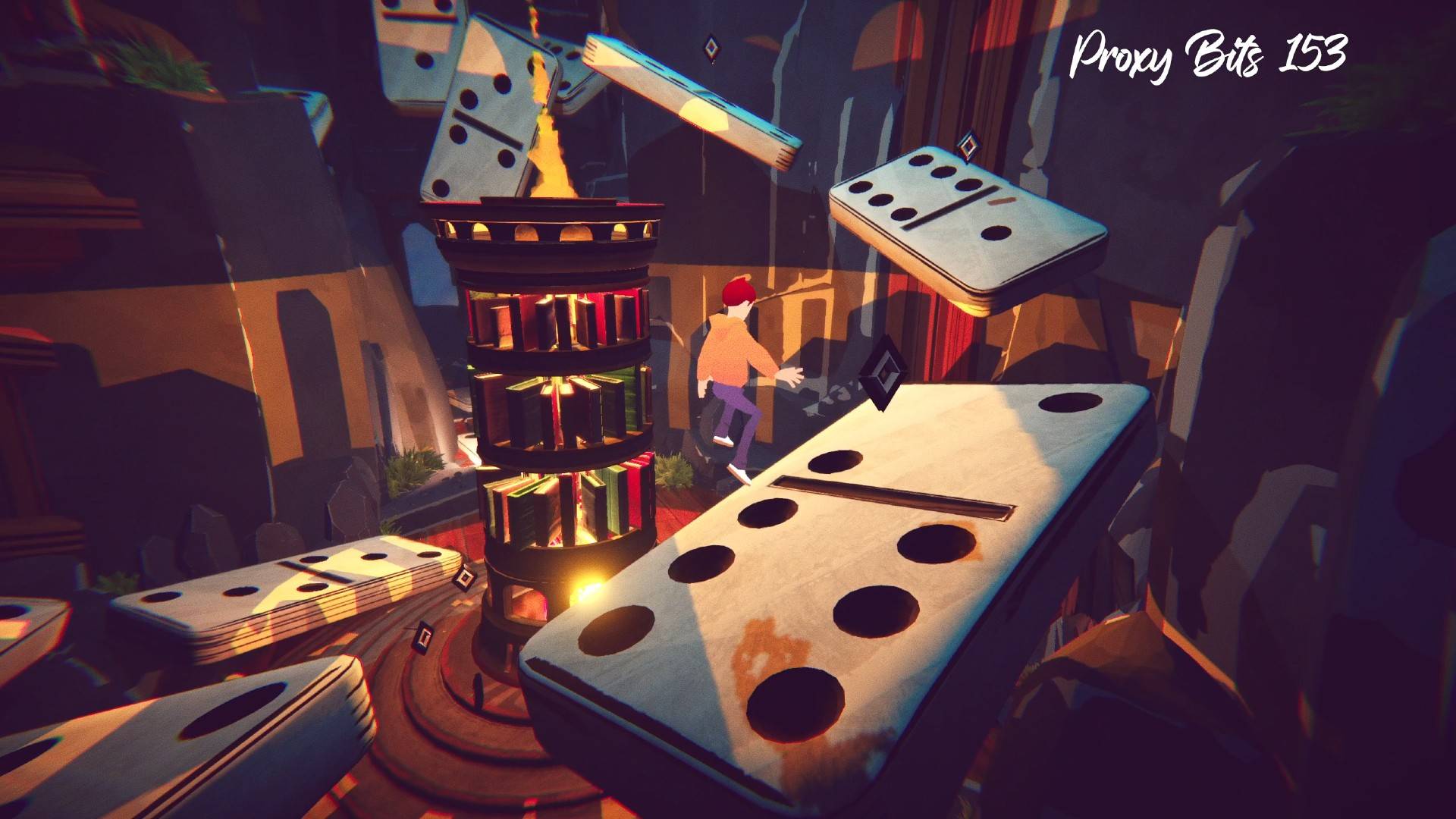
The main form of progression in Always in Mind comes from finding pillars of memory scattered throughout the world, each in stylized areas that represent different facets of Teddy's grandfather's memory. The aforementioned gates, which must be broken in order to progress, first must be weakened with the destruction of glitches - static-like patches spread across the map that Teddy can smash with the light ball. The subconscious is full of positive finds too, filled with Proxy Bits players can collect to earn further upgrades, though the details of that system weren't clear from the demo.
Proxy as a whole makes for an insightful and helpful companion as Teddy continues to unearth memories. Though his robotic, AI-style of speech can be a bit jarring, the character - which consists only of two concentric circles - regularly offers incredibly poignant and poetic observations about the journey and the life of Teddy's grandfather. If they get stuck, players can also activate the Proxy Camera with the Y button, offering a sort of filter on the landscape that points out glitches and other points of interest.
There are other ways Teddy is able to gain insight on his grandfather besides core pillars, with other discoverables that seem tied to each relative's personality - for example, Teddy's grandfather loved painting, and throughout the demo there were pieces of art to be found throughout the world that gave extra snippets of information. Similarly, a few areas contained glowing question marks that - when illuminated - showed core memories that lingered longer than others after he became afflicted with dementia, like one that flashed portraits of his late wife with the text "don't let me forget to love her."
Increasingly Creative Environments

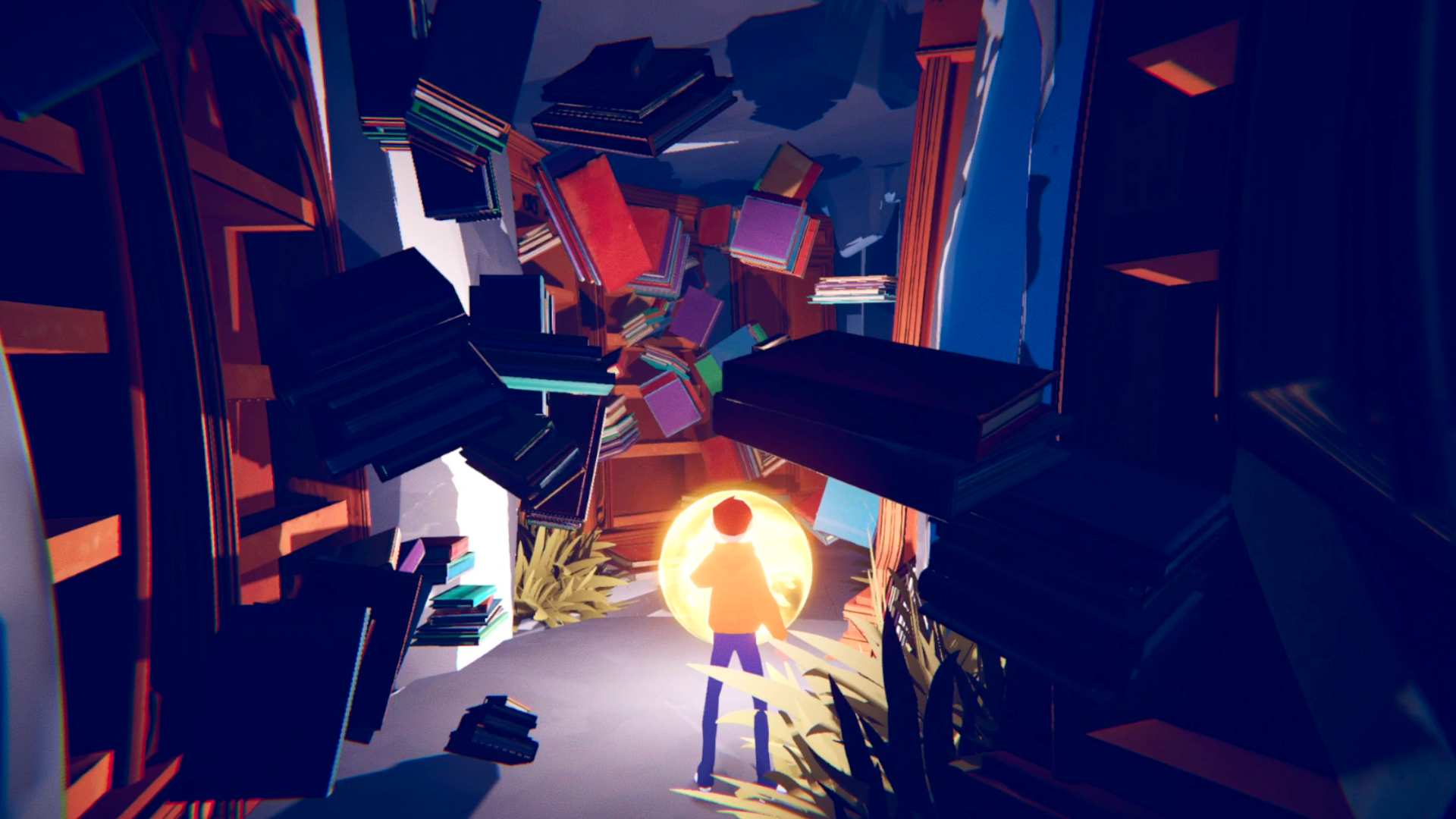
The demo of Always in Mind began as Teddy was mid-slide down a steep hill and speaking to Proxy, which felt reminiscent of What Remains of Edith Finch's expositional minigame sequences. This dropped Teddy in a rocky forest full of hidden structures to climb, which, while fun to explore, was certainly the most normal of the environments encountered. After the first gate, Teddy was led across a line of dominoes - one of his grandfather's favorite games - into a chaotic library representing his unorganized thoughts.
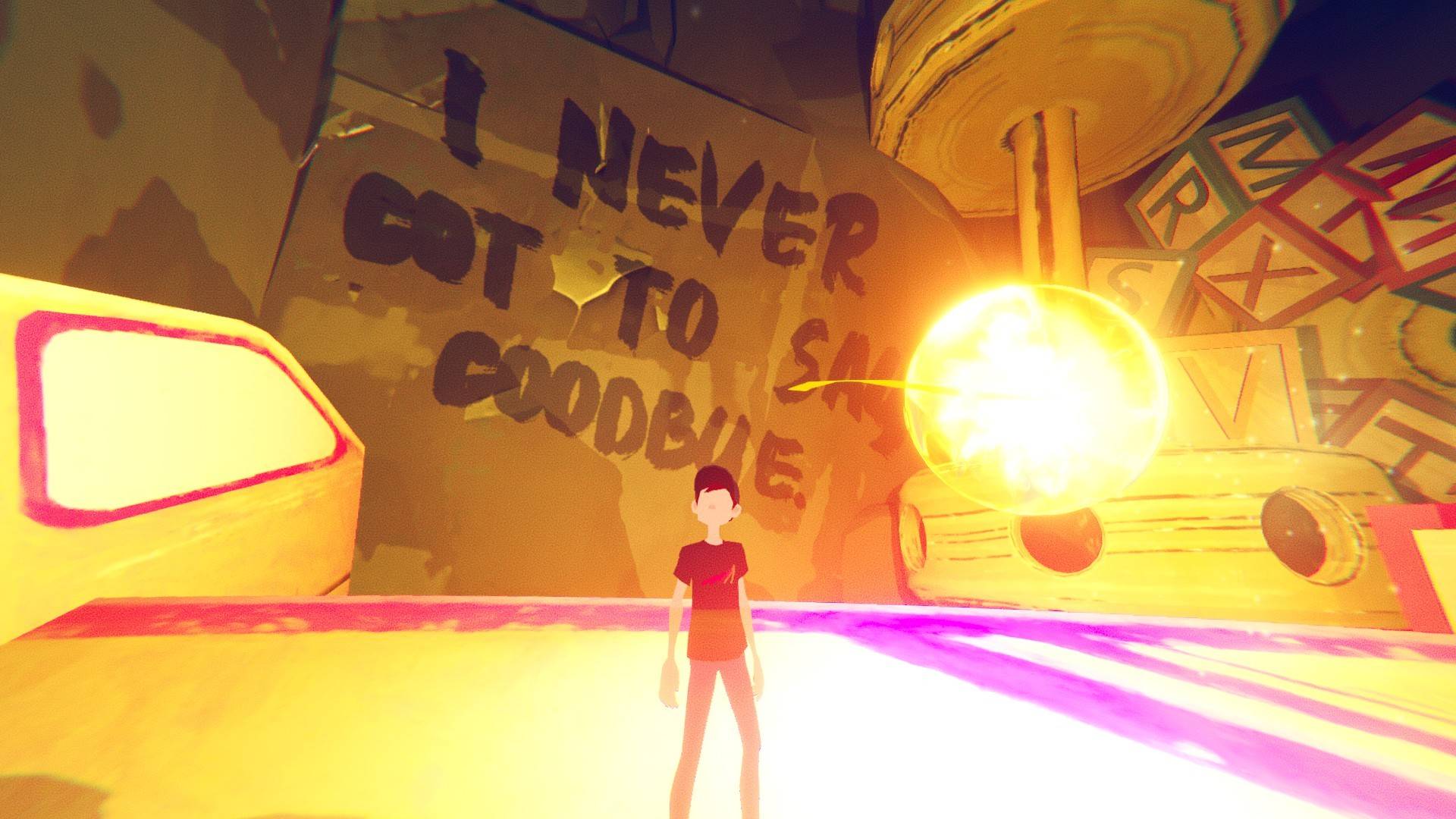
Filled with flying books, a spiraling centerpiece, and a breakaway floor leading to a foggy underbelly, this area made it clear that Always in Mind is a game heavily doused in symbolism and creativity. The final area was filled with even more toys - model airplanes, moving miniature cars, and twisting cogs that made for more intricate traversal. These later rooms did seem to largely do away with the hidden object illumination mechanic the first portion was centered around, instead favoring unique but completely visible environments, but it's almost undoubtedly not the last time it will appear in the title.
Final Thoughts On Always In Mind

Though it has some of the elements of traditionally relaxing puzzle games, Always in Mind seems like it has the potential to be an incredibly emotional journey alongside its more serene moments. Throughout the demo, Teddy and Proxy's conversations offered meaningful ruminations on the concepts of aging, memory and family, and with other chapters slated to journey into the minds of others related to Teddy there is certainly much more to explore. Though the game has no set release window yet, fans of narrative-driven indie games should keep Always in Mind on their radar.
The Always in Mind demo is available now for PC via Steam at no cost.
Source: Inevitable Studios/YouTube
