


The worst Netflix shows fade into the background while you scroll or cook dinner, but Arcane refuses to let that happen. It asks for your focus by making every frame matter. Scroll mindlessly through a scene and I promise you'll be lost. This is a show that demands your attention.
It doesn't matter if you've never played a League of Legends match. As someone who isn't a fan of the game, Arcane became one of my favorite animated shows of all time by episode 3. It's just that good, full stop.
From its first breath to its last, Arcane holds its audience in a steady grip. It nails every payoff planted from the first episode, and then some. Perfection here isn’t a boast; it’s simply what happens when nothing is left to chance.
Arcane Is An Animated Steampunk Sci-Fi Series Set In The League Of Legends Universe
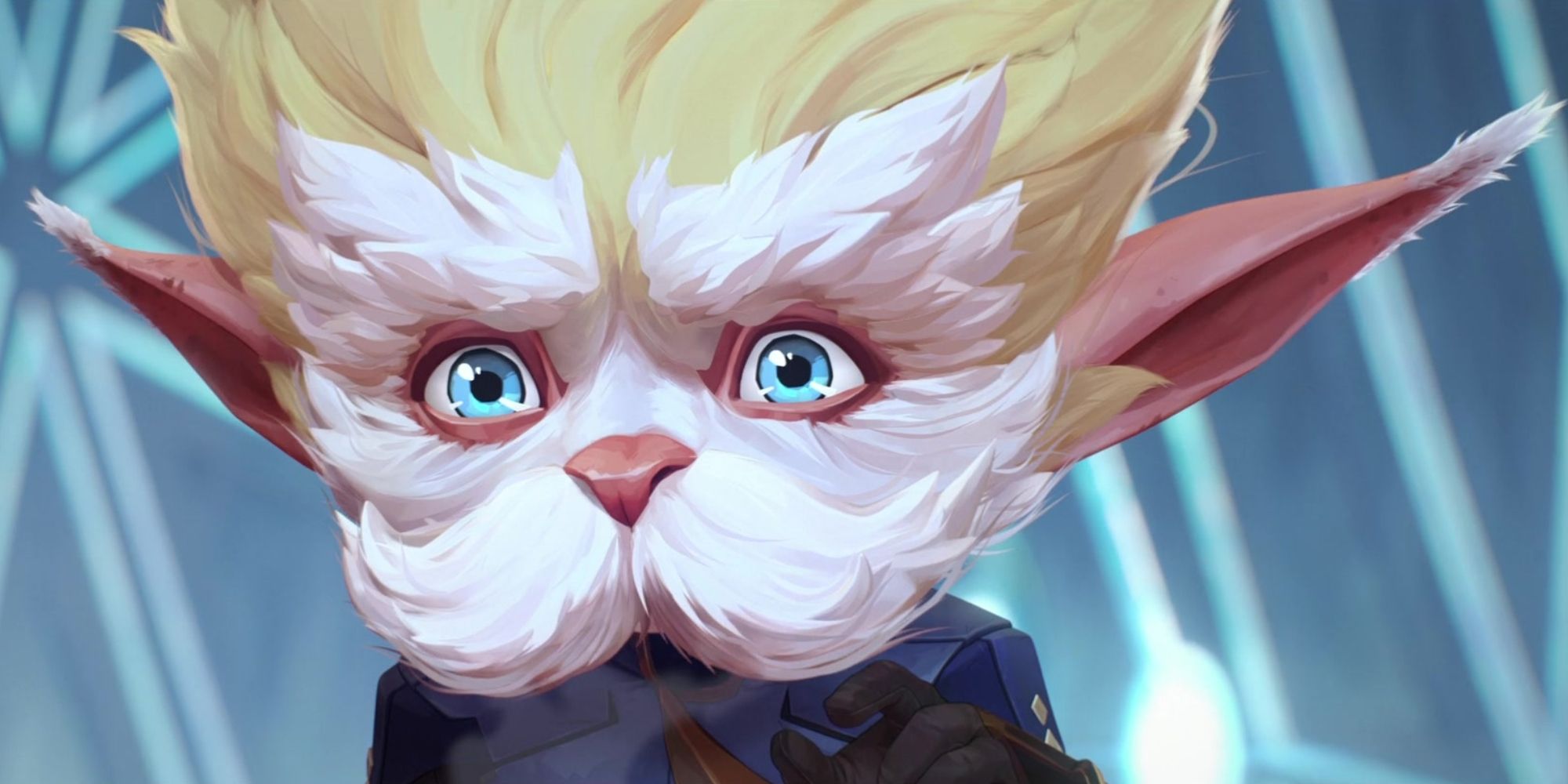
In Arcane, Piltover’s skyline gleams with the promise of invention, but every polished gear hides the cost of keeping it turning. Below, Zaun breathes in fumes and breathes out rebellion. This is the League of Legends timeline and universe reimagined—not as Summoner's Rift, but as a place that remembers every hand that built it.
Arcane's steampunk sci-fi aesthetic is worldbuilding at its finest. Hextech promises advancement, but its power quickly exposes the greed behind it. Shimmer offers escape for Zaun’s desperate, yet demands a toll few survive. In Arcane, science shifts loyalties, fractures families, and hardens the divide between those who rule and those who resist.
Arcane's bold, differerent animation expresses the social divide within this sliver of the LoL universe. In Piltover, light slices cleanly through glass towers, while in Zaun, it struggles past smoke. It's a visual moral difference where every beam of light pushes past what the city has decided to ignore.
You don’t need a single match’s worth of League knowledge to feel it. Arcane's writers have built upon an extensive, established mythology—deep enough for veterans to trace every thread, but accessible for those who never plan to boot up the Riot launcher on PC.
That’s what makes Arcane one of the best sci-fi shows on Netflix: its setting is a living, breakable place, and the show never lets you forget who’s holding it together, and at what cost.
Arcane Is The Best Video Game Adaptation Ever Made

Even the best video game TV adaptations stumble trying to please two camps: fans fluent in the source and newcomers just arriving. But Arcane sidesteps the trap entirely. It roots itself so deeply in character that the lore becomes tasty seasoning, not a gatekeeper.
For League of Legends veterans, there’s joy in recognizing champions faithfully reframed in a new medium. For first-time visitors, no orientation is required because the emotional stakes are immediate. That’s why Ella Purnell’s Jinx hits with the same force whether you’ve played the game or never heard her name.
Purnell's voice work gives Jinx contradictions that never cancel each other out. She’s fragile and dangerous, childlike one breath and merciless the next. That complexity makes her story larger than any nod to her digital origins—it makes her feel singular to this telling.
Arcane's writing treats adaptation as an act of reimagining, not just replication. The question isn’t “What will players recognize?” but “What makes this character impossible to ignore?” And the answers unfold in arcs that can stand on their own.
It’s why Arcane has outgrown the “video game adaptation” label entirely, and why we've finally entered the golden age of the video game adaptation. It stands as one of the most accomplished animated dramas in recent memory.
That leap comes from resisting the lure of easy fan service. Arcane buries its Easter eggs in plain sight, a nod to those who know while keeping the door wide open for those who don’t; a balance few adaptations achieve.
Why Arcane Is A Perfect Sci-Fi Series From Beginning To End

Arcane’s perfection lies in how its story unfolds with relentless precision, each episode a carefully measured step in an intricate dance. The series trusts viewers to hold multiple character threads in tension without ever sacrificing clarity or emotional connection. This narrative discipline lets the show explore sci-fi’s grand ideas through intimate human experience.
At its core, Arcane wrestles with transformation—of people and places—in ways that feel urgent and inevitable. The sci-fi setting amplifies this tension, where advances in war technology, like The Gray, hold deeper, profound meanings. The resulting collisions are neither heroic nor villainous but tragic and raw, making every triumph and failure resonate with real-world weight.
The emotional currents in Arcane run deep and unpredictable. Trauma, hope, and identity intertwine, often in painful patterns that refuse easy resolution, particularly in the deft handling of Jinx's mental illness. This commitment to complexity means the series never challenges viewers to reckon with the consequences of ambition and survival in a fractured society.
Visual storytelling also plays a vital role in this perfection. Arcane’s animation embodies themes through color, light, and movement, where scenes unfold with cinematic precision, making every gesture and shadow carry meaning. This synergy, between form and content, not to mention Arcane's choreographed soundtrack, is exactly what elevates the show beyond conventional sci-fi to something more immersive and affecting.
Arcane’s flawless narrative arc is a rare achievement because it balances spectacle with introspection, pacing with patience. It demands attention through nuanced storytelling, holding space for both wonder and reflection. The result is a sci-fi series that feels complete, resonant, and utterly impossible to skip.


- Release Date
- 2021 - 2024
- Network
- Netflix
- Showrunner
- Christian Linke
- Directors
- Barth Maunoury, Marietta Ren, Christelle Abgrall
- Writers
- Amanda Overton, Nick Luddington, Mollie Bickley St. John, Ben St. John, Giovanna Sarquis, Henry G.M. Jones
Cast
-

-
 Jinx
- Franchise(s)
- League of Legends

