


Summary
- The Arrowverse had a better ending than the DCEU with a more epic final scene and closure for its main heroes.
- The Flash was the most popular hero in the Arrowverse, while Aquaman didn't generate the same excitement in the DCEU.
- The Arrowverse embraced its comic book roots and utilized the multiverse concept effectively, while the DCEU struggled with behind-the-scenes issues and poorly treated Superman.
The Arrowverse and the DCEU have come to an end in 2023, but that does not mean that both universes ended the same way, as the Arrowverse had a better ending than the DCEU. The Arrowverse started in 2012 with Stephen Amell's Arrow. The shared DC TV universe would then gradually grow, with six main Arrowverse series: Arrow, The Flash, Supergirl, DC's Legends of Tomorrow, Black Lightning, and Batwoman. After 11 years, the Arrowverse would come to an end in 2023 with the last episodes of Grant Gustin's The Flash.
The DCEU started just a little after the Arrowverse, with the cinematic universe making its debut in 2013 with Zack Snyder's Man of Steel, starring Henry Cavill. After a controversial road that led to Snyder leaving DC, Superman being sidelined, and a mix of bad and great DCEU movies, the cinematic universe has come to an end. The recent release of Aquaman and the Lost Kingdom marked the end of the DCEU after a decade, making way for James Gunn's new DC Universe. While the Arrowverse and the DCEU ended in the same year, both franchises had very different endings, with the Arrowverse's being the better of the two.
10 The Arrowverse Lived Up To Its Potential
The DCEU Never Did

While the DCEU had a solid start with Man of Steel, the immediate follow-up to the movie was Batman v Superman: Dawn of Justice, which was extremely controversial. After that, DC dealt with many behind-the-scenes issues that saw major changes to how the universe should develop, leading to the DCEU's ending being sad over what the universe could have been. On the other hand, the Arrowverse thrived for years as the DCEU struggled. The Arrowverse fully embraced its comic book roots, adding excitement through yearly crossovers that brought heroes from the Arrowverse and the multiverse together, with the Arrowverse achieving its peak with Crisis on Infinite Earths.
9 The Arrowverse Ended With Its Most Popular Hero
Grant Gustin's The Flash Is One Of The Most Popular Live-Action Superheroes



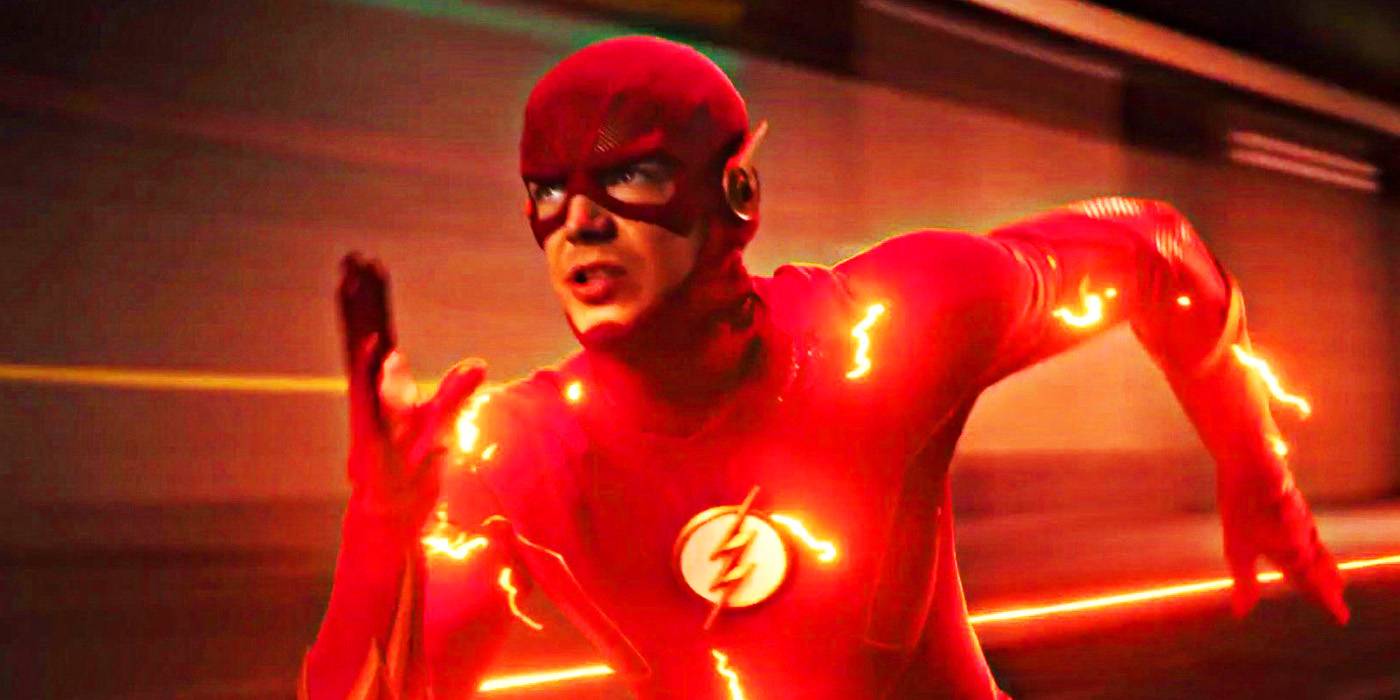
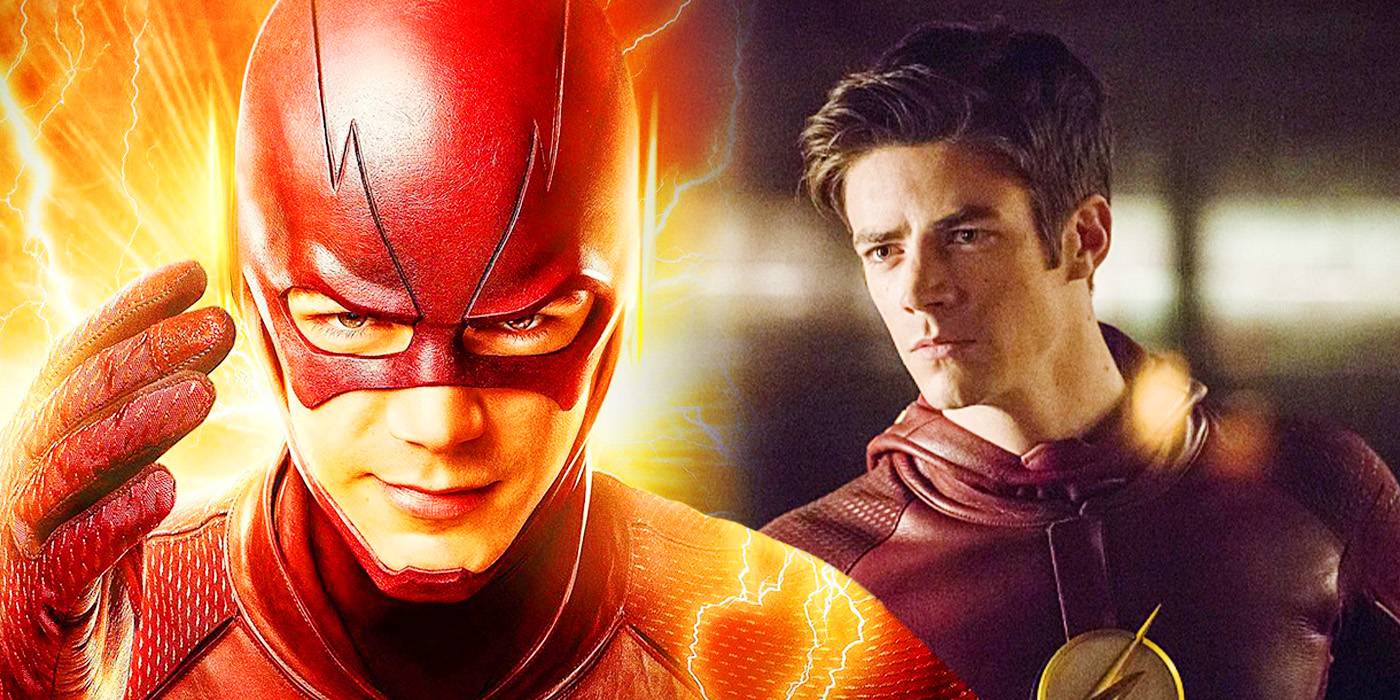
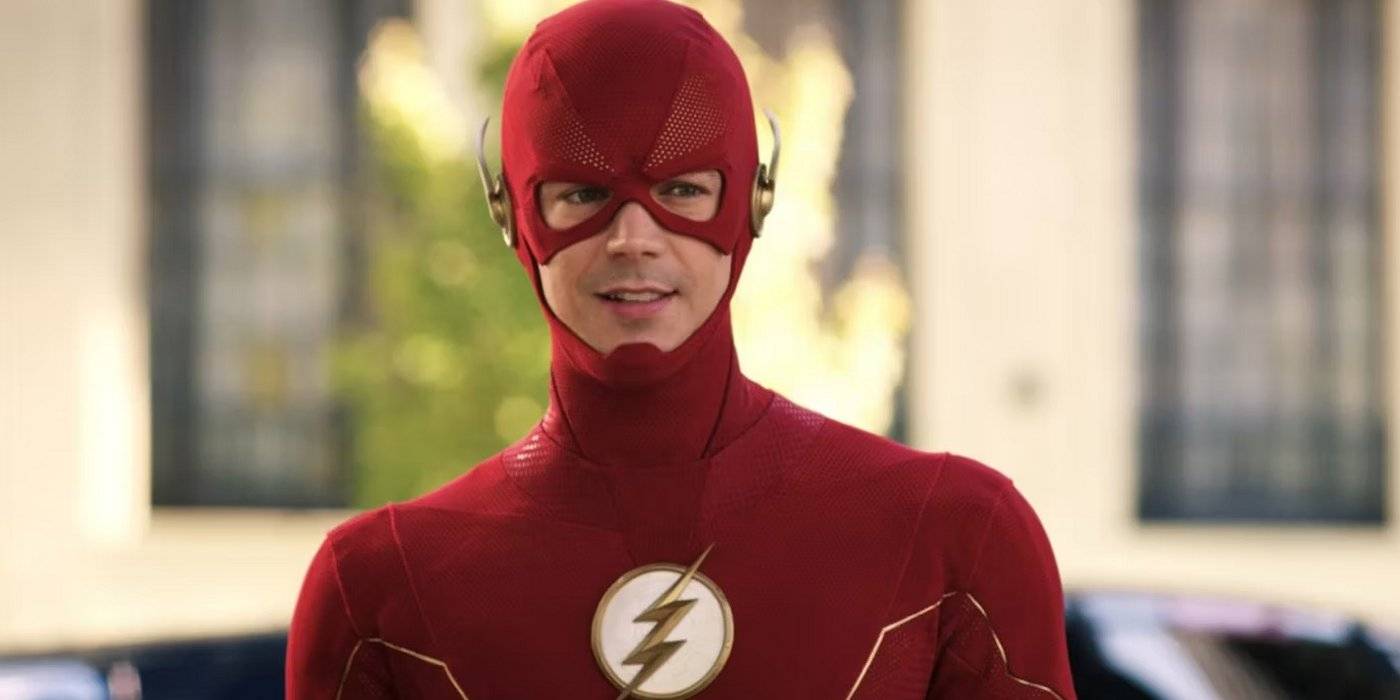
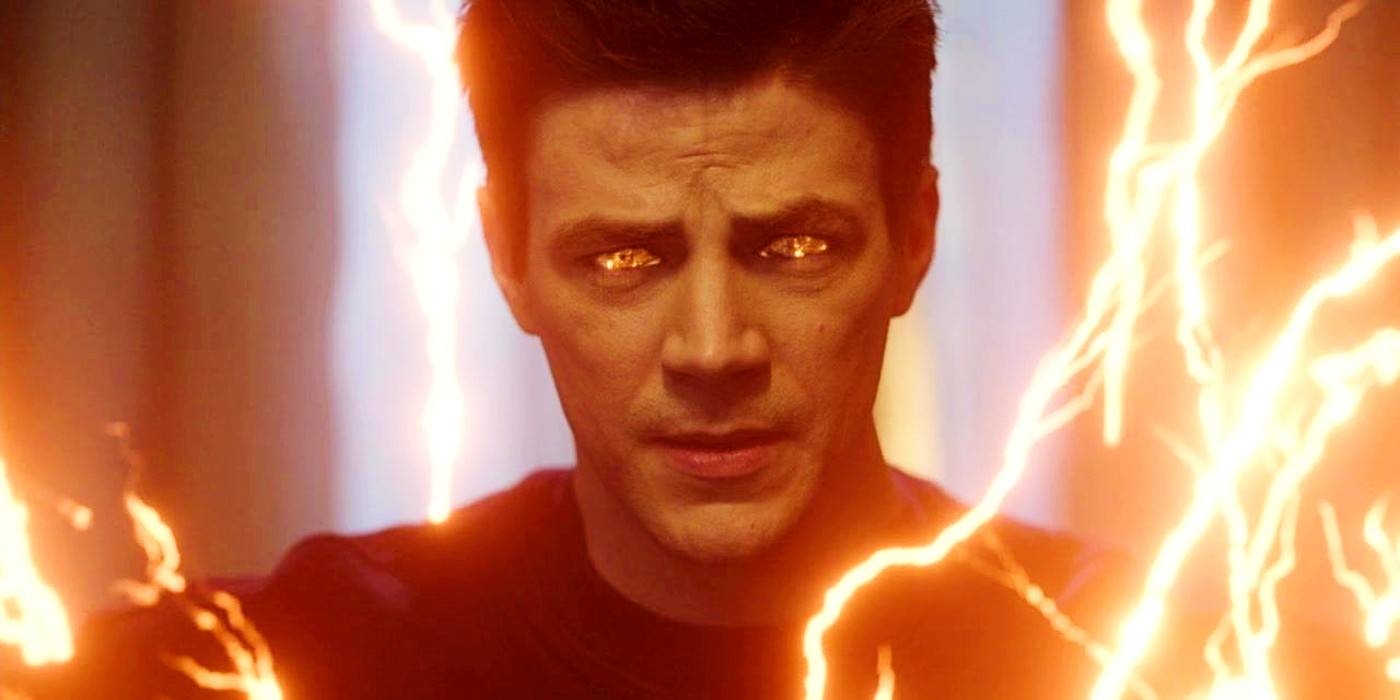





The Arrowverse's longest-running series was The Flash, which ended with season 9 and brought along the final chapter of the Arrowverse. Debuting in the back half of Arrow season 2, Gustin's Barry Allen would grow to be one of the most popular live-action heroes of all time, with his version of The Flash slowly becoming the Arrowverse's most loved hero. Having the Arrowverse end with The Flash was the perfect choice, while the DCEU ending with Jason Momoa's Aquaman in Aquaman and the Lost Kingdom just did not have the same level of excitement, as Margot Robbie's Harley Quinn was notably the fan-favorite character of the DCEU.
8 The Arrowverse’s First Hero Was Honored Before The Universe Ended
Stephen Amell's Green Arrow Started The Arrowverse


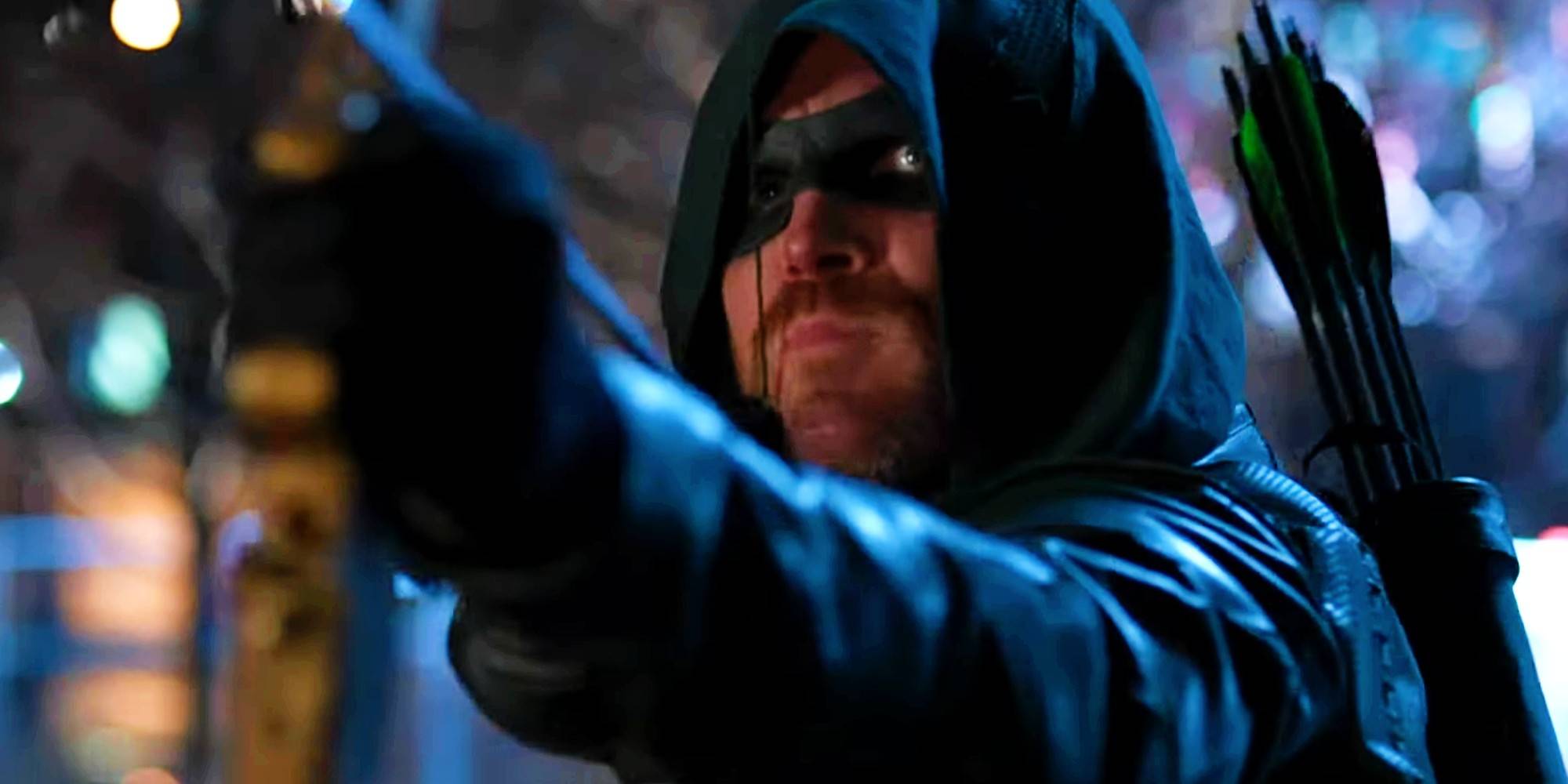
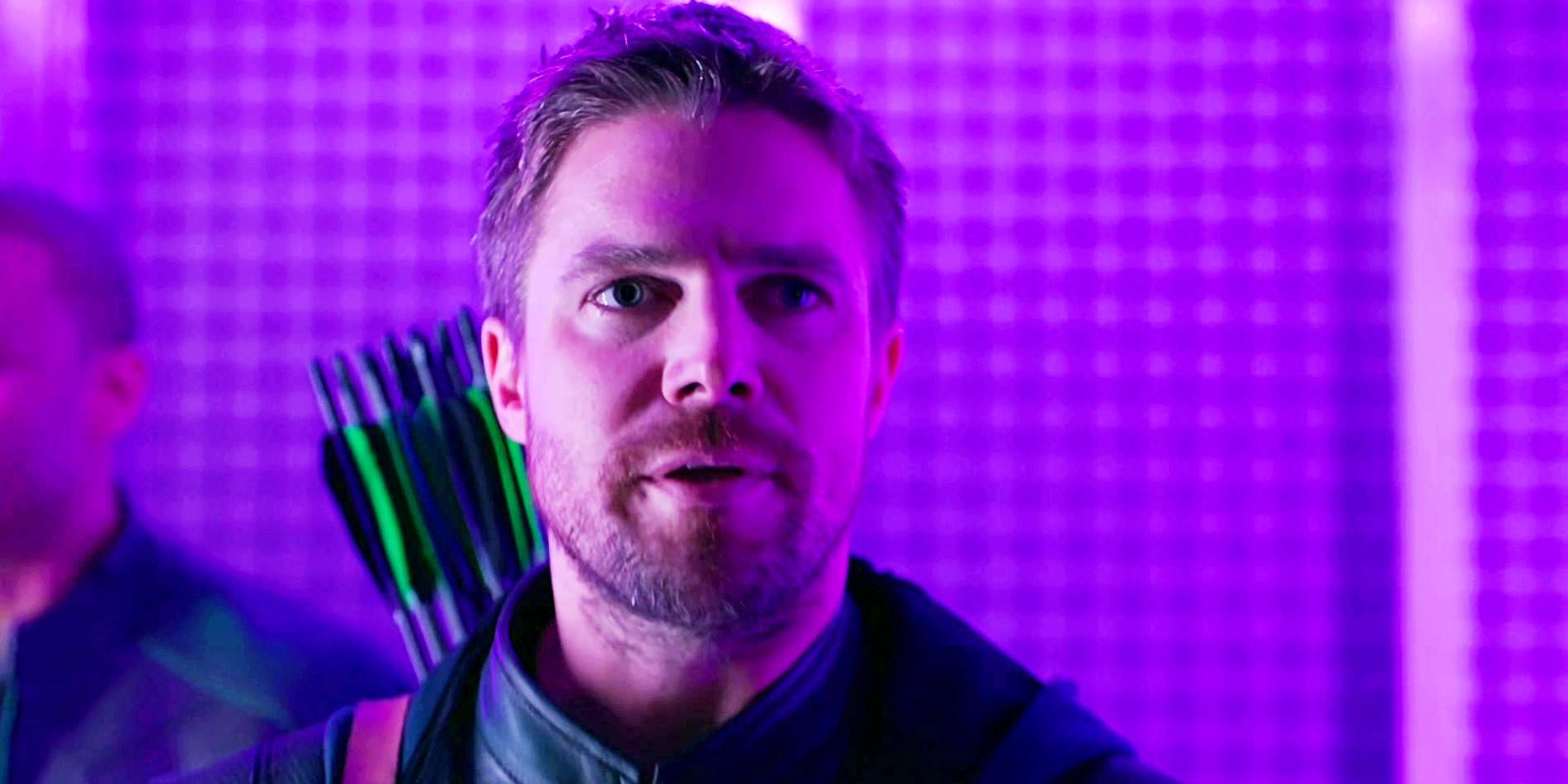

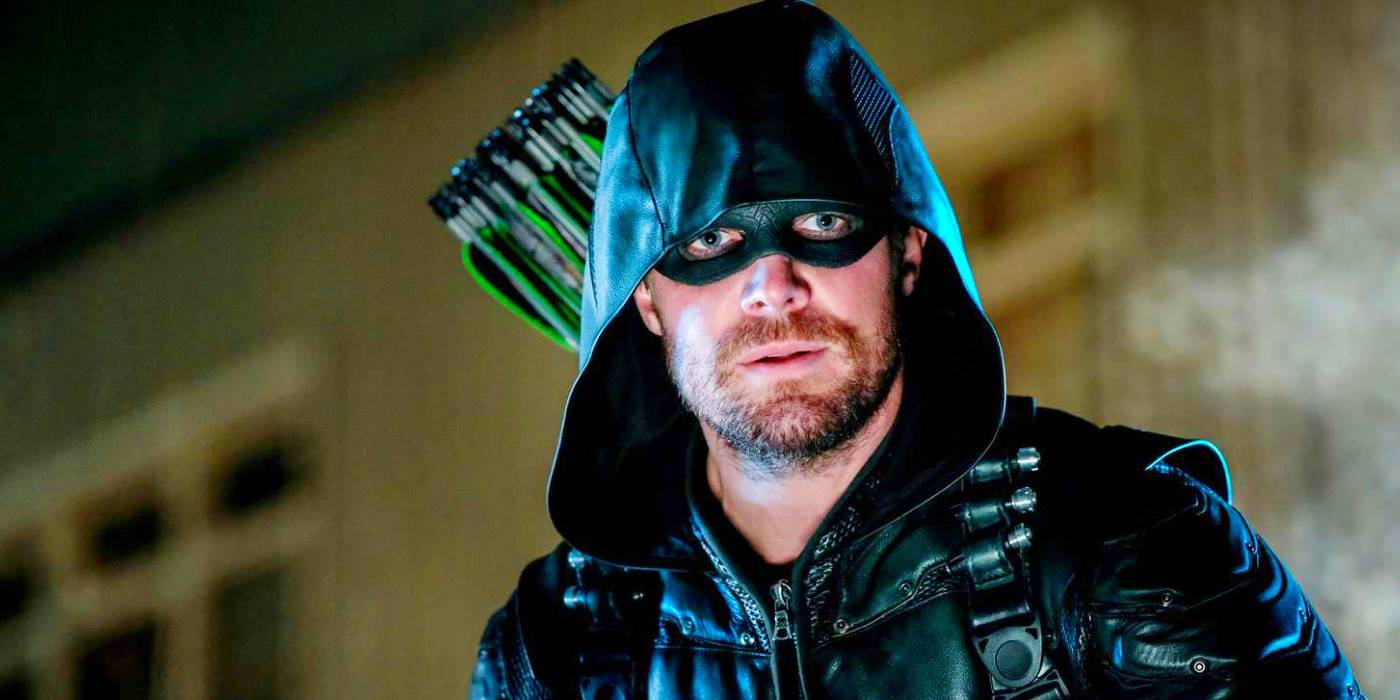
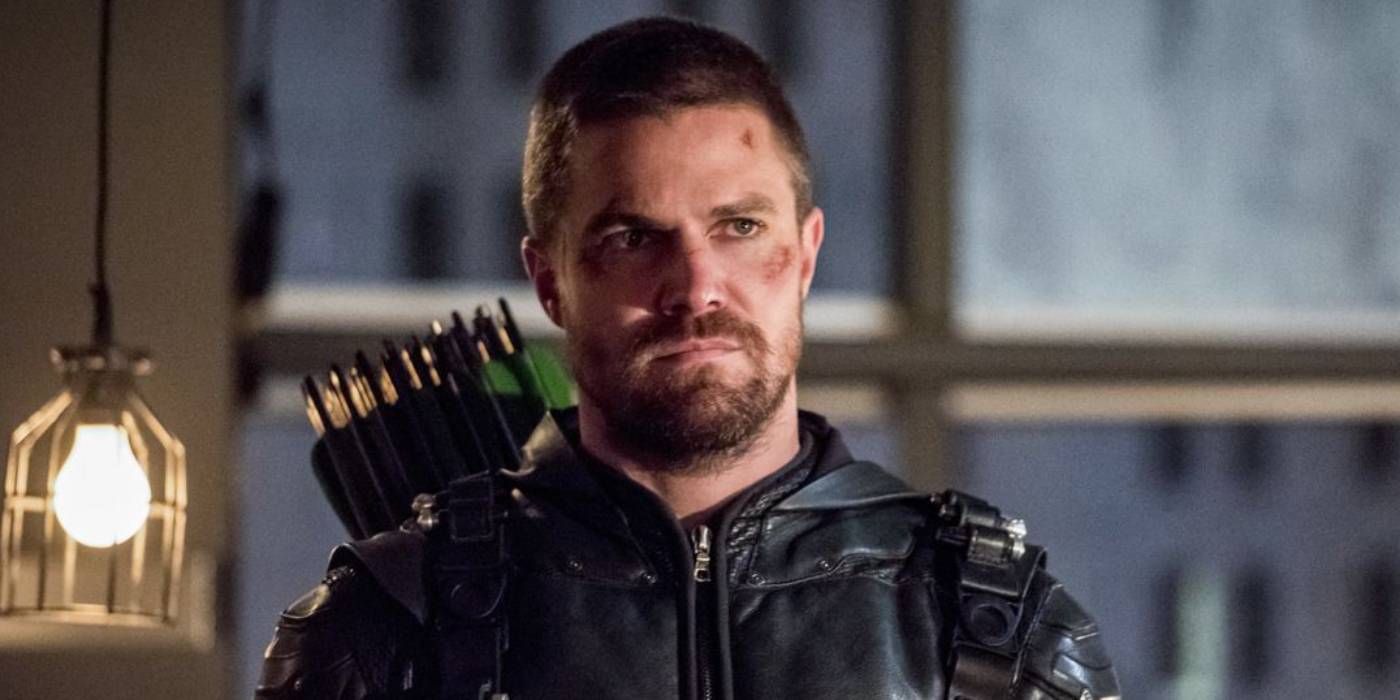





Stephen Amell's Oliver Queen died during the Arrowverse's Crisis on Infinite Earths crossover; however, the character was brought back for one final adventure in The Flash season 9. As the Arrowverse's version of the powerful being known as The Spectre, Oliver appeared to help Barry deal with the multiverse, which allowed the Arrowverse's first hero to be part of the universe's ending. The same cannot be said for the DCEU, which treated Cavill's Superman poorly over the years, with 2023 not featuring an appearance from the Man of Steel, as The Flash movie cut Cavill's Superman from its final scene.
7 The Arrowverse’s Final Scene Was More Fitting
The DCEU's Final Scene Was Far From Ideal

The Arrowverse's final scene was an emotional one, with Gustin's Barry Allen speeding through Central City in The Flash season 9's ending, with the universe's final shot being of The Flash smirking as he raced towards more adventures off-screen. The DCEU did not have the same kind of emotional final scene, as the universe ended with a joke post-credit scene in Aquaman and the Lost Kingdom. The DCEU's final scene was simply Patrick Wilson's Orm putting a cockroach on his cheeseburger and taking a bite, which was not the ideal way to end a 10-year-old universe.
6 The Arrowverse’s Ending Was More Epic
The Flash Gave The Arrowverse A More Exciting Ending

The Flash season 9 brought back the show's best villains for an epic finale. The Flash's first three seasons featured the best villains of the series, so having Reverse-Flash, Zoom, and Savitar — plus Cobalt Blue — take on Barry Allen, Jay Garrick, and Team Flash was a great setup to end the Arrowverse with a major battle. Aquaman and the Lost Kingdom did not achieve the same level of excitement brought forth by The Flash's ending. The DCEU movie had some great fights and a strong villain in Black Manta; however, given that The Flash pulled from years of history for the Arrowverse's finale, the DCEU's ending simply could not compete.
5 The Arrowverse Did Not End Because Of A Reboot
James Gunn's DCU Will Replace The DCEU

After years of great success, the end of the Arrowverse came at the right time, with the universe having run its course. Before Gunn and Peter Safran were announced as the co-CEOs of DC Studios and revealed their plans to reboot the DCEU, the cinematic universe showed no plans of stopping. Just before the announcement of the DCEU, Black Adam premiered, setting up Cavill's future as Superman. With Man of Steel 2 reportedly in development and Dwayne Johnson's claims that the hierarchy of power in the DCEU was about to change, the reboot came as a gut punch for some DC fans, while the Arrowverse's came at a fitting time.
4 The Arrowverse’s Main Trio Got Closure
Green Arrow, The Flash, And Supergirl Formed The Arrowverse's Trinity


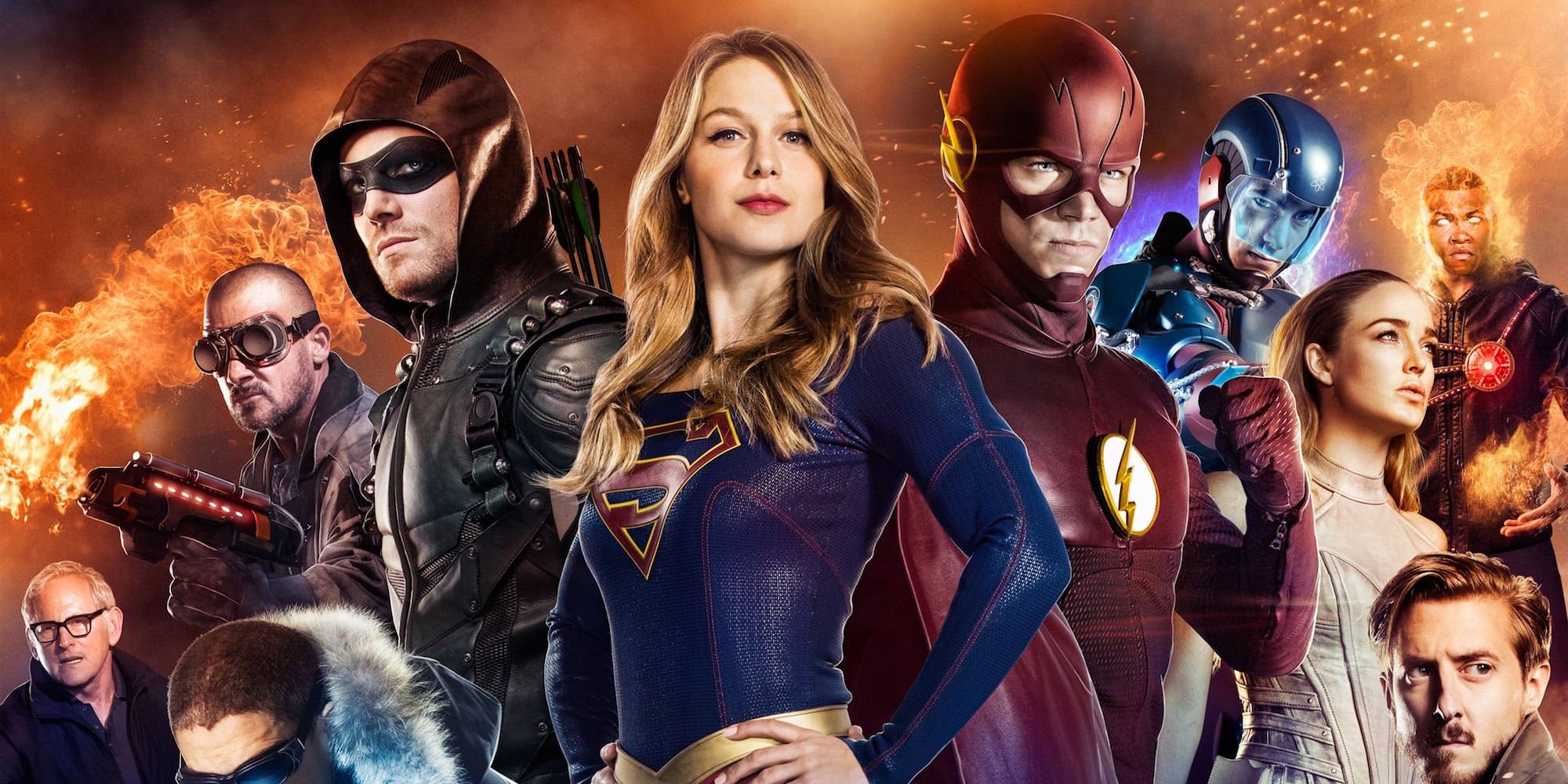

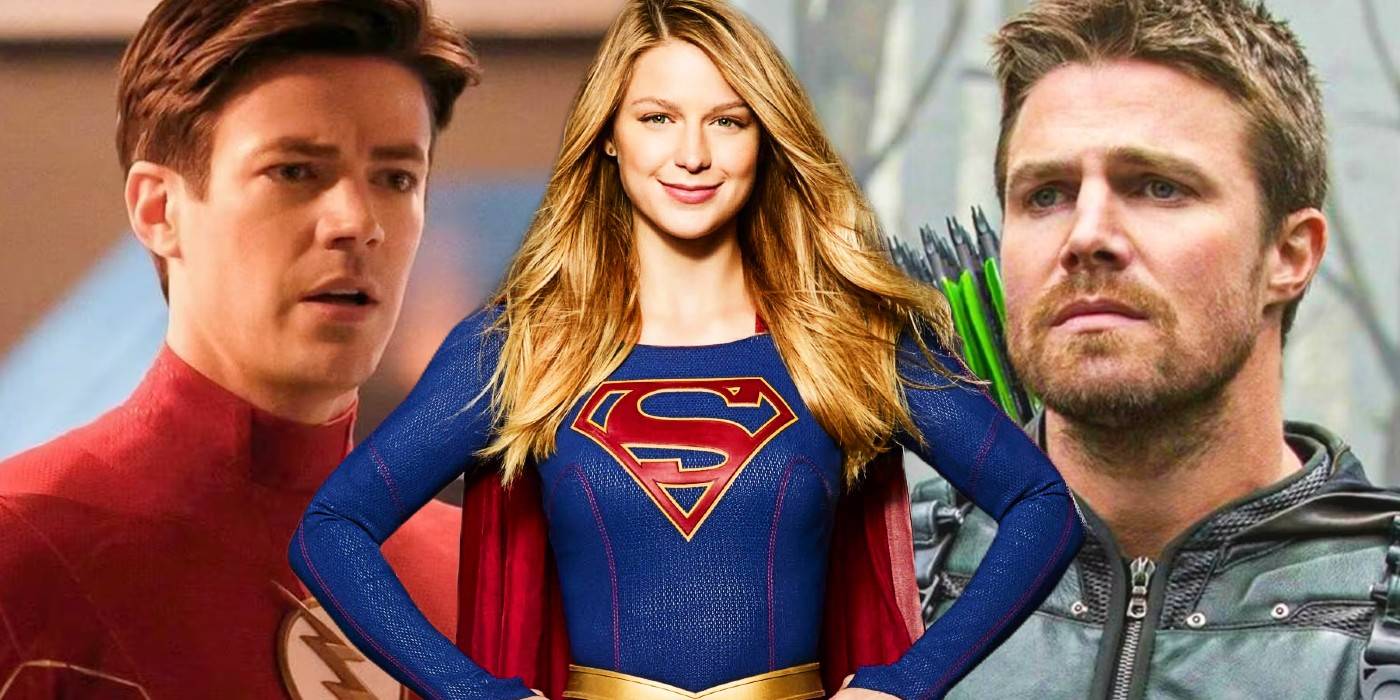
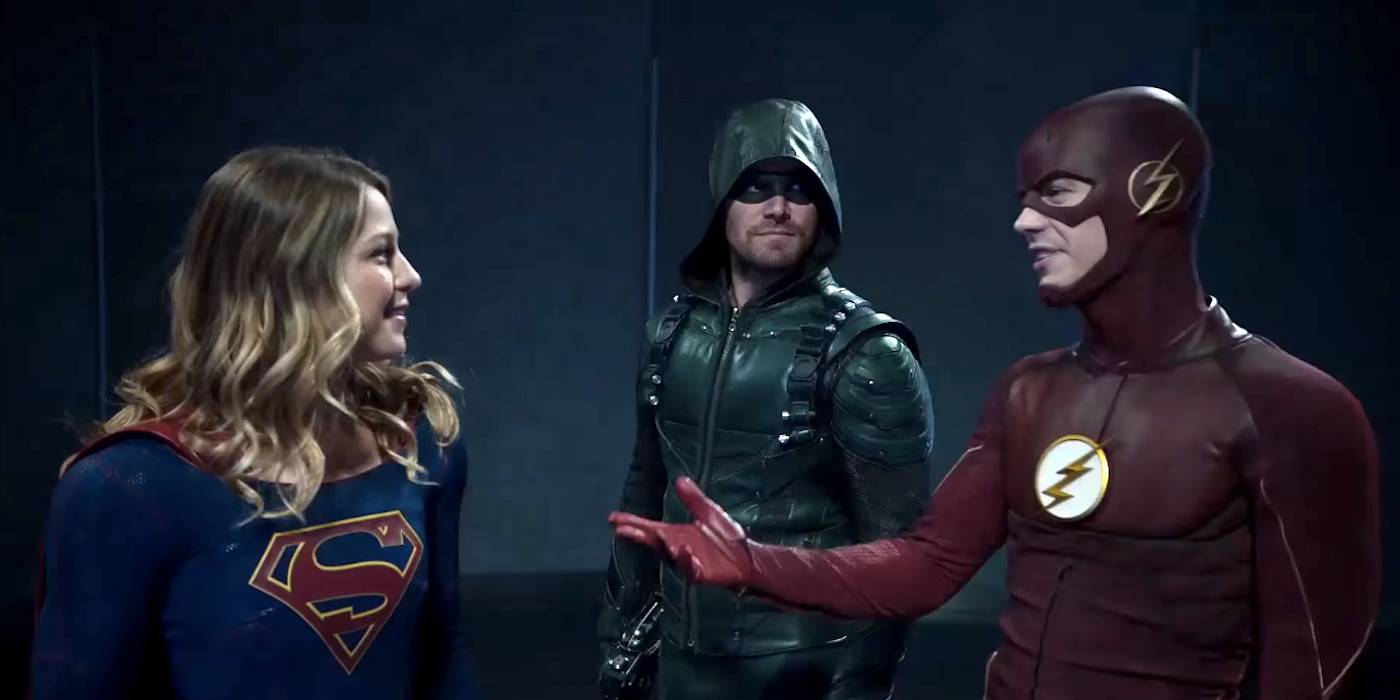
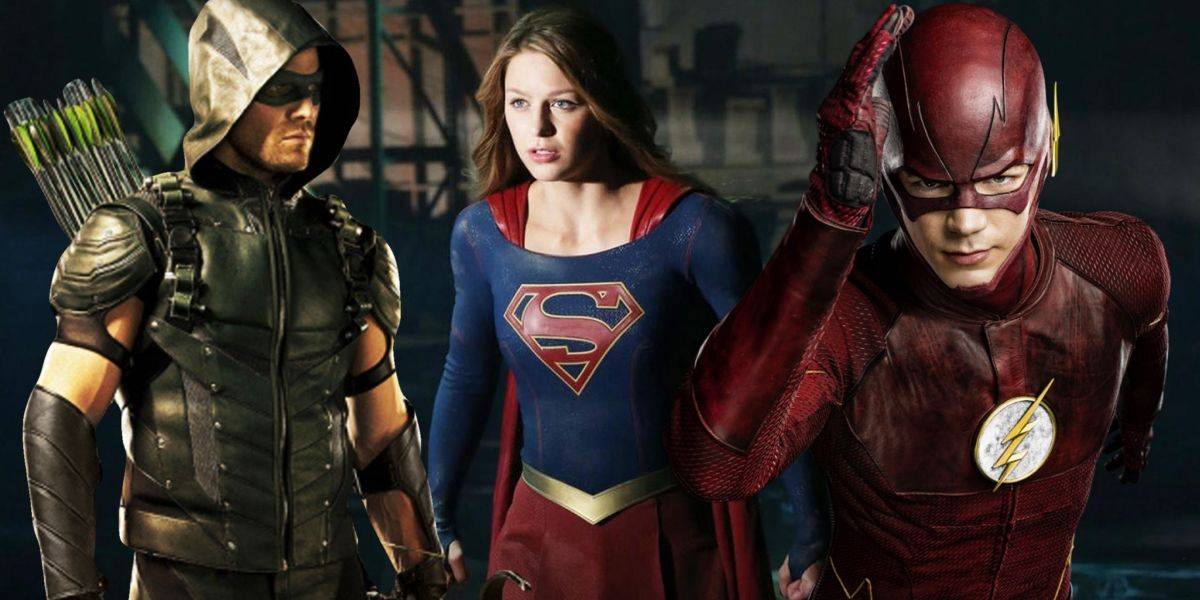





The Arrowverse ended its main trio's stories better than the DCEU did DC's iconic Trinity of Batman, Superman, and Wonder Woman. All three Arrowverse main heroes — Green Arrow, Supergirl, and The Flash — got the chance to end their time in the Arrowverse with the final season of their own series — and more, in Green Arrow's case — giving closure to fans. The DCEU's final projects brought Ben Affleck's Batman for some of his best scenes, but Wonder Woman's final appearance in the Shazam! sequel was nowhere near a fitting finale — with Wonder Woman 3 also getting canceled — and Superman had a future teased that will never come to pass.
3 The Arrowverse’s Final Project Was Developed As A Finale
The Flash Team Knew The Series Ended With Season 9

While the team behind the series initially had plans for The Flash season 10, they were told that season 9 would be the final one of the Arrowverse prior to filming. That allowed the Arrowverse's ending to pay homage to the universe's history by bringing back several characters, Barry Allen fighting epic enemies, and more. Director James Wan did not know that Aquaman and the Lost Kingdom would be the DCEU's final movie, and that impacted the end of the universe negatively. While the film serves as a nice conclusion to Aquaman's arc, if Momoa does not play the character in the DCU, the DCEU itself was given no closure.
2 The Arrowverse’s Ending Did The Multiverse Right
The Arrowverse Made The Live-Action Multiverse Popular In The First Place

Both the Arrowverse's The Flash series and the DCEU's The Flash movie used the multiverse in the year that their respective universes came to an end, and one came out on top. As the Arrowverse's The Flash series is largely responsible for making the multiverse a popular concept among live-action superhero projects, it was only fitting that the Arrowverse's last entry would feature the Flash and Green Arrow teaming up to save the multiverse from the returning villain Bloodwork. Ezra Miller's The Flash film was hit-or-miss with its depiction of the multiverse, with the final year of the DCEU being largely remembered by The Flash movie's criticized multiverse cameo sequence.
1 The Arrowverse’s Final Season Was Better Than The DCEU’s Last Movie
The Flash Season 9 Had Some Great Elements

Finally, while not among the very best seasons of The Flash due to having many filler episodes, when The Flash season 9 focused on its main story and concluding Barry's arc, it got really good. That was enough for the Arrowverse's final season to surpass the DCEU's last movie. Aquaman and the Lost Kingdom was a perfectly fun movie, but the film was not better than the first solo entry in the hero's franchise, let alone reached the levels of excitement found in The Flash seeing his most frightening villains be brought back to life. In the end, the Arrowverse had a better finale than the DCEU.
