


The Marvel Universe possesses a vibrant mosaic of super-teams, but none of them are more famous than the Avengers, who end up creating conflict more often than avoiding it. Some superhero teams are bound by blood and others by a shared goal, but Marvel's hero squads always combine their powerful abilities and their disparate personalities to overcome insurmountable odds. When superheroes join forces, grand-scale action and intimate character studies are both inevitable.
Standing at the pinnacle of this heroic hierarchy, the Avengers represent the ultimate assembly of Earth's champions. Each of the Avengers' stories presents memorable interactions, where a technological genius, a super-soldier, and a literal god must find common ground. For over six decades, the Avengers' dream of cooperation has remained at the center of the Marvel Universe.
However, even Earth's Mightiest Heroes are bound to have disagreements, which tend to be quite catastrophic when they get out of hand.
Miles Morales' New Team Admits The Avengers Are Defined By In-Fighting
The Amazing Spider-Man: Spider-Versity #1; Written by Jordan Morris & Joe Kelly; Art by Pepe Pérez & Guru-eFX


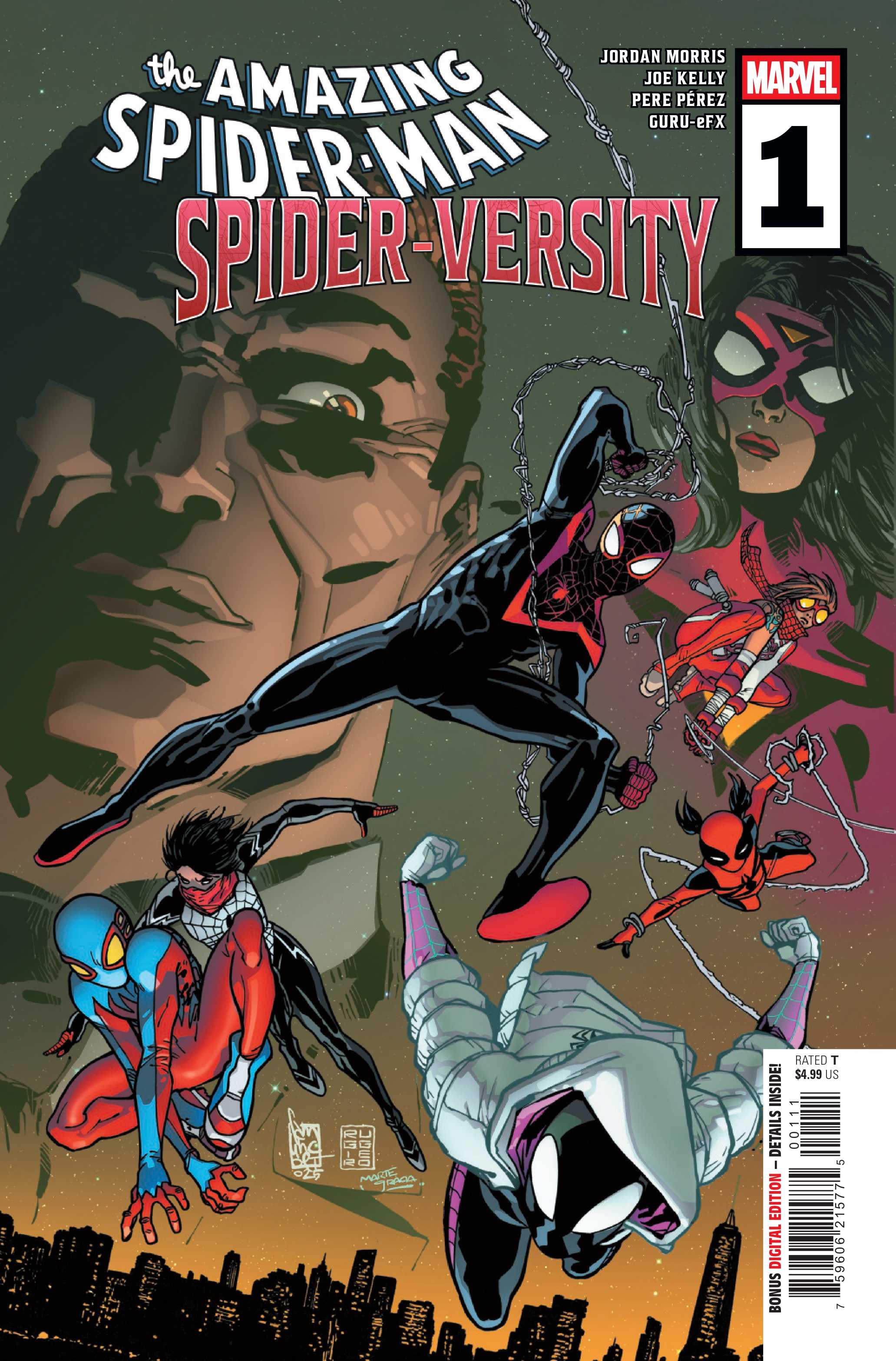
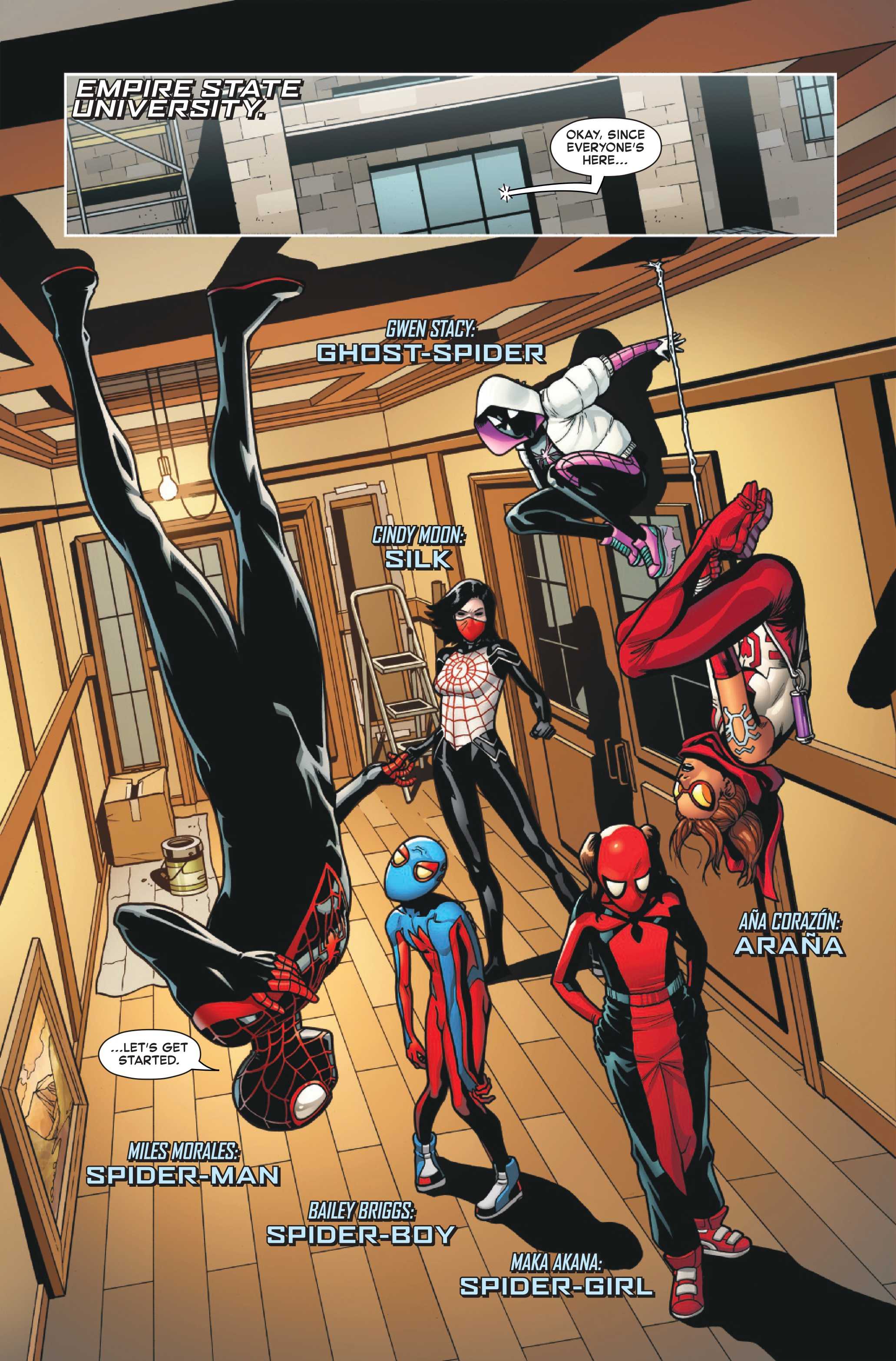
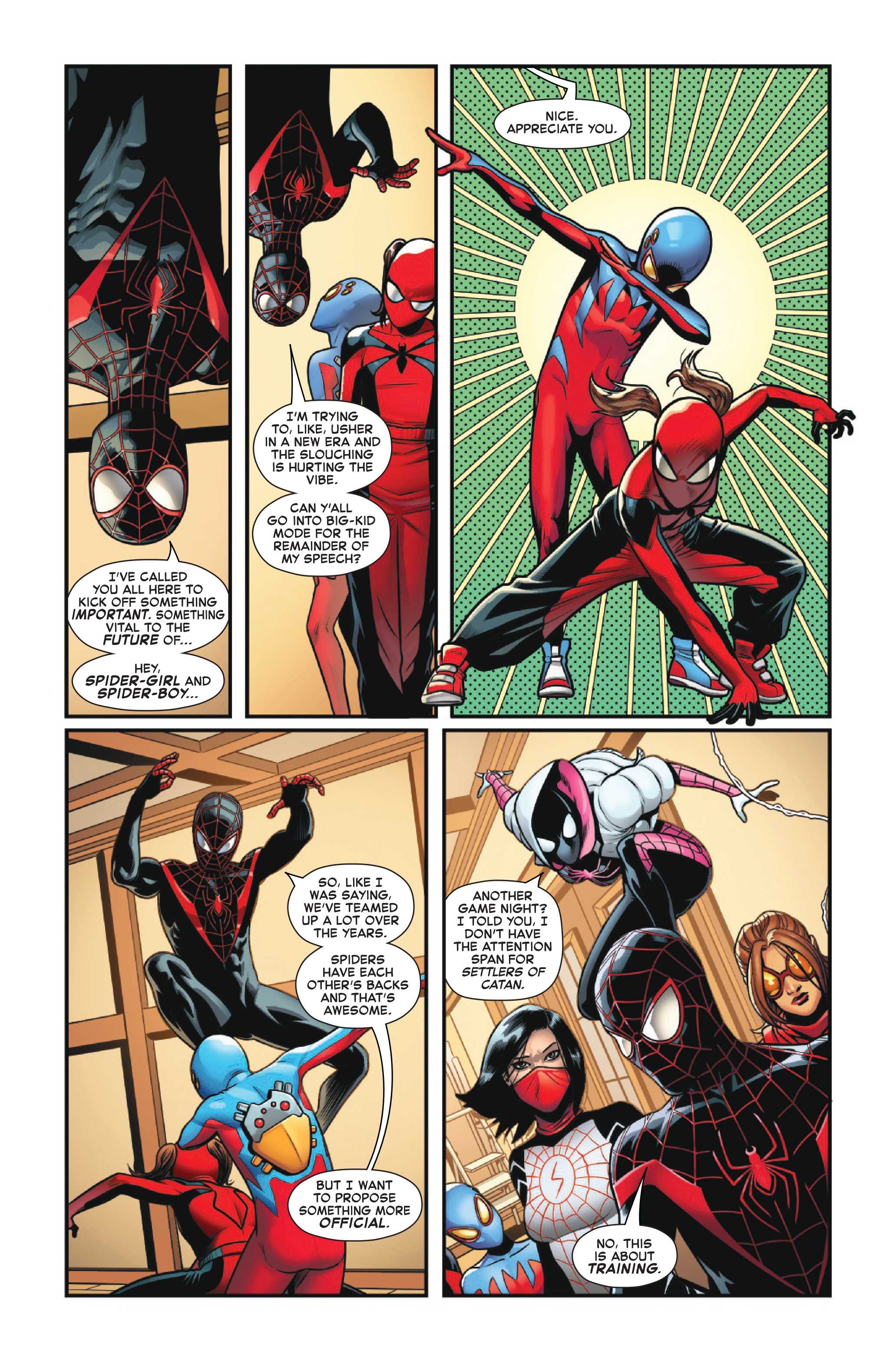
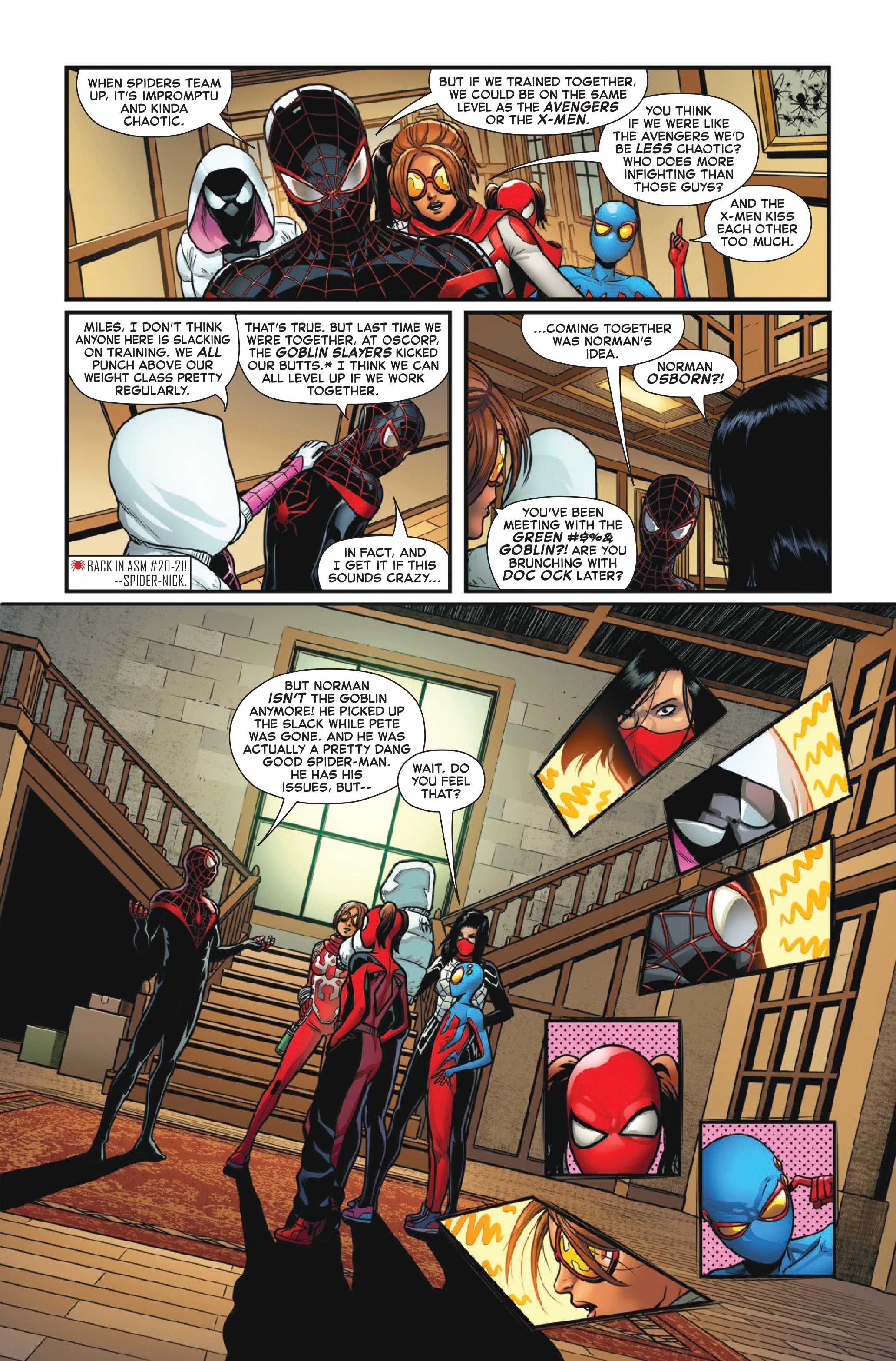
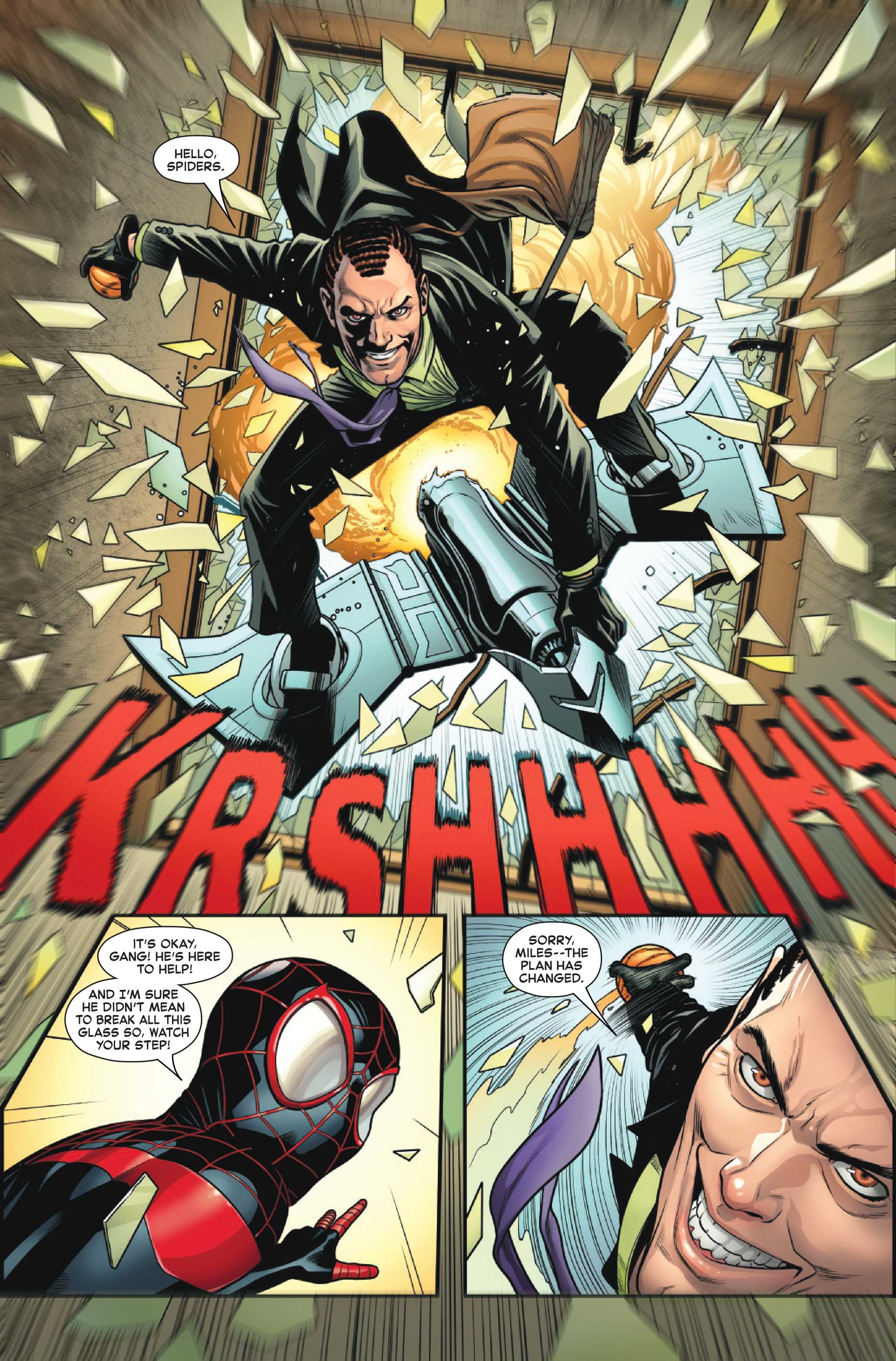
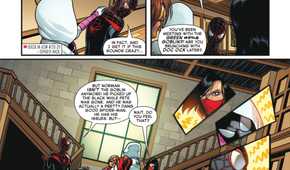
After an unlikely change of heart from Spider-Man's archnemesis, and after an awkward talk where the former Green Goblin admitted to being stronger than Captain America himself, Miles Morales has accepted Norman Osborn's offer to work together. Norman's proposal to create a new superhero team seems promising, as Miles now leads his own team of Spider-People, the Spider-Versity. Though, given the heroes' young age and lack of experience, Miles finds it difficult to keep them focused.
Miles Morales' Spider-Versity is composed of
- Miles Morales a.k.a. Spider-Man
- Gwen Stacy a.k.a. Ghost-Spider
- Cindy Moon a.k.a. Silk
- Ana Corazón a.k.a. Araña
- Bailey Briggs a.k.a. Spider-Boy
- Maka Akana a.k.a. Spider-Girl
Yet, one member of the Spider-Versity brings up a good point. When Miles says they should aspire to be like the Avengers, Araña points out that the Avengers are "chaotic" and that nobody "does more in-fighting than those guys." Spider-Boy agrees and adds that the X-Men "kiss each other too much." A treacherous Norman Osborn interrupts the conversation, but the question remains: is the Avengers' mission too deeply affected by their constant in-fighting?
The Avengers Are Known For Fighting Each Other And Splitting Up Regularly
Earth's Mightiest Heroes Have Starred In Brutal Hero Vs Hero Brawls


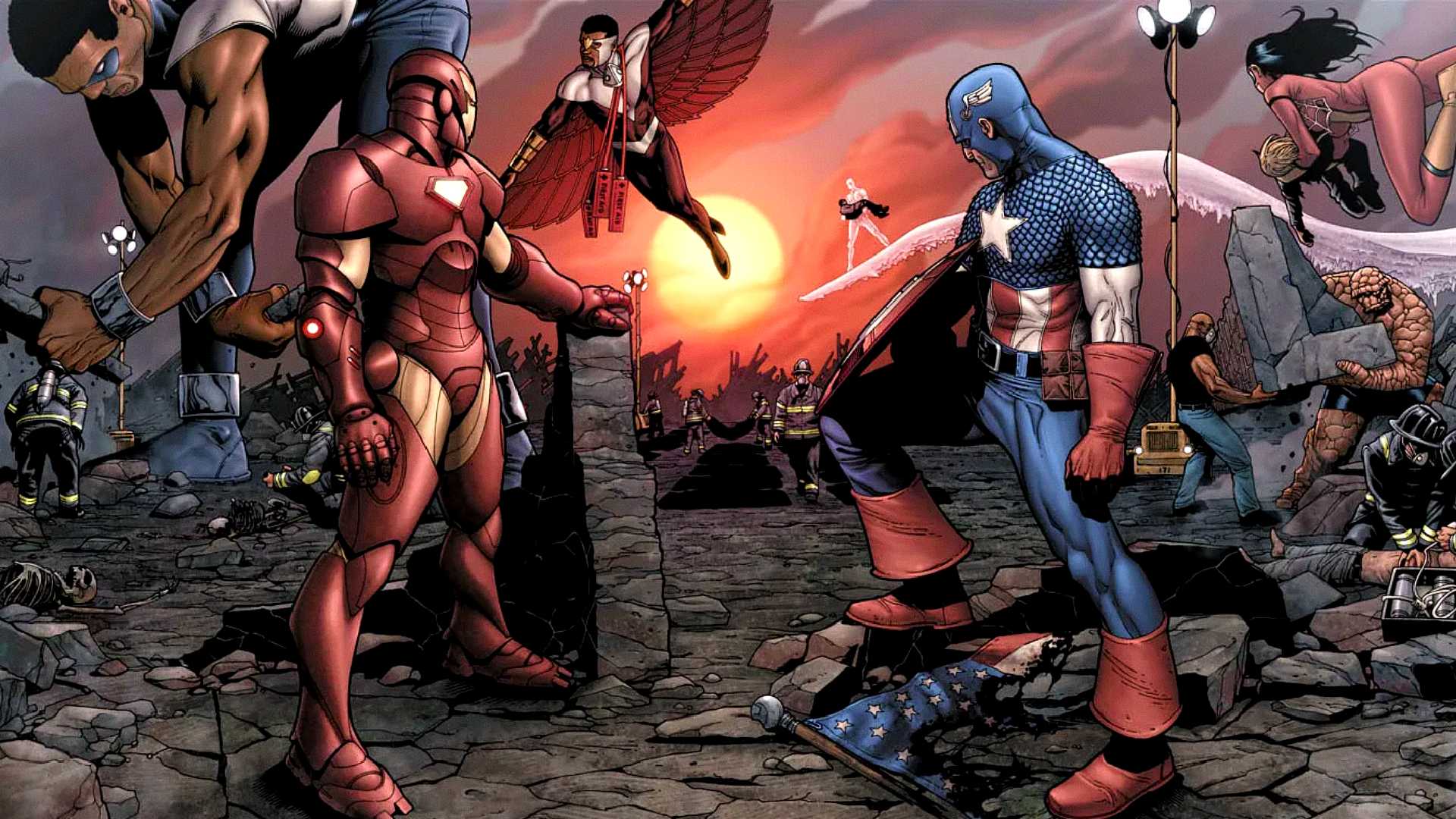
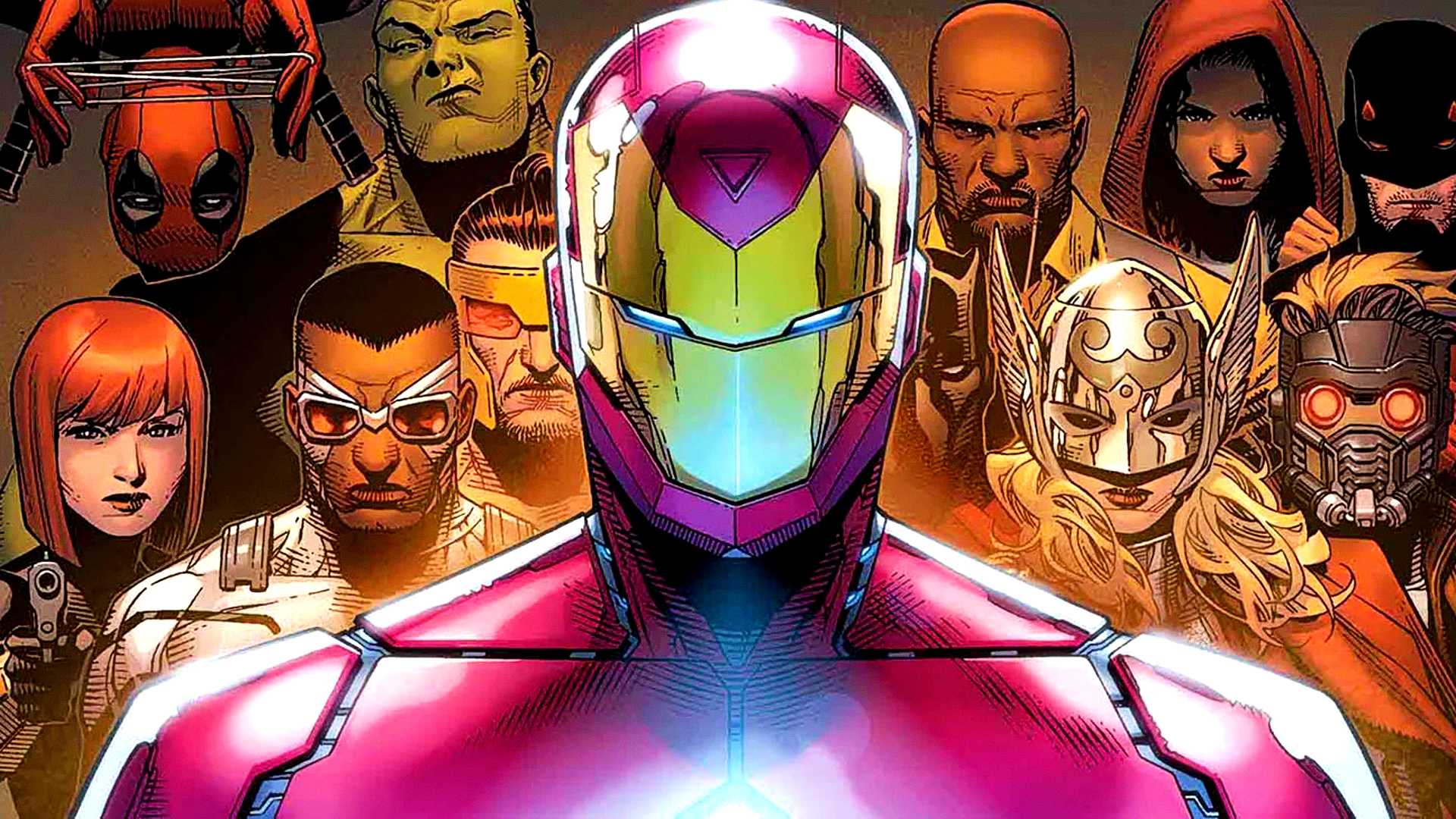
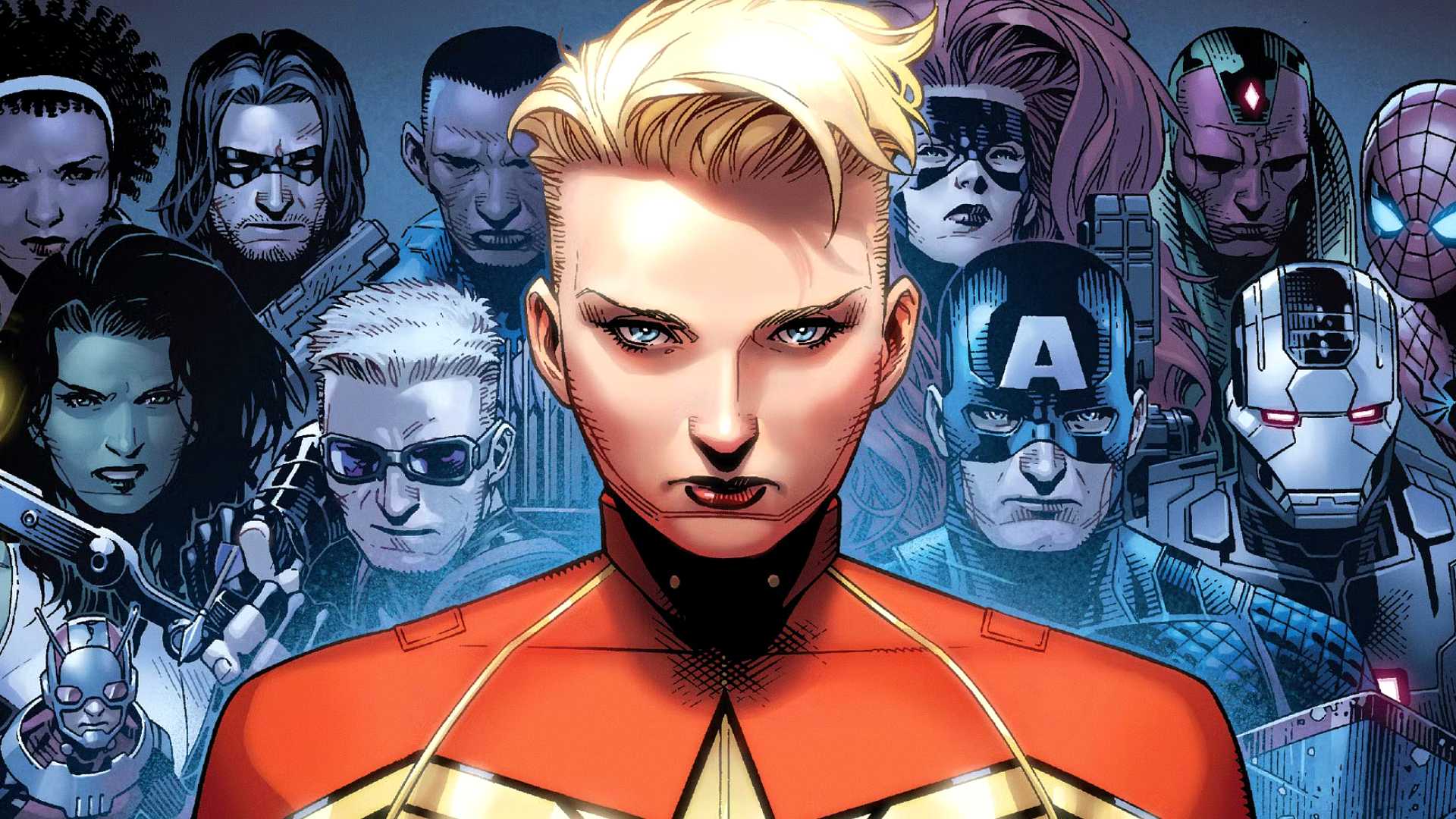
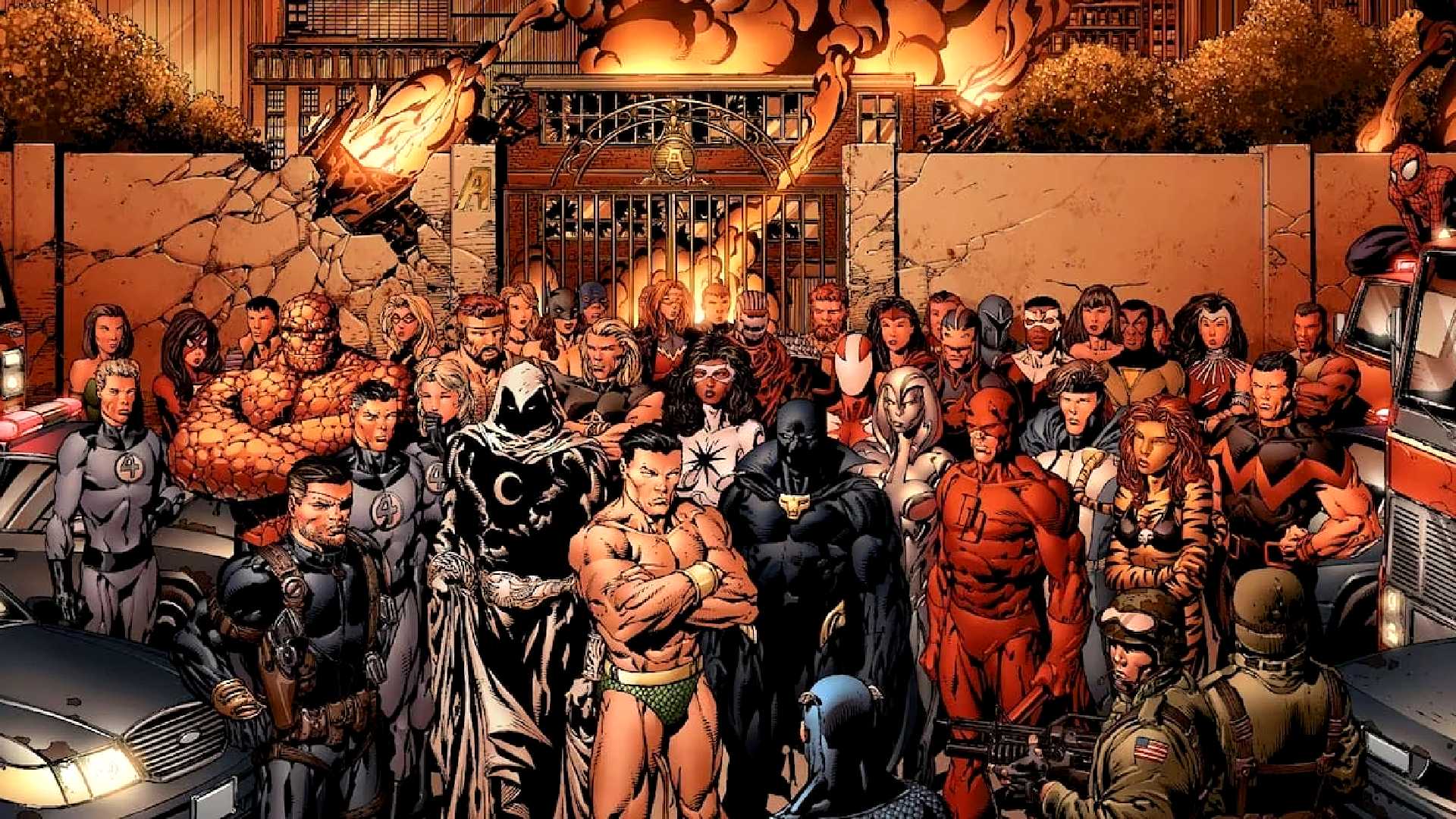
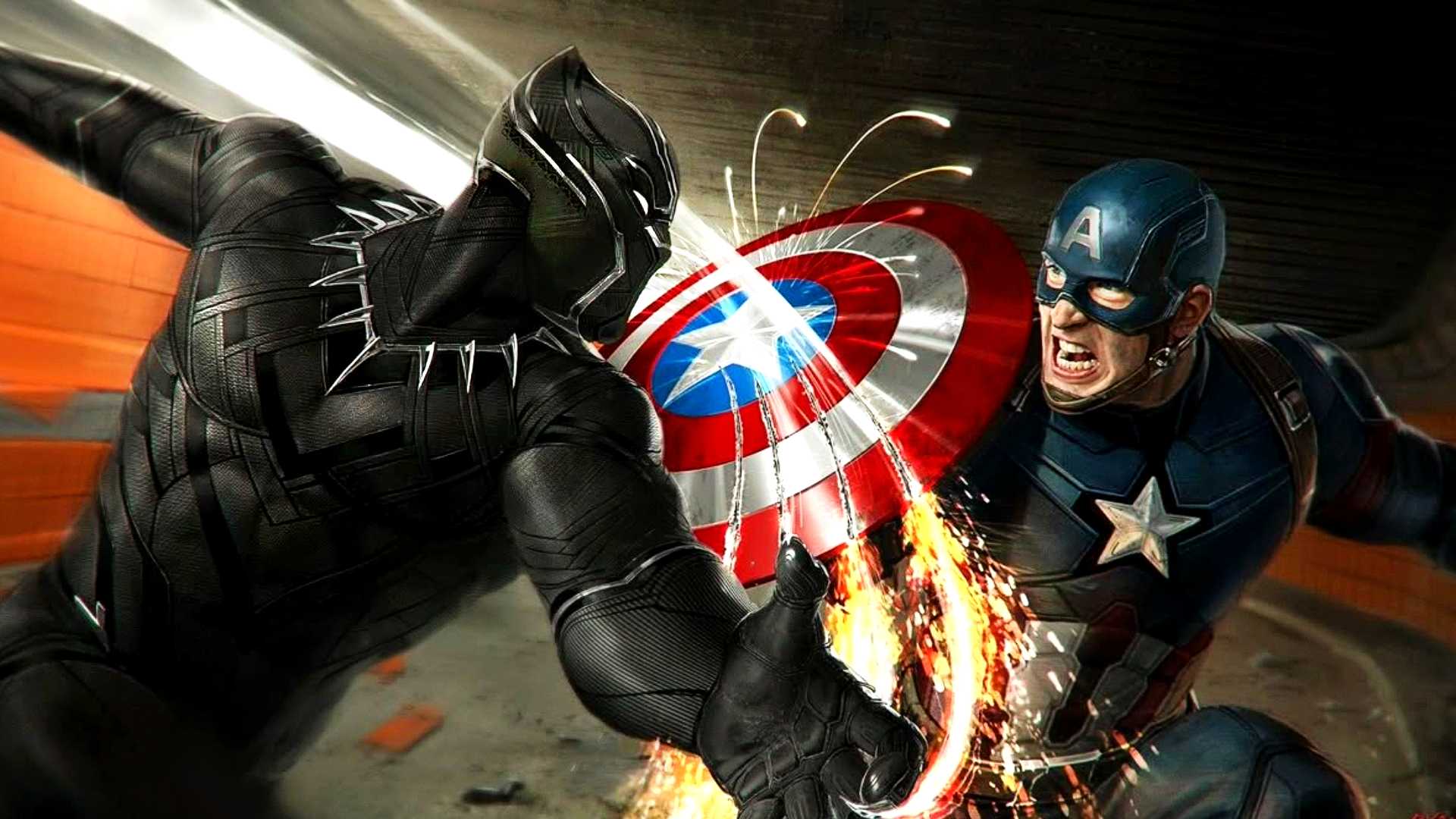
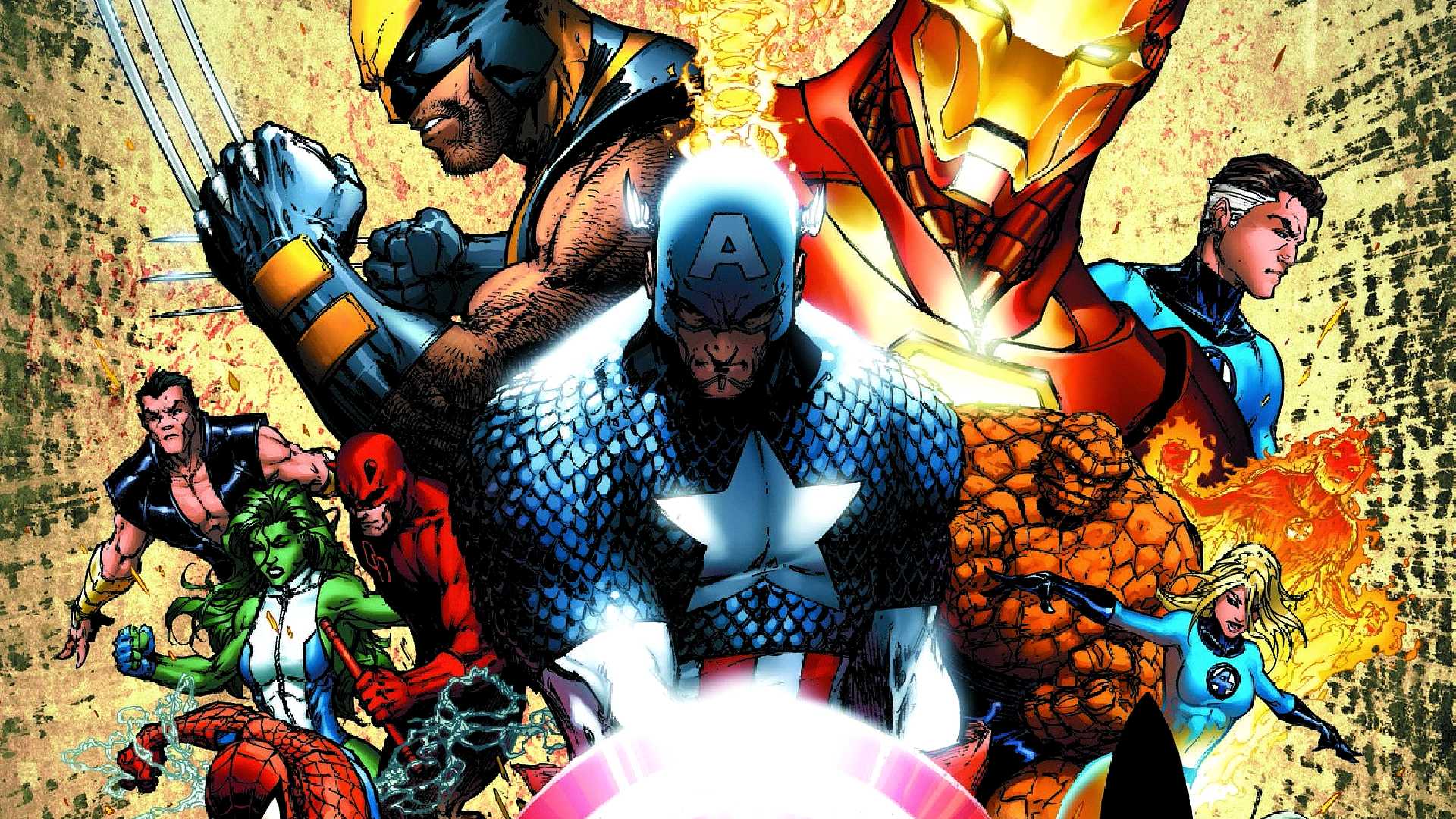
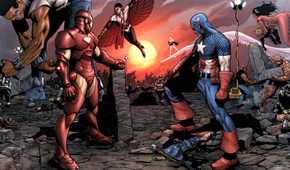
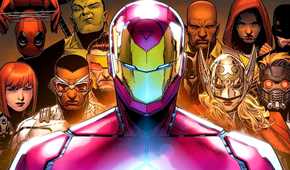
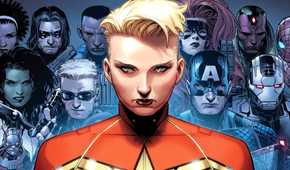
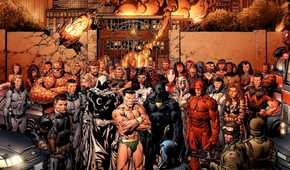
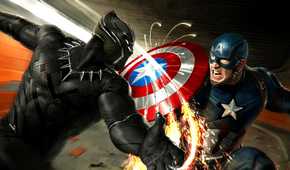
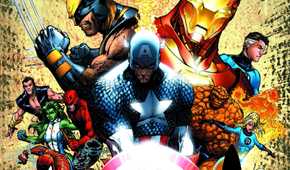
The assembly of Earth’s Mightiest Heroes rarely maintains a state of perfect cohesion, as the team’s history is a relentless sequence of philosophical fractures and temporary dissolutions. Since the Avengers' inception, egos as massive as the powers they wield have sparked clashes between legends. The Avengers frequently abandon their shared mission due to their ideological differences, exhaustion, or external manipulation, which leads to a revolving door of rosters where real trust is a luxury.
The most famous instances of the Avengers' constant state of instability manifested in the twin tragedies of Civil War and Avengers Disassembled. In the first Civil War, a legislative disagreement over hero registration transformed best friends into bitter enemies, culminating in a conflict that left the superhuman community scarred and leaderless. Civil War II attempted to recapture this tension through a debate over predictive justice, but it ended up feeling like a manufactured mirror of its predecessor. Disassembled took a different path, where the Scarlet Witch's collapse destroyed the Avengers from within.
The Marvel Cinematic Universe echoes the Avengers' penchant for self-destruction, with the heroes clearly depicted as a ticking time bomb from their very first meeting aboard the Helicarrier. The Avengers' tension reached its zenith in Captain America: Civil War, where the dissolution of the team relied even more on feelings of betrayal among characters like Iron Man, Captain America, Bucky Barnes, Black Panther, War Machine, Vision, Scarlet Witch, and Baron Zemo. In the MCU, Civil War's fallout is what left the Avengers and the Earth open to Thanos' invasion and victory in Avengers: Infinity War.
The X-Men Don't Fall Too Far Behind When It Comes To In-Fighting
Mutants Have Their Own Civil Wars Quite Often

While the X-Men are inherently more closely tied together due to their status as a persecuted group, their internal politics are frequently as volatile as the world that fears them. Despite their reputation as a tight-knit family, the mutants have endured countless schisms driven by differing visions for their species' survival. These conflicts are deep-seated disputes over the ethics of revolution and the necessity of violence. Even under Charles Xavier's guidance, the X-Men have splintered time and again.
The X-Men's most significant divisions include Schism and the subsequent "Mutant Massacre" era, where the dream of peaceful coexistence died a slow death. Schism saw a permanent wedge driven between Wolverine and Cyclops, with the former favoring a return to a traditional school setting while the latter embraced a more militaristic stance. Later, during the Krakoan age, the Quiet Council became a nest of vipers, where the constant betrayals between former enemies like Emma Frost and Magneto showed that the unity of the mutant nation was a facade.
These internal fires often spread to other factions, most notably during the explosive Avengers vs. X-Men, which clearly proves that in-fighting can engulf the entire superhuman population when high enough stakes are involved. The war over the Phoenix Force pitted the Avengers’ protective instincts against the X-Men’s desperate hope for rebirth, which created a global conflict that saw heroes committing unforgivable acts against one another. Even the most well-intentioned superhuman leaders can become monsters when their core beliefs are challenged.
In-Fighting Is A Staple Of Ensemble Storytelling, And It Suits The Avengers
The Avengers Are Bound To Fight Each Other, Sooner Or Later

Friction is an inescapable element of any ensemble cast, as the collision of distinct personalities provides the most organic engine for high-stakes drama. And when a billionaire industrialist, a literal god, and a soldier from a bygone era occupy the same room, a clash of perspectives is almost a certainty. These walking ticking bombs are still burdened by human flaws. Watching the Avengers struggle to coexist provides a compelling mirror to real-world social tensions, as even the best intentions cannot always bridge the gap between opposing worldviews.
Inner conflicts allow for deeper character exploration that a simple battle against a villain cannot provide. When heroes fight, they're forced to justify their actions and philosophies, thus revealing depths of their personality that remain hidden during a standard mission. Stories like Civil War, Schism, and Avengers vs X-Men test the limits of the heroes' values and force the audience to question who's truly in the right, whereas most villains are clearly in the wrong from the start. The moment a team breaks apart is often as memorable as the moment they unite.
The Fantastic Four Prove Superhero Team Stories Can Also Thrive Without Dramatic Break-Ups
The Fantastic Four Are Marvel's First Family For A Reason

The Fantastic Four are a defiant exception to the rule of dramatic superhero break-ups. As a family first and a team second, Reed, Sue, Johnny, and Ben possess an unbreakable bond that allows them to navigate the most alien of crises with a sense of shared purpose. Of course, the Fantastic Four do experience arguments and temporary frustrations, but they rarely allow these moments to escalate into the kind of ideological warfare that has followed the Avengers and the X-Men throughout the years.
|
Team |
Primary Conflict Source |
Frequency of Break-ups |
Resolution Style |
|
Avengers |
Ideological / Political |
High |
Necessity. |
|
X-Men |
Survival / Evolutionary Philosophy |
Moderate |
Branching factions. |
|
Fantastic Four |
Personal / External |
Very Low |
Dialogue. |
Even in the rare instances where the Fantastic Four have disbanded, such as during the aftermath of Civil War or Secret Wars, the focus is always on the pain of their absence. The FF also mend their differences with a speed and sincerity that other teams lack, primarily because their love for one another outweighs any individual grievance. The Fantastic Four's conflicts are often external, as they face the wonders and terrors of the Marvel Universe together.
The Avengers are equally capable of thriving in stories where their unity is their strength from start to finish. Some of the most celebrated runs in history, such as the legendary "Under Siege" arc in Avengers #270-277 or the expansive Kurt Busiek and George Pérez era, emphasize the team's resilience and unwavering commitment to one another in the face of absolute devastation. The lack of internal betrayal allows the Avengers to focus on their ingenuity and their bond as Earth's Mightiest Heroes.
The Amazing Spider-Man: Spider-Versity #1 is now available from Marvel Comics.
Do you like it when the Avengers fight each other and break up?


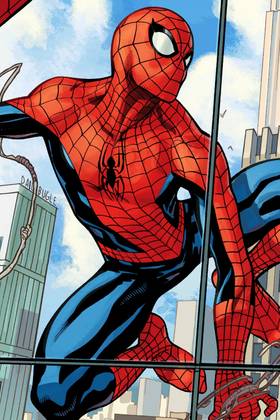
- Created By
- Stan Lee, Steve Ditko
- First Appearance
- Amazing Fantasy
- Alias
- Peter Parker, Ben Reilly, Otto Octavius, Yu Komori, Kaine Parker, Pavitr Prabhakar, William Braddock, Miles Morales, Kurt Wagner
- Alliance
- Avengers, Fantastic Four, X-Men, Secret Defenders, Future Foundation, Heroes for Hire, Mighty Avengers, New Avengers, Web-Warriors
- Race
- Human
- Franchise
- Marvel, Spider-Man
