


After a long road, Larian Studios has finally released Patch 8, the final major update to Baldur's Gate 3. This update includes major changes like cross-play support for people to play together, a new photo mode, and brand-new animations, abilities, and cantrips. It also opens up some more modding possibilities by allowing for partial level editing.
Undeniably, the biggest part of the new update is how 12 new subclasses are being added to the game —one for each available class. Many of these subclasses were previously highly requested, and they come with unique new dialogue options and abilities. As the last major update planned, this may be the last chance for players to see their favorite subclasses from Dungeons & Dragons being featured.
1 College Of Glamour Bard
A Fey-Touched Bard Who Uses Magic To Charm Their Opponents








 Custom image by Katarina Cimbaljevic
 Custom Image by Katarina Cimbaljevic




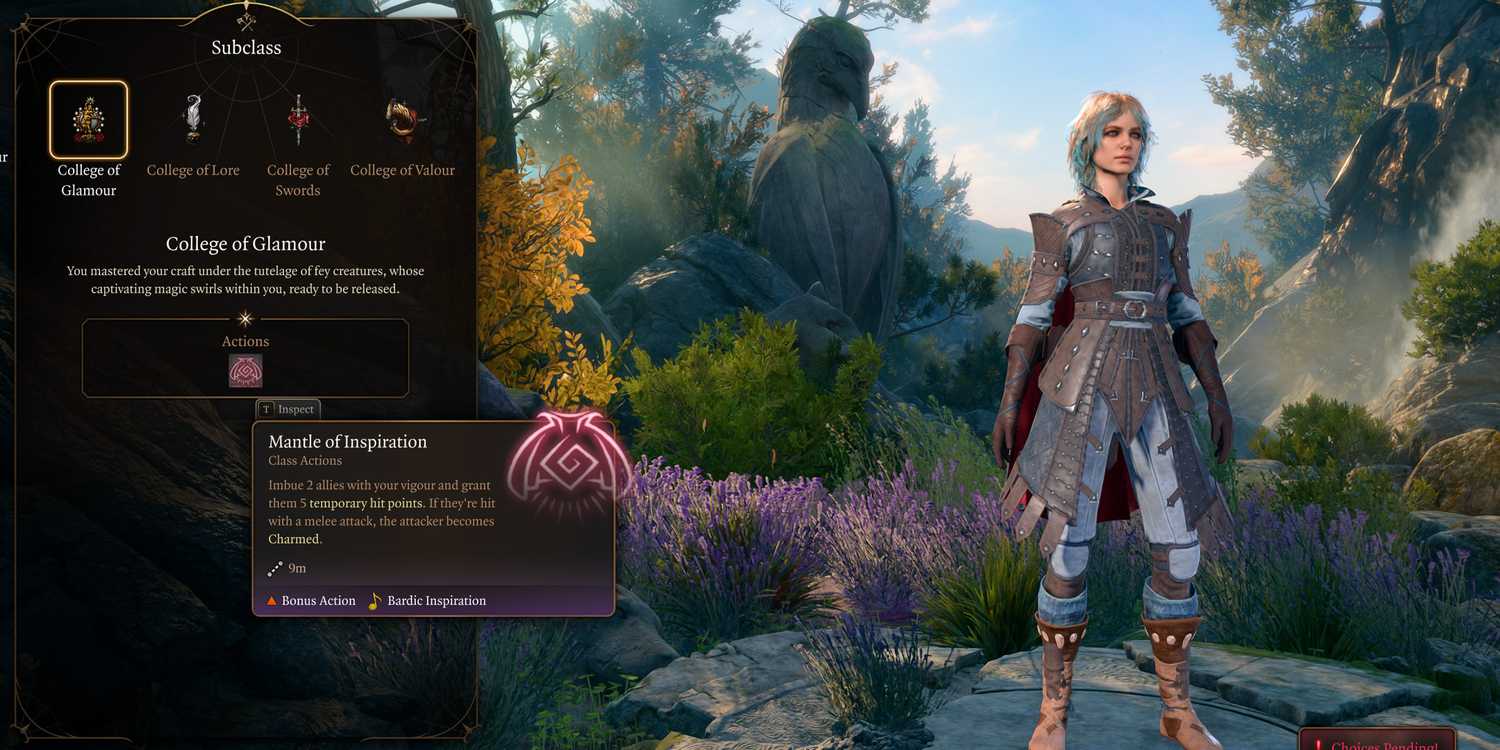
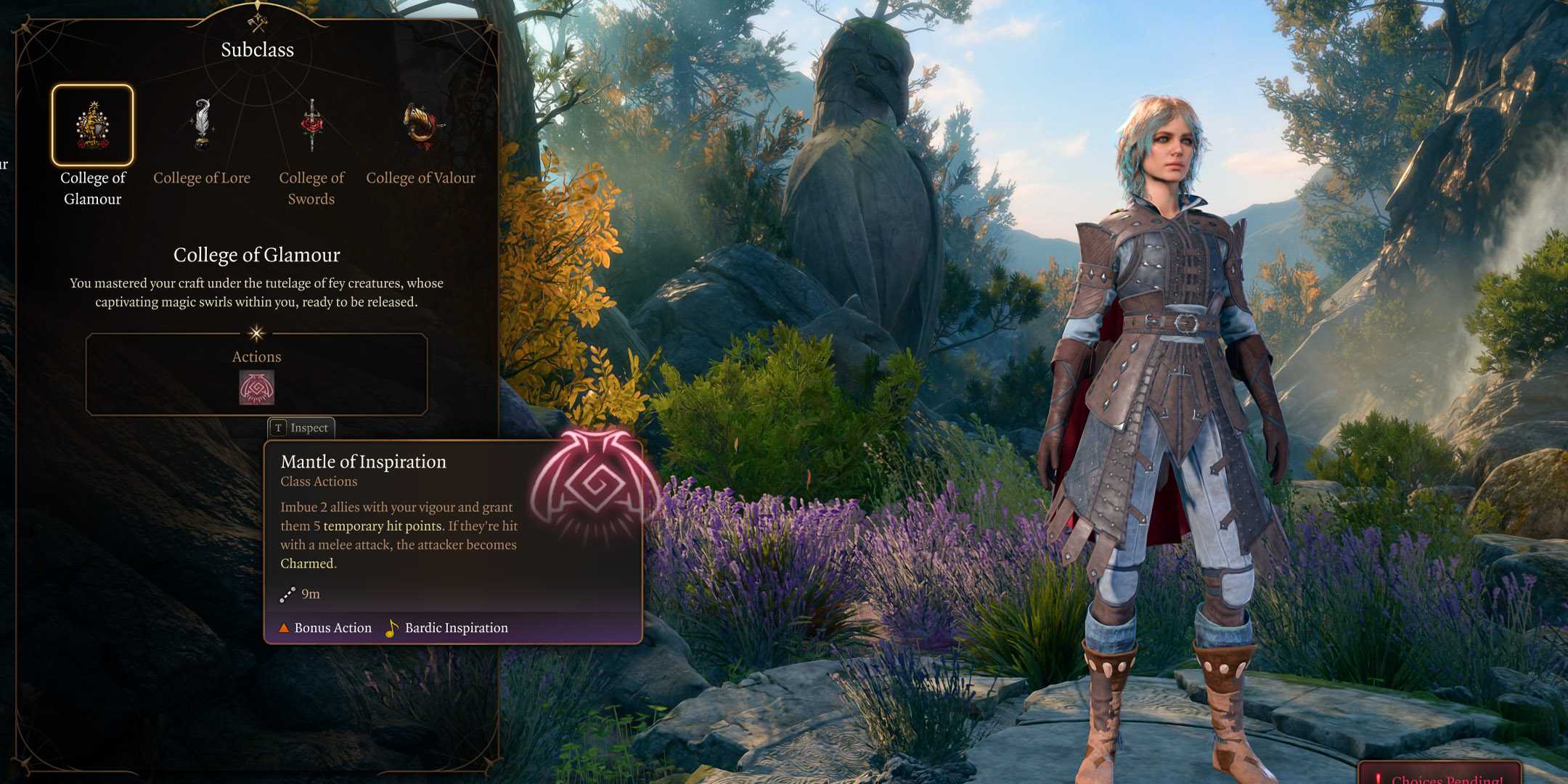
In Dungeons & Dragons, the College of Glamour Bard uses Feywild magic to charm and dazzle their opponents. Larian emphasizes (via a community update on Steam) their ability to heal allies and to control and manipulate their enemies. This class is a good multi-class pairing with the Archfey warlock, given how both are charisma-based and usually involve attaining magic from the fey.
Though this class perfectly fits a character with Fey Ancestry, players who like building character stories around their protagonists may want to consider how they came into the use of Fey magic in the first place.
The College of Glamour is overall a good choice for players who want to play a support role while still playing tricky, charlatan characters. For starters, you gain the Mantle of Inspiration feature when picking this subclass, giving you a way to Charm enemies that hit your allies and give friends Temporary Hit Points.
At later Levels, you gain more charming traits, such as Mantle of Majesty, which lets you instantly command creatures you've already bewitched with your glamorous personality. These two Mantle abilities only grow stronger over time, allowing you to target more of your allies and grant them greater health bonuses as you continue to level up.
2 Path Of Giants Barbarian
Players Deal Damage By Throwing Their Enemies And Allies







 Custom Image by Katarina Cimbaljevic
 Custom Image by Katarina Cimbaljevic









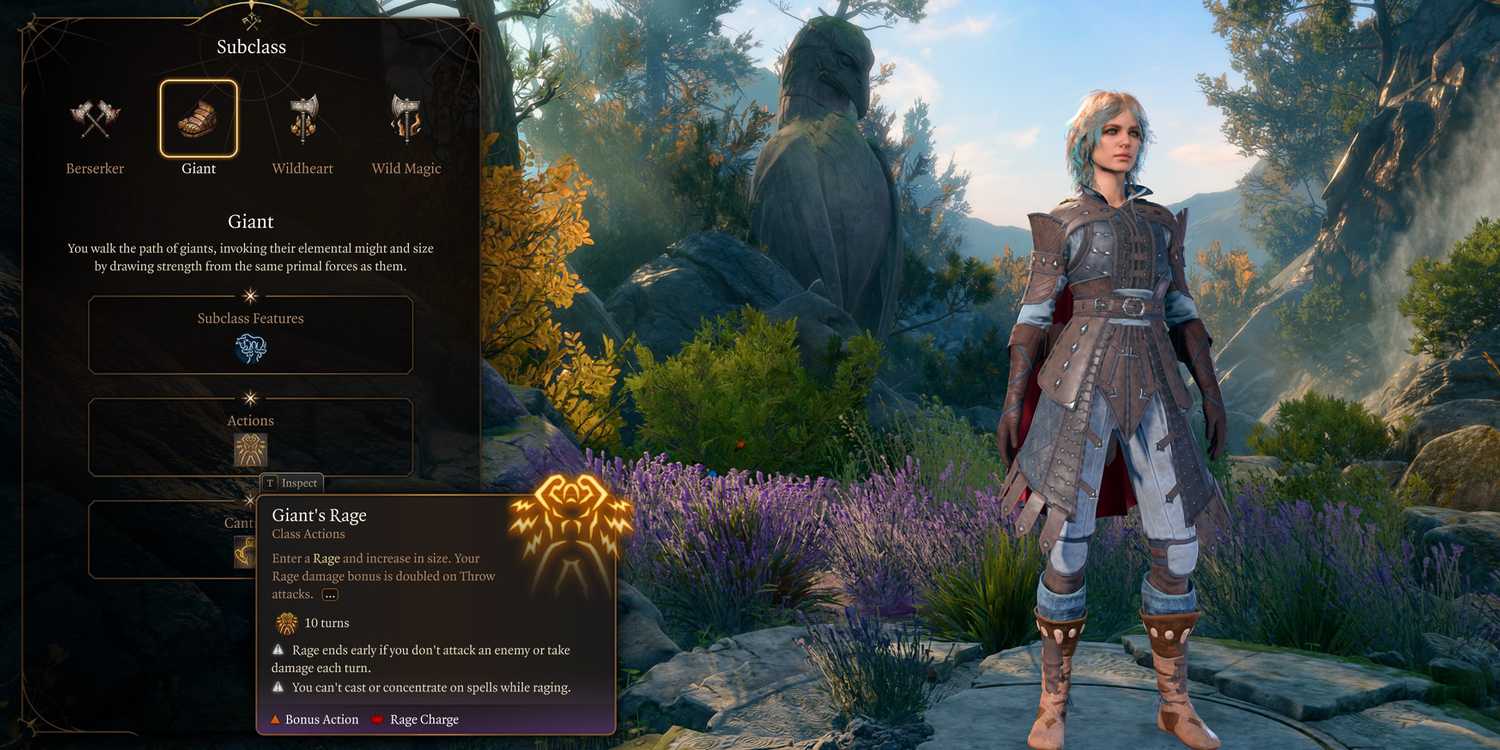
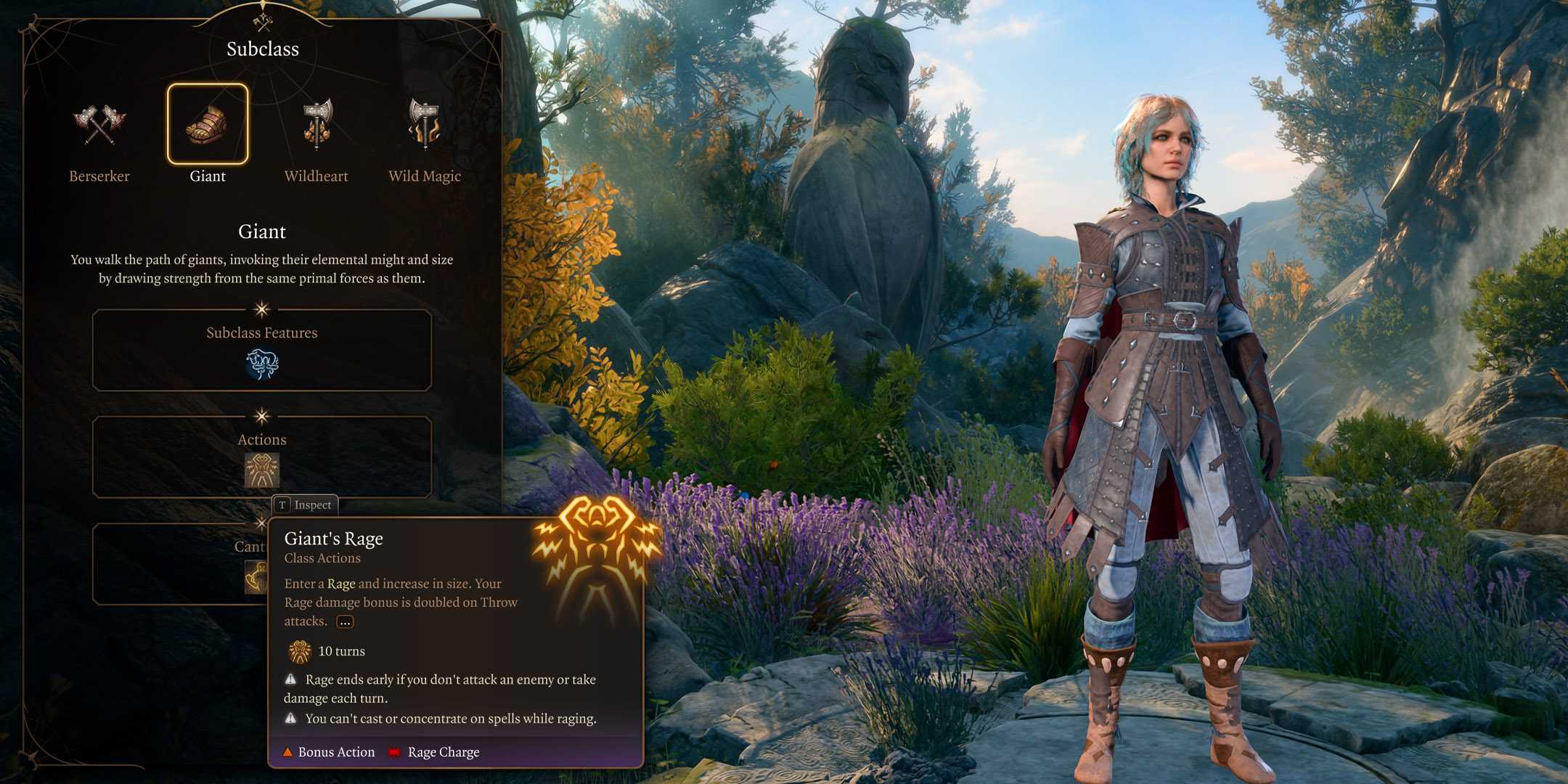
The Path of Giants barbarian is perfect for throwing builds, allowing players to pick up and toss their friends and foes alike. The subclass also comes with increased carrying capacity, which is a great quality-of-life feature for players sticking to the base game. It comes with a new type of Rage called Giant's Rage, which grants extra size and strength, a much more straightforward buff compared to the Bestial Hearts of the Wildheart barbarian, and a lot more predictable than the Wild Magic subclass.
For players interested in this subclass, the best feat for barbarians who follow the Path of Giants would likely be Tavern Brawler, as it adds more damage to improvised and unarmed attacks.
In addition to the Giant's Rage ability that increases your size and carrying capacity, you can also cast  Thaumaturgy, a simple cantrip that improves your Intimidation and Performance checks. This adds to the menacing presence of this subclass, giving you more roleplay opportunities for your Barbarian character.
As you level up, Path of the Giants gains the Boot of the Giants ability, giving you a better Shove to kick targets far away from you. At level 6, you also gain Elemental Cleaver, gaining the ability to supercharge your attacks during a Rage with elemental damage bonuses. Your weapon also gains the Thrown property, reappearing in your hand immediately after you use it chuck it at some poor enemy.
Considering the wide variety of environmental opportunities available in Baldur's Gate 3, there's a lot to accomplish with the sheer strength of Path of the Giants Barbarians. If hurling enemies into each other sounds like the most exciting way to win a fight, then it's hard to go wrong with this approach.
3 Death Domain Cleric
A New DPS Cleric Subclass









 Custom Image by Katarina Cimbaljevic.
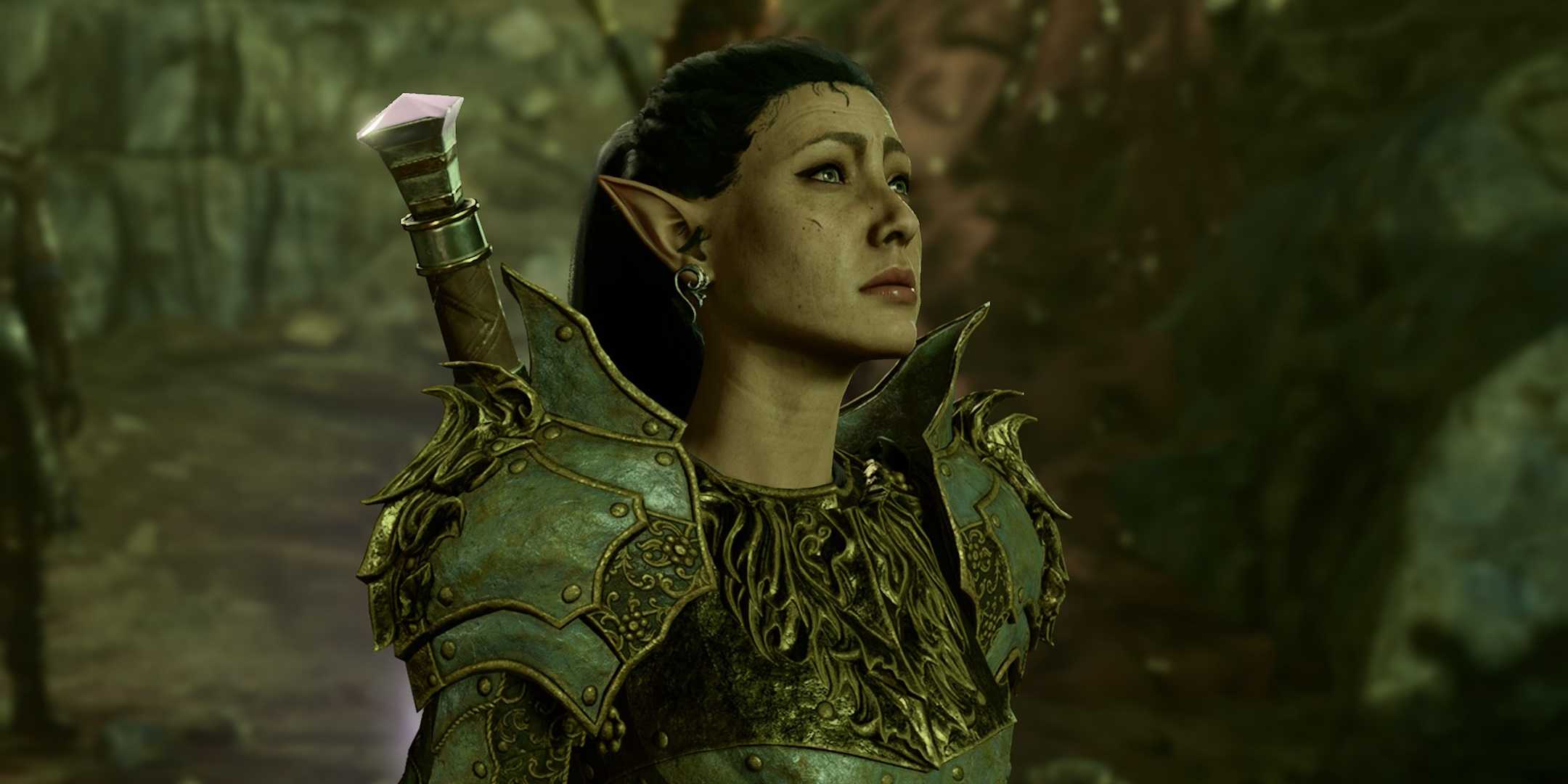





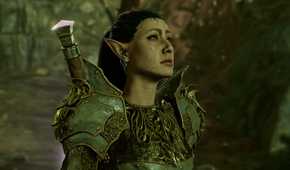

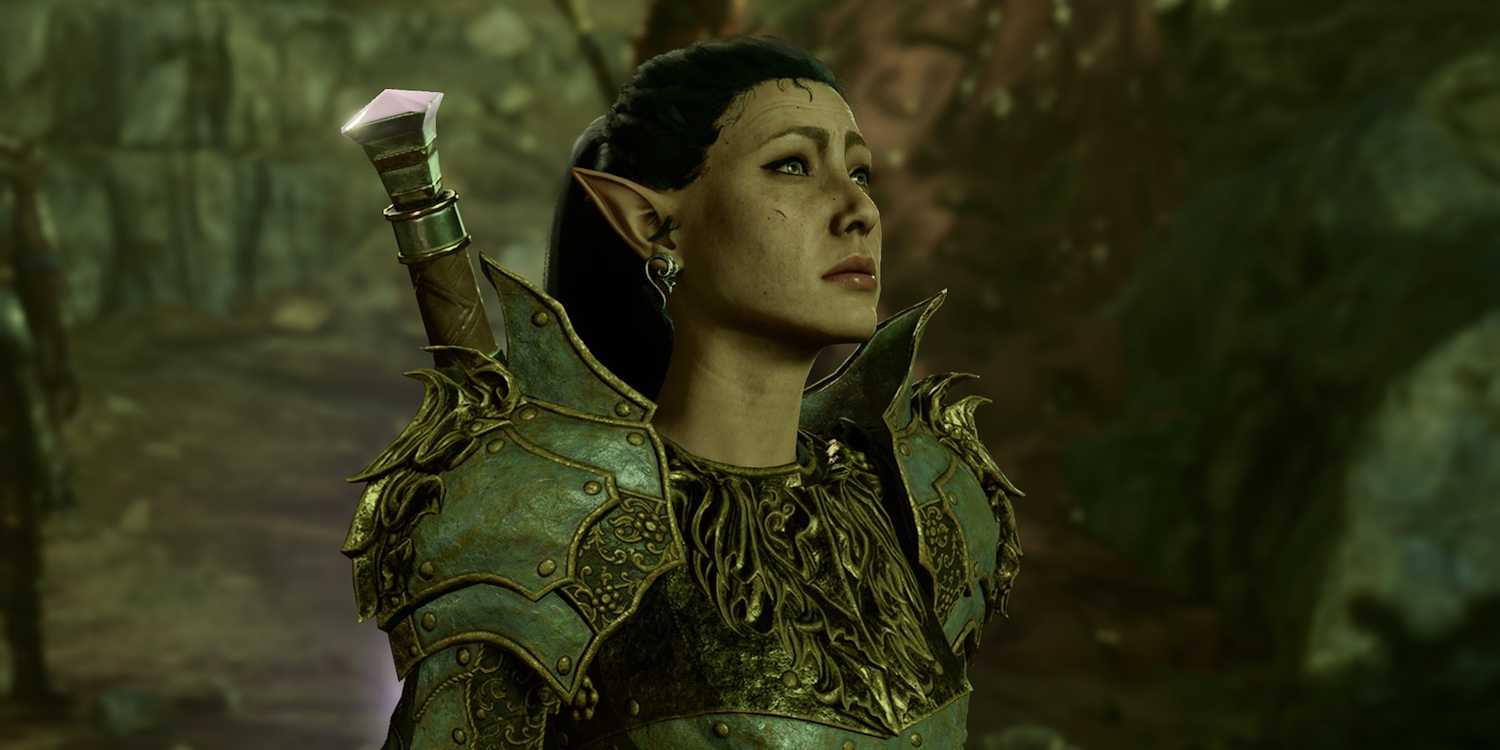
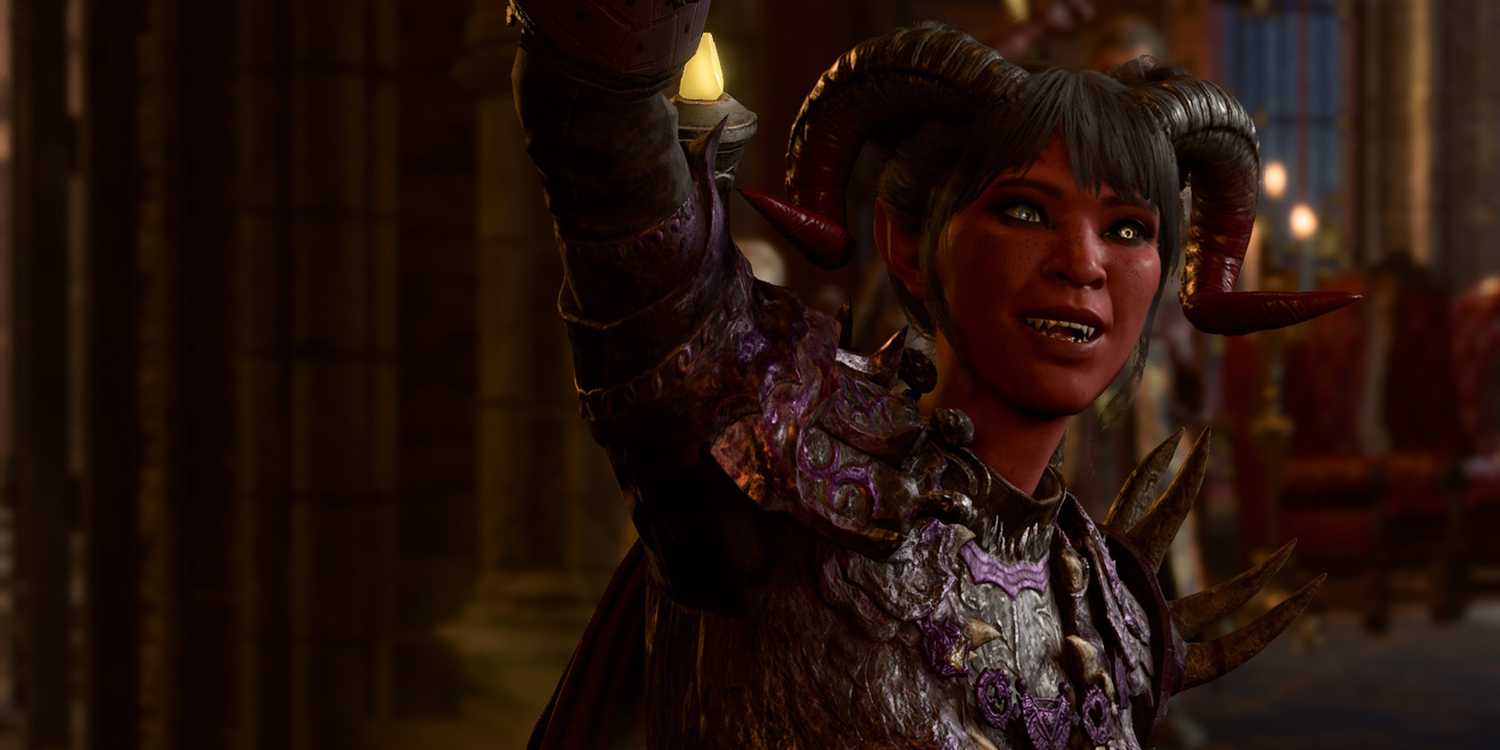
The Death Domain Cleric is a subclass surrounded by necromancy and necrotic damage - its addition to the game comes with three new cantrips, and some content original to Baldur's Gate 3. Larian grants the Death domain cleric the ability to "explode nearby corpses," which has great potential for some interesting strategies.
A good team combination could involve a Death cleric and a Path of Giants barbarian, given their increased carrying and throwing capacity.
Baldur's Gate 3 differs from Dungeons & Dragons in the sense that certain cleric domains are not limited to certain gods, and players can choose a combination of any domain and any god to worship. However, the deities available to be chosen as cleric idols in Baldur's Gate 3 who would canonically have followers under the death domain include Shar, Kelemvor, and Laduguer.
Some other deities in the game like Myrkul, Bhaal, Loviatar, and Jergal remain excluded from any cleric options. That being said, choosing the Death Domain in Baldur's Gate 3 still grants you thematic spells these deities would bestow, including Bone Chill, False Life, and Ray of Sickness.
All the Necromancy cantrips of a Death Domain Cleric that only hit one enemy target one additional creature, giving you more damage than even Necromancy Wizards. Extra necrotic damage from the Level 2 Touch of Death feature combines with the Level 6 Inescapable Destruction ability, which allows spells you cast to ignore necrotic resistance. With all the Necromancy Domain spells you get as you level up, this subclass grows strong quickly.
4 Circle Of Stars Druid
A Druid Who Draws Their Power From The Stars








 Custom Image by Jessica Mills-Cox




 Custom image by Katarina Cimbaljevic

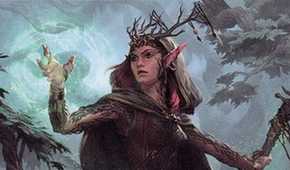




The Circle of Stars grants a druid character new forms to shape-shift into other than the standard Wild Shapes. There are three of these new forms: the Archer, Chalice, and Dragon.
|
Starry Form |
Function |
|
Archer |
Radiant damage dealt with astral arrows |
|
Chalice |
Restores hit points to nearby allies |
|
Dragon |
Deal damage with a Constitution bonus |
Each of these forms combines with other features, like the Star Maps ability that gives you the spell Guiding Bolt to use once before a Long Rest. As you level up, you gain additional Star Maps to learn more spells you can use without using up spell slots, giving you much more magic at your disposal.
Furthermore, you gain Cosmic Omens at Level 6, which allow you to commune with the stars to receive the blessing of Weal or Woe. Weals can help you increase the attack rolls or saving throws of your allies, while Woes can decrease the same rolls from your enemies. You gain more uses of these Omens as you level up, giving this subclass even more flexibility in combat.
Baldur's Gate 3 once again proves the versatile nature of the druid class, as the new forms each prioritize a different type of gameplay — healing, close combat, and strategy. They may even rival the moon druid's elemental myrmidons.
5 Oath Of The Crown Paladin
Possibly The Class Of The Oathbreaker Knight











 Custom Image by Katarina Cimbaljevic
 Custom Image by Katarina Cimbaljevic.
 Custom image by Katarina Cimbaljevic


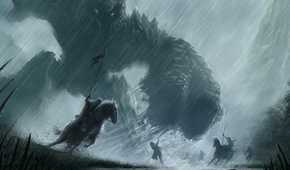



The Oath of the Crown is a promise to uphold the law and is often sworn to lords and nobles. This is a good choice for a Lawful player of any sort. Playing as an Oath of the Crown Paladin also provides some new dialogue and content for the Oathbreaker Knight, who shows up when Paladins run afoul of their solemn vows. Given who the Oathbreaker Knight was in life, it's quite likely that he was intended to have followed the Oath of the Crown before becoming an Oathbreaker.
The Oath of the Crown comes with three new features: Righteous Clarity, used to guide allies; Divine Allegiance, which heals and absorbs the damage dealt to a player's allies; and the ability to taunt enemies through the Champion Challenge ability.
The new 2025 playtests for this subclass also revealed the Oath spells gained from taking this route. At Level 3, you gain Command and Compelled Duel, which goes well with the Champion Challenge ability to taunt enemies. At Level 5, you get Warding Bond and Spiritual Weapon, while Level 9 sees Spirit Guardians and Crusader's Mantle enter your arsenal of radiant attacks and defensive magic.
6 Arcane Archer Fighter
A Ranged-Focused Fighter Variant




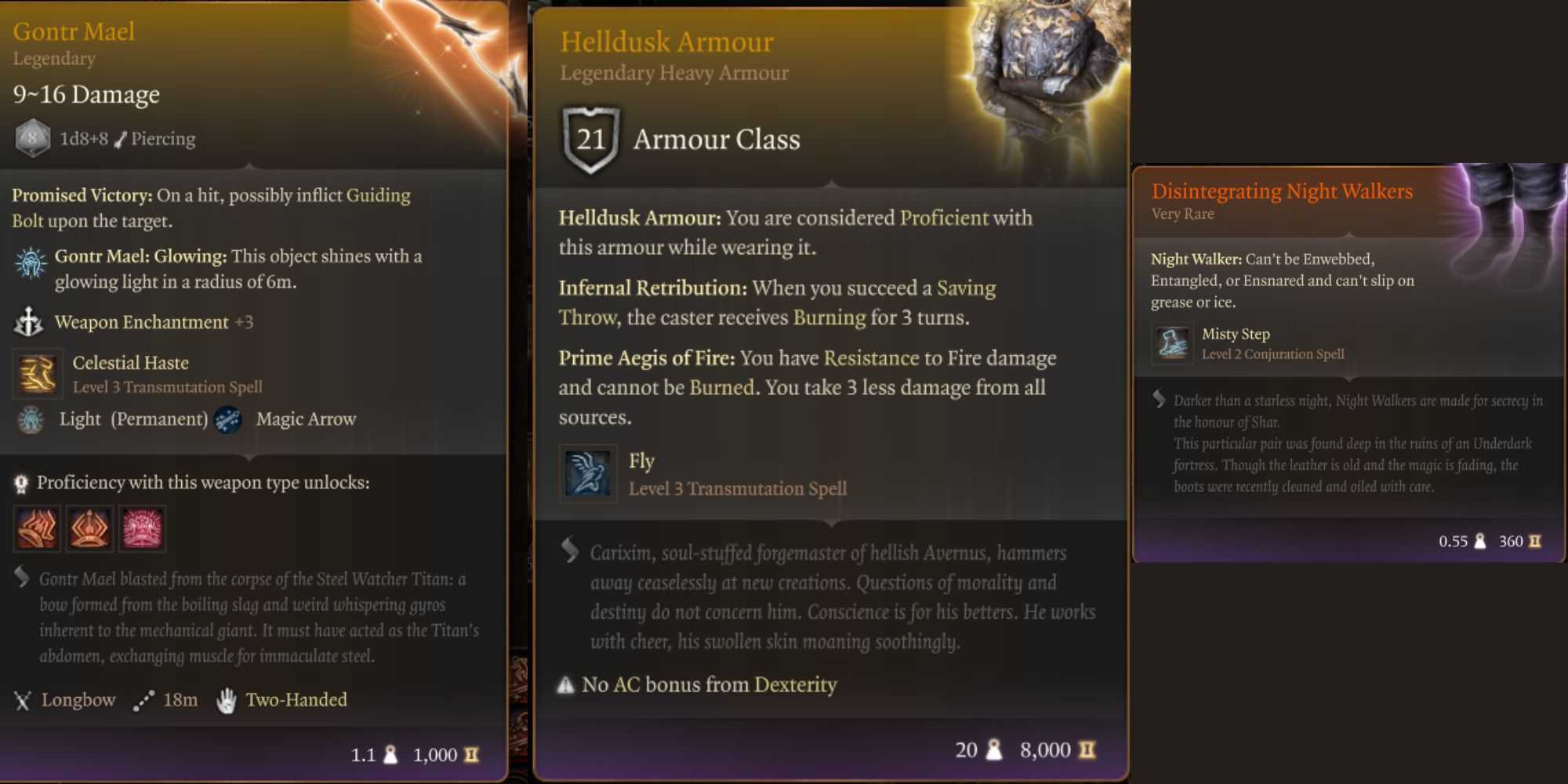
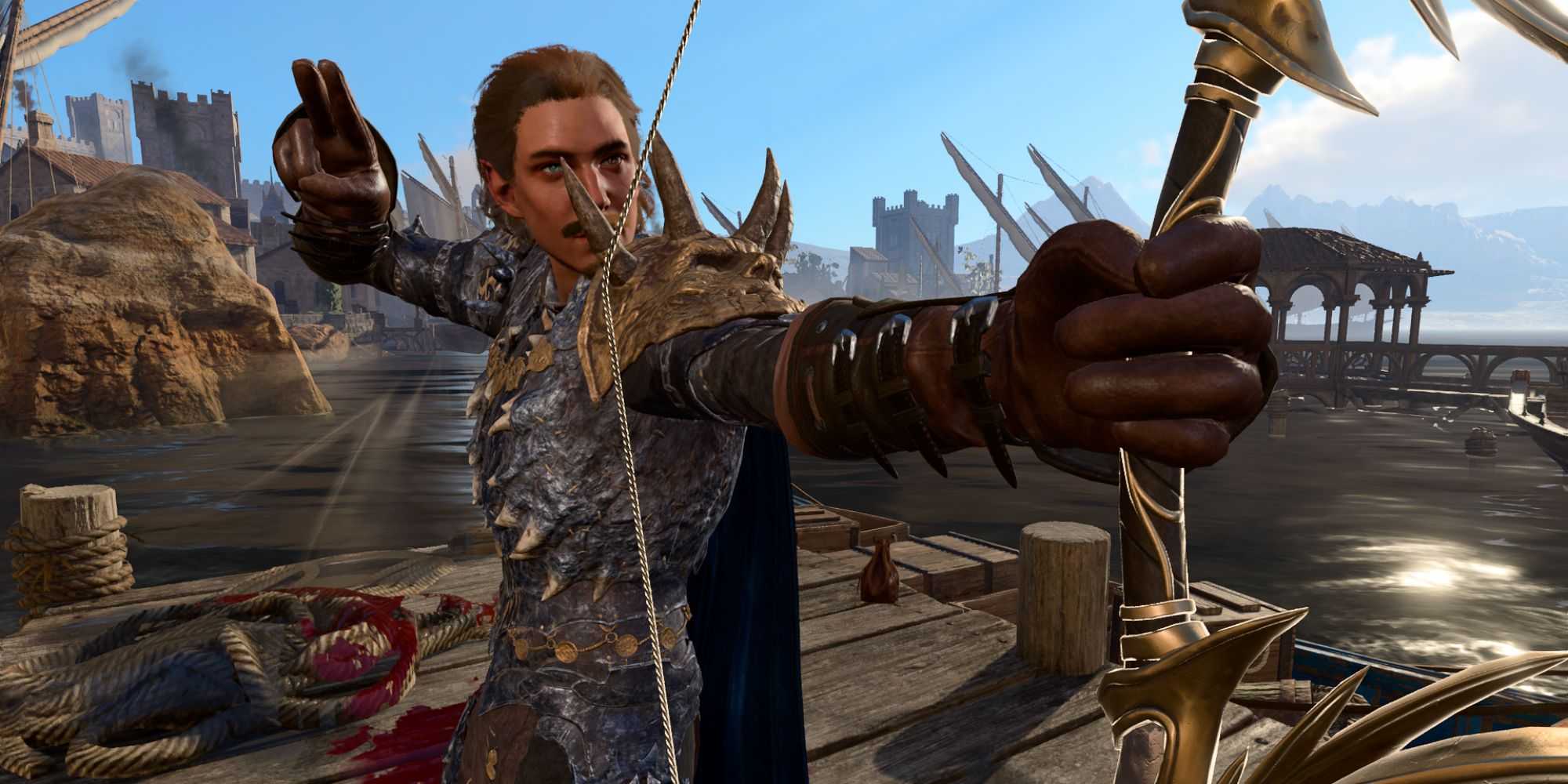


The Arcane Archer fuses the use of regular weapons with magic and spellcasting. The subclass adds a new focus on psychic damage and comes with new bow animations. Though in the lore of Dungeons & Dragons, the techniques used by the Arcane Archer are elven in nature and involve fey magic, this may become a popular choice to give to Githyanki characters such as Lae'zel given how Githyanki tend to excel at psionic attacks.
In Patch 8, you gain 4 unique Arcane Arrows when you take this subclass at Level 3. You can use these arrows to fire Arcane Shots, which are similar to the Battle Master's maneuvers from another Fighter subclass. Some of these Arcane Shots include:
|
Arcane Shot |
Description |
|
Bursting Arrow |
Deal additional force damage to targets within an AoE. |
|
Enfeebling Arrow |
Deal additional necrotic damage and possibly inflict the Feeble condition on a target. |
|
Beguiling Arrow |
Deal additional psychic damage and possibly charm a target. |
|
Banishing Arrow |
Possibly banish a target to the Feywild. |
|
Seeking Arrow |
Deal additional force damage and possibly apply Faerie Fire spell effects to a target. |
|
Shadow Arrow |
Deal additional psychic damage and possibly Blind a target. |
|
Grasping Arrow |
Deal additional poison damage and affect a target's Movement Speed. |
|
Piercing Arrow |
Attack all those within the line of your shot, dealing additional damage to those that fail a saving throw. |
Eventually, all your ranged attacks become magical and overcome resistance, making you far more dangerous. The Curving Shot feature at Level 7 allows you to use your Bonus Action to attack the next closest target from one you missed earlier with a magical ranged attack, giving you more ways to inflict damage. As you gain more Arcane Shots and Arrows at later levels, you'll constantly be shooting down foes left and right.
7 Drunken Master Monk
Baldur's Gate 3 Finally Has A Use For Excess Camp Supply

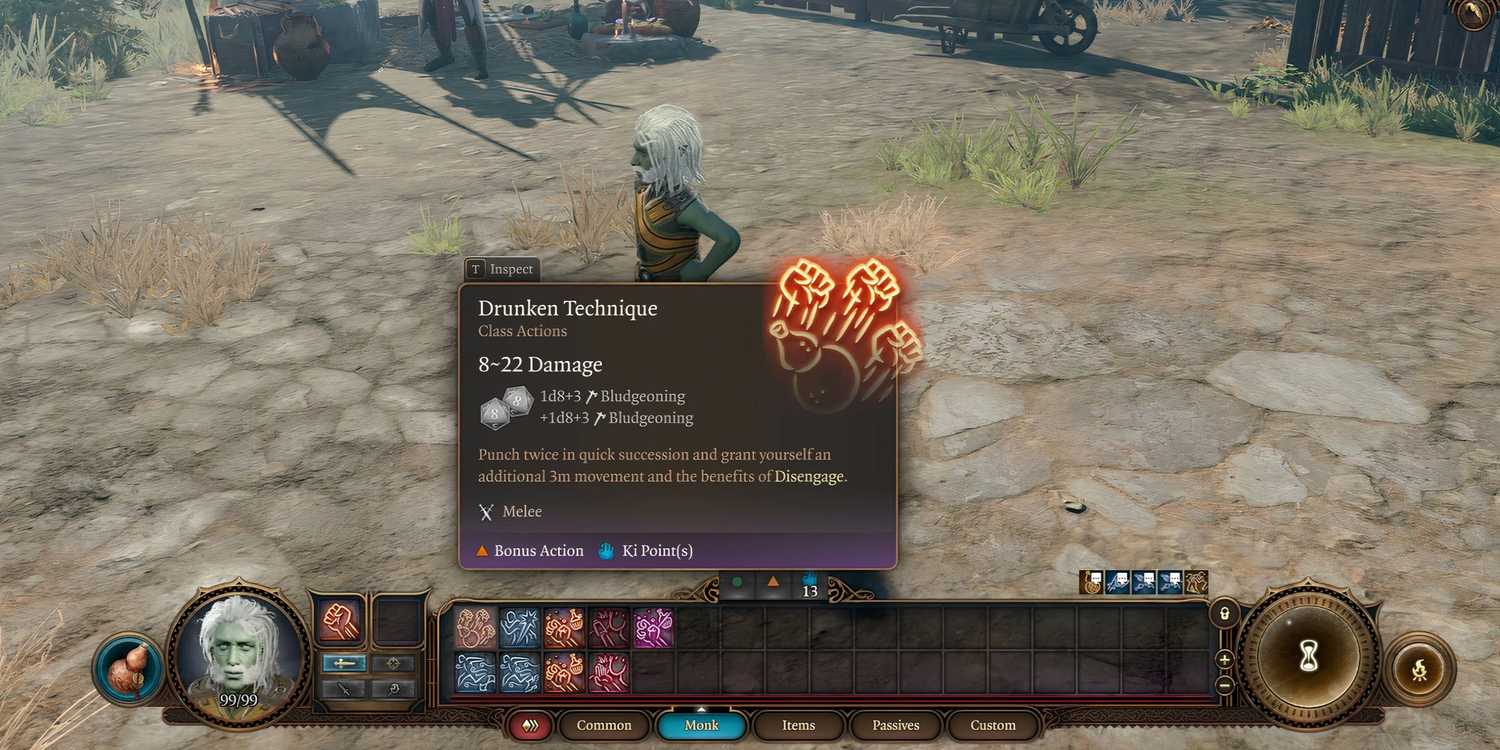
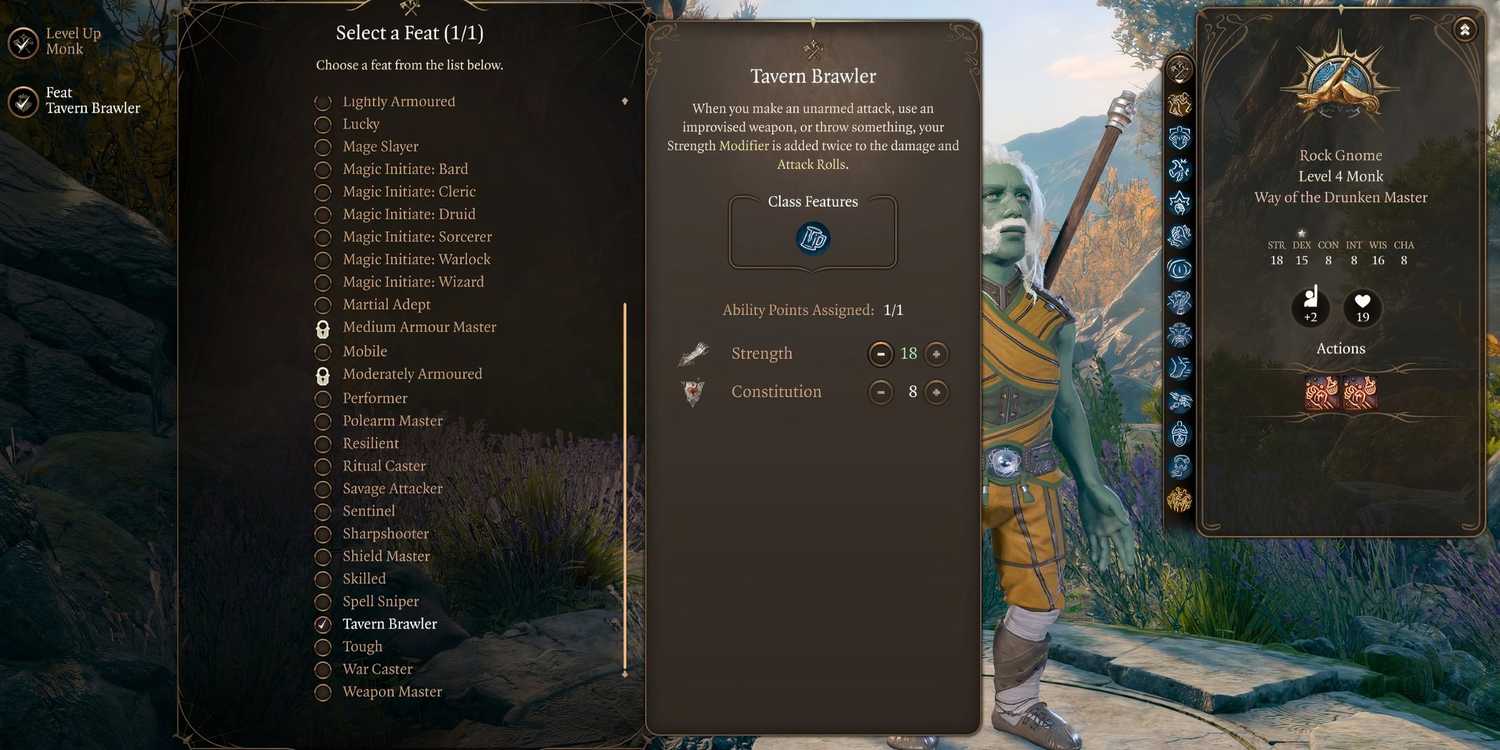






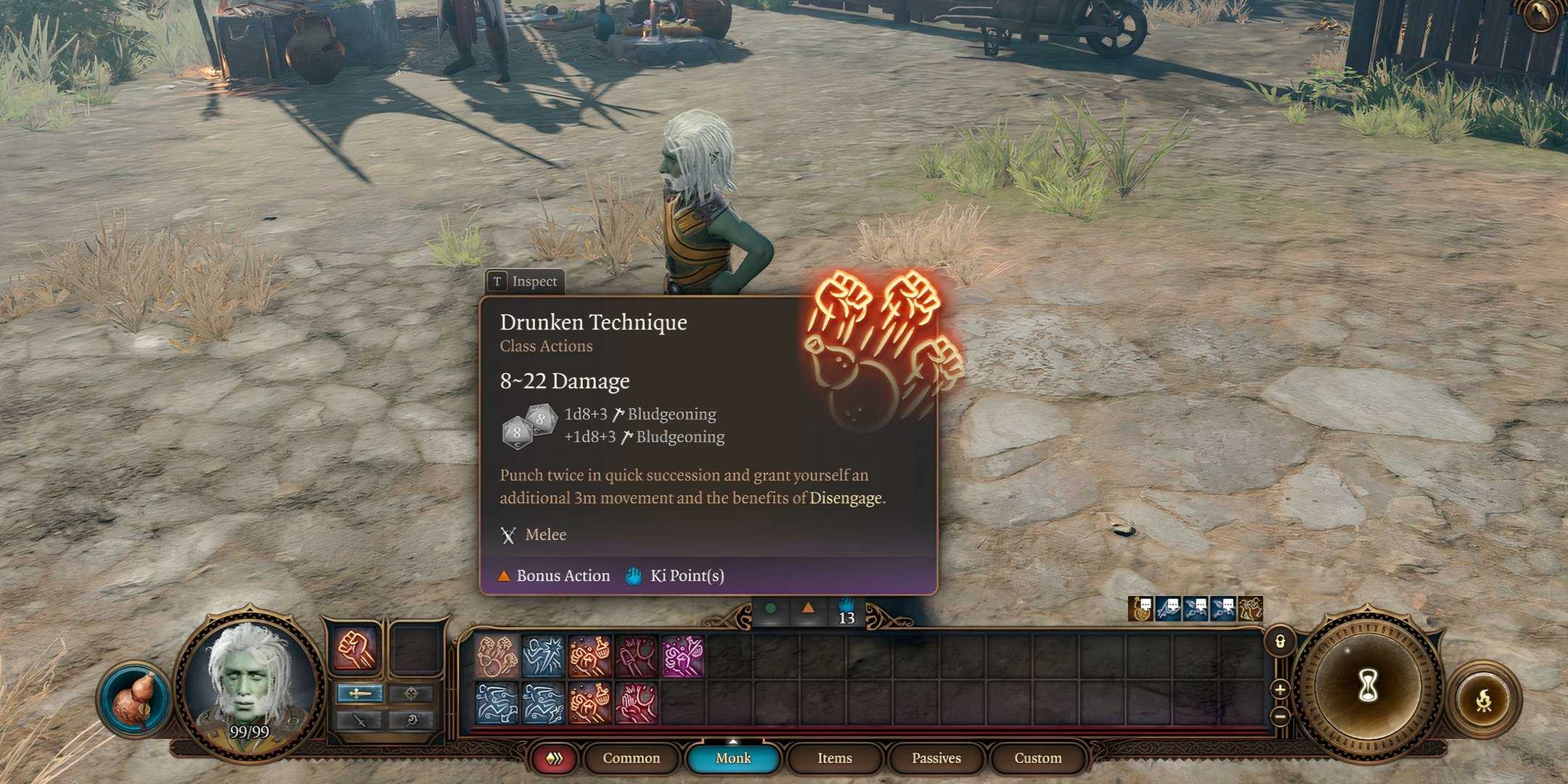
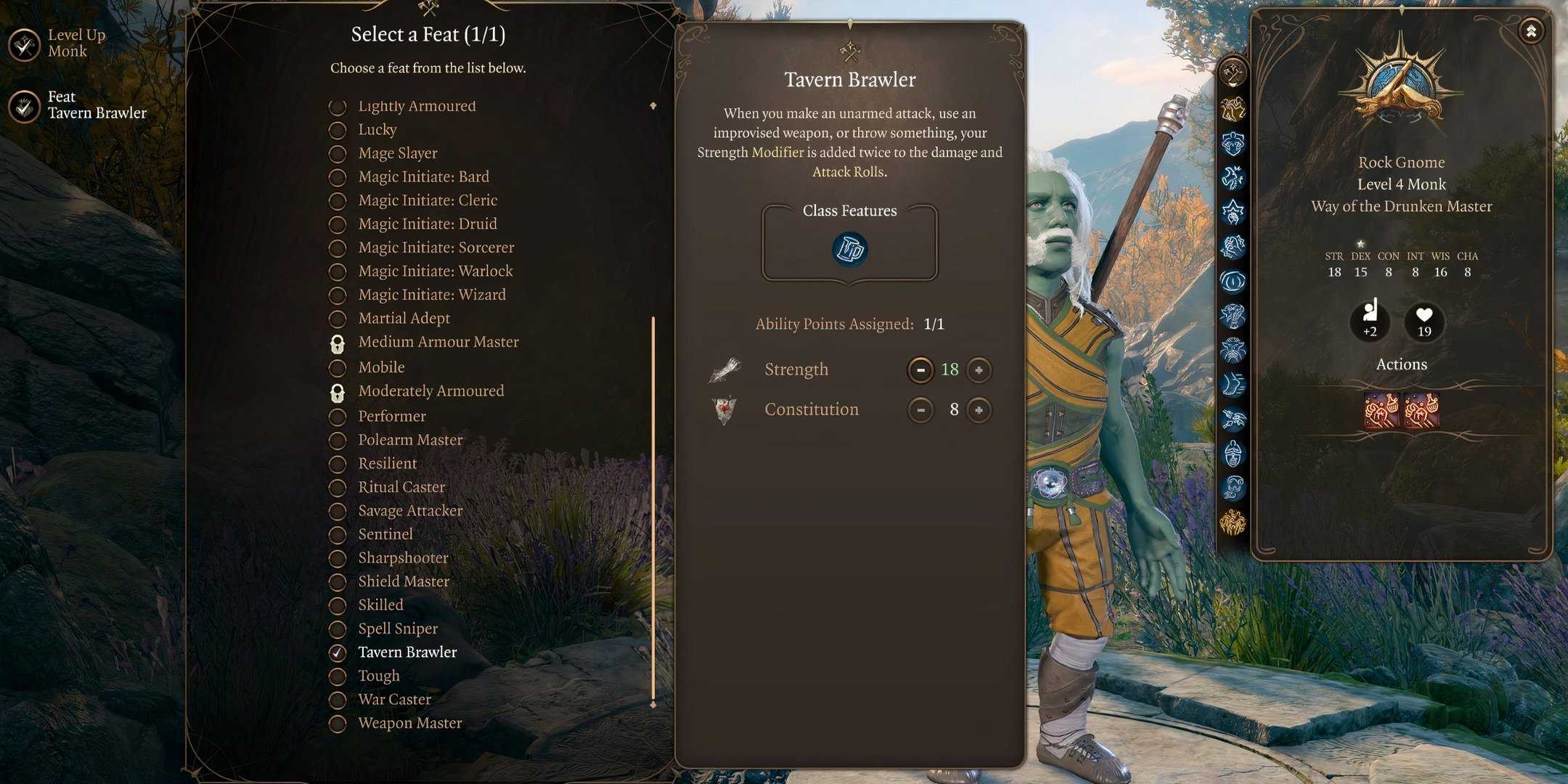
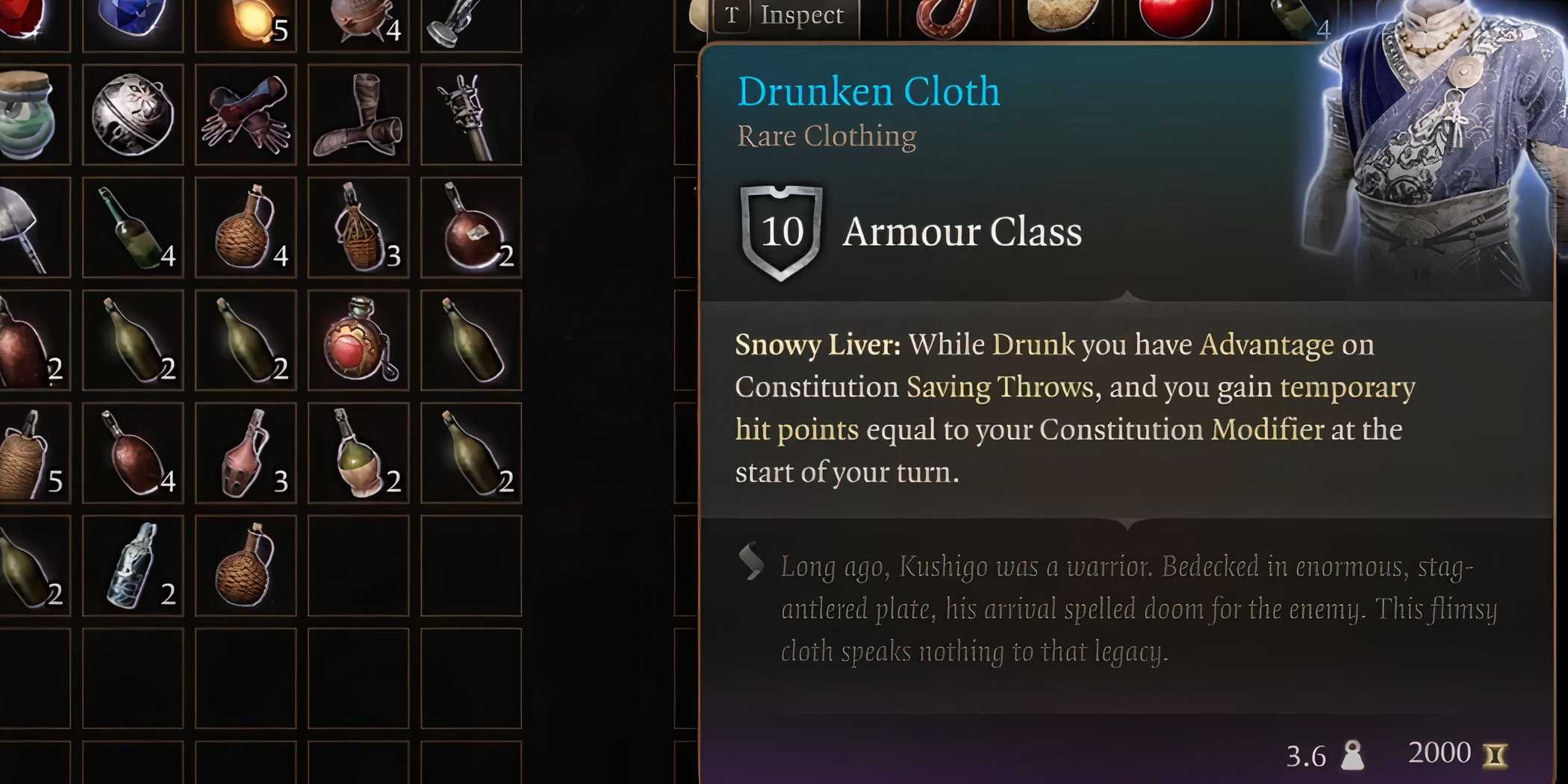
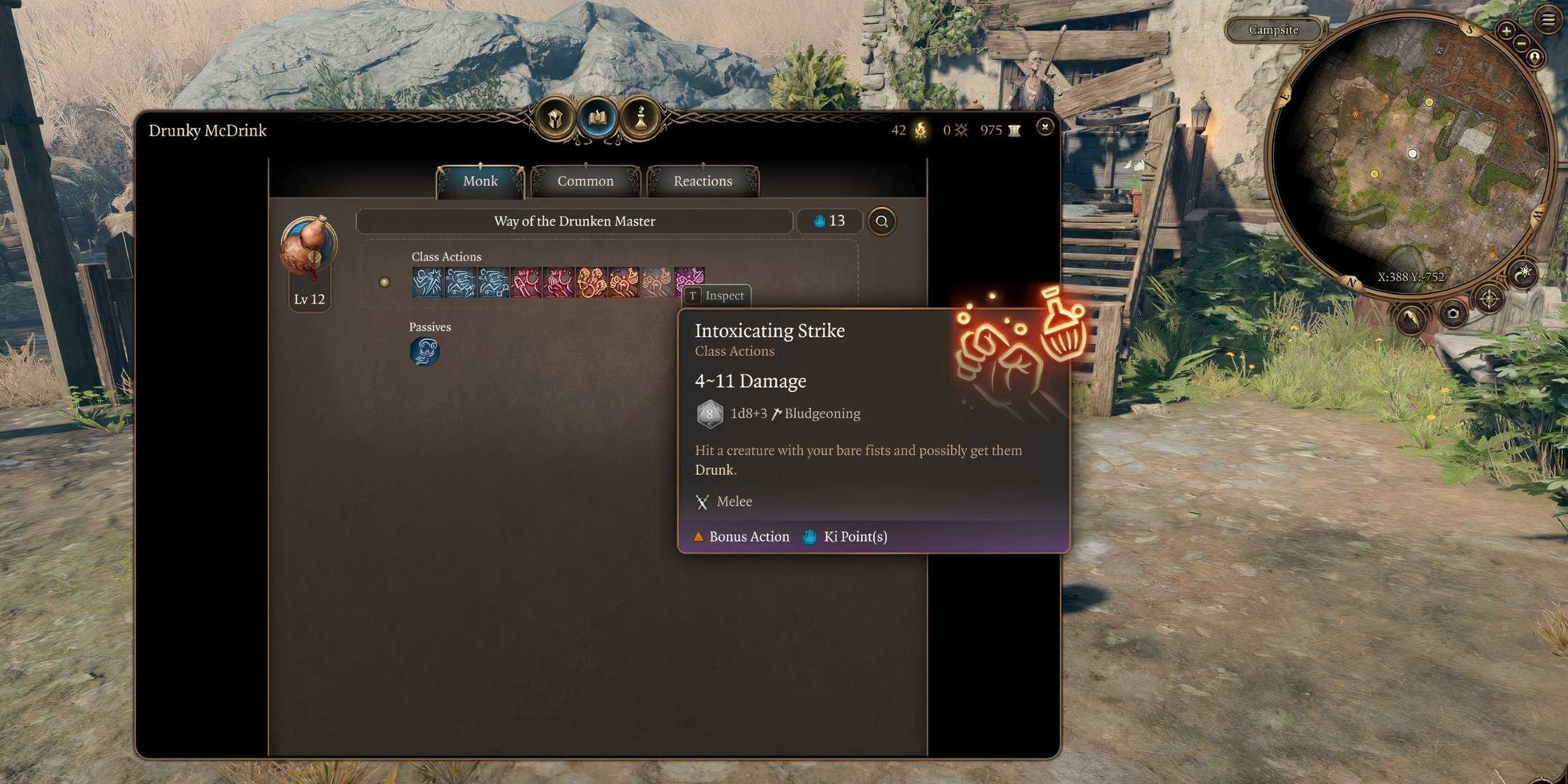
 Original screenshot by Nicholas Becher.





The Drunken Master is an unexpected subclass addition, but an extremely fun one nonetheless. Notorious drinker Thisobald Thorm will have nothing on these players, as they will gain the ability to drink alcohol straight from their inventories, as well as something to do with the hundreds of bottles of wine they've collected that never seem to be used as camp supplies.
Monks of this nature will deal more damage towards drunken targets — though this may seem like a small niche of enemies, they luckily can also inflict their drunkenness onto others with the Intoxicating Strike. This feature also activates Life of the Party at Level 7, giving a monk a better Armor Class (AC) and attack rolls against targets they make drunk.
Later on, the Drunken Master Monk gains the Sobering Realisation ability at Level 9, where they can strike a drunk creature to inflict Psychic damage. While this does make them lose Life of the Party, the extra damage could decide a fight.
With this new subclass comes new ways to spend a Monk's precious Ki Points, including the Redirect feature at Level 6. This ability lets you spend a Ki Point to use your reaction to make an enemy who missed you to attack a new target instead. This allows the Drunken Master to be a chaotic force on the battlefield, debuffing enemies and changing their attacks to hit their allies instead of your party.
8 Swarmkeeper Ranger
Not The Bees!








Yet another fun subclass is the Swarmkeeper ranger. While the Beastmaster can summon their animal companions, these Rangers can call forth swarms of them. Swarms deal additional damage to creatures afflicted by Hunter's Mark, giving the Ranger more reliable sources of damage through their unorthodox allies.
The table below shows all the different nature spirits you can bond with in this subclass to form a swarm, along with their unique effects:
|
Swarm Type |
Damage Type |
Bonus Effect |
|
Cloud of Jellyfish |
Lightning |
Potentially shocks a target. |
|
Flurry of Moths |
Physic |
Potentially blinds a target. |
|
Legion of Bees |
Piercing |
Target has to make a Strength saving throw or be knocked back 15 feet. |
Swarmkeeper Rangers will be able to summon three different types of swarms — the Cloud of Jellyfish, the Flurry of Moths, and the Legion of Bees. Any swarm can grant the player teleportation abilities, but each swarm deals different types of damage with potential extra effects.
As you level up, you gain Writhing Currents with your swarm, giving your allies a way to give you flight. Eventually, this feature also gives you extra AC, increasing your defenses as you command your swarm around a battlefield to put your character in the best position possible.
9 The Swashbuckler Rogue
Players Can Finally Live Out Their Pirate Fantasies


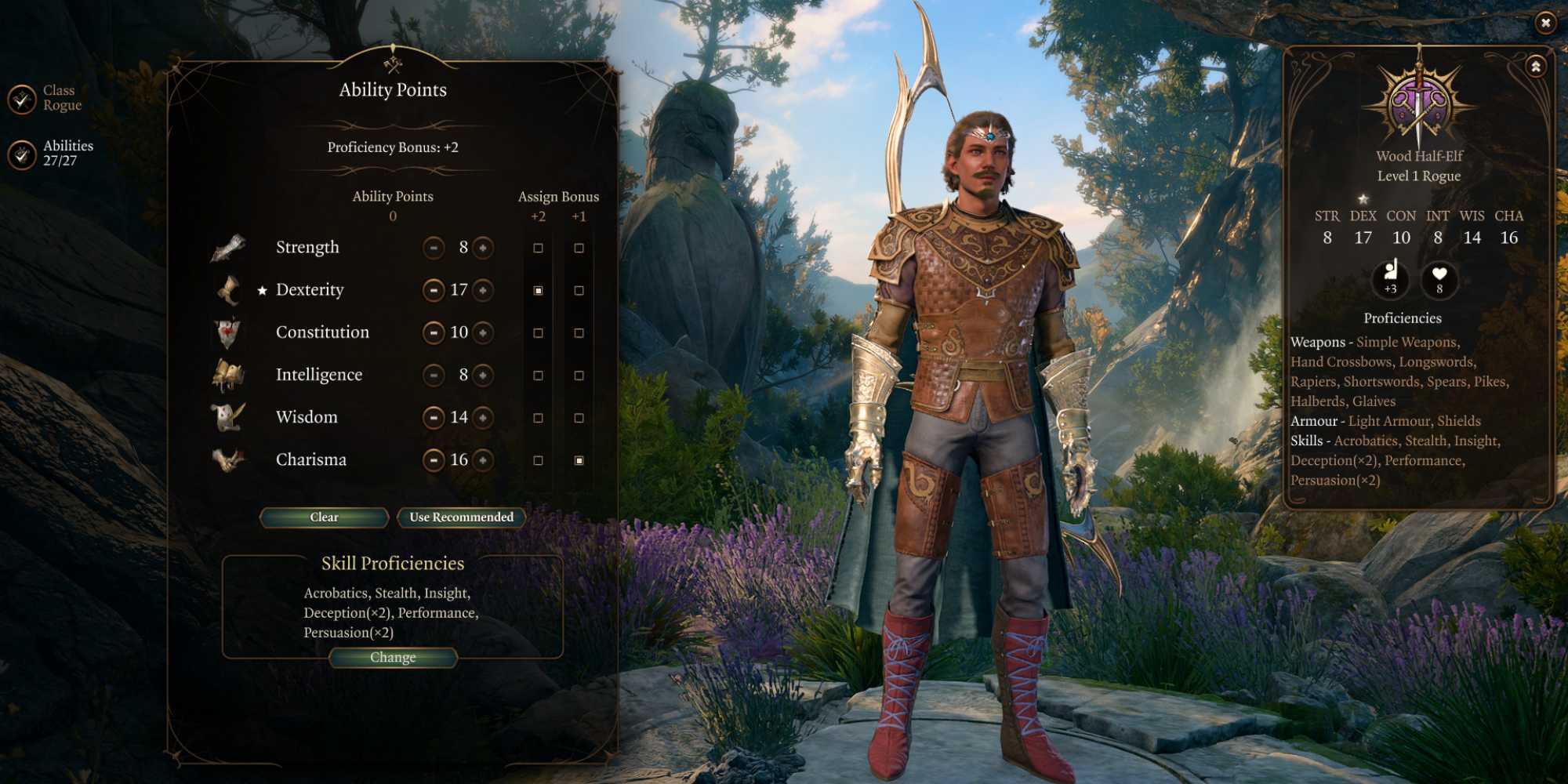
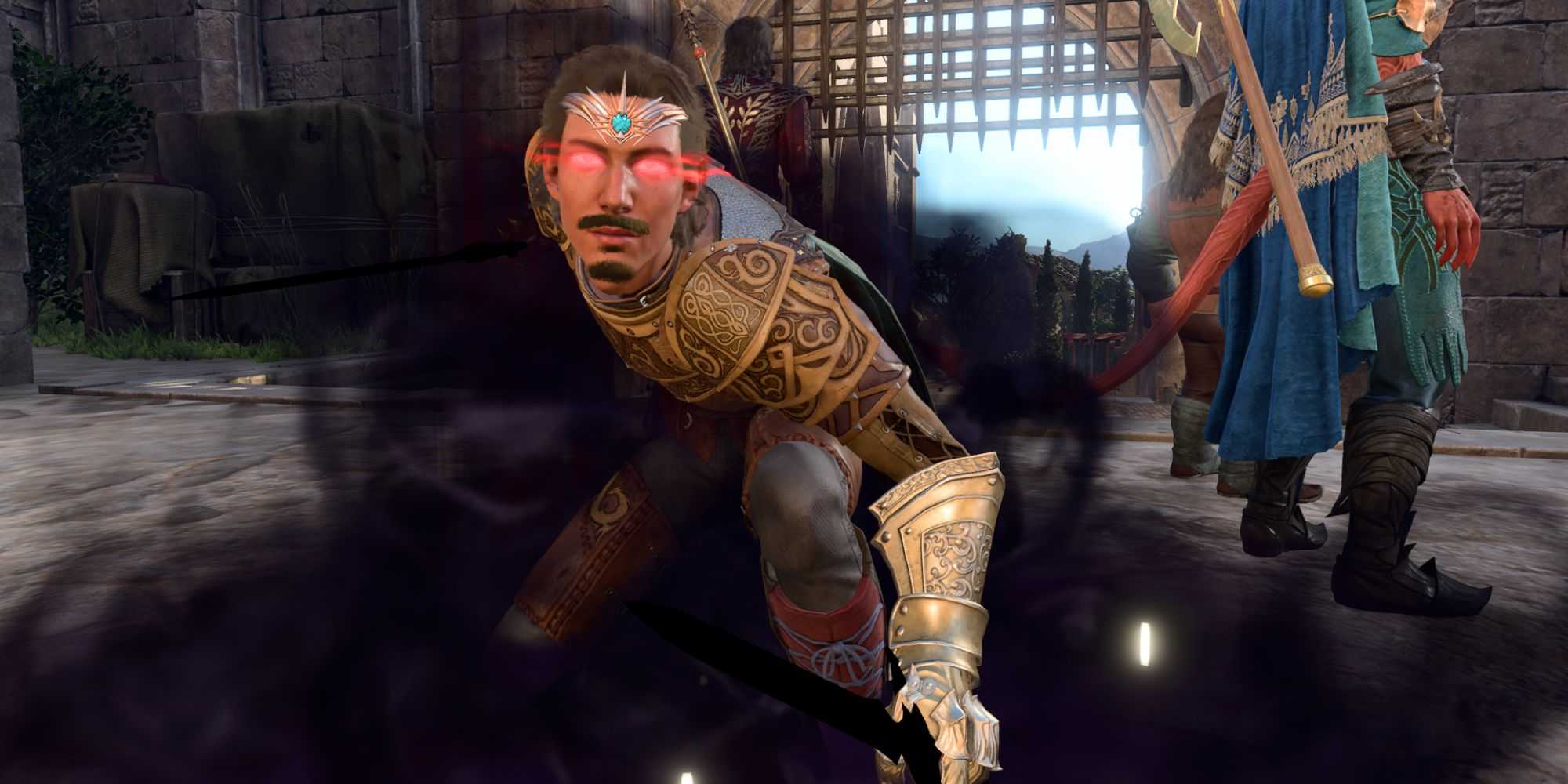
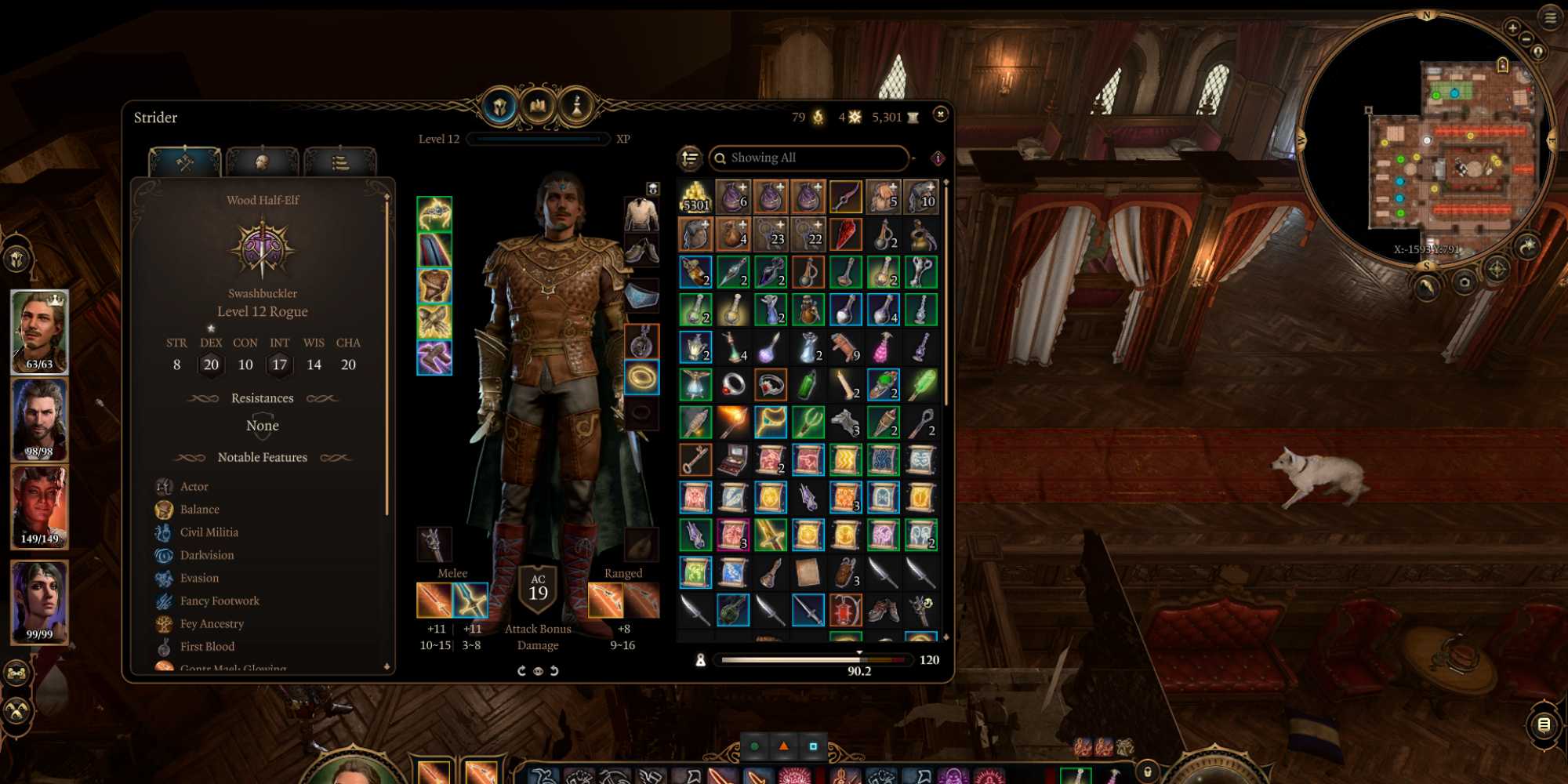
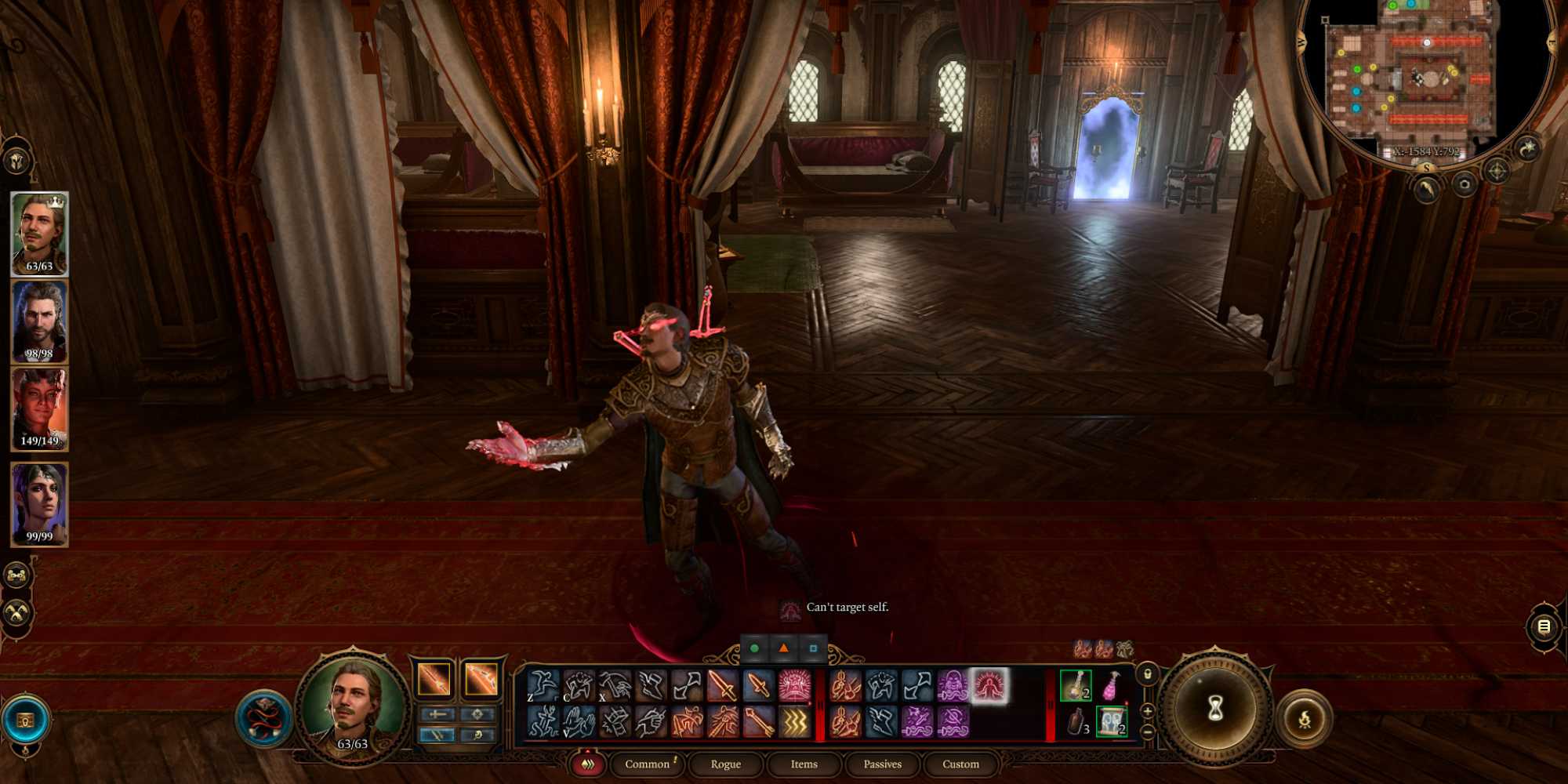
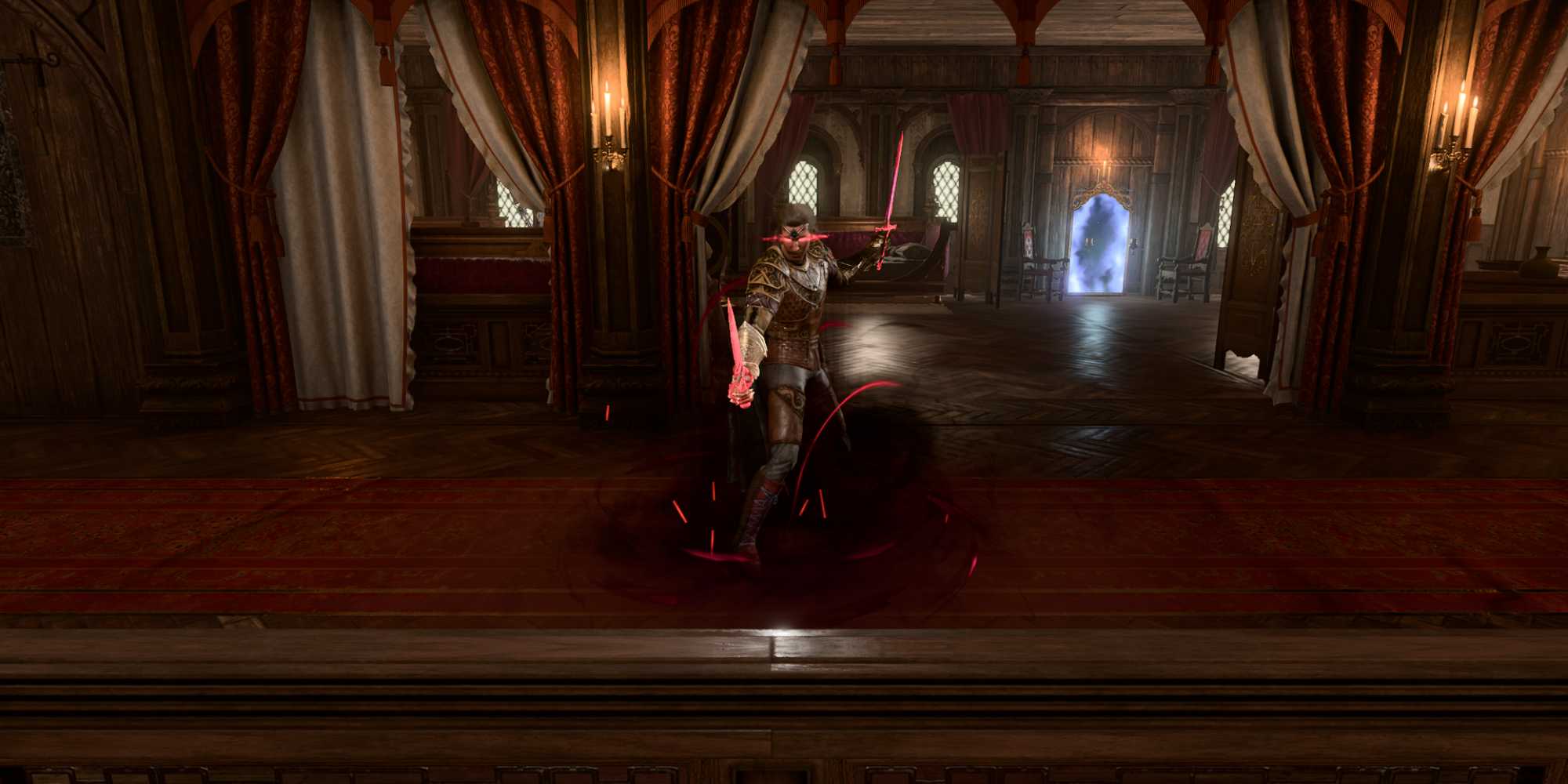



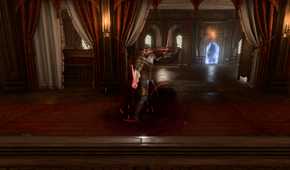
A highly anticipated subclass, the Swashbuckler Rogue, comes with the pirate-inspired flair that many players were missing from Dungeons & Dragons. This type of rogue is very strategic and can blind enemies or forcefully disarm them while avoiding opportunity attacks. Players should have high hopes for this subclass when it comes to roleplay ability and unique dialogue, as it's unlikely that Larian will stop players from living their true pirate fantasy.
A lore-abiding multiclass with the Swashbuckler could be with the Tempest Domain cleric, possibly worshiping Talos, the god of storms and destruction.
The Swashbuckler has additional bonuses to Initiative, making them faster than even other Rogue subclasses. Swashbucklers can also disable a target's ability to perform Opportunity Attacks, giving their allies more freedom to move in combat. This subclass works very differently than other Rogues, as you don't need to have Advantage to trigger Sneak Attack.
This flavor of Rogue also gains the Panache ability at Level 9, allowing it to beguile a humanoid to grab its attention. Against enemies, this will inflict disadvantage on all of its attacks that it tries to make against targets who aren't the Swashbuckler. Against anyone else, it will simply charm them, allowing the subclass to play into its suave nature to get what a character wants.
10 Shadow Magic Sorcerer
A Dark Subclass With A Brand New Summon


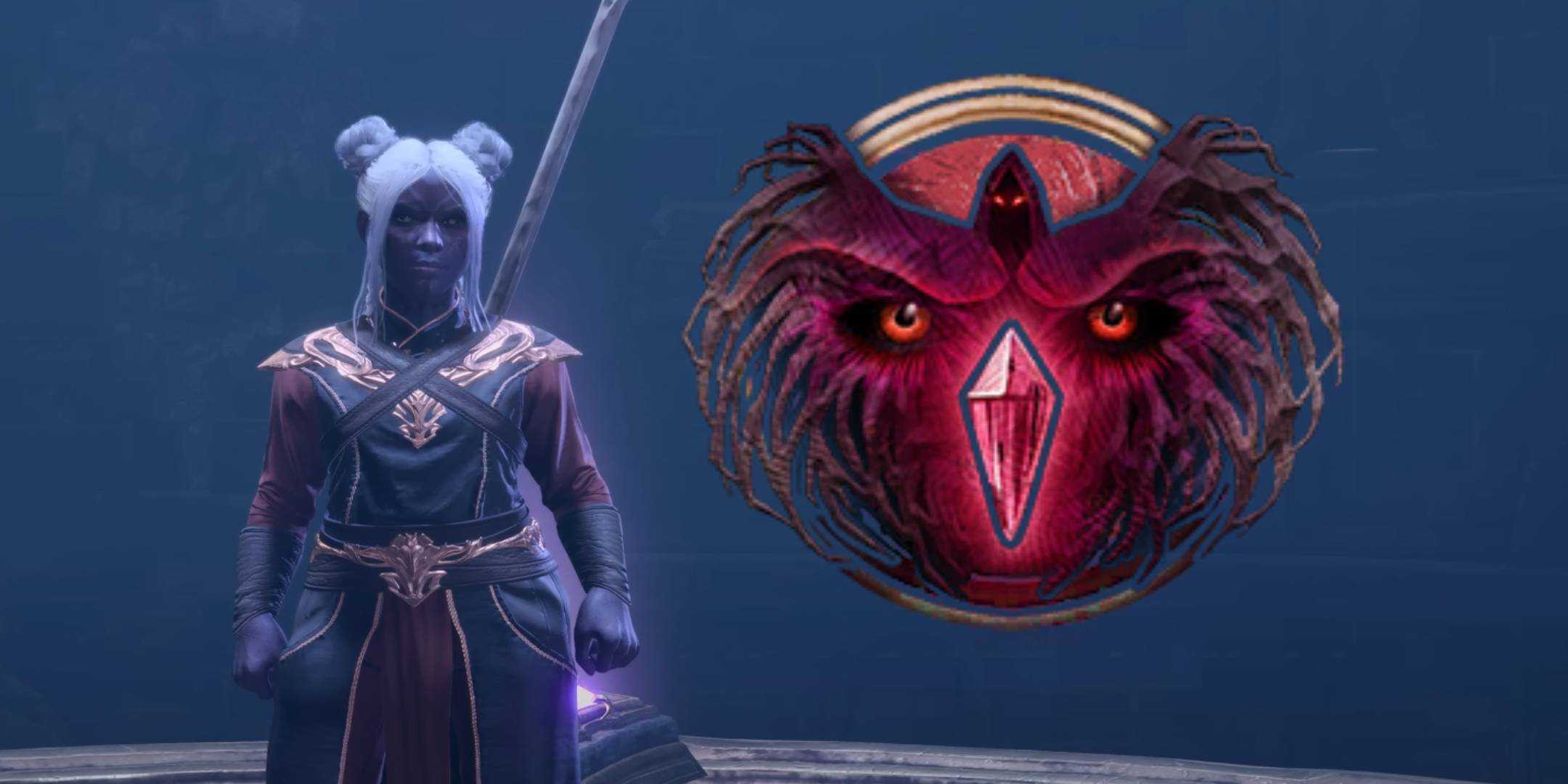
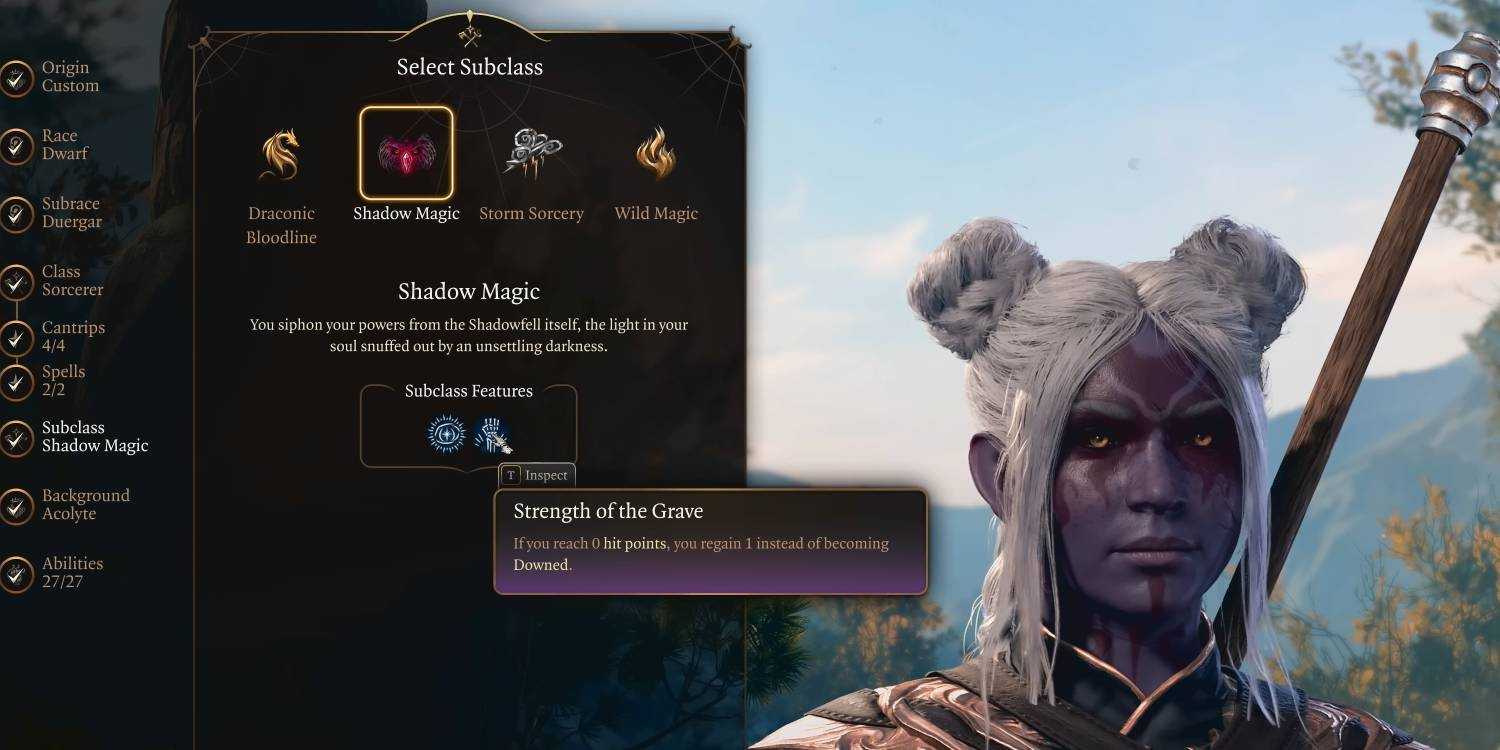


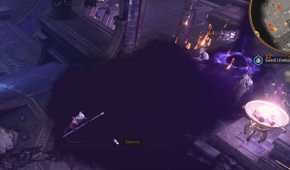
The Shadow Magic sorcerer is a great addition for players who want their characters to have a darker edge to them. It introduces a brand new summon, the Hound of Ill Omen, and has the potential to be one of the most effective spellcasters. With new allies on their side, this brand of Sorcerer can create creatures who aren't nerfed by Darkness magic this subclass gains naturally as they level up.
Though the magic-based classes are known for being easy targets in battle, this subclass grants players Strength of the Grave, which causes a character to regain a Hit Point instead of being downed in battle. The class also comes with extra buffs when obscured by shadows, as well as Superior Darkvision, which before was limited to Underdark races, Gloomstalker rangers, and warlocks with Devil's Sight.
Future abilities of this subclass also give a Sorcerer character more evasive skills, allowing them to teleport into darkness. After doing this, the Shadow Sorcerer's next spell will have the benefits of the Distant Spell metamagic without having to spend a Sorcery Point. This gives you ways of conserving resources as you retreat to places where enemies can't catch you in the shadows.
