Warning: This article contains SPOILERS for Batman: Resurrection
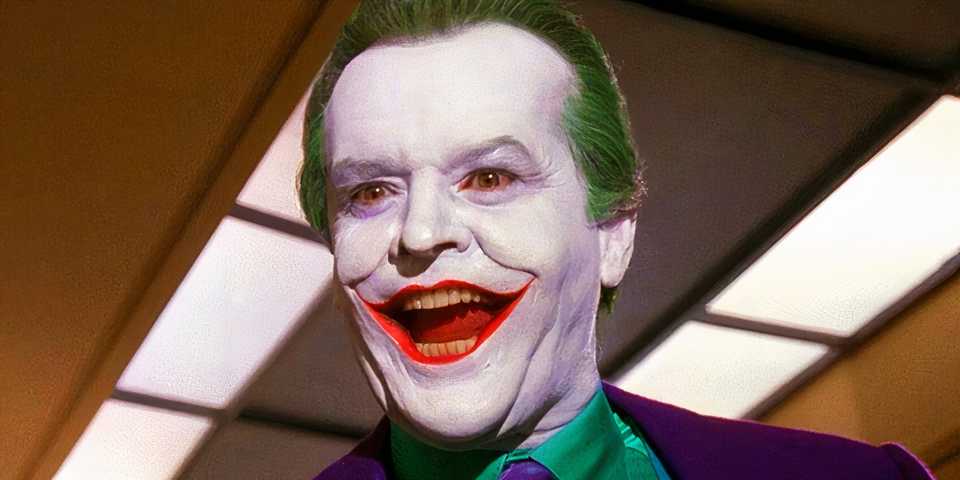
The clever thing about new Batman (1989) sequel Batman: Resurrection is that writer John Jackson Miller sought to use existing holes in the original plot to build out a story. In doing so, Miller manages to write two of the most famous Batman villains who’ve never appeared in a live-action DC movie, as well as centering the story around the hugely popular figure of Jack Nicholson’s Joker. It’s a brave thing to do, given how beloved Tim Burton’s Batman movies are, but Resurrection is a resounding success.
Not only does the novel introduce Clayface as a natural continuation of Joker’s story, but it also poses a question a lot of Batman fans have asked since 1989: was Joker really dead? It always seemed so final, and the character’s brand was so strong that his abrupt end turned desire to see more of him into that irresistibly nagging question. That’s the same anxious question Batman faces, as a new villain weaponizes Bruce Wayne’s own troubled psyche against him to give the Joker a new life in DC’s movie timeline.
That it all comes back to Miller’s own fandom and the question of a couple of long-discussed Batman '89 plot holes makes this whole endeavor all the more impressive. And to enjoy both how that’s done, and how the plot holes are resolved, you have to start where they do.
Batman 1989's Big Plot Holes Explained
Production Pressure Let To One Of The Dark Knight's Most Enduring Headscratchers

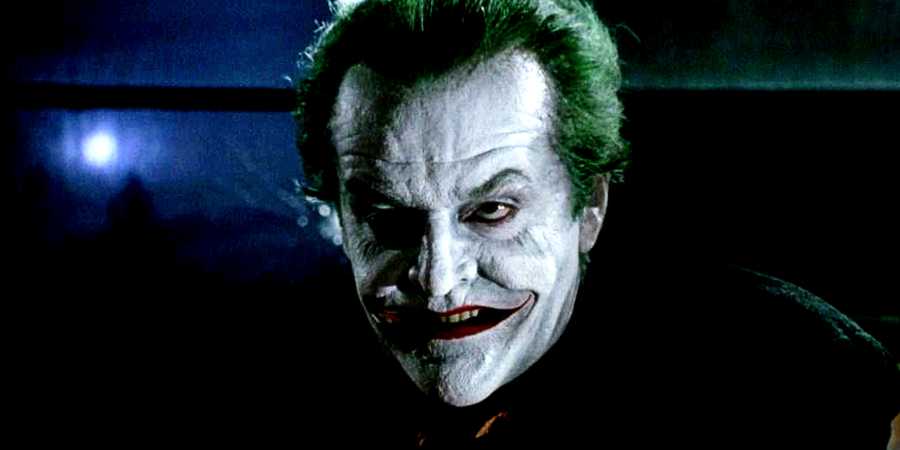
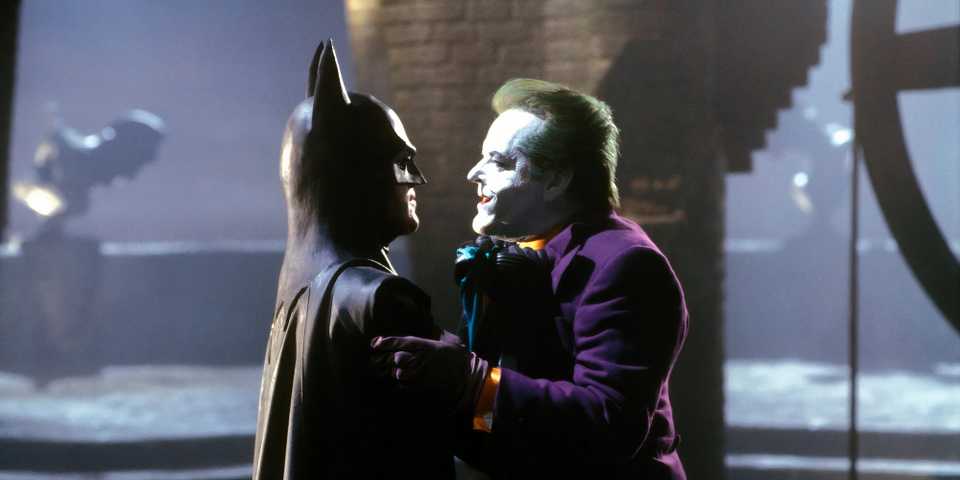
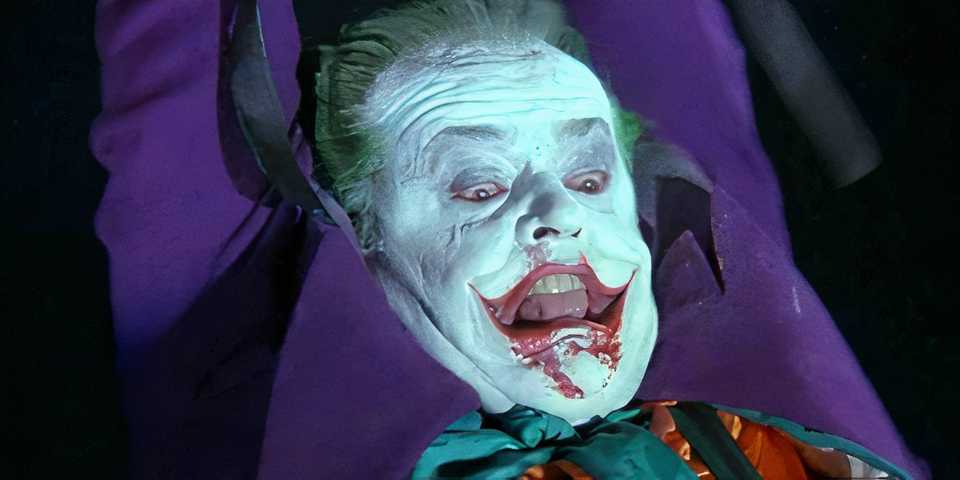
Batman '89’s ending saw Jack Nicholson’s Joker fall from a helicopter off the edge of Gotham City’s towering Cathedral. He landed in some style, denting the street that became his grave, with his laugh box initially offering a haunting taunt of his eternal life even after his death. Rewind a little though, and you come to one major plot hole and one very confusing one.
Let’s deal with the latter first: faced with the man responsible for the death of Bruce Wayne’s parents, Batman wrestles with his need for vengeance:
Batman: I'm going to kill you!
The Joker: You IDIOT! You made me. Remember?
You dropped me into that vat of chemicals. That wasn't easy to get over, and don't think that I didn't try.
Batman: I know you did… You killed my parents.
The Joker: What? What? What are you talking about?
Batman: I made you, you made me first.
The Joker: Hey, bat-brain, I mean, I was a kid when I killed your parents. I mean, I say "I made you" you gotta say "you made me." I mean, how childish can you get?
That “I was a kid when I killed your parents” line never made sense, because Joker never knew Bruce Wayne was Batman. To accept he did creates too many other plot holes, and there’s just no hint of it in the rest of the movie.
The other issue came a little earlier when Batman chases Joker up to the roof of the Cathedral, with both somehow emerging in preposterously quick time up the winding staircase. Joker radios to say he’s heading there to convene with his escape helicopter, but when Batman makes it up to the roof, several of Joker’s men are already there. The goons include Lawrence, the boombox carrying henchman who returns in Resurrection as a key figure as well as the Martial Artist and the Boxer.
But their appearance on the rooftop is impossible: they didn’t know Joker was headed in that direction with enough time to get there, and they aren’t with Joker and Vicki Vale when they enter the Cathedral. That plot hole was never resolved, and became the catalyst for Miller’s sequel in a clever way.
The comic book adaptation of Batman (1989) shows the henchmen entering the Cathedral with the Joker and Vicki Vale, but that was never in the movie.
The whole issue was created thanks to the interference of producer Jon Peters (the same man who tried to get a giant spider to fight Superman), who changed the finale, moved it to the top of the cathedral, added Vicki Vale and the fight, and forced the creation of a 40-foot miniature model of the Cathedral that pushed the bloated budget up by another $100,000.
Batman Resurrection Finally Admits Tim Burton's Plot Hole Exists
35 Years On, It's No Longer A Dirty Secret

The plot of Batman: Resurrection centers on the return of the Joker, seemingly from death, with Bruce Wayne chasing shadows to determine whether Napier actually died. Cleverly, the henchmen being on the Cathedral roof becomes part of his investigation - as well as part of his repeated nightmares about the night Joker died. Combined with some carefully placed evidence (like the Joker’s corpse being swapped with an impostor in his grave) by the real villain pulling the strings, it’s an impressive exercise in gaslighting Batman.
The question of how Joker knew who the Waynes were and their connection to Batman also plays part in the deception, as the Dark Knight tries to work back to how that could even be possible. It’s not even that the answers that come are particularly complex, or change Batman ‘89 in substantial ways: the impressive thing is how Miller crafts a story around the uncertainty. He uses them to unveil a plot by an iconic DC villain - revealed to be a secret accomplice to the Joker and the key to the creation of the Smylex chemical weapon - who traps Batman in a web of deceit that almost unravels him.
How Batman Resurrection Fixes The Joker Plot Hole
Sometimes The Simplest Answer Is The Best One

Batman: Resurrection deals with the plot holes right at the end very precisely, revealing that after his arrest, Lawrence the henchman spilled the information on how the henchmen were on the roof. By this point, in a near-death experience, Batman has also been told the answer by the Joker himself in what initially appears to be a fantasy sequence, but which chillingly seems to be a genuine glimpse at the afterlife.
It’s finally revealed through Lawrence’s confession that, as Joker told Batman in his vision, the henchmen were stationed on the roof as lookouts, anticipating the arrival of the Feds to break up Joker’s attack on Gotham. That explains why so few of them are there - to the point that they pose no real threat to Batman. It’s a simple solution that also explains why Joker chooses to make the climb for his rescue, even if it’s a little contrived.
"All the questions I had about Jack Napier's final night were resolved. Gordon found a prison snitch who said Lawrence confessed that The Joker had sent him and the two other guys up into the cathedral beforehand to stand lookout.”
The vision of Joker also reveals that his comment of being a “kid” when he killed the Waynes was empty bluster. Bruce tells Vicki Vale as much as she is about to leave Gotham for good:
"And The Joker saying he was a kid when he killed your parents?"
"He didn't know I was Batman when he said it. It was just blather on his part. He babbled constantly. The fact that it was accurate was a coincidence."
"A stopped clock is right twice a day."
"Or a broken one. My mistake was taking any of it seriously."
So there you have it, two plot holes addressed in one in a way that actually helps improve Batman (1989) thanks to how Resurrection builds its compelling story. It’s just a shame we won’t get to see it all play out in live-action.


- Release Date
- June 23, 1989
- Runtime
- 126 minutes
- Director
- Tim Burton
- Writers
- Sam Hamm, Warren Skaaren, Bob Kane
- Producers
- Jon Peters
Cast
-
 Bruce Wayne / Batman
-
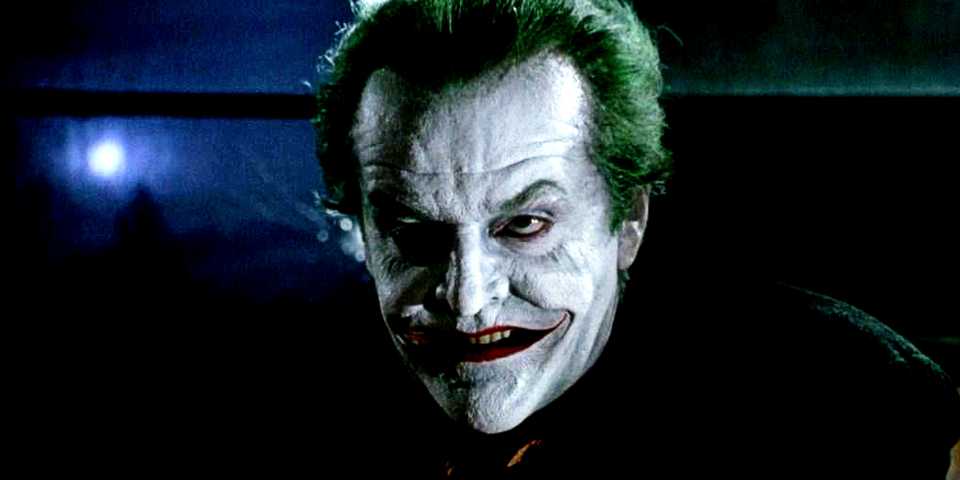
 Jack Napier / The Joker
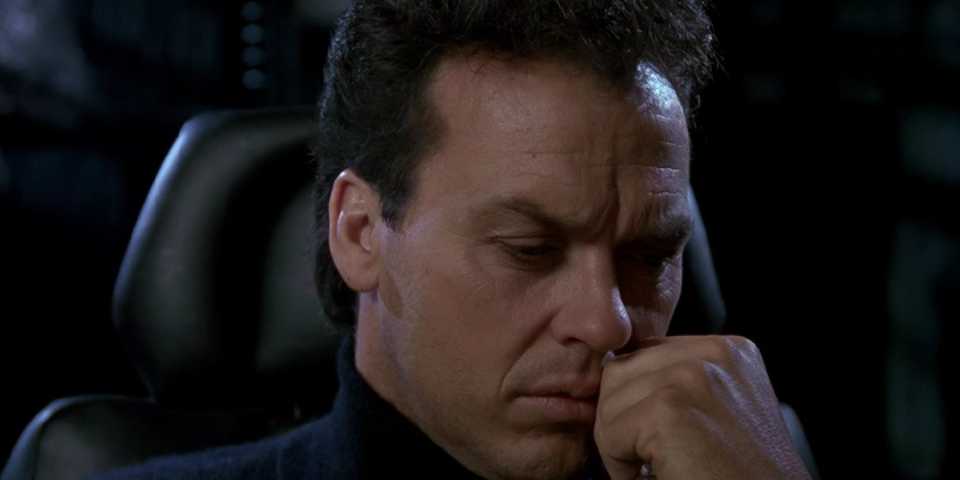
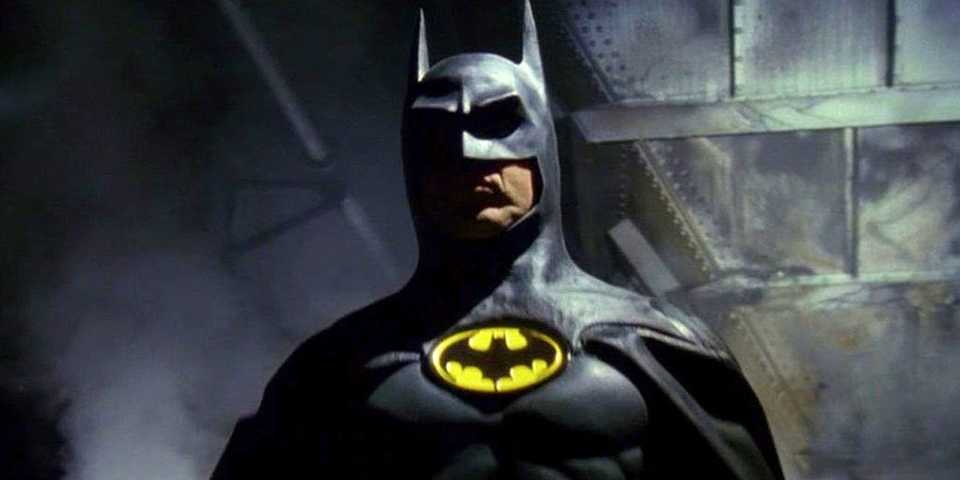
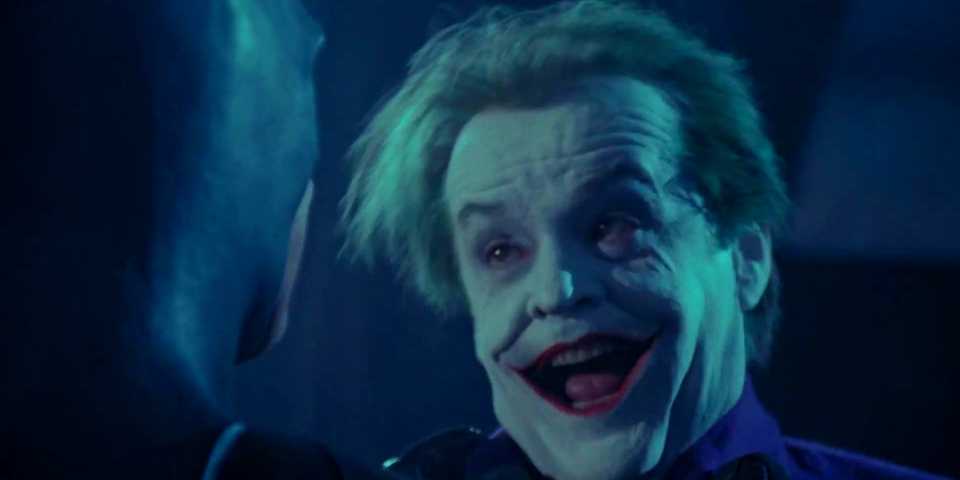
Batman, directed by Tim Burton, introduces Michael Keaton as Bruce Wayne, who combats Gotham City's crime under the persona of Batman. The film unfolds with Batman facing his arch-nemesis, The Joker, portrayed by Jack Nicholson, who threatens Gotham's safety and tests Batman's resolve while safeguarding his identity and love interest, Vicki Vale.