The latest sequel to 1989’s Batman has seemingly brought a new version of the Riddler to the Tim Burton Batman timeline, but this exciting development may have also caused a continuity snarl that will need to be cleared up. John Jackson Miller’s 2024 novel Batman: Resurrection is set between the events of 1989’s Batman and 1992’s Batman Returns, and the novel not only combines characters and lore from both movies, it also introduces new characters to the Burton universe. Resurrection is also set in the same timeline as Sam Hamm and Joe Quinones’s Batman ’89 and Batman ’89: Echoes comics.
In addition to including brief appearances by Batman ‘89’s Barbara Gordon and Drake Winston (the latter being the Burton universe’s future Robin), Resurrection also introduces two classic Batman villains to the continuity: Clayface (Basil Karlo) and Hugo Strange, with the latter having been retroactively added to a minor background role in 1989’s Batman. Resurrection also introduces Norman Pinkus – a Gotham Gazette employee (whose description matches an extra in 1989’s Batman) who is set up to become the Riddler in the forthcoming 2025 novel Batman: Revolution. This clashes with a character introduced in Echoes, however.
Batman 1989's Two Riddlers Explained

Norman Pinkus is not the first Riddler in the Burton Batman universe, as Echoes has already introduced its own version of the character. While Bruce Wayne is undercover as Robert Lowery (the Burton universe’s version of Firefly), he encounters fellow Arham Asylum inmate Edward Nigel Maynard.
Batman Forever, which introduced Jim Carry’s version of the Riddler (Edward Nygma), takes place in one of several timelines that branch off from Batman Returns. Resurrection and Echoes are part of a different branching timeline.
Like Pinkus, he is clearly set up to become the genuine Riddler in a future Burton Batman story. This presents a continuity issue, since Echoes and Resurrection share a timeline, but there are several potential fixes that would easily solve this issue.
Batman: Revolution Can Explain Burton Batman's Two Riddlers

Norman Pinkus is strongly implied to be the villain in the forthcoming Revolution, which could also explain this Burton Batman timeline’s two Riddlers. Revolution could retroactively give Pinkus the military background that Echoes gave Maynard and, following his defeat, the Riddler would become a patient at Arkham Asylum. Revolution would, of course, have to reveal that either Norman Pinkus or Edward Nigel Maynard is an alias, like the Riddler moniker itself.
Another fix that either Revolution or a future Batman ’89 comic could use would establish that Norman Pinkus and Edward Nigel Maynard are separate people, but the Riddler moniker and modus operandi are shared by them both. Pinkus could become the Riddler and perish by the end of Revolution, but the idea of the Riddler may live on in Maynard. Revolution could also include both Pinkus and Maynard and clarify that both will use the Riddler moniker in the Burton Batman universe.


- Release Date
- June 23, 1989
- Runtime
- 126 minutes
- Director
- Tim Burton
- Writers
- Sam Hamm, Warren Skaaren, Bob Kane
- Producers
- Jon Peters
Cast
-
 Bruce Wayne / Batman
-
 Jack Napier / The Joker
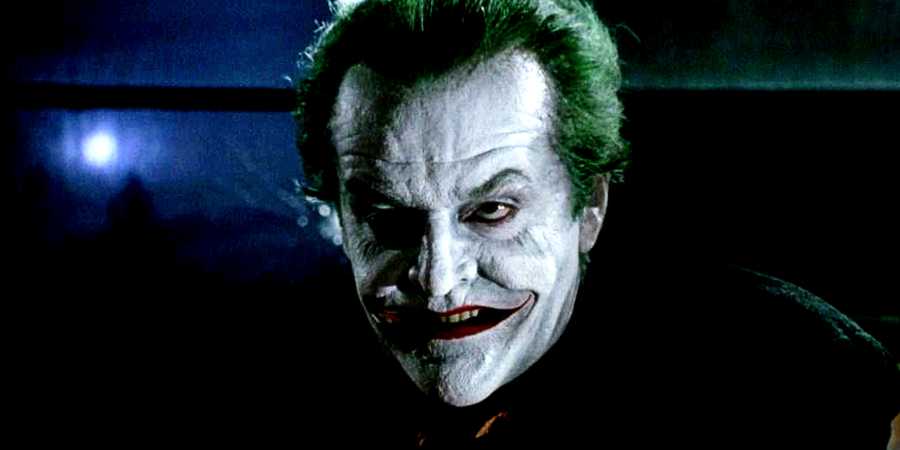
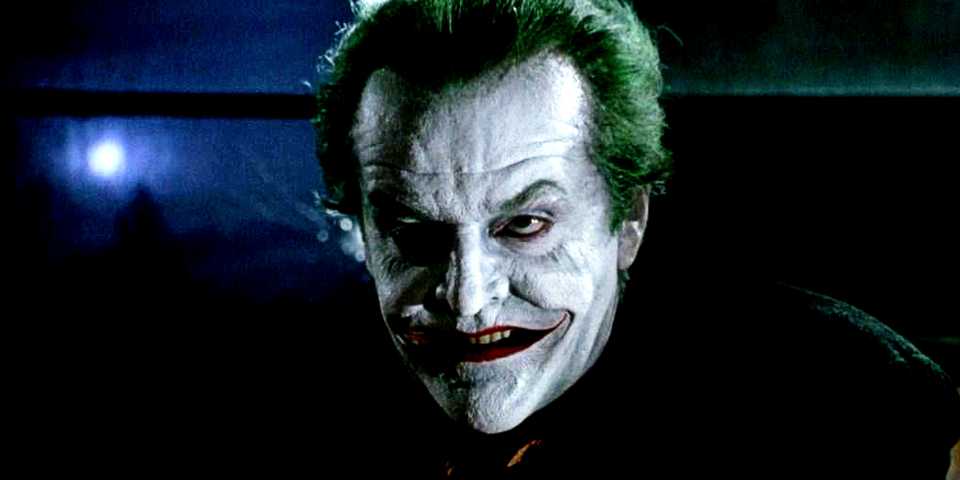
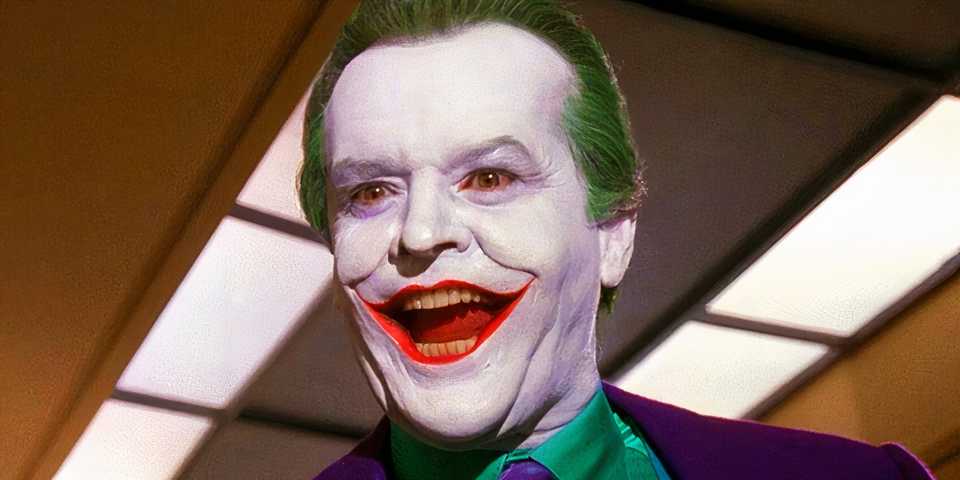
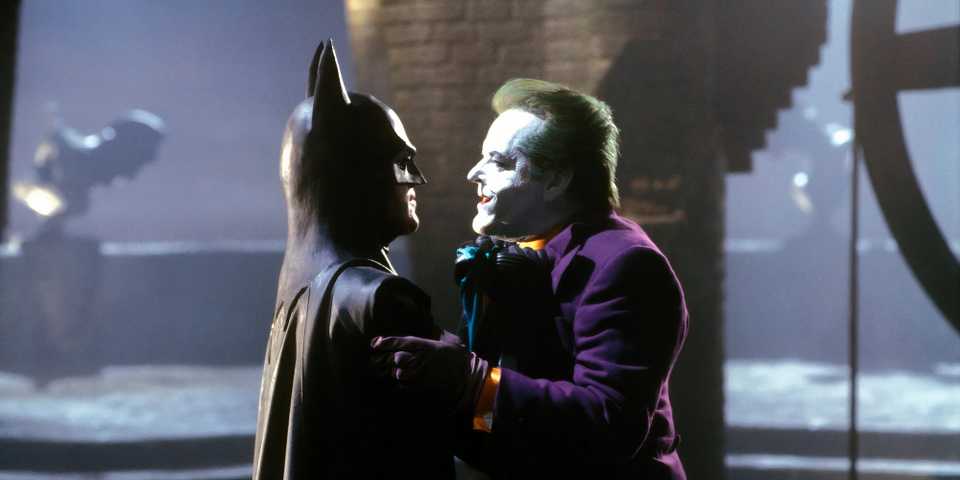
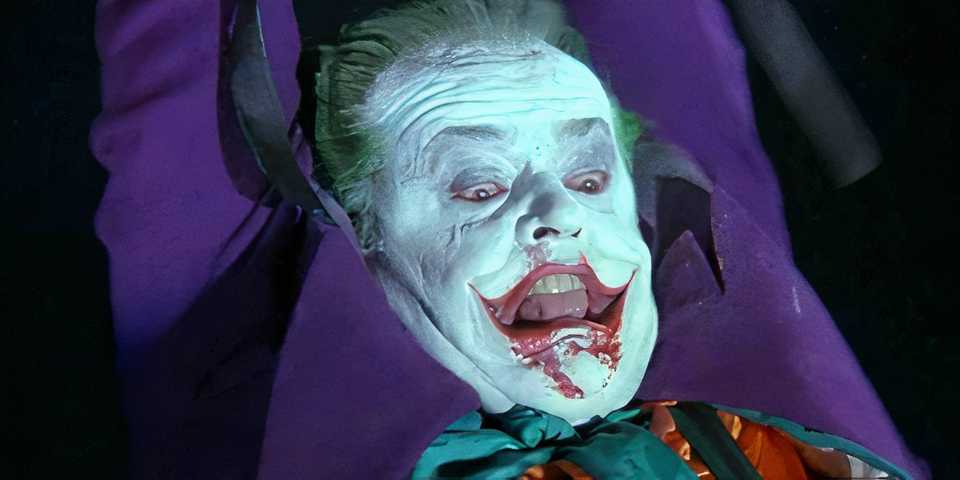
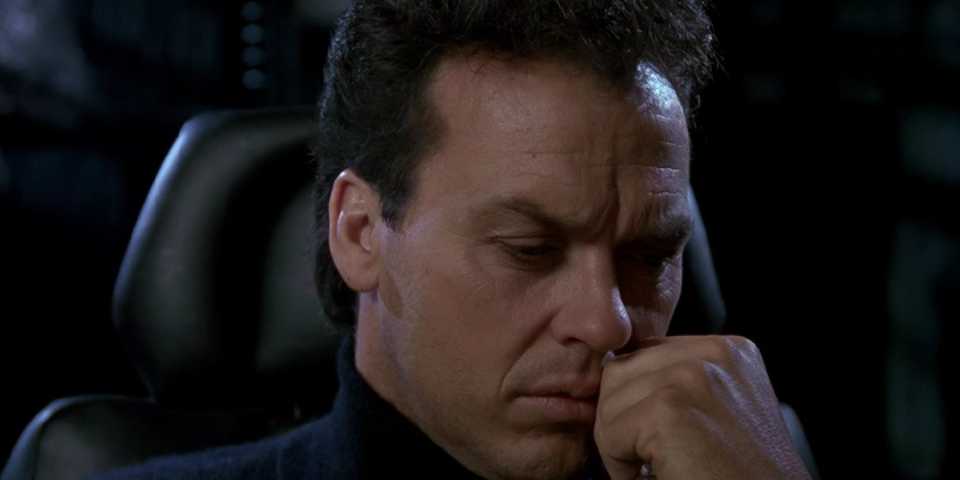
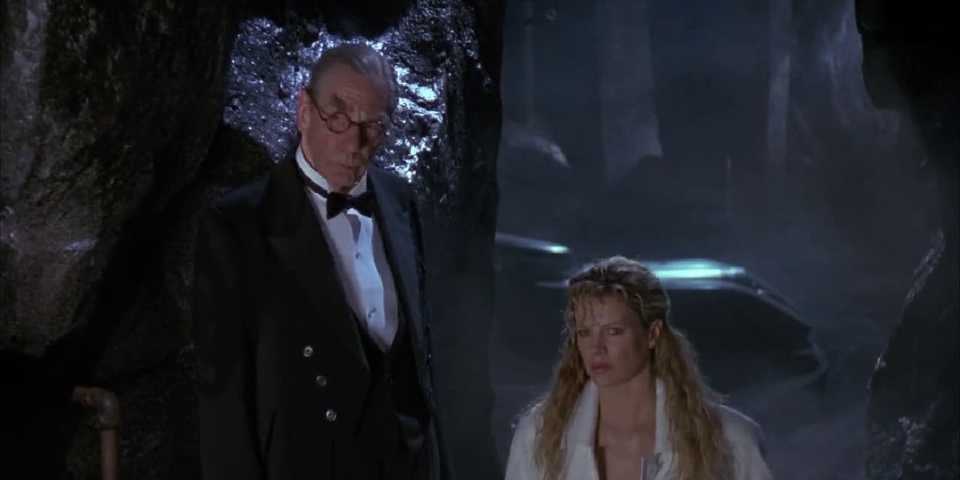
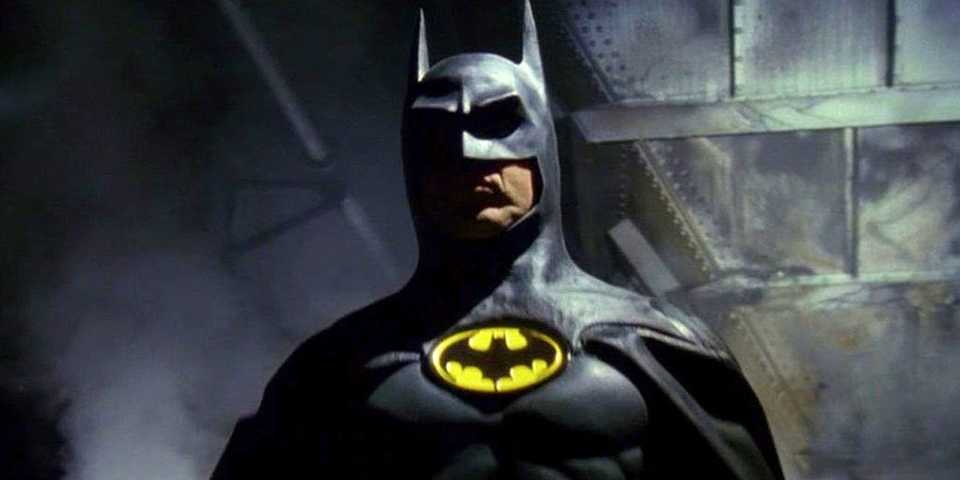
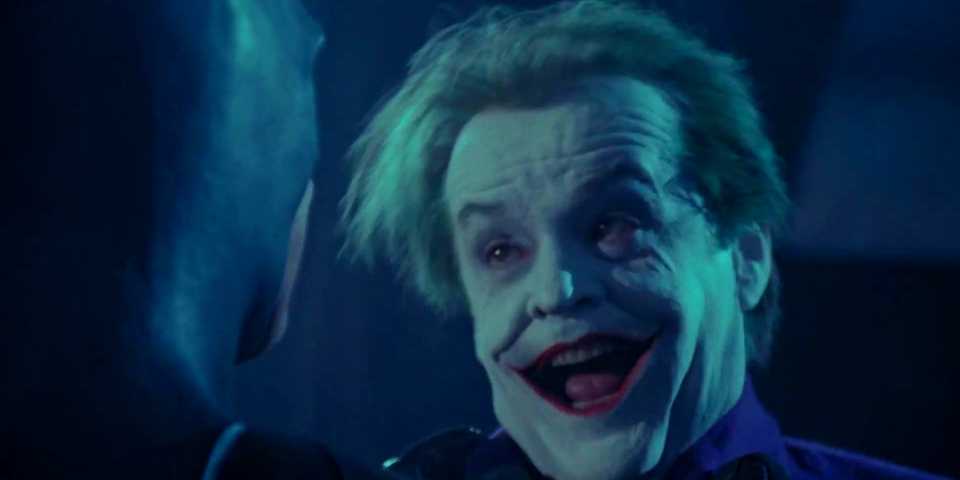
Batman, directed by Tim Burton, introduces Michael Keaton as Bruce Wayne, who combats Gotham City's crime under the persona of Batman. The film unfolds with Batman facing his arch-nemesis, The Joker, portrayed by Jack Nicholson, who threatens Gotham's safety and tests Batman's resolve while safeguarding his identity and love interest, Vicki Vale.