


The upcoming Battlefield game, officially untitled but commonly called Battlefield 6, appears to be taking a lot of cues from Battlefield 3 and 4. That's certainly a golden age for the series, but on its 20th anniversary, Battlefield 2 is a glaring reminder of how far the series has moved away from its beloved, classic formula. Now, nearly four years since the release of Battlefield 2042, the series that was once considered Call of Duty's biggest competition feels mired in uncertainty.
Battlefield 2 debuted in North America on June 21, 2005, and, despite being only five years older than the still-beloved, often reminisced upon Bad Company 2, it feels incredibly far removed from the series' modern identity. It was the first modern-day Battlefield, though, and as the upcoming installment hopes to return to a similar setting – albeit two decades on – it's interesting to look back and see that even such an early game avoided many of the issues plaguing its descendants.
Battlefield 2 Introduced New Tactical Features
Restriction For The Sake Of Vision


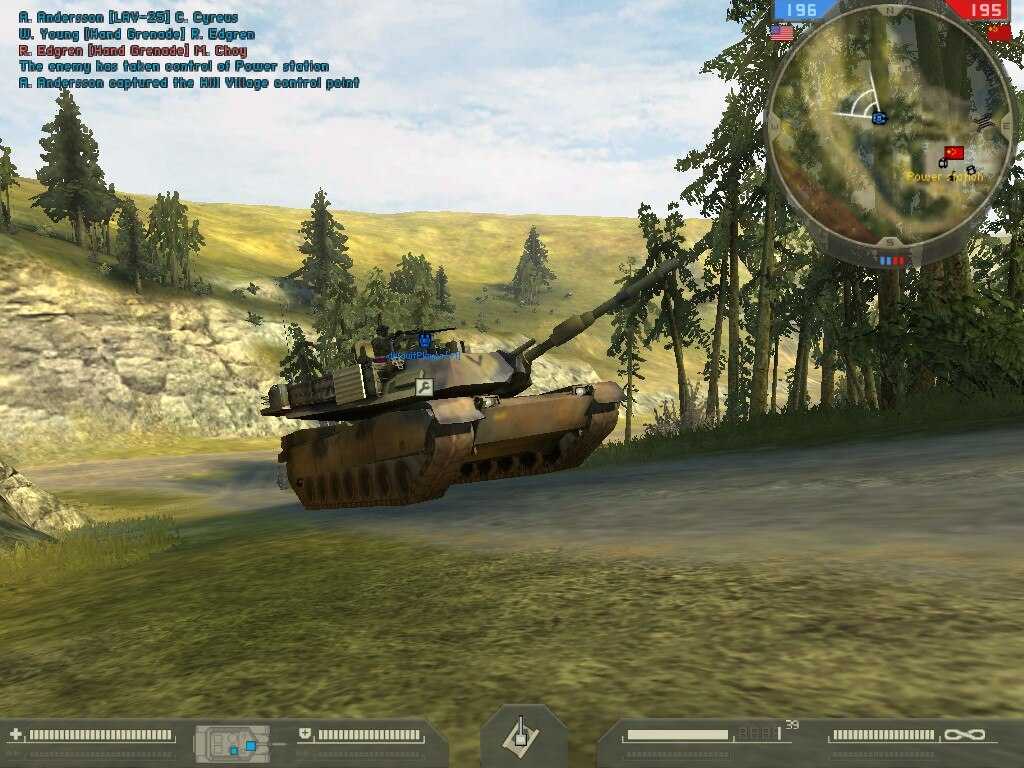
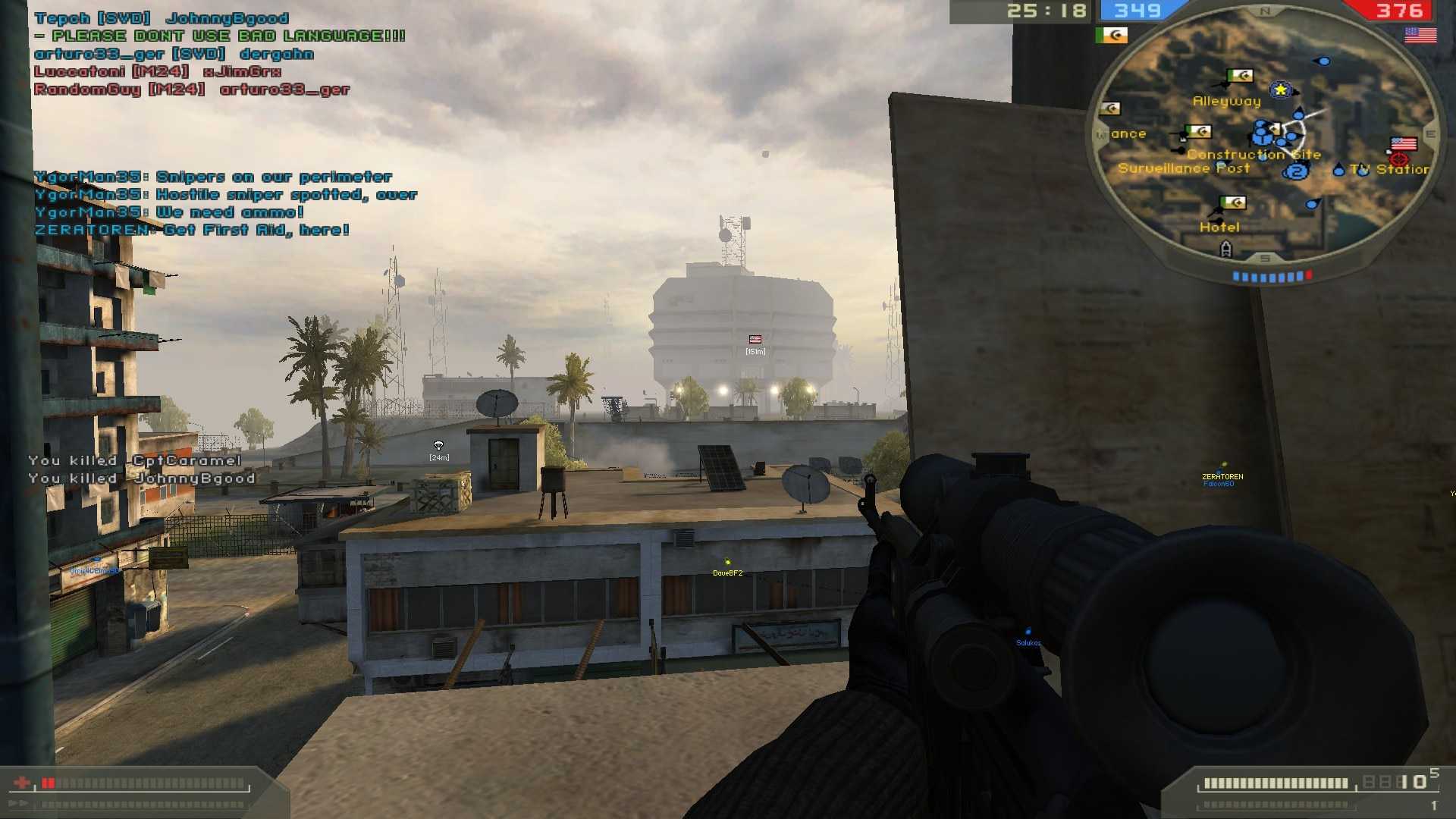
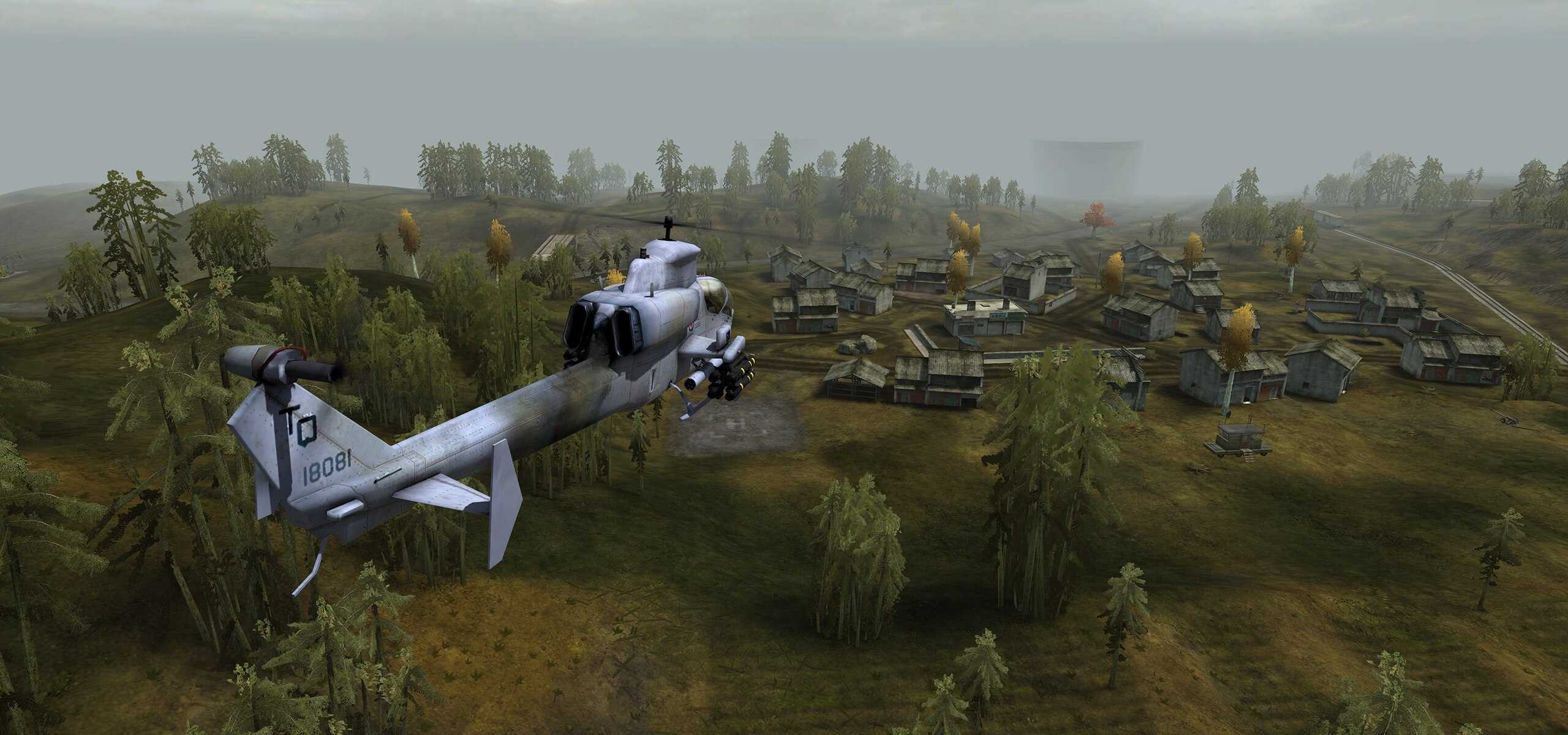
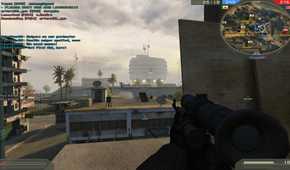
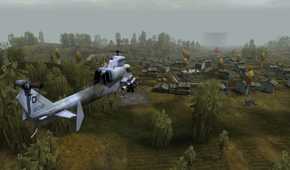
20 years ago, Battlefield 2 delivered what many fans hope to get with Battlefield 6. The series has never been a mil sim per se, but Battlefield 2 really cemented its identity as a large-scale shooter with tactical and strategy elements. One of the more idiosyncratic facets of the latter is Commander mode, introduced in BF2 but only used sporadically throughout the series.
It attempts to inject a command structure into each team, with one player taking on the role of Commander and passing orders down to squad leaders. Their interface is an overview of the map, from which they can deploy assets like supply drops or artillery. Commander returned in 2142, 4, and Hardline, but it's always been a bit of an odd feature, clearly not beloved by the wider player base.
But it is an important inclusion in a wider range of features that are emblematic of the original Battlefield identity, two others being limited sprint stamina and a very rigid class system. The former adds a pretty clear-cut layer of realism to locomotion in Battlefield 2, but the latter is arguably the series' defining trait – until it wasn't. Battlefield 2 had a few more classes than later games, but the important part is that each one has specific weapons and abilities locked to that class.
Overall, Battlefield 2 went to great lengths to restrict players in their movement and roles, not to artificially limit them, but in the interest of creating a certain structure for the subsequent sandbox conflicts. In a way, Battlefield 2 tried to emulate a real-life skirmish by imposing traditional military roles and a rudimentary simulation of human fitness.
Battlefield Has Abandoned Many Of BF2's Best Ideas
And Lost Its Identity As A Result

It's easy to pick on Battlefield 2042, but it does lend itself to the discussion surrounding the series' dissolving identity. Commander mode, sprint stamina, and traditional classes are all absent from 2042, the series' latest installment. Such features have been abandoned, maybe not completely, but piecemeal, through various releases. 2042 is arguably the result of the iterative abandonment of Battlefield 2 ideals.
Battlefield has hit a streak of misguided attempts to appeal to a wider audience, in turn shirking those who enjoy the series' unique gameplay. Battlefield 5's Firestorm battle royale mode can hardly be called Battlefield, dropping so many series hallmarks to achieve its gameplay, which paled in comparison to rival games at the time. 2042's Specialists are the endpoint of the steady erosion of Battlefield's once-rigid class system.
Give everyone's character a name and sell them flashy skins, and everyone becomes the protagonist. It's almost the antithesis of Battlefield, which traditionally made the squad-dependent gameplay of mil sims more approachable by adding a more arcade-like slant, but still positioning players as faceless grunts in the war machine.
Battlefield 6 Should Learn From Battlefield 2
The Series Needs A Reset

Battlefield 6 seems to be taking a bulk of its inspiration from 3 and 4 – which is a good thing, to be clear – but it would also do well to go even further back. Battlefield 2 feels like more of a foundation for the series at large than its two predecessors, 1942 and Vietnam. It's the progenitor of the series' modern-set games, and clearly has a lot to teach a game that's trying to correct the series' course after 2042.
Battlefield 6 doesn't have class-specific weapons, though, which isn't a great sign for an attempted return to form. The new Battlefield revamping destruction is great, but that's ultimately a surface-level concession if the squad-based, tactical gameplay doesn't also make a comeback.
Battlefield 2 is rudimentary by modern standards, but it's inextricable from the series' identity, and parts of the upcoming game feel like a continued move away from why the series rose to prominence in the first place. Regular playtests have been a great idea, but some of the next Battlefield's potential may be lost if it's just mimicking 3 and 4, and not actively trying to rediscover the series' uniqueness partially established 20 years ago.


- Released
- June 21, 2005
- ESRB
- r
- Developer(s)
- Digital Illusions CE
- Publisher(s)
- Electronic Arts
- Engine
- Refractor Engine
- Multiplayer
- Local Multiplayer
- Franchise
- Battlefield

