


The 1980s weren’t just a golden age for action movies and pop music. For anime, it was a decade of fearless creativity, shifting technology, and expanding global influence. Japan's animation industry was still discovering its modern identity, mixing handmade artistry with growing commercial ambition. Studios pushed boundaries in both storytelling and visuals, giving us unforgettable characters and groundbreaking styles. This was the age of mecha battles, magical girls, cyberpunk nightmares, and rom-com hijinks.
Animation was still largely hand-drawn, giving each production a unique texture and rhythm that today’s digital tools often flatten out. The best part? Many of these classics are finally streaming in North America. So, before you rewatch that new-season isekai for the fifth time, consider these 10 legendary 1980s anime that still pack a punch.
10 Urusei Yatsura (1981)
Directed by Mamoru Oshii, Produced by Kitty Films

- Release Date
- 1981 - 1985
- Directors
- Mamoru Oshii
- Writers
- Takao Koyama, Kazunori Itô, Michiru Shimada
- Franchise(s)
- Urusei Yatsura
Cast
-
 Fumi Hirano
-
Toshio Furukawa
- Creator(s)
- Rumiko Takahashi

Based on the manga by Rumiko Takahashi, Urusei Yatsura follows unlucky earthboy Ataru Moroboshi and space invader Lum, the bikini-clad princess who zaps her way into his life. Though the setup screams wacky comedy, the series runs deeper, blending sharp satire with bursts of heartfelt emotion. Underneath the hijinks is a story about growing up in a chaotic world where love, luck, and fate never quite line up.
Directed early on by Mamoru Oshii, who would later make Ghost in the Shell, the series experiments with form and surrealism in ways few comedies dare. Oshii once said, "I wanted to show how absurd normal life already is. Sci-fi just made it louder." With over 190 episodes, Urusei Yatsura helped launch the otaku boom in Japan and still feels ahead of its time. It laid the foundation for Takahashi’s future hits like Ranma 1/2 and gave anime one of its most enduring icons in Lum.
9 Project A-Ko (1986)
Directed by Katsuhiko Nishijima, Produced by APPP
Transfer student A-Ko Magami just wants a normal high school life. Too bad she has super strength, a mecha-obsessed rival, and an alien invasion to deal with. Project A-Ko is pure 1980s chaos: a parody of anime tropes, magical girl stories, and sci-fi melodrama rolled into one hyperkinetic package.
Originally intended as an adult OVA, it morphed into something far stranger and more fun. Director Katsuhiko Nishijima keeps the pace breakneck, while the animation crew stuffs every frame with sight gags and pop culture references. In a retrospective, Nishijima said, "We were trying to parody everything. Even ourselves." That sense of absurd joy still lands today. The film’s legacy lives on through multiple sequels and spiritual successors that never quite recaptured the original’s manic spark.
8 Saint Seiya (1986)
Directed by Kozo Morishita, Produced by Toei Animation

- Release Date
- 1986 - 1989-00-00
- Directors
- Kozo Morishita, Kazuhito Kikuchi
- Writers
- Takao Koyama, Yoshiyuki Suga
- Franchise(s)
- Saint Seiya
Cast
-
Tôru Furuya
-
Hirotaka Suzuoki
- Creator(s)
- Masami Kurumada
Shining armor, fiery passion. Saint Seiya is pure mythological spectacle. Created by Masami Kurumada, the series follows Seiya and his fellow Bronze Saints as they defend the reincarnation of the goddess Athena against celestial threats. Each arc ups the ante, introducing new gods, sacred temples, and bloody rivalries. If you like your shōnen anime with a touch of ancient Greece and a ton of sparkly transformation scenes, this one’s for you.

The anime became a global hit, especially in Latin America and Europe. Japan saw it as a major merchandising and multimedia success. Animator Shingo Araki brought fluid grace to the battles, while designer Michi Himeno gave the Saints their signature beauty. Kurumada once joked, "My job was to write manga. The anime made it look divine." Its blend of mythology, melodrama, and action remains a unique formula.
7 Nausicaä of the Valley of the Wind (1984)
Directed by Hayao Miyazaki, Produced by Topcraft

- Release Date
- March 11, 1984
- Runtime
- 117 Minutes
- Director
- Hayao Miyazaki
- Writers
- Hayao Miyazaki, Cindy Davis, Donald H. Hewitt, Kazunori Itô
Cast
-
Sumi Shimamoto
-
Gorô Naya
Nausicaä of the Valley of the Wind takes place in a world ravaged by pollution and war. Nausicaä, the princess of a small valley, tries to understand and heal the toxic jungle spreading across the earth. Rather than fighting nature, she searches for balance, peace, and a way forward. Her compassion makes her one of anime’s most enduring heroines.
Often considered the true start of Studio Ghibli, the film's success led to the studio's founding. Miyazaki adapted the story from his own manga and imbued it with strong environmental themes and lyrical visuals. In an interview with Animage magazine, he explained, "I wanted to show how fragile life is, and how precious." Even now, Nausicaä’s glider still soars. Few anime before or since have captured such a poignant fusion of ecological warning and hopeful vision.
6 Wicked City (1987)
Directed by Yoshiaki Kawajiri, Produced by Madhouse
Step into a noir-tinged Tokyo where humans and demons coexist uneasily. Wicked City follows Taki, a special agent protecting a peace treaty between both worlds. When the treaty’s key figure is targeted, Taki and his demonic partner Makie are pulled into a web of assassins, illusions, and erotic horror.
Kawajiri’s direction oozes with 80s mood: neon, shadows, and sharply drawn violence. Known for his later work on Ninja Scroll, Kawajiri cut his teeth here, blending horror with hard-boiled action. In a 1988 interview, he said, "I didn’t want to flinch. This city is meant to seduce and terrify." With some extreme situations and imagery, Wicked City isn’t for the faint of heart, but its craftsmanship is undeniable. It helped define the boundaries of what anime could explore for adult audiences.
5 Vampire Hunter D (1985)
Directed by Toyoo Ashida, Produced by Ashi Productions





- Release Date
- March 27, 1992
- Runtime
- 80 minutes
- Director
- Toyoo Ashida
- Writers
- Hideyuki Kikuchi, Yasushi Hirano
- Producers
- Hiroshi Kato, Mitsuhisa Koeda
Cast
-
Kaneto ShiozawaD (voice)
-
Michie TomizawaDoris Lang (voice)
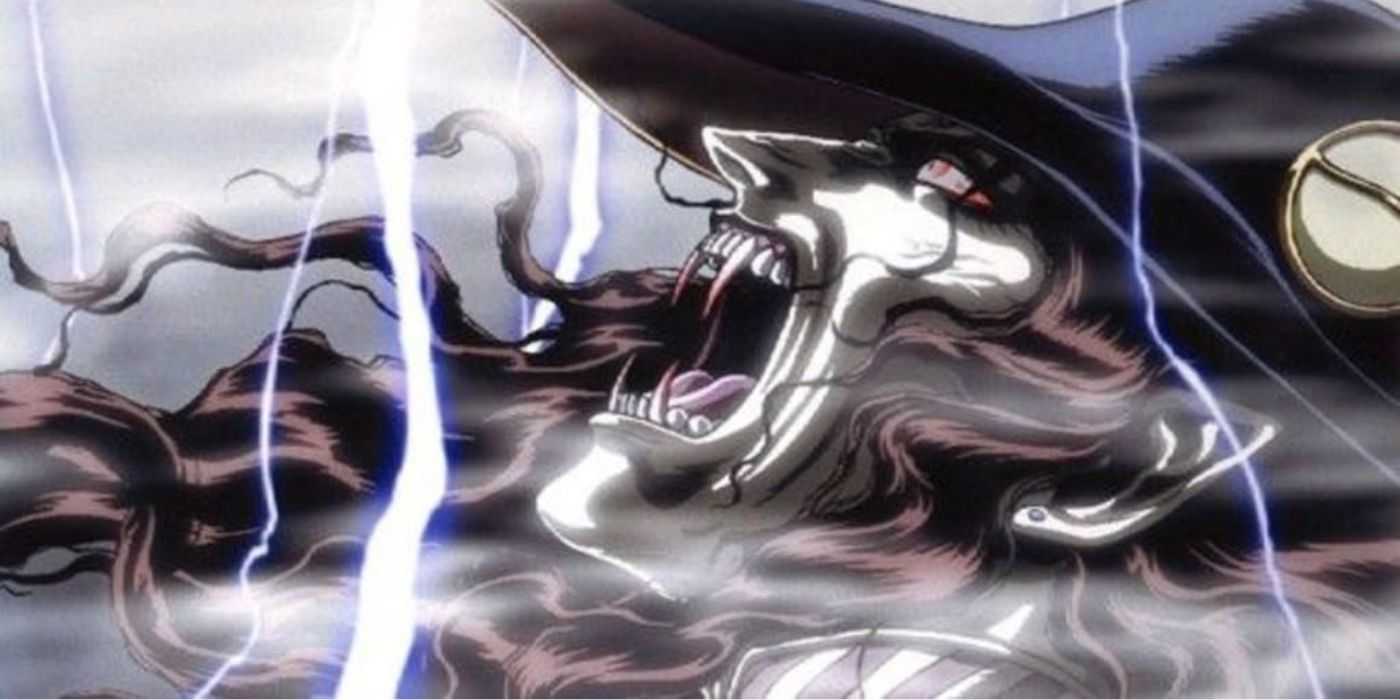
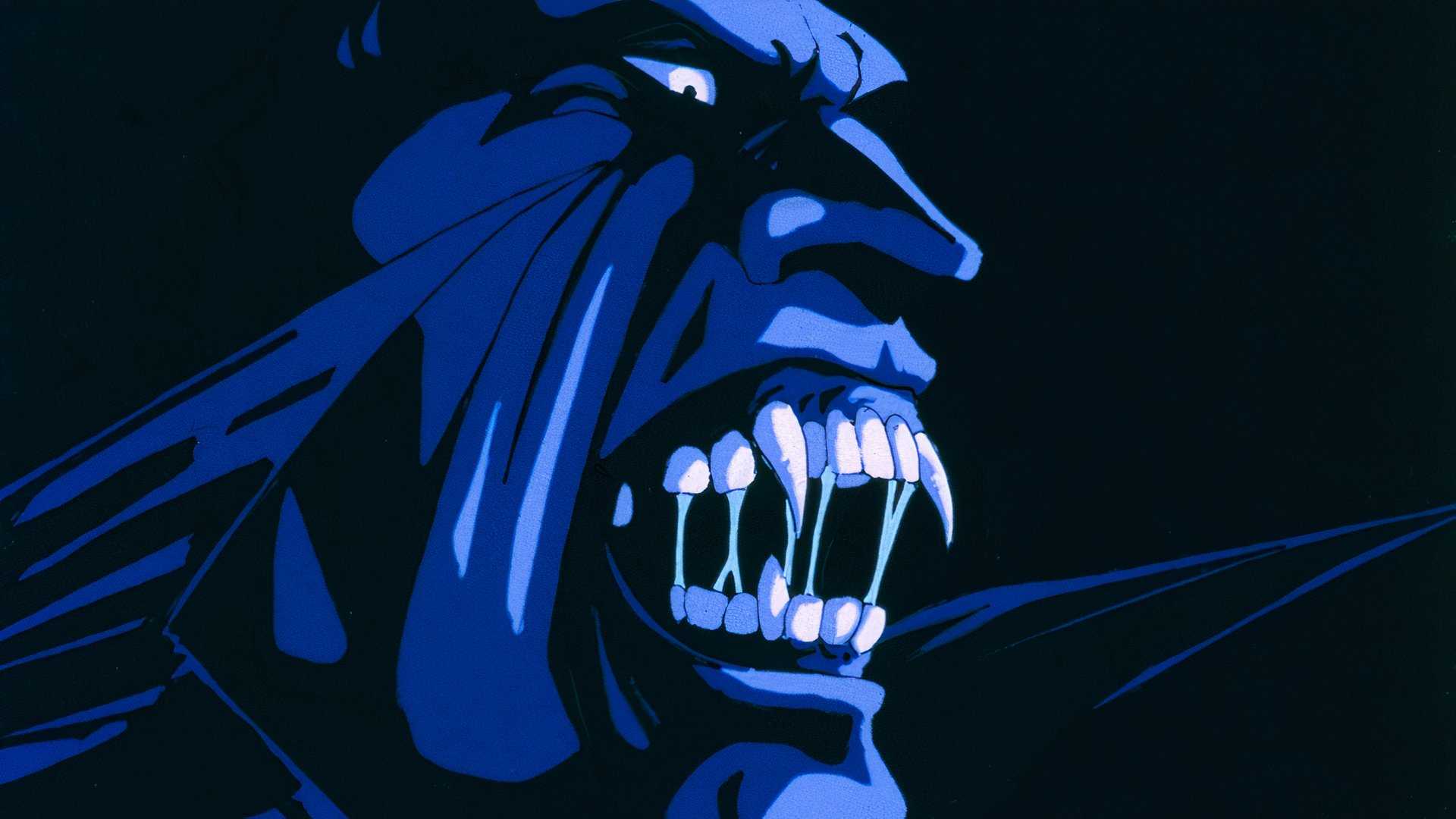
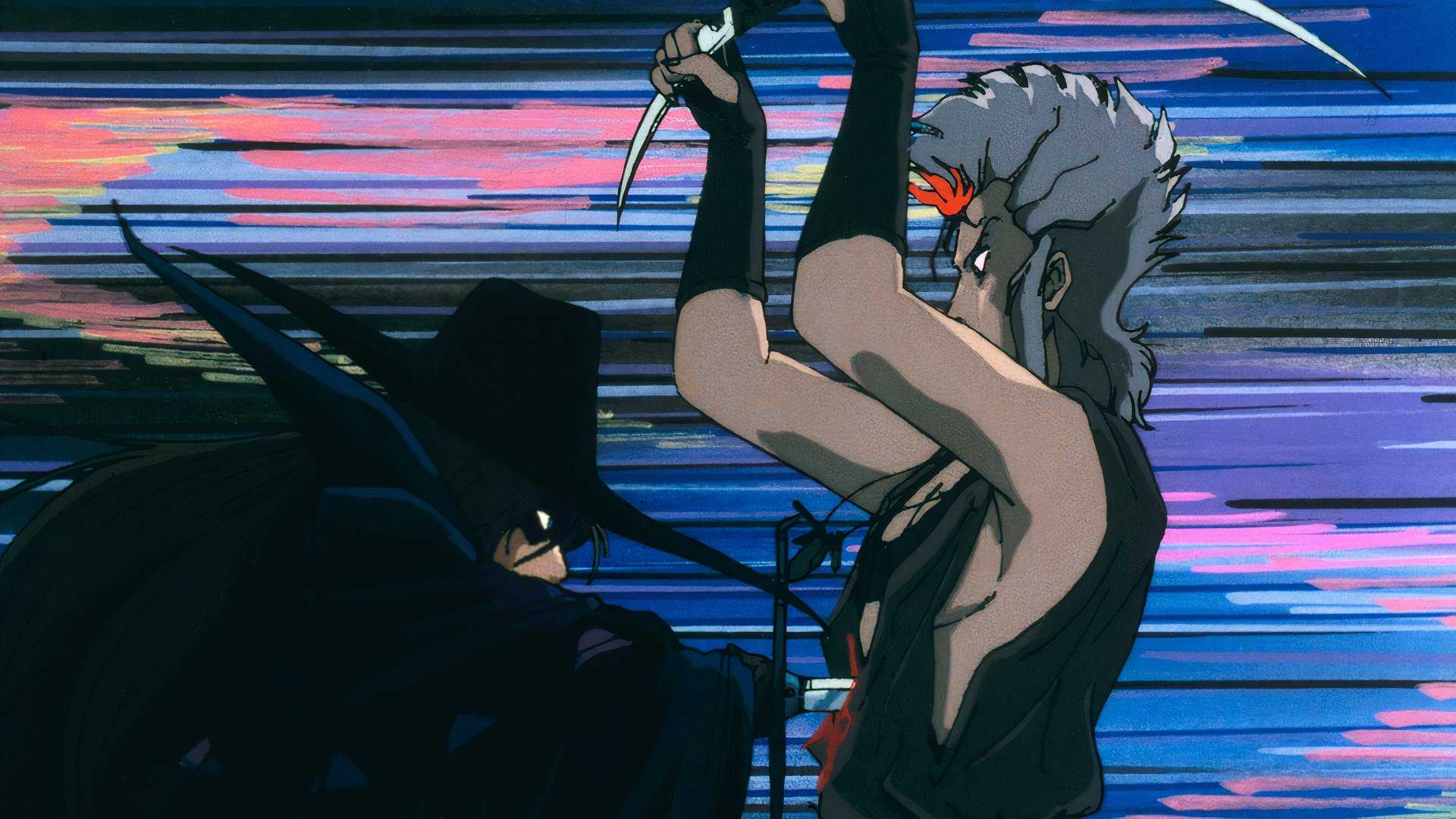
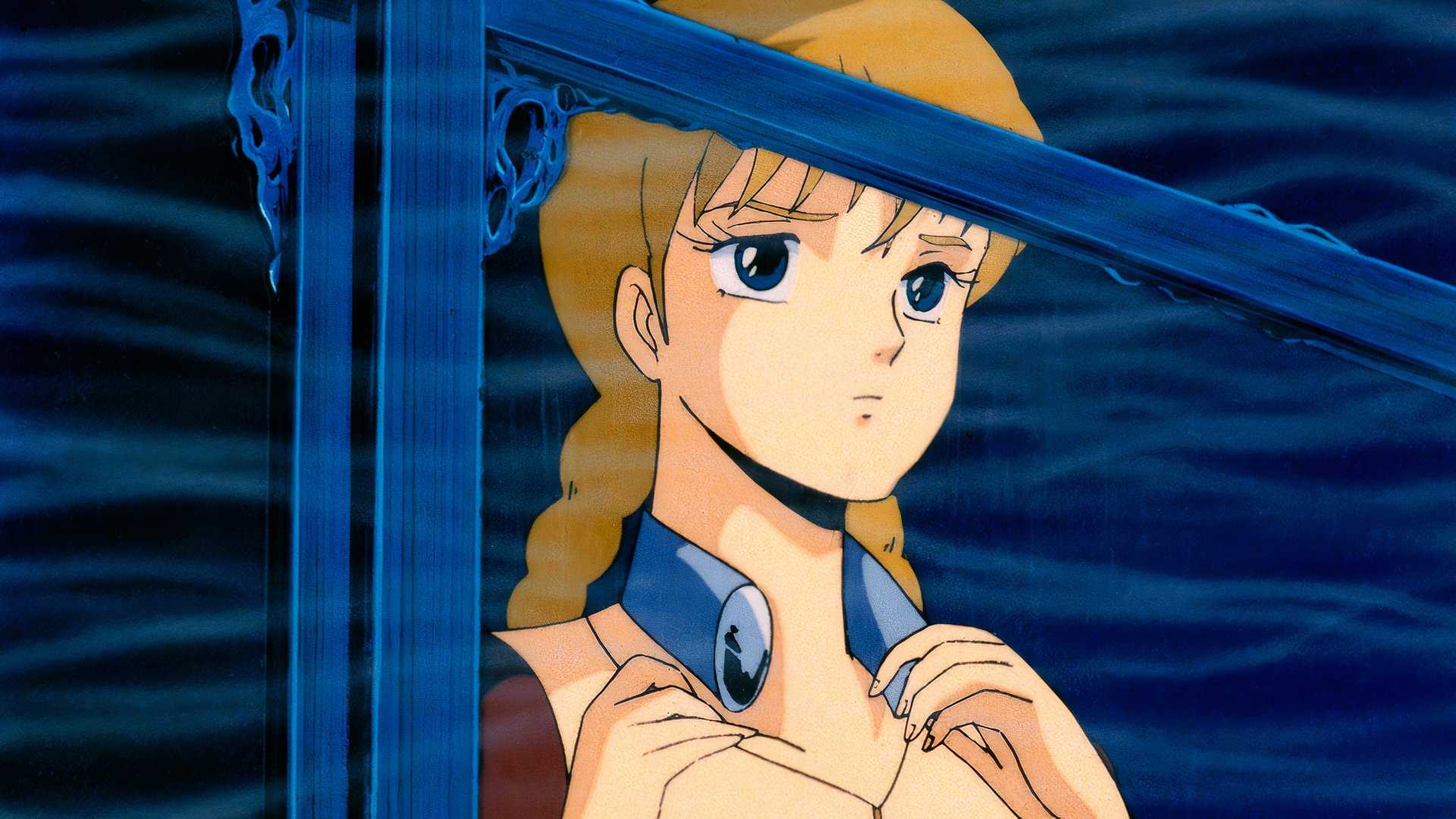
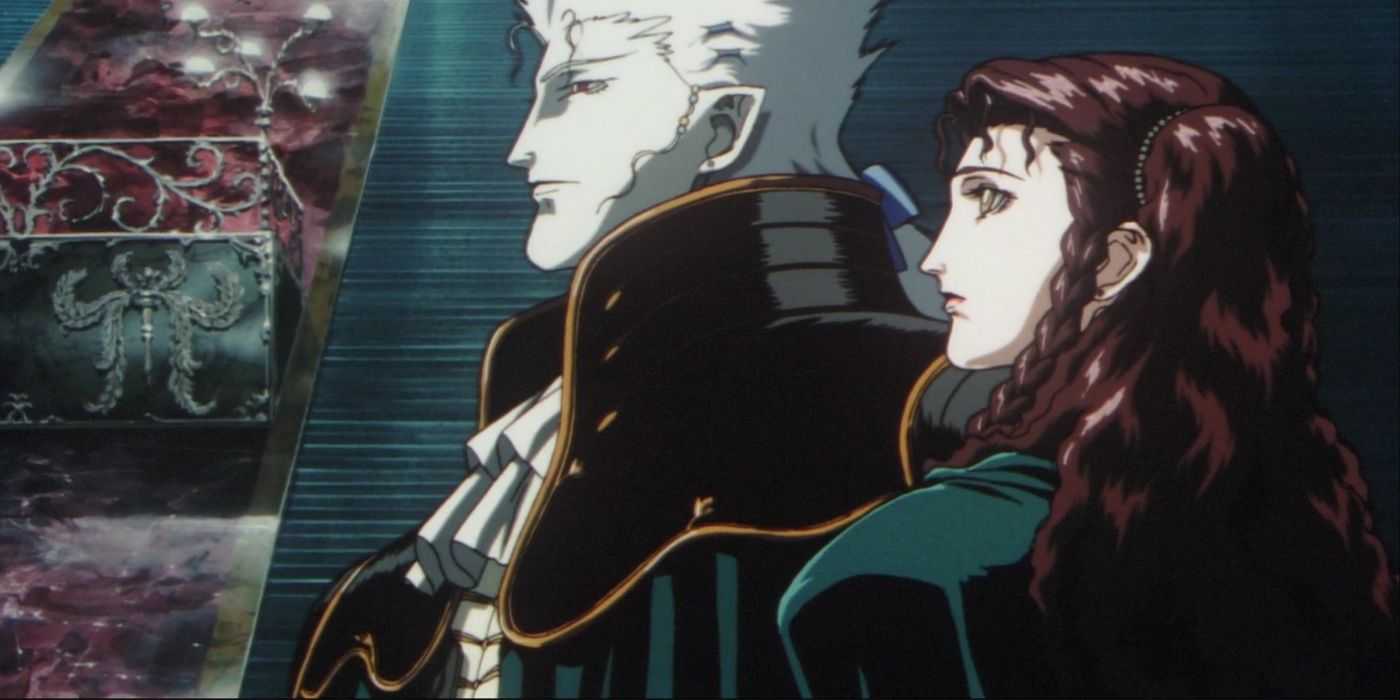
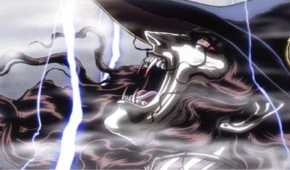
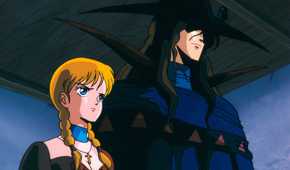
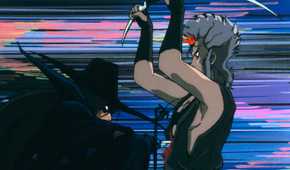
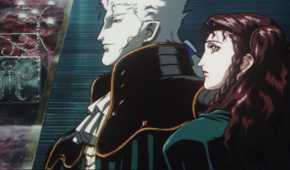
Vampire Hunter D (1985) is a gothic sci-fi anime set in the year 12,090 AD, where vampires, mutants, and demons dominate a post-apocalyptic world. After young Doris Lang is bitten by the ancient Count Magnus Lee, she hires the mysterious dhampir hunter D to kill him before she is forced to become his bride. Based on the first Vampire Hunter D novel, the film became a cult classic and helped introduce darker, adult-oriented anime to international audiences.
In a far-future wasteland, a girl hires a mysterious man to hunt down the vampire who cursed her. That man is D, a quiet, half-human, half-vampire hunter with a long sword and a haunted past. Vampire Hunter D combines gothic horror with sci-fi westerns, setting the stage for decades of stylish hybrids.
Illustrator Amano once said in a 1985 special, "I wanted to draw a dream where beauty and death touch."
Based on the novels by Hideyuki Kikuchi and illustrated by Yoshitaka Amano, the Vampire Hunter D film oozes elegance and dread. Director Toyoo Ashida captures the lonely grandeur of a crumbling world. Amano once said in a 1985 special, "I wanted to draw a dream where beauty and death touch." This dream lives on in D’s somber ride. Its enduring influence helped shape the tone of future vampire and dark fantasy anime.
4 Megazone 23 (1985)
Directed by Noboru Ishiguro, Produced by Artmic and AIC

- Release Date
- March 9, 1985
- Runtime
- 81 Minutes
- Director
- Noboru Ishiguro, Ichiro Itano, Yasuo Hasegawa
- Writers
- Hiroyuki Hoshiyama
Cast
-
Kumi MiyasatoEve Tokimatsuri
-
Masato KubotaShogo Yahagi
-
Kaneto ShiozawaBD
-
Maria KawamuraYui Takanaka
In Megazone 23, biker punk Shogo Yahagi discovers that his version of Tokyo is a simulated reality controlled by a military AI. As he rebels against the system, the lines blur between freedom fighter and pawn in a larger game. It’s heady stuff wrapped in slick animation and synthpop.
Directed by Noboru Ishiguro and designed by Toshihiro Hirano, Megazone 23 pioneered the OVA boom and influenced everything from the premise of The Matrix to the psychological cyberpunk of Serial Experiments Lain. Music plays a huge role in Megazone 23, with songs by pop idol Eve injecting soul into the machine. Ishiguro told Animec magazine, "We wanted young people to question the world around them." Despite its abrupt ending, the film still feels like a daring blueprint for anime’s cyberpunk ambitions.
3 Robot Carnival (1987)
Various Directors, Produced by A.P.P.P.

- Release Date
- July 21, 1987
- Runtime
- 90 minutes
- Director
- Hiroyuki Kitakubo, Hiroyuki Kitazume, Koji Morimoto, Takashi Nakamura, Manabu Ohashi, Atsuko Fukushima, Yasuomi Umetsu, Hidetoshi Ōmori, Katsuhiro Otomo
- Writers
- Hiroyuki Kitakubo, Hiroyuki Kitazume, Koji Morimoto, Takashi Nakamura, Manabu Ohashi, Atsuko Fukushima, Yasuomi Umetsu, Hidetoshi Ōmori, Katsuhiro Otomo
- Producers
- Kazufumi Nomura
Cast
-
Kumiko TakizawaDaughter / Small Robot (voice)
-
Katsue MiwaFukusuke (voice)
-
Chisa YokoyamaYayoi (voice)
-
Koji MoritsuguThe Main Character (voice)
What if you gave nine different anime directors the same theme? You’d get Robot Carnival, an anthology film packed with wildly different takes on mechanical life. From a tragic love story to slapstick comedy to apocalyptic horror, the film showcases the full range of 1980s anime artistry.
Contributors to Robot Carnival include Katsuhiro Otomo (who was then on the road to making the Akira anime movie) and Koji Morimoto (Memories), both at early stages in their careers. With no overarching plot, the segments range from wordless dreamscapes to tightly scripted dramas. It’s a perfect snapshot of the decade’s ambition and imagination. Robot Carnival proves that even short-form animation can leave a lasting impression.
2 Bubblegum Crisis (1987)
Directed by Katsuhito Akiyama, Produced by Youmex and Artmic

- Release Date
- 2014 - 1991-00-00
- Directors
- Kenichi Yatagai, Hiroaki Goda, Hiroki Hayashi, Yasunori Ide, Takeshi Aoki
- Writers
- Toshimichi Suzuki
Cast
-
Yoshiko SakakibaraSylia Stingray (voice)
-
Kinuko ÔmoriPriscilla Asagiri (voice)
-
Michie TomizawaLinna Yamazaki (voice)
-
Akiko HiramatsuNene Romanova (voice)
- Creator(s)
- Toshimichi Suzuki
Neo Tokyo never looked so slick. Bubblegum Crisis takes place in a cyberpunk future where rogue robots threaten humanity and only the all-female Knight Sabers can stop them. Armed with powered suits and killer theme songs, Priss and her team blend idol cool with street justice. Think Blade Runner meets Jem and the Holograms.
The series began as an ambitious OVA project, with major contributions from studios Artmic and Youmex. Director Katsuhito Akiyama balanced music video energy with gritty storytelling. Singer Kinuko Oomori, who voiced Priss, said in Out magazine, "We were dreaming of the future, but singing in the now." The result is one of the era’s best blends of style and sound. Its blend of fashion, rebellion, and raw emotion still inspires new creators.
1 Gunbuster (1988)
Directed by Hideaki Anno, Produced by Gainax

- Release Date
- 1988 - 1989-00-00
- Directors
- Hideaki Anno
Cast
-
Noriko HidakaNoriko Takaya
-
Rei SakumaKazumi Amano
-
Norio WakamotoKôichirô Ôhta
-
Maria KawamuraJung Freud
- Creator(s)
- Toshio Okada
If you're a fan of Neon Genesis Evangelion, you owe it to yourself to see what studio Gainax cooked up first. Gunbuster is Hideaki Anno’s directorial debut, a six-episode OVA that crams more heart, humor, and hard science into its runtime than most long-runners ever achieve. Noriko Takaya is a young girl who trains to pilot a giant robot and defend Earth against a mysterious alien threat.
What starts as a parody of sports anime becomes an emotionally resonant space opera. Gainax pulled out all the stops, with jaw-dropping animation and Anno’s signature psychological edge. "I wanted to make something earnest," Anno told Animage in 1989. "Not just parody." The finale, rendered in black and white, is a haunting, wordless testament to anime’s power to move.
