


Spoiler Warnings apply to many, if not all, entries!
Sometimes a single anime episode can shake an entire franchise, define a generation, or rewire a fan’s brain forever. These moments are not always finales or the flashiest spectacles. Instead, they strike when least expected, sending emotional and creative shockwaves through the medium. This list explores twenty iconic episodes that truly changed everything for fans, creators, and anime itself.
20 Gurren Lagann (2007)
Episode 11: "Simon, Hands Off"


The death of Kamina is more than a shocking twist. It rips the heart out of Gurren Lagann and forces Simon to step out from the shadow of his mentor. For a show built on energy and volume, the silence and grief hit harder than any drill. From this moment, everything feels more grounded and earned.
Director Hiroyuki Imaishi later reflected that the pain had to feel real, or it meant nothing. The absence of Kamina echoes through every scene, and Simon’s collapse gives way to a slower, harder rebirth. It is a raw emotional pivot that elevates Gurren Lagann's wild ride to something much more human and lasting.
19 Paranoia Agent (2004)
Episode 8: "Happy Family Planning"


Three strangers meet online and plan a group suicide. What sounds bleak turns into one of the series’ most surreal, whimsical, and oddly tender episodes. With bright visuals and playful music, Paranoia Agent flips despair into a strange kind of wonder. It asks whether hope can still exist in a story about wanting to disappear.
Director Satoshi Kon, famed for Perfect Blue and Tokyo Godfathers, balances comedy and tragedy like no other. The episode floats through fantasy, animation styles, and raw emotion without blinking. It refuses easy answers and becomes a children’s fable about despair. The result lingers longer than shock ever could, transforming tragedy into something curiously beautiful.
18 Code Geass: Lelouch of the Rebellion (2006)
Episode 25: "Zero"

Lelouch and Suzaku, once friends, now stand as enemies. Guns are raised, the screen cuts to black, and the season ends with no answers. This cliffhanger did not just build suspense. It launched message board wars, speculation videos, and turned Code Geass into one of anime’s most discussed and dissected shows of its time.
Director Goro Taniguchi said the intent was to freeze the audience in time. That worked. The tension of this standoff lingers long past the cut to black. In a show defined by lies, betrayals, and masks, this final stare-down exposed everything. It was a gamble that helped transform the series into an all-time classic.
17 Puella Magi Madoka Magica (2011)
Episode 10: "I Won’t Rely on Anyone Anymore"


Homura was quiet, reserved, and mysterious. This episode shattered that illusion. We learn she has been reliving the same timeline over and over, trying to save Madoka. Every reset ends in death, defeat, and heartbreak. The story rewires itself, recontextualizing everything as a tragic cycle of love, failure, and absolute despair.
Gen Urobuchi, once called Homura, is the real protagonist of Madoka Magica. Her pain and devotion reach a breaking point, told through fractured scenes and relentless flashbacks. What had seemed like a smart twist becomes something operatic in scope. Magical girl anime would never be the same after this, and neither would the way fans viewed the power of sacrifice.
16 Steins;Gate (2011)
Episode 12: "Dogma in Event Horizon"


- Release Date
- 2011 - 2015-00-00
- Network
- Sun TV, Teletama
- Directors
- Kazuhiro Ozawa, Kanji Wakabayashi, Tomoki Kobayashi, Koji Kobayashi, Tomoko Hiramuki, Hisato Shimoda, Shigetaka Ikeda, Hiroyuki Tsuchiya, Yuzuru Tachikawa
- Writers
- Toshizo Nemoto
Cast
-
 Asami ImaiKurisu Makise (voice)
-
Mamoru MiyanoRintaro Okabe (voice)
Until this episode, Steins;Gate was lighthearted, full of sci-fi banter and eccentric characters. Then Mayuri dies. A single gunshot snaps the tone like a twig. This is the moment when the series drops its charming shell and begins its true descent. From here, it is about trauma, time, and the impossibility of making everything right again.
Director Hiroshi Hamasaki called this the heartbeat of the show. The sudden shift into emotional dread is unforgettable. Okabe, once comical and detached, becomes frantic and broken. The loss reshapes every decision that follows. It is one of the cleanest tonal pivots in anime history, turning science fiction into something far more personal and human.
15 Samurai Champloo (2004)
Episode 14: "Misguided Miscreants, Part 2"


Samurai Champloo
Mugen always seemed like pure instinct and chaos. That changes here. The second half of this two-part arc digs into his past as a pirate and his bond with a friend-turned-enemy. Betrayal and death loom over every exchange. For the first time, Mugen is not just a survivor. He is a man haunted by what he cannot fix.
Director Shinichiro Watanabe, of Cowboy Bebop fame, said Mugen needed a past he could not laugh off. That weight hits hard in this episode, which blends grime and sorrow with quiet, unresolved emotion. Samurai Champloo often flowed like music, but here it bleeds. Mugen’s silent reaction to Koza’s fate speaks louder than words ever could.
14 Hunter x Hunter (2011)
Episode 131: "Anger × and × Light"


Gon’s transformation is not a triumph. It is a funeral. Consumed by grief and rage over Kite’s death, Gon gives up everything to gain impossible power. His hair grows long, his voice deepens, and his innocence dies. This is not a power-up. It is a surrender to pain that leaves a scar across the series.
Director Hiroshi Koujina described Gon’s descent as a total loss of self. The animation slows and darkens, with silence often replacing music. In a genre filled with hopeful shōnen battles, this episode dares to show what happens when a hero gives up hope. The emotional cost is permanent and unforgettable.
13 The Tatami Galaxy (2010)
Episode 11: "Pleasure to See"

After ten looping episodes, the world of The Tatami Galaxy finally slows down. The unnamed protagonist pieces his fractured timelines together, realizing he has always had the freedom to choose. The episode brings everything full circle, using visual callbacks and symbolic repetition to suggest clarity through chaos. The absurd becomes meaningful, and the dream finally ends.
Masaaki Yuasa explained that he wanted the viewer to feel like they had lived each life too. That sensation lands here, where pacing, imagery, and character converge in catharsis. This is not just a conclusion: it is a philosophical reflection on time, regret, and the strange joy of moving forward.
12 Dragon Ball Z (1989)
Episode 95: "Transformed at Last"


- Release Date
- 1989 - 1996-00-00
- Network
- Fuji TV
- Directors
- Daisuke Nishio, Shigeyasu Yamauchi, Osamu Kasai
- Writers
- Akira Toriyama, Neil Bligh, Hiroshi Toda, Katsuyuki Sumisawa, Aya Matsui, Keiji Terui, Reiko Yoshida, Toshiki Inoue
- Franchise(s)
- Dragon Ball
Cast
-
Masako NozawaSon Goku / Son Gohan / Son Goten (voice)
-
Ryo HorikawaVegeta (voice)
Dragon Ball Z is the sequel series to Akira Toriyama's Dragon Ball and continues the adventures of Goku. Along with his companions, Goku defends the Earth against various villains ranging from intergalactic space fighters and conquerors to powerful androids and nearly indestructible creatures
The moment Goku turns Super Saiyan is etched into anime history. With Krillin dead and Gohan in danger, something ancient ignites in him. His hair turns gold, the earth trembles, and a new phase of power begins. It is the turning point of the entire Dragon Ball Z saga, both narratively and culturally.
The transformation paid off with nuclear intensity. It captured the primal thrill of shōnen storytelling and elevated Dragon Ball Z to an international phenomenon.
Director Daisuke Nishio called it the birth of a legend. Built on years of buildup, the transformation paid off with nuclear intensity. It captured the primal thrill of shōnen storytelling and elevated Dragon Ball Z to an international phenomenon. For many, this was the episode that defined anime itself.
11 Fullmetal Alchemist: Brotherhood (2009)
Episode 4: "An Alchemist’s Anguish"


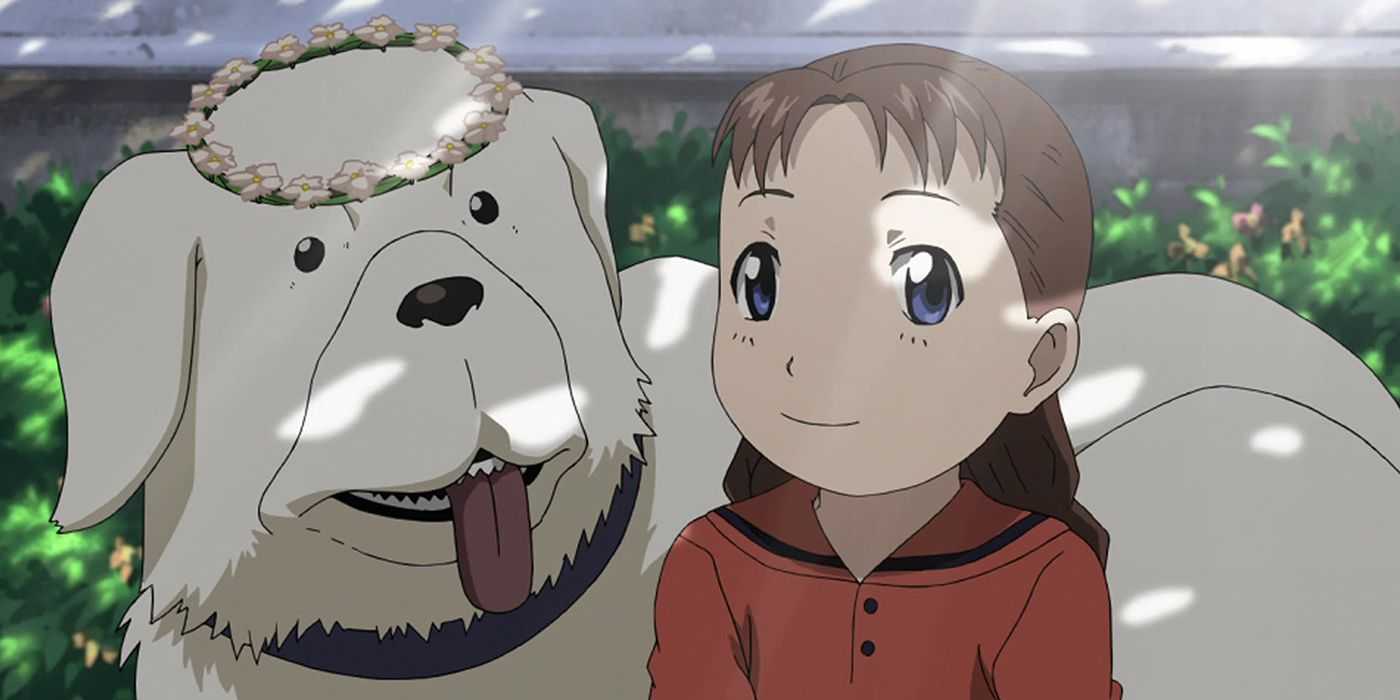
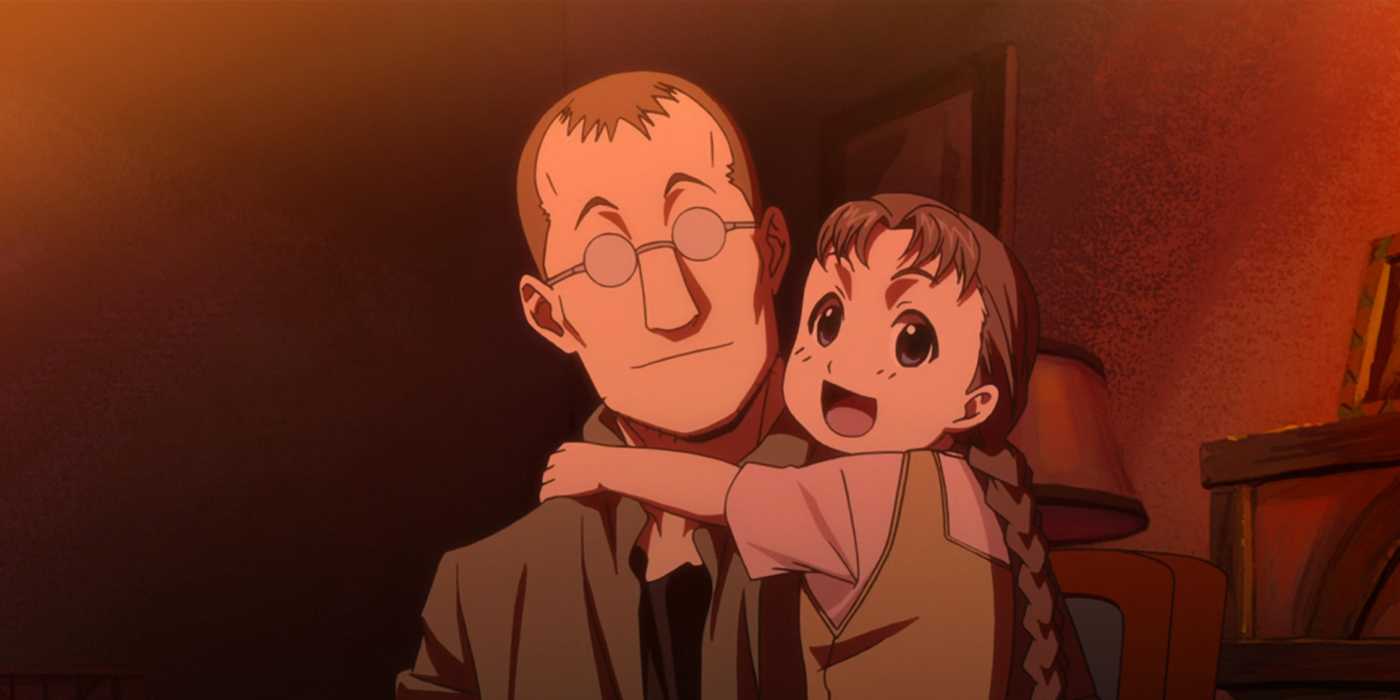
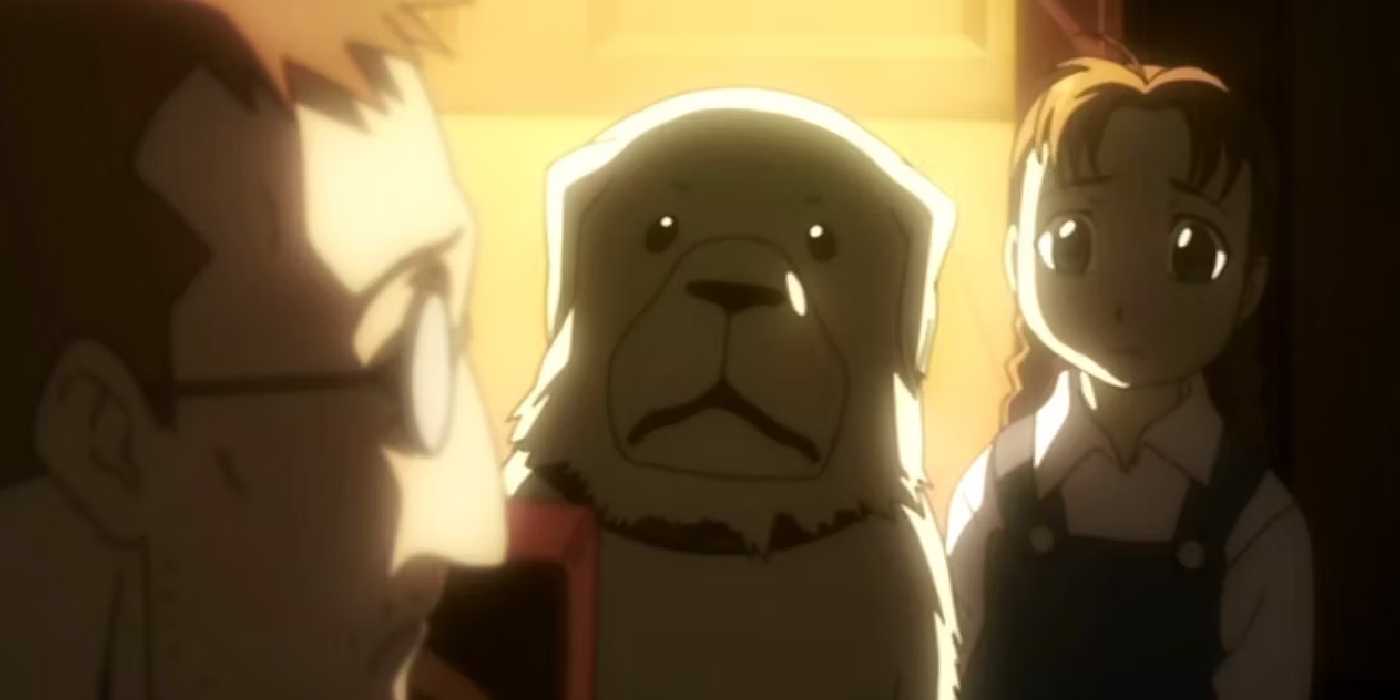
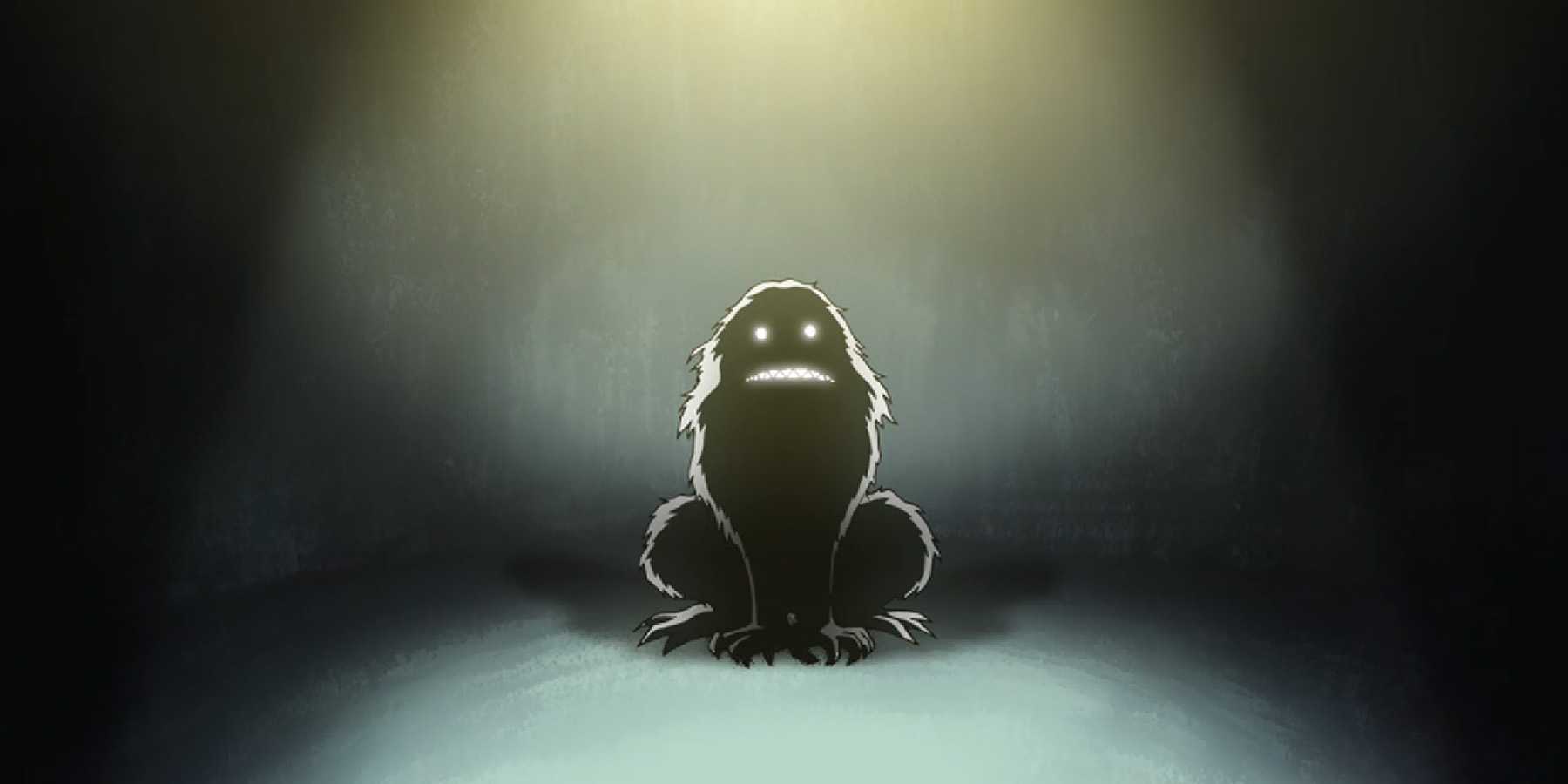
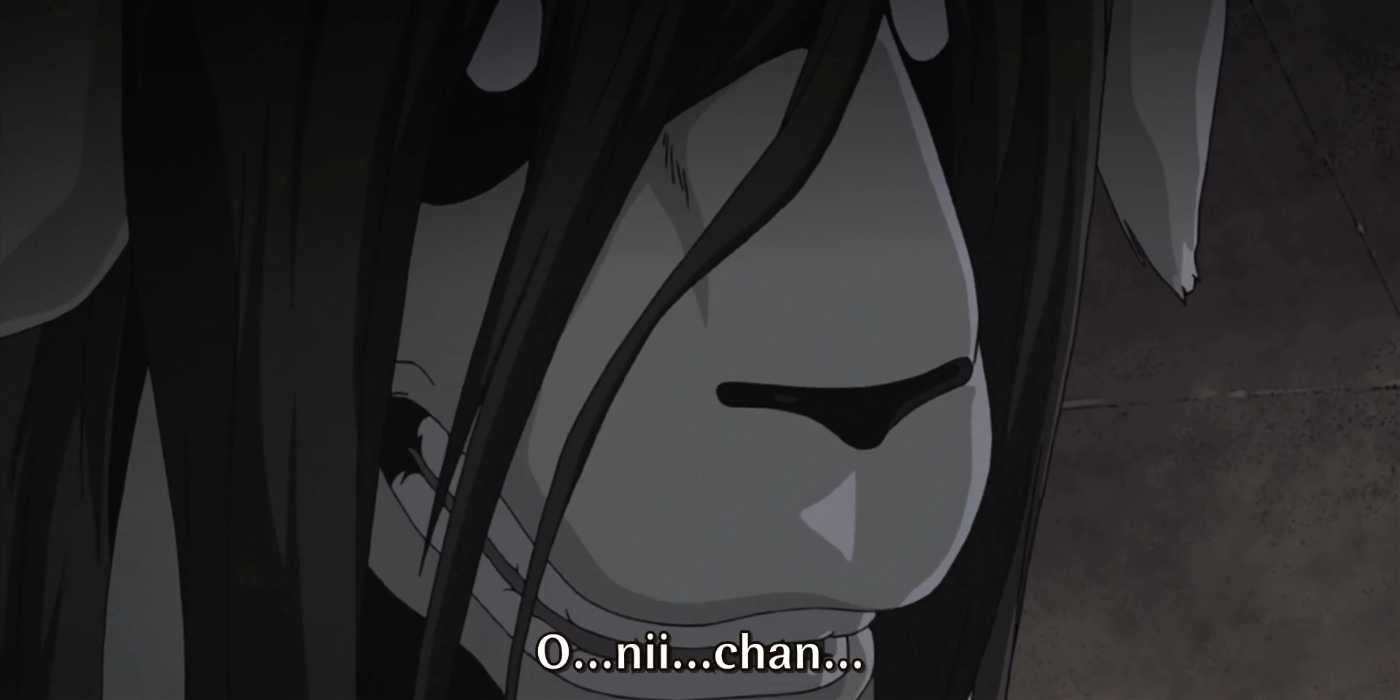
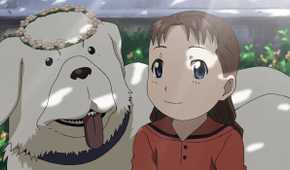
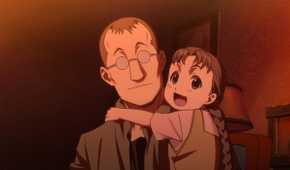


Nina Tucker’s tragic fate is burned into fandom memory. Her father fuses her with the family dog, creating a chimera that whimpers with Nina’s voice. The horror is not loud or gory; it is quiet and intimate. The cruelty is deeply personal. It is the first time Fullmetal Alchemist viewers understand the true stakes of this world.
Director Yasuhiro Irie credited the voice acting for making the tragedy real. The episode avoids melodrama and instead focuses on quiet reactions and restrained music. It remains one of the most emotionally scarring moments in anime, a reminder that alchemy always comes at a price far greater than imagined.
