


For years, Japan has been an undisputed powerhouse for global animation, and its dominance has shaped the medium’s language, tone, and artistry to a very large degree. However, in recent years, Chinese animation, known as donghua, has been slowly closing the gap.
Once dismissed on the global stage for irregular quality and limited visibility, Chinese anime series now rival their Japanese counterparts in nearly every department, from storytelling to production and ambition. Chinese creators are crafting fresh yet timeless stories fusing mythology, technology, and character-driven drama. As such, this list explores ten donghua that exemplify this steady evolution.
Each series demonstrates a different strength: visual artistry, emotional depth, worldbuilding, or innovation. These series are not imitations of Japanese anime but distinct creations that prove that there are different dimensions to animation. If Japan once set the standard, China is now rewriting it, and these shows are all the proof you need.
10 Link Click (Shiguang Dailiren)

Link Click redefined episodic mystery through a simple premise executed with cinematic care. The story follows two friends who run a business of entering photographs to relive moments from the past and solve deeply personal issues for clients. On that singular hook, the show explores memory, consent, and regret while keeping each episode structurally tight.
However, the show’s strongest assets are its direction and editing, with camera movement, lighting choices, and sound design comparable to live-action thrillers. Throughout the story, emotion is never sacrificed for puzzle mechanics because each case resolves with measured moral weight.
Its animation style favours clarity and mood, keeping the focus on performance and plot logic. Ultimately, Link Click demonstrates that donghua can match the technical standards of global TV drama and not just anime, proving that good storytelling sells regardless of the medium.
9 Blade of the Guardians (Biao Ren)

Blade of the Guardians delivers historical action with a temperament rarely seen in modern animation. Set during the Tang Dynasty era of China, the story follows the wandering warrior, Dao Ma, whose mercenary skill sees him get caught between threads of loyalty, survival, and a collapsing empire.
The show’s art direction leans toward gritty realism and stands out with its detailed choreography that gives every sword clash weight and rhythm. The story’s moral complexity also sets it apart from typical martial-arts series.
Themes of duty, honour, and redemption unfold through the story’s silence as much as dialogue, and the result is martial drama that feels lived in and credible. Ultimately, Blade of the Guardians demonstrates that Chinese animation can tackle mature stories with the same care and quality as any live-action historical drama.
8 The Outcast (Hitori no Shita)

The Outcast is a rather fascinating blend of martial arts, humour, and supernatural intrigue. The story revolves around the protagonist, Chou Soran, a supposed normal college student whose life is turned upside down when zombies attack him after visiting his grandfather’s grave.
What follows takes the narrative from a quirky accident to an unravelling of Soran’s familial history as the last wielder of the world’s most sought-after martial art. The show’s most notable feature is its tonal flexibility, as it moves fluidly between elements of horror, comedy, and introspective drama.
Because of this, the story can balance its darker themes with lighter moments, creating a rhythm that feels both unpredictable and addictive. Though The Outcast undoubtedly borrows from shonen structure, its cultural flavour and pacing make it distinct. As such, the series is a demonstration of how dnghua can adopt genre forms while maintaining a distinct cultural texture.
7 Rakshasa Street (Requiem Street)

Written by Xu Chen, Rakshasa Street details a story that fuses urban fantasy with Chinese mythology and crafts a world where spirits and humans coexist in fragile harmony. Drawing on Chinese folklore, the story revolves around the protectors who maintain order between both realms.
At its core, the show emphasises brotherhood, sacrifice, and fate, and its dark and expressive animation style matches the show’s moral intensity. The story’s emotional core is anchored to its characters, who struggle between the concepts of duty and personal loss. Its writing is even more conspicuous because it treats the spirit world as an extension of Chinese social history.
Rakshasa Street succeeds because its integration of myth and city life gives the series a clear identity. It demonstrates the possibility of synthesising mythic tradition with serialised character arcs, producing stories that appeal both to domestic viewers familiar with the lore and to international audiences seeking coherent fantasy grounded in culture.
6 The King’s Avatar (Quan Zhi Gao Shou)

The King’s Avatar turns e-sports into a sustained drama filled with surprising emotional clarity. The story details the life of the central character, Ye Xiu, a professional gamer widely considered the best player of the video game, Glory.
Formerly the captain of the top e-sports team ‘ Excellent Era’, Ye Xiu finds himself without a team after he is forced to resign for refusing to yield on his ideals. What follows is a detailed account of how a professional gamer is forced to rebuild his career from the desk of an internet cafe.
The animation captures the thrill of virtual battles while grounding the story in persistence, friendship, and mastery. However, what makes it exceptional is its realism. Rather than a means of escape, it treats gaming as a discipline, like any other, accurately conveying the message of its central themes: discipline, dedication, and team dynamics.
5 The Founder of Diabolism (Mo Dao Zu Shi)

The Founder of Diabolism is arguably the crown jewel of Chinese fantasy animation. Adapted from the novel of the same name, it weaves a tale of power, tragedy, and redemption in a world of cultivation magic.
The story revolves around Wei Wuxian, a human whose deviation from the conventional path of cultivation birthed the world’s most feared cultivation path, the Ghost Path. The show’s storytelling combines beauty and melancholy, offering elaborate worldbuilding and complex relationships that repay attentive viewing.
Every character in the narrative carries both virtues and flaws, which makes the drama deeply human despite its supernatural grounding. On the other hand, its fluid animation and music heighten the story’s emotional resonance, making for a well-rounded balance of romance, political intrigue, and supernatural worldbuilding.
4 Fog Hill of Five Elements (Wu Shan Wu Xing)

To put it simply, Fog Hill of Five Elements is a compact statement on visual ambition, no more, no less. The story’s premise, which follows the character, Wenren Yixuan, as he embarks on a journey of personal redemption, can be termed straightforward at best. However, the show’s real contention is its breathtaking execution.
Relying on an aesthetic reminiscent of ink painting, the show crafts battle sequences and animated movements that can be best described as calligraphy in motion. The show’s minimal dialogue allows the animation to speak for itself, emphasising movement and atmosphere over auditory performance.
The series is short but unforgettable, a demonstration of how artistry can carry a story without needing elaborate lore. Consequently, the series is an example of when stylistic gambles pay off in anime, proving that a distinctive visual identity can become the primary narrative engine.
3 Dragon Raja

A production of Penguin Films and Tencent, Dragon Raja combines science fiction and fantasy into a visually staggering experience. Adapted from a bestselling novel of the same name, the narrative follows the socially awkward Lu Mingfei, an 18-year-old who is constantly being rejected from universities until his life goes off the rails the one time he is eventually accepted into one.
However, Mingfei’s simple college enrollment soon snowballs into world-altering battles against dragons. Notably, the series’ combination of youthful idealism with cinematic worldbuilding offers its audience action sequences on par with the most ambitious anime productions.
Nonetheless, the show’s strength lies in the emotional realism of its characterisation. The characters grow, falter, and reflect genuine human vulnerability beneath all of its visual spectacle, and it is precisely because of this that it succeeds.
2 The Daily Life of the Immortal King (Xian Wang de Richang Shenghuo)

Adapted from the titular manhua, The Daily Life of the Immortal King subverts the cultivation genre with a dash of comic relief. Instead of glorifying strength, it finds humour in excess. The story follows the protagonist, Wang Ling, a cultivation genius and a near-omnipotent teenager, who wants a normal life.
However, he has no chance of normalcy because his power constantly causes chaos. The show uses parody to explore themes of identity and restraint, balancing its intention with sincere worldbuilding. Beyond its humour lies genuine warmth, as the story is a reminder that power means little without purpose.
Still, what makes it truly successful is how it manages its atmospheric tone, as it manages to remain light without crossing into triviality. With a combination of crisp pacing and surprising emotional moments, The Daily Life of the Immortal King succeeds as both satire and a celebration of the very genre it spoofs.
1 Lord of Mysteries

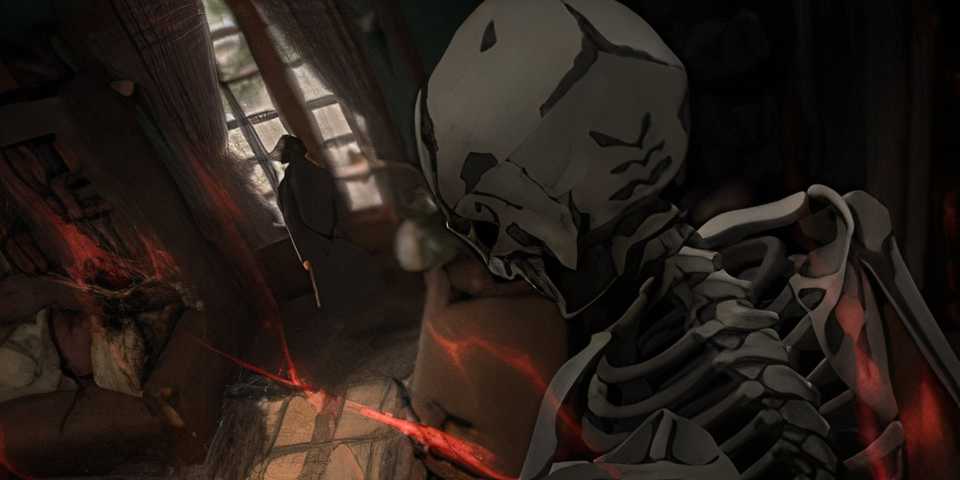
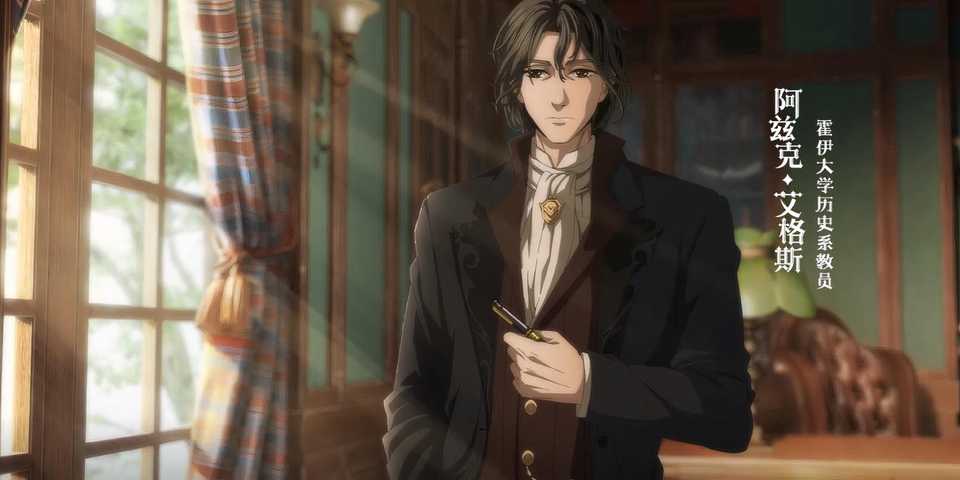
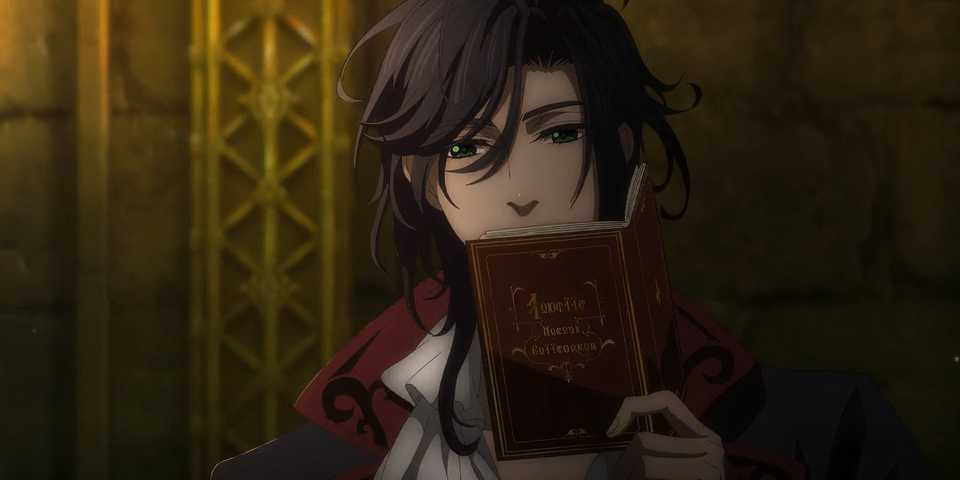
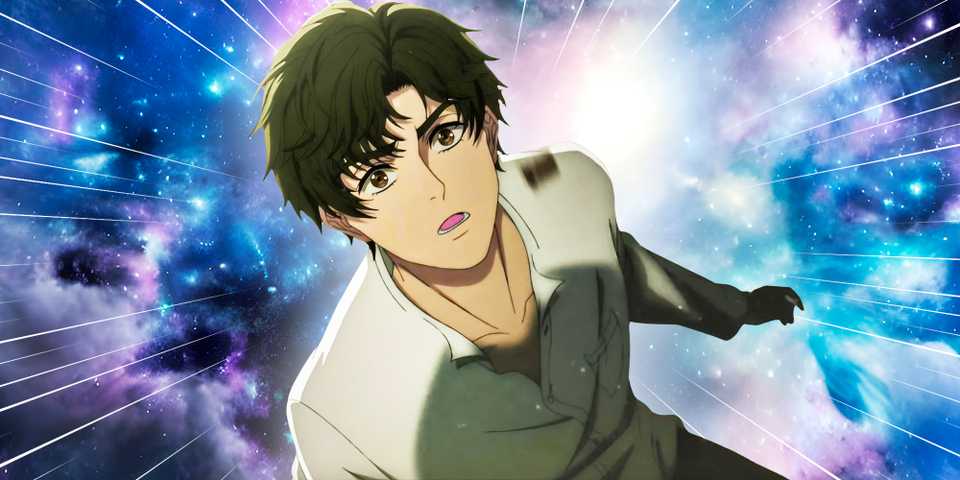
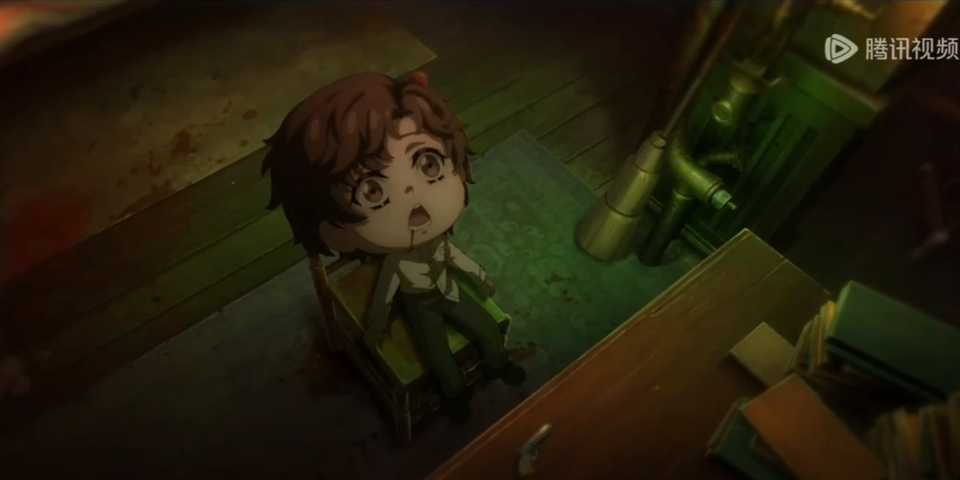
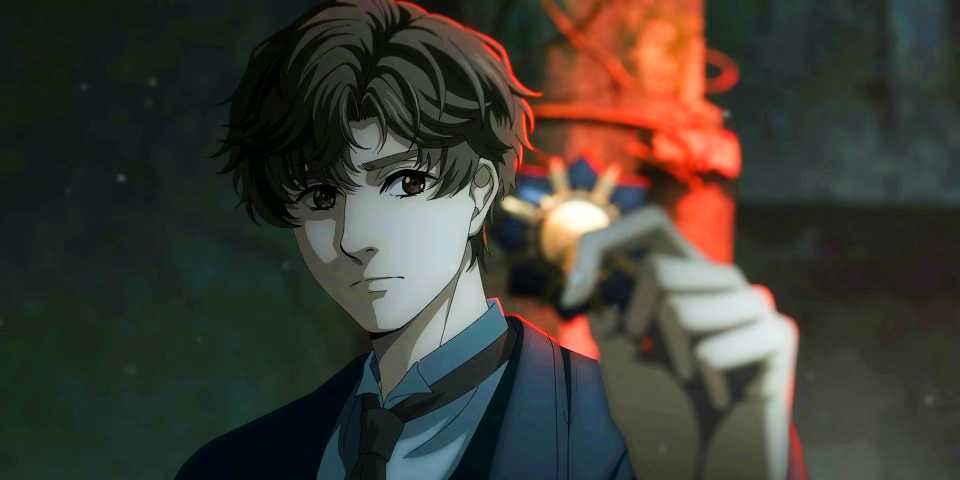
Arguably one of 2025’s most anticipated anime, Lord of Mysteries stands out for its sheer ambition. Mixing Lovecraftian horror with steampunk aesthetics, the series constructs a world reminiscent of the Victorian era, where belief, knowledge, and madness intertwine, almost literally.
Set in the year 1349 of the Fifth Epoch, the story details the protagonist, Zhou Mingrui’s journey when he is suddenly transmigrated into the body of a university graduate, Klein Morreti. In his search to return home, Zhou embarks on the journey to become a Beyonder —people with supernatural abilities —and ultimately unravel the cause of Klein’s suicide in the process.
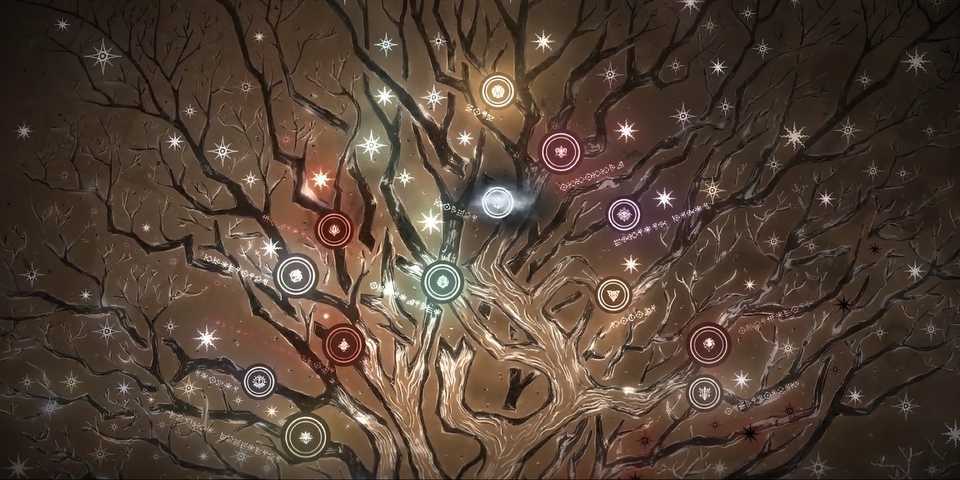
Though the show’s premise appears straightforward, what separates it from its anime counterpart is its philosophical density, which is traceable to its choice of a universal magic system. Additionally, the production melds atmosphere and narrative precision, resulting in a mystery that feels both grand and intimate at the same time.

- Release Date
- June 28, 2025
- Network
- Tencent Video
- Directors
- Gideon Liu

Cast
-
 Yang KaiqiKlein Moretti
-
Lei WuDunn Smith (voice)
- Main Genre
- Animation
- Creator(s)
- Cuttlefish That Loves Diving
- Executive Producer(s)
- Yankun Ma, Cuttlefish That Loves Diving
- Seasons
- 1

