


Summary
- Sequels in the 1990s created cult classics, box office hits, and fun follow-ups, adding depth to beloved franchises.
- Alien 3, Children of the Corn II, and Return of the Living Dead III showed that sequels can thrive with creativity and innovation.
- Standout sequels like The Exorcist III, Wes Craven's New Nightmare, and Scream 2 proved that good horror sequels were possible in the 90s.
Horror sequels can be extremely difficult to get right and often fail to live up to the original, but during the 1990s, several sequel releases earned their status as beloved classics. The trouble with a horror sequel was that normally, the element of surprise had been removed, the villain had been revealed, and the shock value that categorized the best horror movies was no longer present. However, the best sequels often used these aspects to their advantage and added the lore of the series, which brought extra depth to its characters and proved this was a story that needed to be continued.
To speak about the very best horror sequels was always going to be subjective, and some may adamantly call some sequels disposable garage while others fervently assert that they deserve to stand alongside the original in terms of artistic recognition. The best horror sequels included cult classics that built up their reputations over the years, box office smashes that helped birth exciting new franchises, or just campy, fun follow-ups that played into the sillier sides of the series. The 1990s had plenty of great horror sequels for viewers to check out.
10 Alien 3 (1992)
Directed by David Fincher


Alien 3
- Release Date
- May 22, 1992
- Runtime
- 114 minutes
- Director
- David Fincher
- Writers
- David Giler, Larry Ferguson, Walter Hill, Vincent Ward, Dan O'Bannon, Ronald Shusett
Cast
-
 Ripley
-
 Charles S. DuttonDillon
Alien 3 follows Ellen Ripley as she crash lands on Fiorina 161, a bleak prison planet housing a correctional facility. Stripped of weapons and facing a new alien threat, the inmates must unite with Ripley to survive while awaiting external assistance.
- Studio(s)
- 20th Century
- Distributor(s)
- 20th Century
- Budget
- $50 million

While Alien 3 has been discussed as a moment of wasted potential within the franchise, this failed to consider all that it did right, especially considering the revised, re-released Assembly Cut version that addressed many of its faults. With David Fincher on direction duties for his debut feature and Sigourney Weaver back as Ellen Ripley, Alien 3 took place on a prison planet, but a haphazard production meant that filming started before the final script was ready. Despite this, the visuals throughout Alien 3 were spectacular, and it was impossible not to recognize Fincher’s impeccable talent amid all the chaos.
Alien 3 started with a bang as, in a controversial development, Hicks and Newt were killed, which showcased this as a film not afraid to take divisive risks. The true standout of Alien 3 was Weaver, who gave an extraordinary performance as Ripley through the devastation as she learned she had an embryo of an Alien Queen growing inside her. Alien 3 was packed with great ideas, and although it can’t live up to the untouchable legacies of the first two films, it was still an interesting addition to the franchise.
9 Children of the Corn II: The Final Sacrifice (1992)
Directed by David Price

- Release Date
- January 29, 1992
- Runtime
- 92 minutes
- Director
- David Price
- Writers
- Gilbert Adler, A L Katz, Stephen King
- Producers
- David G. Stanley, Lawrence Mortorff
Cast
-
 Terence KnoxJohn Garrett
-
Paul ScherrerDanny Garrett
-
Ryan BollmanMicah
-
Christie ClarkLacey Hellerstat
A journalist and his son travel to Nebraska to investigate the mysterious town of Gatlin where, unbeknownst to them, a murderous cult of children are still waiting in the corn fields.
- Main Genre
- Horror
The original Children of the Corn from 1984 was a terrifying cult classic based on a short story by Stephen King and has since spawned a franchise that included 11 films, including a remake and a reboot. Of all these sequels, the best was Children of the Corn II: The Final Sacrifice, which picked up two days after the original as the surviving Gatlin children were taken in by families in a neighboring town to start a new life. Of course, He Who Walks Behind the Rows could not be stopped that easily, and the series continued with frightening effect.
Children of the Corn II: The Final Sacrifice maintained the eerie atmosphere of the original while delivering new characters and challenges, and was a great example of what a good horror sequel should be. While the storytelling may have left a lot to be desired, in a way, that’s also part of its charm, and those looking for an enjoyable slasher film should look no further. Children of the Corn II: The Final Sacrifice was the last film in the series to be released theatrically until 2023, as all the other sequels were direct-to-video releases.
8 Return of the Living Dead III (1993)
Directed by Brian Yuzna

- Release Date
- February 25, 1994
- Runtime
- 97 Minutes
- Director
- Brian Yuzna
- Writers
- John Penney
- Producers
- Gary Schmoeller, Lawrence Steven Meyers, Tom Fox
Cast
-
J. Trevor EdmondCurt Reynolds
-
 Melinda ClarkeJulie Walker
-
Kent McCordCol. John Reynolds
-
James T. CallahanLt. Col. Sinclair
Having recently witnessed the horrific results of a top secret project to bring the dead back to life, a distraught youth performs the operation on his girlfriend after she's killed in a motorcycle accident.
- Studio(s)
- Bandai Visual Company, Ozla Productions
- Distributor(s)
- Trimark Pictures
- Main Genre
- Horror
Screenwriting legend Dan O’Bannon made horror history with the release of his directional debut, Return of the Living Dead. This punk rock horror comedy introduced the concept of brain-eating zombies. The film also paid homage to George A. Romero’s Night of the Living Dead series, leading to the development of an entirely new franchise. The first sequel leaned more heavily into the horror aspects of the series, but Return of the Living Dead III really tried something different and took the franchise in a whole new direction.
Return of the Living Dead III was directed by Brian Yuzna, who previously produced the Re-Animator series, and adopted a much more angsty 1990s tone than the other two films. The punk rock aesthetics of the original movie were replaced with moody grungers, and characters engaged in self-harm and body piercing in order to suppress their need for eating brains. While Return of the Living Dead III didn’t quite live up to the lofty standards of the original, it was packed with campy fun and was a worthy sequel.
7 The Return of the Texas Chainsaw Massacre (1995)
Directed by Kim Henkel

- Release Date
- September 22, 1995
- Runtime
- 87 Minutes
- Director
- Kim Henkel
- Writers
- Kim Henkel, Tobe Hooper
Cast
-

-

-
Robert Jacks
-
Tonie Perensky
A group of teenagers get into a car crash in the Texas woods on prom night, and then wander into an old farmhouse that is home to Leatherface (Robert Jacks) and his insane family of cannibalistic psychopaths.
- Main Genre
- Horror
The Return of the Texas Chainsaw Massacre was also known as Texas Chainsaw Massacre: The Next Generation and was a box office flop at its release but has since garnered a cult following. Boasting a cast that featured Renée Zellweger and Matthew McConaughey before they became famous, the fourth installment in the series included elements of parody, self-referentialism, and even a secret society subplot. While it was easy to initially label this film as disposal trash, its sharp satirical edge meant that it aged better than many other sequels in the Texas Chainsaw franchise.
With a subplot that connected Leatherface’s family to the Illuminati, The Return of the Texas Chainsaw Massacre added context to his murderous ways as a plan to terrorize citizens to a level of transcendence. There were also some knowing references to the previous sequels, which can be viewed through the lens of being a parody and comment on the entire horror movie industry. The Return of the Texas Chainsaw Massacre was a lot more nuanced than it was first given credit for and deserved to be remembered among the best horror sequels of the 1990s.
6 Bride of Re-Animator (1990)
Directed by Brian Yuzna

- Release Date
- July 8, 1990
- Runtime
- 96 Minutes
- Director
- Brian Yuzna
- Writers
- Zeph E. Daniel, Rick Fry, H.P. Lovecraft, Brian Yuzna
Cast
-
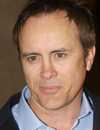 Jeffrey Combs
-
Bruce Abbott
Doctors Herbert West and Dan Cain discover the secret to creating human life and proceed to create a perfect woman from dead tissue.
- Main Genre
- Horror
The original Re-Animator was one of the greatest H.P. Lovecraft adaptations ever made, and the sequel, Bride of Re-Animator, continued its retelling of the short story "Herbert West–Reanimator.” Bride of Re-Animator followed scientists' attempts to create a living woman from dead tissue and acted as an insightful Lovecraftian tale as well as an homage to the 1935 classic sequel Bride of Frankenstein. With plenty of returning cast members, Bride of Re-Animator felt like a worthy follow-up to the 1980s cult favorite that was the original.
Depending on the viewer, the amount of over-the-top gore in Bride of Re-Animator may be either a positive or a negative, but one thing was certain: those who loved Re-Animator would get a lot from this sequel. In many ways, Bride of Re-Animator was a little all over the place and suffered from a lack of coherent character motivation. However, the special effects and enjoyable score alone were enough to make Bride of Re-Animator worth checking out.
5 Halloween H20: 20 Years Later (1998)
Directed by Steve Miner

- Release Date
- August 5, 1998
- Runtime
- 86 minutes
- Director
- Steve Miner
- Writers
- Matt Greenberg, Robert Zappia, Debra Hill, John Carpenter
- Producers
- Bob Weinstein, Cary Granat, Harvey Weinstein, Kevin Williamson, Moustapha Akkad
- Prequel(s)
- Halloween II, Halloween, Halloween III: Season of the Witch, Halloween 4: The Return of Michael Myers, Halloween 5, Halloween: The Curse of Michael Myers
- Sequel(s)
- Halloween: Resurrection
Cast
-
 Laurie Strode / Keri Tate
-
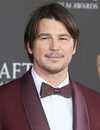 John Tate
Halloween H20: 20 Years Later follows Laurie Strode, living under a new identity in Northern California as a private school headmistress. Still haunted by her past, Laurie faces terror again when Michael Myers resurfaces, discovering her whereabouts two decades after the infamous Halloween night massacre.
- Studio(s)
- Dimension Films, Nightfall Productions, Trancas International
- Distributor(s)
- Miramax Films
- Budget
- $17 million
The seventh installment of the Halloween franchise made the wise decision to ignore most previous sequels and act as a direct sequel to Halloween II, with Jamie Lee Curtis back as Laurie Strode. Halloween H20: 20 Years Later featured Laurie going through post-traumatic stress from her previous encounters with her murderous brother, Michael Myers, after having faked her death to live a new life. In an effective exploration of trauma, Laurie has become an alcoholic and consistently lives in fear that her brother will one day return to finish what he started.
Of course, the Halloween franchise has always had confusing lore with multiple timelines and conflicting character relationships, but Halloween H20 earned points for addressing serious topics and delving into Laure’s character. Released shortly after the major success of Scream, Halloween H20 took cues from that film with a script that added a more self-aware style than previous entries. With an ending that depicted Laurie seemingly killing Michael, Halloween H20 would have been a fitting conclusion to the series, although the direct sequel, Halloween: Resurrection, revealed Michael had switched clothes with a paramedic and survived.
4 The Exorcist III (1990)
Directed by William Peter Blatty

- Release Date
- August 17, 1990
- Runtime
- 110 minutes
- Director
- William Peter Blatty
- Writers
- William Peter Blatty
- Producers
- Carter DeHaven
- Prequel(s)
- The Exorcist, Exorcist II: The Heretic, Exorcist: The Beginning, Dominion: Prequel to The Exorcist
- Sequel(s)
- The Exorcist: Believer
- Franchise(s)
- The Exorcist
Cast
-
Ed FlandersFather Joseph Kevin Dyer
-
George C. ScottLt. William 'Bill' Kinderman
The Exorcist III, released in 1990, follows a police lieutenant as he investigates a series of murders reminiscent of a deceased serial killer's crimes. Set fifteen years after a past exorcism, the investigation takes him into a psychiatric ward, intertwining elements of criminal investigation and supernatural horror.
- Distributor(s)
- 20th Century Fox
While it was always going to be a lofty challenge to top the masterpiece that was the original Exorcist movie, The Exorcist III stood as the greatest sequel in the demonic horror franchise. Set 15 years after the original, The Exorcist III ignored the events of the first sequel and was written and directed by William Peter Blatty, the novelist and screenwriter for the first installment. With this level of connection to the source material, it made sense that Blatty himself was the only one capable of delivering a worthy sequel that could effectively add to the franchise's lore.
The Exorcist III featured the return of Lieutenant William F. Kinderman, a character from the original film, investigating a series of demonic murders that have plagued Georgetown. With slow-building scares, unnerving tension, and an eerie atmosphere, The Exorcist III was an eccentric, horrifying, and at times extraordinarily funny sequel. The legacy of The Exorcist III has only grown in the years since its release and proved that, despite so many other failed attempts, it was possible to make a good sequel in this franchise.
3 Wes Craven's New Nightmare (1994)
Directed by Wes Craven

- Release Date
- October 14, 1994
- Runtime
- 112 minutes
- Director
- Wes Craven
- Writers
- Wes Craven
- Franchise(s)
- A Nightmare on Elm Street
Cast
-
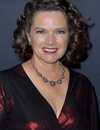 Heather Langenkamp
-

A demonic force has chosen Freddy Krueger as its portal to the real world. Can Heather Langenkamp play the part of Nancy one last time and trap the evil trying to enter our world?
- Studio(s)
- New Line Productions
- Distributor(s)
- New Line Cinema
- Budget
- $8 Million
- Main Genre
- Horror
For the seventh film in the franchise, the original director of A Nightmare on Elm Street, Wes Craven, returned for a stand-alone sequel that stood among the greatest horror sequels ever made. Instead of following the continuity of previous films, Craven made the unique decision to portray Freddy Kruger as a fictional movie villain who invaded the real world and haunted the cast and crew who were making a movie about him. New Nightmare was a fantastic homage to the original movie and added a new meta-layer of meaning to the franchise.
In a way, the self-aware nature of New Nightmare could be seen as a precursor to what was so effectively achieved in Craven's Scream franchise as it similarly deconstructed horror movie tropes and cliches. New Nightmare was a lot of campy fun that did not take itself too seriously but also achieved significant scares in the process. New Nightmare stood as one of Craven’s best movies and was the best release in the series since the original.
2 Child's Play 2 (1990)
Directed by John Lafia

- Release Date
- November 9, 1990
- Runtime
- 84 minutes
- Director
- John Lafia
- Writers
- Don Mancini
- Producers
- David Kirschner
- Prequel(s)
- Child's Play
- Sequel(s)
- Child's Play 3, Bride of Chucky, Seed of Chucky, Cult of Chucky
Cast
-
Alex VincentAndy Barclay
-
 Brad DourifChucky (voice)
Child's Play 2 is the second installment in the Child's Play horror franchise. Andy Barclay was placed into foster care after his mother was institutionalized for stating that a doll was responsible for the murders surrounding the two. Years later, Andy sits in foster care, seemingly far away from Chucky - until the killer doll shows up looking for revenge.
- Studio(s)
- Living Doll Productions
- Distributor(s)
- Universal Pictures
- Budget
- $13 Million
Child’s Play 2 took the original movie's outrageous concepts and turned them into hyperdrive for a sequel that actually lived up to the ethos that going bigger can be better. Set two years after the original, Andy Barclay had been placed into foster care, and his mother was institutionalized for backing up his claims that the Chucky doll was alive. Meanwhile, a power surge at the Play Pals Corporation manufacturing facility caused Chuck to be re-animated once again as he reestablished his pursuit of Barclay and planned to transfer his soul into the boy.
Child’s Play 2 embraced the more comic side of this franchise, as its frantic energy and bombastic nature made for thrilling viewing. This film proved Child’s Play’s potential as an ongoing franchise, and as a box office success, which led to the development of even more sequels. While the Child’s Play franchise has had many ups and downs over the years, Child’s Play 2 was the best sequel and has earned its place among the best horror sequels of the 1990s.
1 Scream 2 (1997)
Directed by Wes Craven

Scream 2
- Release Date
- December 12, 1997
- Runtime
- 120 minutes
- Director
- Wes Craven
- Writers
- Wes Craven, Kevin Williamson
- Producers
- Andrew Rona, Bob Weinstein, Cary Granat, Cathy Konrad, Harvey Weinstein, Marianne Maddalena
- Prequel(s)
- Scream
- Franchise(s)
- Scream
Cast
-
 Neve CampbellSidney Prescott
-
 Gale Weathers
Scream 2 continues the saga of Sidney Prescott, who faces a new series of murders while adjusting to college life. Released in 1997, the film follows her as a masked killer, donning the infamous Ghostface costume, resurfaces, reigniting fear and chaos among her and her friends.
- Studio(s)
- Dimension Films
- Distributor(s)
- Dimension Films
- Budget
- $24 million
The original Scream acted as a meta-horror film that poked fun at genre conventions, and what was so effective about Scream 2 was that it carried this idea forward into the follow-up, but this time it aimed its satirical attack on sequels themselves. From the introduction of the in-universe Stab film franchise to the appearance of a new copycat Ghostface, Scream 2 was able to get away with its more outrageous aspects because they served a narrative point toward the film’s deconstruction of tropes and cliches. This made Scream 2 not only feel like a worthy follow-up but a necessary one.
The most effective aspect of Scream 2 was the way it managed to poke fun at the nature of terrible horror sequels without also falling victim to the same fate. Sidney Prescott, Gale Weathers, and Dewey Riley all returned, and the success of Scream 2 hinted at the series' potential as a major franchise. Scream 2 felt like a natural evolution for the series, and, with its success, a third installment addressing the legacy of trilogies was not only possible but felt assured.
