


Summary
- Spy and superhero genres have long been well-matched in comics, bringing out the best fight scenes and complicating moral dilemmas.
- Iconic comic runs like "Nick Fury: Agent of SHIELD" and "The Winter Soldier" expanded the spy genre in superhero fiction, pushing boundaries of censorship and incorporating political thriller elements.
- Spy organizations like SHIELD and Checkmate, as well as characters like Nick Fury and Black Widow, have become integral parts of the Marvel and DC Universes, offering complex narratives and visually stunning art.
With commonalities like globe-trotting stories, action-oriented storytelling, and visual style, the spy and superhero genres have long been well-matched. Since the 1965 reintroduction of Nick Fury as a science fiction-powered espionage hero in the pages of "Nick Fury, Agent of SHIELD" by Stan Lee and Jack Kirby, the world of spies and secret agents has become a regular staple of superhero fiction.
Since then, DC and Marvel have each developed their own fictional spy agencies, Checkmate and SHIELD, and other superhero titles from beyond the Big Two's universes regularly incorporate shady government organizations that attempt to control and subvert the superhero community. The combination of the two genres frequently brings out the best fight scenes in comics and complicates the morals of stories that are often black and white.
10 “Nick Fury: Agent of SHIELD” from Strange Tales (1967)
by Jim Steranko


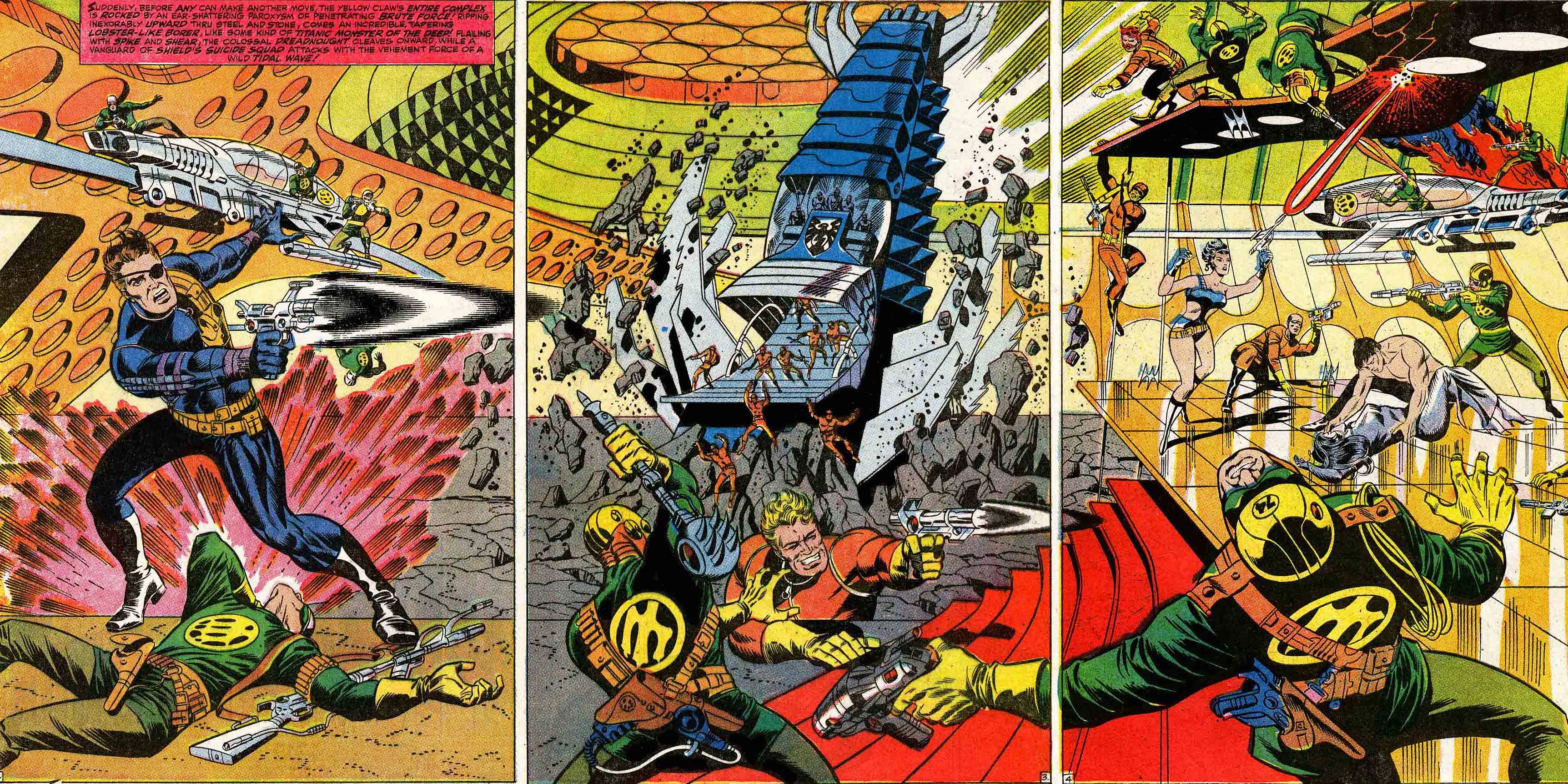
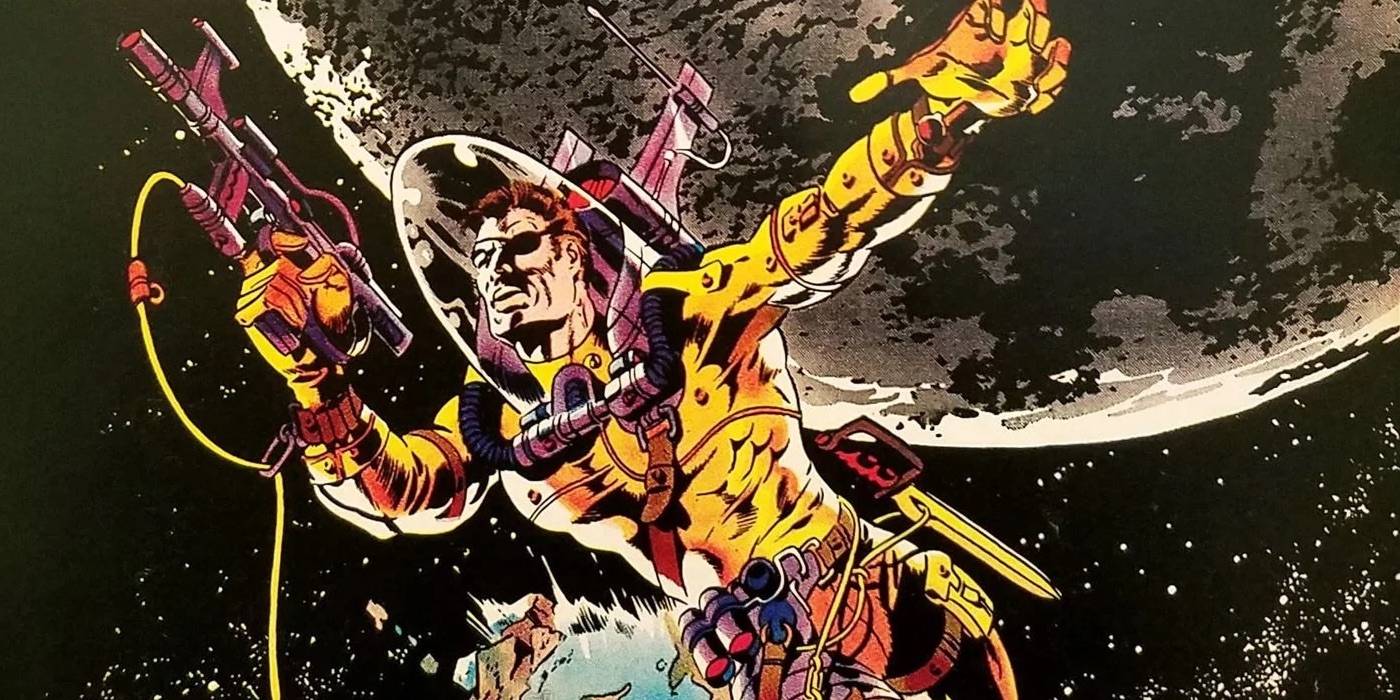
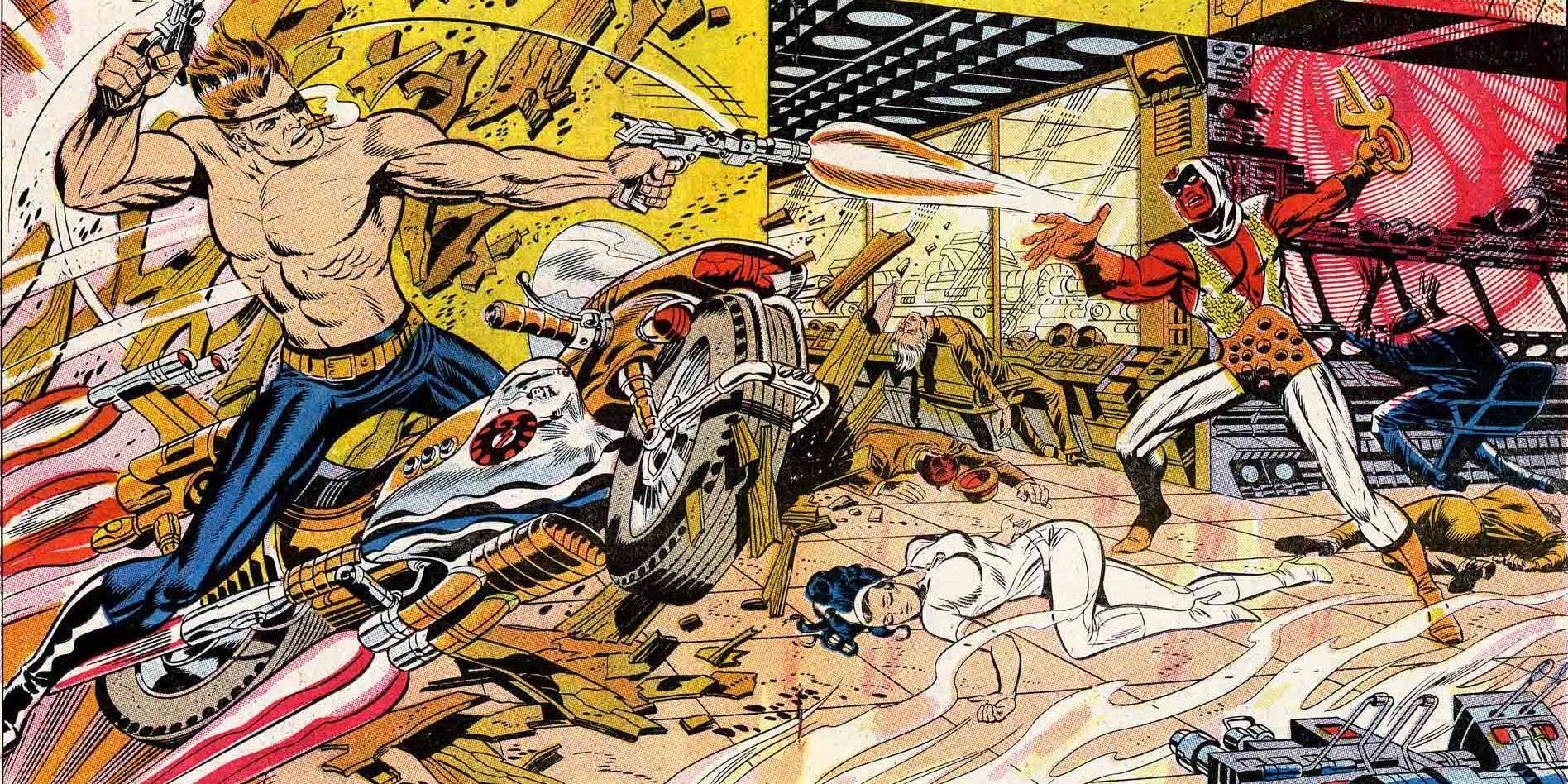
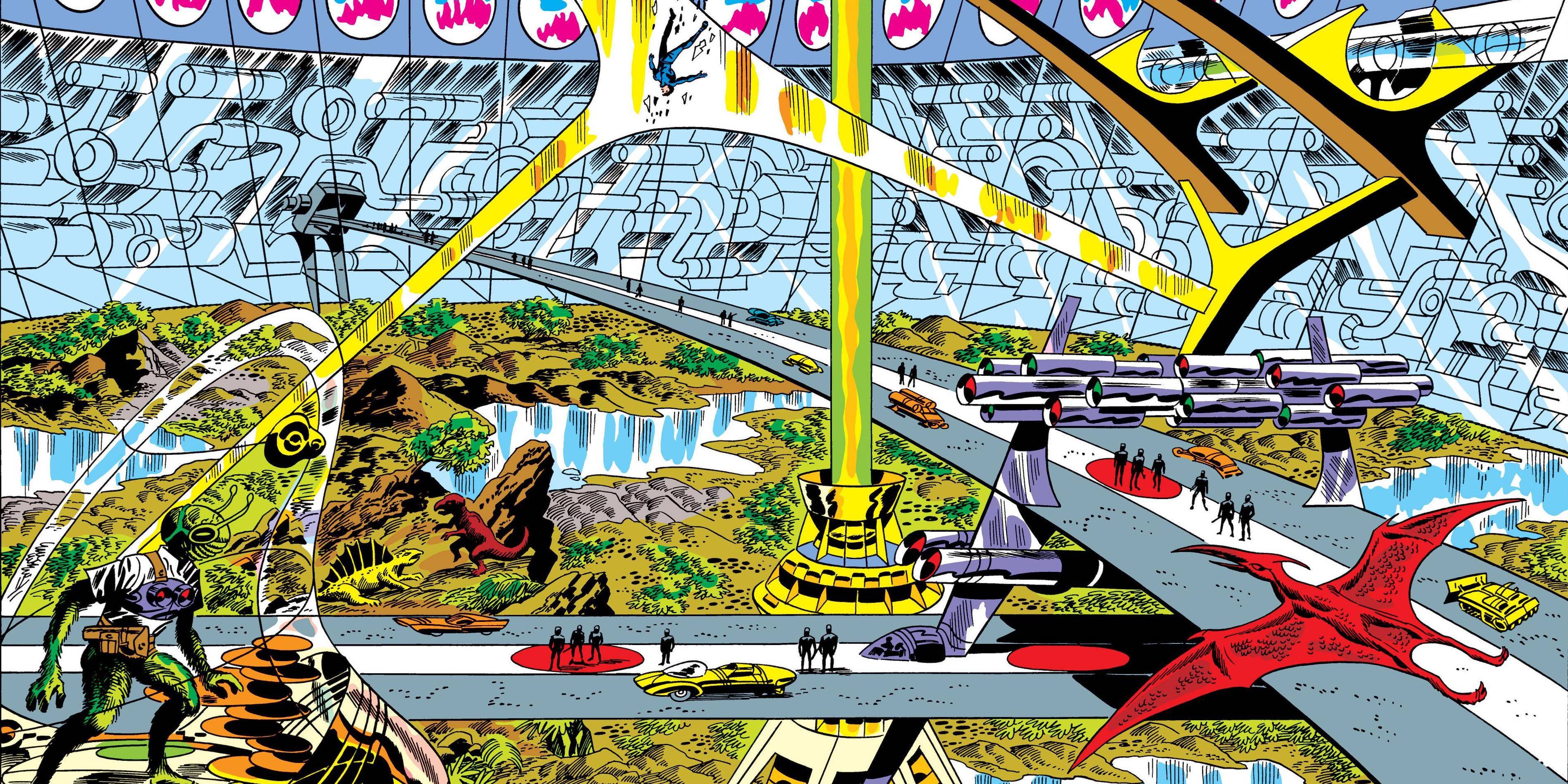
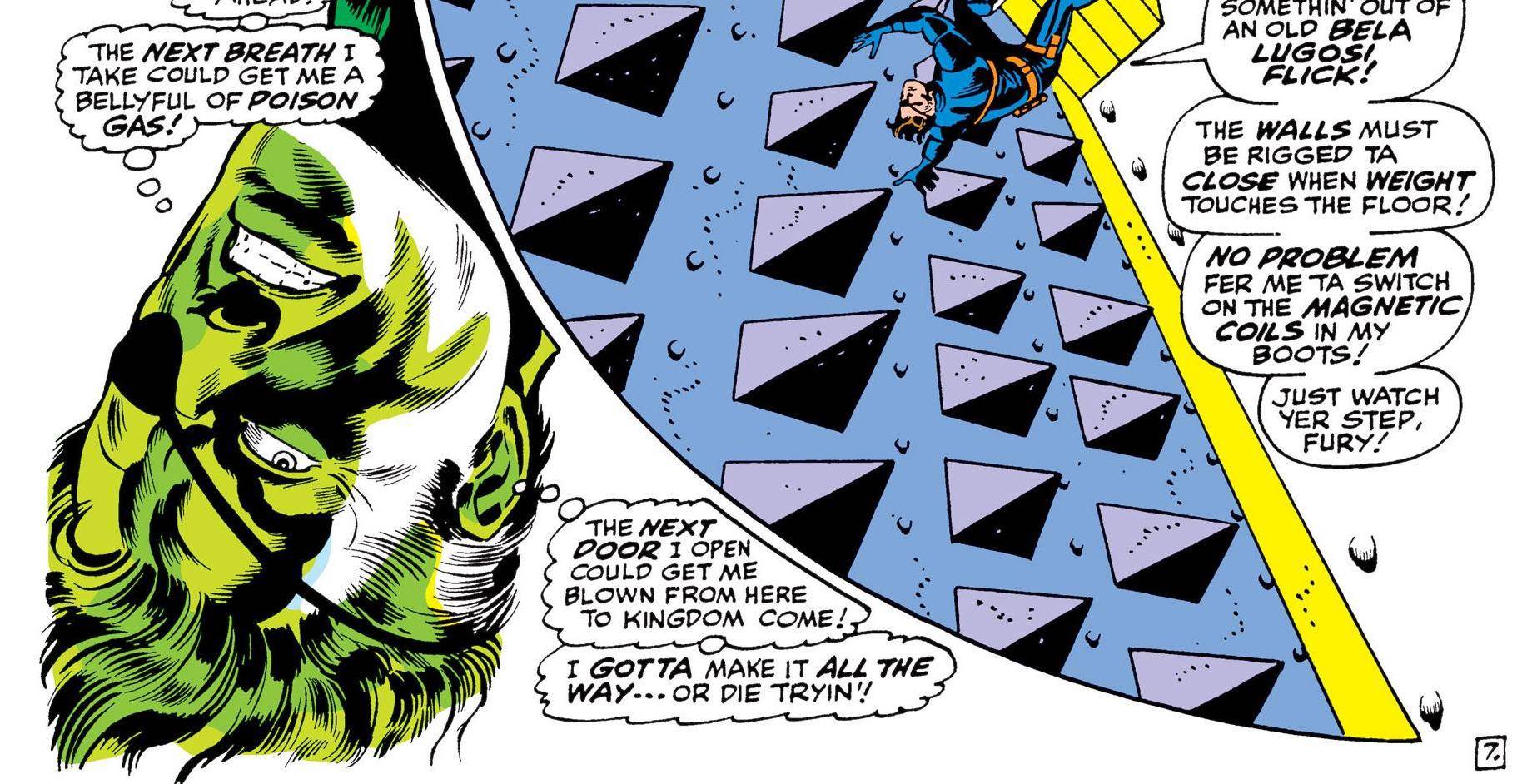
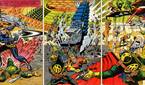
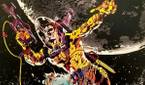
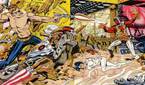
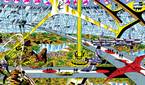
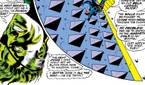
Taking over from Lee and Kirby’s run, Jim Steranko’s boundary-pushing spy saga tested the limits of the Comics Code censorship with its depiction of sexuality, violence, and psychedelia-inspired art. Steranko also built on Kirby’s use of photomontage, challenging Marvel’s '60s readership, and pushed the format artistically with the comic’s first four-page spread. Steranko employs a distinct sense of design and use of space that riffs on surrealism, blurring the line between high and low art. His work was notable for valuing visual storytelling without depending on captions, and defined the Nick Fury and supporting cast of SHIELD agents that have come to form the backbone of the Marvel Universe.
9 Sleeper (2003)
by Ed Brubaker and Sean Phillips

Set in the WildStorm universe, Sleeper, by longtime collaborators Ed Brubaker and Sean Phillips, follows undercover agent Holden Carver as he is reluctantly placed as a double agent inside a criminal organization run by the supervillain Tao. Holden works for International Operations, a secret service organization that has also given Holden a healing factor and the ability to resist pain and transfer it to others with a touch. Holden's position is complicated by the fact that he hates his powers and wants to get rid of them, and shortly after going undercover his handler John Lynch falls into a coma. With no way out, Holden becomes romantically involved with another villain and finds himself confused over his true loyalties.
8 "The Winter Soldier" from Captain America (2005)
by Ed Brubaker and Steve Epting


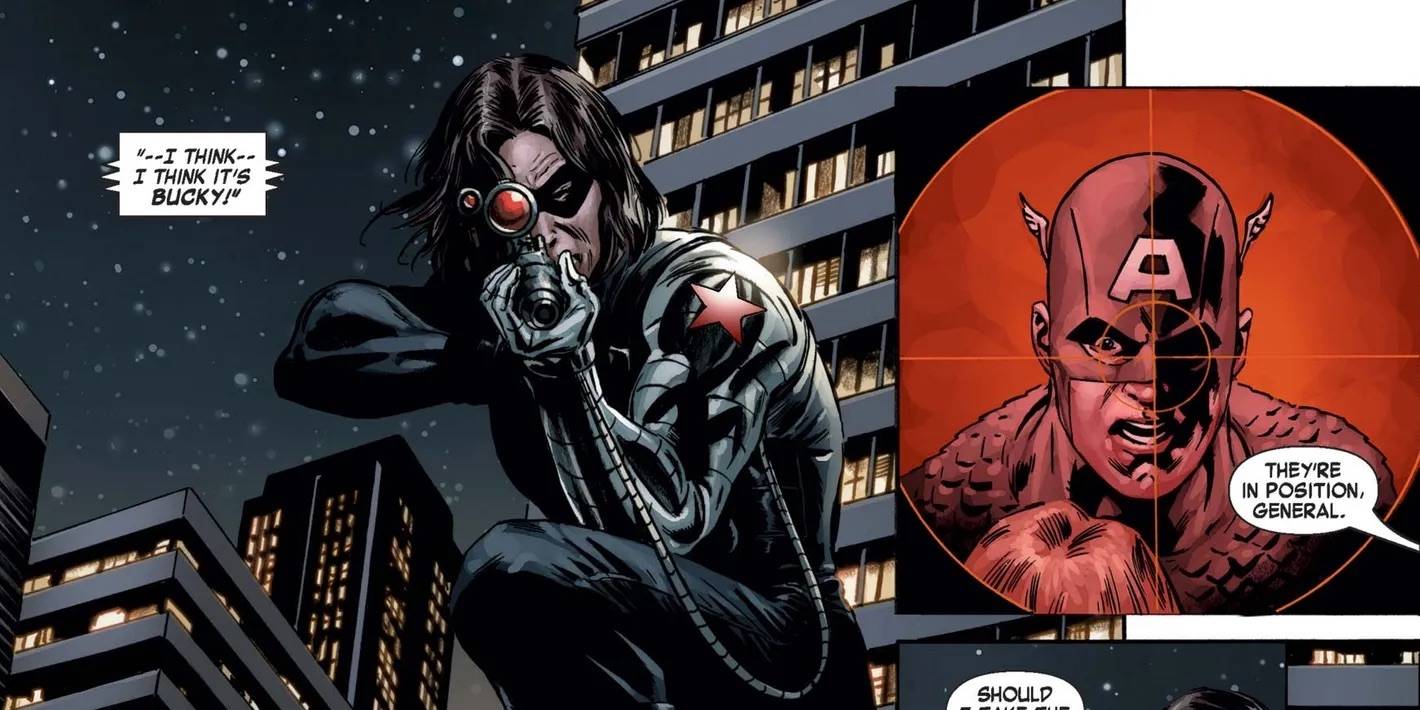
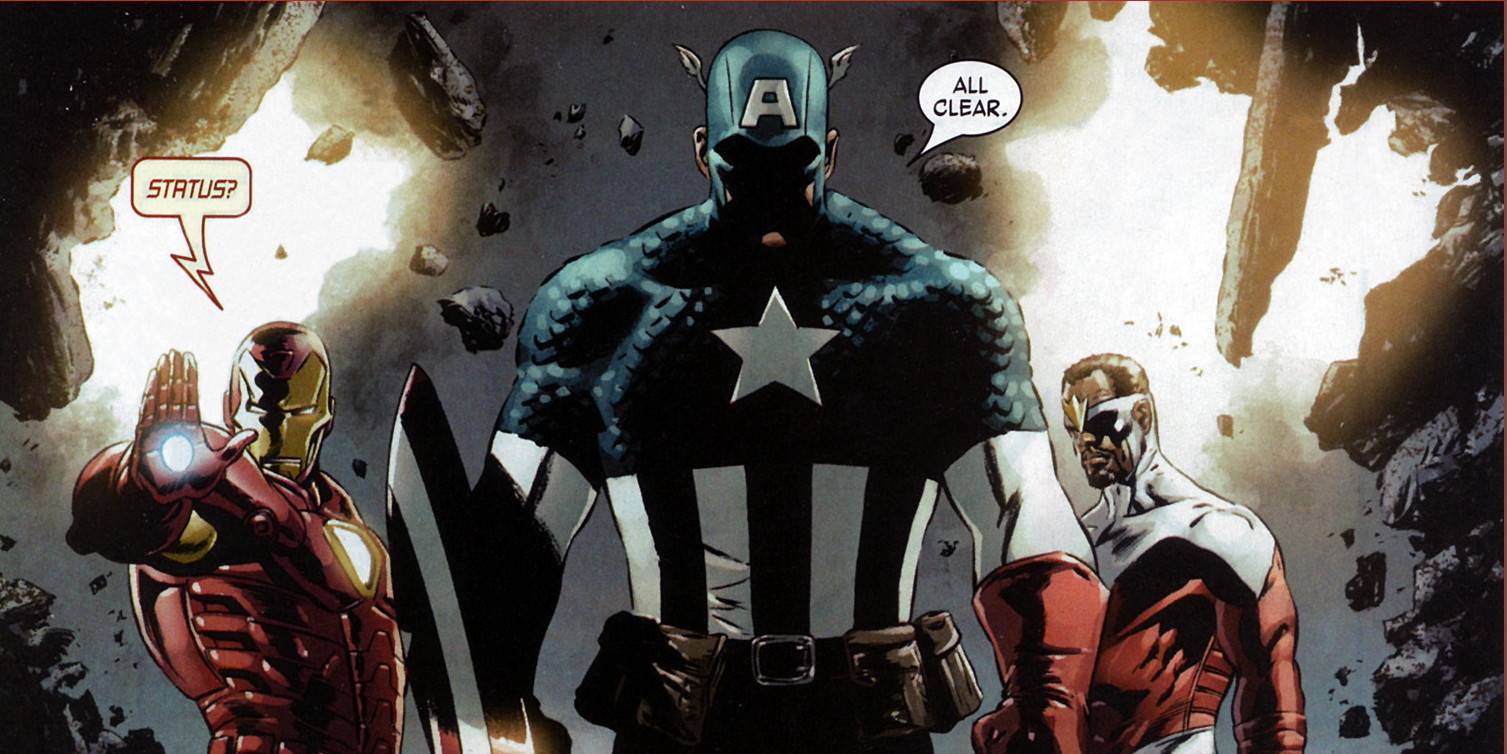
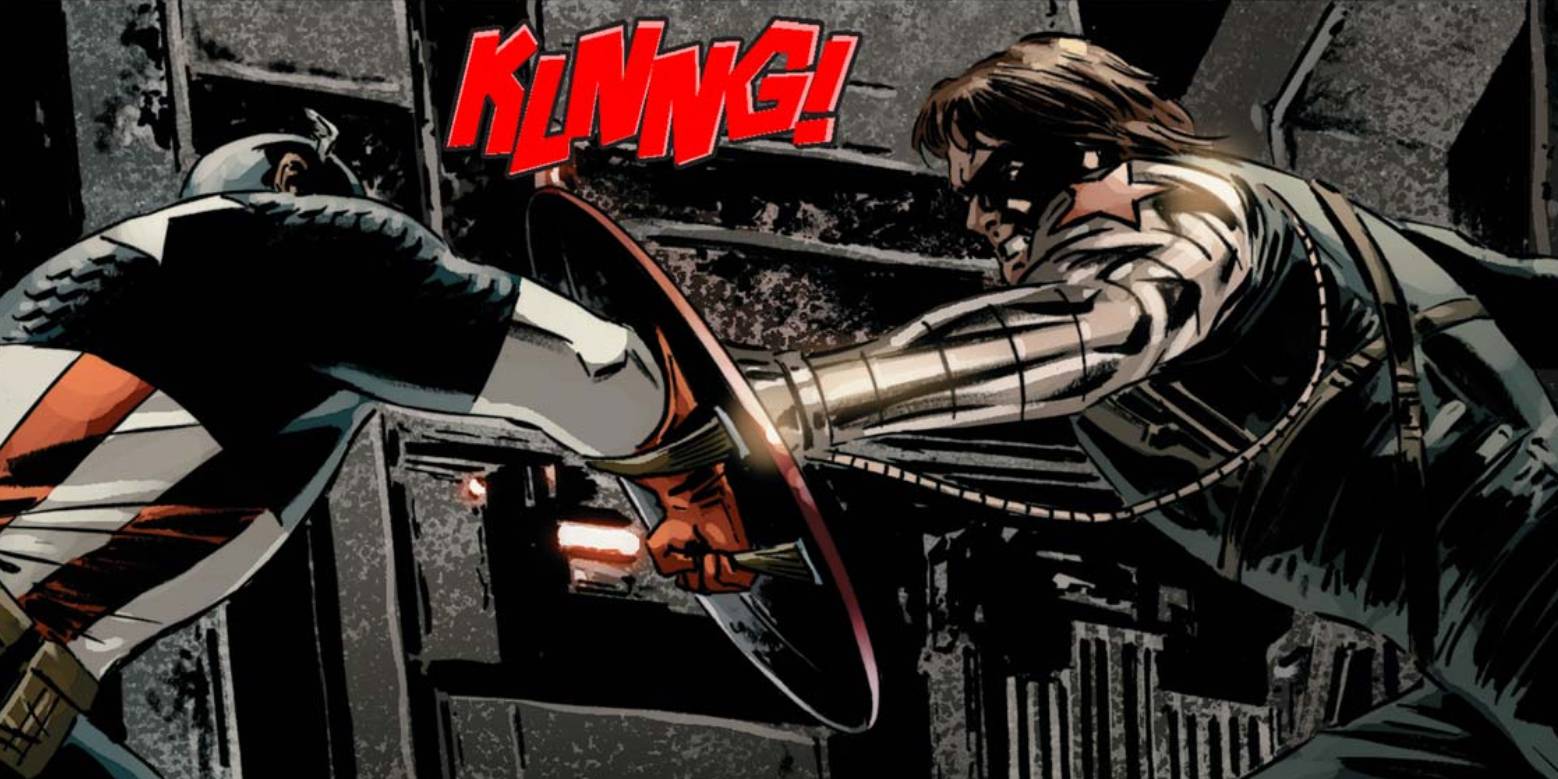
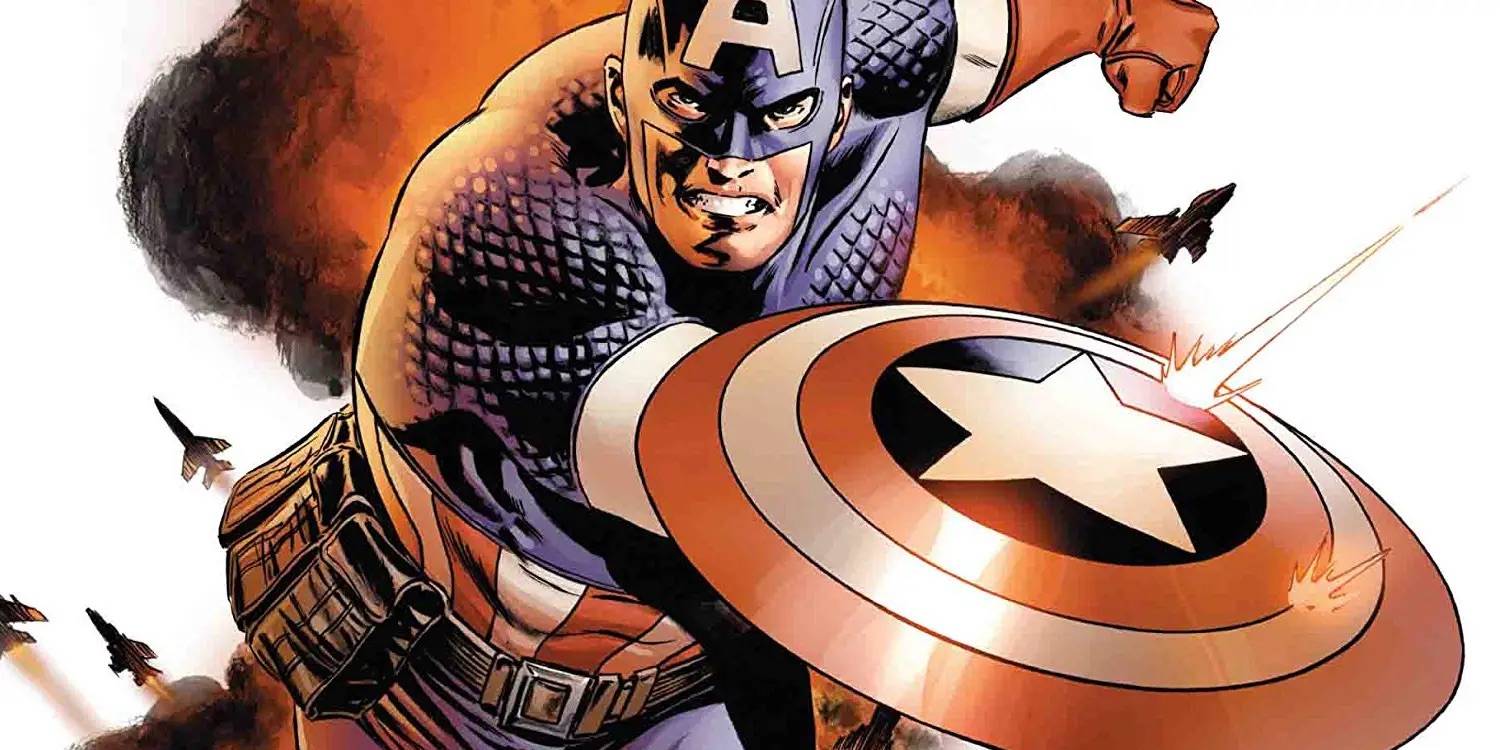
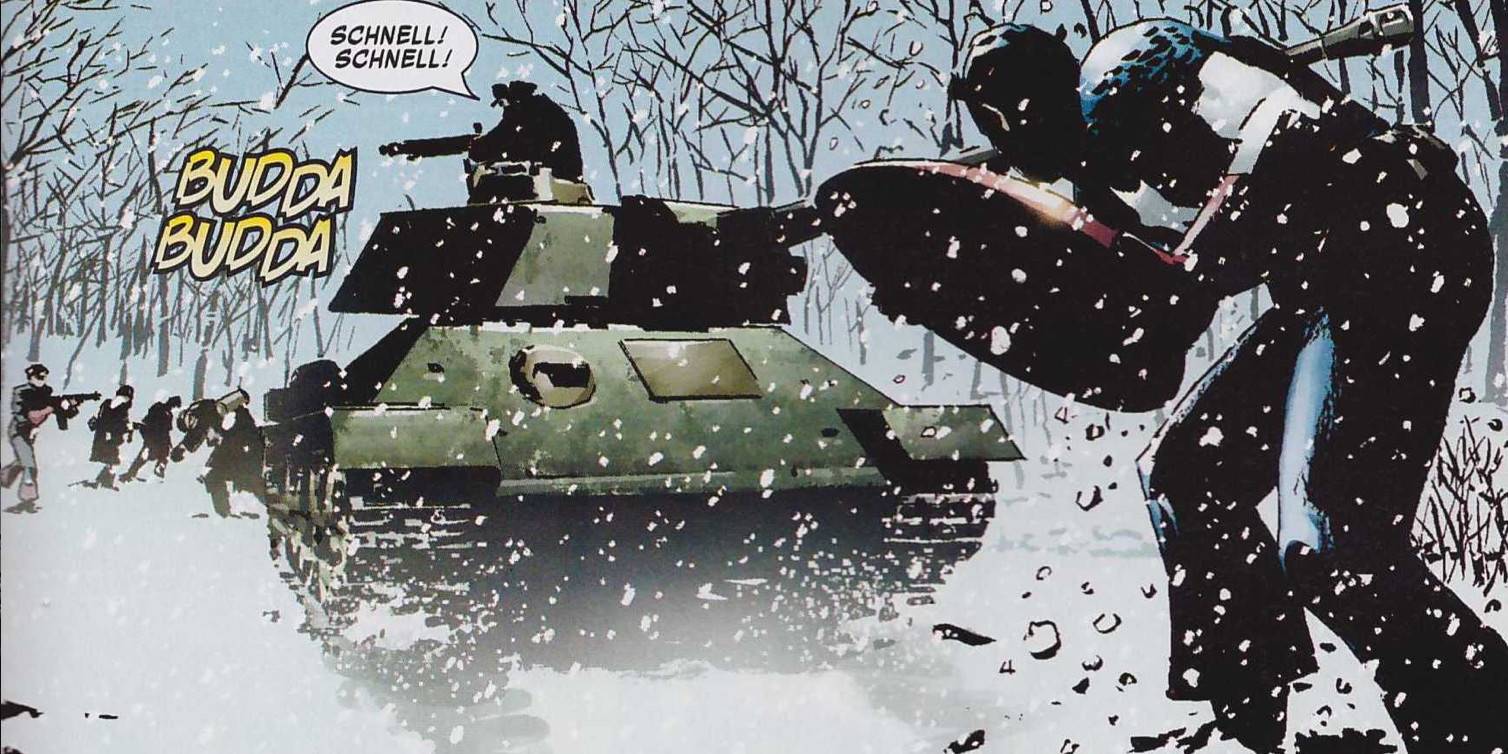
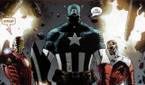
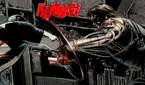
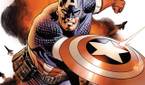
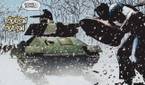
Brubaker took Steve Rogers in the grimmer direction of a political thriller, seeing him in noirish conflicts with former KGB members and the Red Skull. His run on Captain America also revises the WWII era of Captain America’s adventures through flashbacks that humanize his supporting cast more than previous authors. With Brubaker's first arc, “The Winter Soldier,” he and artist Steve Epting set Cap on the case of a mysterious assassin thought to have disappeared at the end of the Cold War. Brubaker also makes use of Marvel elements like the cosmic cube to deepen Steve’s pathos, as the magic corrupts Steve’s memory amid a conspiracy.
7 Checkmate (2006)
by Greg Rucka

In the wake of the OMAC Project, Greg Rucka tests the limits of superheroic morals in Checkmate, which sees the UN reorganize the titular spy organization to be run by half humans and half superhumans. The quietly feuding Green Lantern Alan Scott and Amanda Waller take leadership of the group, with the rest of the organization's leadership rounded out by Batman’s former bodyguard Sasha Bordeaux, JSA alum Mister Terrific, and several Waller-allied graduates of the Suicide Squad. The series pits the old-school idealism of Scott against the cynical hawkishness of Waller. Every international conflict Checkmate faces becomes an opportunity for Waller and Scott’s respective sides to get ahead.
6 Secret Warriors (2009)
by Jonathan Hickman and Brian Michael Bendis

Spinning out of Brian Michael Bendis’ run on Mighty Avengers, Secret Warriors sees an on-the-run Nick Fury assemble an underground team of outcasts with natural superpowers, including Agents of SHIELD’s Daisy Johnson. After Fury discovers that SHIELD has been quietly taken over by the fascist group HYDRA via double agents, the series charts the spymaster’s efforts with his squad, Team White, to take down HYDRA from the outside. Co-created by Bendis and Jonathan Hickman, and written by Hickman, the series spans the Marvel Universe and plumbs deep into character along a twisting narrative of betrayals and secret histories.
5 Batman Incorporated (2010)
by Grant Morrison


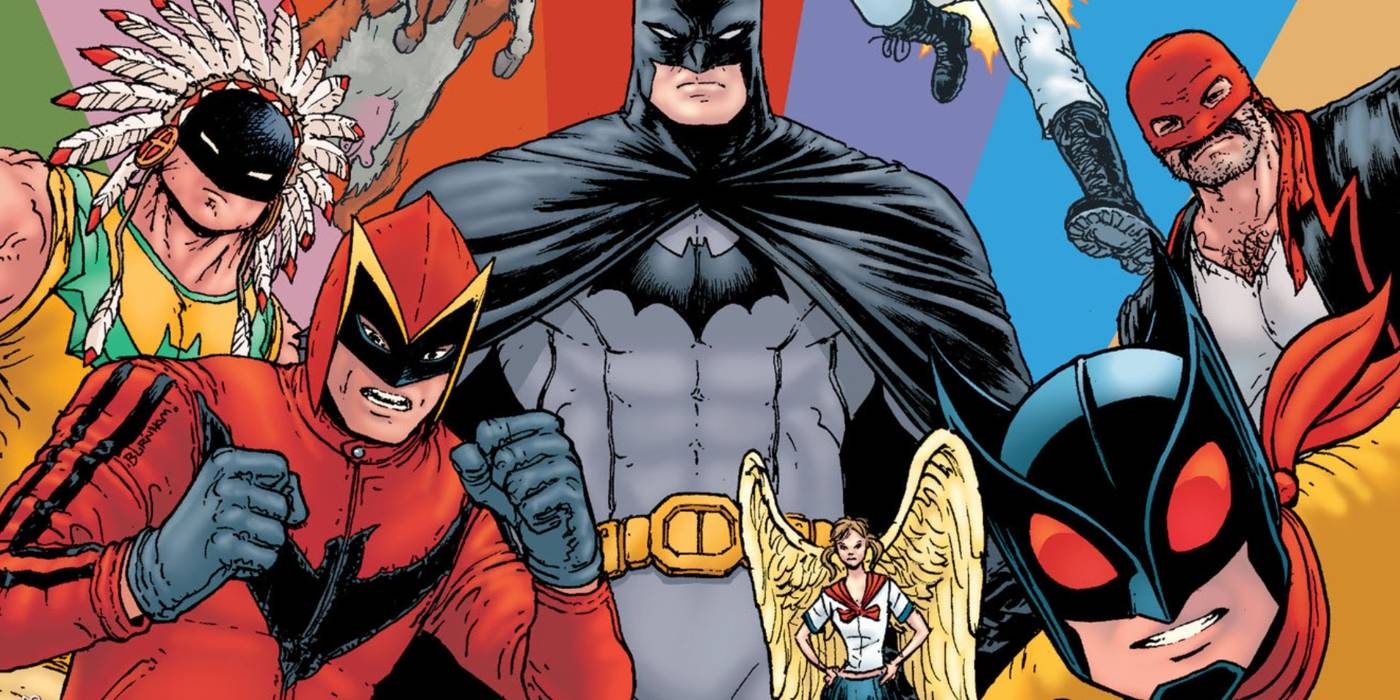
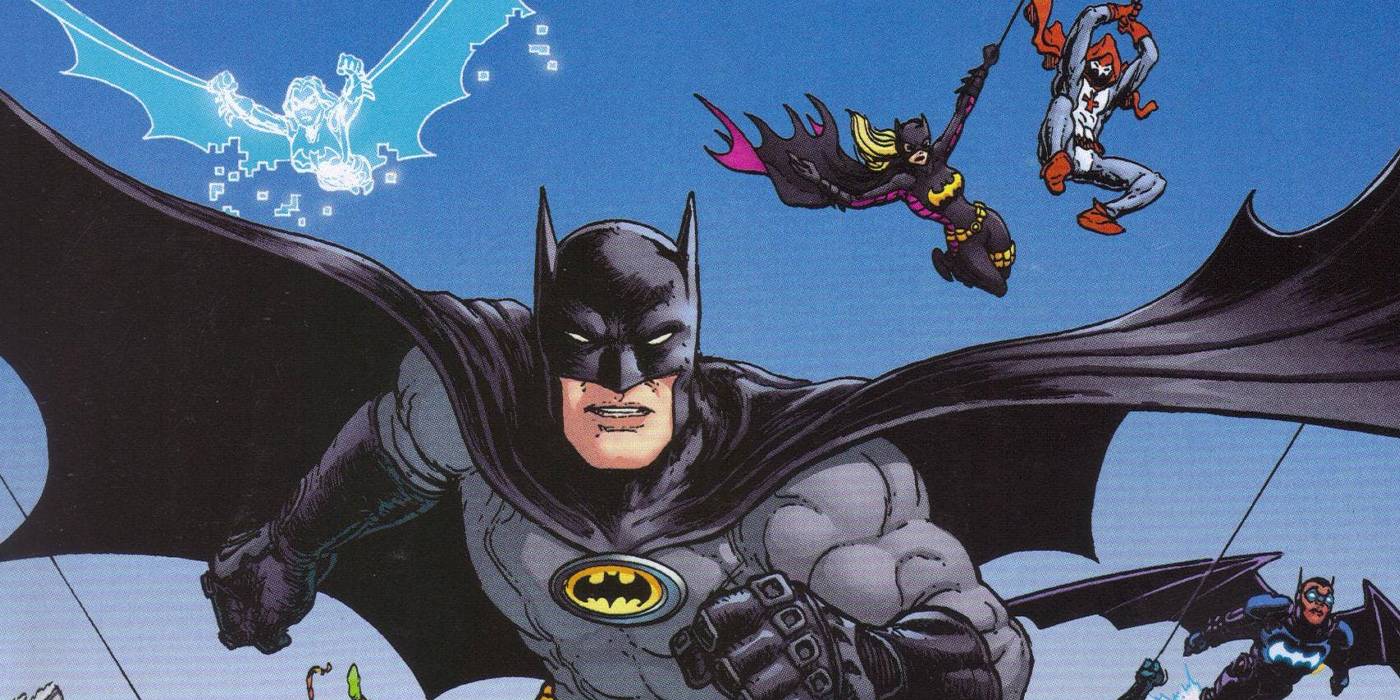
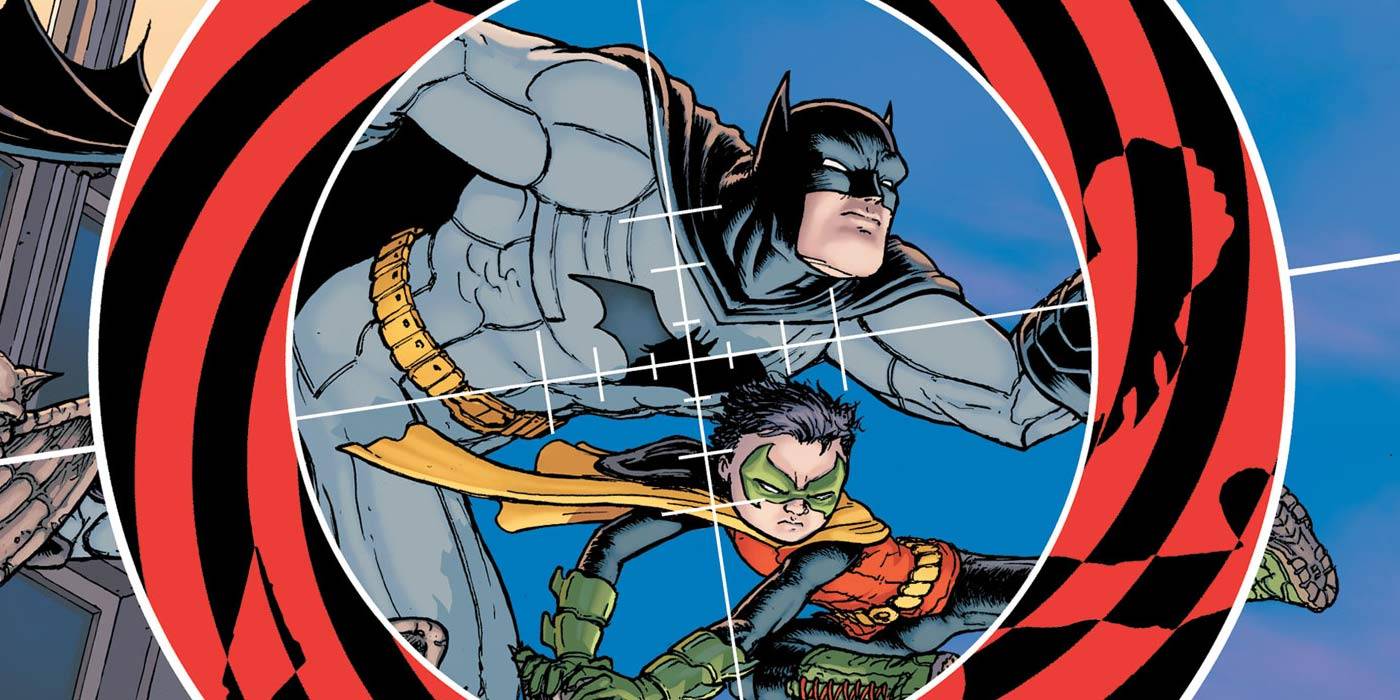
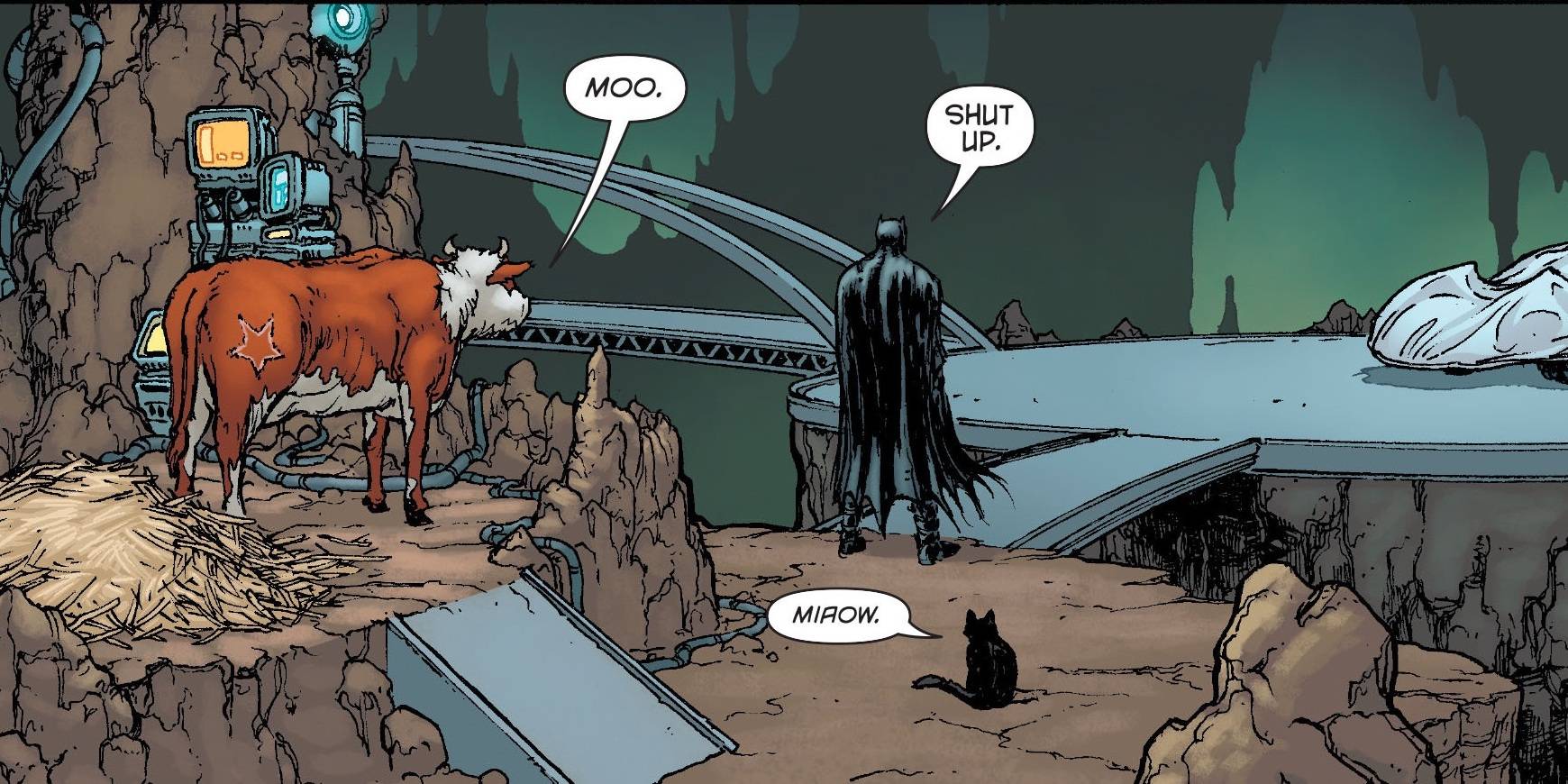
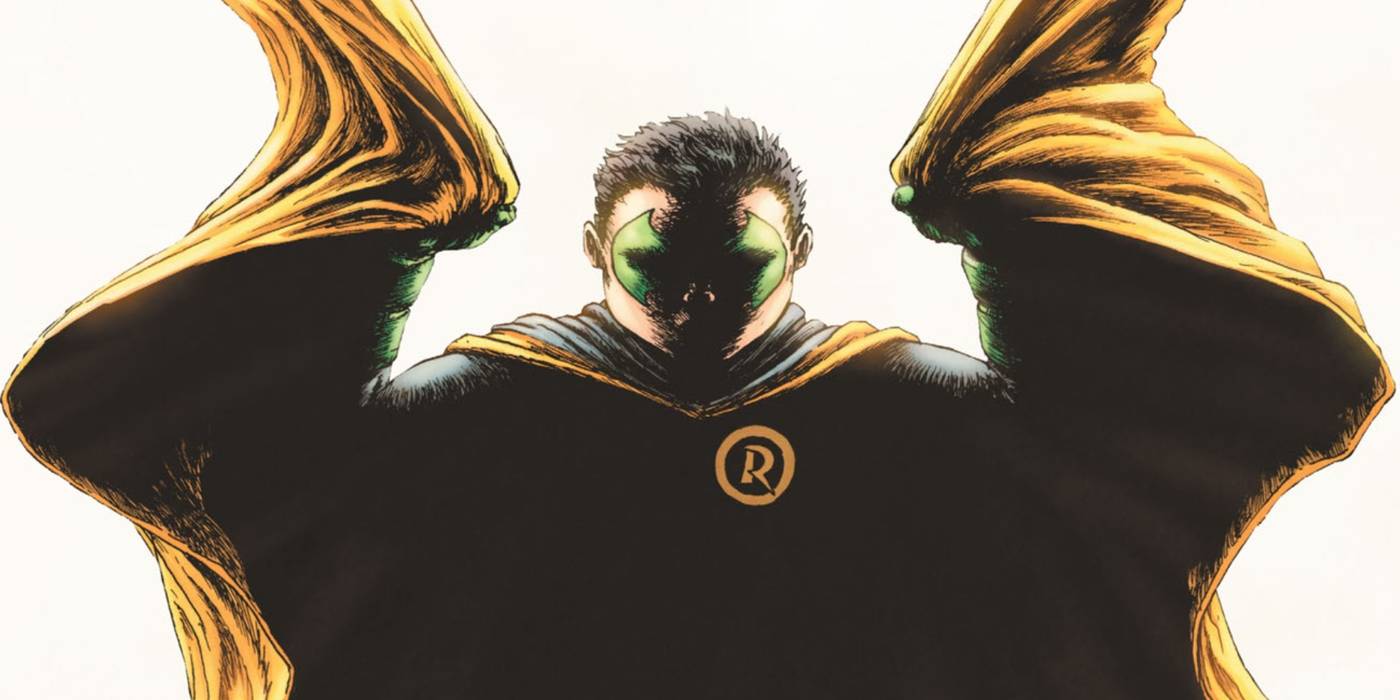
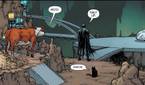
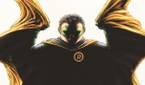
Grant Morrison’s Batman Incorporated sees Batman build out his allies into an international network of Batmen. As the mysterious spy organization Leviathan comes after him, the new Batman Inc. begins its globe-trotting investigation into the secret history of the spy network. Kate Kane is sent to uncover the secret past of the first Batwoman Katherine Webb, Stephanie Brown goes undercover in a prep school for supervillainesses, and Knight and Squire investigate the island of Cold War spook Doctor Daedelus. The run features a murderer's row of artists, including Chris Burnham, whose expressive characters and experimental panel layouts add humanity and zaniness to an already dramatic, high-concept book.
4 SHIELD (2010)
by Jonathan Hickman, Dustin Weaver, and Christina Strain

Jonathan Hickman and Dustin Weaver’s epic two volumes of SHIELD see the secretive global security organization's origins, and how its first major test resulted in a conflict that spanned time. The story sees a Machiavellian and apocalyptic Isaac Newton as leader of the Brotherhood of the Shield. Newton believes the world will end in 2060, and faces an internal revolt led by the hopeful Leonardo DaVinci, who still thinks humanity can determine its fate. The differing philosophies create a civil war within the Brotherhood, threatening to fracture the society that has guarded Earth since the Renaissance.
3 Grayson (2014)
by Tom King, Tim Seeley, Jackson Lanzing, and Collin Kelly.

After faking his death in the wake of being outed as Nightwing, Dick Grayson is sent undercover by Batman into the spy organization Spyral. Entering the murky world of superheroic espionage, Dick’s loyalties to Batman's mission and his newfound partners are tested. One of Tom King’s breakout works, the series features many King staples like refreshing old stories with an emotional punch and structurally dense storytelling. Tim Seeley compliments this well with a penchant for larger-than-life genre ideas and a great voice for comedy. Artist Mikel Janin’s work on the series is standout, with exciting layouts, balletic action, and the sexiest characters on the stands.
2 Black Widow (2016)
by Mark Waid, Chris Samnee, and Matt Wilson

The team behind the Daredevil relaunch in the 2010s used 12 issues of Black Widow to deliver a beautiful spy thriller set in the Marvel Universe. Containing some of Chris Samnee's finest action penciling, and beautiful, stark use of colors by Matt Wilson, the book favors visual storytelling to the point that Samnee received a story credit alongside writer Mark Waid. The story follows Natasha Romanoff as she goes on the run from SHIELD, stealing a file containing links to her past. Without her allies, and with enemies both old and new on her tail, Nat must untangle herself from a past of misdeeds.
1 The Wild Storm (2017)
by Warren Ellis and Jon-Davis Hunt

The Wild Storm reboots and streamlines the WildStorm universe into a single science fiction espionage thriller. The story follows two rival spy organizations, International Operations (IO) and Skywatch, as well as the technologist Jacob Marlowe who works discreetly to dismantle the two feuding groups. When IO researcher Angela Spica saves the life of Marlowe with technology IO secretly stole from Skywatch, the cold war between the groups threatens to break out into open conflict. Jon Davis-Hunt’s tight, detailed penciling lends itself to precise, posed fight scenes, which complement the stripped-down aesthetic nature of this anti-genre superhero tale. The paneling in the series oscillates between dense to decompressed, creating a unique control of pace.
