


Summary
- Pokémon in the anime communicate by speaking their own names, making them more easily understood.
- Pokémon Eggs in the anime have unique appearances, unlike the standardized appearance in the games.
- Pokémon battles in the anime are not turn-based and allow trainers to issue multiple commands without giving opponents a chance to react.
Pokémon is known almost equally for its decades-spanning anime series as it is for its record-breaking video game releases, but the worlds that these two different mediums have produced can have some notable differences between them. These differences range from the minor changes, like how a Pokémon communicates, to major changes to the actual mechanics of the games.
Of course, many of the differences between the games and the anime are a direct result of them being different artistic mediums, as the needs of a video game are very distinct from those of an anime. Voices, for example, are a big one, as no Pokémon game has ever had voice acting, while the anime is obviously heavily reliant on it, and not just for human characters. Here are some of the biggest differences between the two worlds, and the impact that these changes make can be readily felt throughout the series.
10 Pokémon Say Their Names
The anime makes it easier for Pokémon to communicate.

As noted above, voicing the Pokémon is one of the most obvious differences between the anime and the games. In the games, each Pokémon has a unique "cry," which they make upon entering battle or fainting, but that's about the extent of the sounds that they make. In the anime, however, Pokémon communicate by speaking their own names, and are able to form phrases out of the different syllables. Pikachu for example consistently refers to Ash as "Pikapi" in dialog, so it isn't simple nonsense; despite being said in so few syllables, it suggests that Pokémon in the anime are much more communicative and more easily understood.
9 Pokémon Eggs Look Different
The anime's Eggs stand out.


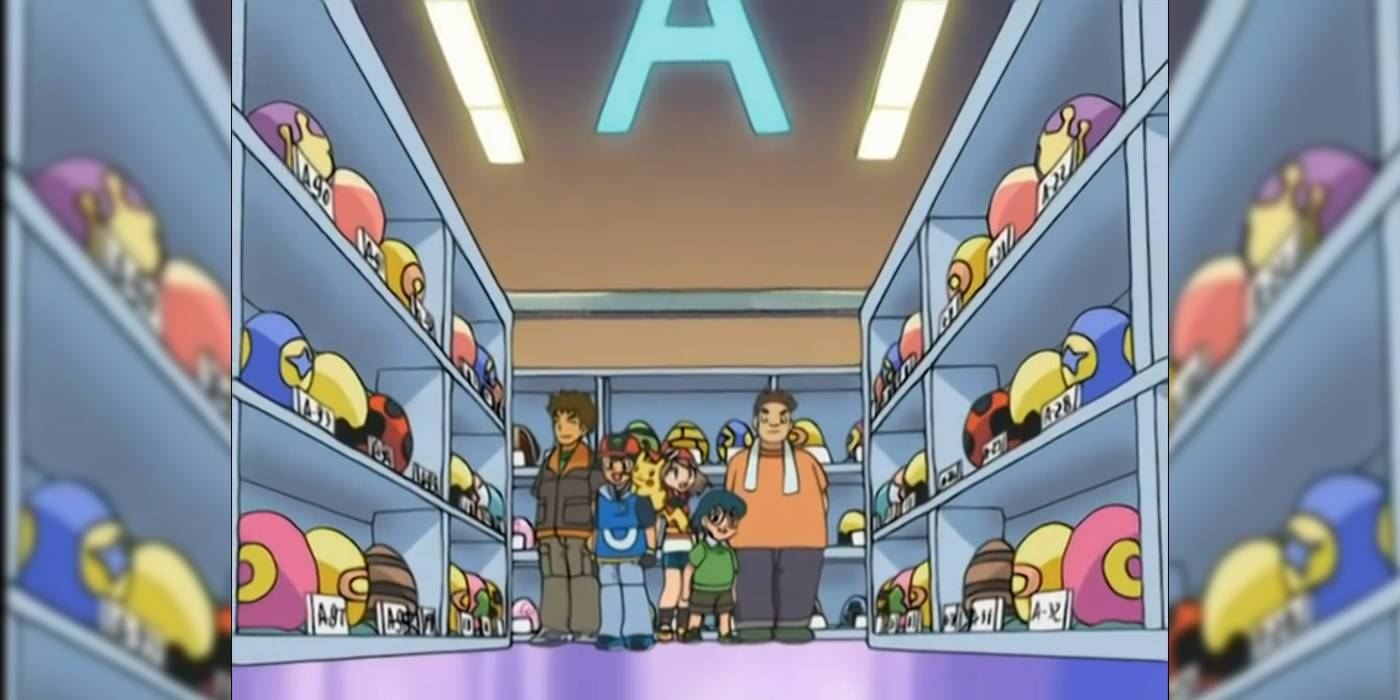
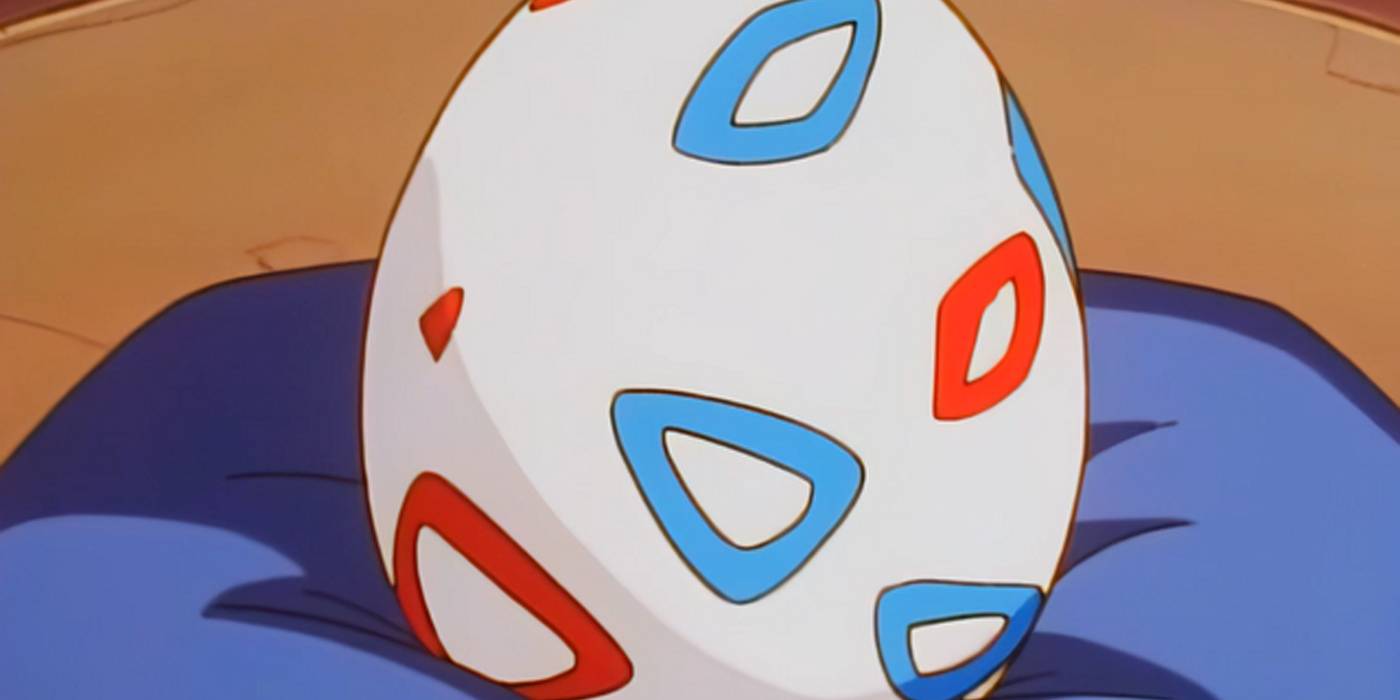
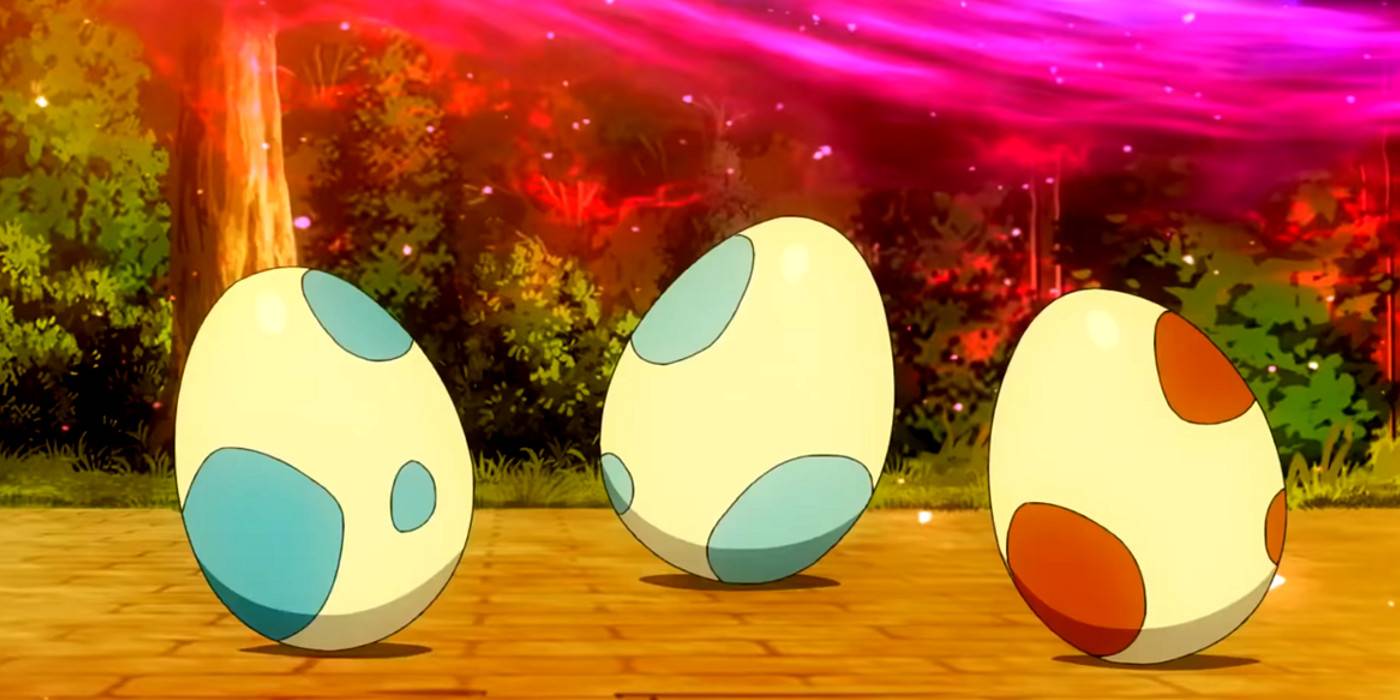
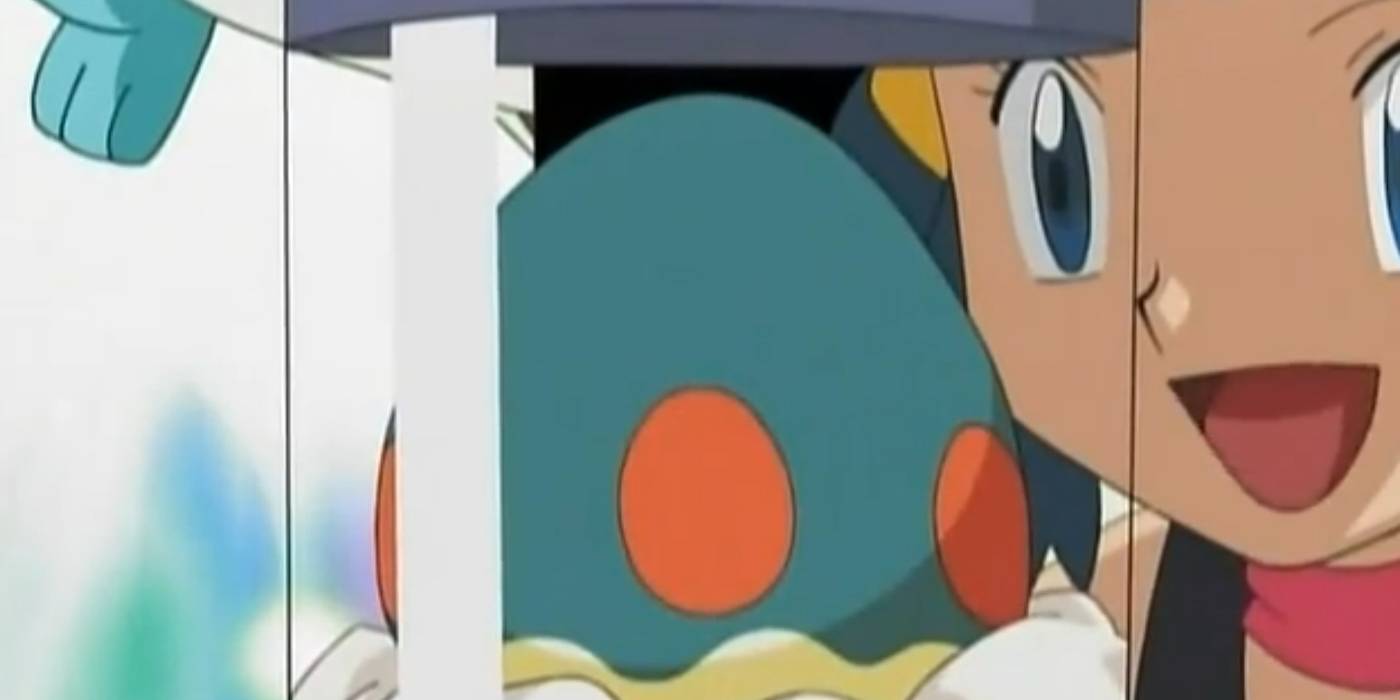
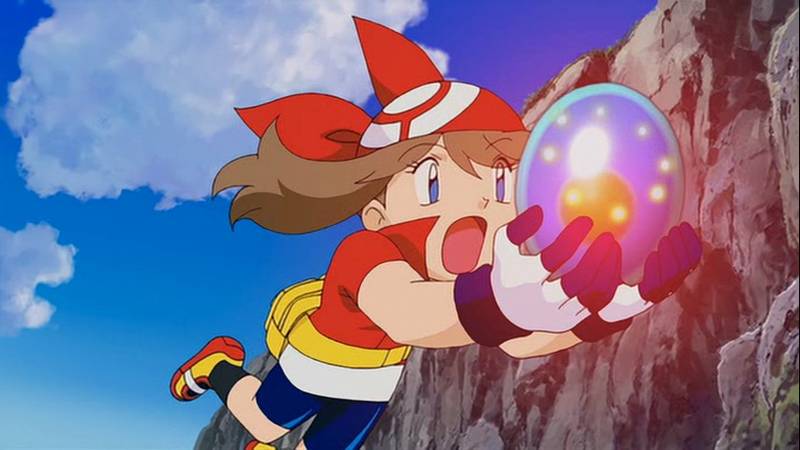





In the Pokémon video games, ever since their introduction in Gold and Silver, Pokémon Eggs have always been white with a few green spots on them. Regardless of species, all eggs are identical, and there's no way to know what will hatch until the time comes (unless one knows the parents). In the anime, however, Pokémon Eggs each look different depending on their species, as most notably seen with Togepi prior to it hatching. This is actually more consistent with concept art for Pokémon Eggs that showcased different appearances as well, but that may have been beyond the Game Boy's capabilities at the time. This was toned down in Journeys, where all eggs are spotted, but with different colors, more similar to Pokémon Go.
8 Pokémon Levels Don't Exist
A Pokémon's strength isn't measured by a number.

Pokémon in the video games have a simple measure of their power known as their level, which can range from 1 to 100. It's an abstraction to represent the creature's strength, of course, so it makes some sense that levels wouldn't appear in the anime. However, other abstractions, such as stats, are seemingly still in use in the anime, even if they're not shown, as Pokémon in the anime can still suffer effects like having their stats reduced. The lack of levels makes it so that every fight feels more fair, although the strength of a Pokémon can be implied in other ways, such as confidence, speed, or precision, making it more a case of "show, don't tell" when it comes to power.
7 Dramatic Evolutions Happen Mid-Battle
The anime's use of evolution is distinctly different from the games.

One of Pokémon's most iconic features is evolution, where a creature can transform into a more powerful form as it grows. In the games, evolution happens under a variety of conditions, but often depends on items or a Pokémon's level. Pokémon can only evolve after battle once the conditions are met, so an evolution in the middle of battle would never happen. However, the anime likes to use evolution as a dramatic power-up; a Pokémon that's on the ropes might just evolve in the midst of a fight, gaining a second wind and allowing them to turn the tables. This is definitely one of the Pokémon anime's favorite tricks, and it certainly does add a dash of drama to battles that might otherwise become stale.
6 Pokémon Moves Do More Than You Think
Moves can be used in unconventional ways in the anime.

As a video game, it's important that Pokémon attacks and moves do precisely what the player thinks they'll do, and are very consistent each time they're used. The anime, however, likes to use Pokémon moves in highly unusual ways, typically as part of a complicated strategy on Ash's part. Ash has creatively used Pikachu's electric attacks on his own Swellow to create "Thunder Armor", which raises their speed and attack power as a team. In the games, doing such a thing would merely result in knocking out one's own Pokémon. Sometimes these combo moves or unusual uses for moves are actually logical, but other times they seem to be pulled out of thin air.
5 Pokémon Can Disobey Weak Trainers
Just because it's your Pokémon doesn't mean it will listen.

Pokémon can disobey their trainers in the video games; however, this is only possible for traded Pokémon, and the risk goes away as one earns more badges throughout the game. But in the anime, a Pokémon may simply decide it no longer respects its trainer and will stop following orders. This famously happened with Ash's Charizard, which began to disobey after evolving due to its newfound power, but he's far from the only one, as it notably happens to Iris with her Excadrill as well. Getting them to obey again in the anime requires earning their trust anew, which may come from training together or acts of dedication from trainer to Pokémon.
4 Pokémon Battles Need Referees
Official Pokémon battles need a judge present.

While a Pokémon battle can happen any time and anywhere in the games, it's a bit more complex in the anime, as official matches require a third party to act as referee (or "Battle Judge"). Brock often served this role in the early days of the anime, presumably well-versed on Pokémon battle rules from his time as a gym leader. Battles can take place without a referee present, but these are generally just considered practice matches, or acts of defense, such as battling Team Rocket. The presence of a referee makes Pokémon battles feel more like a sport, and indeed, gym battles often have stands for an audience. Notably, some gyms are shown to have automated judging systems, meaning robotic referees are somewhat common.
3 The Pokémon League is a Tournament
The anime's tournament just makes more sense.


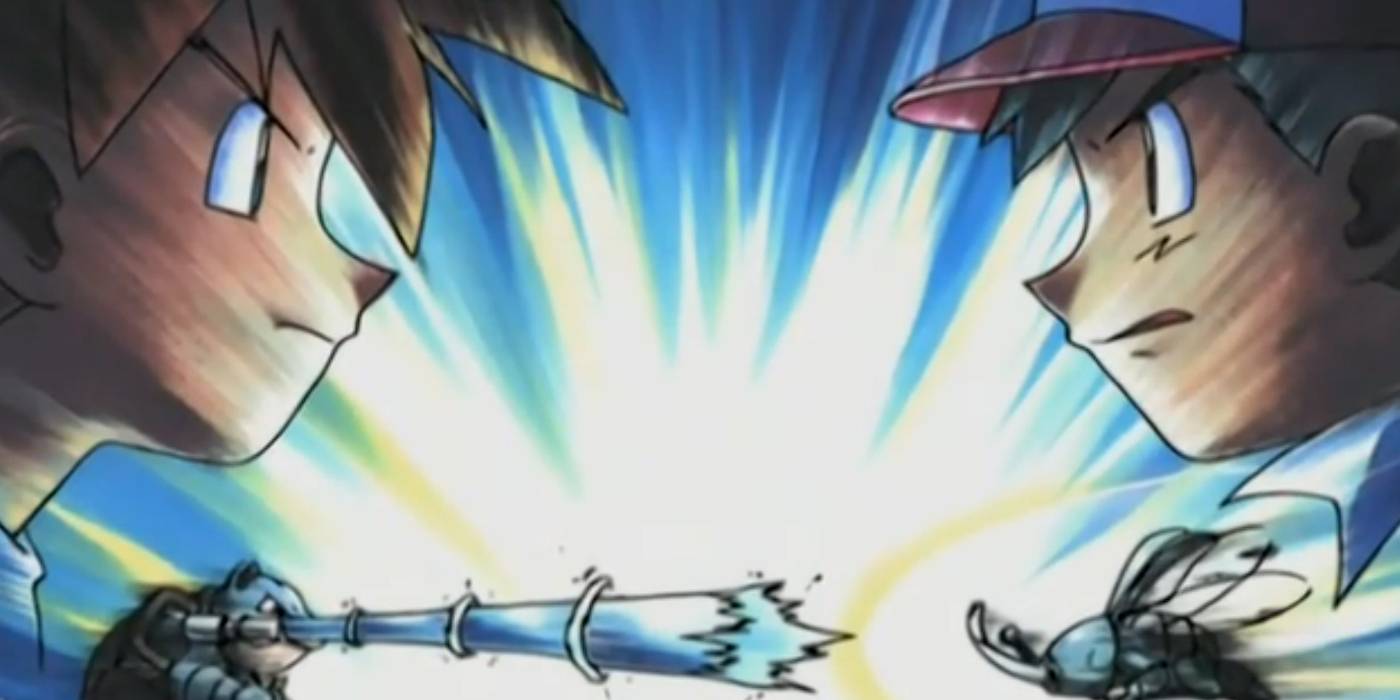
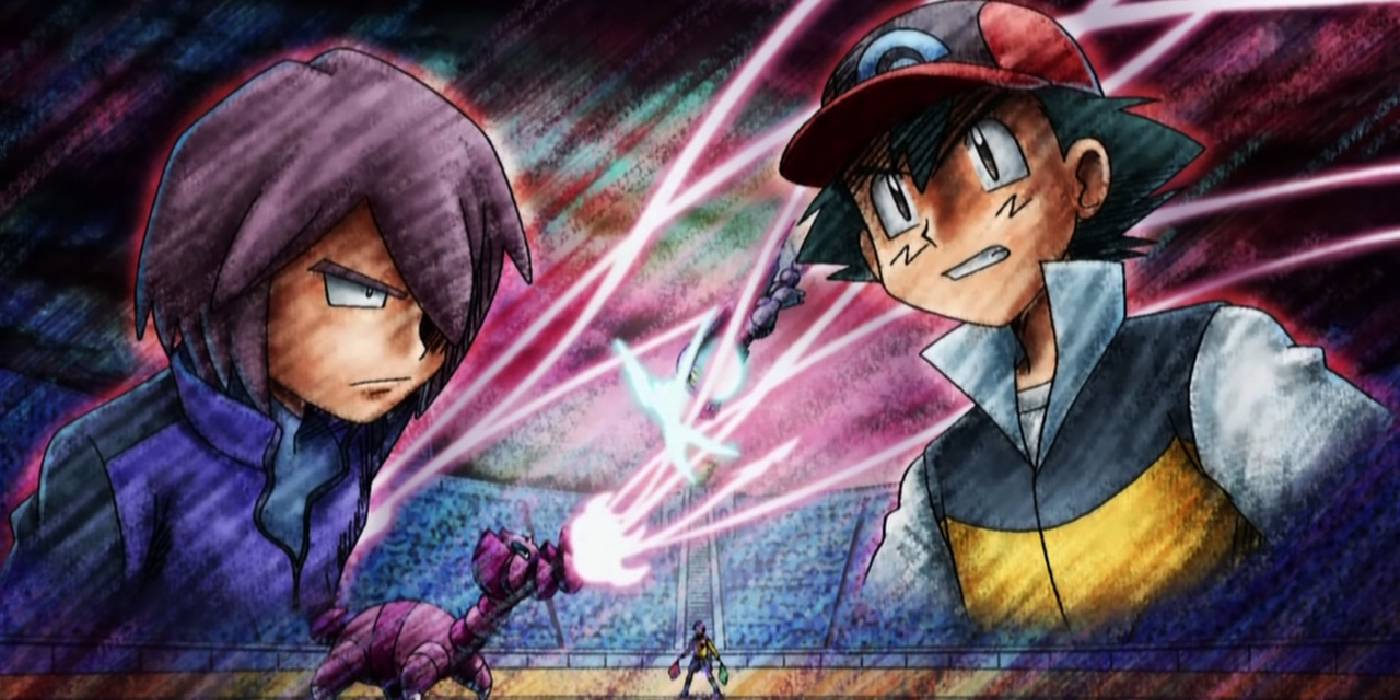
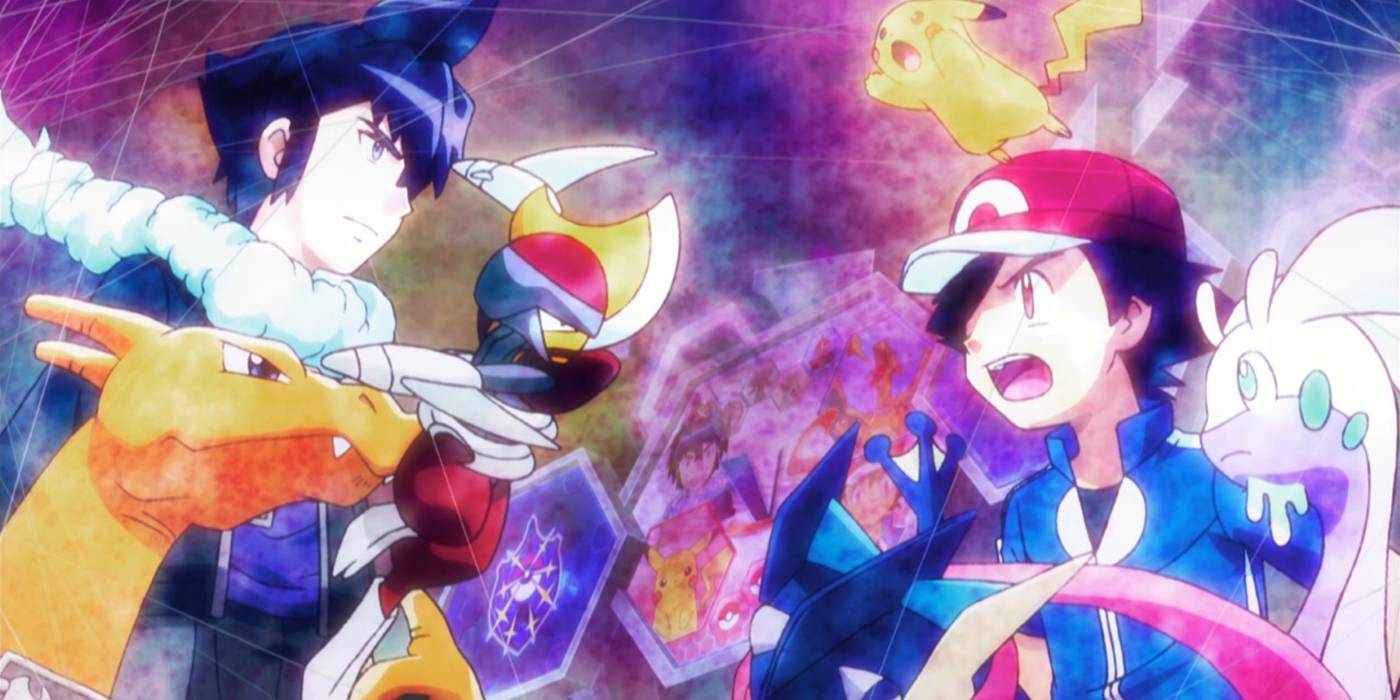
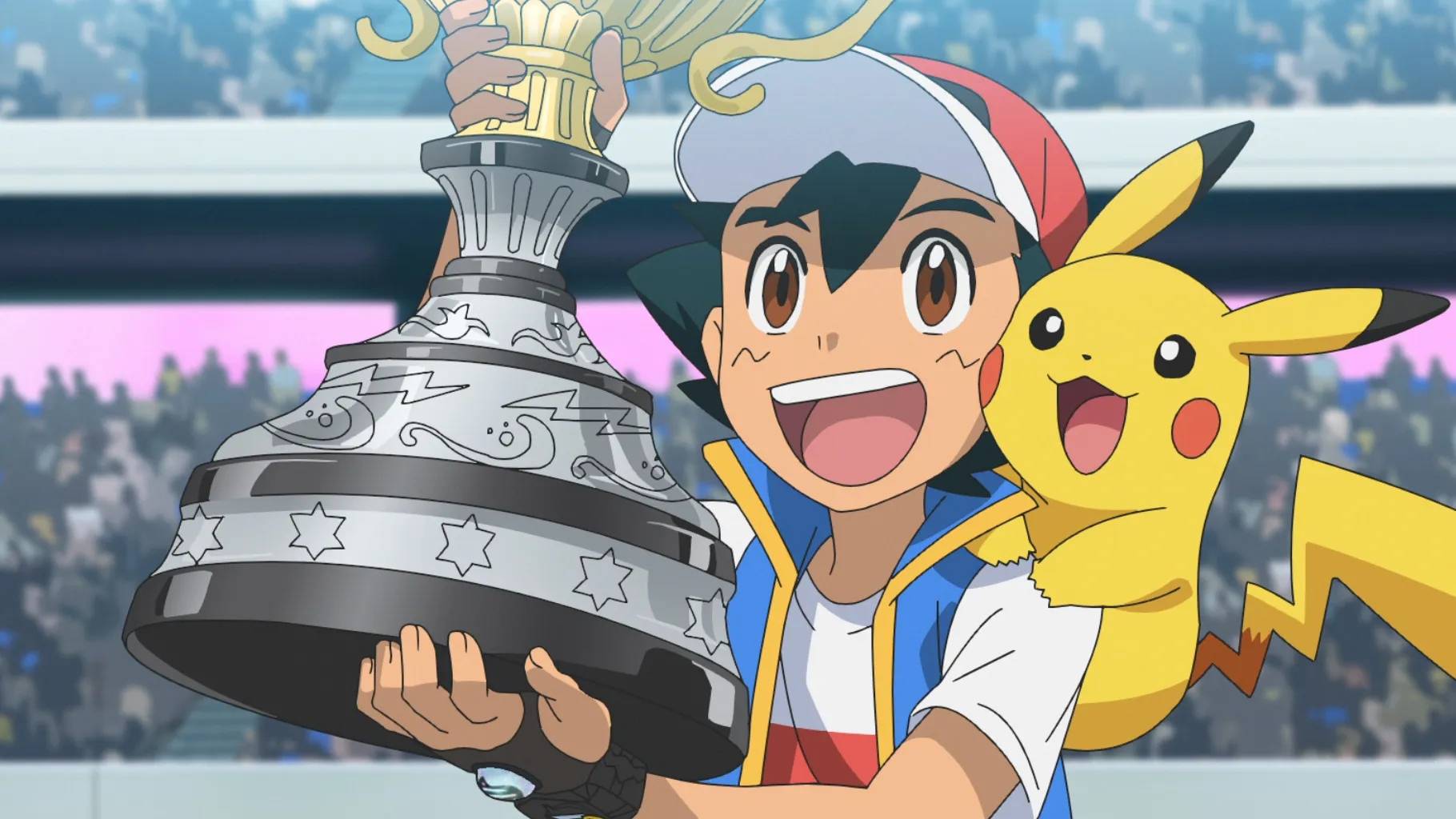
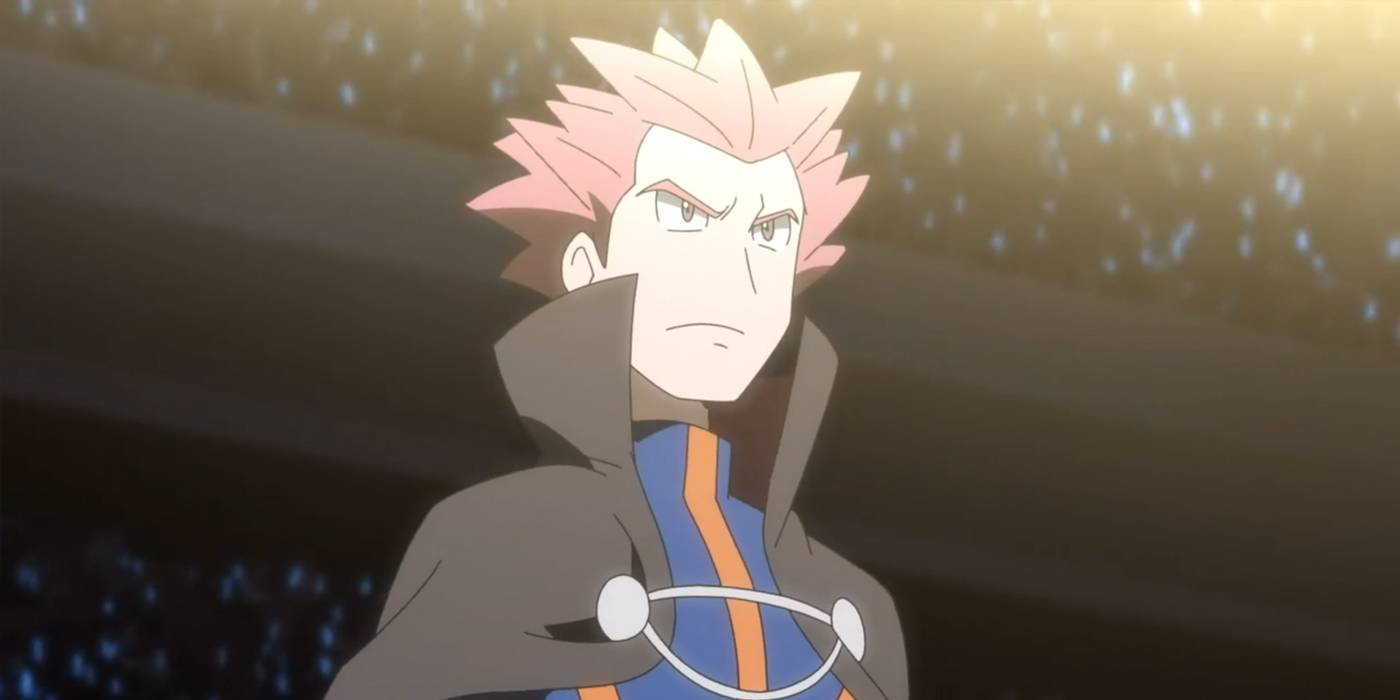





In both the games and the anime, it's important for trainers to collect 8 Pokémon badges from gyms around the region to prove their competence. After collecting those badges in the games, the player must face the Elite Four, a static line-up of difficult trainers, and then the reigning Champion. But in the anime, those who've collected 8 badges are entered into a tournament, where they instead battle against each other until one comes out on top. Interestingly, the Elite Four still exist in the anime, and occasionally make appearances, but exactly what their job is and how one goes about facing the Elite Four is never made clear.
2 The Pokémon Anime World is Far, Far Bigger
The anime's world feels much larger.

While the Pokémon anime usually borrows the locations from the games for all important moments, it also takes time to expand on the regions as they're depicted in the games, by adding new towns and landmarks that don't appear otherwise. These new areas help make the world feel like a larger, more real and lived-in place, with trips between towns taking days rather than minutes. The anime-original areas often relate to a certain Pokémon that happens to be prominent in the area, making them good settings for monster-of-the-week episodes that the anime is so fond of.
1 Pokémon Battles Aren't Turn-Based
There's no need to wait for an enemy to attack.


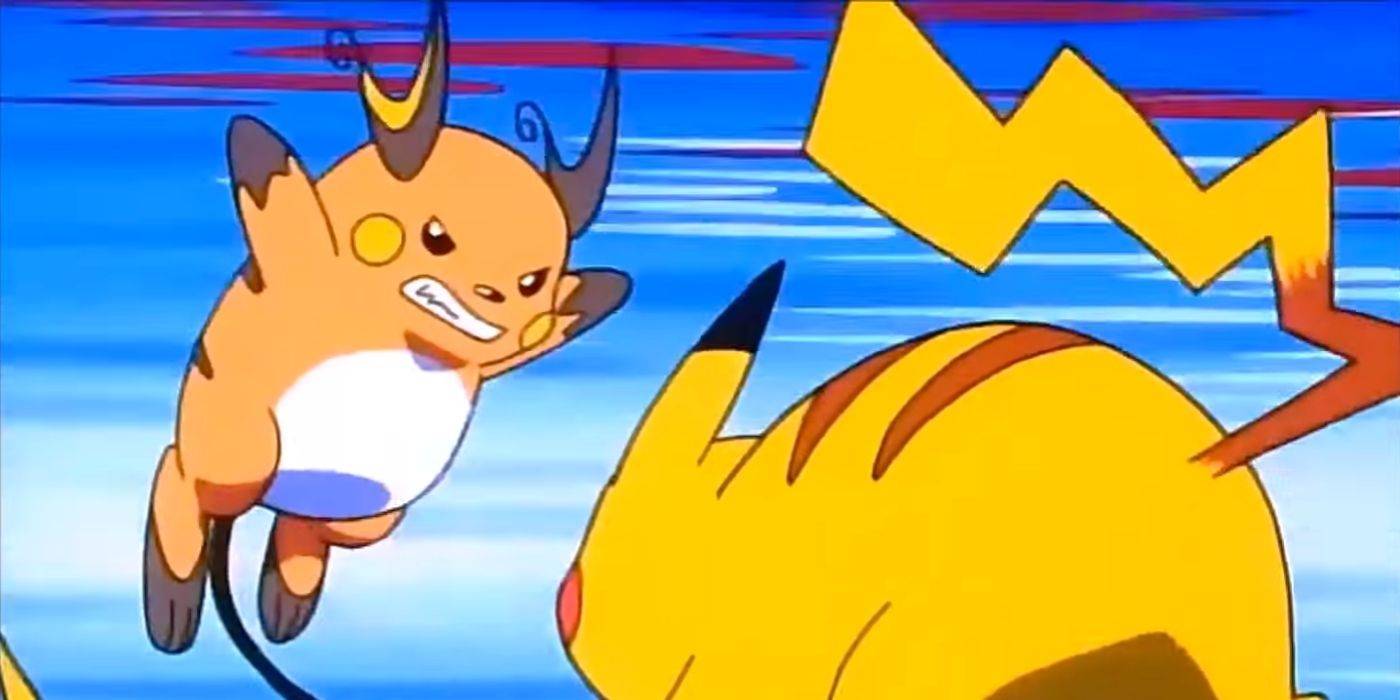
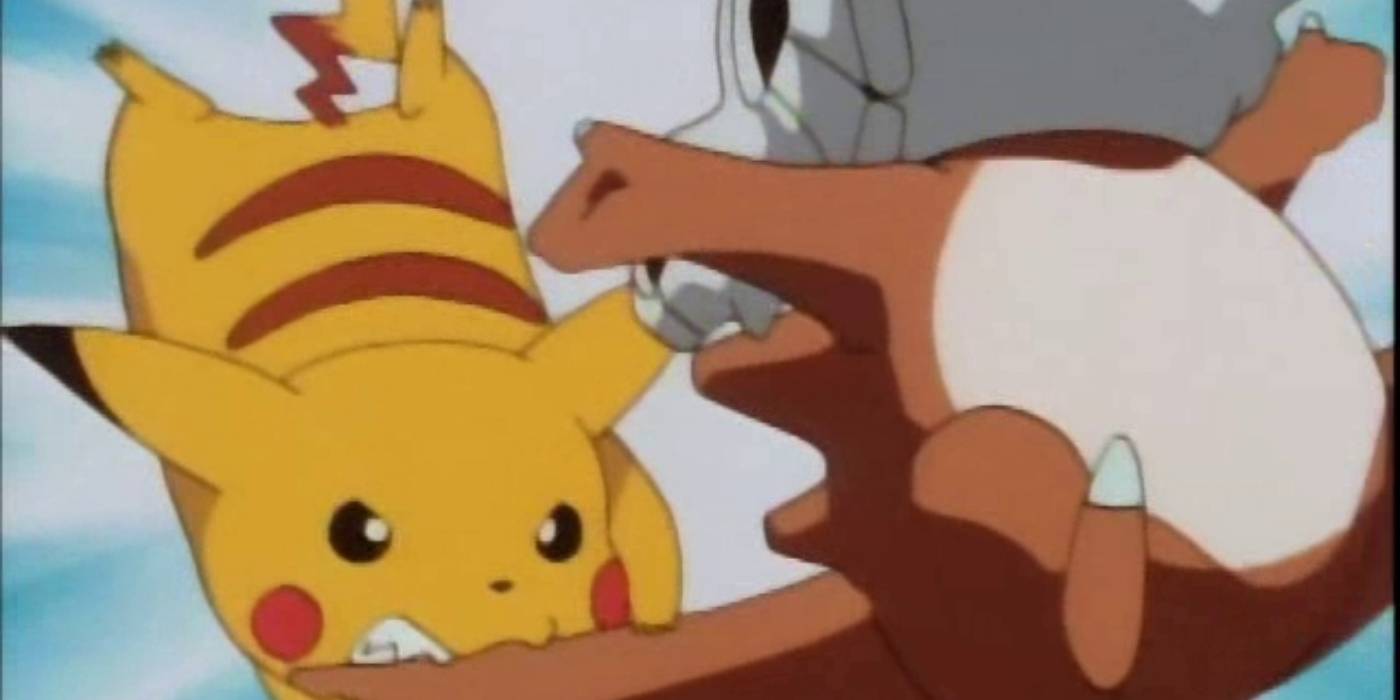
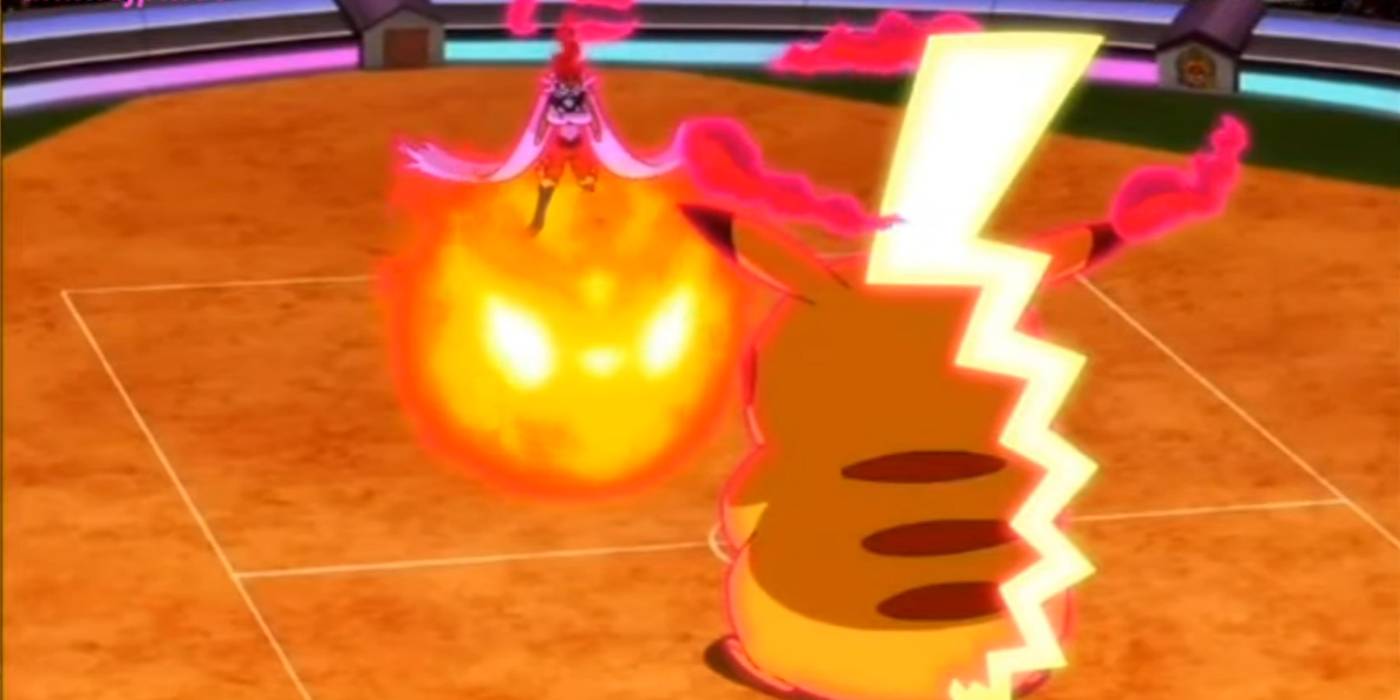
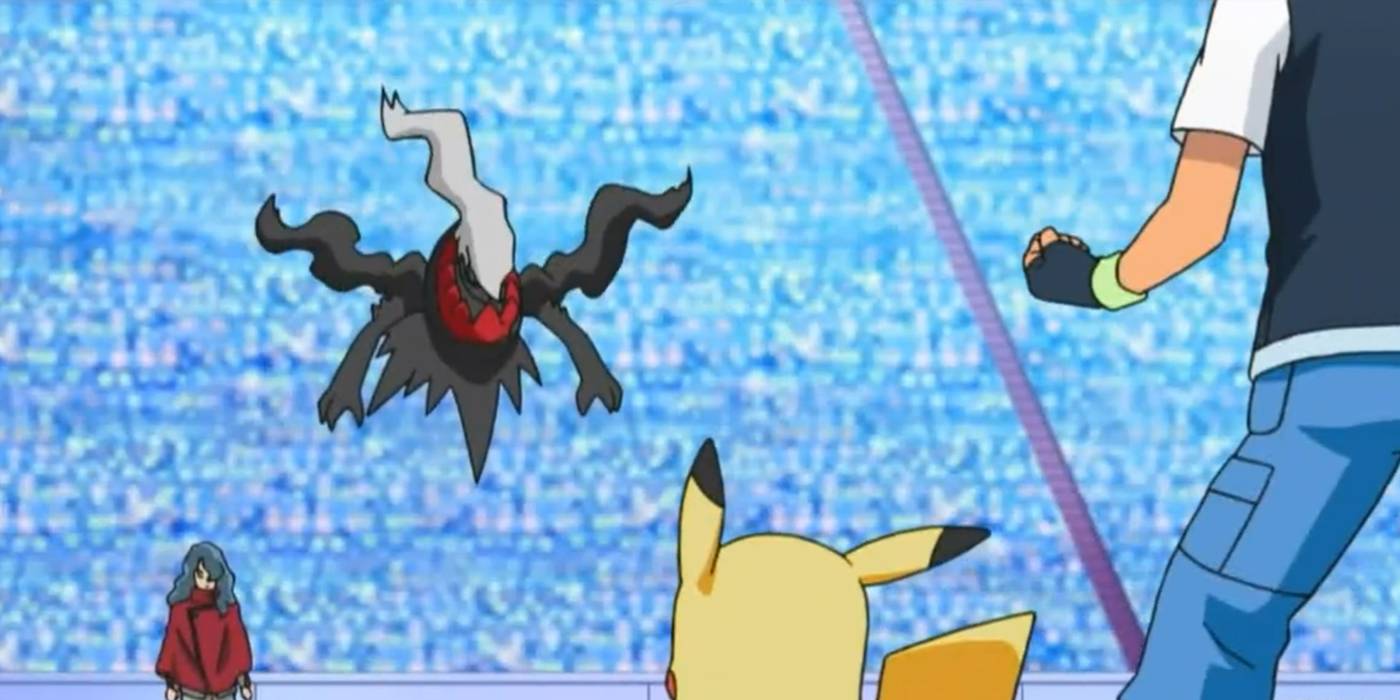
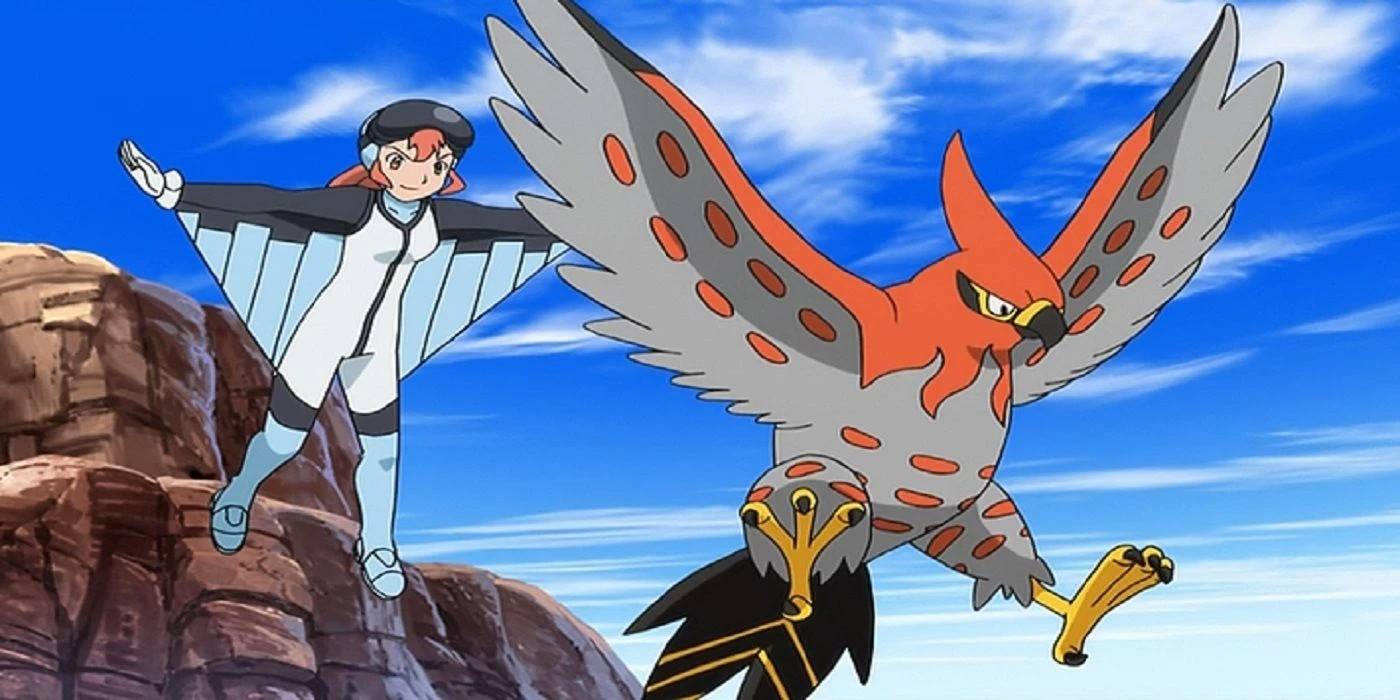





By far, the biggest difference between the Pokémon anime and games is the way that battles work. The games use a turn-based system, with the first attack determined by a Pokémon's speed stat, but that's obviously not very realistic to life. As such, the anime shows trainers issuing multiple commands at a time, or back-to-back commands without allowing their opponent a chance to react. The anime also allows trainers to issue a "Dodge" command that's not present in the games, helping their Pokémon to avoid hits. This does, however, allow battles to sometimes become beatdowns, where a Pokémon is hit repeatedly by the same opponent without reacting--which, incidentally, also helps to showcase a Pokémon's strength in a manner besides level.
Pokémon is available on multiple streaming services, including Netflix and Hulu.
