


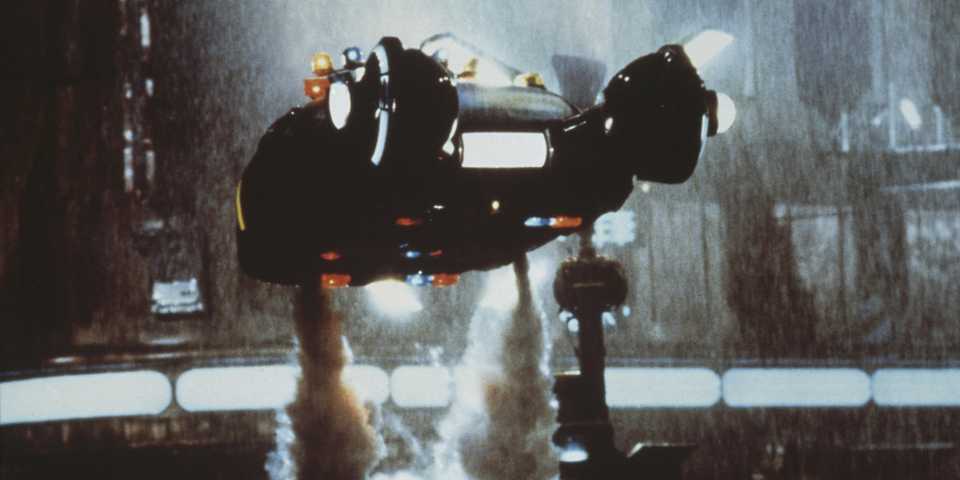
While both Blade Runner movies struggled at the box office, Prime Video’s upcoming Blade Runner 2099 can make up for these letdowns. The many different cuts of Blade Runner prove just how unwieldy the original movie’s complex plot was. Director Ridley Scott’s follow-up to his smash hit Alien was a sci-fi noir mashup that mixed detective tropes with a futuristic setting.
Originally released in 1982, Blade Runner was an adaptation of Philip K. Dick’s novel Do Androids Dream of Electric Sheep? which initially failed at the box office. Its 2017 sequel Blade Runner 2049 didn’t fare much better, with director Dennis Villeneuve’s long-awaited follow-up earning only $276 million on a massive budget of over $180 million.
Both Blade Runner Movies Were Box Office Flops

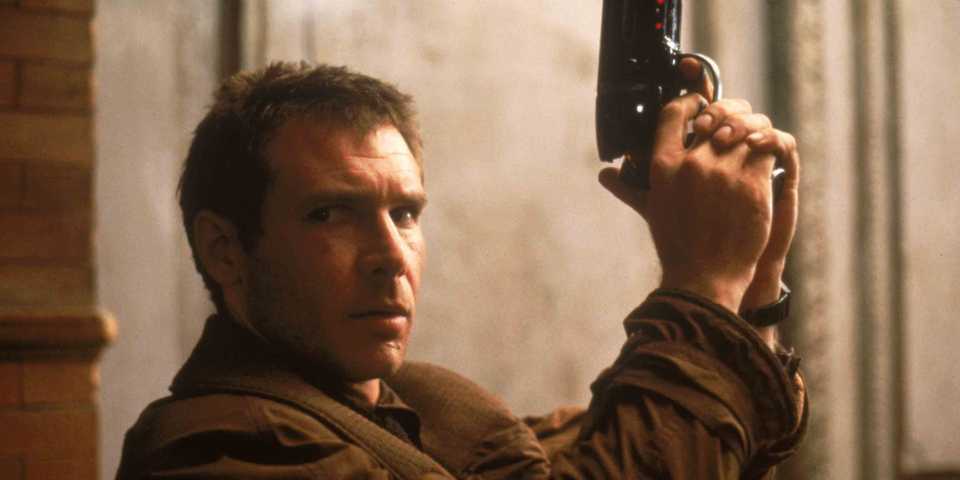
Critics struggled with Blade Runner when Scott’s sci-fi masterpiece was first released, but the movie’s legacy was redeemed over time. Gradually, the Harrison Ford vehicle came to be seen as a prescient, influential piece of sci-fi cinema history, which made its sequel inevitable. Blade Runner 2049’s box office failure was ameliorated by a comparatively warm reception from critics.
Villeneuve’s ambitious sequel was well-liked by reviewers upon its original release, but failed to resonate with audiences. Despite this, Prime Video’s upcoming series Blade Runner 2099 will serve as a sequel to the movie. Starring Michelle Yeoh, Hunter Schafer, and Tom Burke, this series promises to solve the franchise’s biggest problem.
Blade Runner: 2099 can make up for Blade Runner: 2049’s box office underperformance since the show is a streaming series, so there won’t be as much immediately obvious pressure on its financial success as there was on the sequel’s box office. Furthermore, the series makes a canny decision when it comes to the franchise’s plotting.
Blade Runner 2099 Can Slowly Win Over Audiences

Blade Runner: 2099 moves on from the original movie’s story. In contrast, Deckard’s major role in Blade Runner: 2049 meant the movie very much existed in the shadow of Ridley Scott’s original.
The story of Yeoh’s Olwen, a replicant nearing her end of life, Blade Runner: 2099 promises a fresh perspective on the franchise’s world. Its longer runtime also means that the story of Blade Runner: 2099 can win over audiences gradually, whereas both movies needed to set up a lot of complex world-building and lore in a very limited amount of screen time.
TV Might Be The Best Medium For Blade Runner Stories

As such, the Prime Video show may even prove that television has always been the best medium for the franchise. The Blade Runner movies might not have resonated with audiences when they were first released, but there will be less pressure placed on Blade Runner: 2099’s longer, more immersive story when the show arrives in 2026.


Blade Runner
- Release Date
- June 25, 1982
- Runtime
- 118 minutes
- Director
- Ridley Scott
- Writers
- David Webb Peoples, Hampton Fancher, Philip K. Dick
- Producers
- Michael Deeley, Run Run Shaw




Cast
-
 Deckard
-
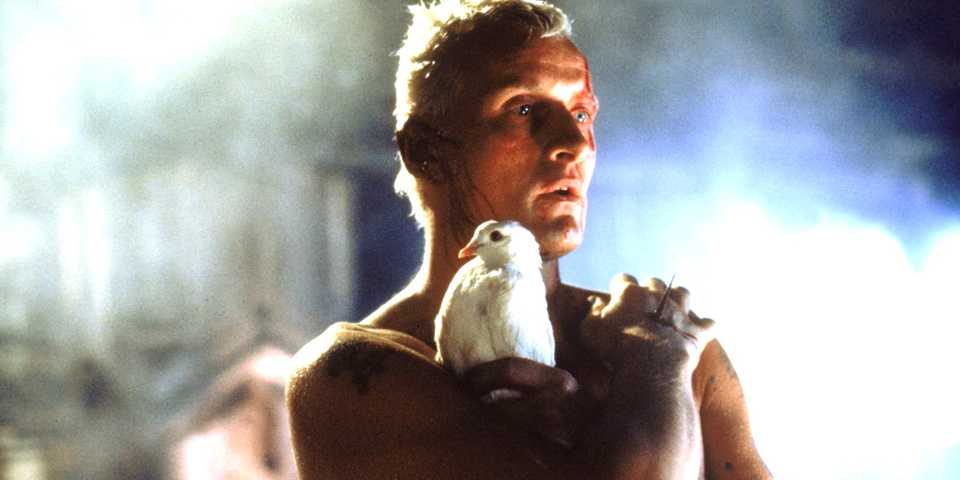
 Rutger HauerBatty
- Sequel(s)
- Blade Runner 2049
- Franchise(s)
- Blade Runner

