


Breaking Bad is one of the most successful and popular TV shows ever made. There are plenty of hit shows — new ones premiere every single year — but the praise for Breaking Bad was something else. It was hailed as the greatest TV show ever made, and it remains hugely popular to this day.
The acclaim for Breaking Bad is matched only by all-time greats like The Wire and The Sopranos, but Breaking Bad is even more popular with audiences. How did this darkly comic little show about a meth-cooking nerd become one of the biggest TV hits of all time?
7 Breaking Bad Was Critically Acclaimed From The Beginning
Critics Were Always Kind To The Show


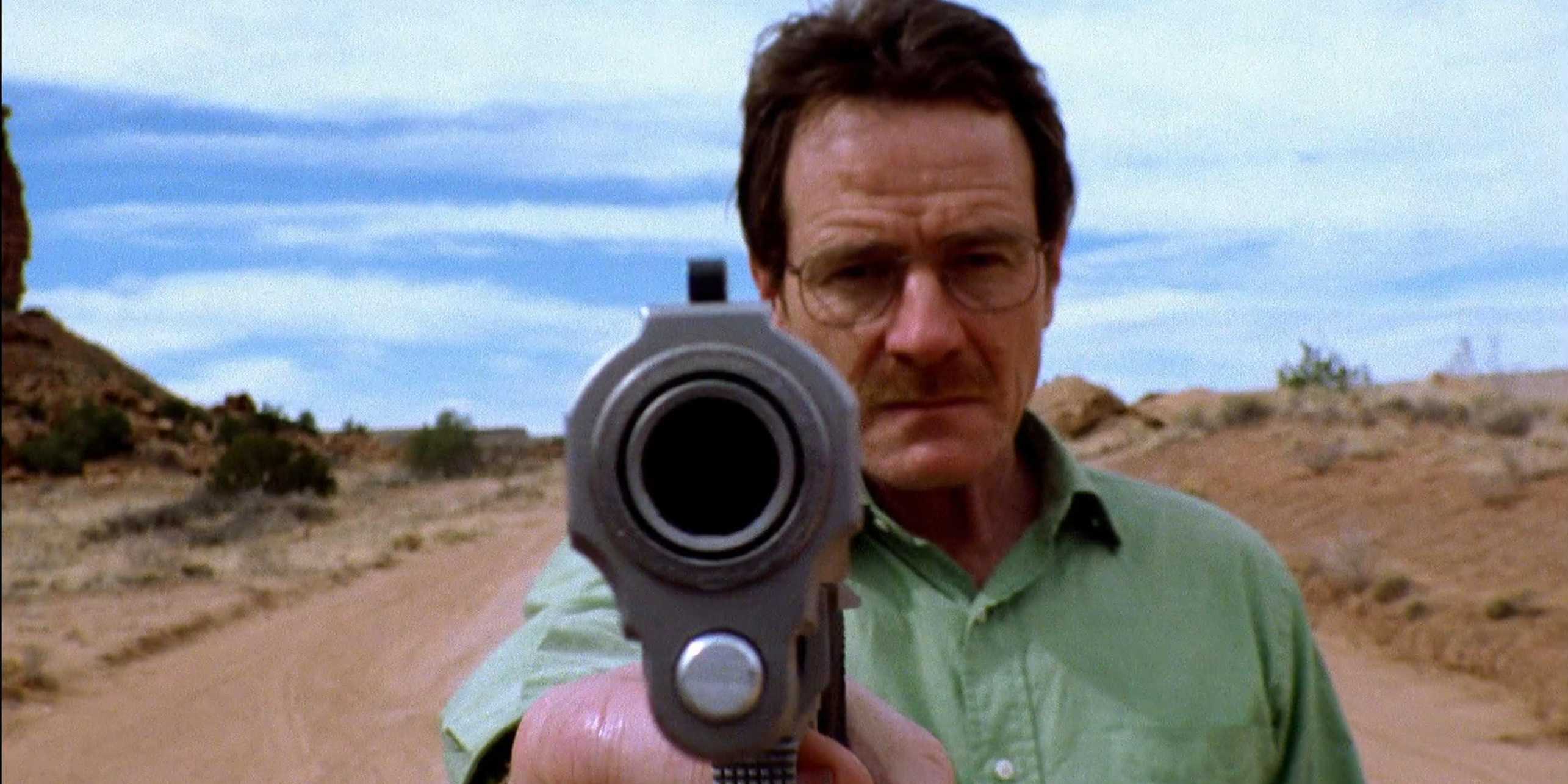
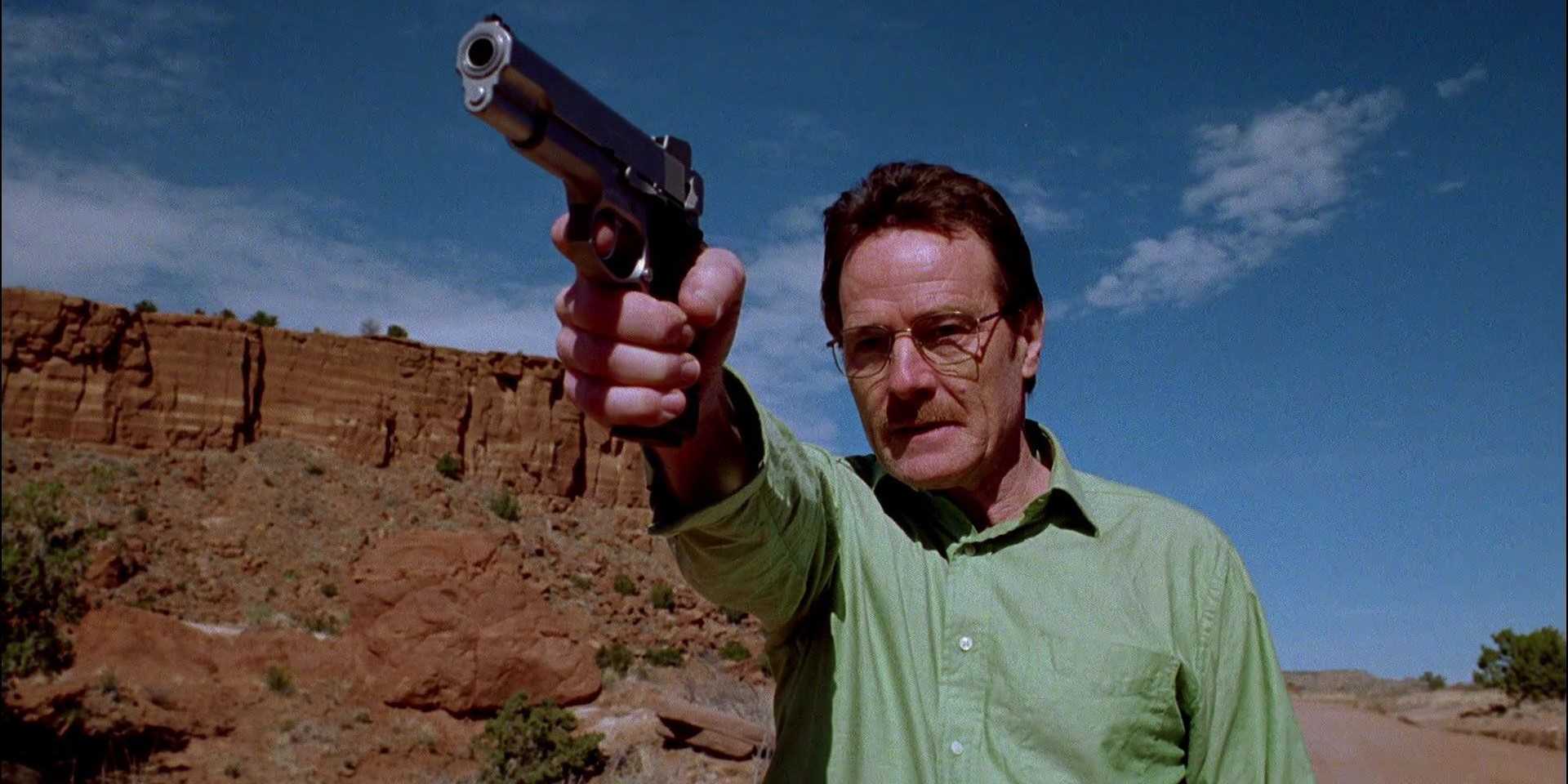
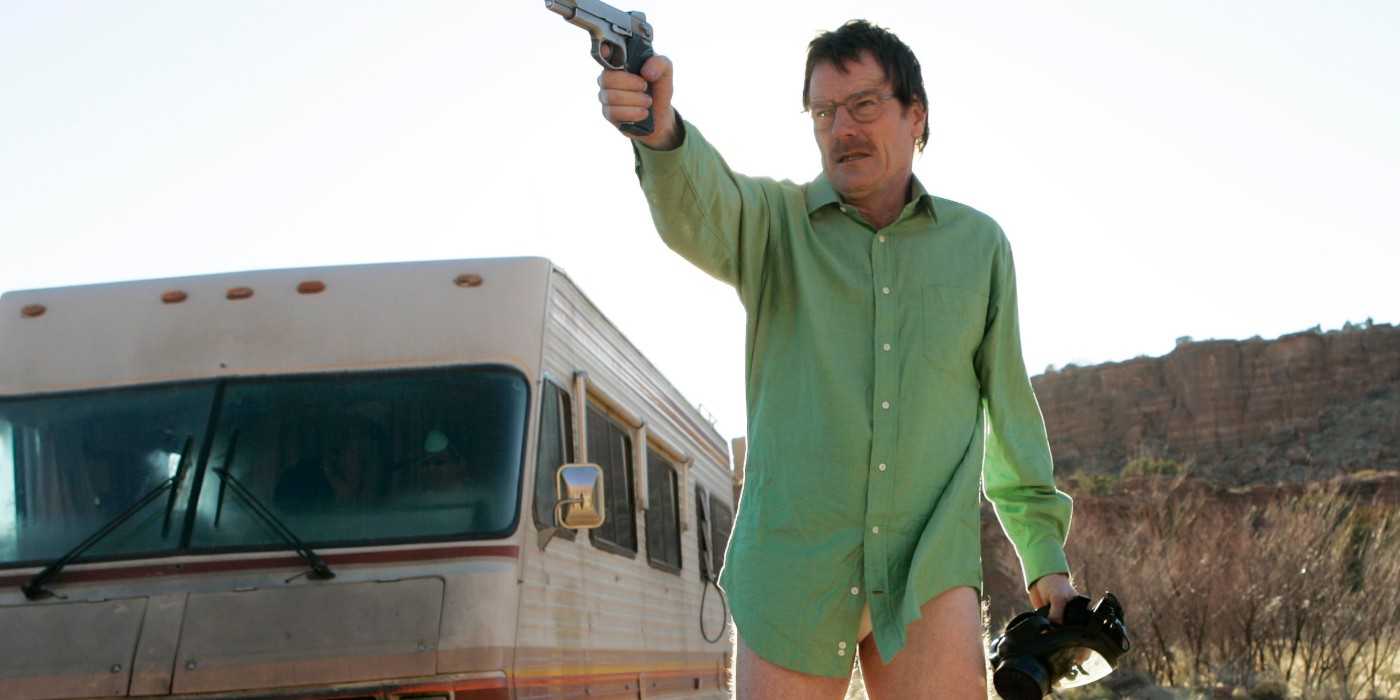
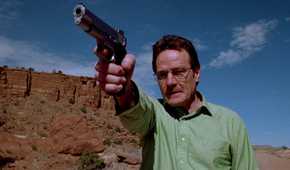

Although it struggled to reach viewers in the beginning, Breaking Bad was widely praised by critics from the start. The first season has a “fresh” Rotten Tomatoes score of 86%, with reviews praising Bryan Cranston’s performance, the show’s pitch-black humor, and the gripping momentum of the plot.
The pilot episode received four Emmy nominations. Vince Gilligan was nominated for directing it and John Toll was nominated for shooting it, while Cranston won Outstanding Actor and Lynne Willingham won Outstanding Single-Camera Picture Editing. If the very first episode warrants that kind of awards attention, then the series is probably worth checking out.
One mixed review described it as Weeds directed by the Coen brothers (which, frankly, sounds like a compliment).
The reviews weren’t universally positive — one mixed review described it as Weeds directed by the Coen brothers (which, frankly, sounds like a compliment) — but there were much more positive critical reactions than negative. It was only a matter of time before audiences caught onto these reviews and gave the show a chance.
6 Breaking Bad Has A Unique Premise That Grabbed People's Attention
A High School Chemistry Teacher Becomes A Meth Kingpin?

If a show can be summed up with an intriguing one-sentence elevator pitch that makes it sound like nothing else on TV, then word-of-mouth will spread and more people will find it. Orphan Black opens with a woman witnessing the death of someone who looks exactly like her — that’s a unique hook.
The umpteenth show about cops solving cases in a precinct or lawyers defending clients at a law firm probably won’t grab anyone’s attention. But a show about a high school chemistry teacher who’s diagnosed with cancer and becomes a meth cook to pay his medical bills will definitely turn some heads.
If you told that logline to a co-worker by the water cooler (remember, this was 2008), then they’d at least be interested enough to look into it.
If you told that logline to a co-worker by the water cooler (remember, this was 2008), then they’d at least be interested enough to look into it. Not everyone who was intrigued by that premise would stick with the series — especially given how violent it is — but that unique, well-executed premise went a long way toward building an audience.
5 Breaking Bad Found New Viewers On Netflix
It Was Tailor-Made For The Binge-Watching Experience

When Breaking Bad ended and swept the Emmys, Gilligan explained that the series might’ve been canceled after its second season if not for the rise of streaming. In a way, Netflix saved Breaking Bad from an early grave. The show wasn’t getting enough viewers on its traditional broadcast home of AMC, so it almost got the axe.
Netflix launched its streaming service in 2007.
But when video-on-demand services became popular and Breaking Bad started streaming on Netflix, it reached a much wider audience. Breaking Bad is a slow burn, and its serialized narrative requires audiences to watch every single episode in order. Both of these things hurt it on traditional TV, where audiences had to tune in at a specific time and only got one episode a week.
But it was perfect for the streaming model. Breaking Bad’s serialized story of gradual change was tailor-made for the binge-watching experience (before binge-watching was even a thing). Streaming on Netflix was a watershed moment in Breaking Bad’s popularity. It went from an obscure little cult show to a global smash hit.
4 Every Season Of Breaking Bad Was Better Than The Last
The Show Never Had A Dip In Quality

One of the reasons Breaking Bad became so popular, and why it endures as a classic to this day, is that it never had a bad season or a dip in quality. Shows like The Simpsons and The Walking Dead lost viewers over time, because they peaked and then kept going with increasingly weak seasons.
But every season of Breaking Bad was better than the last, so every season picked up new viewers and continued the spread of positive word-of-mouth. Each season raised the stakes and deepened the character development. Even Breaking Bad’s worst-rated episode, “Fly,” is a profound, philosophical masterpiece.
3 Breaking Bad Revolutionized The Way Television Works
Vince Gilligan Used Long-Form Storytelling To Chronicle A Character's Change

One of the things that made Breaking Bad so noteworthy is that it revolutionized television. It wasn’t just a really well-made, really well-acted, and really well-written TV show (which would be more than enough to earn it a sizable fan base); it actually changed the way TV shows work.
Until Breaking Bad came along, television was driven by maintaining a status quo. It maintained the same premise and kept the same characters in the same place for as many episodes as possible. But Gilligan realized that this long-form medium was the perfect vehicle for a story about change.
Gilligan famously set out to turn Mr. Chips into Scarface.
Gilligan famously set out to turn Mr. Chips into Scarface. He started out with a kind, affable, mild-mannered teacher, and over the course of five seasons, he would turn him into a cold-blooded monster who would sell his partner into slavery and come at his family with a knife.
2 Bryan Cranston Gave One Of The All-Time Great Performances
Cranston Was Previously Known As The Dad From Malcolm In The Middle


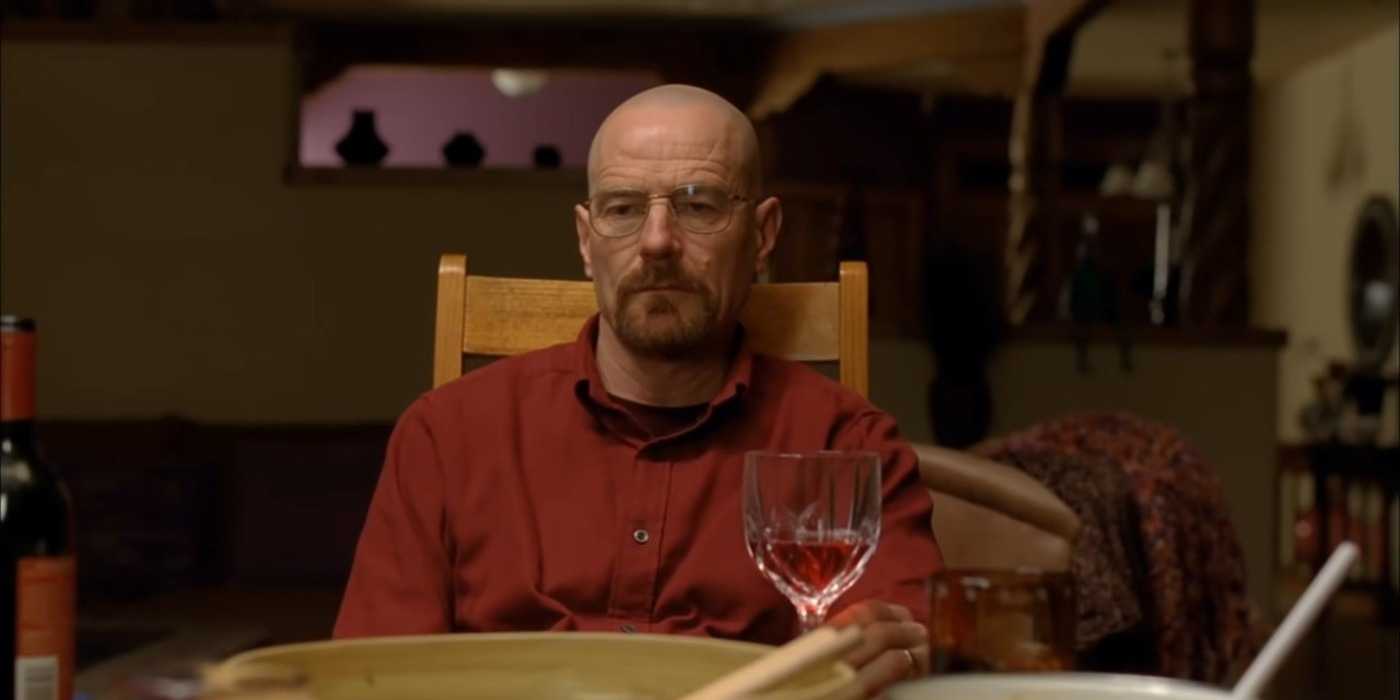
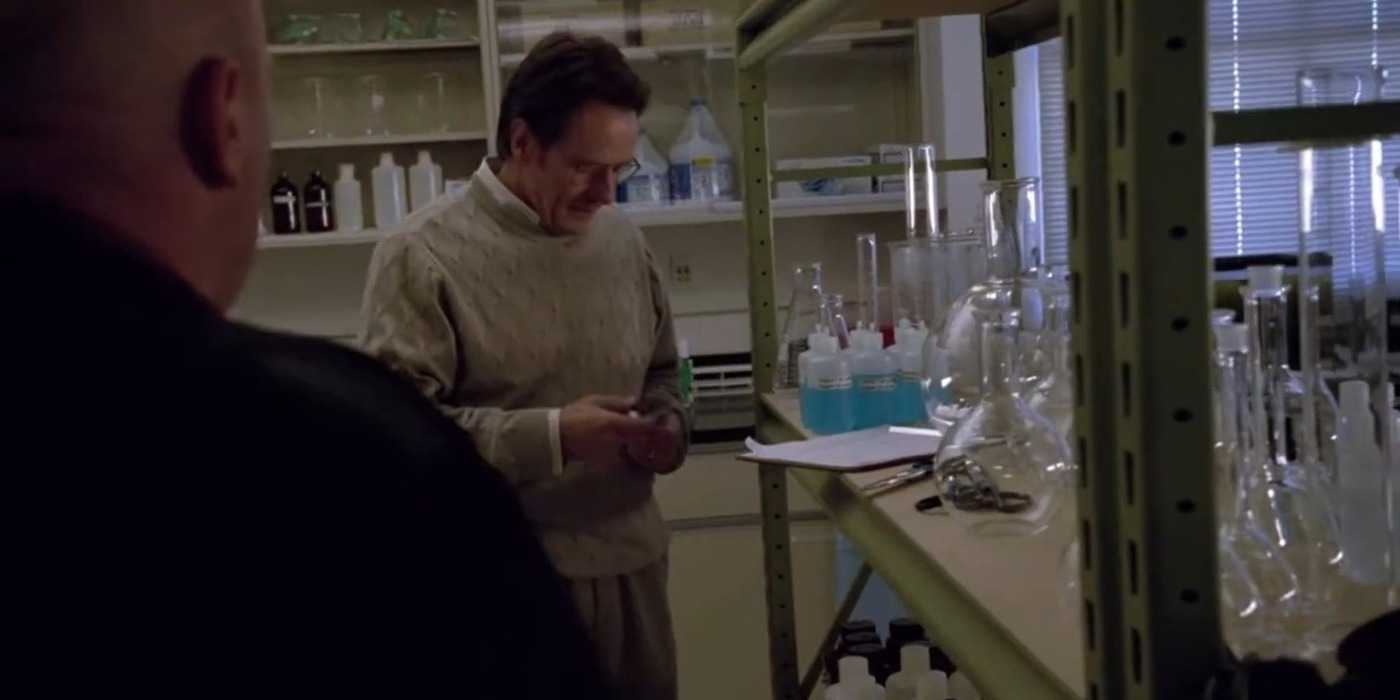
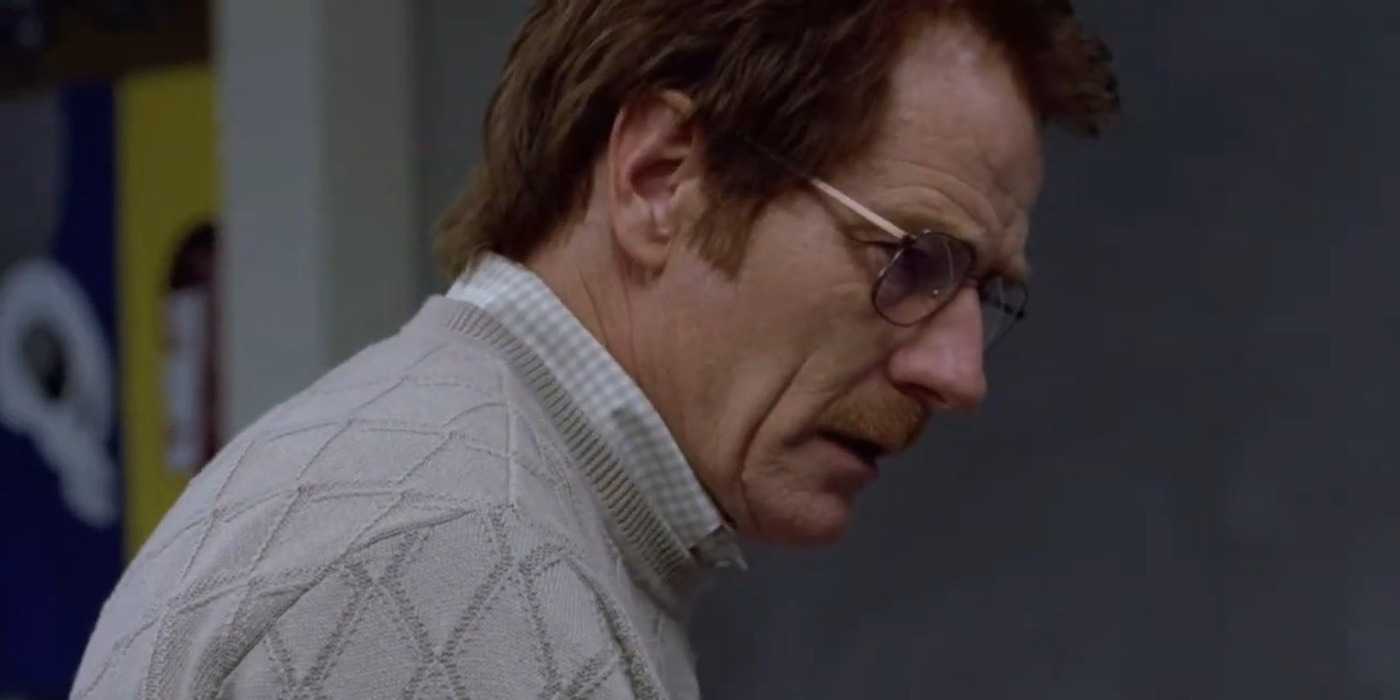
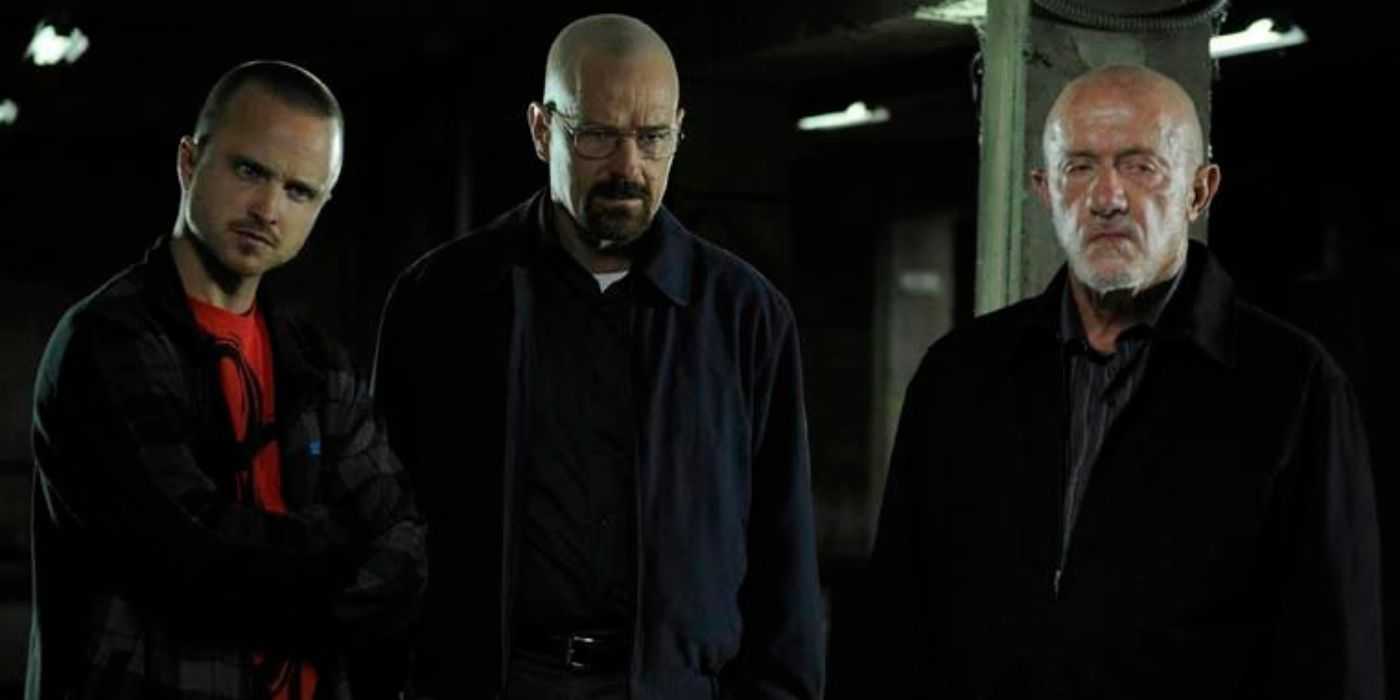
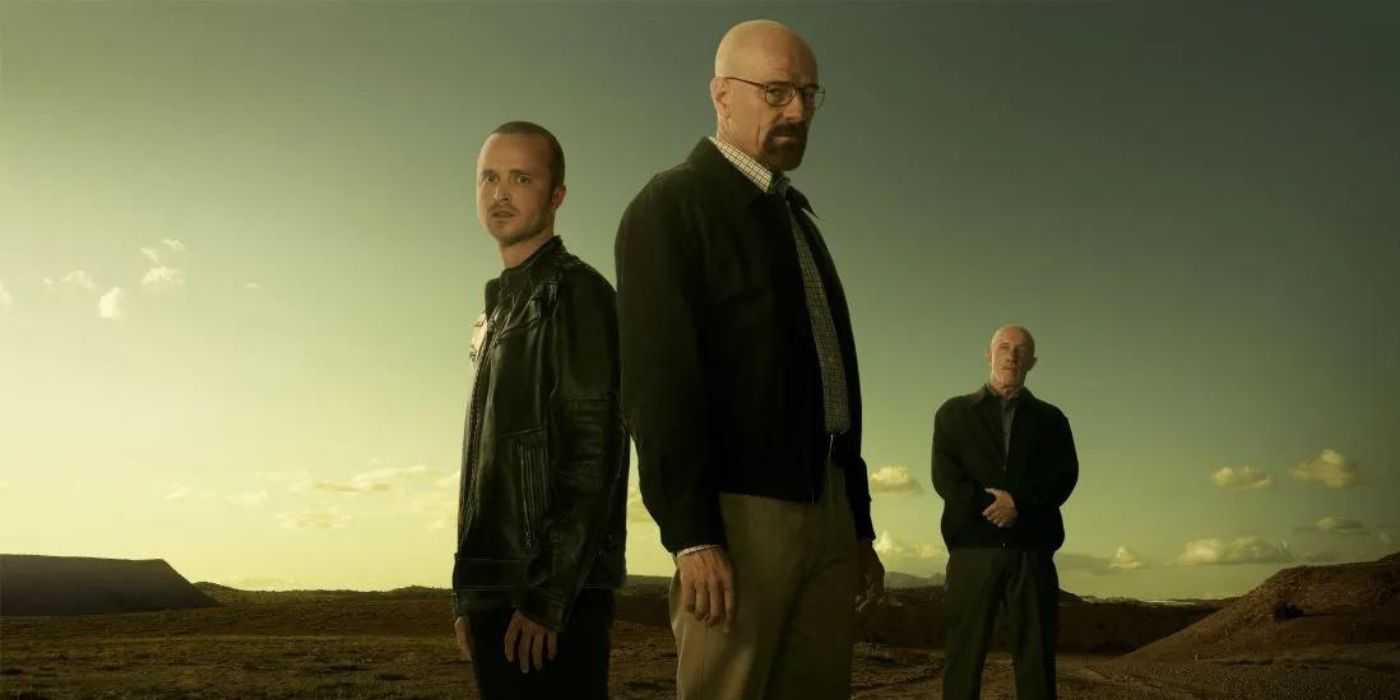


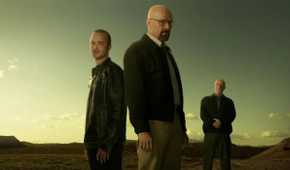
When he was cast in Breaking Bad, Cranston was mainly known as Hal from Malcolm in the Middle. And in the early episodes of Breaking Bad, he gave a similar turn as a similar dorky dad. But as the series went on, and Walt let his true evil nature show, Cranston revealed the full extent of his acting abilities.
Bryan Cranston won four Emmys for Outstanding Lead Actor for his performance in Breaking Bad.
Walt’s transformation from Mr. Chips into Scarface is fully believable, and it’s all thanks to Cranston’s incredible performance. He sold every emotion, every dark turn, and every cold stare. Cranston’s work in Breaking Bad is one of the finest performances given by any actor across any medium in the history of the craft — that’s not hyperbole; he’s just that good.
A really impressive performance is always going to get people talking. Audiences were drawn to The Sopranos because of James Gandolfini’s sympathetic portrayal of a ruthless mob boss. They were drawn to Mad Men because of Jon Hamm’s performance as a suave, charismatic ad executive haunted by a dark past.
1 Breaking Bad Stuck The Landing With Its Series Finale
It's Rare That A Serialized Drama Like This Has A Satisfying Ending


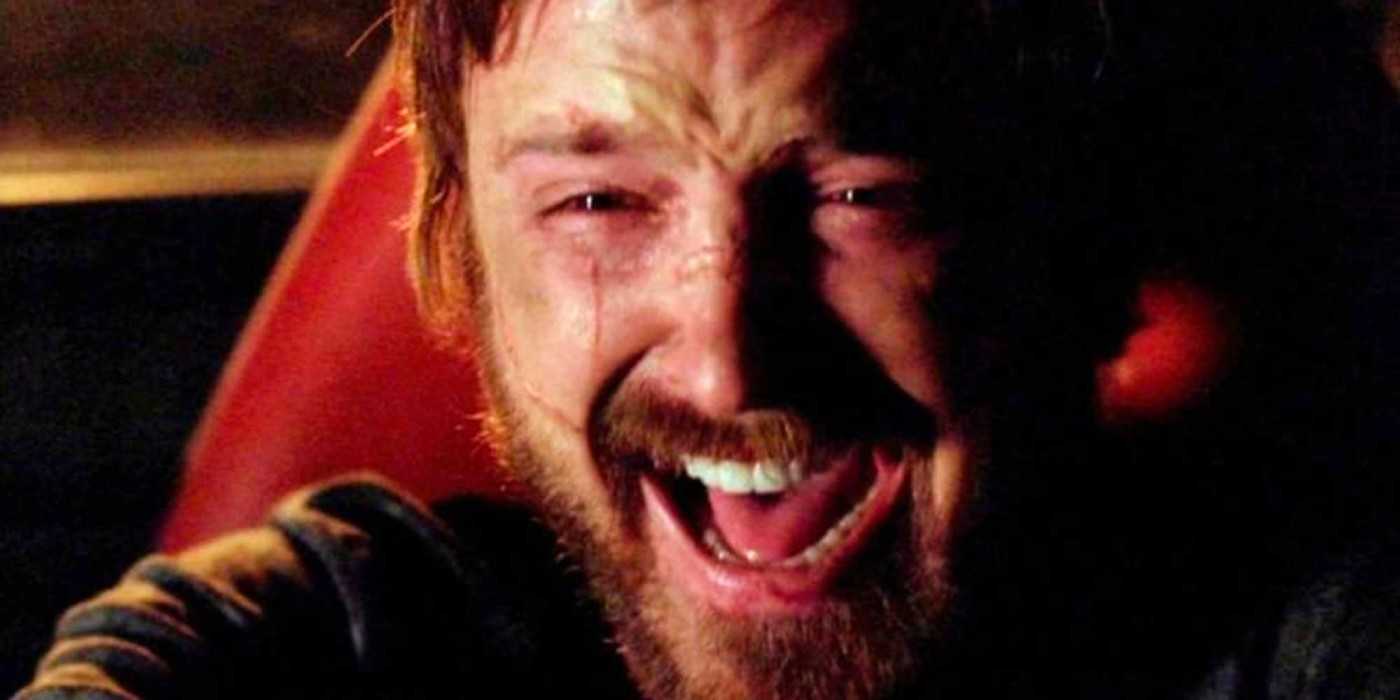
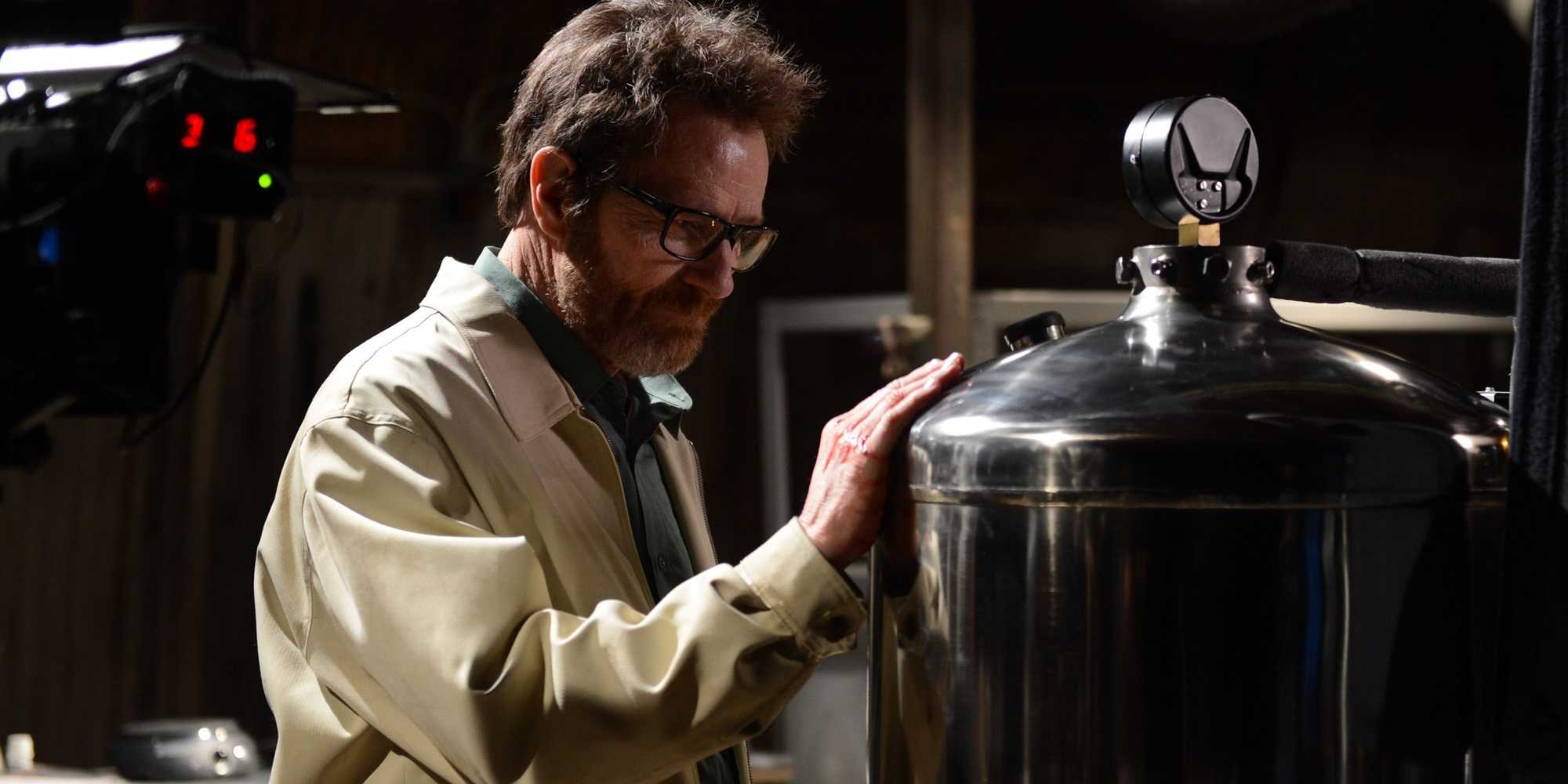
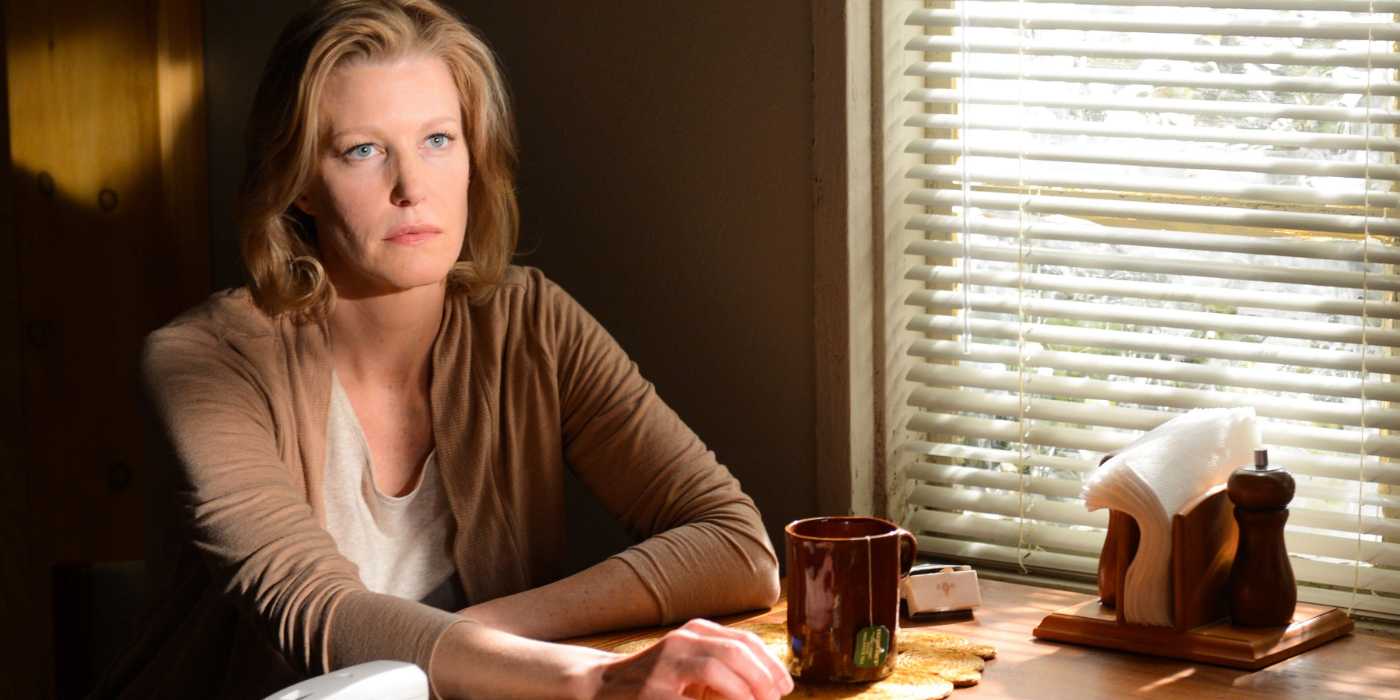


The popularity of a hit show can come grinding to a halt if it has a disappointing ending. Game of Thrones was the most beloved show on television, but its reputation took a nosedive after its underwhelming finale. The praise dried up for Lost, Dexter, and How I Met Your Mother after their endings disappointed audiences.
For a TV show to have lasting popularity that extends beyond its run, it needs to have a satisfying ending. That’s especially true for a show whose premise is inherently designed around the build-up to a climactic payoff, like Lost’s mysteries, How I Met Your Mother’s protracted love story, and, indeed, Breaking Bad’s double-life crime saga.
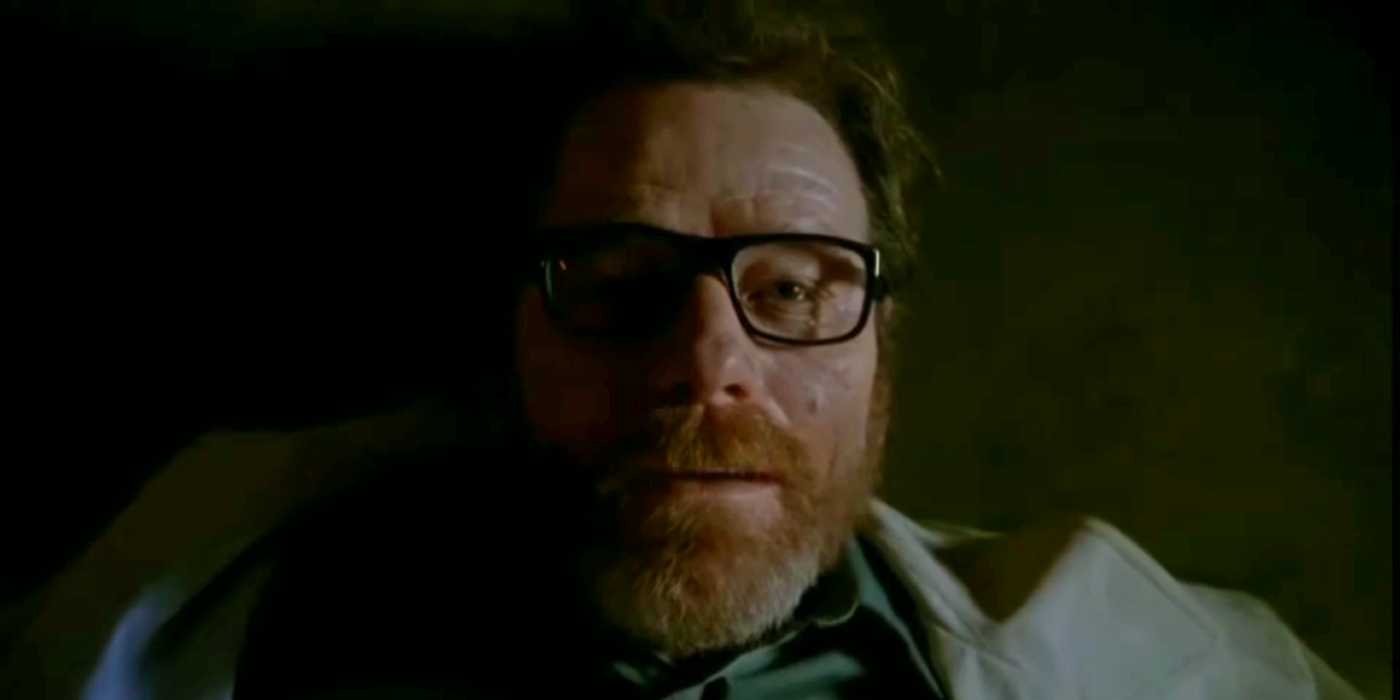
But against all odds, Breaking Bad managed to stick the landing with its series finale. “Felina” has been hailed as one of the greatest final episodes in television history. It provides all the closure that fans could ask for (except revealing Huell’s fate) and it brings Walt’s story to a suitably bittersweet conclusion.
The dissatisfying endings of Game of Thrones and How I Met Your Mother hurt the shows’ recommendability, because you’re just setting people up for disappointment. But the perfect ending of Breaking Bad made it even easier to recommend, so its popularity has only grown since it ended.


Breaking Bad
- Release Date
- 2008 - 2013-00-00
- Network
- AMC
- Showrunner
- Vince Gilligan
- Directors
- Vince Gilligan, Michelle Maclaren
- Writers
- Peter Gould, Gennifer Hutchison, Vince Gilligan, George Mastras, Moira Walley-Beckett, Sam Catlin, Thomas Schnauz
- Franchise(s)
- Breaking Bad
Cast
-
 Walter White
-
 Jesse Pinkman
Breaking Bad, created by Vince Gilligan, follows a chemistry teacher turned drug kingpin named Walter White (Bryan Cranston) as he attempts to provide for his family following a fatal diagnosis. With nothing left to fear, White ascends to power in the world of drugs and crime, transforming the simple family man into someone known only as Heisenberg.
- Seasons
- 5
- Streaming Service(s)
- Netflix

