



Summary
- Bridgerton on Netflix is a mix of Gossip Girl and Downton Abbey set in Regency-era London among the nobility's social season.
- Understanding the Bridgerton nobility ranks helps to navigate the characters' relationships and social standings within the series.
- Characters like Lady Danbury and Baron Featherington have specific titles that dictate their power and influence within the Bridgerton hierarchy.
Netflix's Bridgerton takes place in Regency-era London and centers on the British nobility's social season, but who has the highest rank and title? The English period drama, based on the popular Julia Quinn books, is a mesh between Gossip Girl and Downtown Abbey with a hint of Reign. It is salacious, decadent, intriguing, and binge-worthy as audiences find out who will find love or heartbreak, and who may rise in nobility title. Each season follows the love life of a different Bridgerton sibling.
To better understand the characters of the series and their relationships with one another, it's helpful to understand the Bridgerton nobility ranks. The titles used in the Netflix series are based on titles used in societies that have a royal family and court. The Bridgertons, the Featheringtons, and the Basset families, for example, all have specific ranks and titles in the world of Bridgerton, with some higher than others.
Titleless Marina Thompson
Ruby Barker


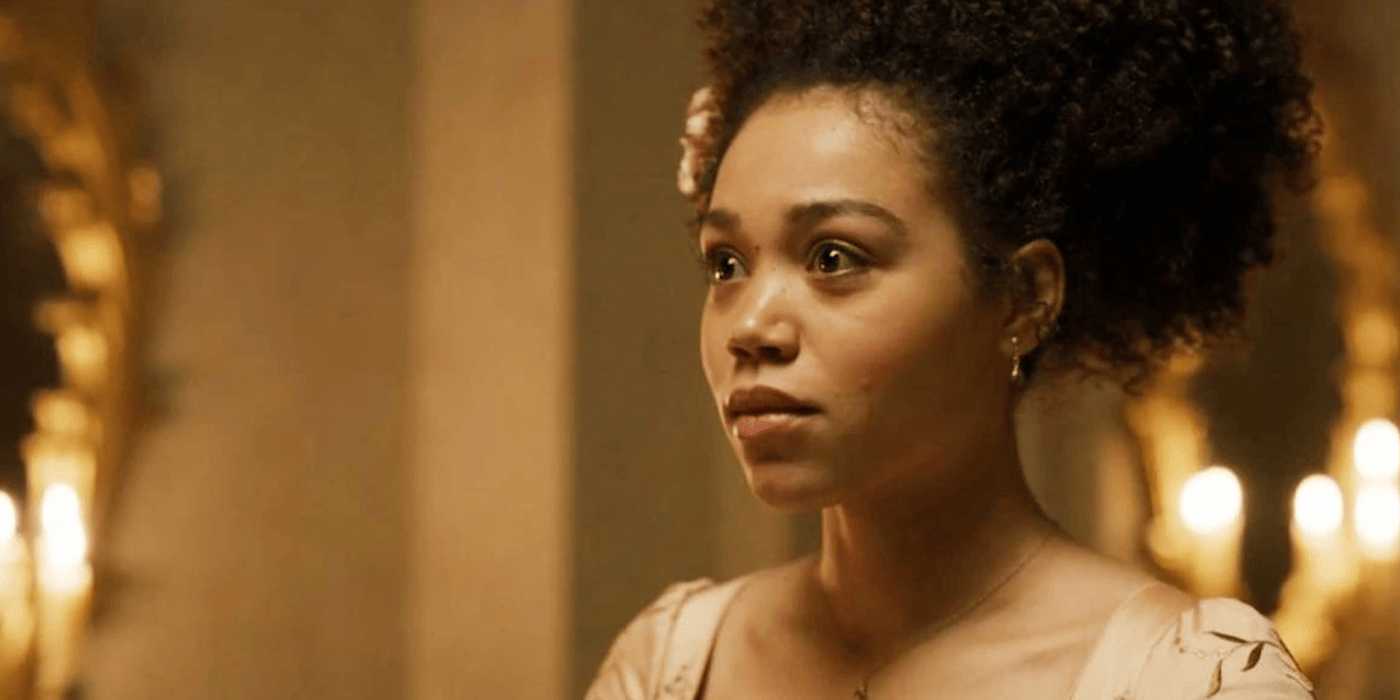
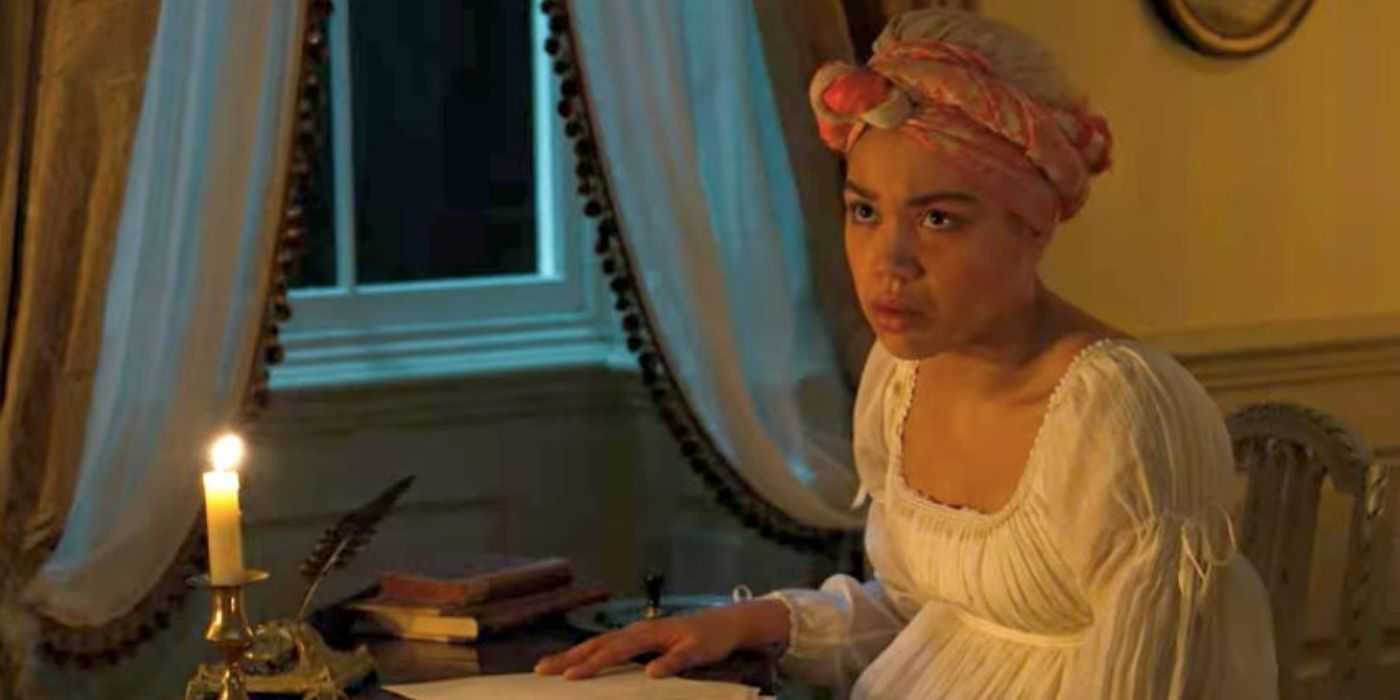
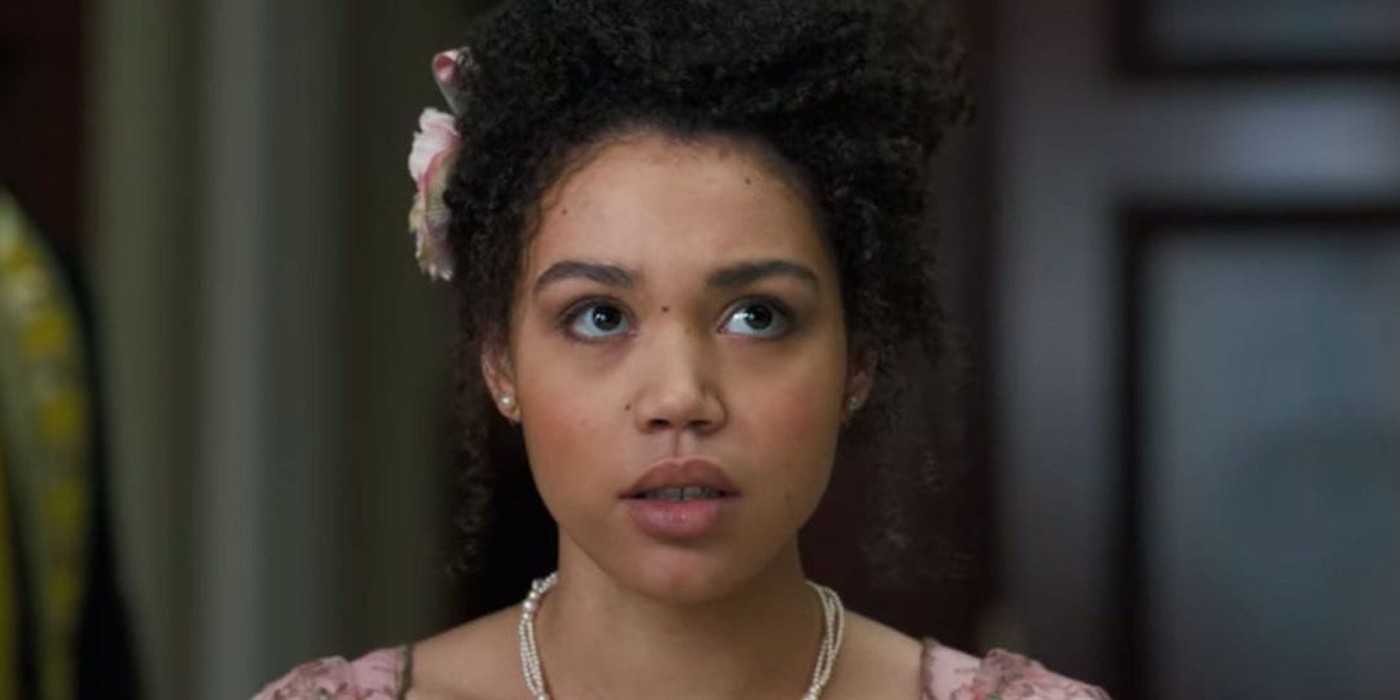
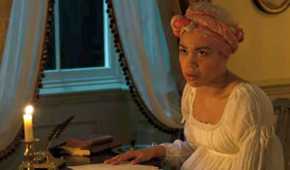
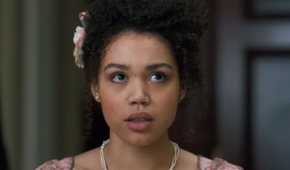
Marina comes to the Featherington household to be introduced into London's high society as marriage material. She is a distant cousin of Baron Featherington but has no status or title other than that distant connection. In the Bridgerton hierarchy, Marina might have a connected family, but she only just ranks among the commoners of society, and her lack of a husband almost sees her living among them initially.
She is considered a lower-ranking female compared to the Featherington or Bridgerton daughters. And sadly, Marina's hopes of marrying a man of high status are dashed due to her untimely, concealed pregnancy. Thankfully for her, a man of honor comes along to provide for her child and herself. In the novels, Phillip Crane inherits his family's baronet, making him Sir Phillip Crane. He and Marina, with the baronet, are technically considered commonfolk then but are allowed to use the title thanks to their ownership of a significant plot of land.
Lady Tilley Arnold
Hannah New


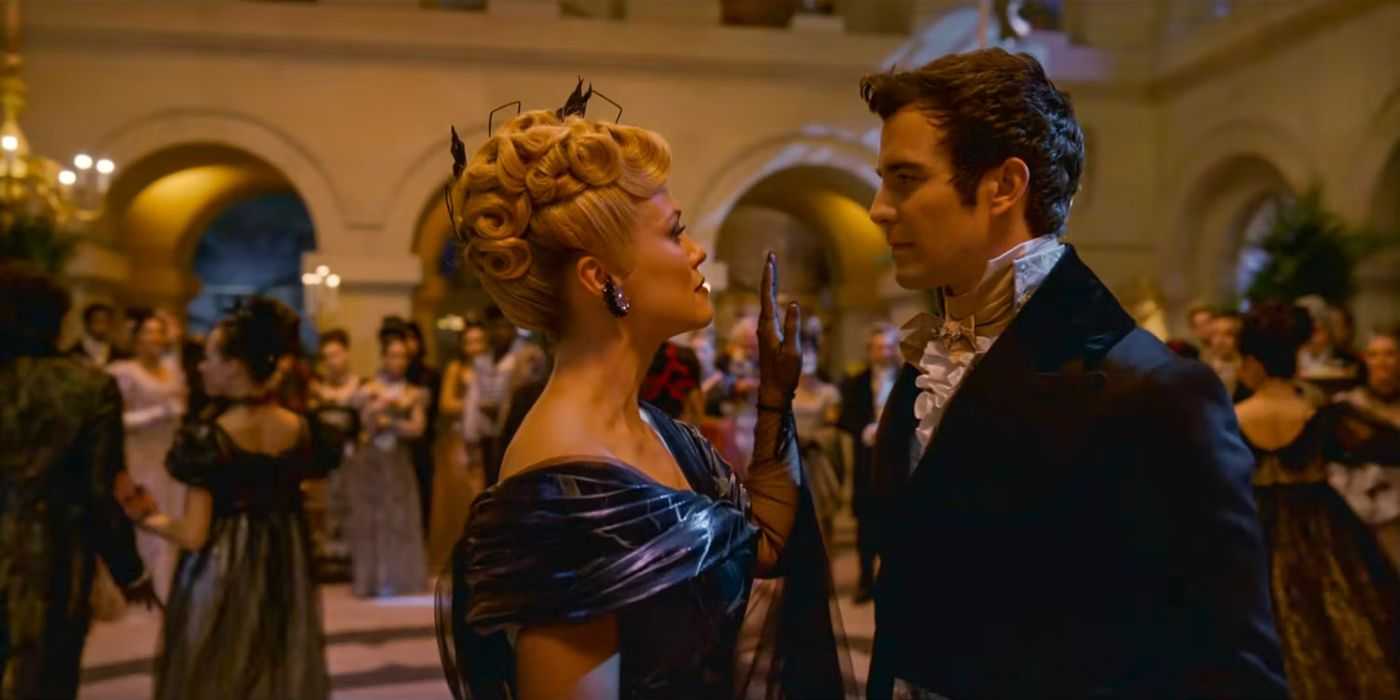
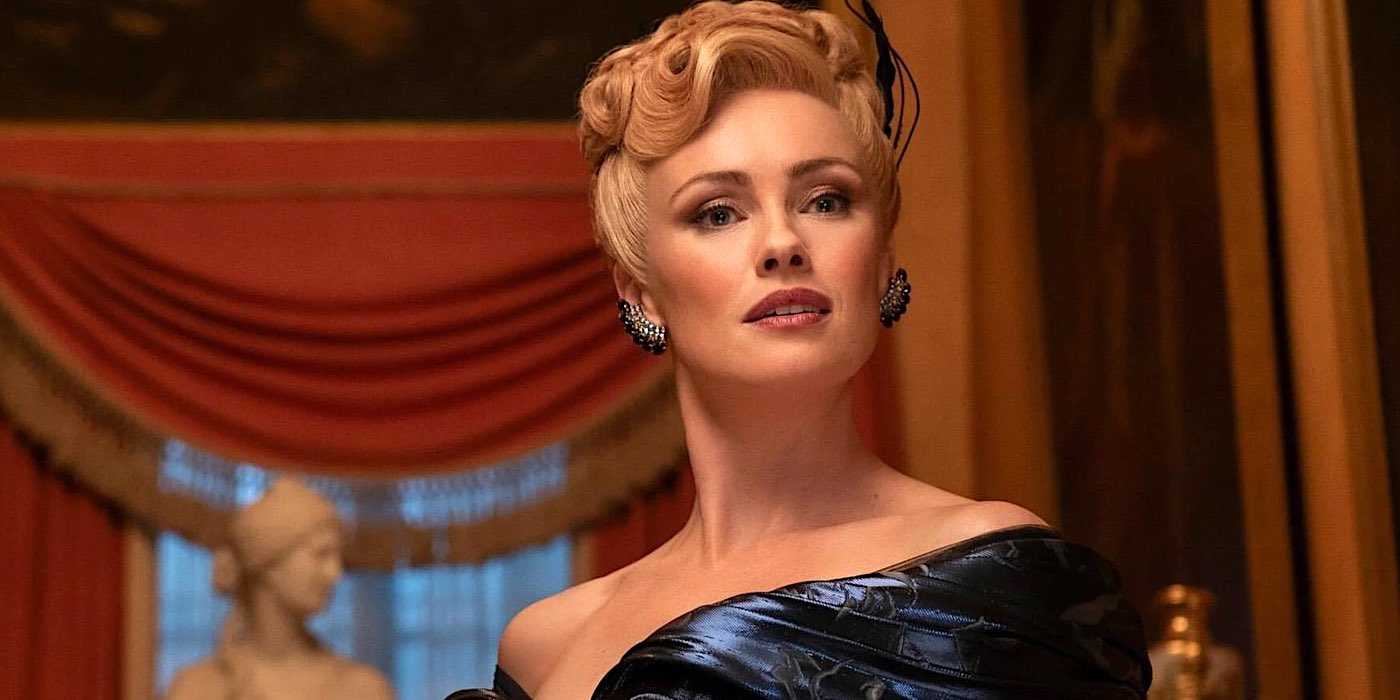
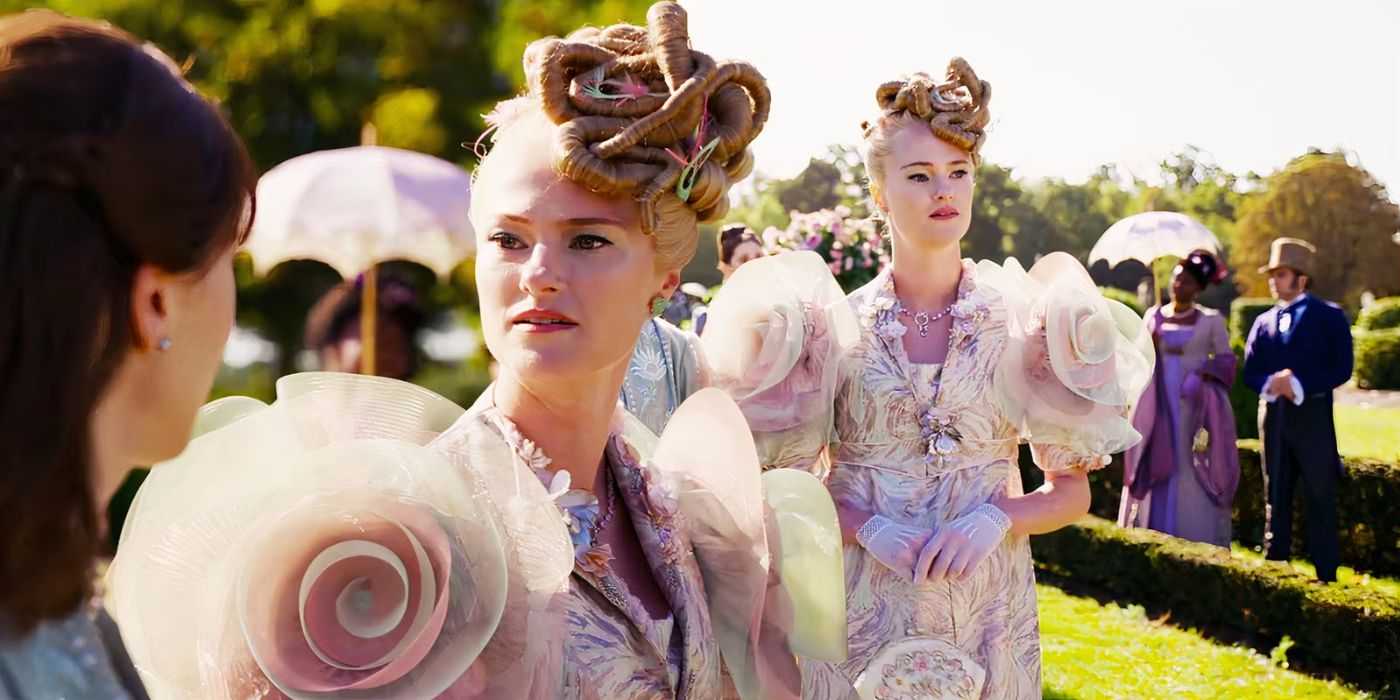
Lady Tilley Arnold is introduced in part one of the third season as a romantic interest for Benedict Bridgerton. A widow like Lady Danbury, it’s not made clear if the “Lady” of her title puts them on the same ranking or not, since nothing is known about her husband in the series beyond his death. It’s never made clear just how powerful the Arnold family might or might not be.
What is made clear is that Lady Tilley Arnold is largely left to her own devices, much like Lady Danbury, so she must have a considerable amount of respect and wealth in order to do so. Lady Danbury is able to hold onto her wealth because her children are noble, so she doesn’t have to remarry, like some women of the era would in order to maintain their status. (Think Portia Featherington no longer, technically, being the Baroness after the death of her husband.) It appears Lady Arnold and Lady Danbury may be in similar circumstances.
Lady Danbury
Adjoa Andoh


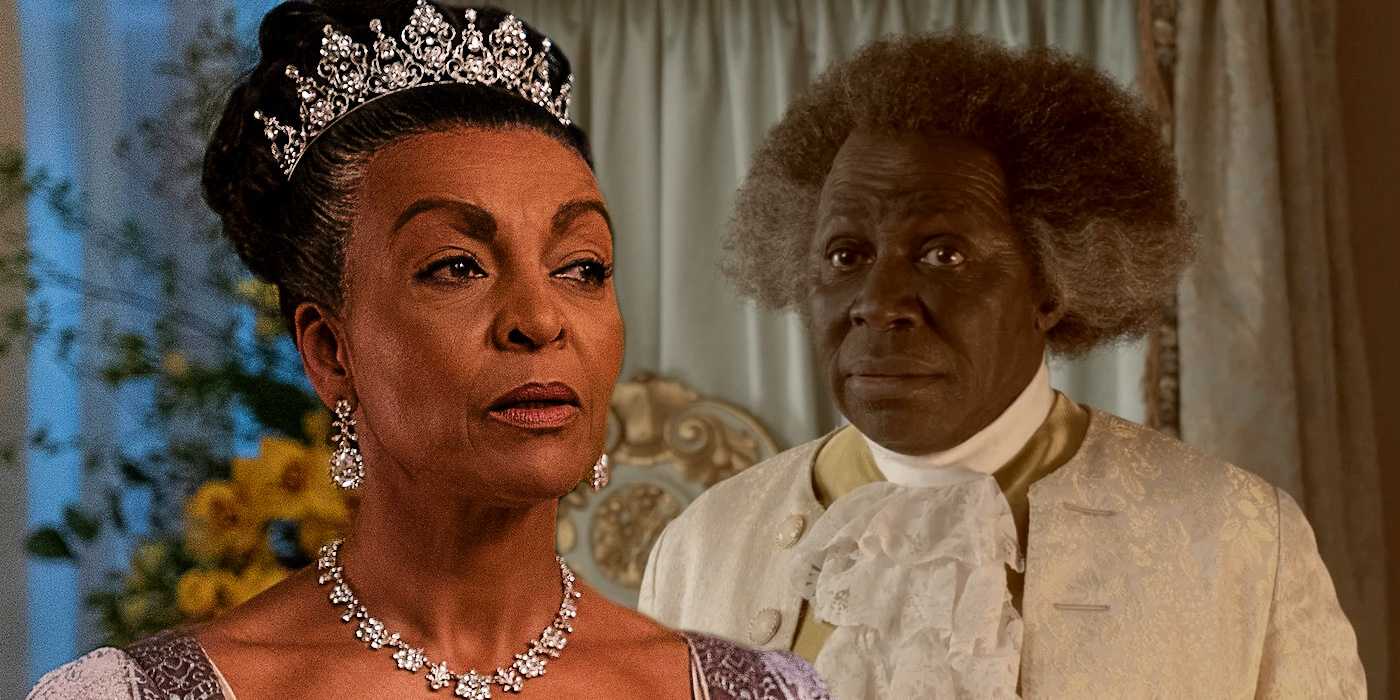
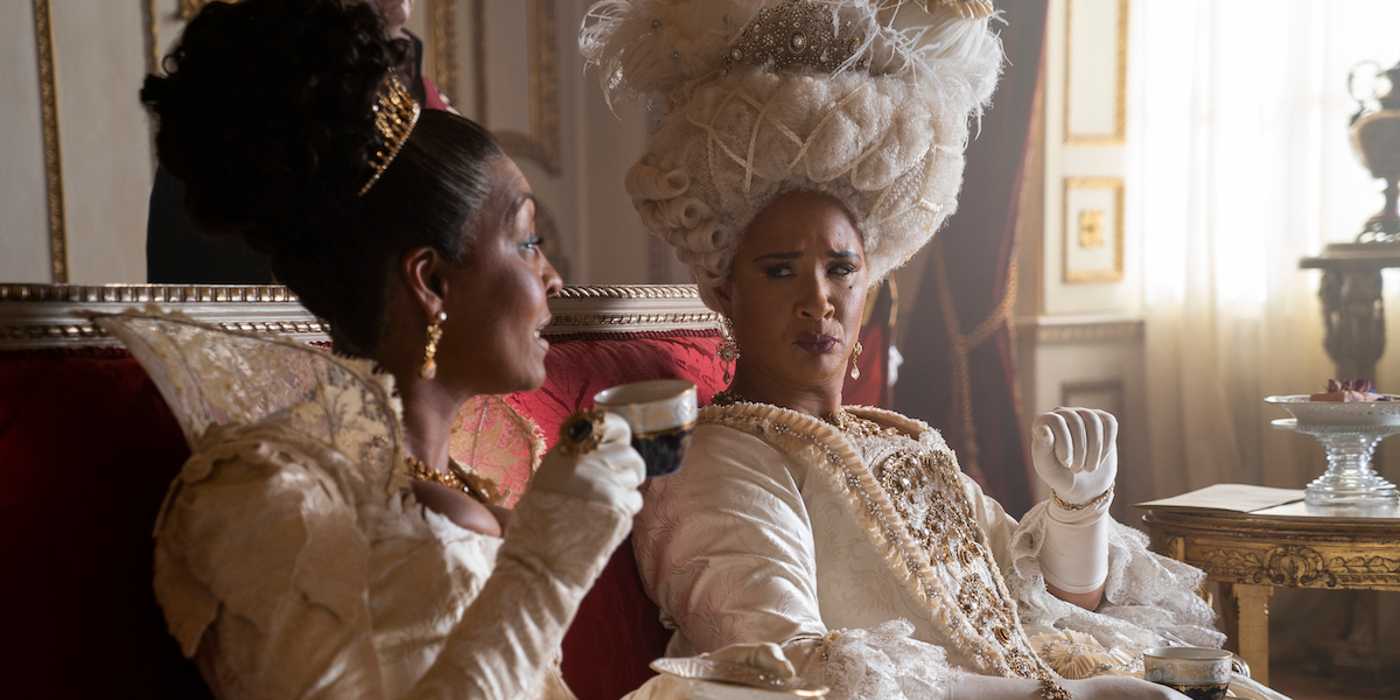
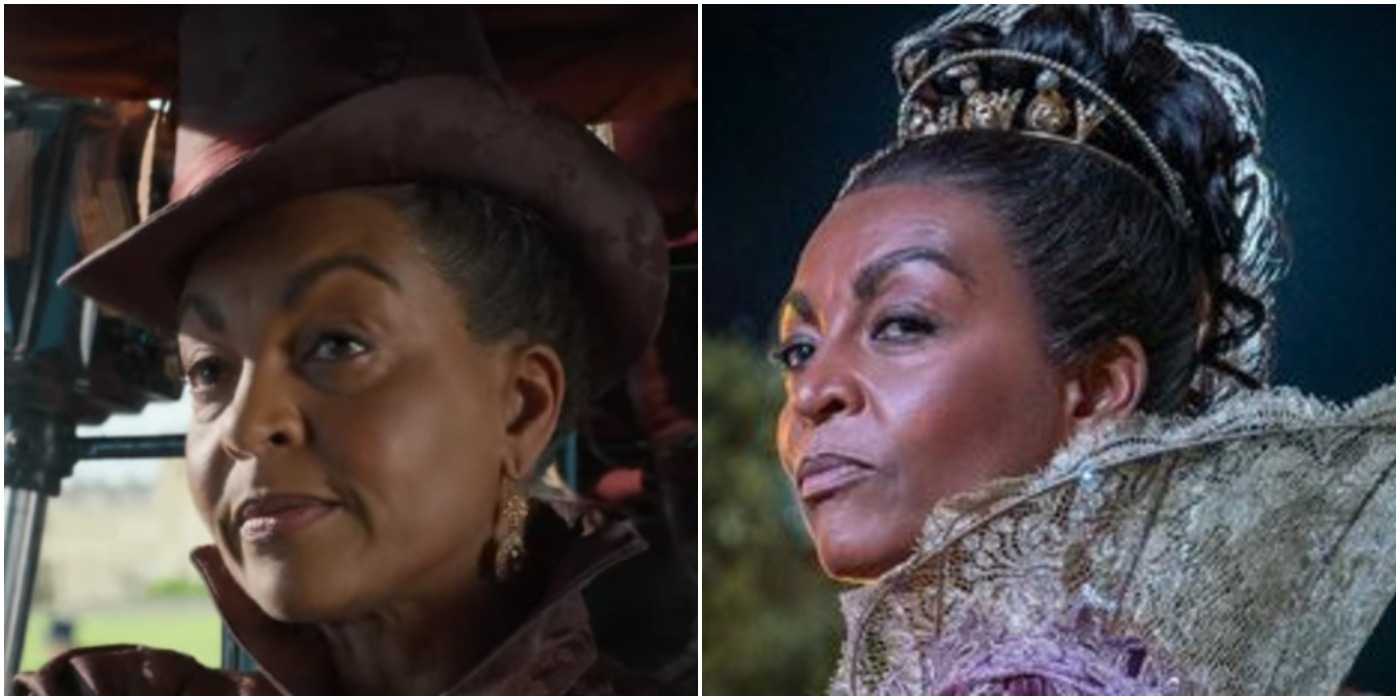
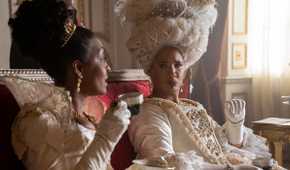
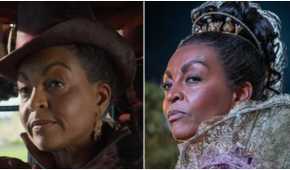
Lady Danbury is one of the best characters in Bridgerton. She is the woman responsible for picking up the pieces of a shattered young Simon and raising him to be a duke. She is a woman of power, wealth, and influence, but her title doesn't rank her higher than many of the other women in Bridgerton. While being a lady (or lord) sounds regal, and is definitely a societal ranking of high esteem both in real life and Bridgerton, it's far below a baroness, duchess, or royalty.
Allow for people of color to be on the new Queen's court
Agatha Danbury isn't born into this title, nor does she marry into it as Queen Charlotte: A Bridgerton Story reveals. A few years into her marriage, King George and his mother offer titles and land to certain members of the tonne to allow for people of color to be on the new Queen's court. Lady Agatha Danbury is then named. When her husband dies, she fights to make sure her family can keep the title. The title, and her young son becoming the new Lord Danbury, ensures that her family will be taken care of without her having to remarry.
Baroness Featherington
Polly Walker


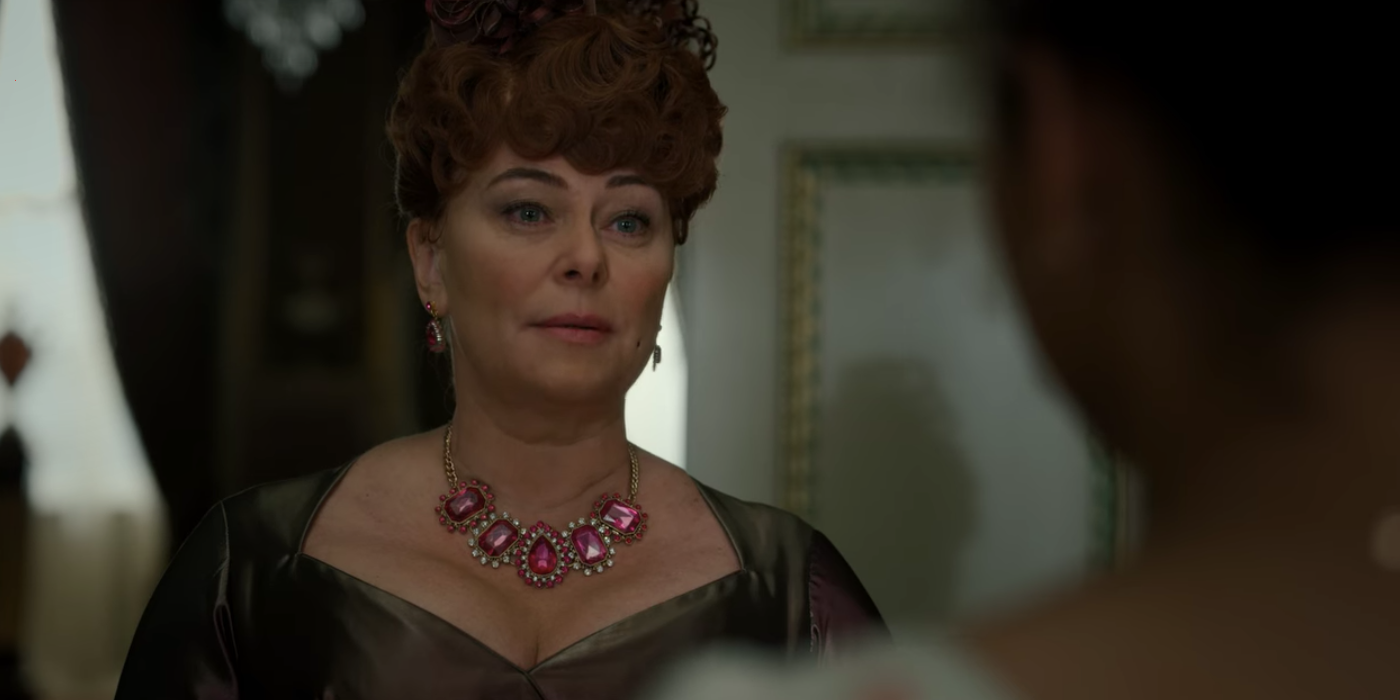
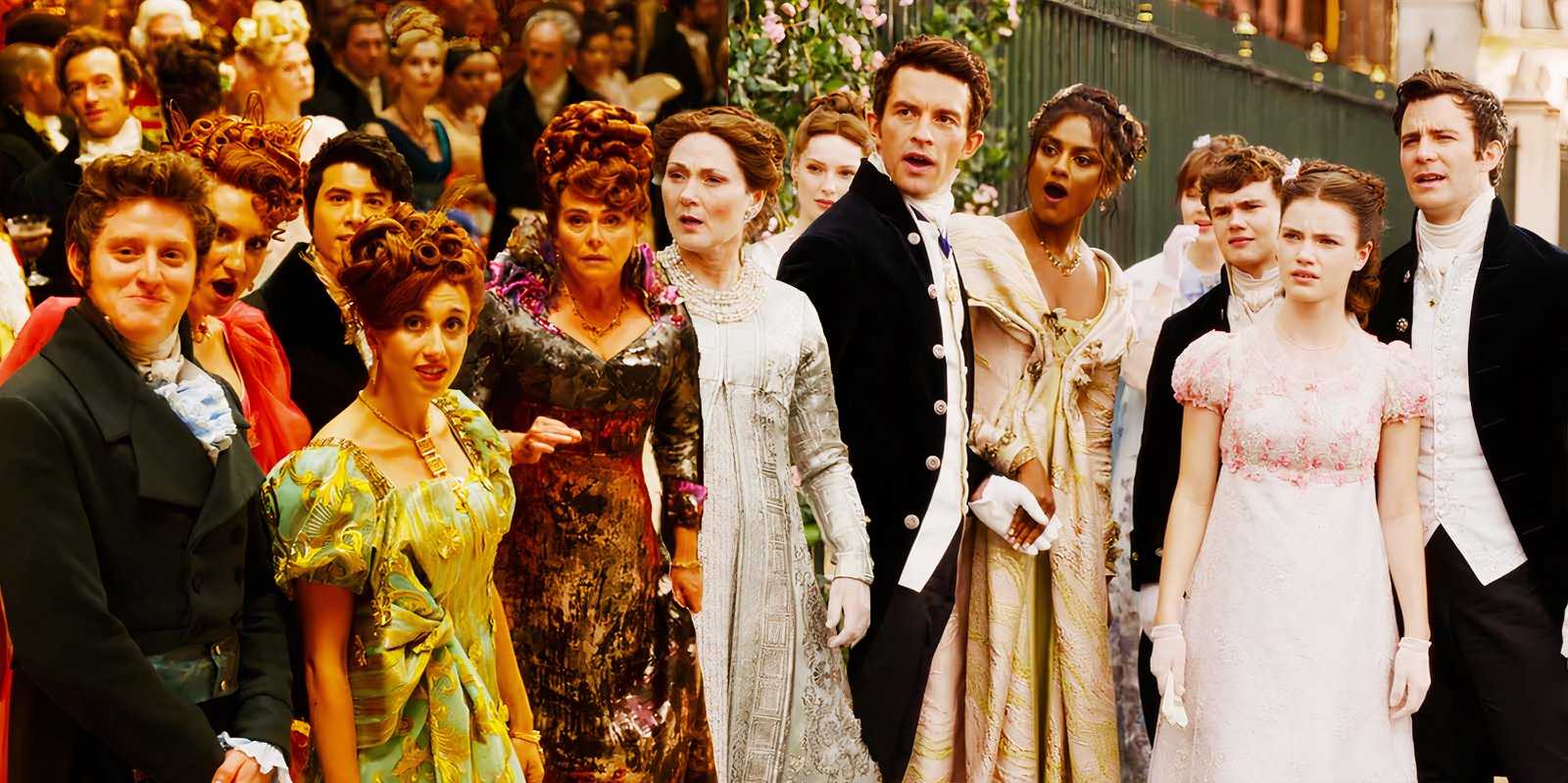
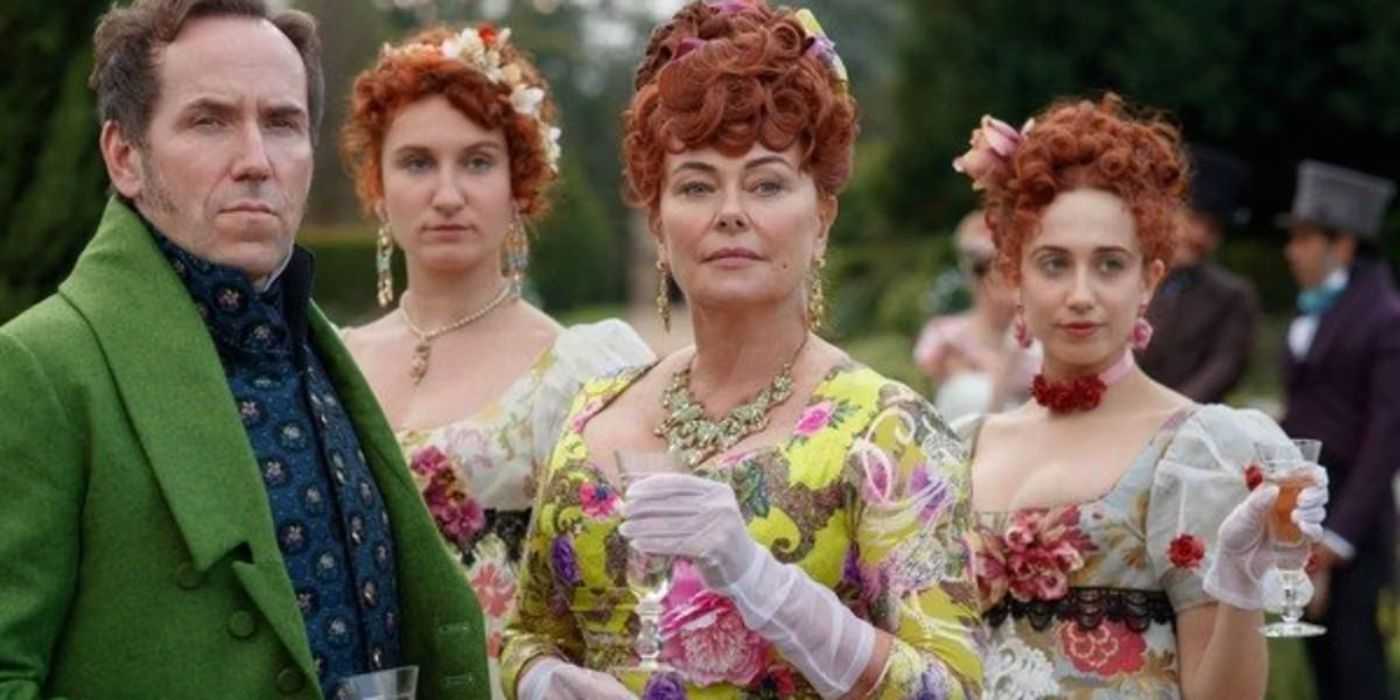
The Baroness Featherington thinks herself high and mighty. She is astute in finding solid matches for her daughters, who according to the family's rank, would have been referred to as "honorable." She is dedicated to over-the-top fashion designs—which only she seems to think are actually "top"—and perceives herself as an important guest at every high society event. Due to her perception of herself and the secrets within her family, the Baroness was one Bridgerton character fans couldn't stand.
However, in the Bridgerton nobility ranks, she falls behind Violet Bridgerton and feels a rivalry with the neighboring lady. Barons and their partners rank below viscounts, earls, marquesses, and dukes. Baroness Featherington, despite her titled rank, also stands to lose everything when she doesn't have a man of the house since finances during the era are controlled by the ranking men typically rather than the women.
Baron Nicholas Mondrich
Martins Imhangbe


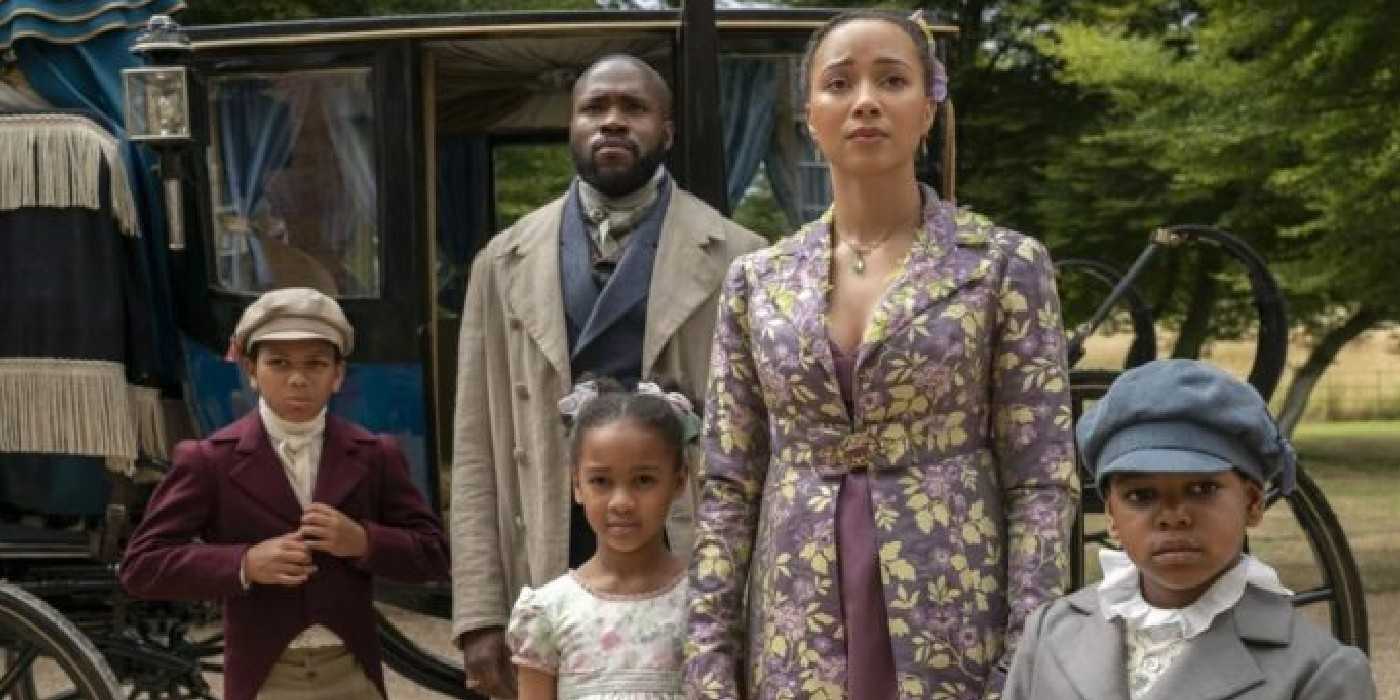
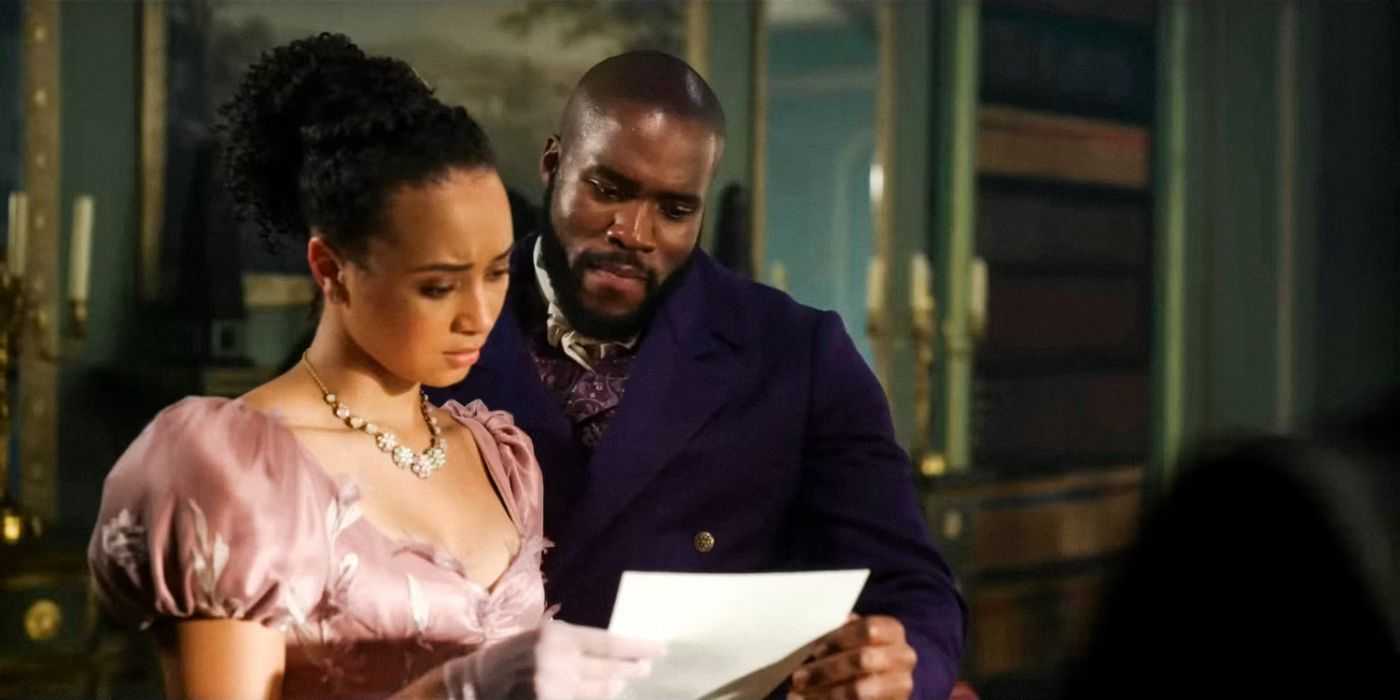
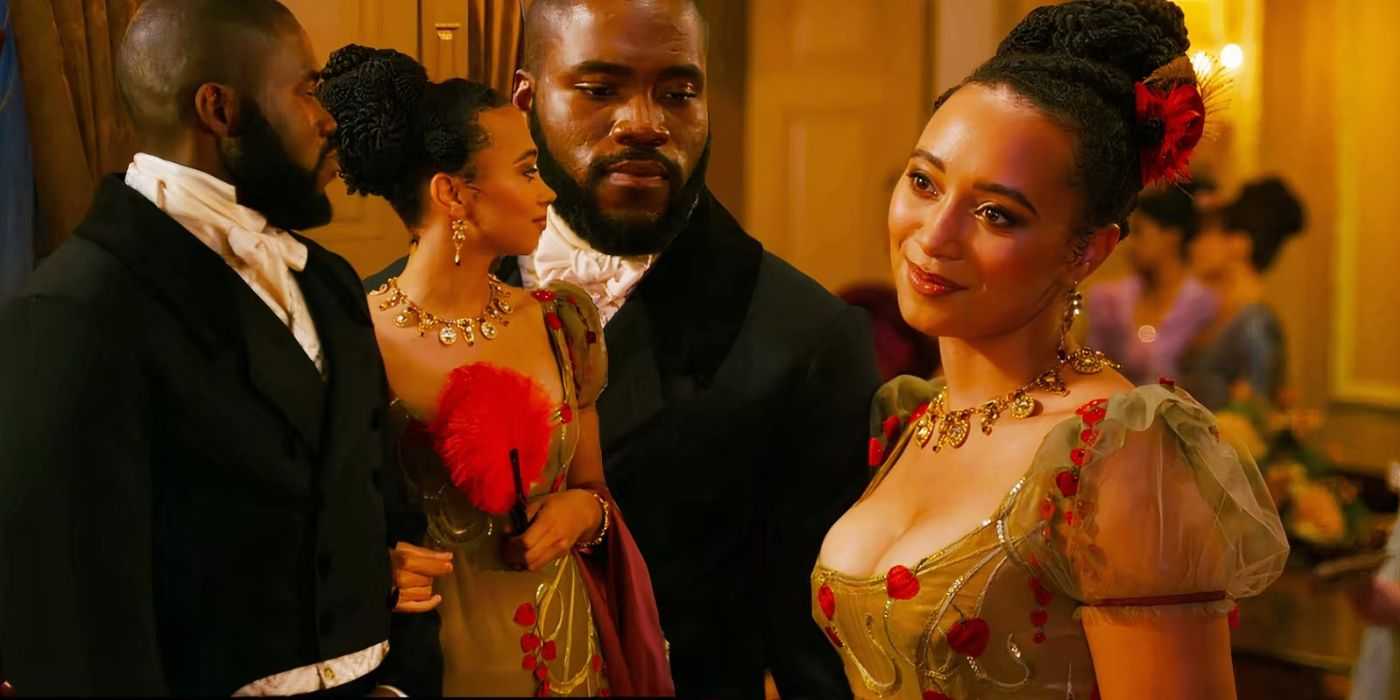
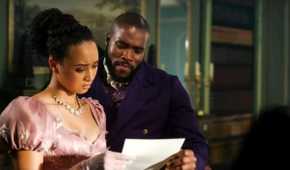
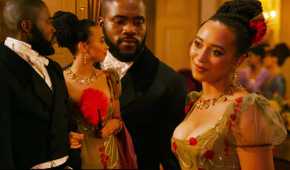
When Bridgerton begins, the Mondrich family is originally untitled. Will Mondrich is a boxer who has earned enough money to open his own club with the help of his wife, Alice. They are a working-class couple and a team who just happen to have friends like the Duke of Hastings and the Bridgertons. Those friendships are what help them get men of the ton to visit their club and increase their wealth at first.
In season 3 of Bridgerton, however, Will and Alice find out that Alice’s great aunt, Lady Kent, has passed away, and their oldest son, Nicholas, is the closest male living relative, making him the next Baron of the family line as he inherits the title, the property, and the money, with his parents acting in his stead until he comes of age.
This inheritance doesn’t entirely make sense from the show’s established rules (technically, Nicholas should have already been the Baron while Alice’s great aunt was still alive if he is her only male relative, just as Jack Featherington becomes the Baron Featherington), but it does create a whole new storyline for the Mondrich family going forward.
Lord Alfred Debling
Sam Phillips


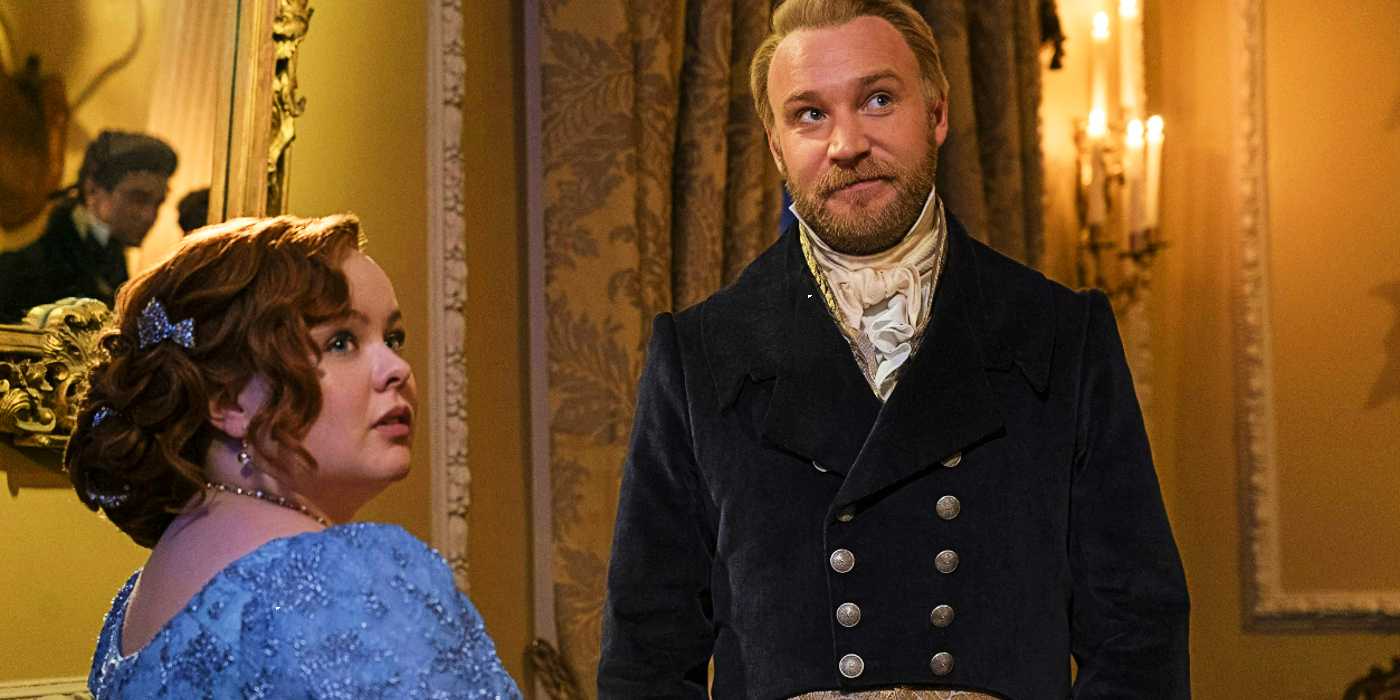
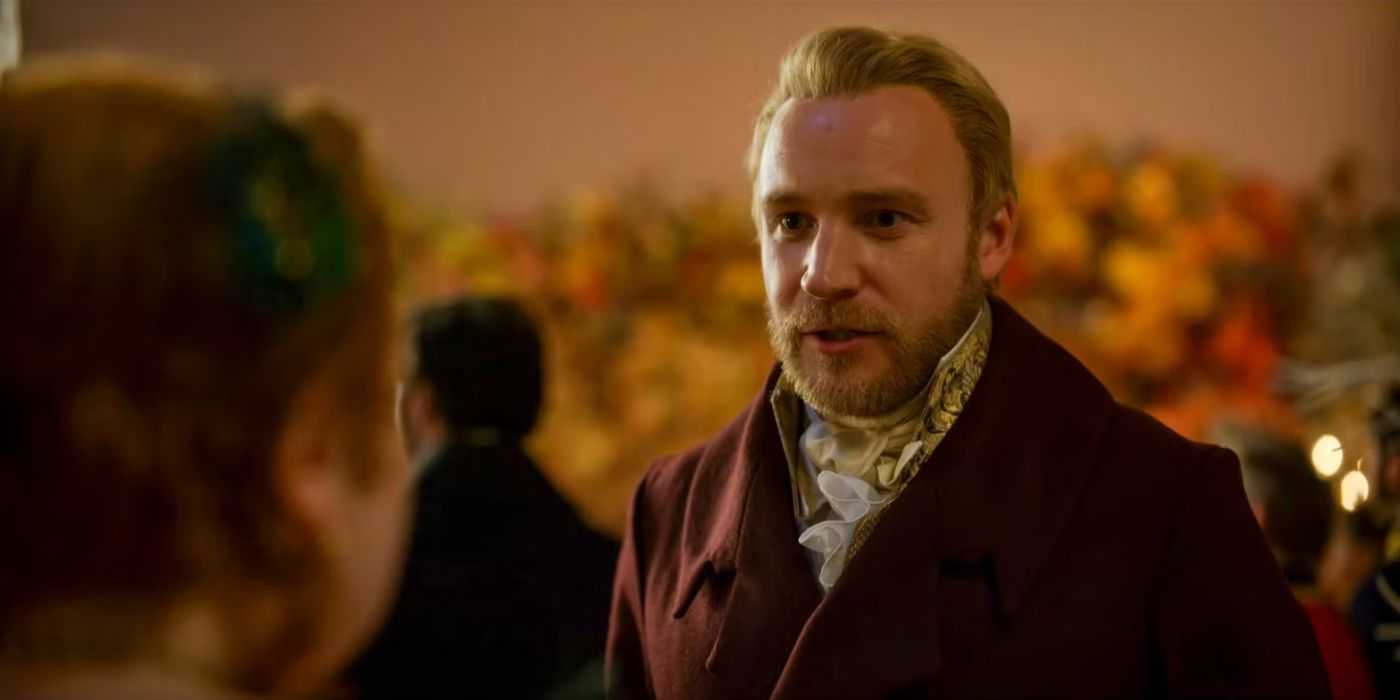
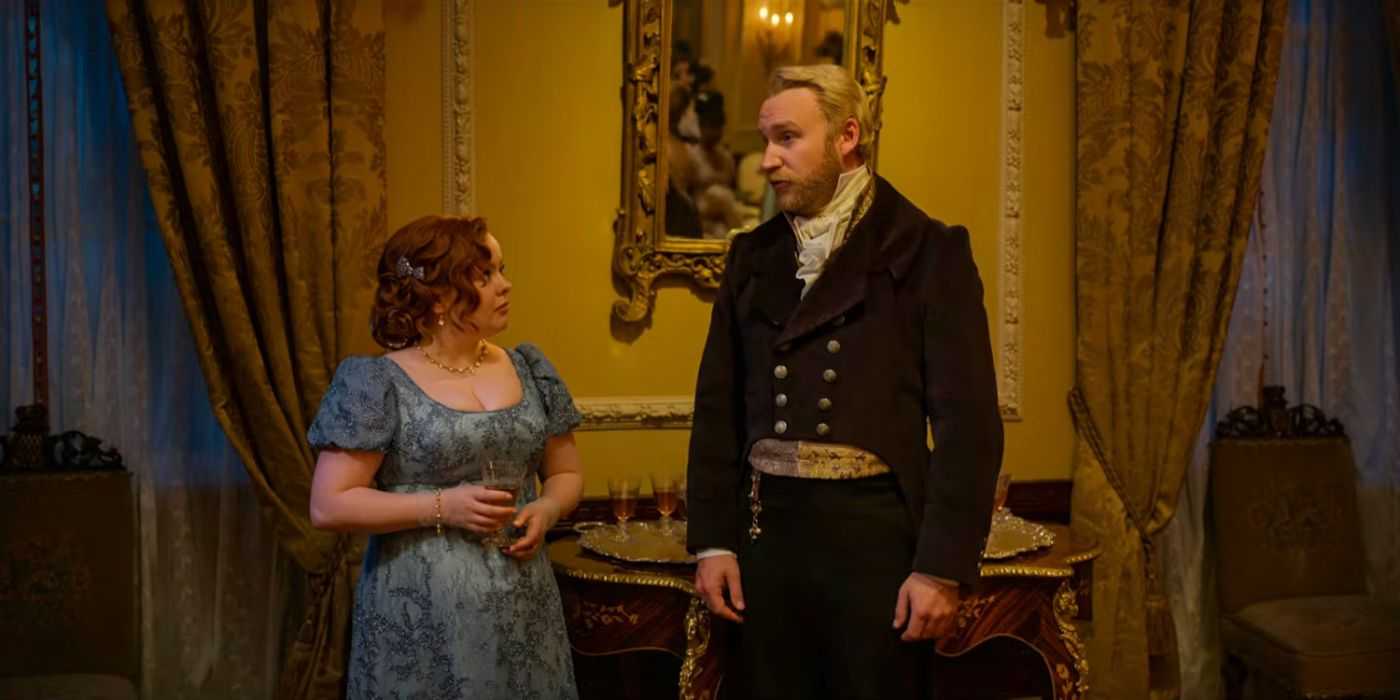
Like Tilley Arnold, Alfred Debling makes his debut in the third season of Bridgerton. He is named as a lord, and it’s repeatedly stated that he is extremely wealthy, so wealthy that he can spend years away from his home, spending his money on exploration and attempting to save birds that do, in fact, become extinct. His title beyond “Lord” is never stated, so it’s not clear if that is his only title, or if he’s called that simply as a respectful term for a higher rank, like a baron.
It’s unlikely that Lord Debling is a viscount because Penelope Featherington balks at attempting to charm a viscount when Colin encourages her to. So, it’s likely that Debling is either simply titled as a lord or a baron, someone Penelope would feel on equal footing with despite his wealth. His wealth allows him to really do whatever he wants. He’s a vegetarian and someone who loves nature more than society, and his eccentricities might make members of the ton gossip about him, but they still seem to want to earn his favor.
Baron Featherington

The Featheringtons live near the Bridgertons, and while the two families are well-established in London high society, they are not of the same ranking. Baron Featherington would rank beneath the now-deceased Viscount Bridgerton. As a result of his lower societal ranking, the Featherington family as a whole ranks below the Bridgertons in terms of their power in the ton.
Baron Featherington ranks below many of the high-society men in Bridgerton. Barons are the lowest ranking in British nobility. The baron was part of one of Bridgerton's biggest scandals and is killed thanks to his very shady business handling. His death not only forced Baroness Featherington to try to find suitable matches for her daughters quickly, but also to turn to the new Baron Featherington, a male cousin, for help.
In season 3, it is revealed that Jack Featherington did, indeed, flee England after being threatened for his schemes by Colin Bridgerton, leaving the Baron title unoccupied. Portia Featherington forges a document that states their cousin Jack is leaving the entire estate and title to whichever of her daughters produces a male heir so that the crown will not claim their land and give it to another family.
Dowager Viscountess Violet Bridgerton
Ruth Gemmell


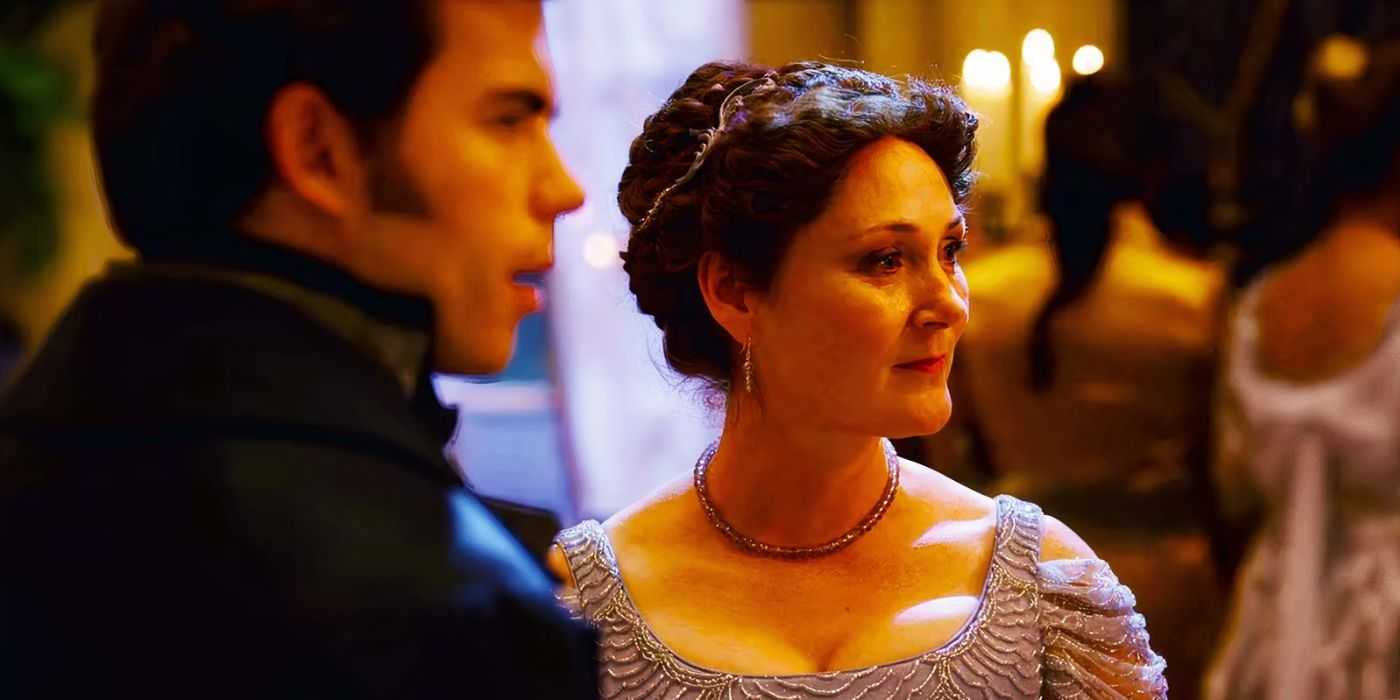
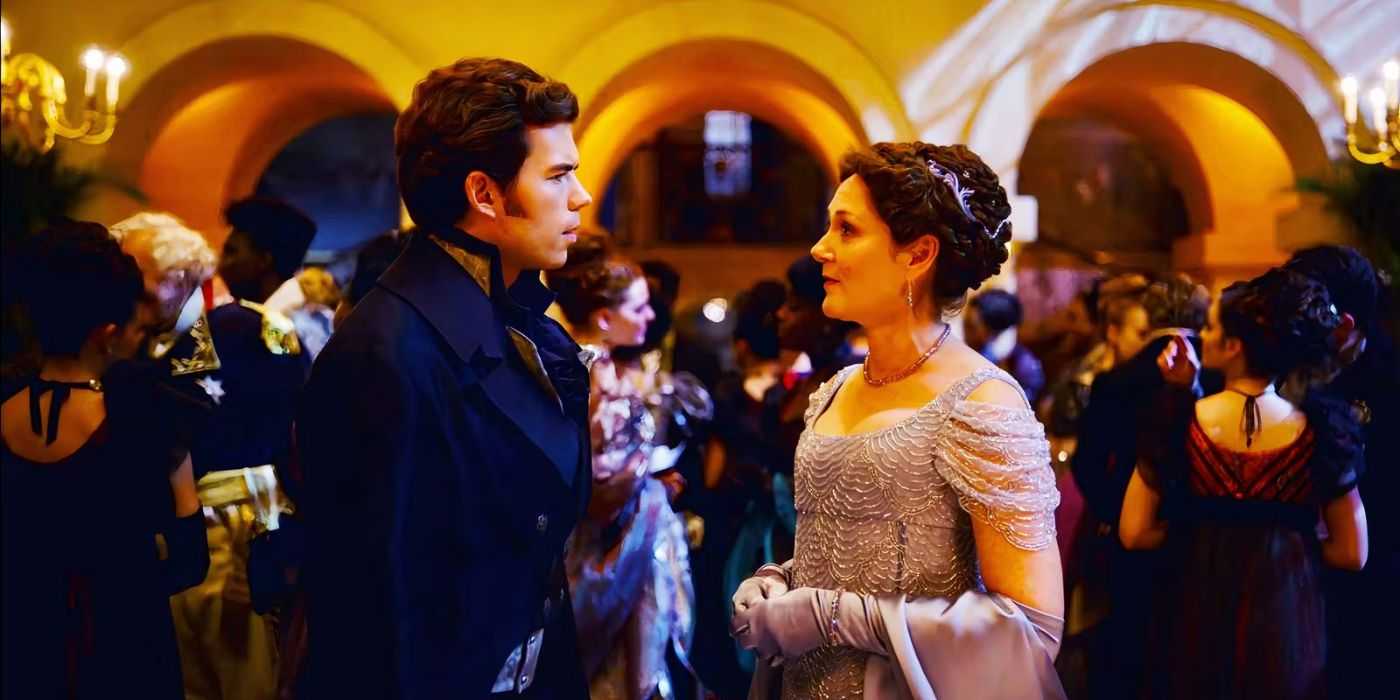
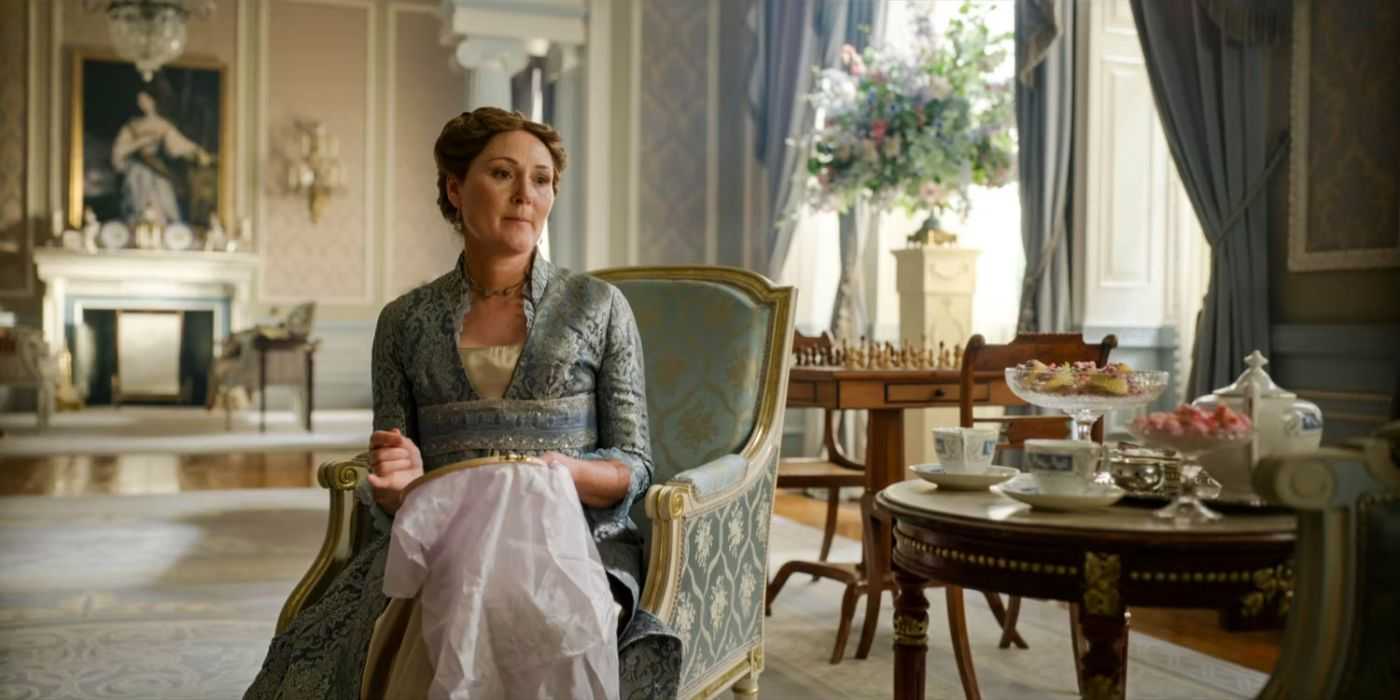
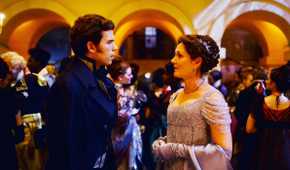
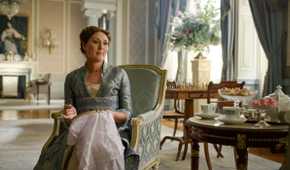
Until Anthony weds his wife, Violet Bridgerton is the only viscountess seen in the series, and technically, a dowager because she is widowed. Daphne's mother is elated when the Duke of Hastings shows an interest in Daphne, and that is because Violet understands what a bump in rank such a marriage would allow. Her love for her family made her one of the most liked Bridgerton characters.
While a viscountess is no duchess, they are nothing to balk at either, as they are a revered status in Bridgerton hierarchy. They don't hold the financial power that their husband does, but they do hold social power within the ton. When Miss Kate Sharma marries Anthony Bridgerton at the end of Bridgerton Season 2, she becomes the Viscountess Bridgerton, technically outranking her mother-in-law in society.
Viscountess Kate Bridgerton
Simone Ashley


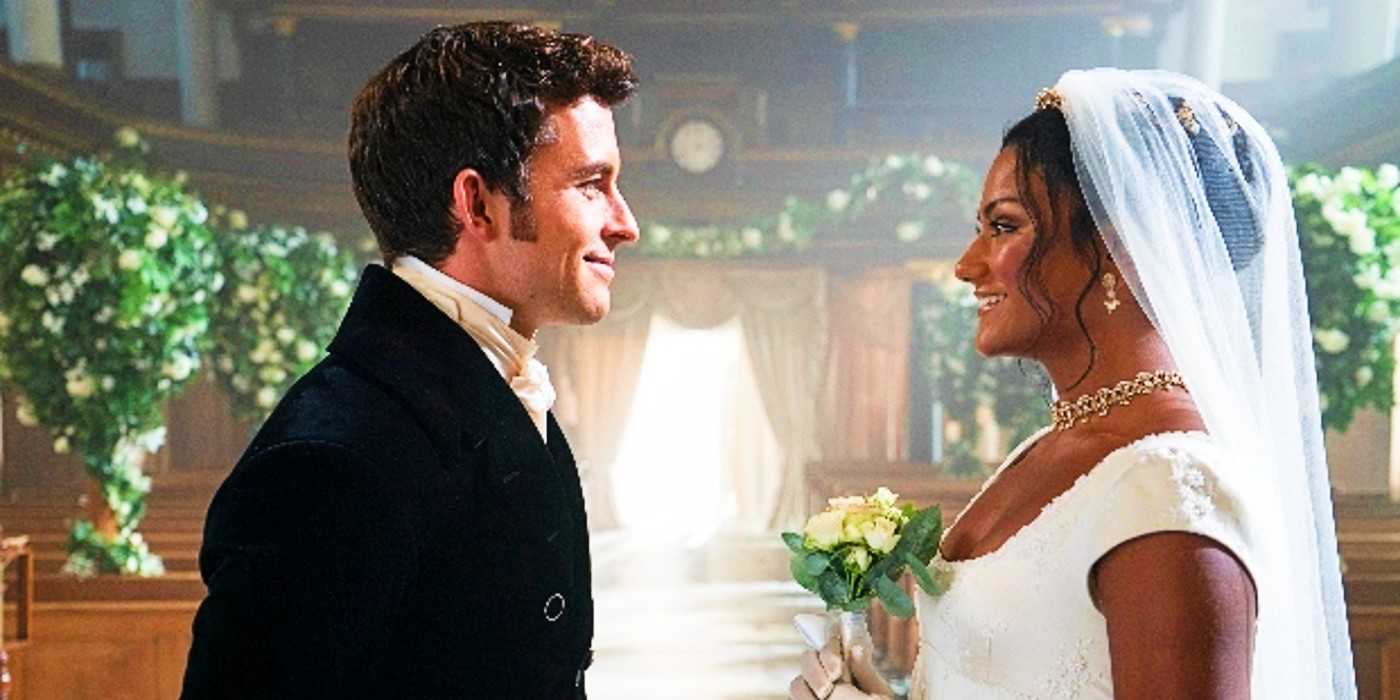
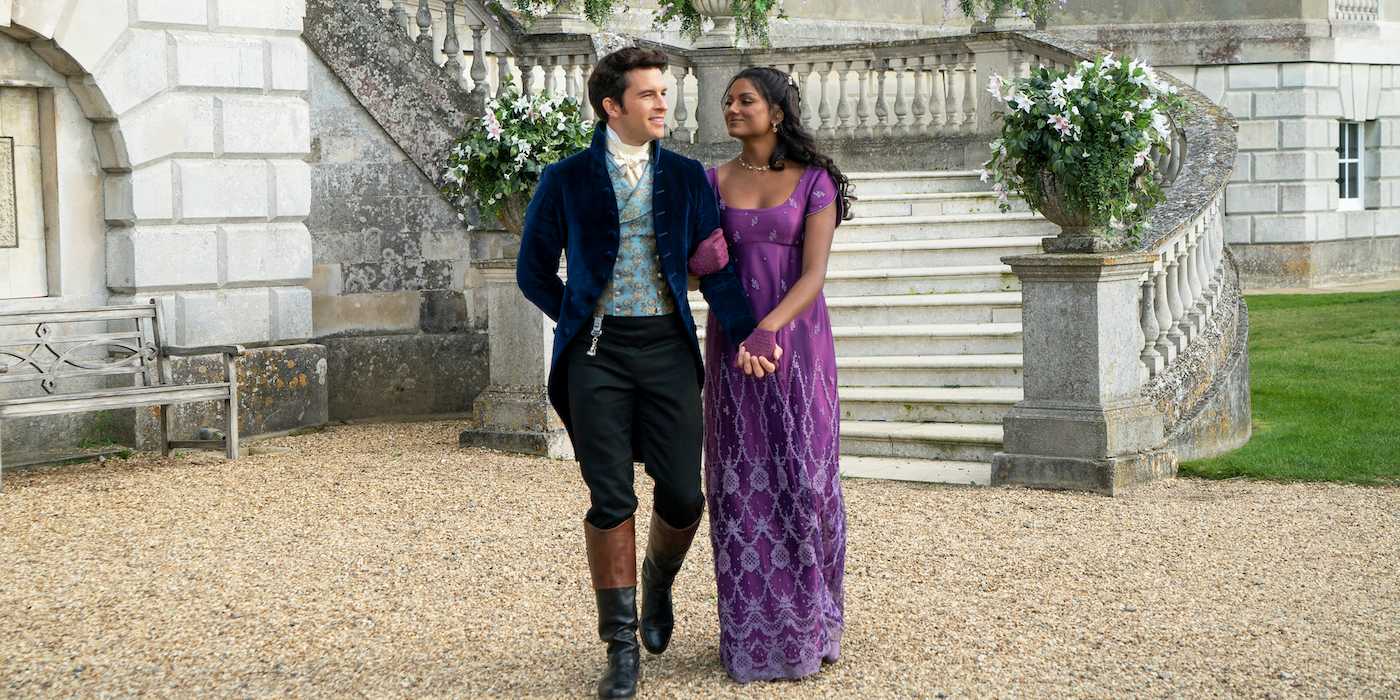
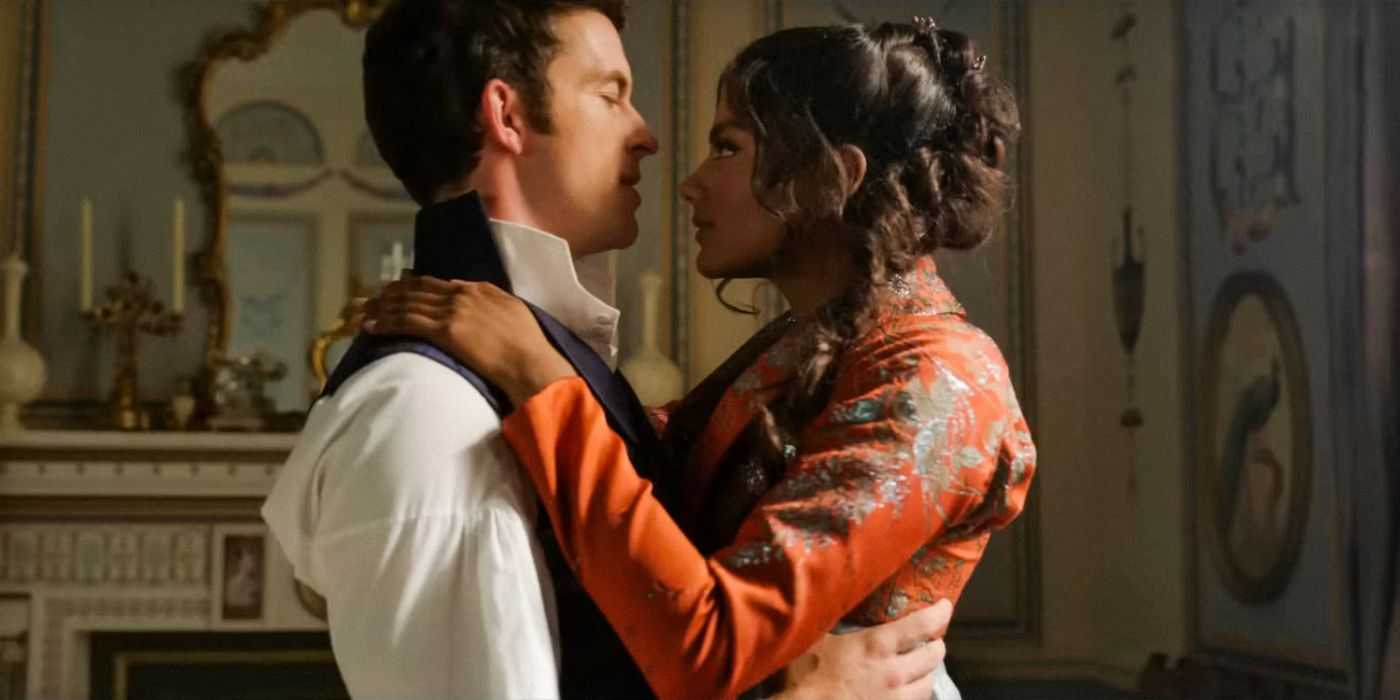
Before Kate married into the Bridgerton family, she was from an untitled family. Her father was a member of the working class before marrying Mary, Kate’s stepmother and Edwina’s mother. Mary’s family were part of the ton, but she left them behind to Mary for love, which meant she had no title. Their money running out is exactly why they accept Lady Danbury as a sponsor for the social season and want to find Edwina a wealthy husband. In season 2, the Sharmas are after security.
When Kate marries Anthony, she becomes the Viscountess because she’s marrying the eldest man in the family who has inherited the title from his father. She’s not as powerful in society as her husband is, but she’s afforded a certain amount of freedom with that title, just like Violet has been. Violet doesn’t have to remarry after Edmund dies because Anthony is not only old enough to take on the responsibility that goes with the title, but he can still take care of her.
Viscount Anthony Bridgerton
Jonathan Bailey


 Custom Image by Yeider Chacon.
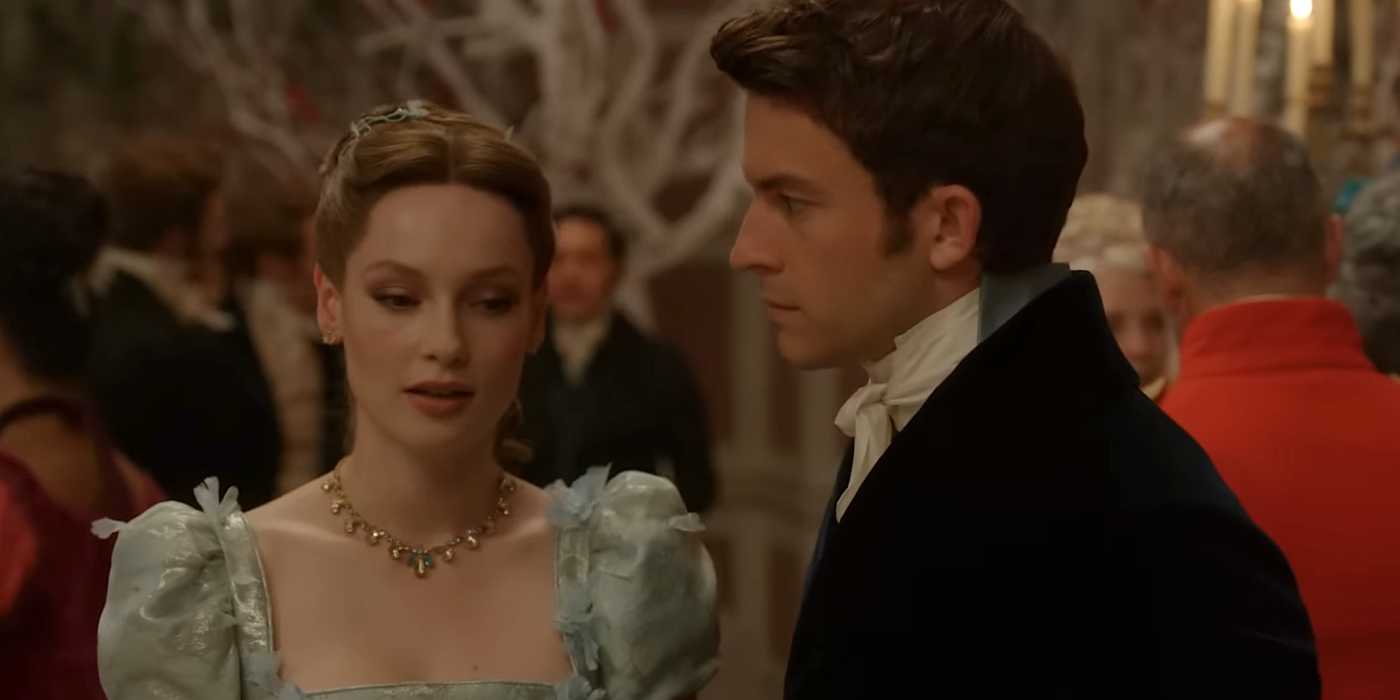
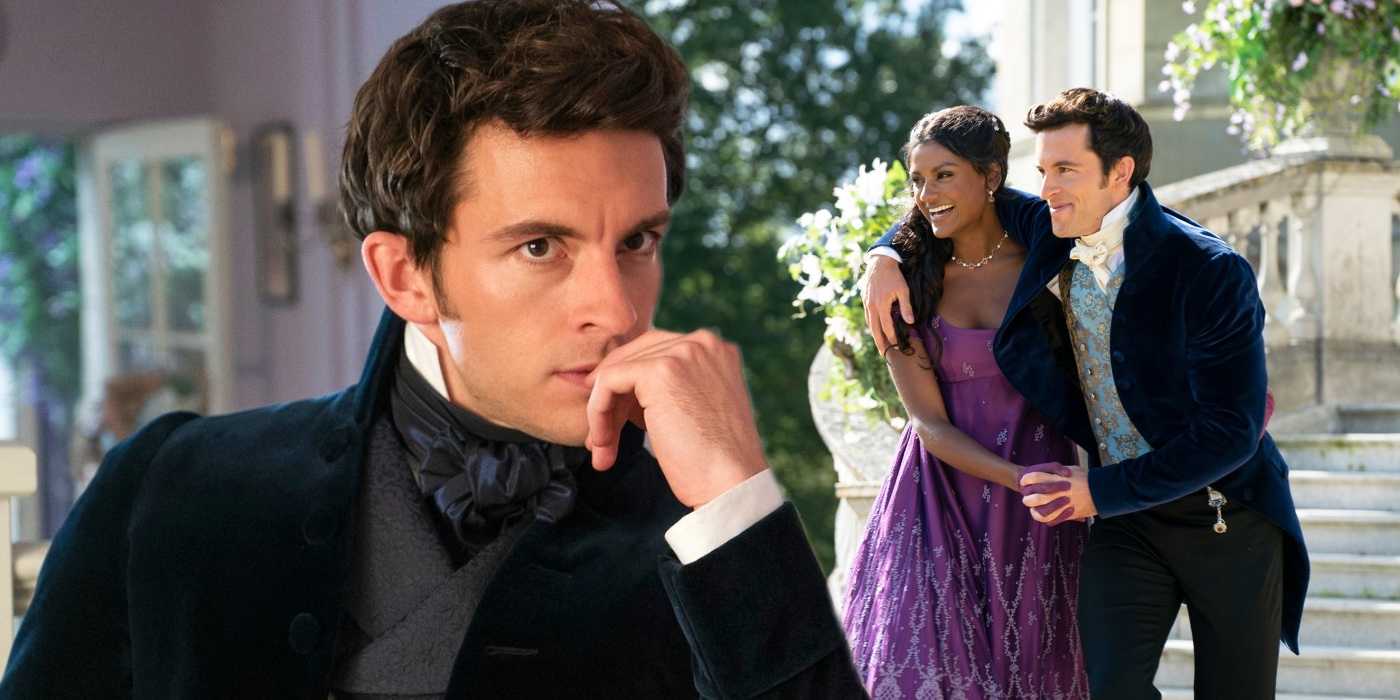
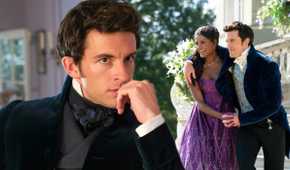
Anthony Bridgerton is the eldest son of the Bridgerton family, and following the death of his father, he inherits the title of viscount. In regard to rank, a viscount follows an earl, a marquess, and a duke but ranks higher than lords and barons. Much of the tonne in Bridgerton would see Viscount Bridgerton as one of the higher-ranking members of society.
Viscounts once held a position similar to a sheriff and were appointed by a member of the monarchy. They are essentially wealthy landlords at the time of Bridgerton. Their family owns much of the land used for farming in their area as Anthony frequently makes references to soil and crop rotations when doing his paperwork. At the end of the first season, Anthony hints at embarking on a quest to marry. When he marries Kate, she becomes a viscountess by extension of her husband's title, but she still ranks below the title of duchess in the Bridgerton nobility ranks.
