


Summary
- In the 1970s, several comedy legends rose to prominence and made their mark on the entertainment industry. Some of the most notable comedians and actors of the decade include:
- Mel Brooks and Gene Wilder: The duo created some of the most iconic comedies of the era, including "Blazing Saddles," "Young Frankenstein," and "High Anxiety." Both Brooks and Wilder received multiple Golden Globe nominations for their work in these films.
- Madeline Kahn: A talented actress known for her collaborations with Mel Brooks and Gene Wilder, Kahn also starred in "What's Up Doc?" which earned her a Golden Globe nomination in 1973 for New Star Actress of the Year.
The 1970s launched the careers of some of the best comedy actors to date. Films and TV shows were changing and developing in the 1970s, and it was a groundbreaking time for the genre. Some of the best movies of all time were originally released in the ‘70s, and certain titles greatly inspired the future of cinema. The 1970s were an interesting time for films, and it was common for a lot of titles to merge genres to create something new.
In fact, some of the most underrated fantasy movies were from the 1970s. The brilliant thing about comedy, even in the ‘70s, was that it was applicable to any other genre of film and TV show. Satirical TV shows and sitcoms of the ‘70s were extremely popular, and these titles kicked off or continued the ever-growing popularity of many performers' careers. Whether they were big stars of TV, film, or both, there were some impressive and prominent comedy actors in the 1970s.
10 Gene Wilder
Willy Wonka & The Chocolate Factory


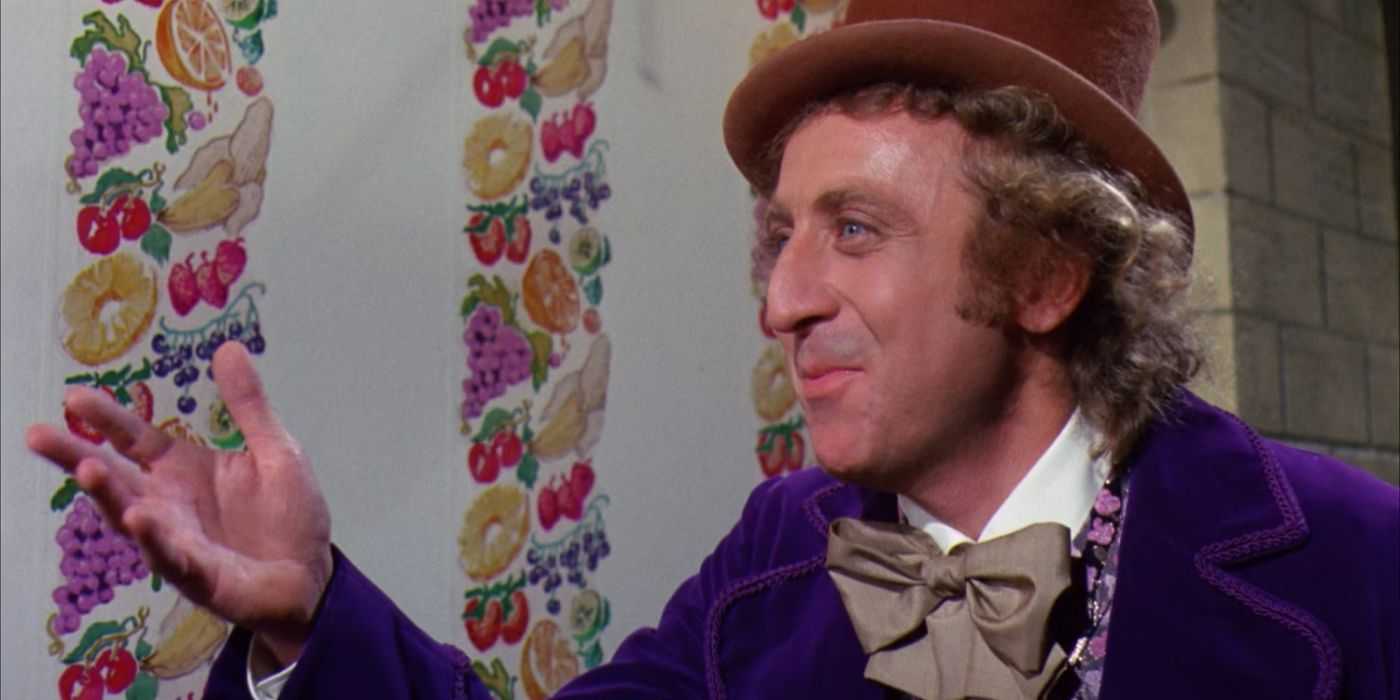
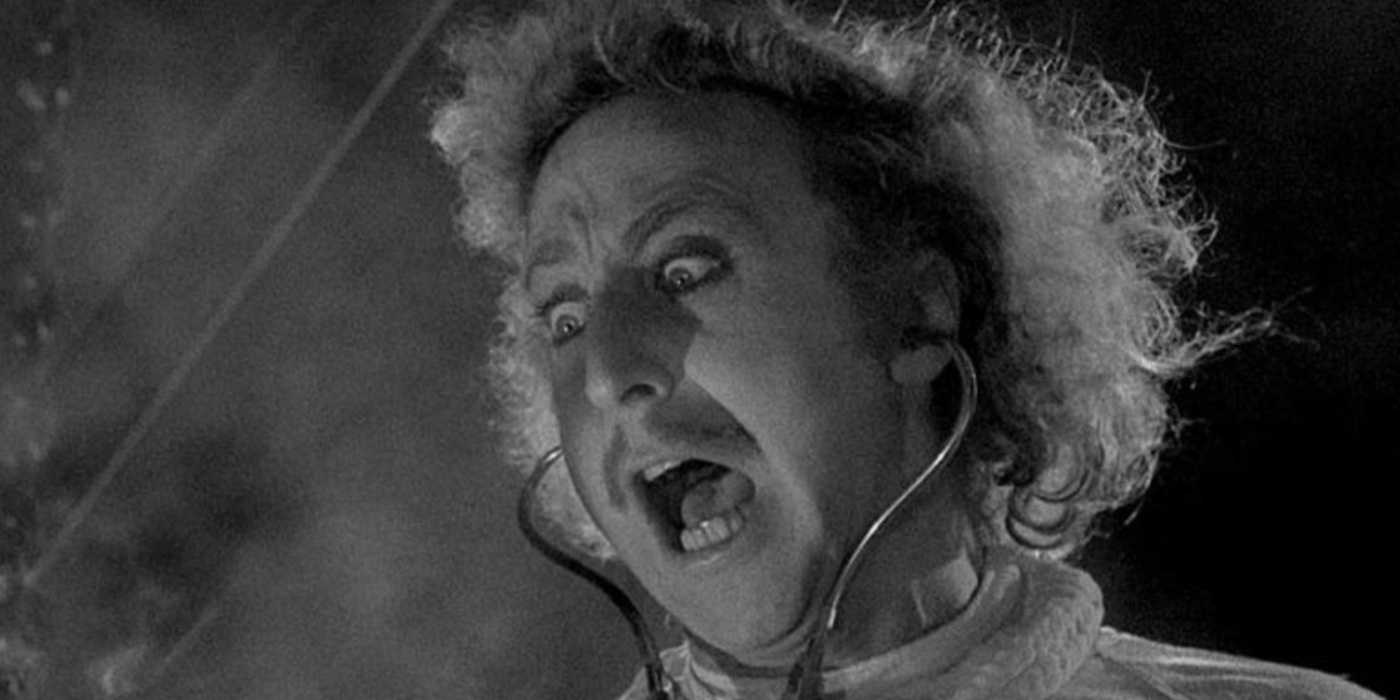
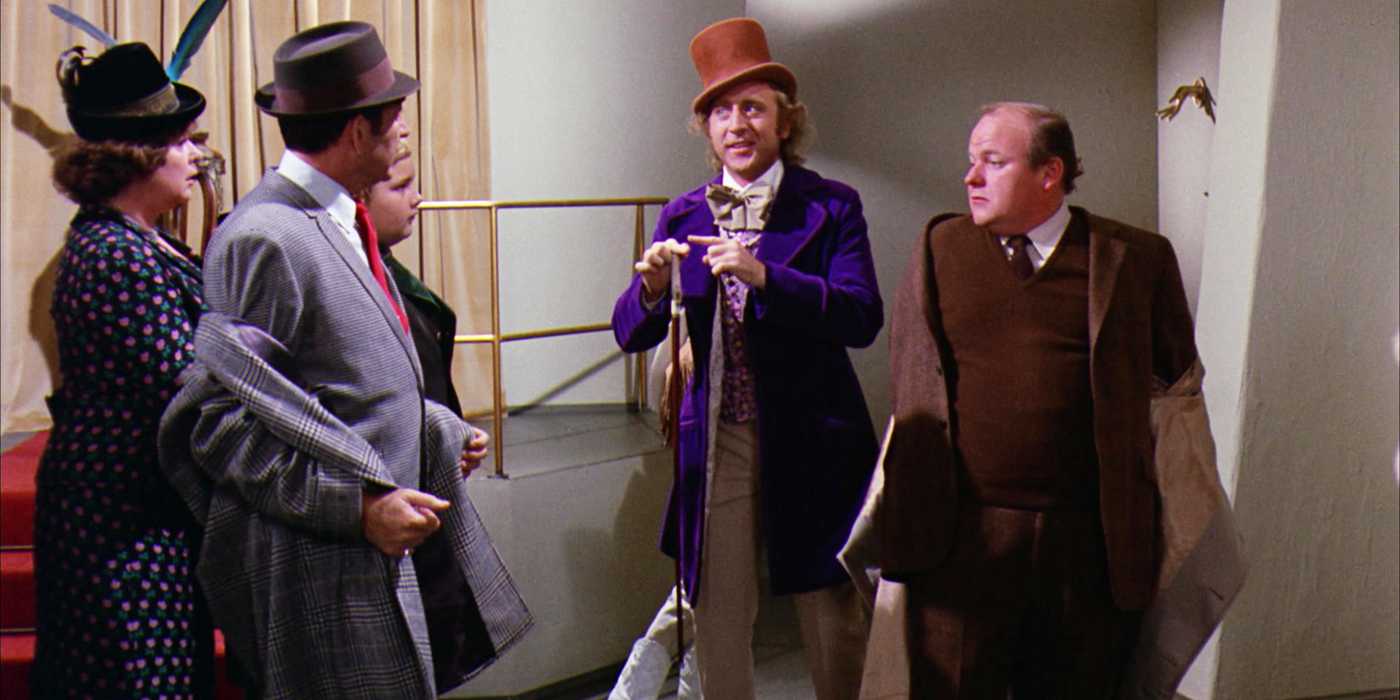
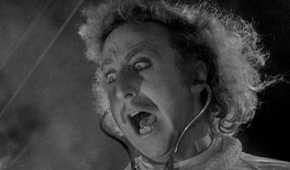
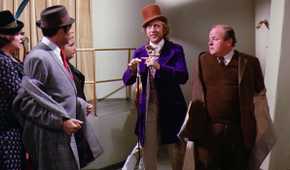
Many know the late Gene Wilder as the iconic Willy Wonka in the original version of Willy Wonka & the Chocolate Factory, a movie adaptation of the Roald Dahl book of the same name. After kicking off the decade with his stellar performance as the hilarious and eccentric chocolate factory owner, Wilder later starred in several other brilliant comedy movies. For example, he starred as the alcoholic Jim the Waco Kid in Blazing Saddles alongside Mel Brooks in 1974.
Wilder also co-wrote Young Frankenstein with Brooks in the same year, which earned them an Oscar nomination for Best Adapted Screenplay. In fact, a significant chunk of the titles Wilder was involved in during the ‘70s was in collaboration with Brooks and fellow comedic actor Richard Pryor. Together, Gene Wilder and Richard Pryor’s movies dominated the ‘70s. While Wilder was a prominent cinematic figure throughout his entire career, which spanned across multiple decades, his presence in the 1970s was unmatched.
9 Mel Brooks
Blazing Saddles


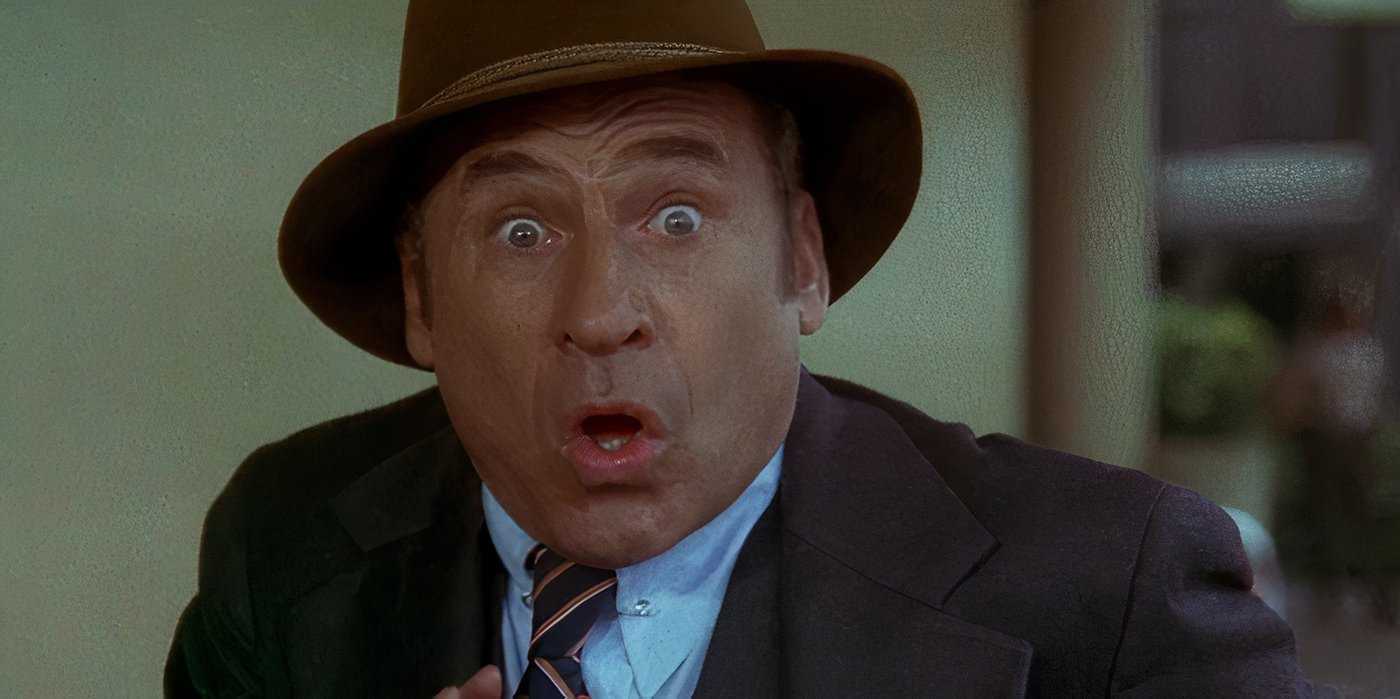
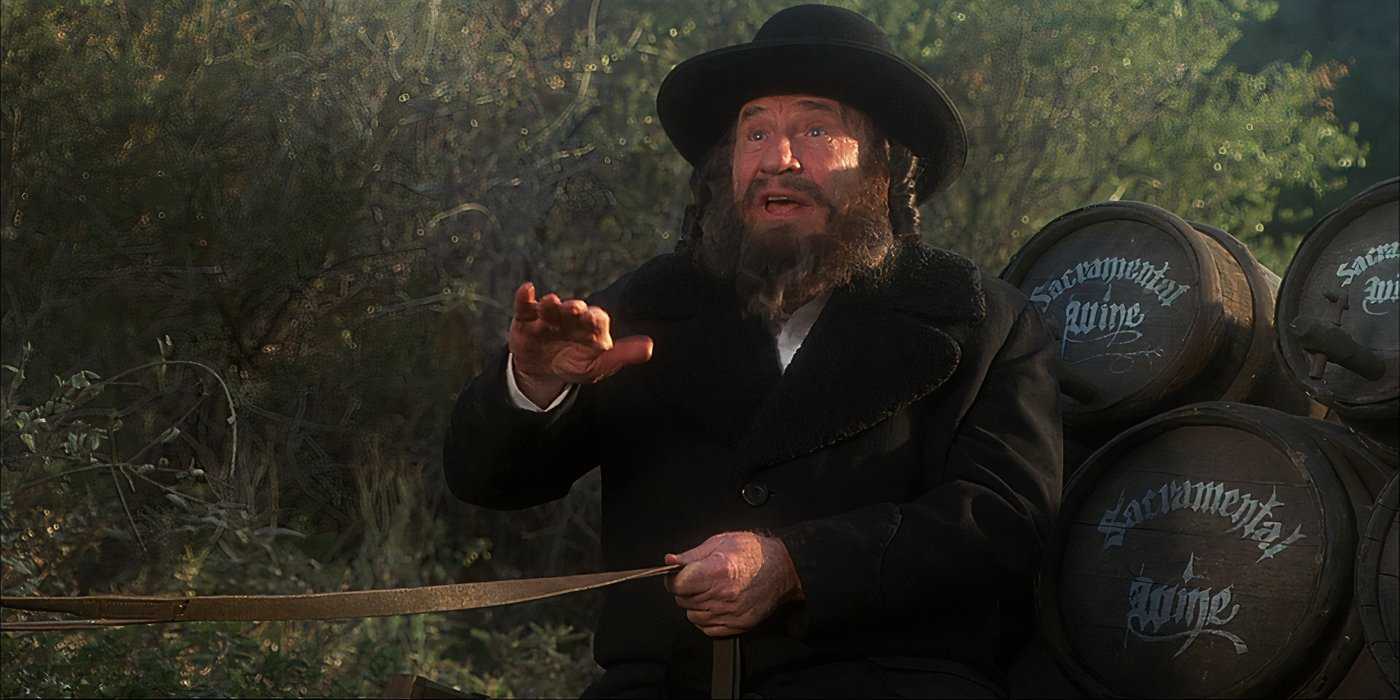
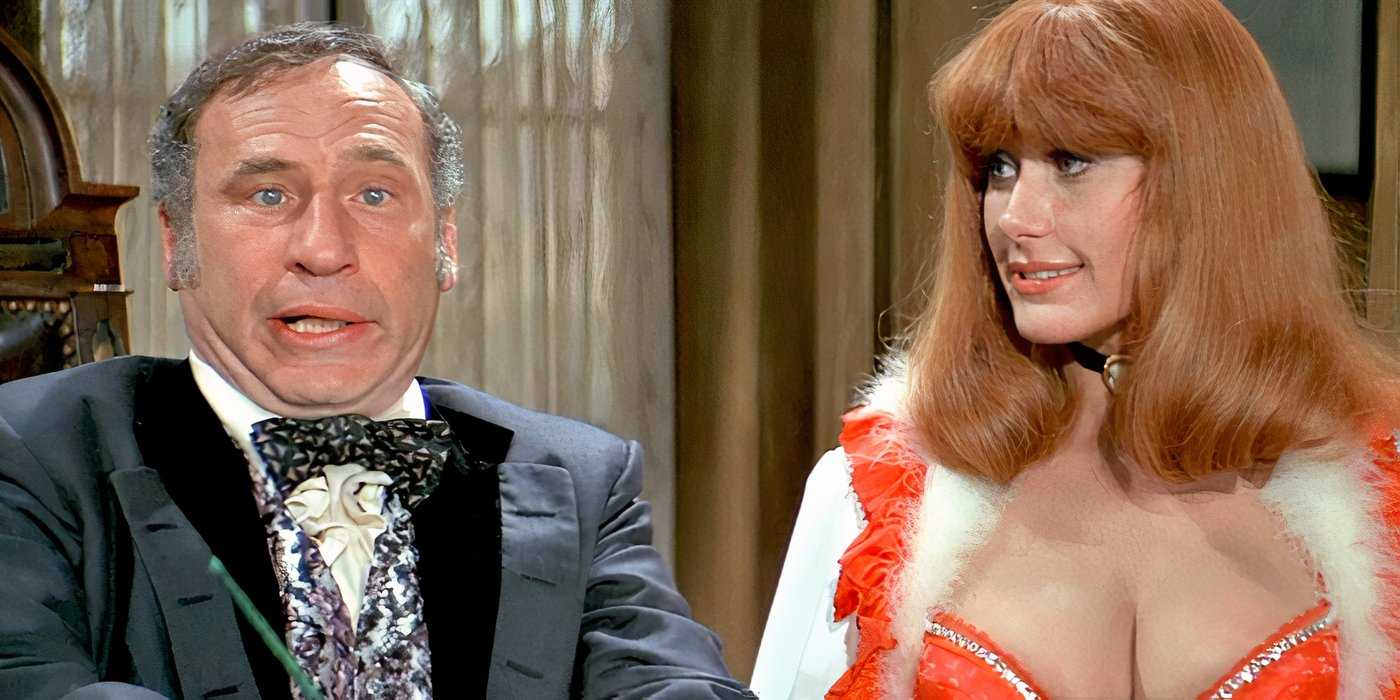
Actor and filmmaker Mel Brooks truly rose to fame in the ‘70s, following his success with The Producers in 1969. Brooks’ most popular titles included Blazing Saddles, but in 1975, he returned to the world of TV. Although his show When Things Were Rotten, which was released in 1975 and only lasted for one season, didn’t get the best reception, it did help inspire his later 1993 movie Robin Hood: Men in Tights.
Brooks’ first leading role as a performer, however, didn’t come until 1976 with Silent Movie, which he also co-wrote. While the film received mixed reviews, Brooks was praised for his comedic timing. Mel Brooks’ success in parody movies made him a standout in the 1970s, especially the likes of High Anxiety, which earned him two Golden Globe nominations—one for Best Actor and the other for Best Motion Picture.
8 Madeline Kahn
What’s Up Doc


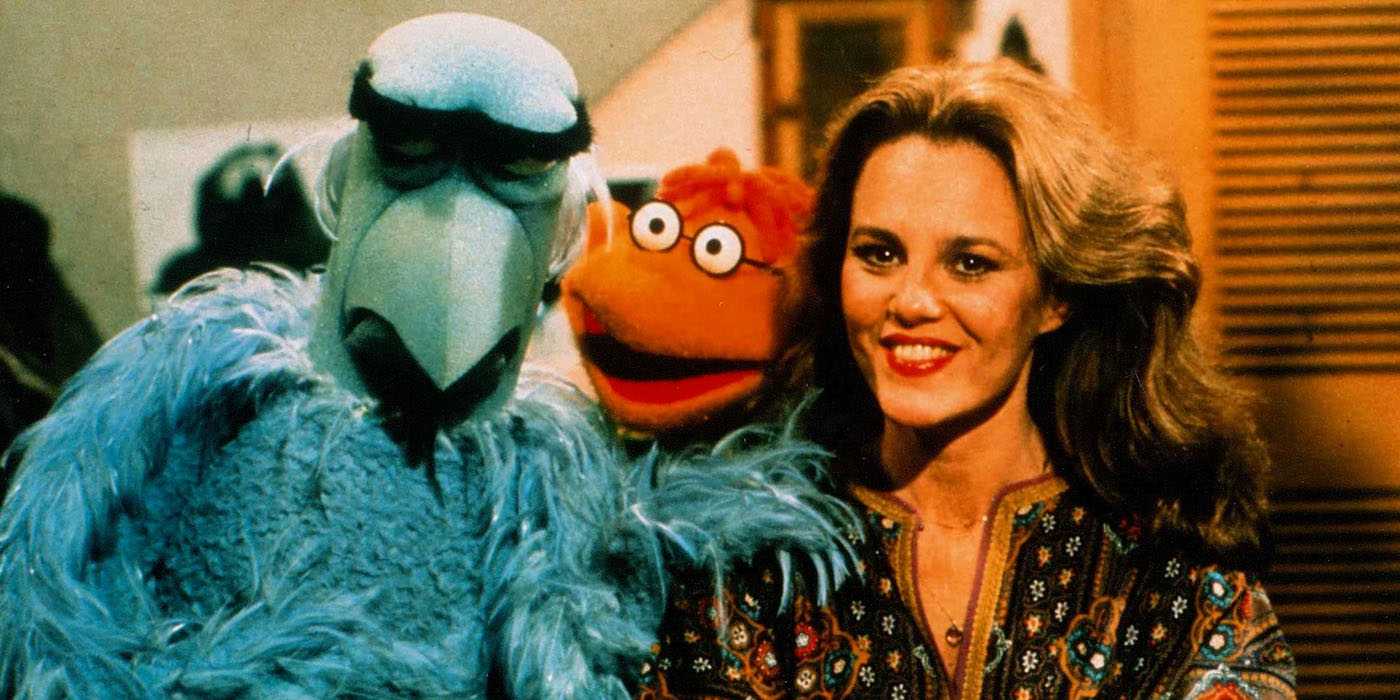
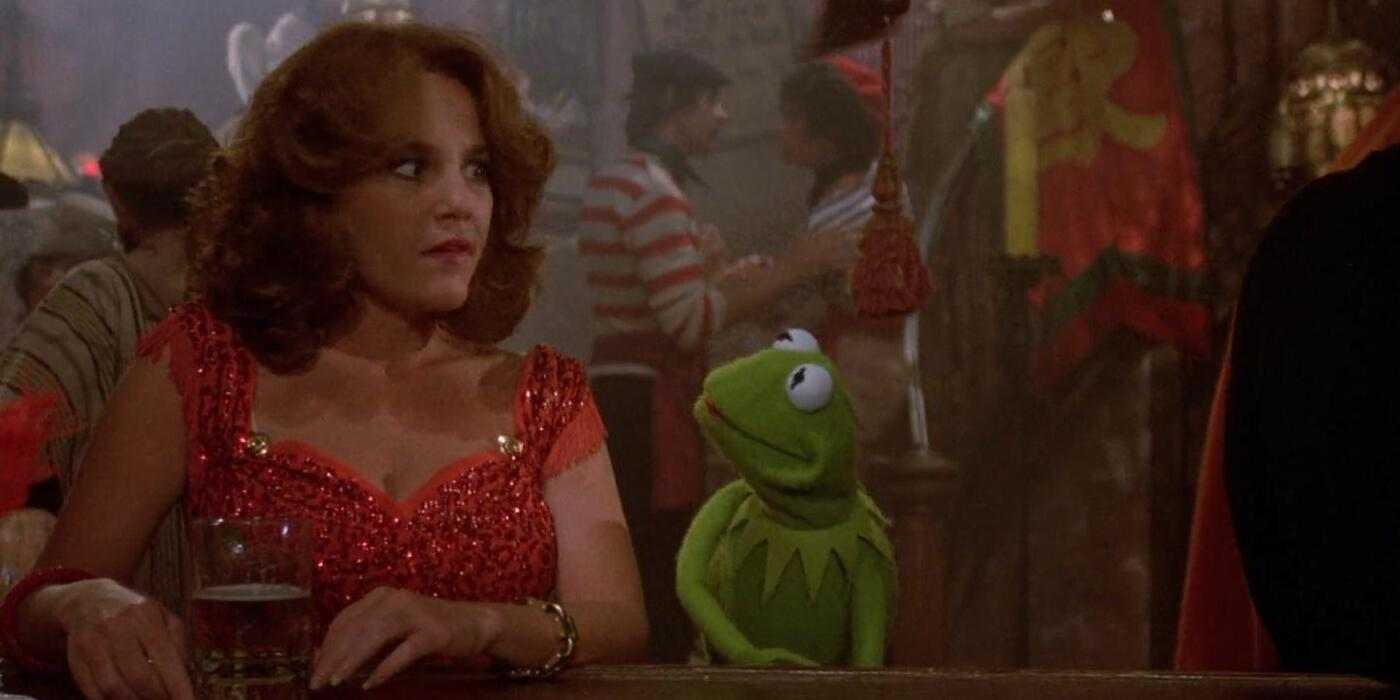
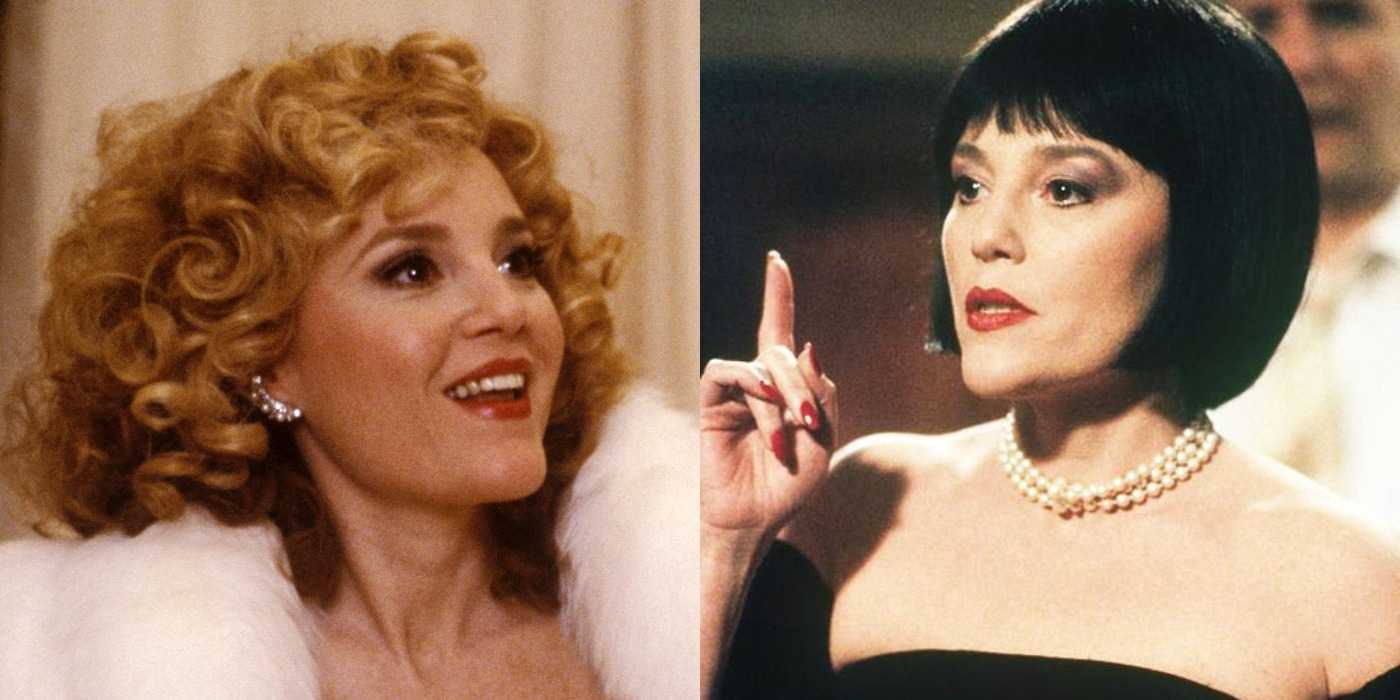
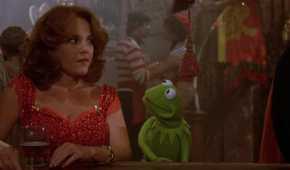
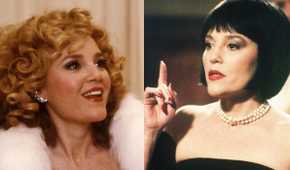
Madeline Kahn starred in some of Mel Brooks and Gene Wilder’s best films, too, including High Anxiety, Young Frankenstein, and Blazing Saddles. However, outside her collaborations with the two men, Kahn also appeared in What’s Up Doc. The film was her feature debut at the age of 30, and Kahn provided such a brilliant performance as the hysterical Eunice Burns that she received her first Golden Globe nomination in 1973 for New Star Actress of the Year.
She added so many extra layers to every film she featured in
Alongside her screen career, Kahn was a fabulous theatre performer, too. The Broadway legend appeared in multiple comedy plays throughout the ‘70s, but her most notable was In the Boom Boom Room, which earned her her first Tony Award nomination for Best Actress in 1974. Kahn’s incredible comedic pacing and memorable delivery in all of her roles, leading or supporting, made her an impressive figure in the ‘70s, and she added so many extra layers to every film she featured in.
7 Peter Sellers
The Return Of The Pink Panther


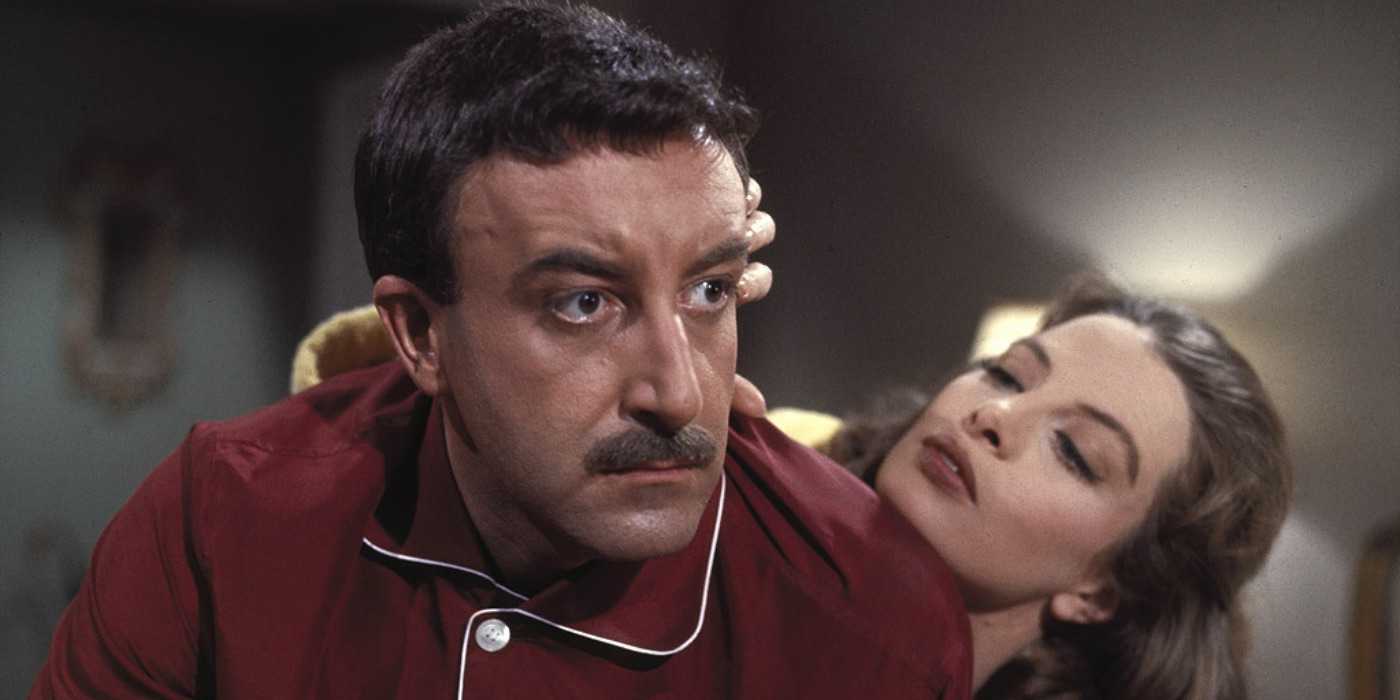
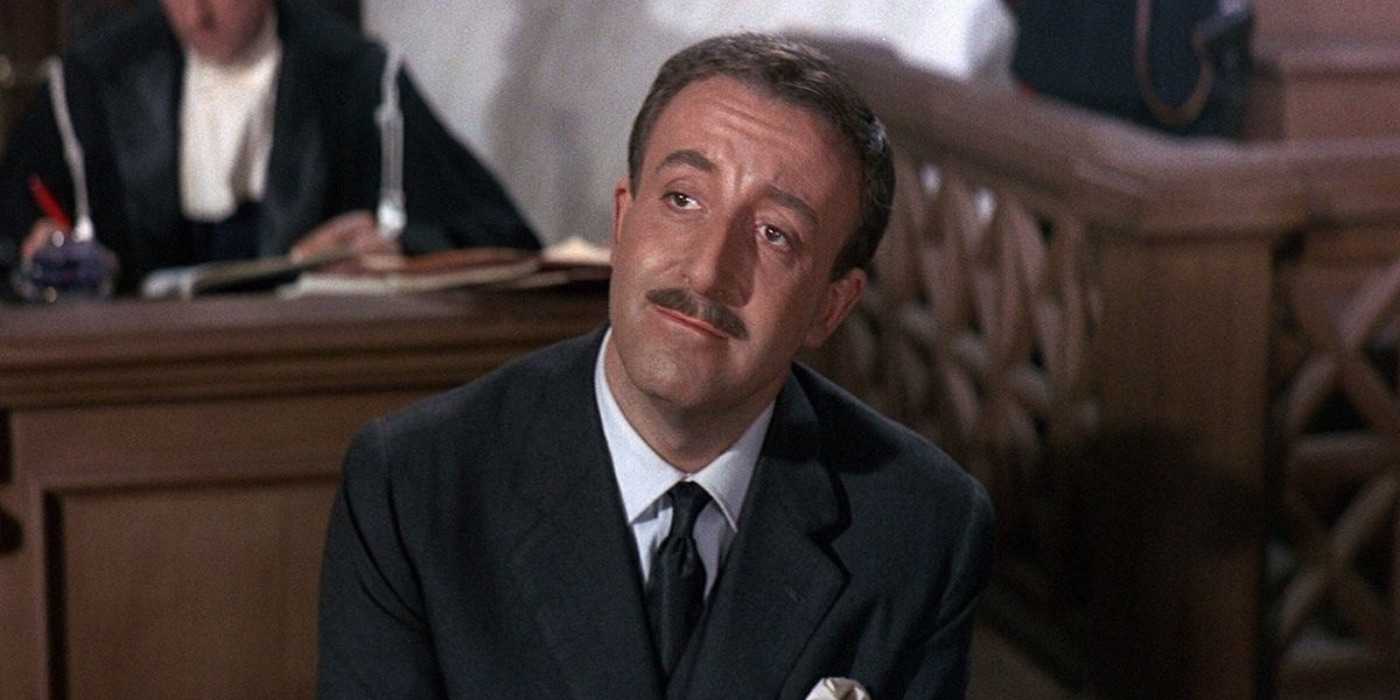
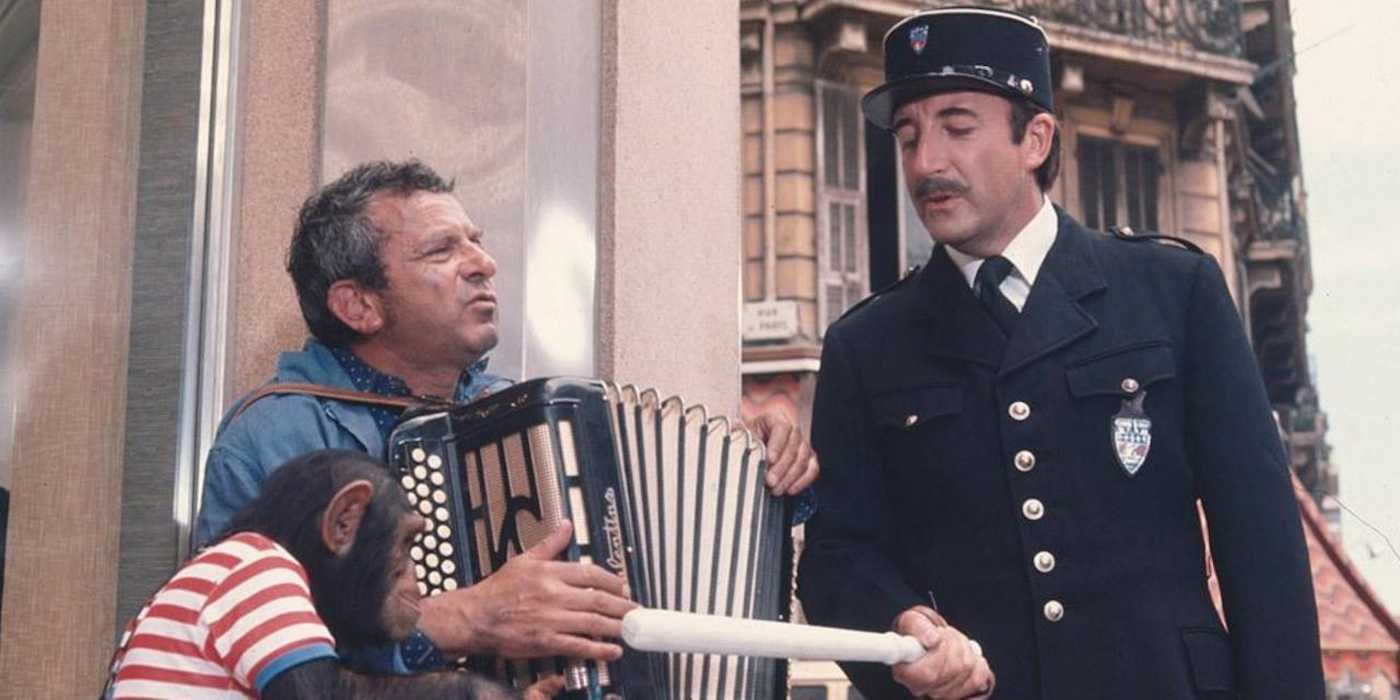
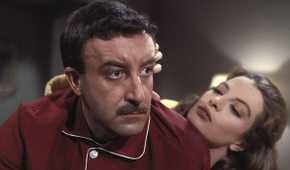
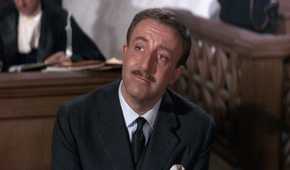
Peter Sellers was best known as Inspector Jacques Clouseau in the original The Pink Panther movies, which cemented his status as one of the biggest comedic legends of his generation. Sellers’ portrayal of the bumbling and extravagant Clouseau made him a staple in popular culture for decades after its release, and he inspired Steve Martin’s performance in the revival of the franchise. However, Sellers’ talents were also displayed in other roles. A lot of Peter Sellers’ movies in the ‘70s were perceived as complete failures, although in later years, appreciation for the titles grew.
For example, his role as the satirically sexually insatiable Queen Victoria in 1974’s The Great McGonagall was initially a complete flop, but he was later praised for the sheer ridiculousness of his characterization of the monarch. After a period of ill health while filming The Pink Panther series, Sellers’ career started to skyrocket once again, and he had appearances in titles such as The Muppet Show, which earned him an Emmy nomination, and The Prisoner of Zenda.
6 Richard Pryor
The Richard Pryor Show


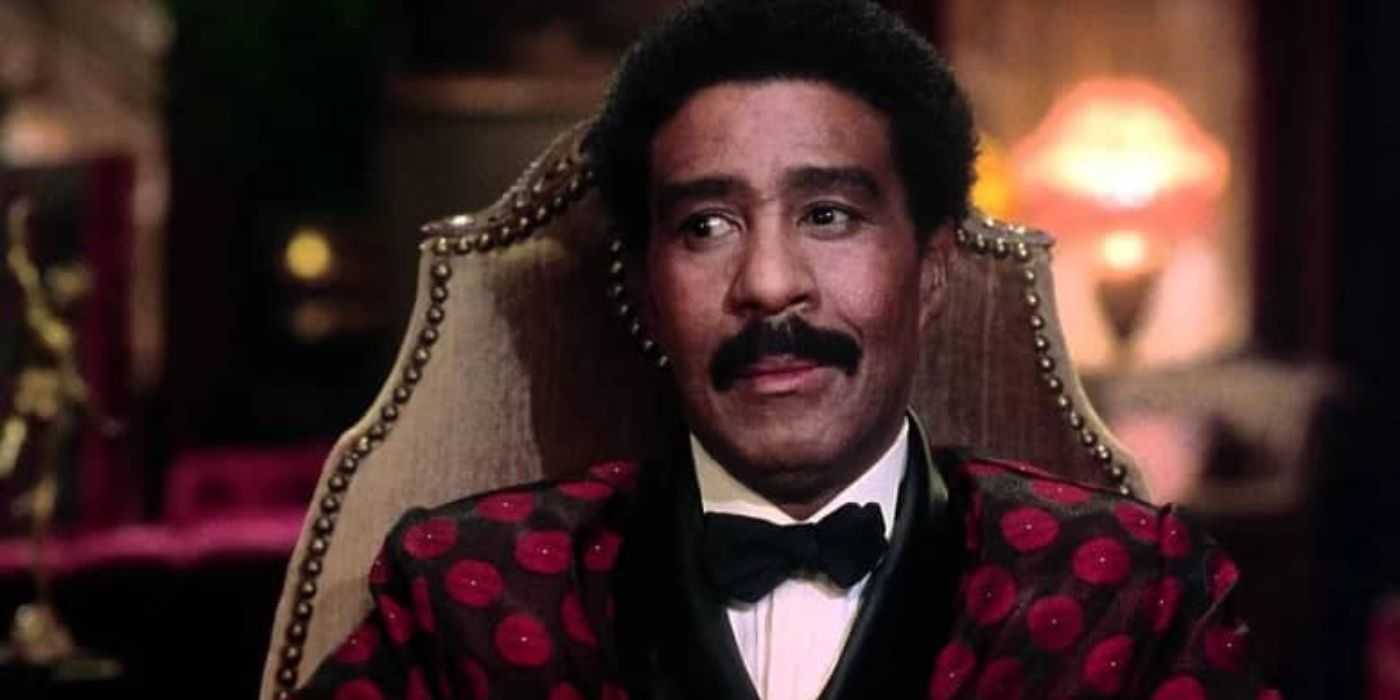
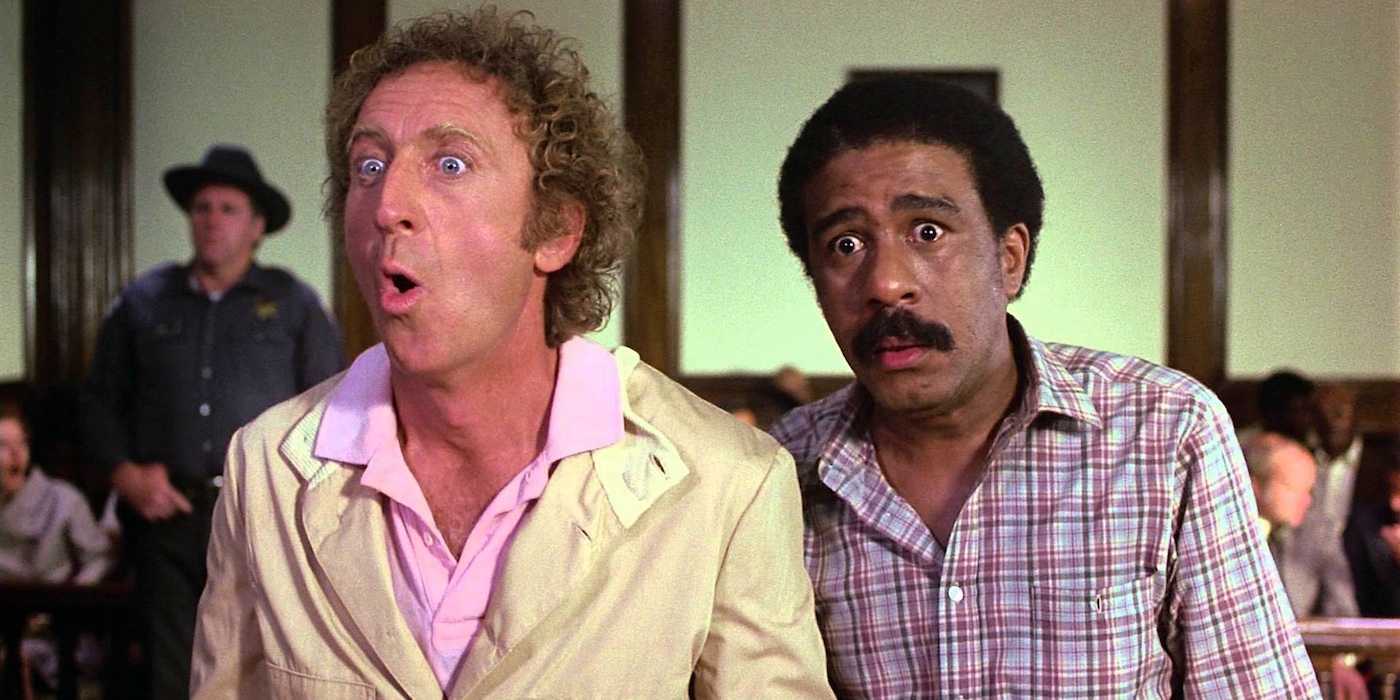
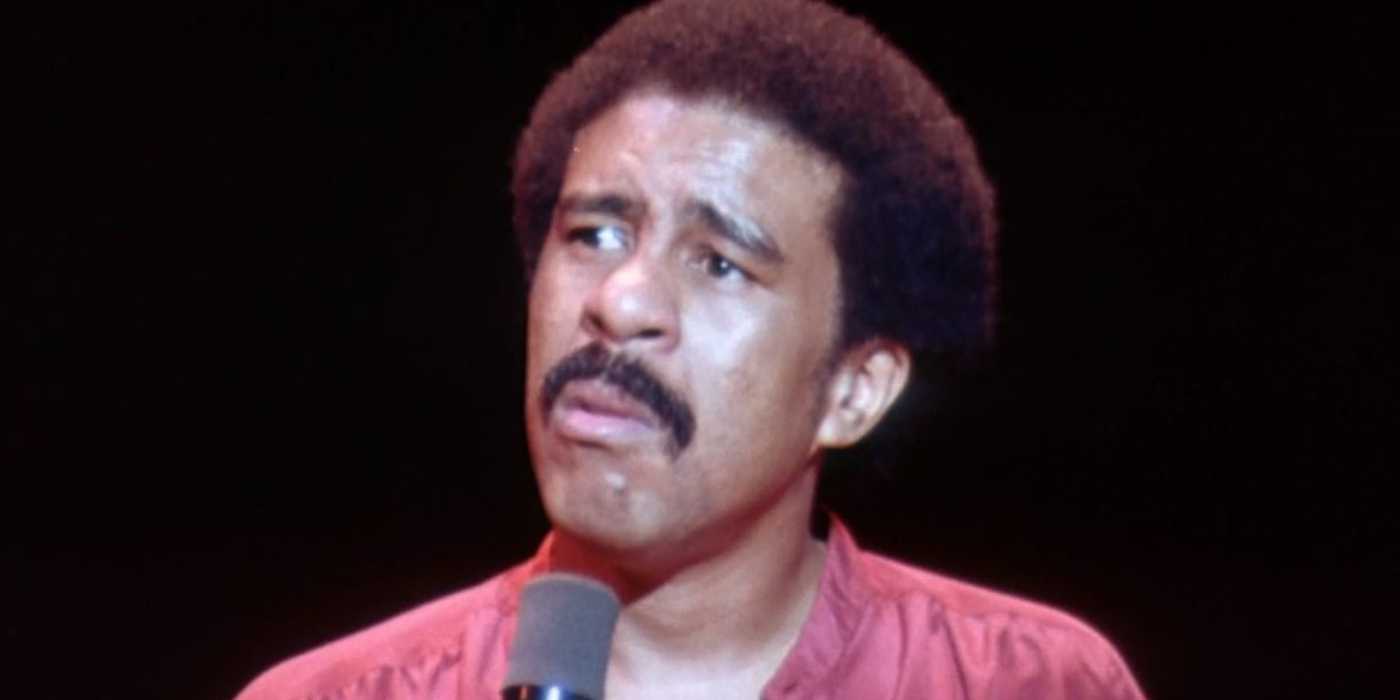
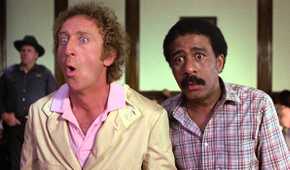
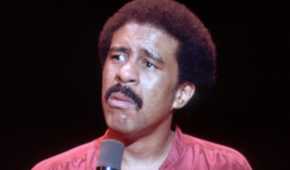
Richard Pryor revolutionized the world of stand-up comedy in the 1970s because of his brutally honest observational humor, which provided hysterical social commentary on everyday life. After he wrote for shows such as Sanford and Son and The Flip Wilson Show, Pryor made his breakthrough with several comedy albums, which earned him multiple Grammy Awards. In 1975, Pryor was one of the first to be a guest host for Saturday Night Live, which premiered in the same year. He was the very first black host of the show.
However, some of Pryor’s best performances were in his own variety show, The Richard Pryor Show. While the show was canceled after only four episodes, the content of the episodes was well ahead of their time. In these four short installments, Pryor portrayed the first black President of the United States, parodied Star Wars, and shone a light on gun violence in America. These skits were wildly unappreciated at the time, but in recent years, they have been analyzed and celebrated for Pryor’s gritty attitude to society while still ensuring the use of comedy for better translation.
5 John Cleese
Monty Python & Fawlty Towers


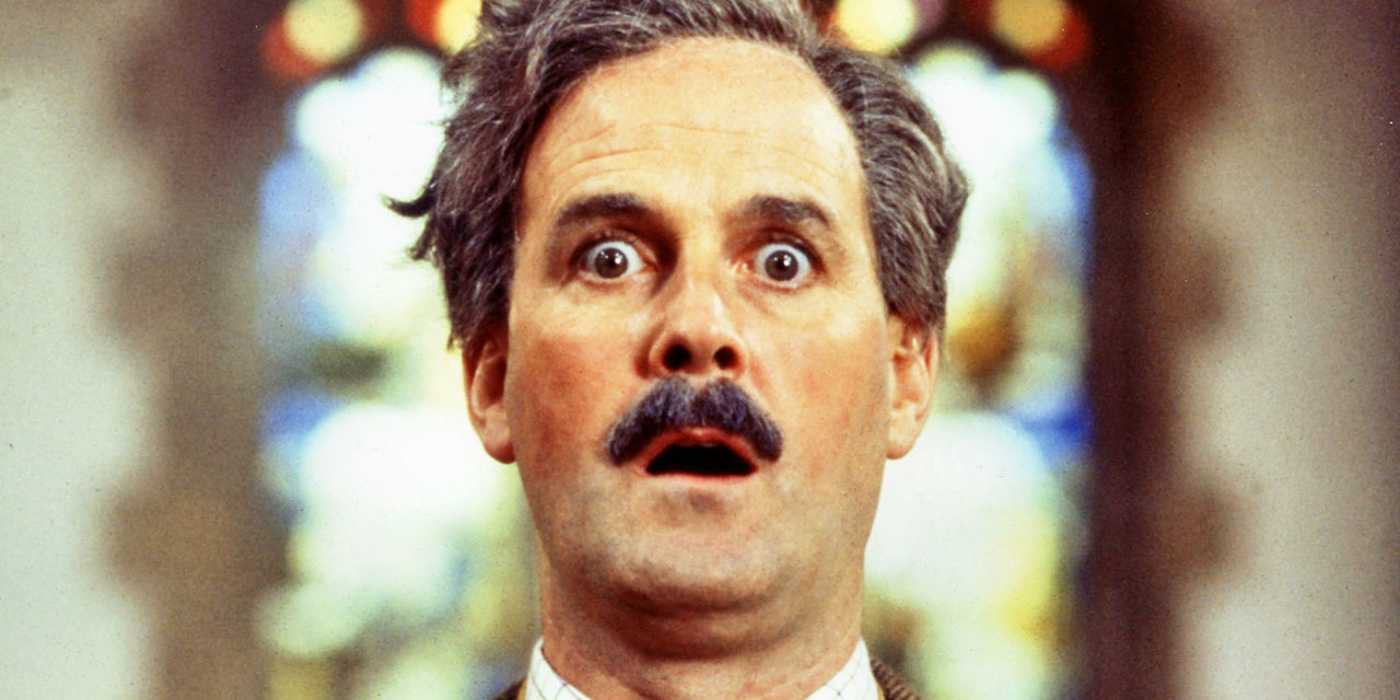
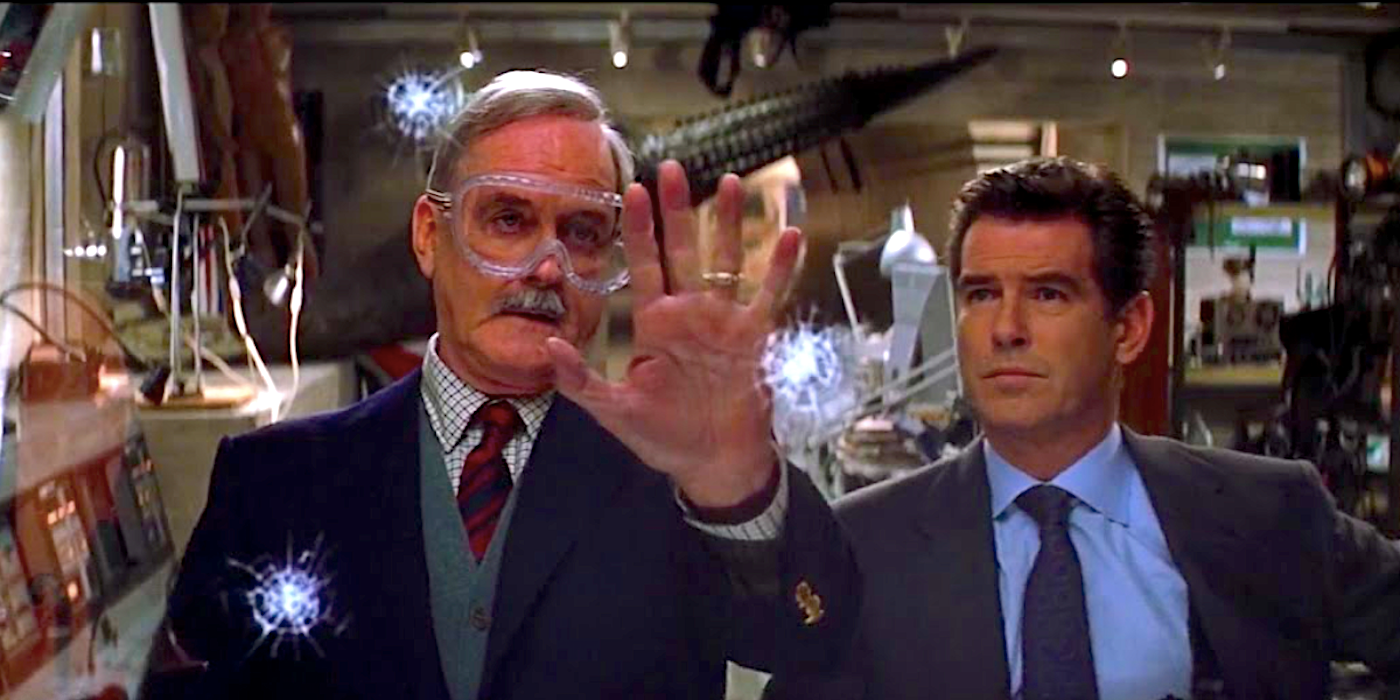
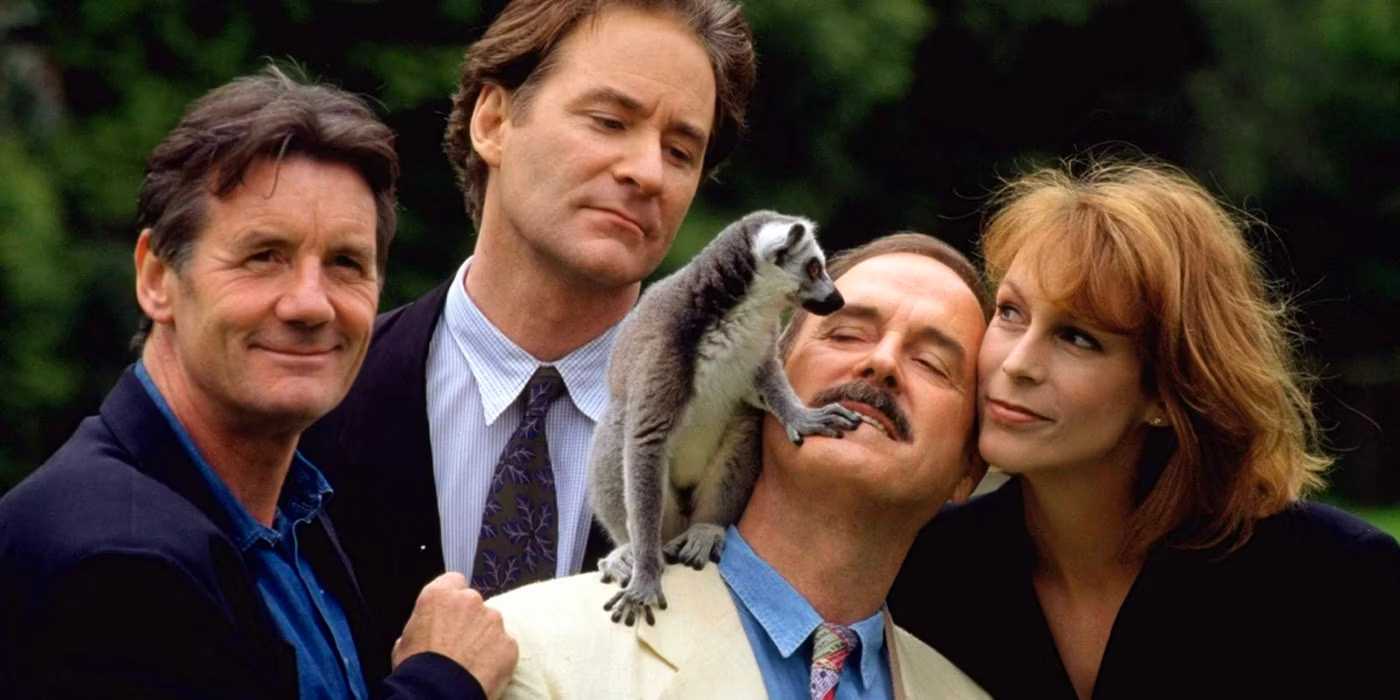
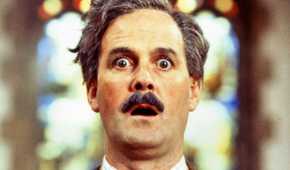
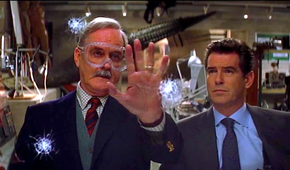
John Cleese was a huge star throughout the 1970s and was famous for his over-the-top, slapstick characters. The two most prominent projects Cleese was best known for were one of the best sitcoms of all time, Fawlty Towers, and as a member of the comedy troupe Monty Python. Monty Python spawned several films, including Flying Circus, the Holy Grail, and Life of Brian, as well as multiple TV shows. While his characters were different, Cleese brought an incredible level of humor and talent to each of his roles.
However, Cleese’s talents weren’t restricted to just performance. He also co-wrote two of the Monty Python films, which were rewarded with multiple BAFTA Awards over the years. Cleese’s comedic talents were also displayed in many other movie and TV show roles as well, such as Nearly Headless Nick in the Harry Potter movies, King Harold in the Shrek series, and Archie Leach in A Fish Called Wanda, the latter awarding him with an Oscar for Best Actor. While Cleese may have become a huge star in the ‘70s, he continued to be a huge success for decades after.
4 Mary Tyler Moore
The Mary Tyler Moore Show


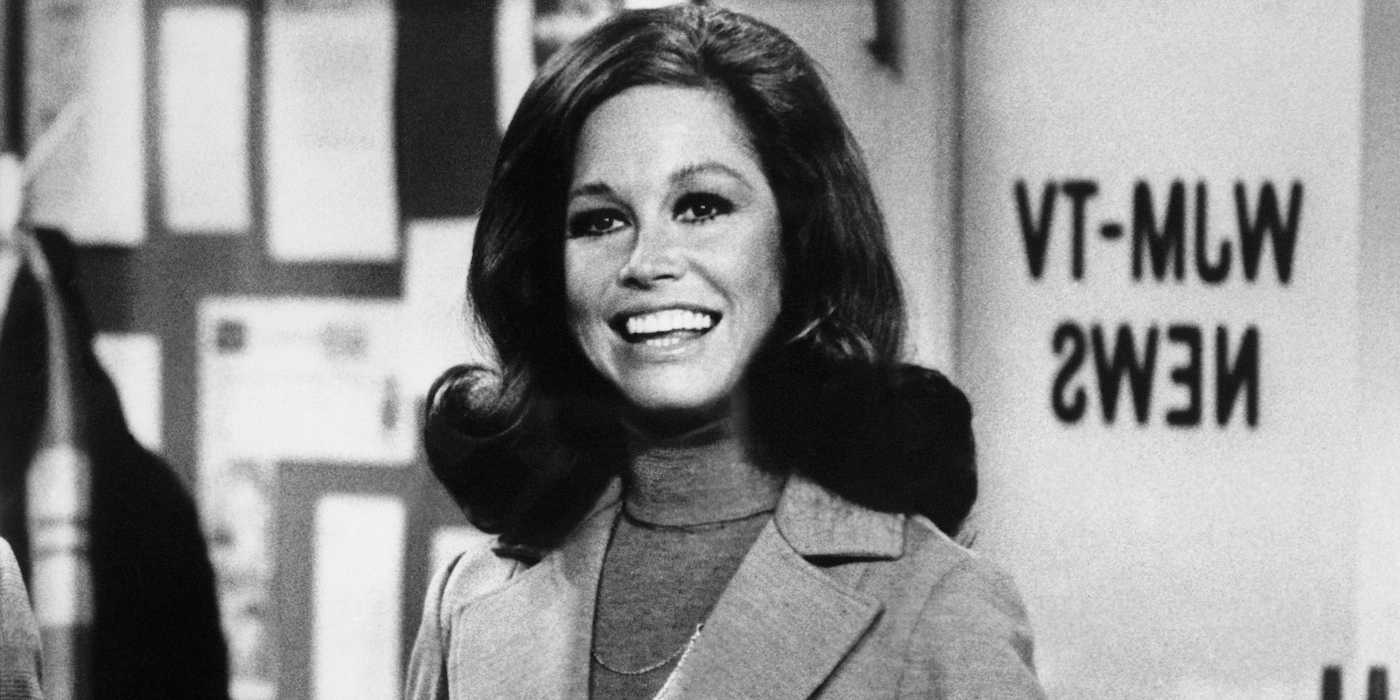
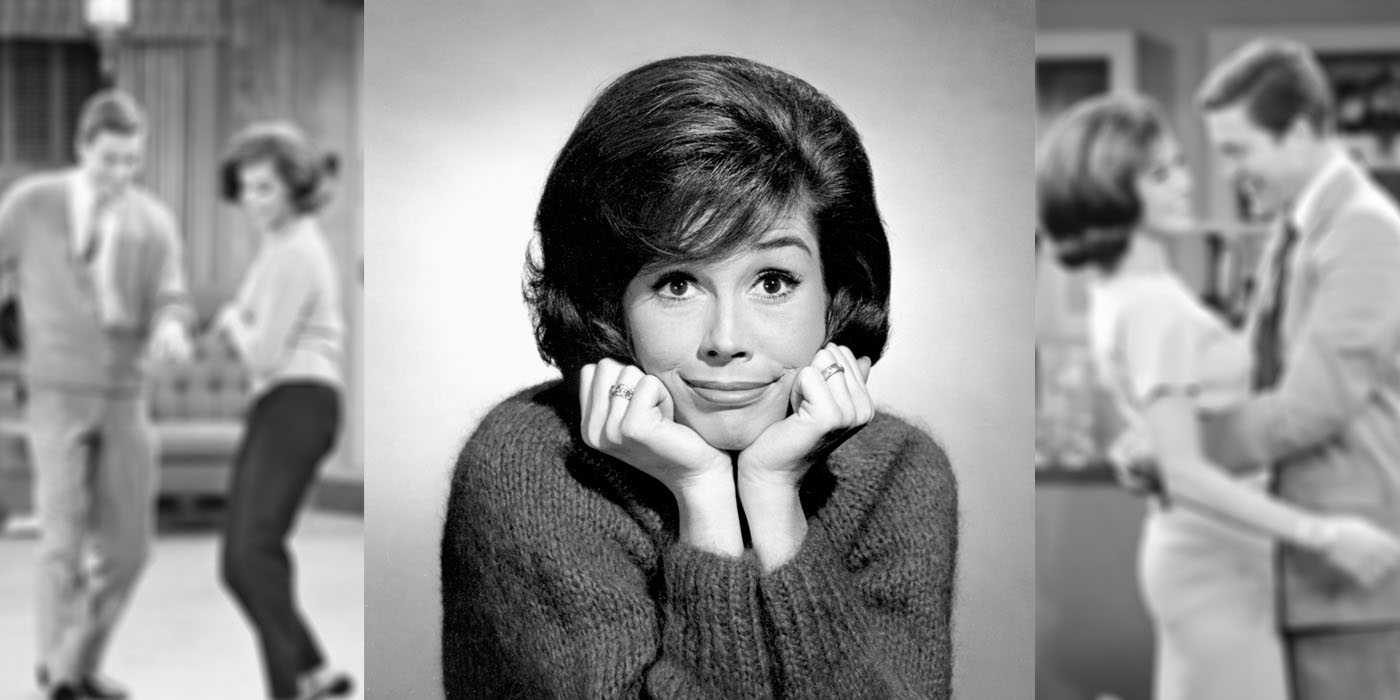
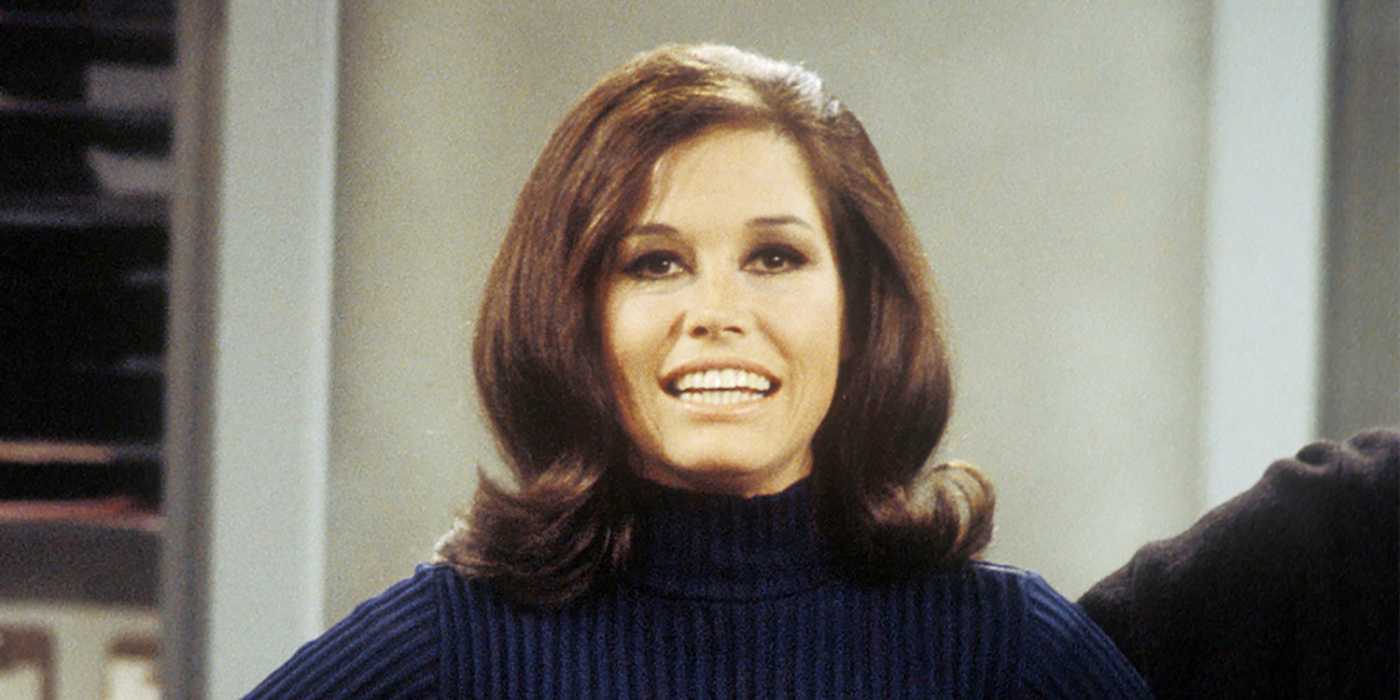
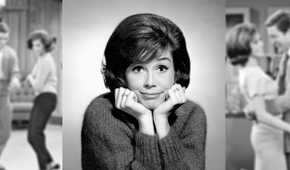
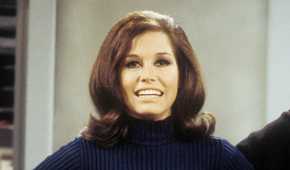
Mary Tyler Moore, the iconic titular personality of The Mary Tyler Moore Show, created a huge legacy throughout her career, but the ‘70s were a particularly notable era. Her portrayal of Mary Richards in The Mary Tyler Moore Show’s best episodes was revolutionary, and Moore's depiction of a single career-focused woman challenged gender roles. Her presence on TV screens was massively empowering, yet her use of humor and wit didn’t dilute the seriousness of the topic that was at hand. The show was a massive success through the ‘60s and ‘70s, and Moore received several Golden Globe nominations for it.
However, Moore’s astonishing career was so much more than The Mary Tyler Moore Show. She was also a prominent figure in politics in the ‘70s, and Moore used her status and comical skills to encourage the general public to be more politically involved. Moore’s dedication to the feminist movement was not only reflected in her work but also her personal life. Even though Moore dedicated a lot of the ‘70s to The Mary Tyler Moore Show, her work on it set her up for a huge movie career throughout the ‘80s and beyond.
3 Alan Alda
MASH


 Custom image by Debanjana Chowdhury
 Custom image by Yeider Chacon
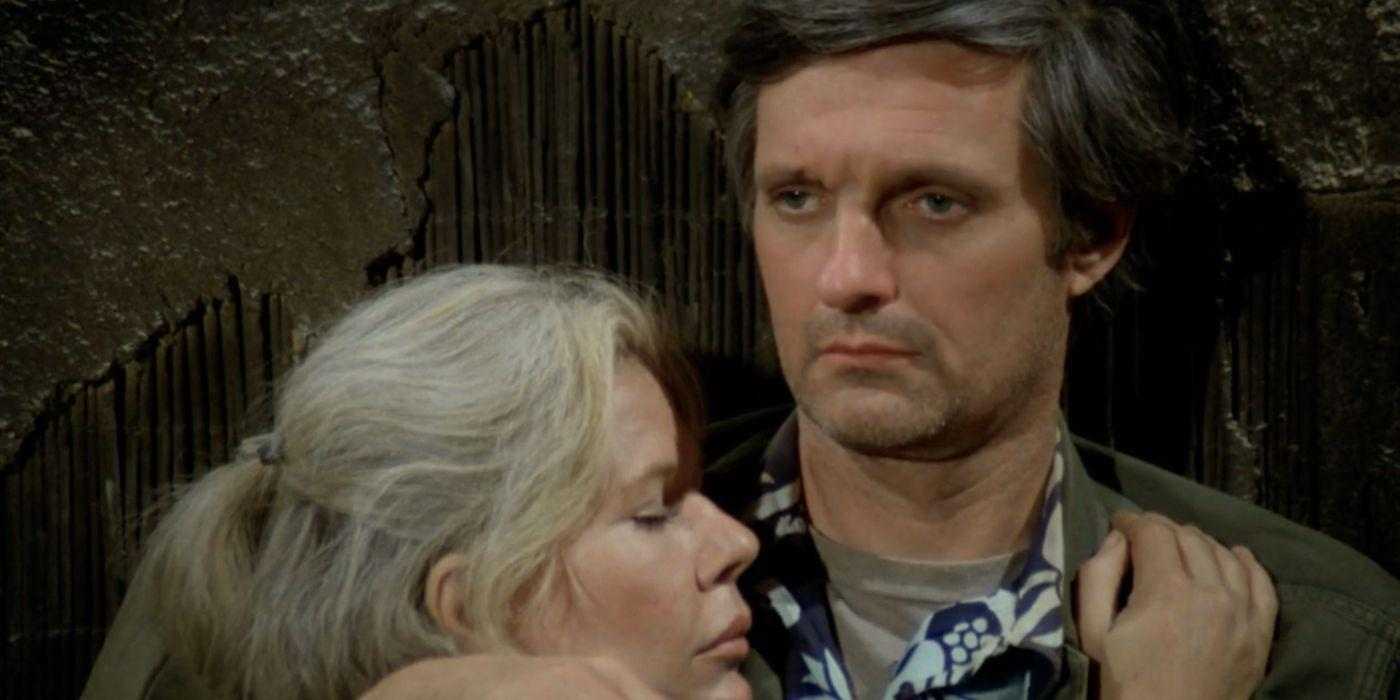
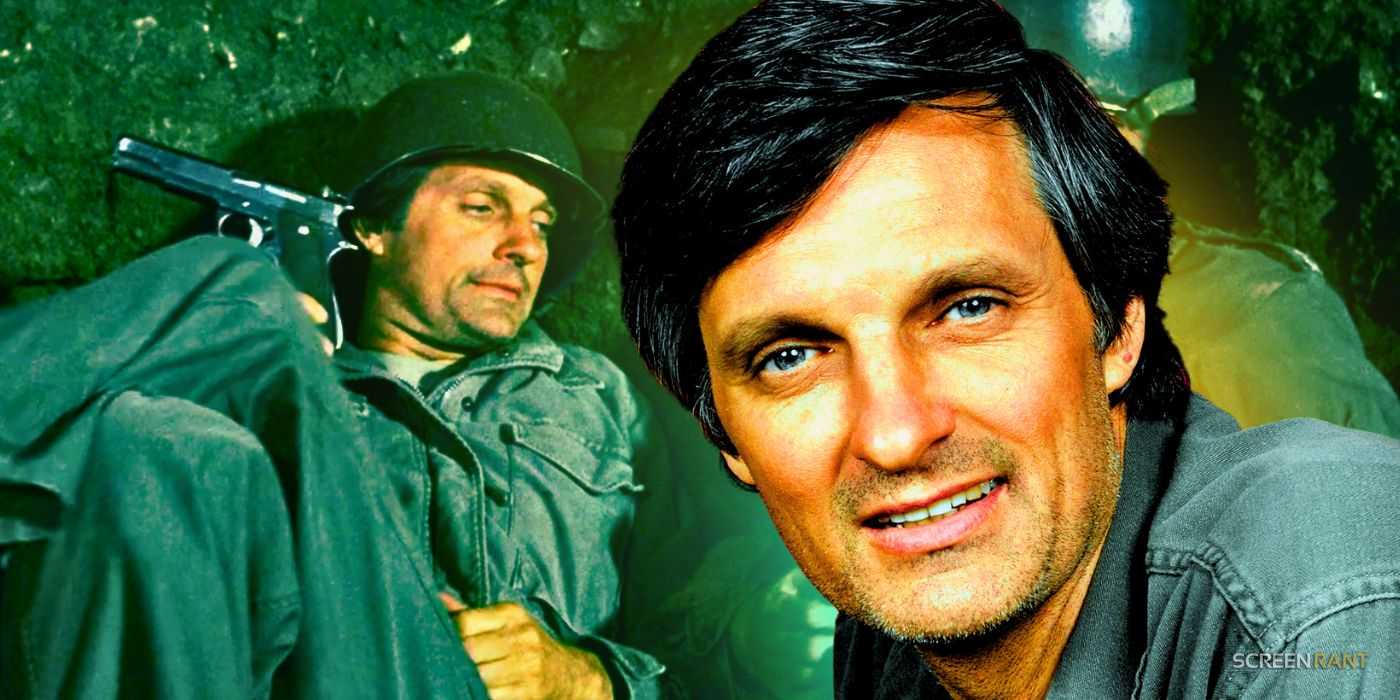
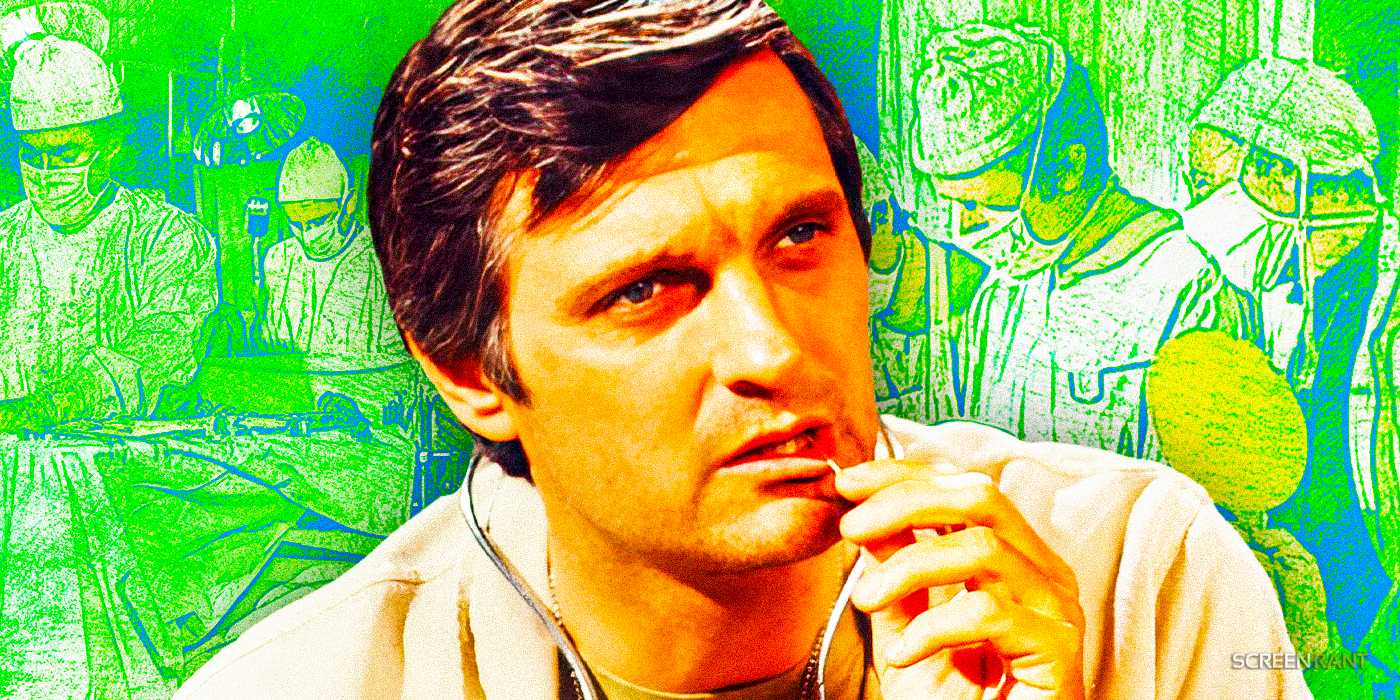
Alan Alda’s career took off massively in the 1970s, mainly because of his role as Hawkeye Pierce in MASH, his most famous role. Throughout the course of the show, which first began in 1972, Alda won five Emmy Awards out of 21 nominations. He was also a part of MASH’s writing team and contributed to multiple episodes, including “Goodbye, Farewell and Amen,” one of the best sitcom finales ever. Alda’s portrayal of Hawkeye was praised for what he brought to the character, primarily his brilliant pacing but also the extra level of humanity he added to the war doctor.
Even though Alda was mainly focused on MASH in the ‘70s, he also starred in a few films, including 1978’s Same Time, Next Year, for which he was nominated for a Golden Globe. He also appeared as Bill Warren in the comedy anthology movie California Suite in the same year, alongside acting legends Michael Caine and Jane Fonda. Although Alda’s comedy skills through performance were solid, his true talents shone within writing and directing, both for MASH and future projects in the decades that followed.
2 Carol Burnett
The Carol Burnett Show


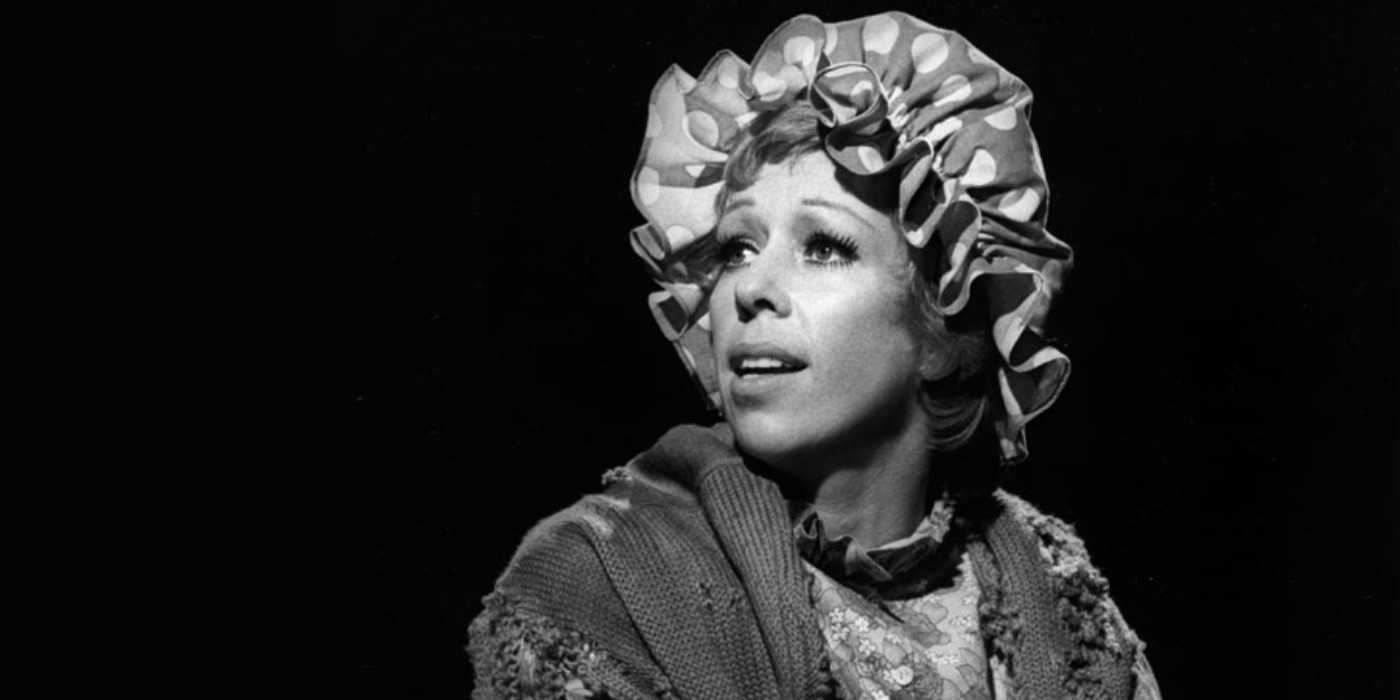
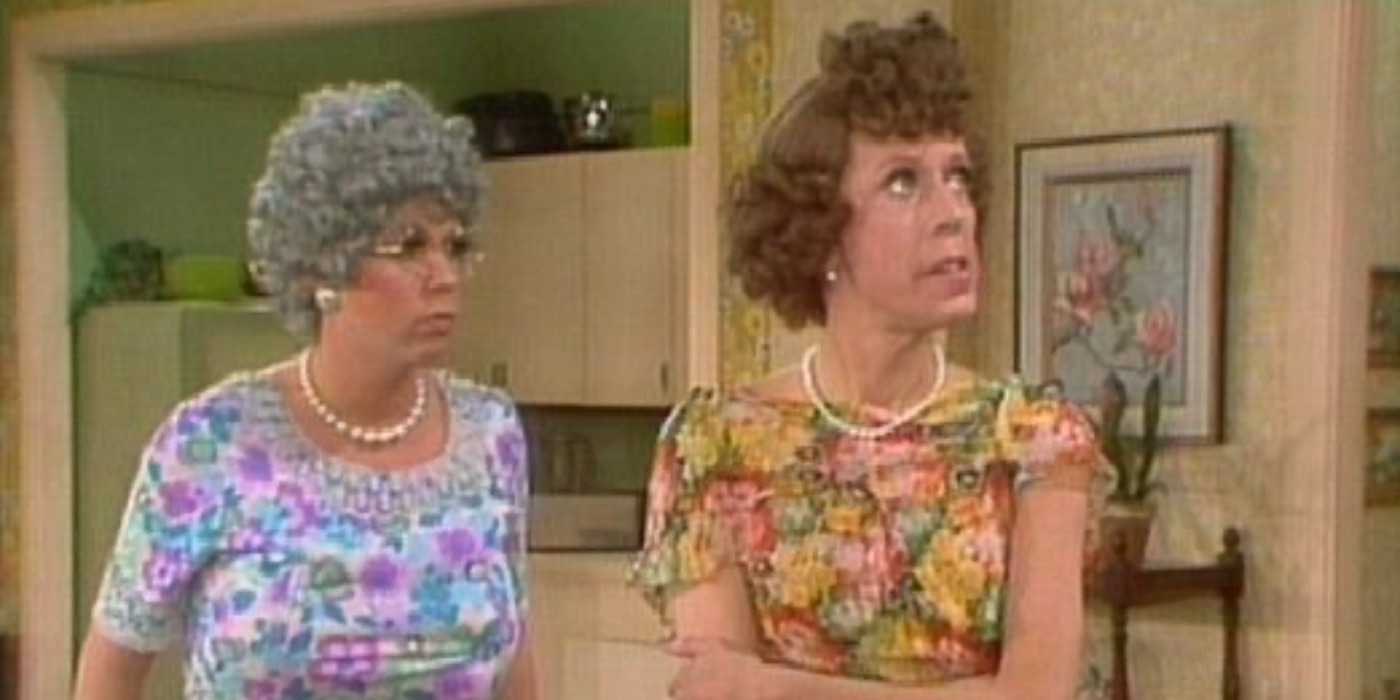
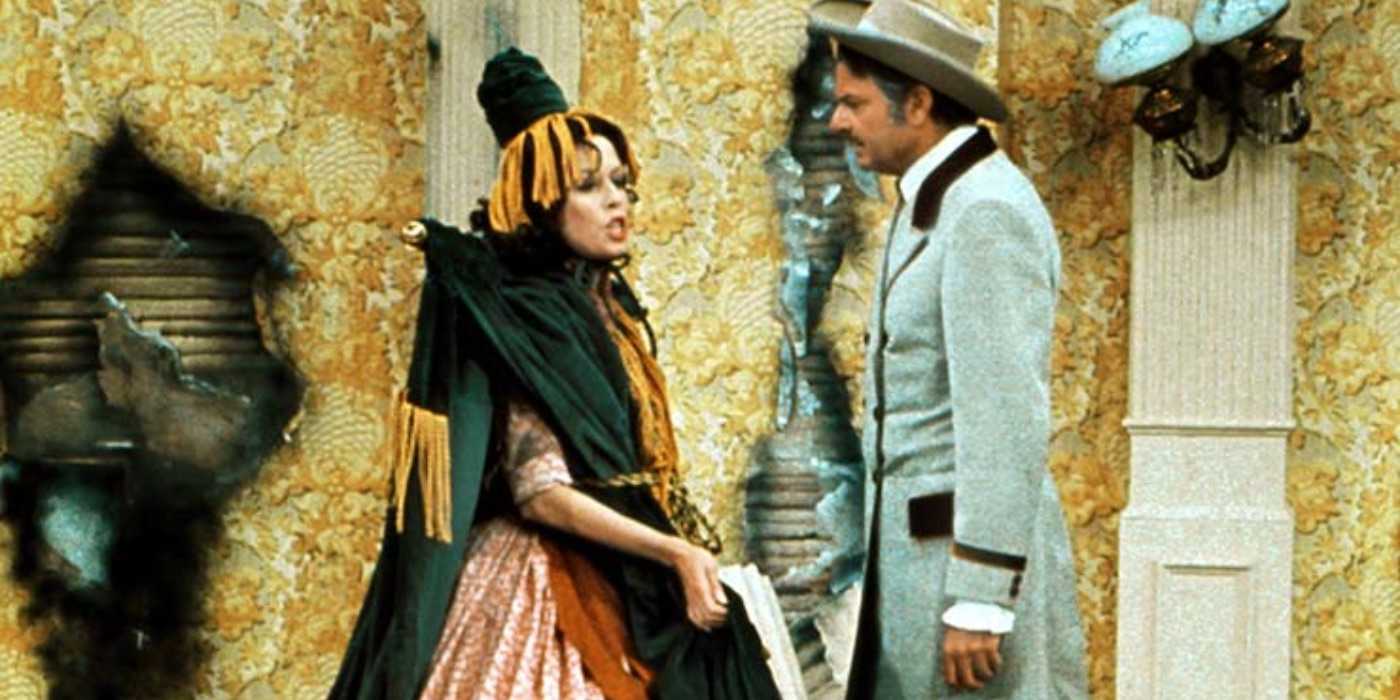
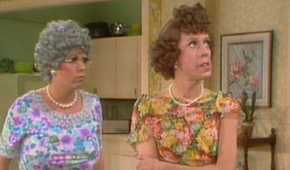
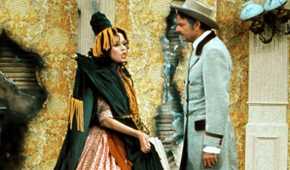
The legendary Carol Burnett was a staple personality in the 1970s, and among the notable female comedians at that time, she stood above them all. At the peak of her career, The Carol Burnett Show launched as a variety show that parodied various TV series and films at that time. Burnett went from famous to a superstar with her titular show, and it led to the spinoff Mama’s Family, which was also a massive success. During and after The Carol Burnett Show ended in 1978, Carol Burnett’s best roles allowed her career to continue to soar.
While filming The Carol Burnett Show, she starred in comedy-drama movies like 1972’s Pete ‘n’ Tillie and 1974’s The Front Page. Even though her later projects veered away from comedy and she took on more dramatic roles, Burnett’s humor was still hugely relevant to the genre overall. In 2019, she was the first recipient of the Carol Burnett Lifetime Achievement Award for Television, which has since been awarded to the likes of Ellen DeGeneres and Ryan Murphy.
1 Bob Newhart
The Bob Newhart Show


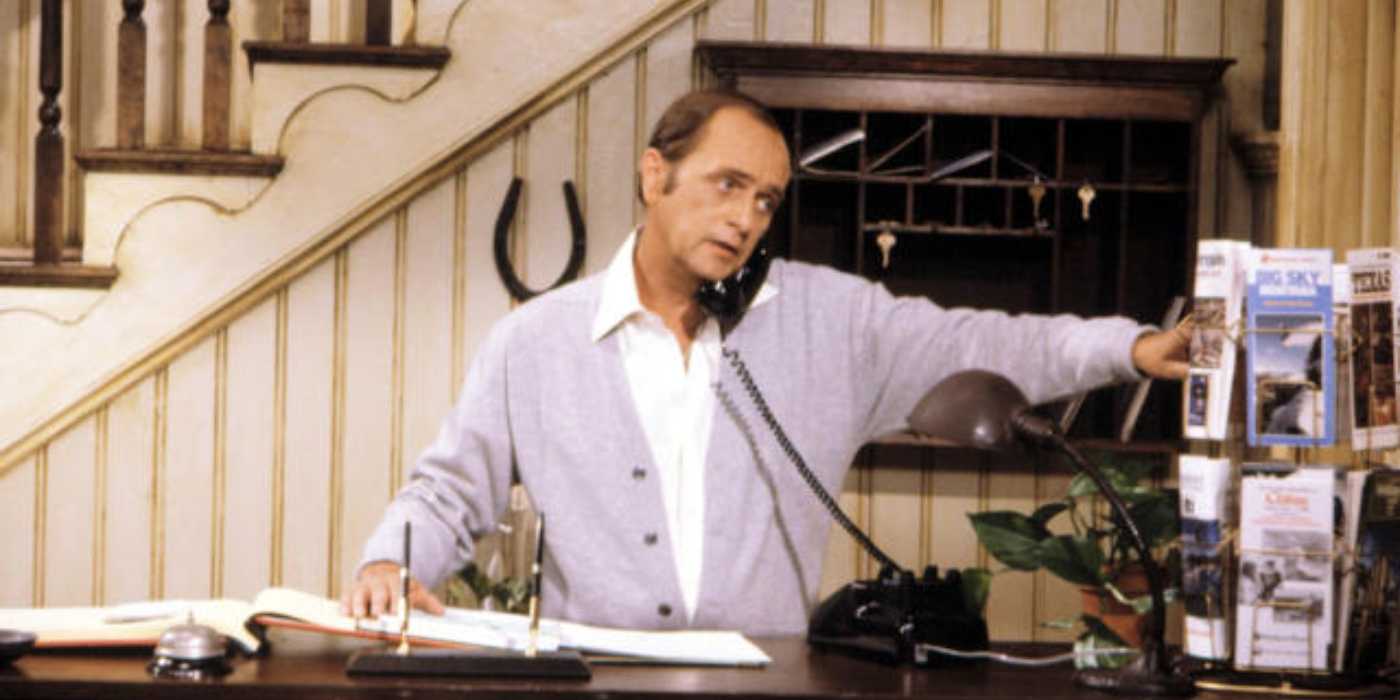
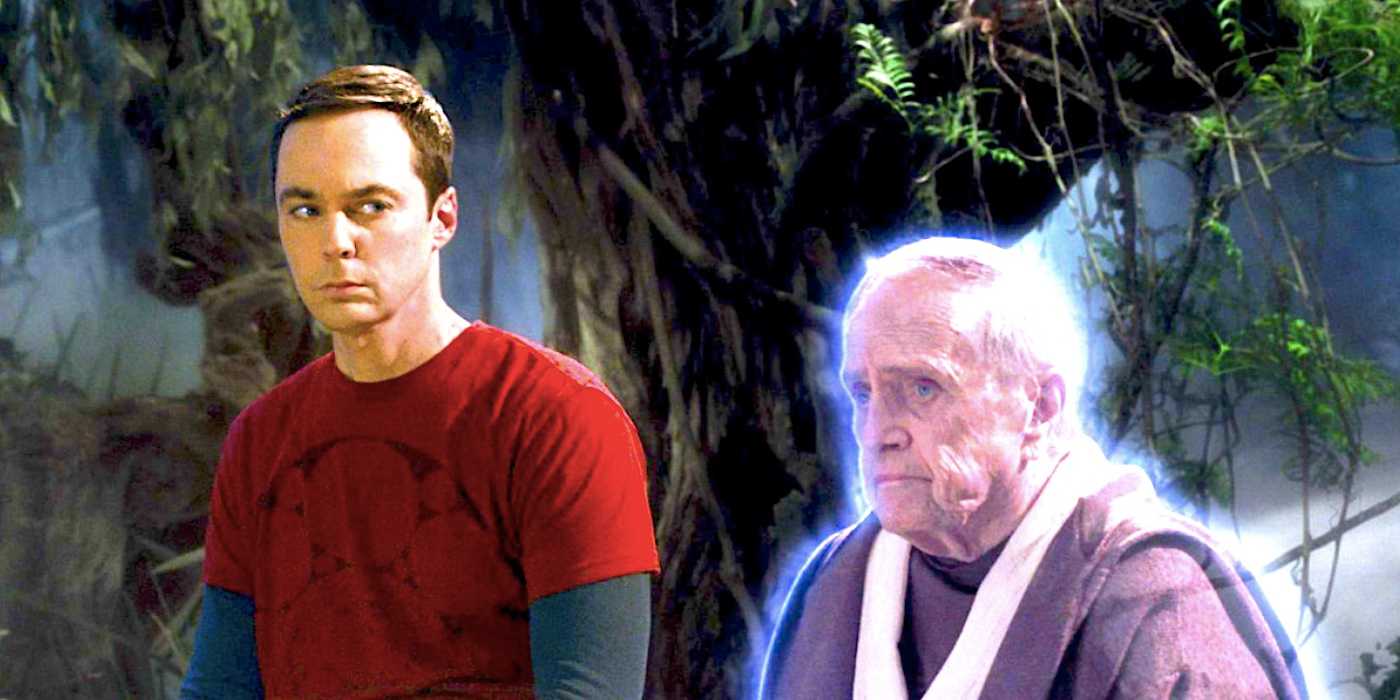
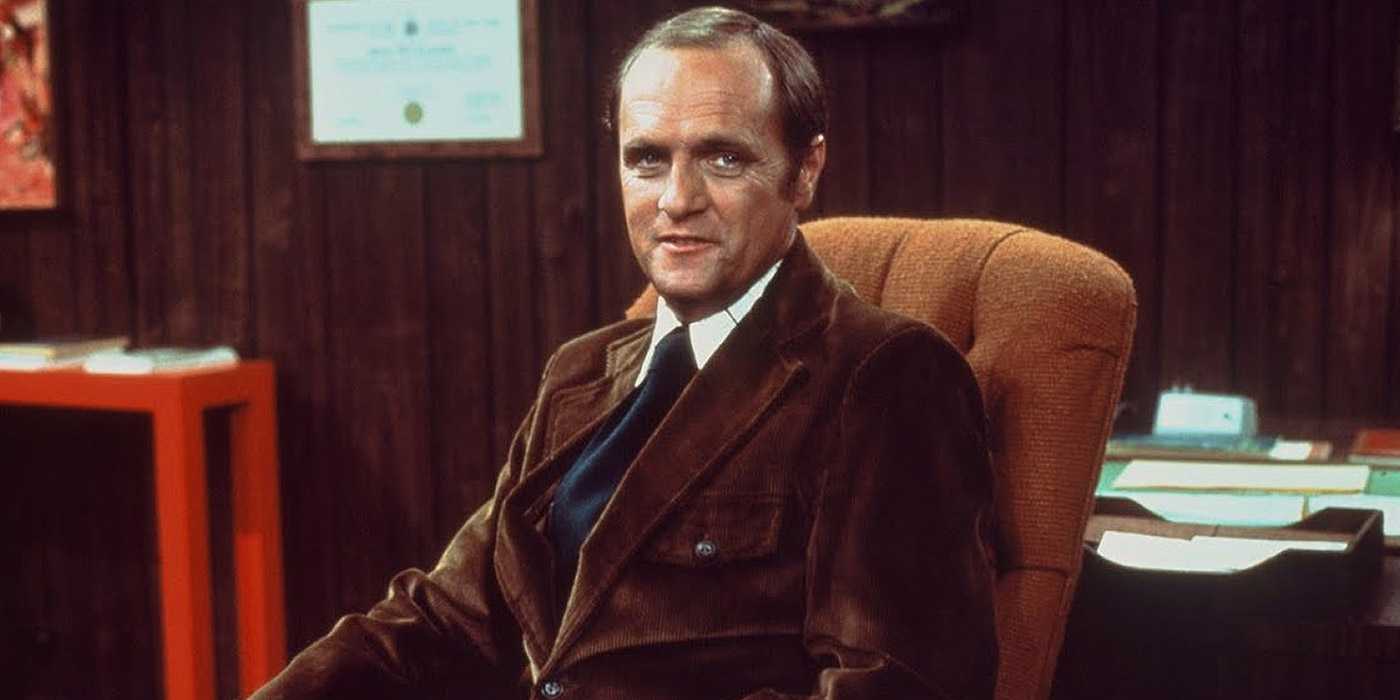
Bob Newhart’s comical talents were nothing short of spectacular throughout his career, but especially in the ‘70s. Newhart was known for his deadpan delivery and bumbling stammer, which he demonstrated in several roles. From 1972 to 1978, he portrayed psychologist Robert Hartley in The Bob Newhart Show, which earned him two Emmy nominations. Despite primarily being a TV star, Newhart also appeared in a few films during the 1970s.
He was praised for his character’s ridiculous villainous qualities
For example, he portrayed tobacco advertising executive Merwin Wren in the 1971 movie Cold Turkey, and he was praised for his character’s ridiculous villainous qualities. He also starred in the satirical comedy movie Catch-22 as Major Major Major, which was unbelievably funny, especially because of his character’s terrible luck and constant comparisons to Henry Fonda. Although there were so many brilliant comedy actors in the 1970s, Bob Newhart stood out because his use of humor was unique at the time, and he didn’t feel the need to be loud and boisterous to be funny.
