


Summary
- The comic book movie industry, including the MCU and DCEU, may be in danger of decline due to recent failures and issues within Hollywood and their respective studios.
- The DCEU's downfall was marked by a lack of vision, studio interference, and rushed content, while the MCU is facing challenges such as underperforming films and production issues.
- Despite these challenges, there are positive signs for the future, such as the reinvention of the DCU and the success of recent MCU projects like Guardians of the Galaxy Vol. 3 and Loki. The industry is learning from its failures and looking towards a brighter future.
Comic book movies have dominated cinema for over two decades with an exponential rise in popularity, but, following a series of unfortunate events within the industry, the bubble may soon burst for both the MCU and DCEU. No matter the opinion on their quality (or whether they constitute "real cinema"), there is no escaping the fact that comic book movies are titans of Hollywood, with the MCU alone ramping up production of their movies to three cinematic releases a year. Recent releases across the MCU and DCEU, however, have not gone as swimmingly as hoped.
Despite what the MCU achieved in consistent quality, it is no secret that the comic book movie industry harbors some stinkers. The DCEU, for example, did not enjoy the best run while it lasted. A consistent string of flops in recent months, in particular, may portend the tragic demise of the comic book movie industry. The MCU, meanwhile, has been making its own mistakes—with recent reports suggesting all is not well at Marvel, the studio that has been almost single-handedly validating the comic book movie industry for years.
The DCEU's Failure Was A Comic Book Movie Disaster


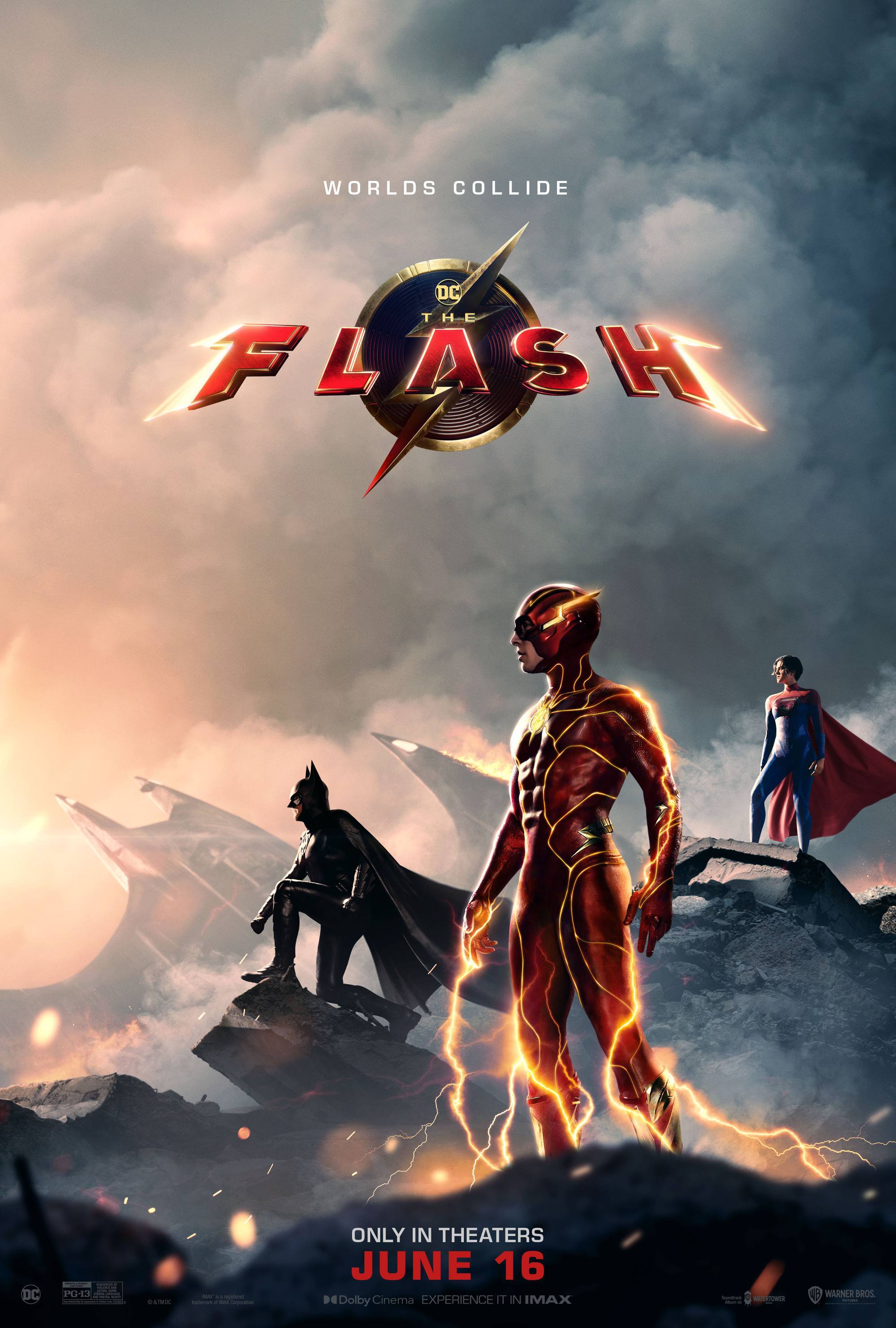
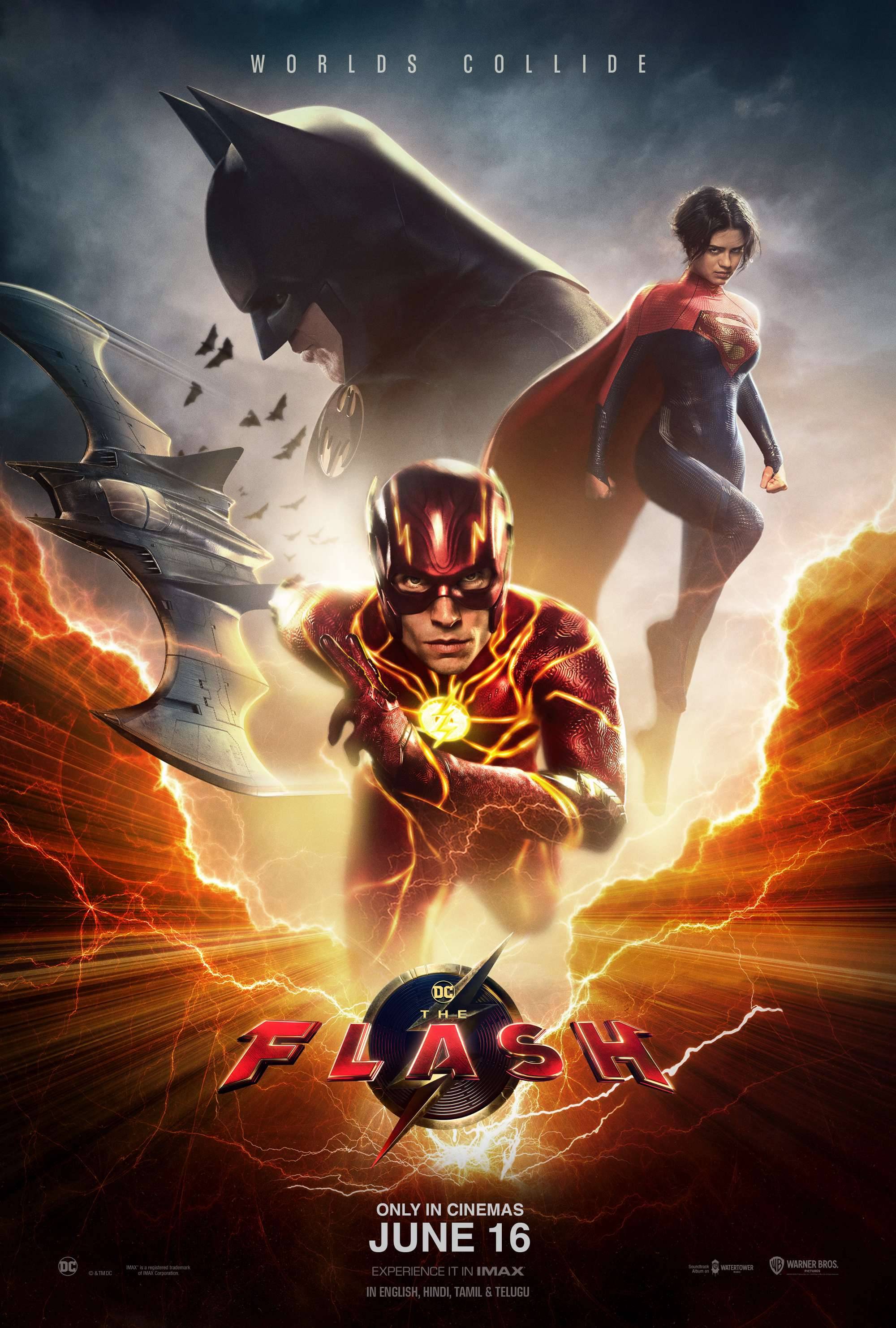

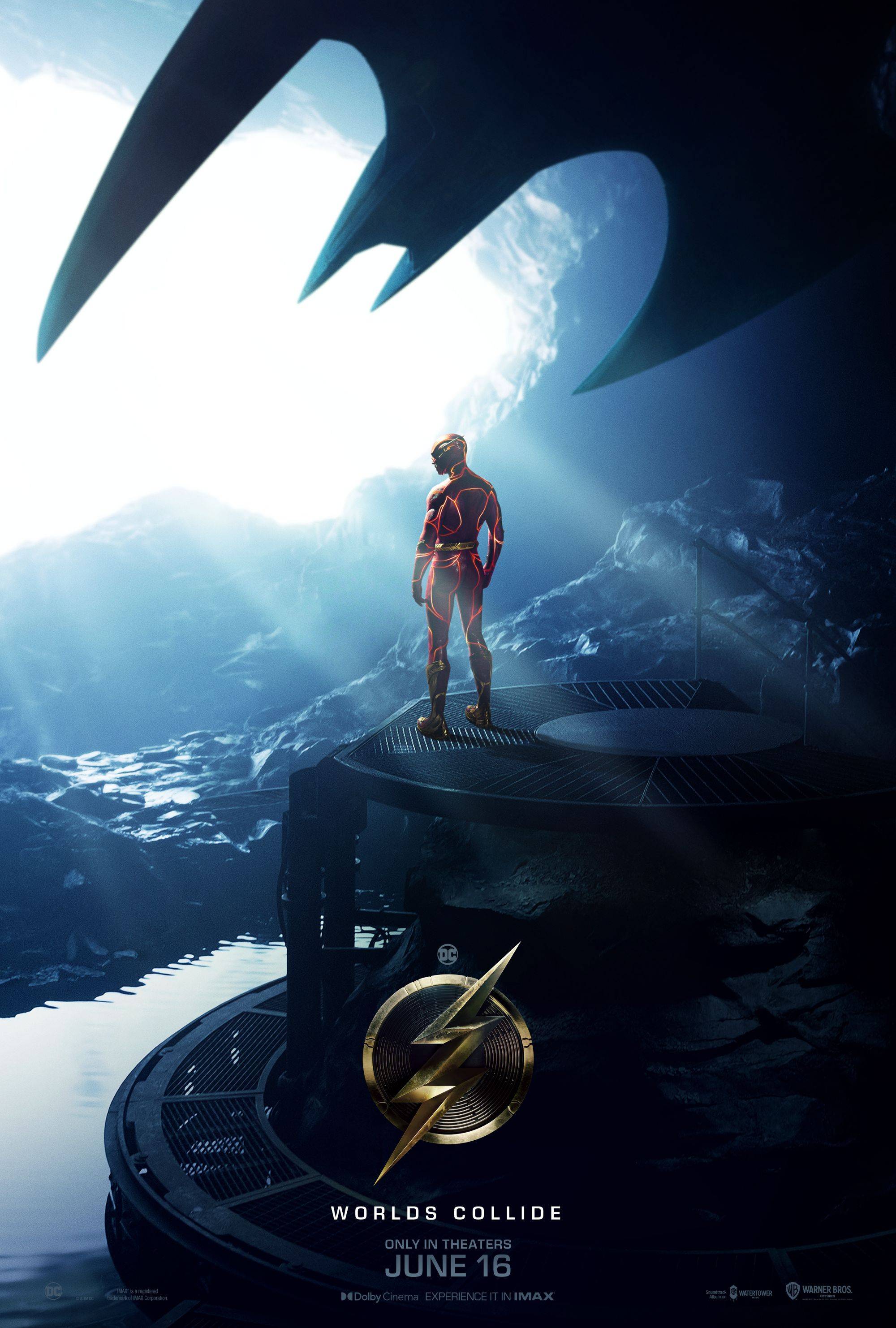






The slow demise of the DCEU was painful to witness, not least for fans of the DC heroes it portrayed, as it seemingly attempted to cash in on the hype built by the early MCU and fumbled the bag. A few hit DCEU movies in the guise of Man of Steel, Wonder Woman, and Aquaman were not enough to keep the cinematic universe's head above water as it was eventually drowned in myriad issues. Among these were a lack of unifying vision, alleged studio interference that led to messy products, and the rushed way in which the cinematic universe came together.
The final DCEU movie, Aquaman and the Lost Kingdom, releases in theaters on December 22, 2023.
The DCEU materialized with Man of Steel, five years after the MCU debuted with Iron Man. A litany of poor decisions in the DCEU marred it from thereon as it barreled toward the team-up movie, Justice League, after introducing just two of its heroes in solo movies, and killing off Superman in his second appearance. The Flash, Cyborg, and Aquaman were brand-new characters when Justice League was released, and the main heroes barely had time to establish themselves
Too many duds in the form of Suicide Squad and The Flash, for example, did not exactly do wonders for the reputation of modern comic book movies either. While the MCU was able to distance itself from the DCEU, thanks in no small part to the rivalry between the comic book companies, the fact that the DCEU was rolling out flops did not help with the overall so-called "superhero fatigue" inflicted on the casual moviegoer. Apathy towards comic book movies now seems to be bleeding into the MCU, and that's not the only similarity it now shares with the now-defunct DCEU.
Why The MCU Is In Crisis In 2023


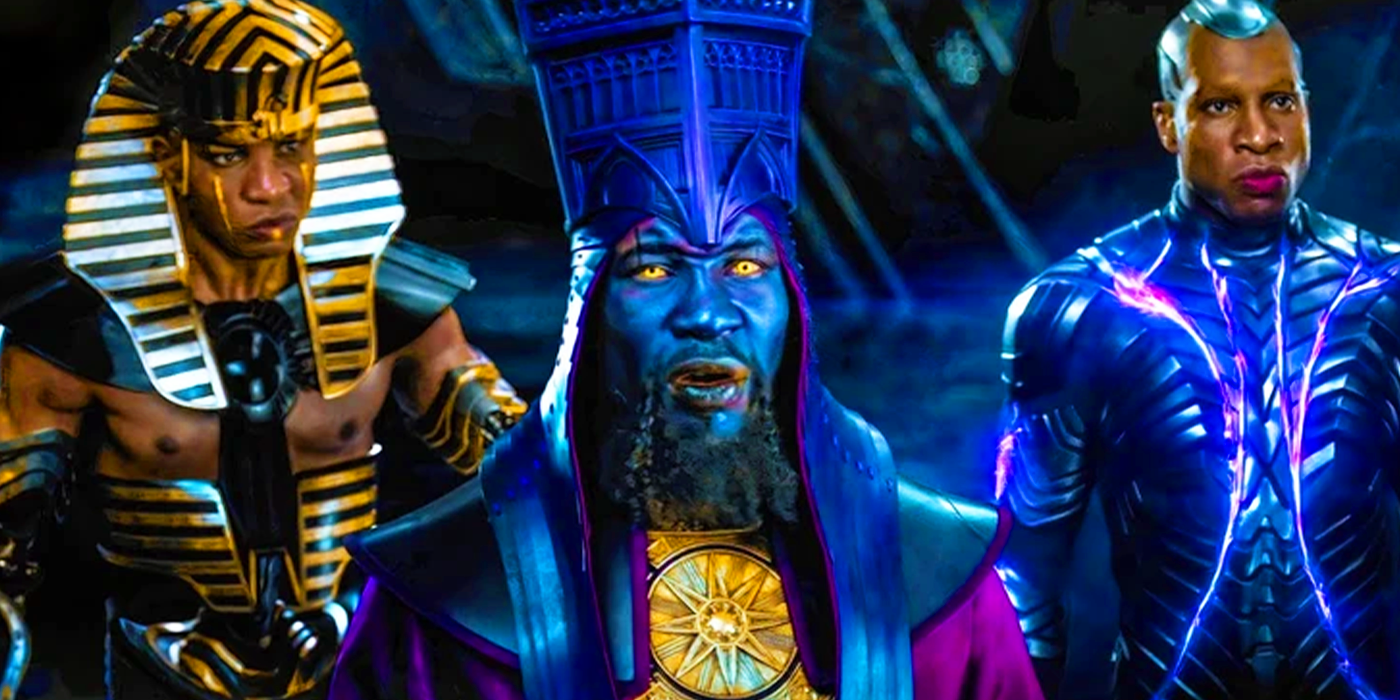
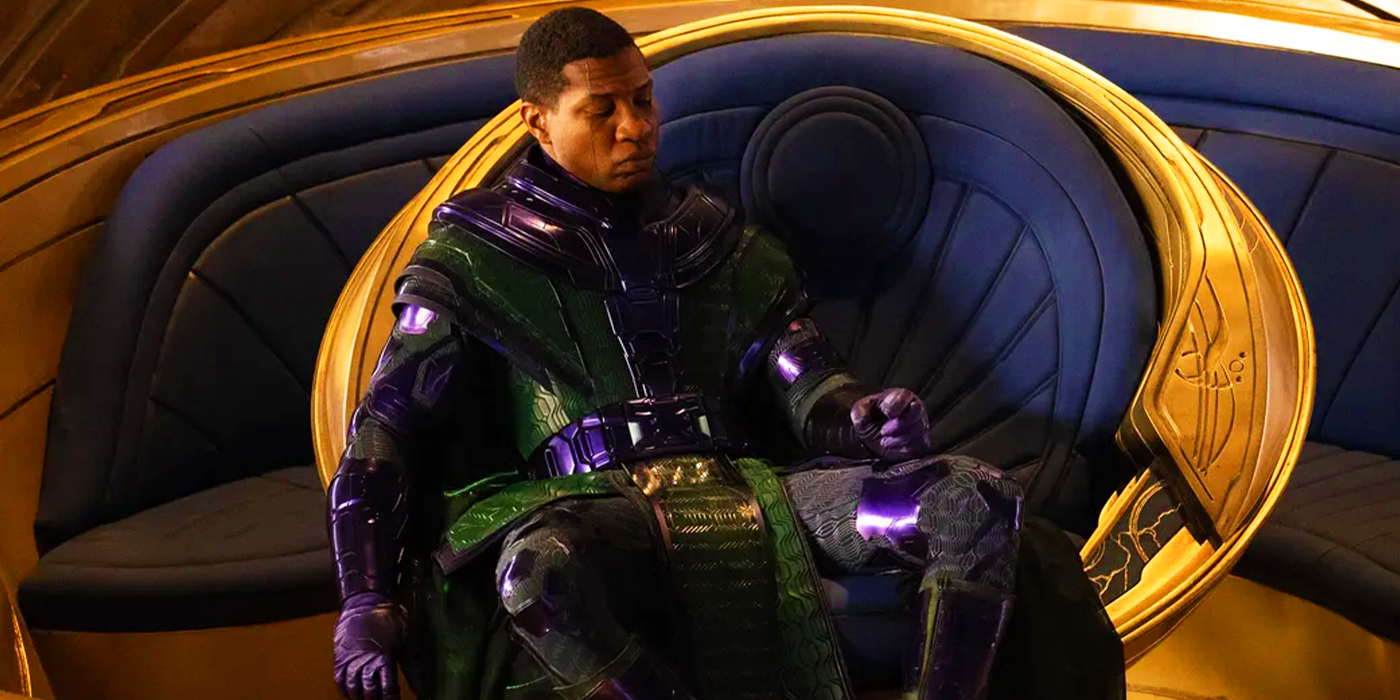
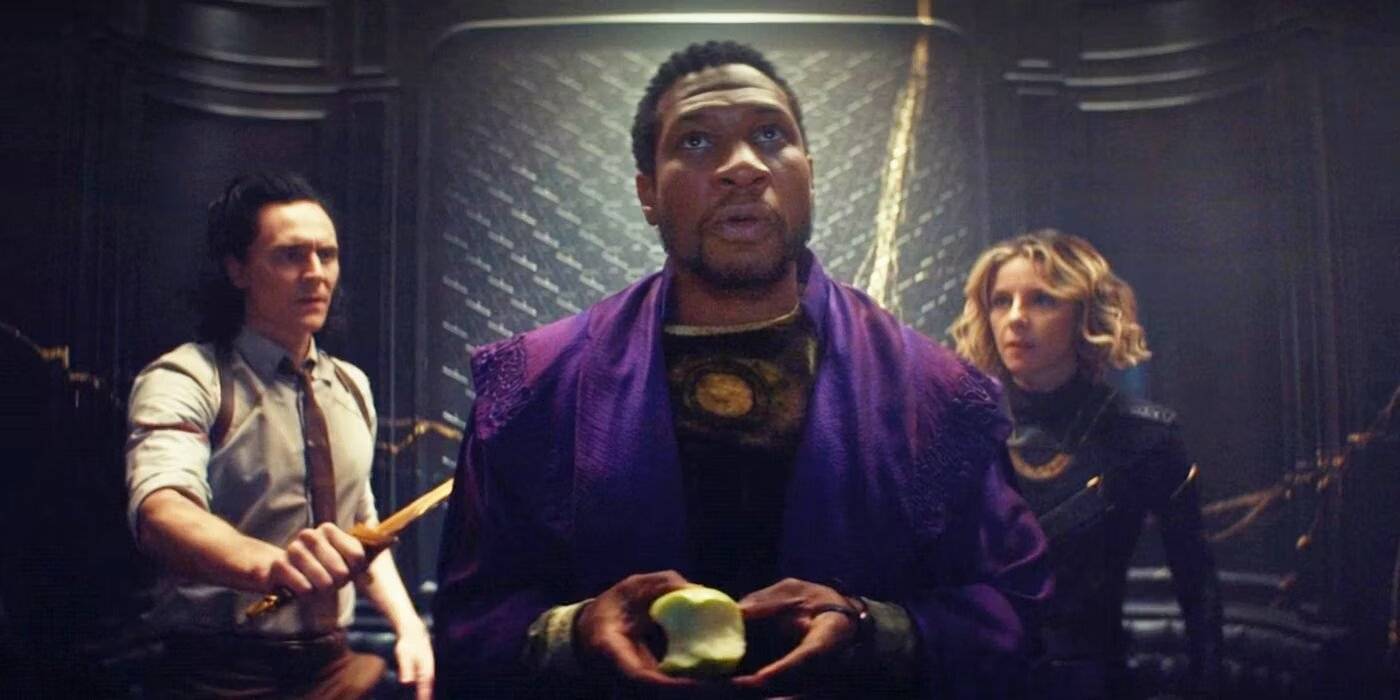

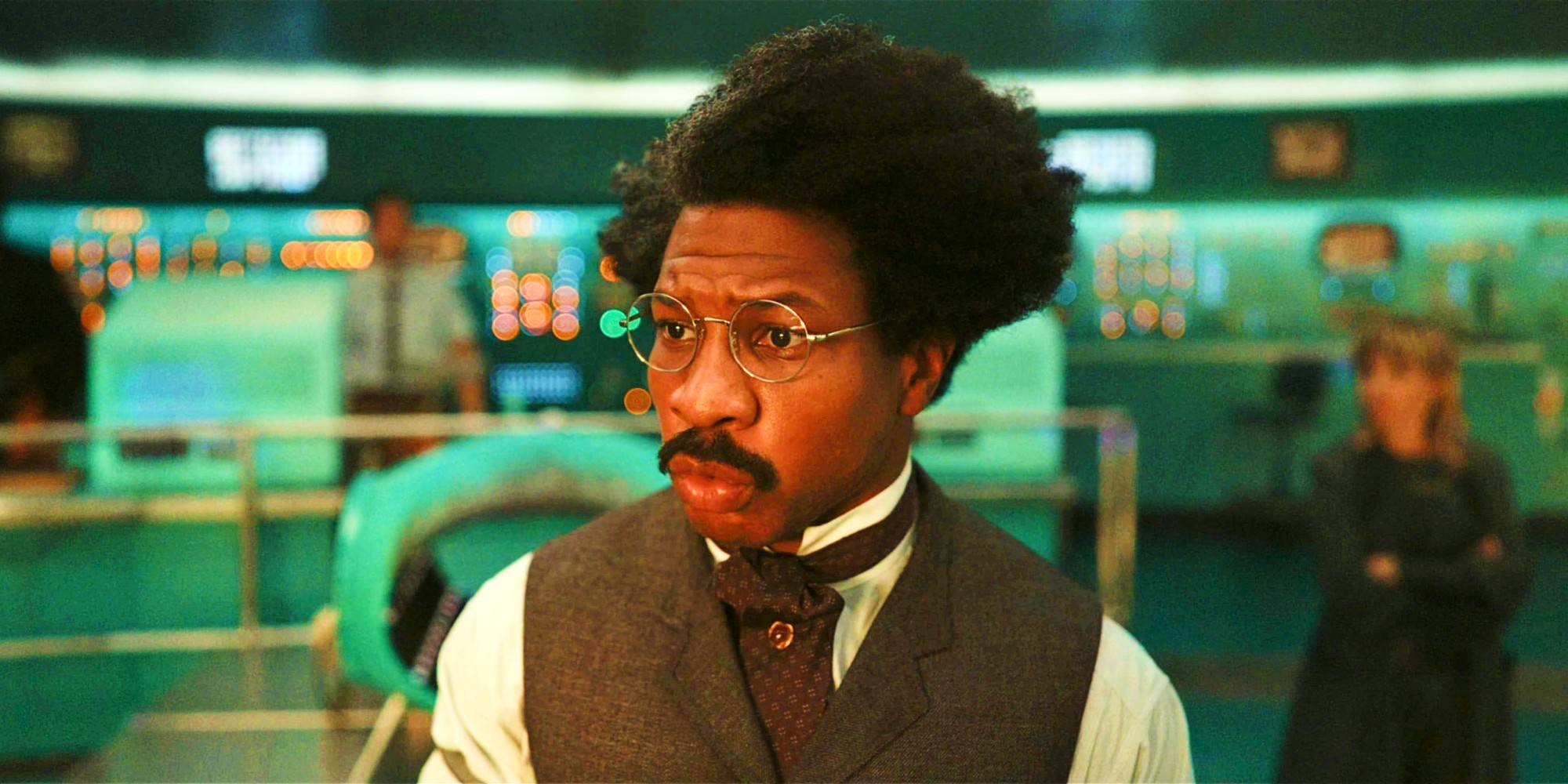





Things aren't looking good for the MCU in 2023. Ant-Man and the Wasp: Quantummania underperformed at the box office and suffered poor reviews despite starring the next supposedly Thanos-level threat in Kang, and the optimistic outlook of executives as its release date neared. This was a bad start to the year as Marvel was suddenly faced with the notion that its tried-and-tested formula wasn't striking the right chord, and it may have lost touch with its audience—something the studio prided itself on.
The picture isn't pretty behind the scenes at Marvel, either. Kang's shaky debut has been further hampered by the Jonathan Majors trial. Add to that a plethora of production issues that saw The Marvels subjected to lengthy delays, a rushing out of Ant-Man and the Wasp: Quantummania, and reports that Blade nearly sidelined the eponymous character, and it looks as though the problems are really mounting for the once untouchable studio. Then there are the issues with its offerings on Disney+.
Secret Invasion was a monumental flop, with a poorly written script and abysmal viewership. The Secret Invasion comic arc is one of the most lauded in Marvel Comics, and it did not land well with fans when it was finally released, only to have the consequences of its content be decidedly minimal. What transpired was a series that could have been skipped entirely, and one that only worked to show how the MCU is not infallible, especially when it comes to TV.
How Much Comic Book Content Is Too Much?

It is fair to say that with such a bountiful release schedule, many MCU shows have fallen by the wayside for casual viewers. From the DC side, meanwhile, there is a problem that the DCU faces when running concurrently with Elseworlds productions in that there will be multiple iterations of the same character in theaters at basically the same time. The viewership of shows like Ms. Marvel, meanwhile, lends credence to the notion that audiences are, in fact, experiencing Superhero fatigue.
This is despite the fact that Ms. Marvel will be starring in a cinematic outing alongside Captain Marvel and Photon with The Marvels. Box Office projections for the movie aren't looking great, engendering fears that it might repeat the failure of Ant-Man and the Wasp: Quantummania. Whether this is down to a lack of enthusiasm for the characters or the fact it is the third MCU movie of the year remains to be seen—but the benefit of rolling out so much comic book content is that 2023 has also boasted some standout productions.
Positive Signs For The Future Of Comic Book Movies

There is genuine hype surrounding the arrival of the new DCU—a project headed up by James Gunn that aims to reinvent how DC handles its cinematic universe. It also shows that there is a belief among studio heads that there is still gas in the comic book movie tank, with a sprawling shared universe already mapped out. Meanwhile, the MCU has also enjoyed huge successes this year alone in the form of Guardians of the Galaxy Vol. 3 and Loki season 2—both of which found critical acclaim. The MCU is also learning lessons from its recent failures, and there is a bright future ahead.
Deadpool 3, the next big MCU installment after The Marvels, is a highly anticipated movie that will finally see the X-Men incorporated into the MCU—even if only briefly before the main event. Marvel's approach to its TV shows, meanwhile, should evoke a sense of optimism as it tries a new tactic beginning with Daredevil: Born Again by employing showrunners and treating the MCU's TV shows like TV shows rather than drawn-out movies. That is to say, just because the comic book movie industry has hit a speed bump, doesn't mean it won't keep forging ahead in the MCU and DCU, likely with improved wheels.
