


Summary
- Concord embraces familiar elements from popular FPS hero shooters and sci-fi properties, offering a diverse cast and engagingly responsive gameplay.
- The game introduces unique deployables and no-respawn modes, adding tactical depth.
- Concord's blend of familiar mechanics and innovative features, like a crew card deckbuilding system, sets it apart in the competitive FPS genre.
Concord is shooting for the moon. As a noteworthy up-and-comer to the tumultuous pool of team-based FPS hero shooters, there's a lot still left to reveal, but there's definitely something special at its core. Developed in-house at Sony’s own Firewalk Studios, Concord makes for an ambitious and tantalizing debut for its developer, with a decidedly diverse cast of characters and a pleasing sense of kinetic movement and verticality to the action. Its blend of sci-fi worldbuilding and peppy personality shines through, even while the game appears inescapably similar to other franchises in its associated genres.
Concord was hidden under wraps until late May of last year, and a substantive reveal earlier this month showcased the game’s character-focused action and beta-launch boons, but Screen Rant’s recent on-hands preview found proof in the pudding. We sampled Concord’s PvP last week at Sony headquarters and found it to be a blast, summoning memories of Destiny’s finely-tuned firepower and Overwatch’s distinct roster designs, all baked into a space western fiction that, while clearly derivative, fits the themes and provides some added charm and context.
Overwatch of the Galaxy And Other Such Greats
Concord Plays To Its Inspirations, But Eschews Simple Classes and Roles


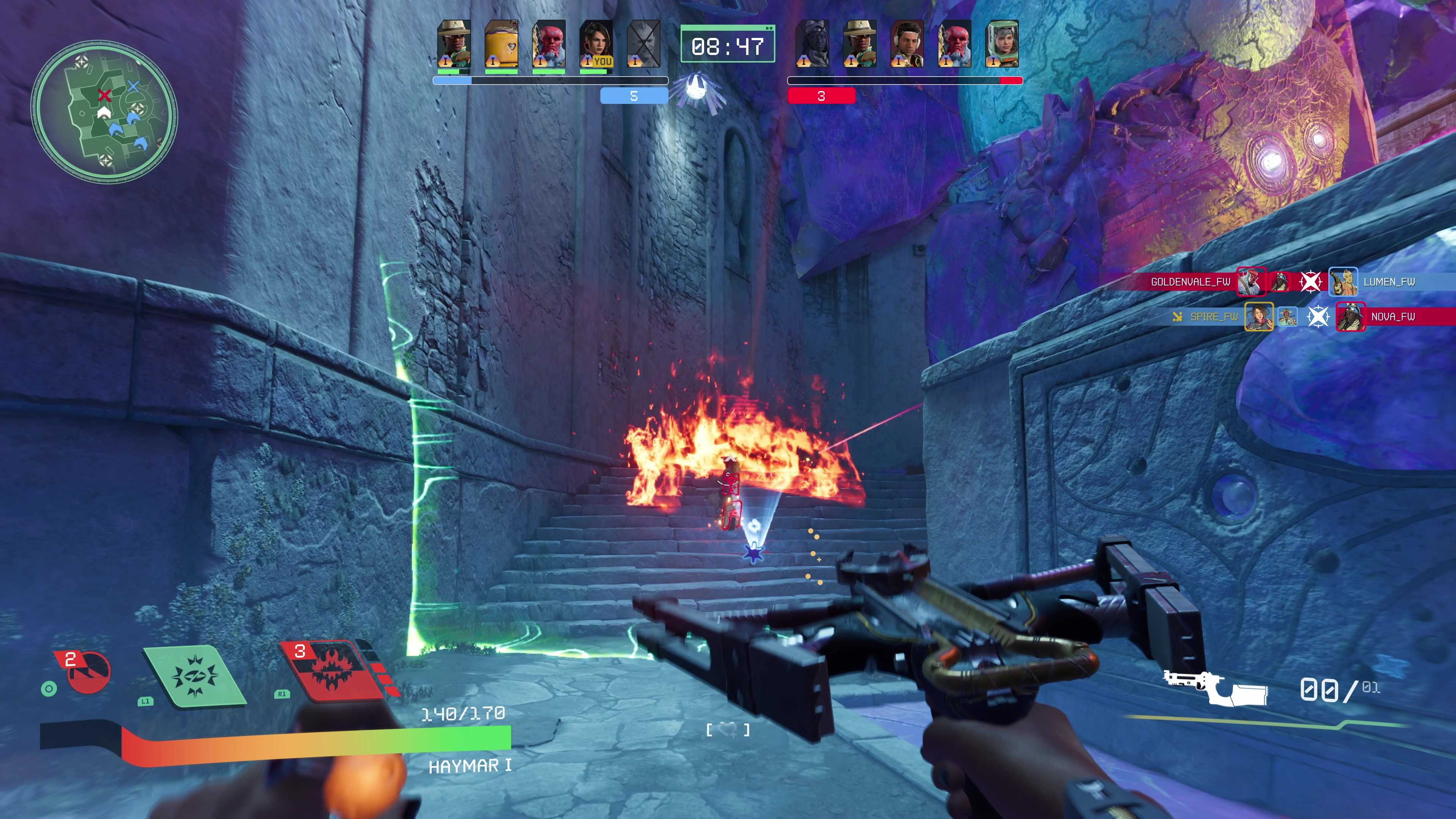
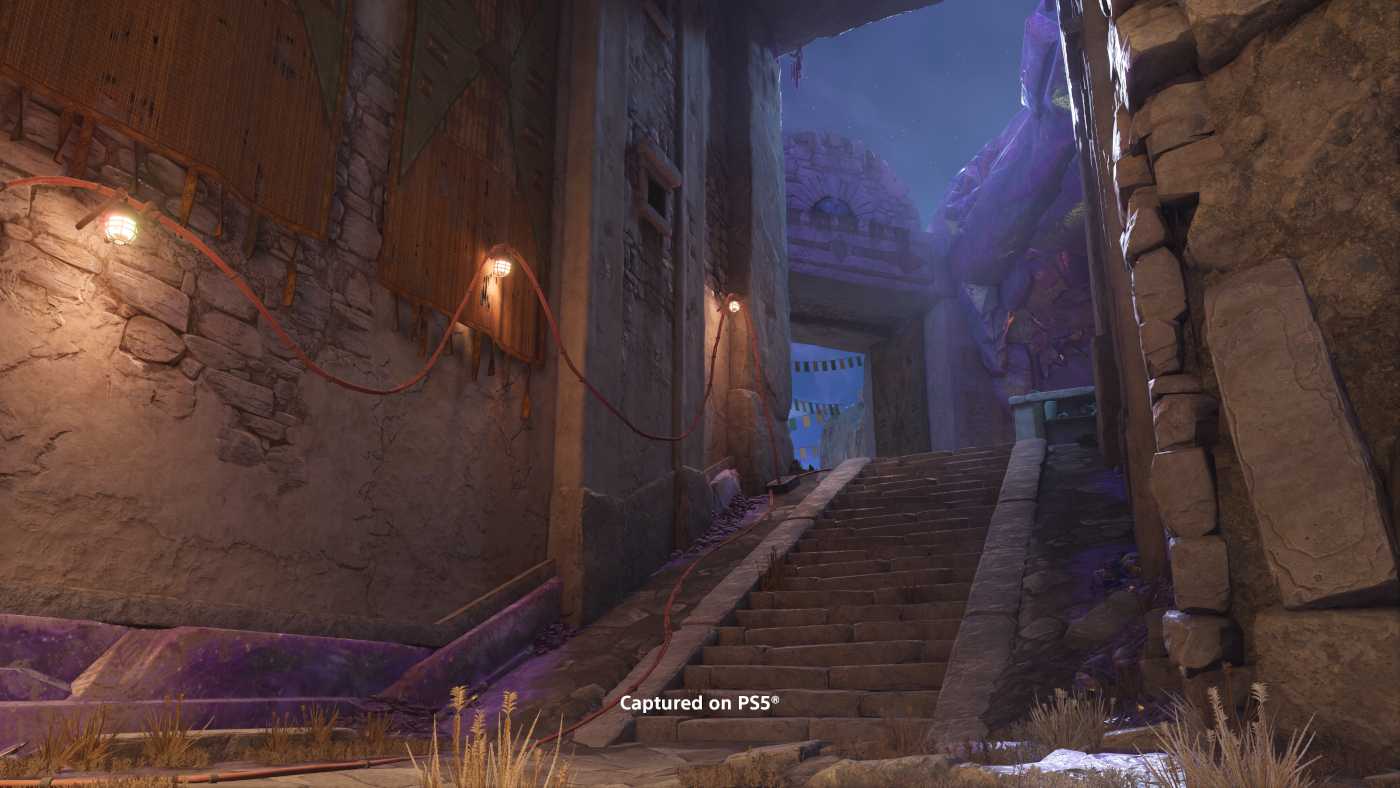
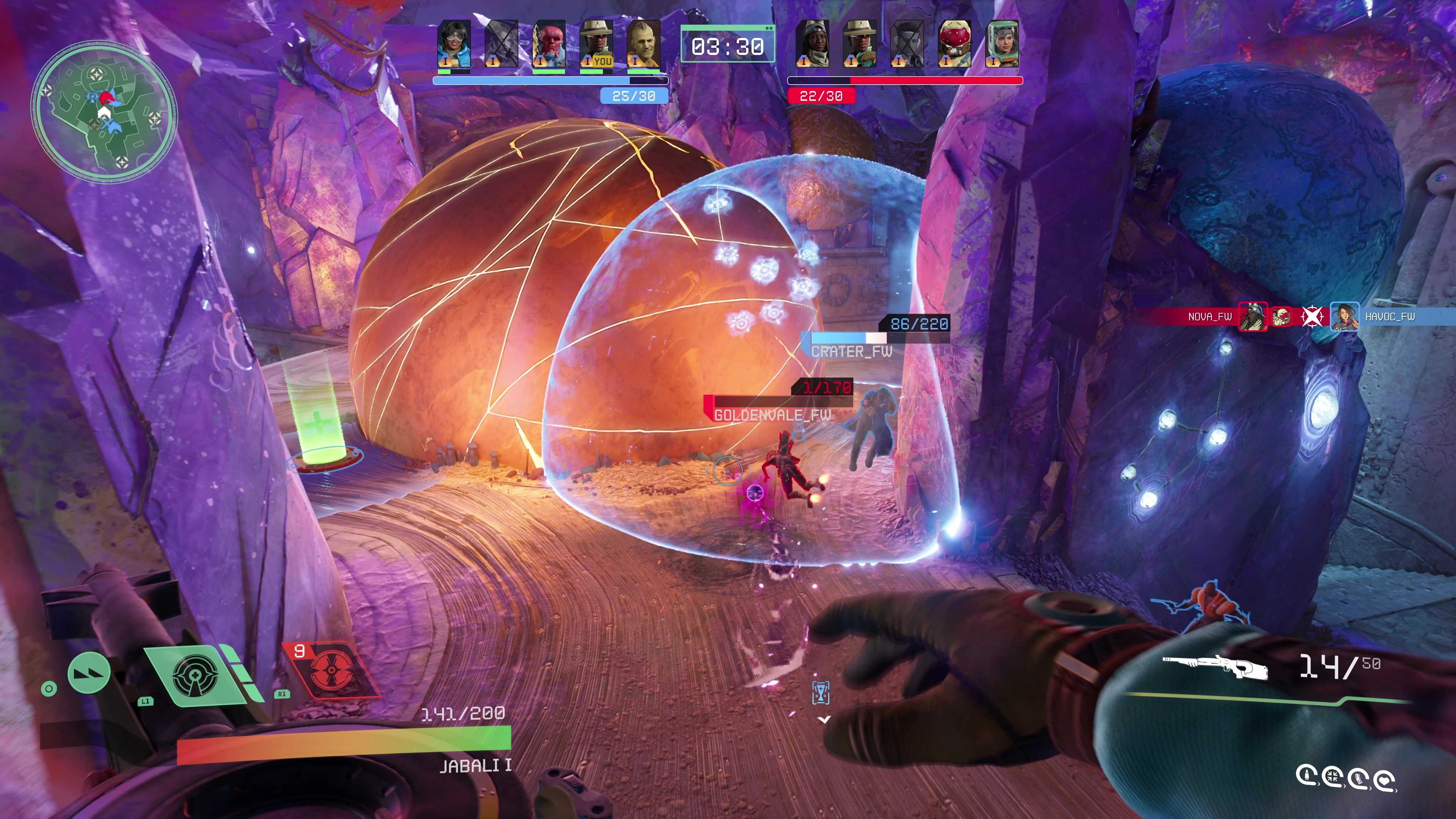
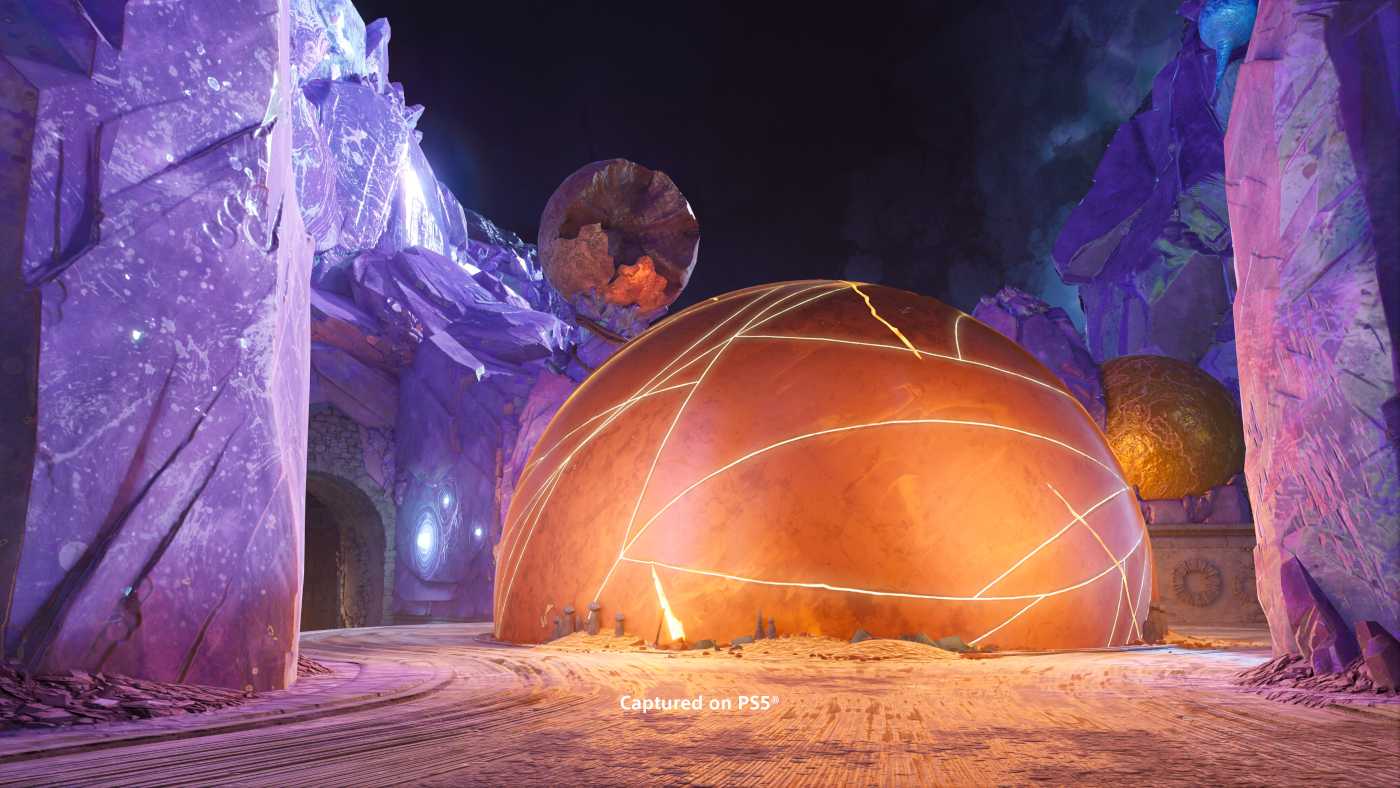
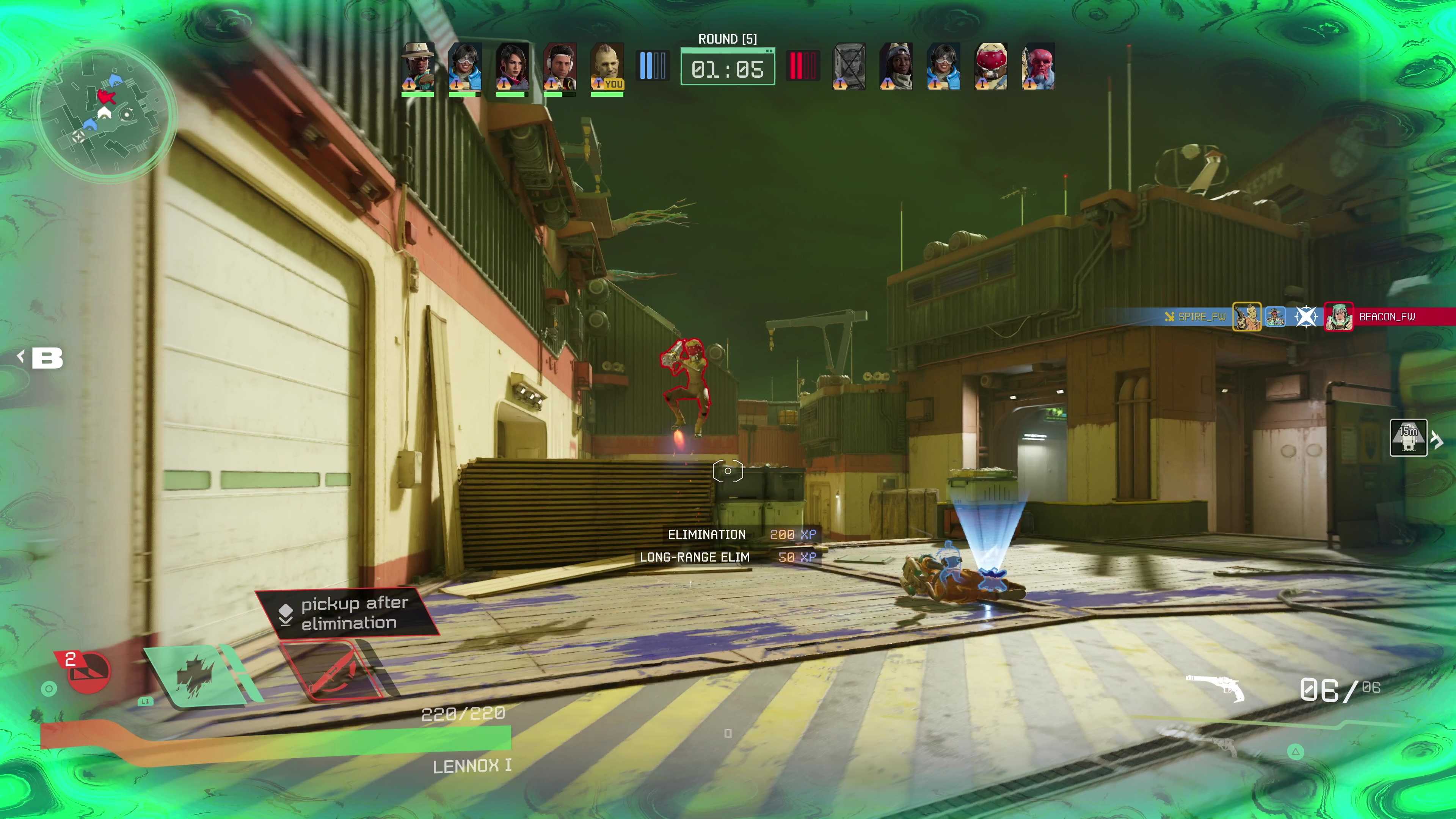
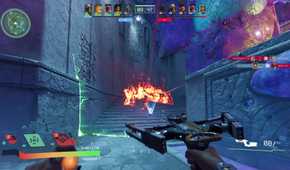
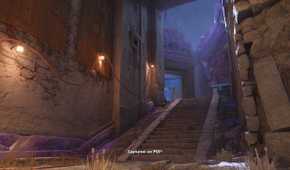
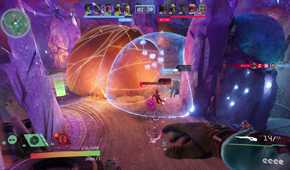
On startup, the comparisons with Overwatch continue, so why even avoid them? Both games are focused on their bold hero designs, and Concord’s spread of cultures, body types, and gender representation is immediately apparent and appealing. Its mercenary Freegunners come in virtually all shapes and sizes and with all manner of unique weapons, abilities, class-orientations, and skill ceilings. From the massive cleaning-obsessed robot 1-Off to the agile fire-based Warden Haymar, Concord’s cast colorfully informs its competitive modes, even dispensing strict role adherence.
In Concord’s narrative video vignettes - scheduled to roll out weekly after launch - players will learn more about the ragtag bunch on their spaceship, but playing the game brings their abilities and personalities to life. 1-Off, for instance, wields an air cannon which absorbs fired projectiles to return them as chunks of trash, and Haymar’s crossbow delivers a fiery payload, chargeable from a distance and best employed from midair.
Essentially, almost any pick offered a range of synergizing options, sustainability, and utility-add to the team, and the game thankfully does not seem built towards a tank-focused GOATS meta by default.
At launch, Concord will have 16 heroes available, with more presumably planned for later release. Our preview opportunity offered ten of these to choose from, comprising tanks, healers, and DPS-oriented picks, but plenty of them vigorously toed the class-based line. Healers have their own creative damage kits, and DPS heroes like Lennox come with built-in healing abilities, muddying the role queue motivations followed in Overwatch’s recent years and offering heightened asymmetrical variability. Essentially, almost any pick offered a range of synergizing options, sustainability, and utility-add to the team, and the game thankfully does not seem built towards a tank-focused GOATS meta by default.
Deployables Change The Game (And The Map)
Area Denial, Protective Stations, and Concord's Other Deployable Resources

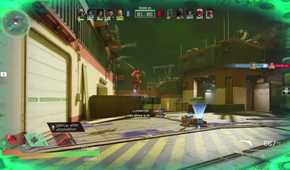
Screen Rant tested out two primary game modes during our time with Concord. We mostly played its straightforward team-based respawn mode, where each fallen teammate dropped a collectible trophy, similar to the Kill Confirmed match type found in many Call of Duty games. Here, a 5v5 skirmish tasks players with killing enemies and collecting their fallen trophies, with the win going over to the first team to reach 30 points in this fashion. As expected, teammate trophies can be snatched from the ground for score denial, so it’s critical for everyone to stay in range of a losing firefight.
The sole level we played on for this match was reasonably small, but featured a surprising amount of potential modifications, a key hook to the game. Characters like 1-Off can drop “deployables,” persistent utilities which affect gameplay, adding modules like large shields or heal stations. Teams can rally around these assets to fortify an area, though opposing teams can also destroy them, adding tactical focus to each encounter.
It's something which becomes even more apparent and vital in Concord’s no-respawn modes, as these deployables will persist on a map between rounds. If a successful team is huddling around a reliable AOE heal on the floor, it’s vitally important for the enemy to dispatch it as quickly as possible, even if they’re otherwise dipping on the scoreboard. This push-and-pull adds a nice wrinkle to the otherwise familiar competitive modes we saw, and pushes players to always track any deployable-equipped heroes on the opposing team.
These Freegunners Really Fly In Movement
Concord's Colorful Heroes Are Familiar But Still Fun To Control

Outside of matches, Firewalk Studios’ leads spent ample time walking us through the glossary and lore of Concord’s world. Admittedly, these aspects proved much less engaging than the game itself, with an apparent encyclopedia of lore available to players through the Galactic Guide, which offers text entries and other backmatter via a navigable map. Exploring this feature is not woven into play and does not factor into match selection in any way, but it will be there for any players looking to dig further into the story on their off-time.
Frankly, aspects of Concord’s fiction seem drawn from equal parts Firefly and the Guardians of the Galaxy films, and its characters present their own specific echoes; the tank-ish hero Star Child has an ability that's a dead ringer for Mauga’s Overrun, and they mimic Drax's gruffly noble outsider personality. All-purpose DPS hero Lennox seems like a combination of Cassidy and Soldier from Overwatch, with a reloading dodge-roll, grenades, and a health recovery skill. Neither are identical to those which came before, but they’re clearly familiar, though other members of Concord’s roster are a bit more unique.
The aforementioned lack of role allegiance means that there are no pure healers like Mercy, though some heroes can top off health tempered by their own damage output. One of Concord’s more distinct characters can cover patches of a level with flammable fuel to create hazardous area denial, and another can triple jump, hover, and fire explosive rockets, almost like a Junkrat/Pharah hybrid (which is exactly as fun and unfair as it sounds).
Concord launches with crossplay for PC and PlayStation 5 players, though Firewalk states that this will be presented as an optional toggle.
Hero-based competitive FPSs these days often feed upon each other, and these comparisons never got in the way of our enjoyable preview. And, even with a humble PlayStation 5 controller in hand, Concord’s auto-aim systems kept combat focused and direct, though its day-and-date release on PC and excellent weapon feedback seems like it will prioritize KBAM snipers.
Galactic Competition In Multiplayer Shooters
The Competitive FPS Genre is Fierce, But There's Still Space For Concord

It would be reckless not to mention the upward climb ahead of Concord’s launch. Competitive FPS games - or most any competitive genre, really - have a proven problem with sticking past their preliminary seasons and maintaining momentum, with limited examples seeing success over longer spans. Overwatch 2, the Call of Duty series, Rainbow Six Siege, Valorant, and Apex Legends all command renewable attention and serve different tastes, often transforming over time in service of their audiences. Furthermore, the free-to-play entries in this list instantly draw from a wider pool than anything with Concord’s price tag at launch.
However, gamers are also happy to pay a quality price for a quality experience, and our few hours with this slice of Concord confirmed what years of development under Sony’s aegis might manifest in terms of a competitive FPS. The environments are gorgeous, with a run-down, gritty, sci-fi industrial quality, and the characters control smoothly and sensibly. It could be the years spent locked in Overwatch’s clutches, but spacing and movement felt second-nature at all times, and the heroes' unusual abilities creatively click together, clearly readable through the visual bursts of effects on the screen which accompany them.
Overwatch 2’s free-to-play shift left a chunk of its playerbase to their rosy memories of the game’s fully-paid origins, so it’s hard not to see Concord swooping up that real estate. Eschewing charged-up ultimates – a firm trope in competitive action games by this point – heroes in Concord have standard cooldown abilities, but also others which tick over after conditions are met, like doling out damage in a specific way. Lennox’s explosive throwing knife can be recharged by picking up an icon from a downed enemy, and other characters have their own rearm functions, which feel like dynamic and encouraging changes to the formula.
Systems Yet Unseen: Concord's "Deckbuilding"
Concord Keeps Its Crew Card Mechanics Under Wraps

These quirks spell out Concord’s secret sauce: mixing familiar modes and genre elements with a few unfamiliar gameplay twists. That we were so readily engaged with the game’s basic action proves that it can serve instantaneous attachment, but it’s these deeper elements below the surface which are going to command continued play, as well as learning the rhythms of each character’s kit.
That, along with the environmental systems and crew formation, could possibly push Concord to the front of the paid-FPS pack. We only got a peek at the UI integration for crew cards, but Concord has designed an entire deckbuilder-lite component, with players organizing preferred heroes with adjusted stats or equipment, loading out these “decks” at the start of a battle for selection. It seems a little like Valve’s Team Fortress 2 gear items, but we’ve yet to learn the full depth of this component. Players should also note that teams cannot have duplicate heroes by default, but the lack of scripted roles means that all-DPS teams are fair game.
Final Thoughts On The Preview
Concord Has A Lot Of Life & Promise In Its Early Days

We wrapped up our preview with a Q&A session, at which point an unplayed character was briefly introduced: Lark. This thin mushroom-styled alien can add spores to maps, which add buffs to any teammates in the vicinity. Just like deployables, this ability will transform whole sections of the map, adding an interesting supportive angle that's more creative and complicated than feeding heals to a partner.
Without Lark, our Concord preview was mainly focused on running, gunning, and coordinating with our team. That part felt fantastic, to the point that the more technical no-respawn mode we tried – where teams fought over a robot to hack a defensible hotpoint – customarily ended in a wipe most of the time. The modes themselves did not seem revolutionary by design, just like tried and true competitive FPS frameworks.
Concord concurrently releases on PlayStation 5 and PC on August 23. Its open beta runs from July 18 to July 21. The Early Access beta will be limited to pre-orders only, and runs from July 12 to July 14.
But they also worked well, and combat was reactive and quick. The levels we played featured plenty of ledges to mantle over, and many characters had a double-jump or similar trick to reach higher vantages. Team fights meant multiple abilities firing and giggly confusion, with Teo’s smoke bombs blocking lines of sight, shield bubbles interrupting focused fire, and grenades spacing out enemies and leaving fractured health bars to mop up.
In short, it looks like Concord has nailed its FPS game-feel. Its mission now is to support itself for an audience to discover it amid the market noise and commit to learning its nuances. There's room for effective headshots, tap-strafing, and all of those easily transferable FPS reflexes, but the environmental skills and unique character loadouts could spell a standout success. Sony boldly enters the modern crowded competitive FPS arena with Concord, but many of us wait patiently for a new king to be crowned.
Screen Rant was invited to a hands-on Concord event for the purpose of this preview.


Concord

-
 OpenCritic Reviews
- Top Critic Avg: 64/100 Critics Rec: 22%
- Released
- August 23, 2024
- ESRB
- t
- Developer(s)
- Firewalk Studios
- Publisher(s)
- Sony Interactive Entertainment
- Engine
- Unreal Engine 5
- Multiplayer
- Online Co-Op, Online Multiplayer
Firewalk Studios presents Concord, a first-person multiplayer sci-fi shared-world shooter. The game was announced during the May 2023 PlayStation Showcase, with little details divulged on the product. The game is expected to make its debut sometime in 2024.

