


Summary
- Smallville struggled with character development and portrayal of certain DC Comics characters, with Jor-El's behavior being inconsistent and Jimmy Olsen being depicted as obnoxious and lacking individuality.
- Lana Lang's portrayal in Smallville was one-dimensional and lacked development, leading to the introduction of Lois Lane being well-received after years of Clark and Lana's unresolved relationship.
- Smallville's version of Supergirl overshadowed the rest of the cast and felt out of place, and Aquaman was depicted in a ridiculous manner, reinforcing his reputation as a laughing stock.
Smallville featured ten seasons of character development for some of DC Comic's most famous heroes and villains, but some characters got the short end of the stick when it came their adaptation within the series. Centered around Tom Welling's Clark Kent, the series served as a coming-of-age story for Superman, introducing many other major players within the character's mythos and the wider DC Universe along the way. While there were many great adaptations of these characters within the show, unfortunately, Smallville didn't do the best job with every character under its license.
As a network TV drama with a limited budget, constraints regarding special effects were frequently a point of contention when it came to portraying some of DC's more sci-fi oriented heroes and villains. Other times, Smallville's need to constantly inject hormone-fueled teen drama into its characters got in the way of their representation. Lastly, the series was certainly a victim of its time as well, with popular understanding of certain comic characters coloring their depiction in the series in a negative light.
10 Jor-El
Clark's not-so-fatherly biological Dad

In most Superman media, Jor-El is typically portrayed as a stoic, solemn, but ultimately caring secondary father figure for Clark Kent to look up to alongside his "actual" father, Jonathan Kent. While Smallville did a great job with the latter, the former's behavior could sometimes border on antagonistic, going so far as to kidnap Lois Lane. Constantly oscillating between a loving devotee to his son and a tyrannical alien with his own agenda, Smallville could never quite seem to settle on whether Jor-El was ultimately a good or bad influence.
9 Jimmy Olsen
The Daily Planet's annoying photographer


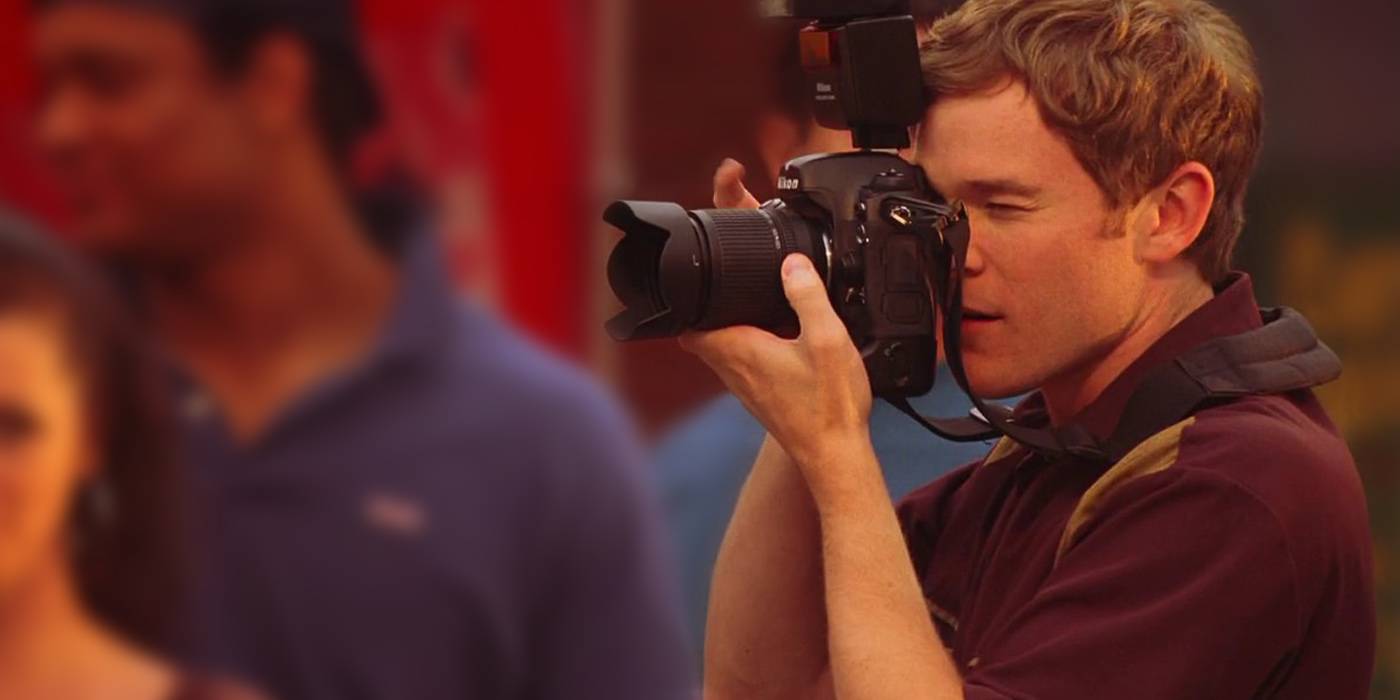
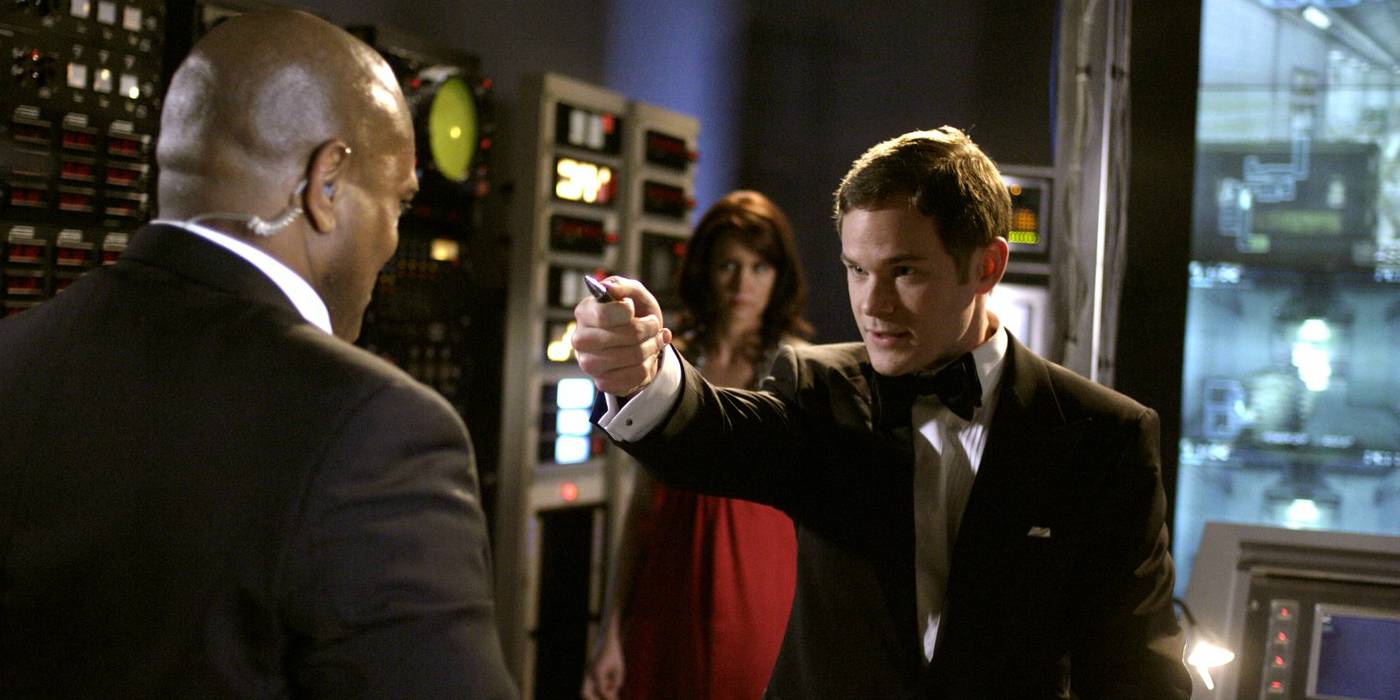
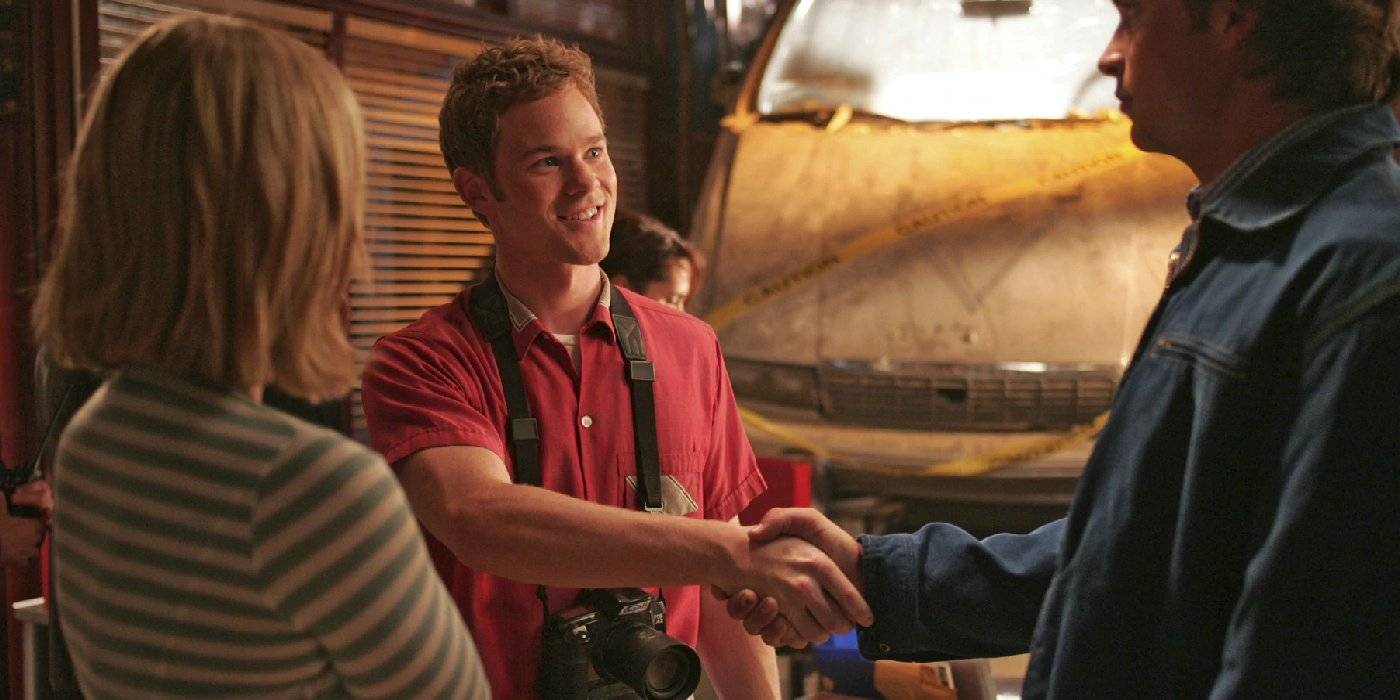
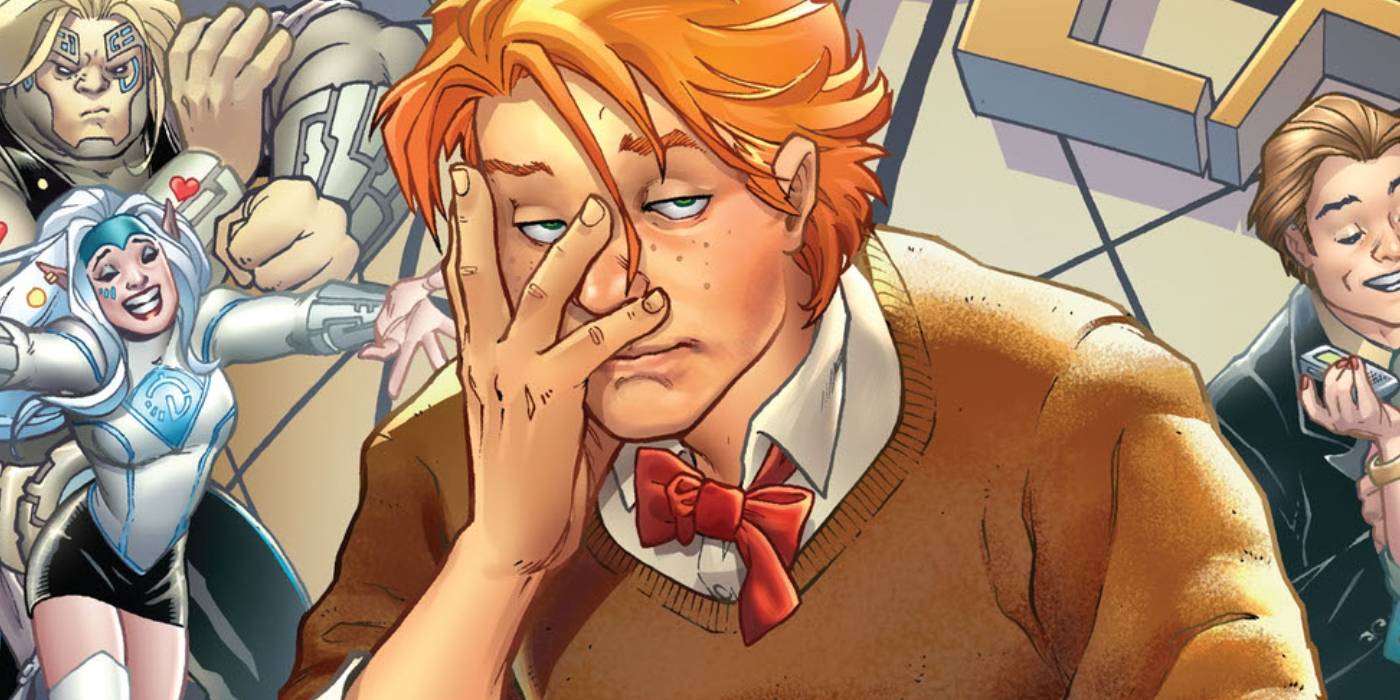
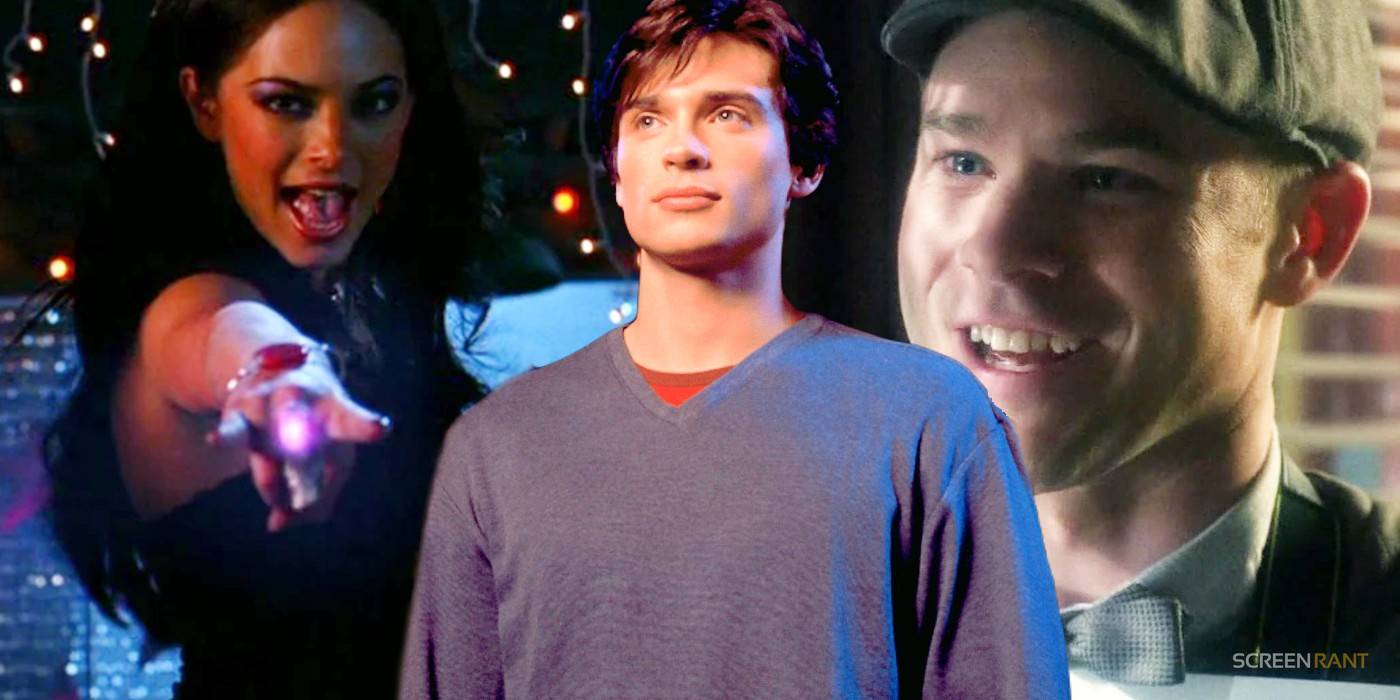





Never the most popular fixture of Superman's inner circle, Jimmy Olsen isn't exactly a fan-favorite, and it's rare that his portrayals don't reflect that. Smallville's interpretation of Jimmy leaned heavily into the character's obnoxious side, becoming a downright envious presence constantly looming over Clark's shoulder. Not only that, but Jimmy often found himself acting as a mere extension of Chloe, failing to even manifest his own goals and personality. Smallville's version of Jimmy Olsen was so bad, that he was killed off and replaced by his brother, who turned out to be the "real" Jimmy.
8 Lana Lang
The character's comic identity crisis wouldn't be solved by Smallville



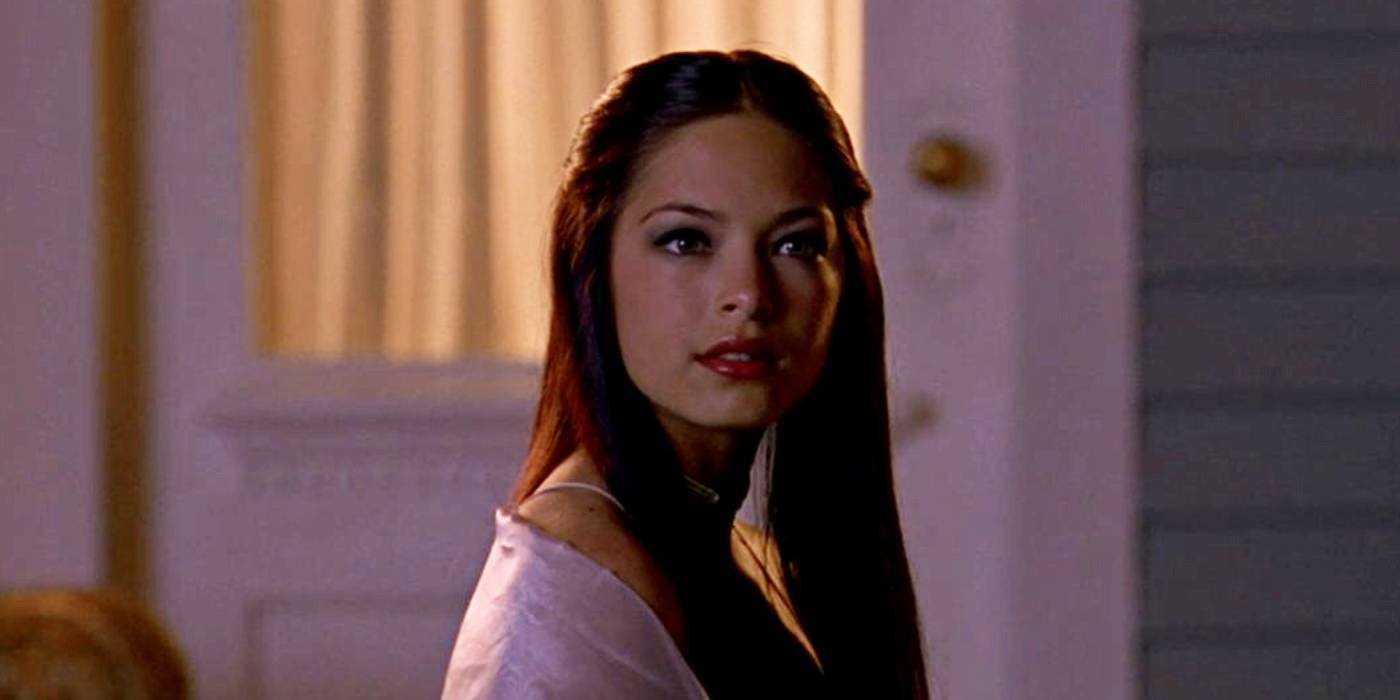
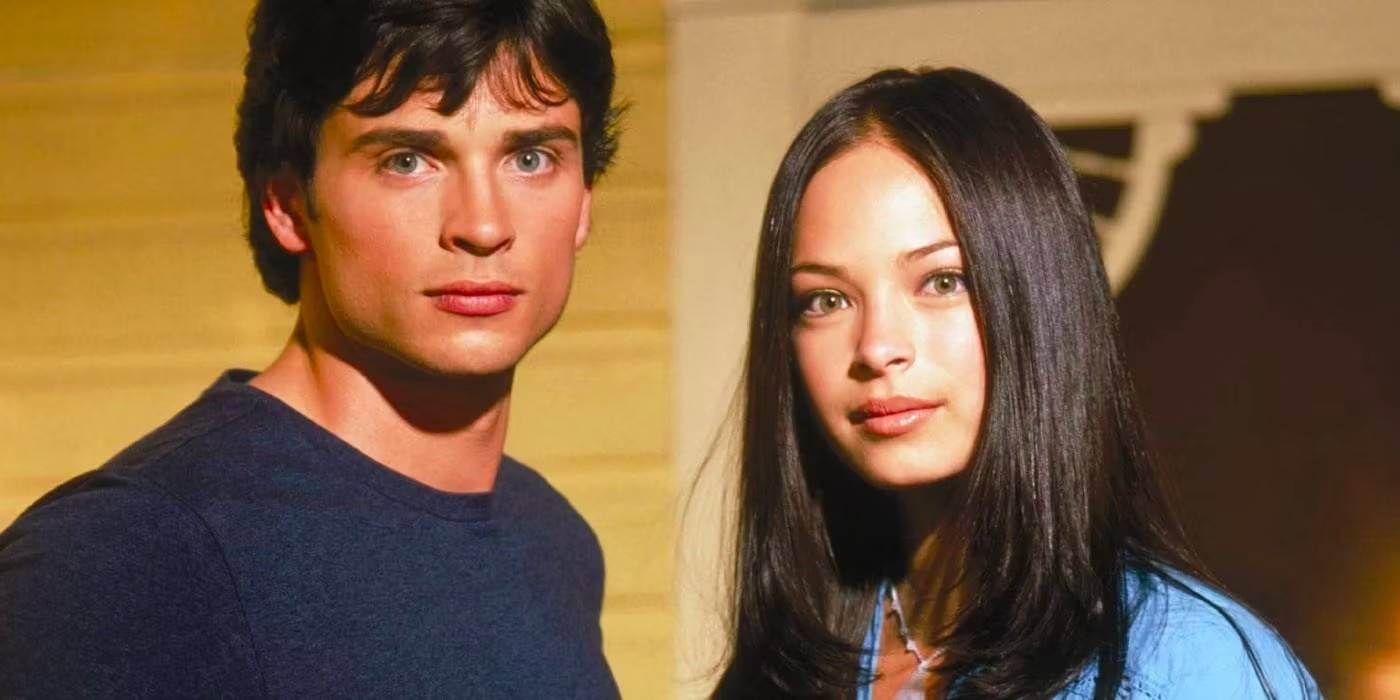
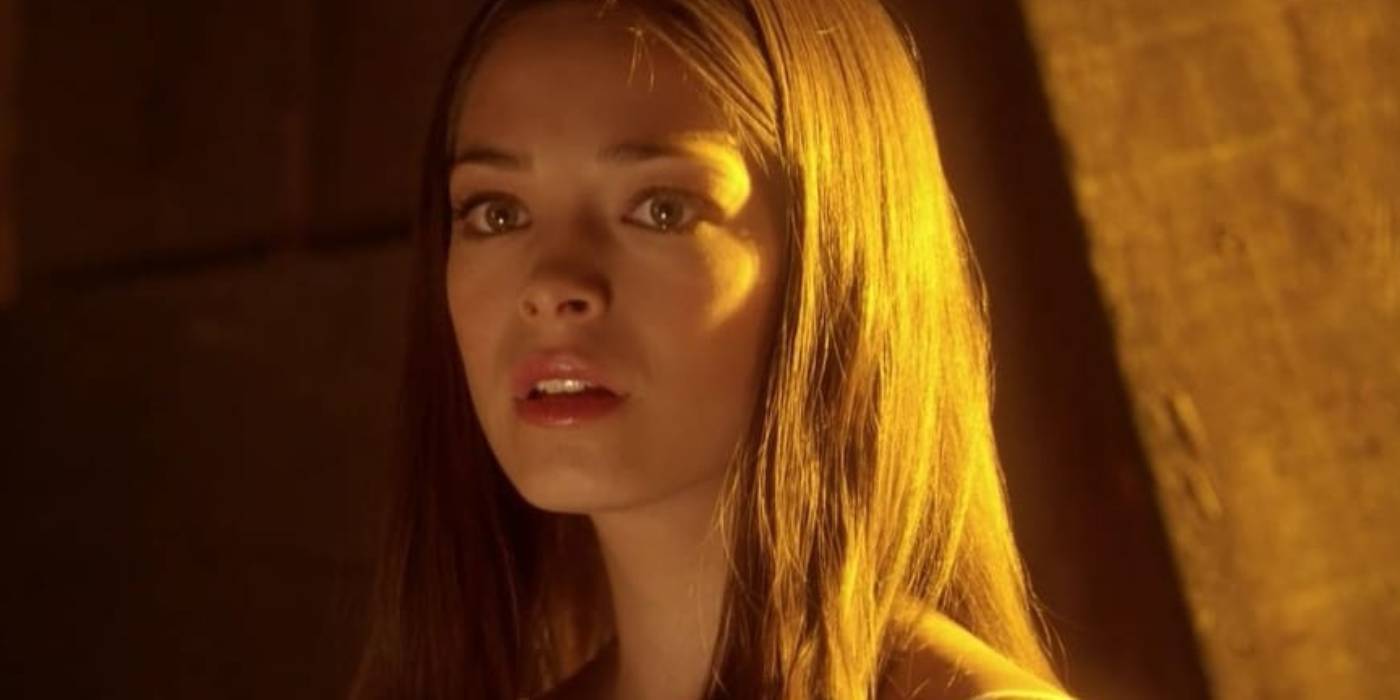





Little is consistent about Lana Lang in the comics, beyond being a second love interest for Clark Kent to fawn over with an alliterative "L" name. The comics have presented many different versions of the character, sometimes a scientist, sometimes a news reporter, and even taking the mantle of Superwoman on occasion. Smallville's vision for the character was a one-note object of desire who got an absurd amount of screen time considering her lack of development. It's no wonder Smallville's introduction of Lois Lane was so well-received after years of will-they-won't-they with Clark and Lana.
7 Supergirl
The Maiden of Might stole Clark's thunder

A capable heroine, the Arrowverse's Supergirl has proven that the medium of television can do great things with the character. Unfortunately, Smallville often had a clear issue with figuring out something for their Supergirl to do, overshadowing the rest of the cast when she appears while somehow feeling like a character from a different series all together. To make matters worse, she beats Clark to the punch of being a publicly-recognized hero, dubbing herself "The Maiden of Might", wearing a blue-and-red costume before Superman had a chance to within the series' canon.
6 Maxwell Lord
Smallville wasn't big enough for two great corporate villains

Michael Rosenbaum's Lex Luthor in Smallville remains to this day one of the greatest portrayals of Superman's nemesis of all time, far outshining his contemporary, Maxwell Lord. While the Maxwell Lord of DC Comics is a clever manipulator, similar to Lex, Smallville instead boiled him down to a one-note villain with unecessary psychic powers. Not only that, but he spends half of his brief time in the series acting as a forced minion of the Red Queen, hamstringing his own agency as a villai in his own right.
5 Aquaman
The defender of the seas was still a laughing stock in Smallville


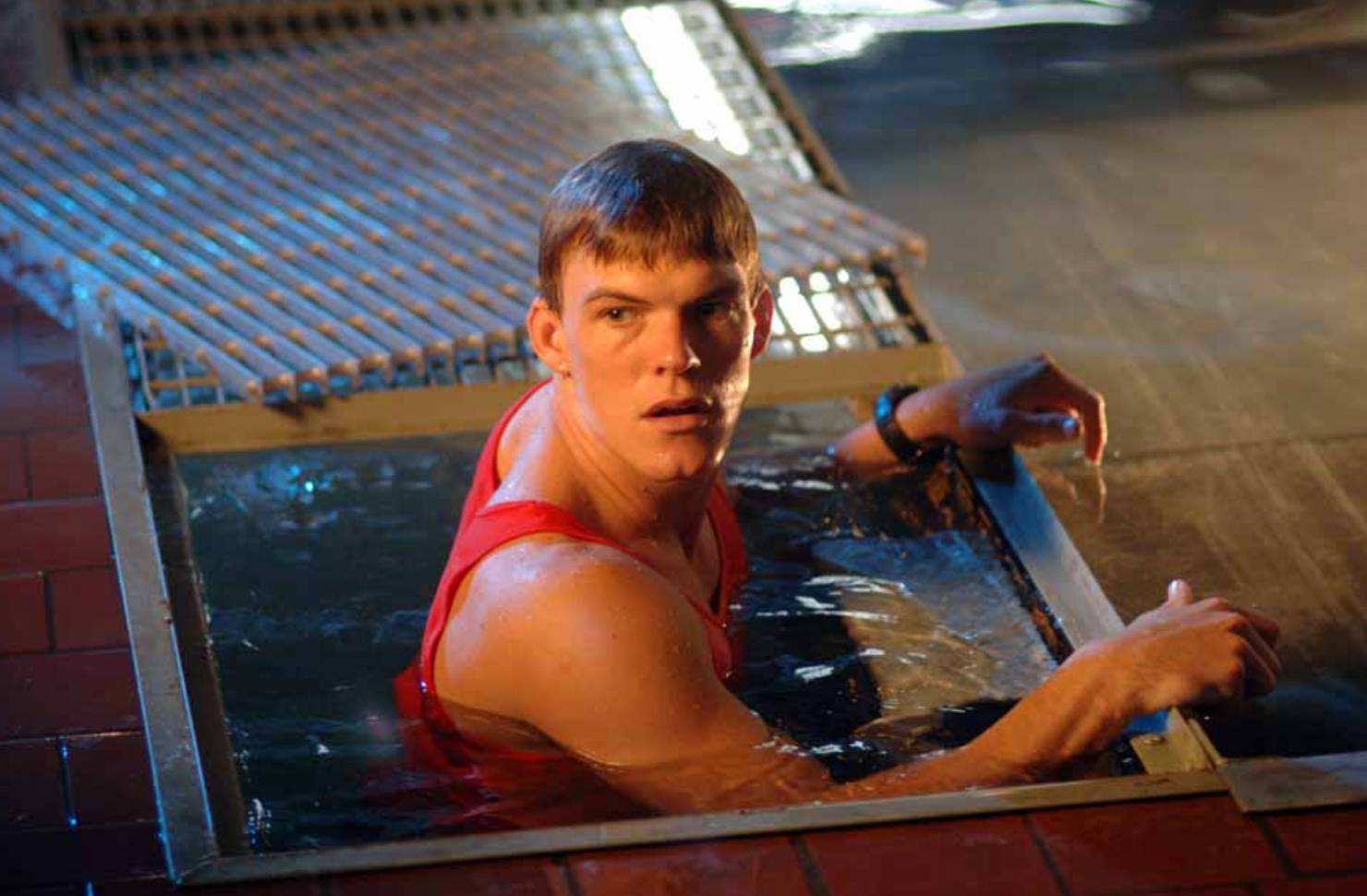
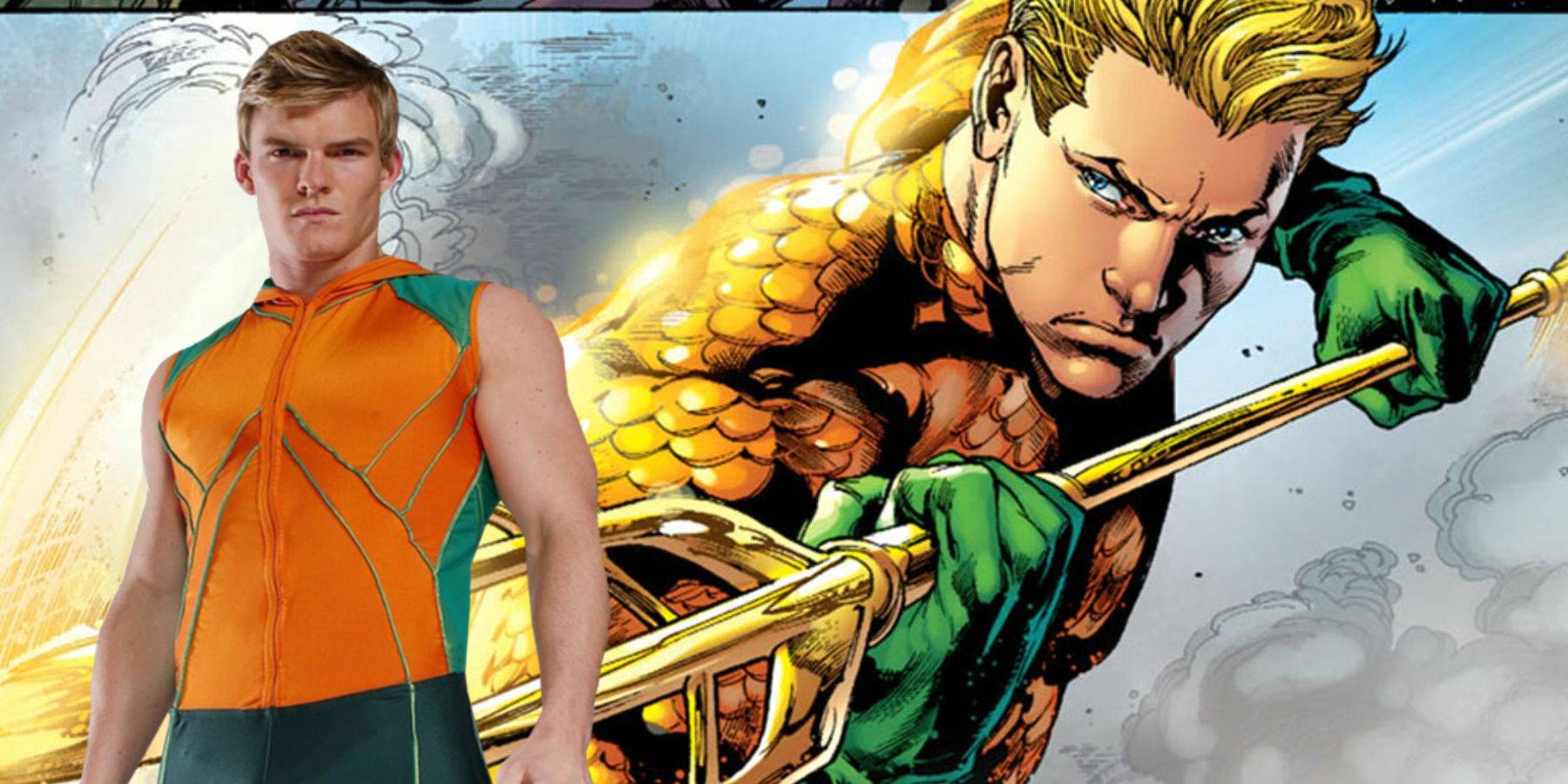
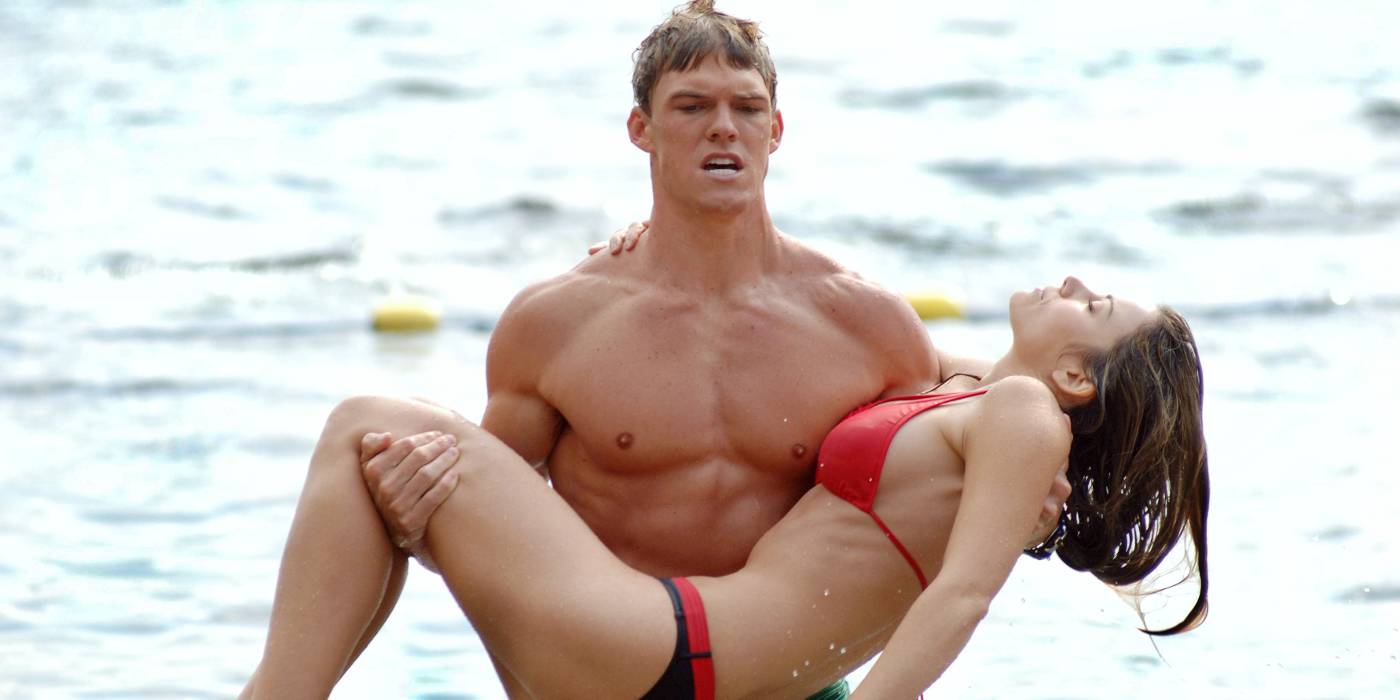
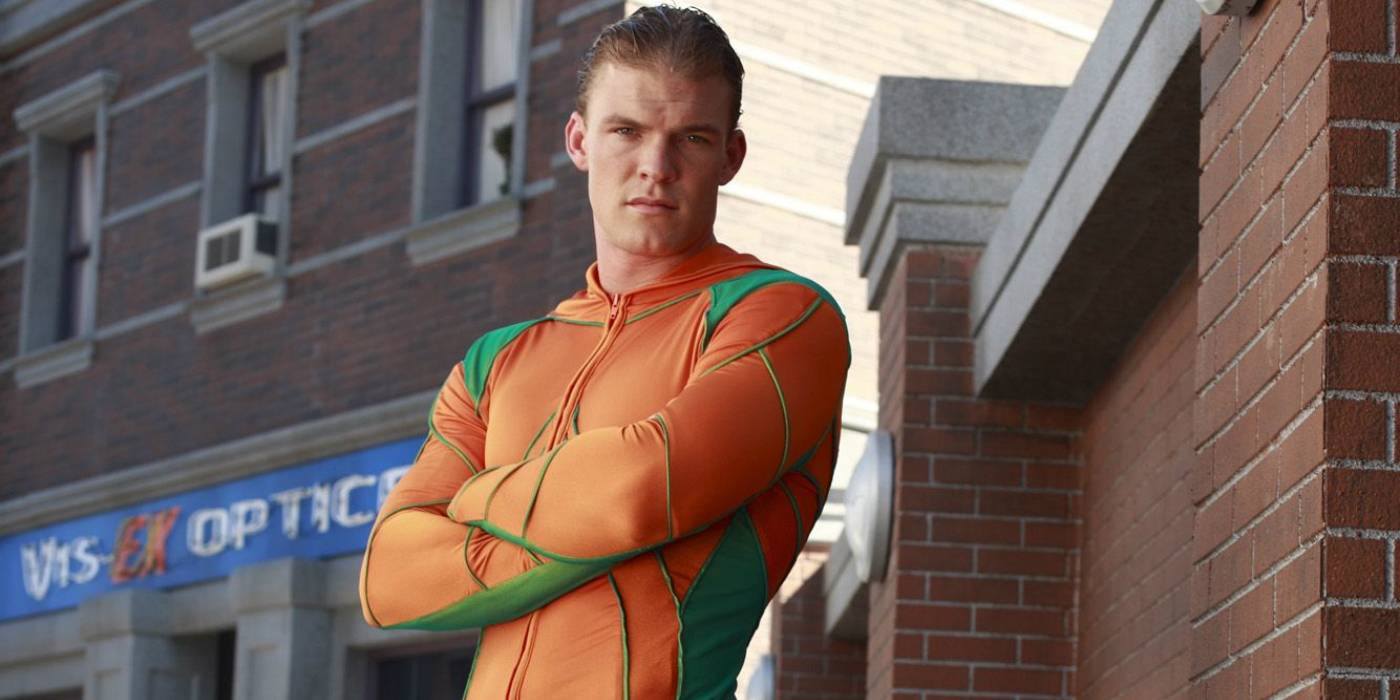
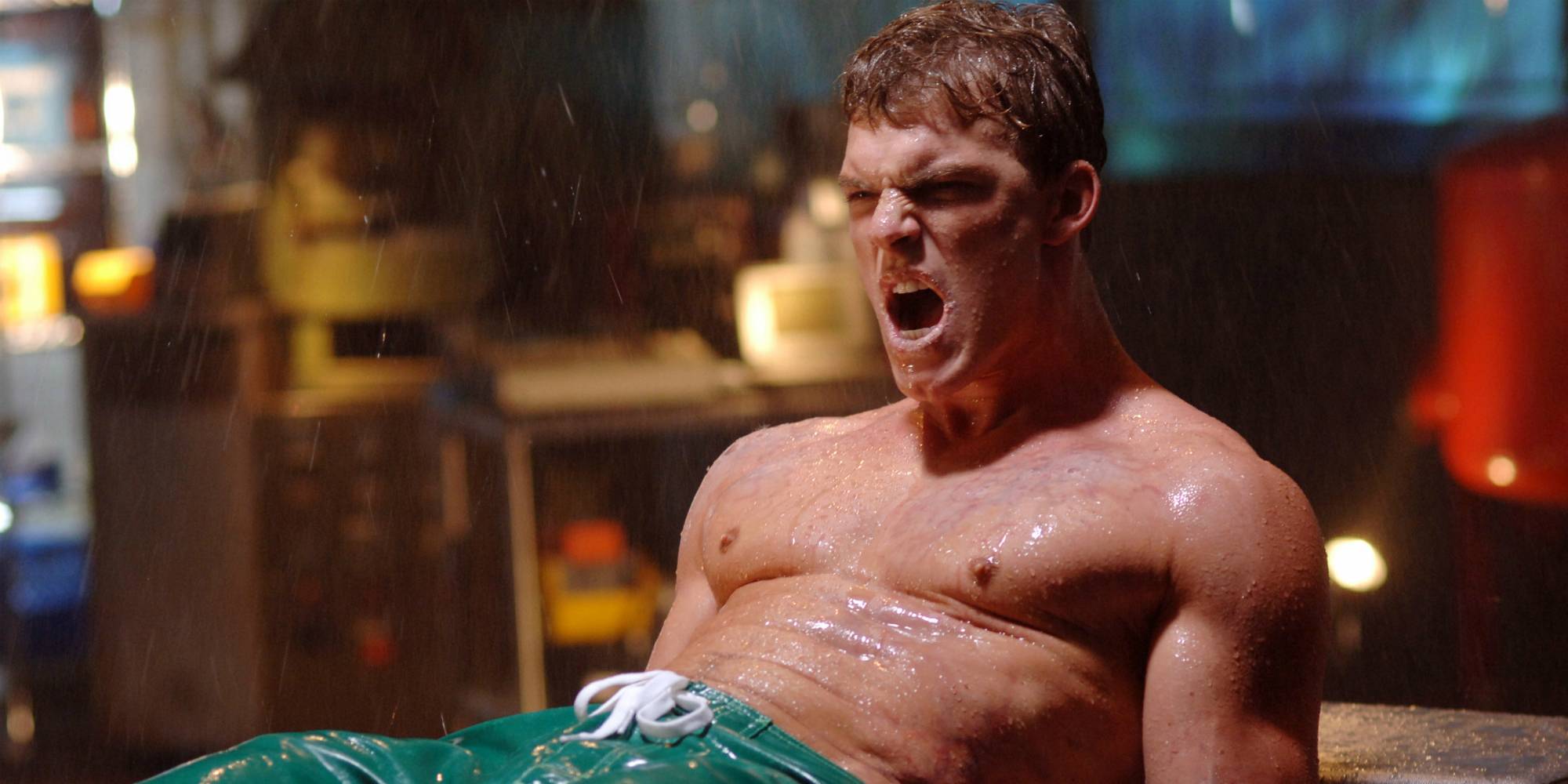



Of all the Justice League members for Smallville to incorporate into their version of the superhero team, Aquaman was a bold choice. Long before Jason Momoa repaired Aquaman's Superfriends reputation as a useless hero with the ability to talk to fish, Smallville's version of the character did little to combat this pathetic image. Not only did his frosted tips and bright orange and green athleisure outfit look ridiculous among the cast of the show, but his recurring weakness to dehydration made him just as much of a laughing stock as general audiences at the time were farmiliar with.
4 General Zod
No one was kneeling before Smallville's Zod

One of Superman's most iconic and instantly threatening villains, General Zod is a staple of the character's lore whose invasion always spells disaster for the Man of Steel. Unfortunately, Smallville dragged out Zod's story through some needlessly elaborate beats, including having him spend a good portion of his life in the show possessing another character for the sake of the budget. Zod's second appearance was better, but the enjoyment of it was somewhat soured by the fact that he was technically a clone -- It would've served Smallville better to get Zod right the first time around.
3 Martian Manhunter
An unnecessary recurring character in an already bloated cast

Never being recognized as his own hero, Martian Manhunter is more of a staple of the Justice League in DC media rather than a standalone hero. This makes it all the more perplexing that Smallville chose to incorporate J'onn J'onzz at all, offering only the sparsest glances of his true form thanks to the show's monetary constraints. Not only that, but his detective plotline ran completely separate from the rest of the series, making John Jones' segments a strange recurring detour that the show refused to let go of.
2 Doomsday
The death of Superman was entirely unthreatening

More of a force of nature than a character in his own right, Doomsday's appearance in the comics was an ominous omen of Superman's impending death. Once again, Smallville fell victim to its need to overtly serialize its antagonists, drawing out Doomsday's arrival by making him a glorified Hulk knock-off with Davis as a vessel. By the time he arrives in full force, the only thing that makes him harder to take seriously than his goofy creature design is how easily Clark defeats him, stuffing him underneath the crust of the Earth, a far cry from the comics' Doomsday.
1 Cyborg
Victor Stone's central conflict was a moot point

A central aspect to Cyborg's character in DC mythology is his struggle with his appearance, wrestling to accept his cybernetic body. This makes it all the more egregious that the robotic parts of Smallville's Victor Stone are entirely hidden, making it hilarious when the character bemoans his appearance despite looking like a model. Not only did Smallville eschew the core conflict to Cyborg's character, but they saddled him with some embarrassing weaknesses to hacking, his surprisingly fragile construction hampering his ability to be a hero far too much.
