


Summary
- DC's New 52 was a reboot of their continuity and relaunch of all the company's titles; the move was designed to offer a perfect jumping on point for a few generation of readers, which in many ways, can be said to have worked.
- Many changes to DC's long-running continuity that came during New 52 proved to be controversial among the fandom, with some – with some, though not all – having subsequently been reversed, particularly in the era that followed, appropriately titled Rebirth.
- The DCEU films by Zack Snyder drew inspiration from the New 52 era, creating dark, gritty adaptations of classic characters that reflected the contemporary comics of the time.
With the New 52, DC Comics implemented one of the most radical changes in the history of comic book publishing: a full, universe-wide reboot. Despite remaining one of the publisher's most controversial decisions, it's hard to deny the lasting impact this era of DC continues to have on the company's continuity.
DC Comics has been a driving force in comics since the dawn of the superhero, with Jerry Siegel and Joe Shuster's Superman taking the industry to its earliest peak. From the creation of the Silver Age, with a new generation of superheroes, to ushering in the Modern Age with Crisis On Infinite Earths, the company has often set the tone for the industry.
With New 52, DC forged a new path for itself throughout the 2010s, taking a step that was too bold even for Marvel, with its complete overhaul of continuity. For better or worse, the reboot had a profound impact on the publisher – and comics overall.
The New 52 continuity of DC was entirely separate from the prior status quo; new origin stories were given to the heroes, some characters received make-overs, and others were erased entirely.
The New 52: What It Was & Why DC Did It
When: 2011


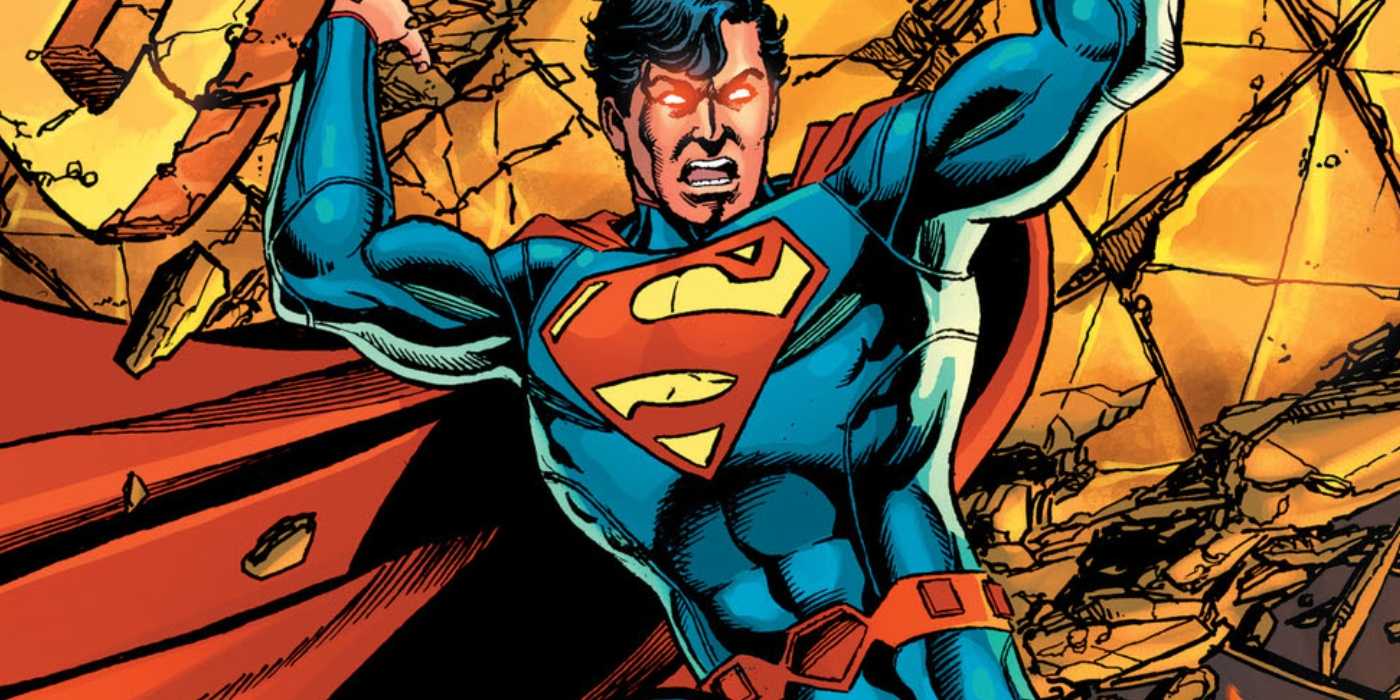
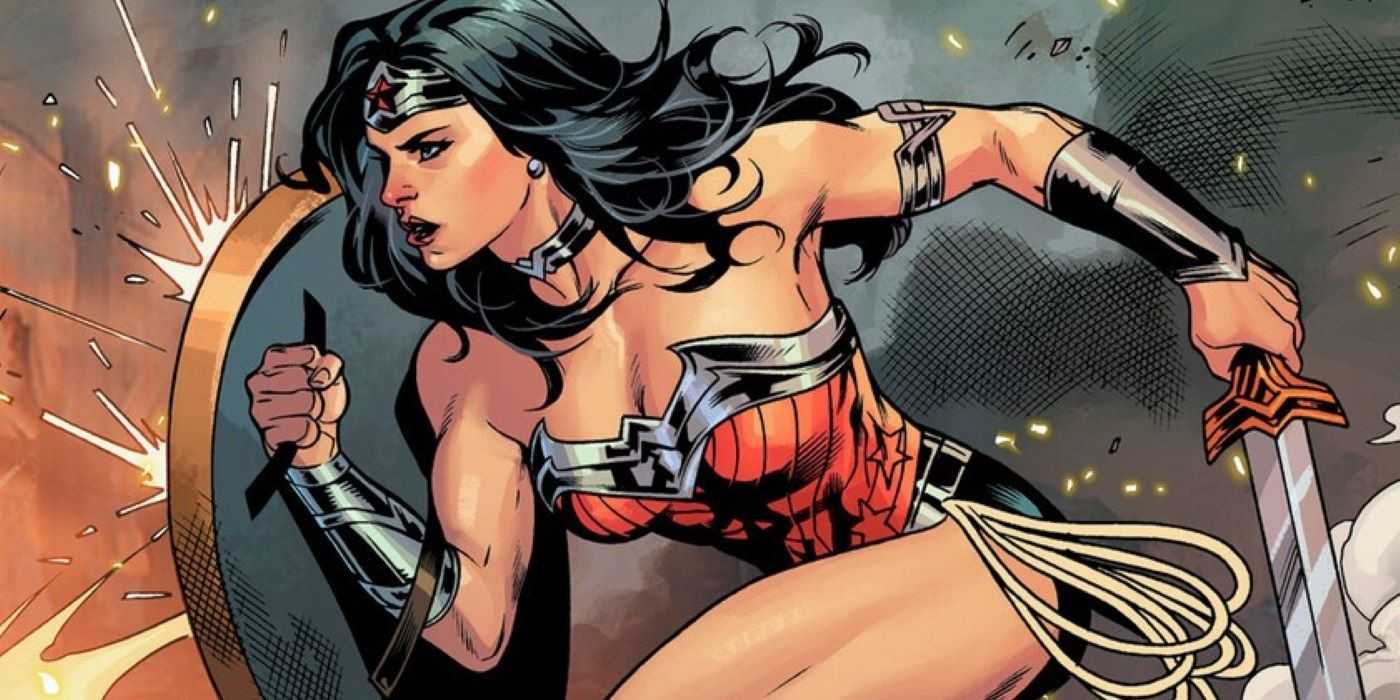
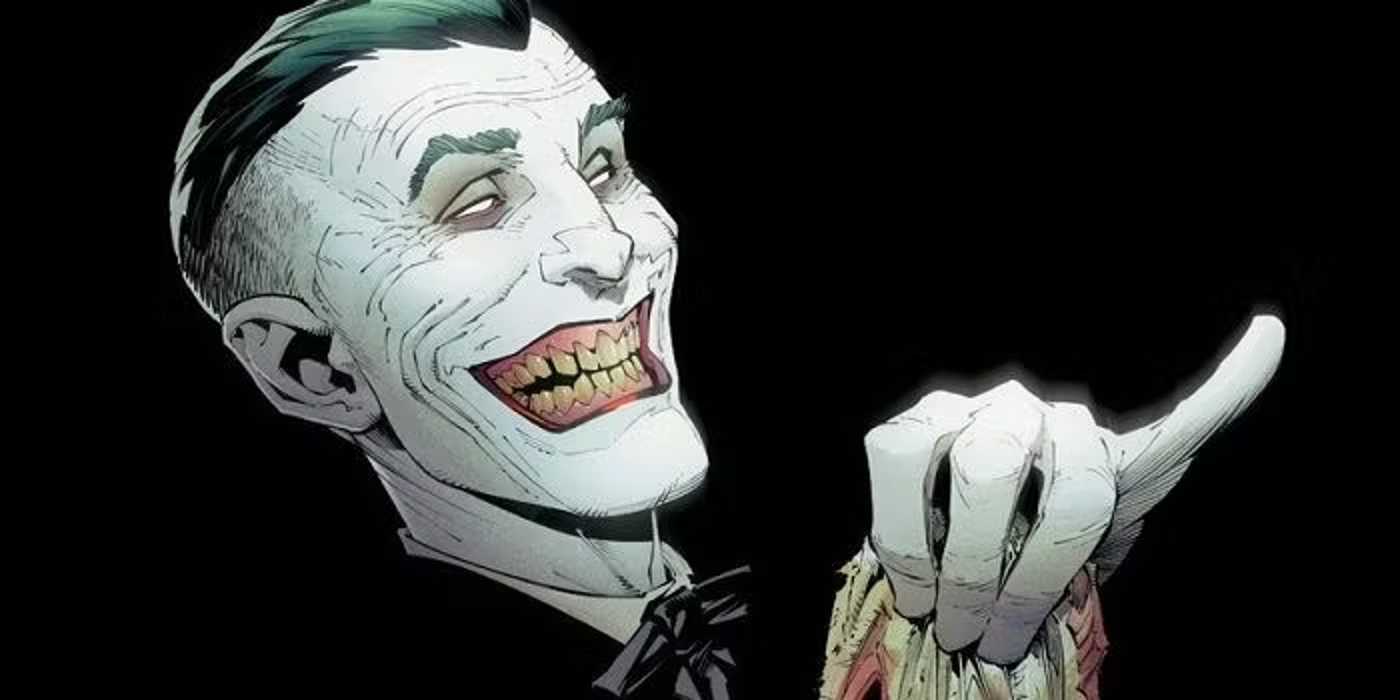
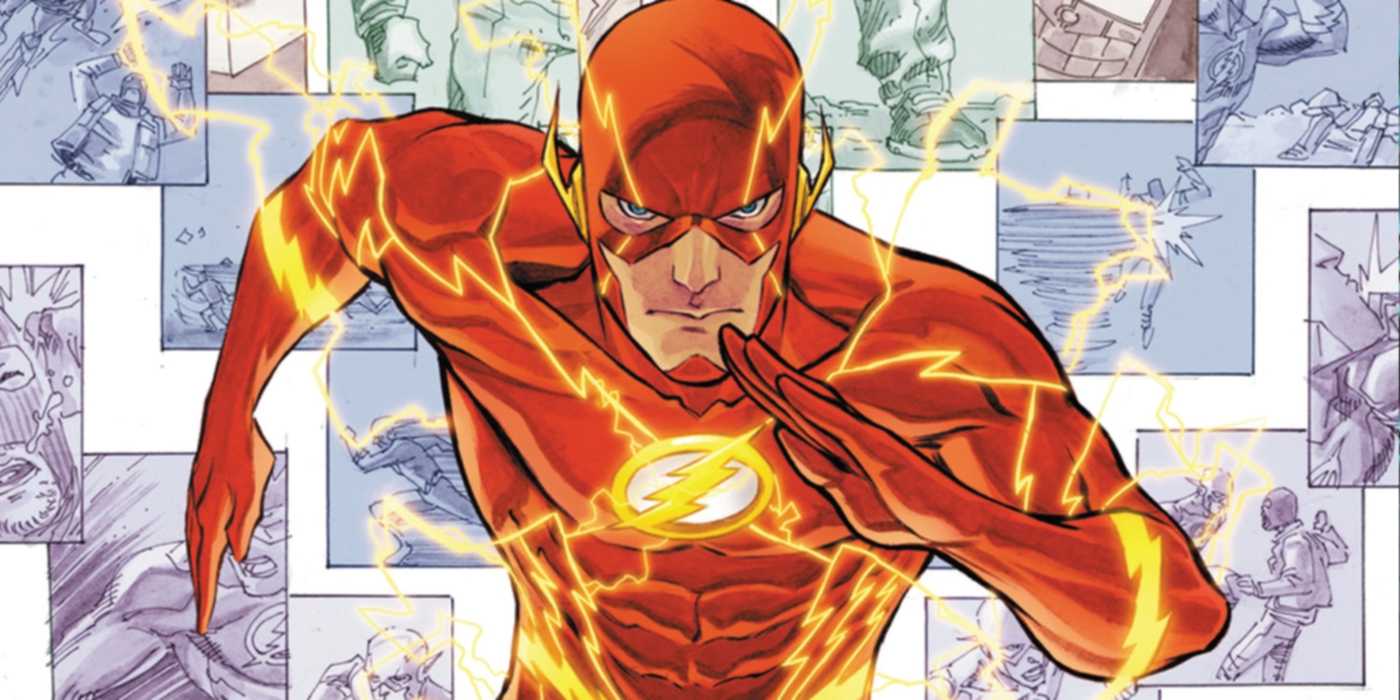
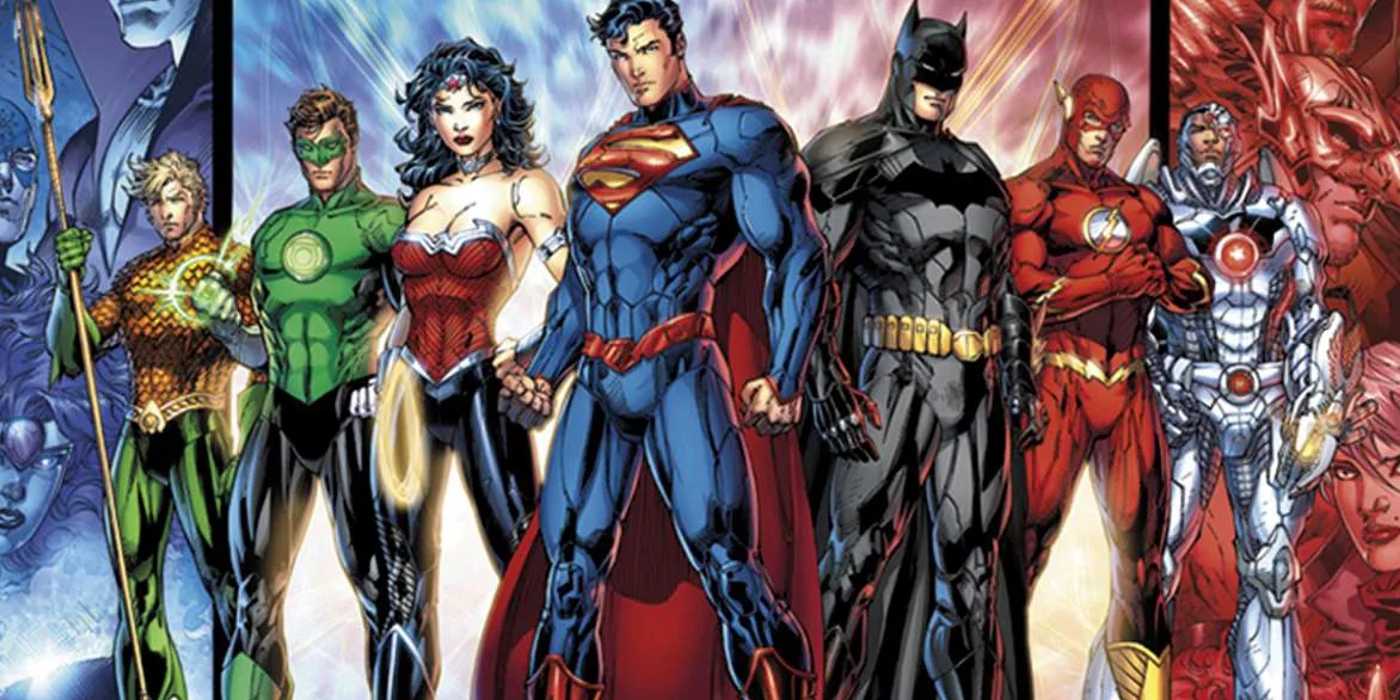
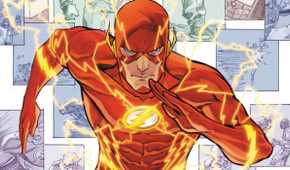
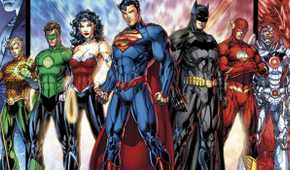
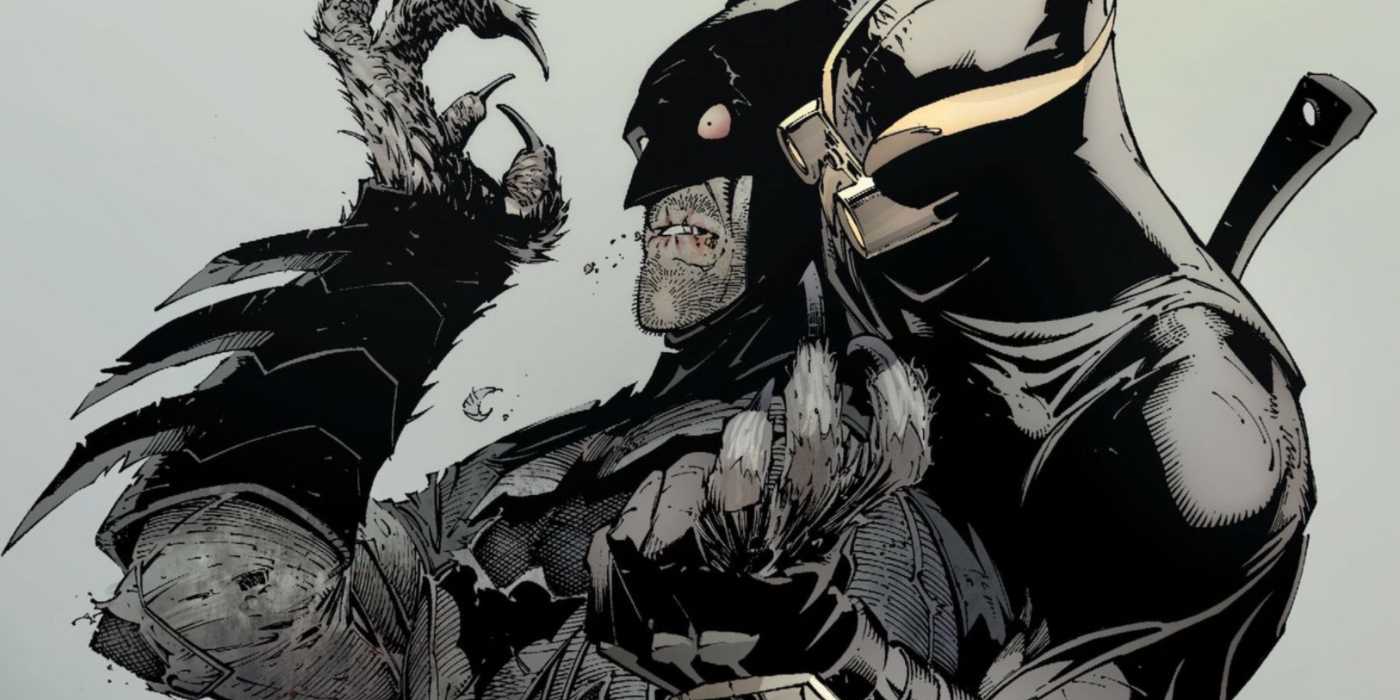
Iconic runs like Scott Snyder and Greg Capullo's Batman and Grant Morrison and Rags Morales' Action Comics began with the New 52 initiative, compelling DC fans to keep reading, even as the decision to relaunch the titles was considered controversial.
In 2011, DC began laying the foundations for a new era of continuity with Geoff Johns and Andy Kubert's Flashpoint. The story followed Barry Allen as he traveled back in time to save his mother. As understandable as this was, his decision created the unstable Flashpoint timeline, and had to be reversed. Immediately after this, the publisher rebooted all of its titles to new first issues, some for the first time since the 1930s. The strategy was for the company to start fresh and offer a new generation of readers the ultimate jumping on point.
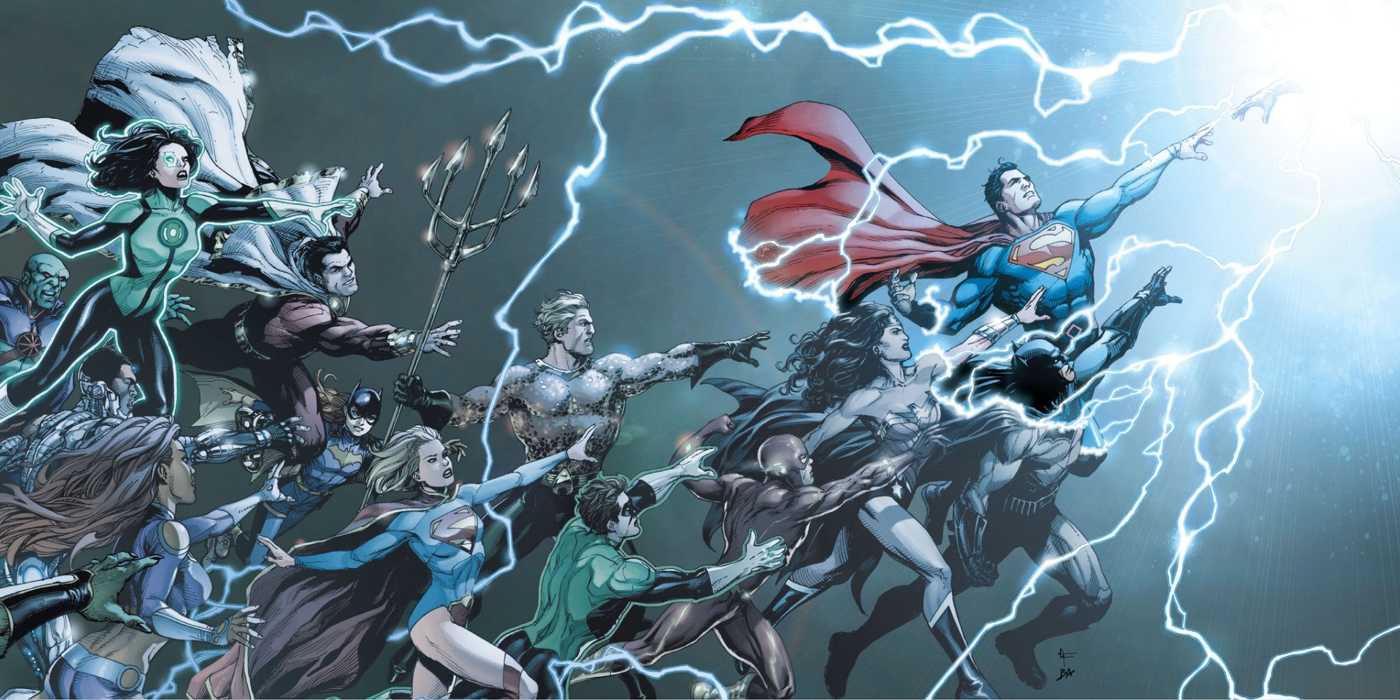
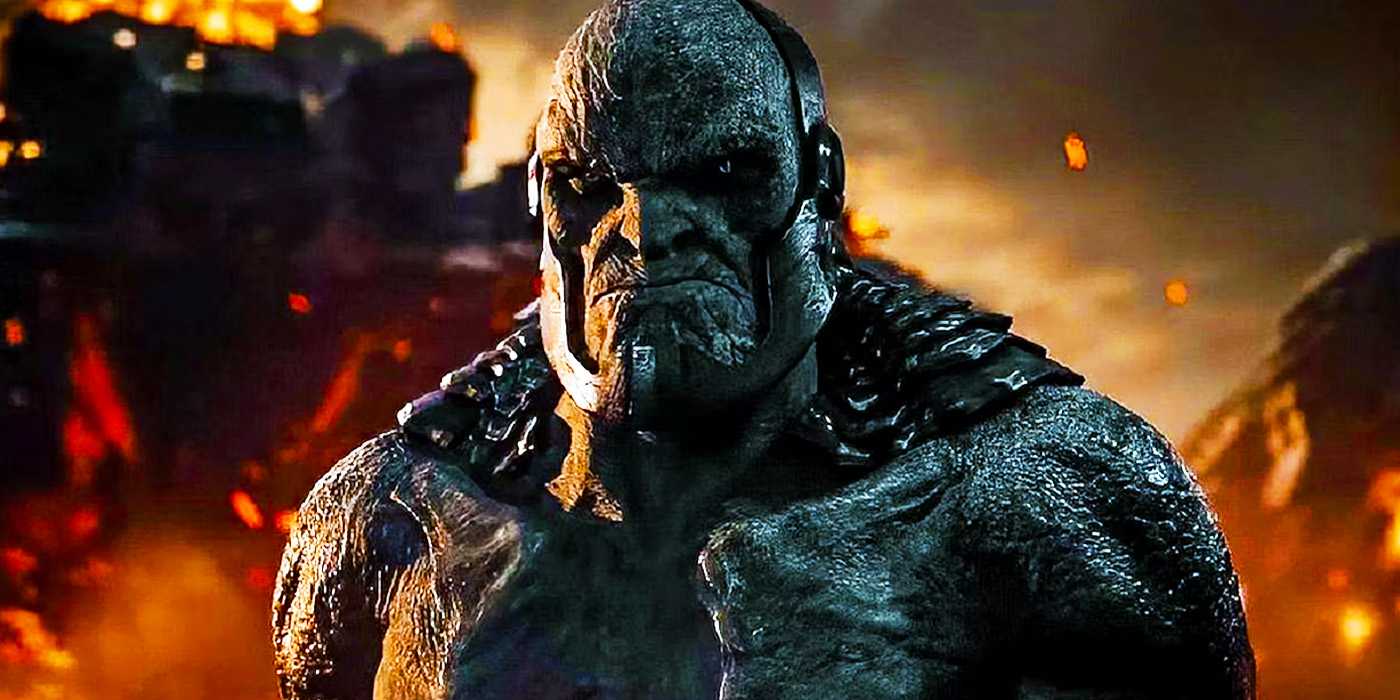
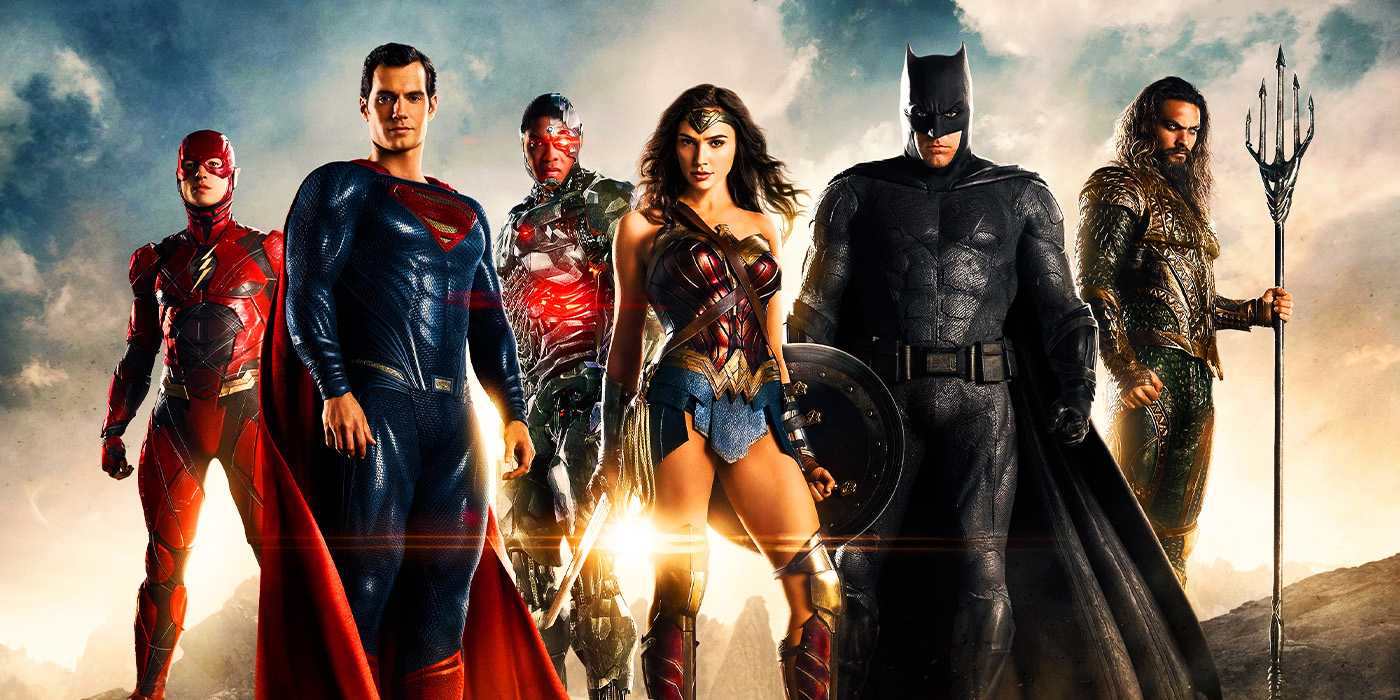
The New 52 continuity of DC was entirely separate from the prior status quo; new origin stories were given to the heroes, some characters received make-overs, and others were erased entirely. Each new first issue was designed to reintroduce a new origin and history for respective heroes; Morrison told the story of a young, rookie Superman; Snyder wrote a Batman coming to terms with fatherhood; and the Justice League formed as a counter to the invasion of Darkseid. Readers no longer had to hunt down decades-old stories to start at the beginning – and that was the point.
How The New 52 Relaunch Changed DC's Universe
For Better & Worse


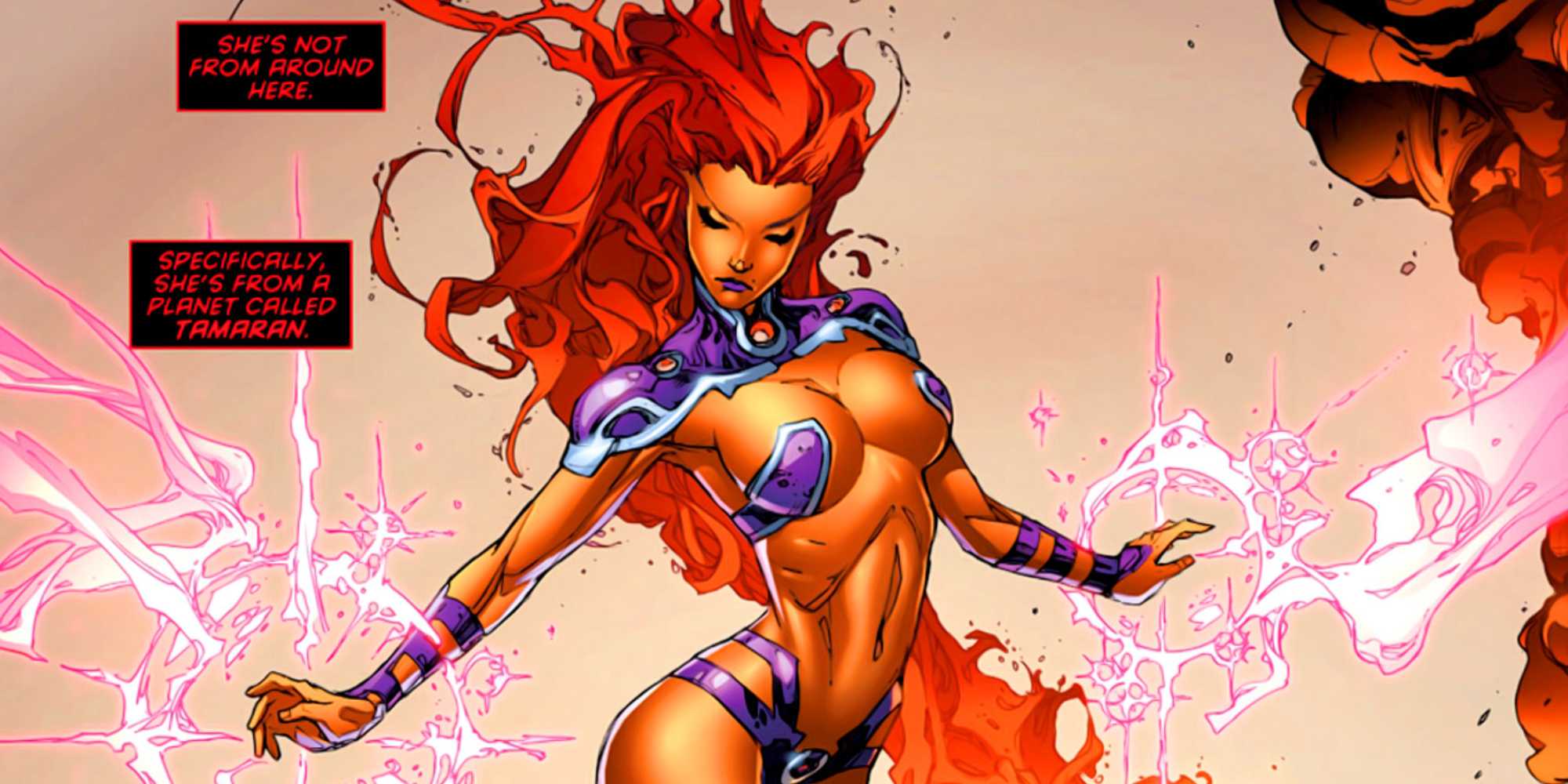
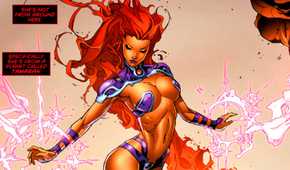
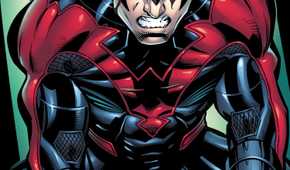
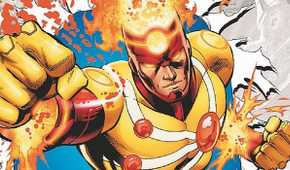
At the time, DC's gamble proved to be remarkably successful, despite criticism of some of its creative decisions; the company's dominance was so undeniable that, coincidentally, Marvel relaunched a slew of its own titles within the next year.
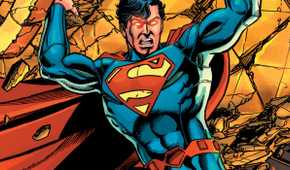
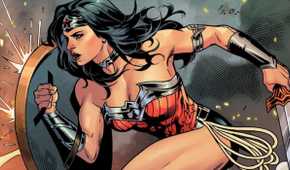
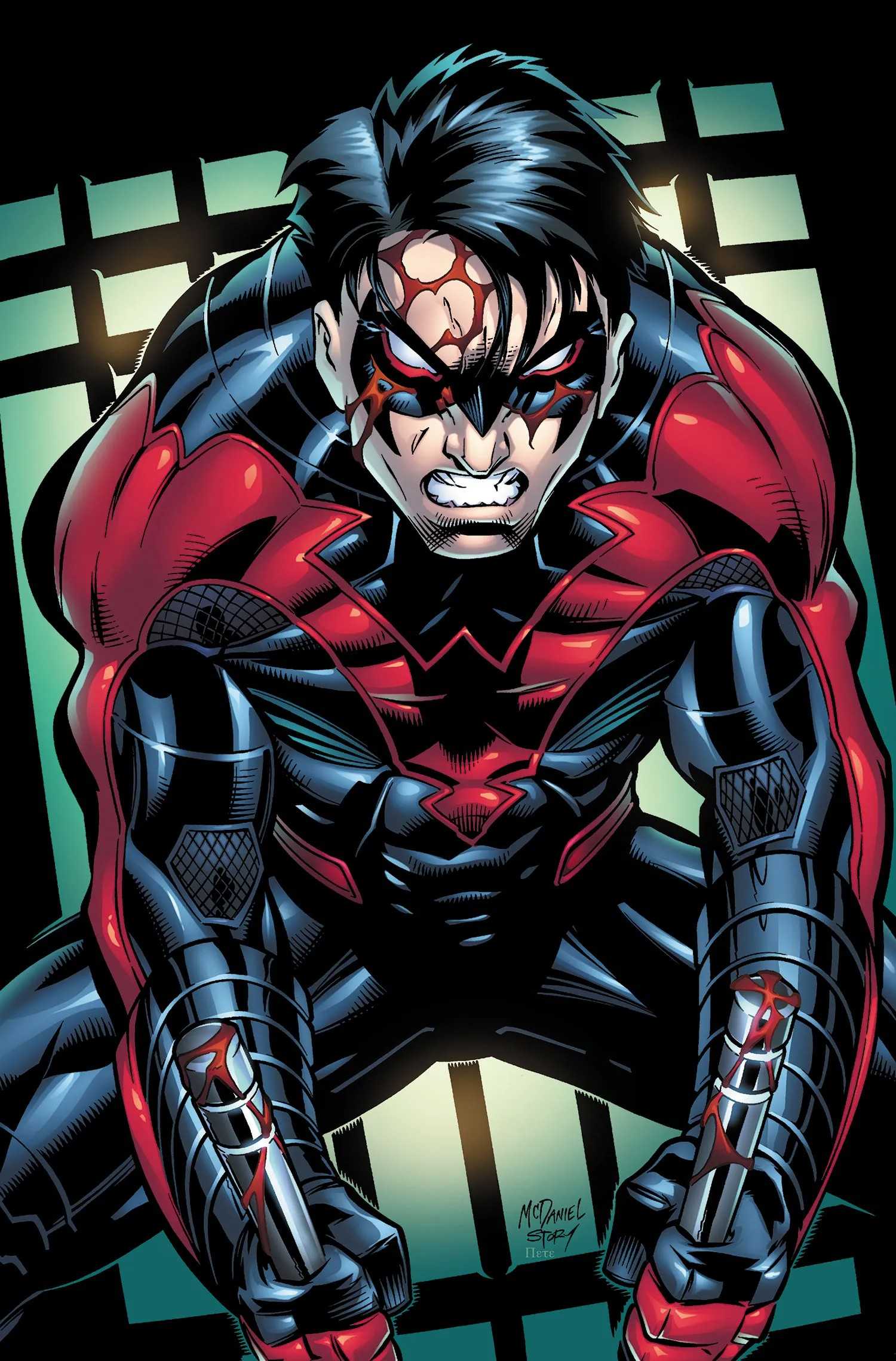
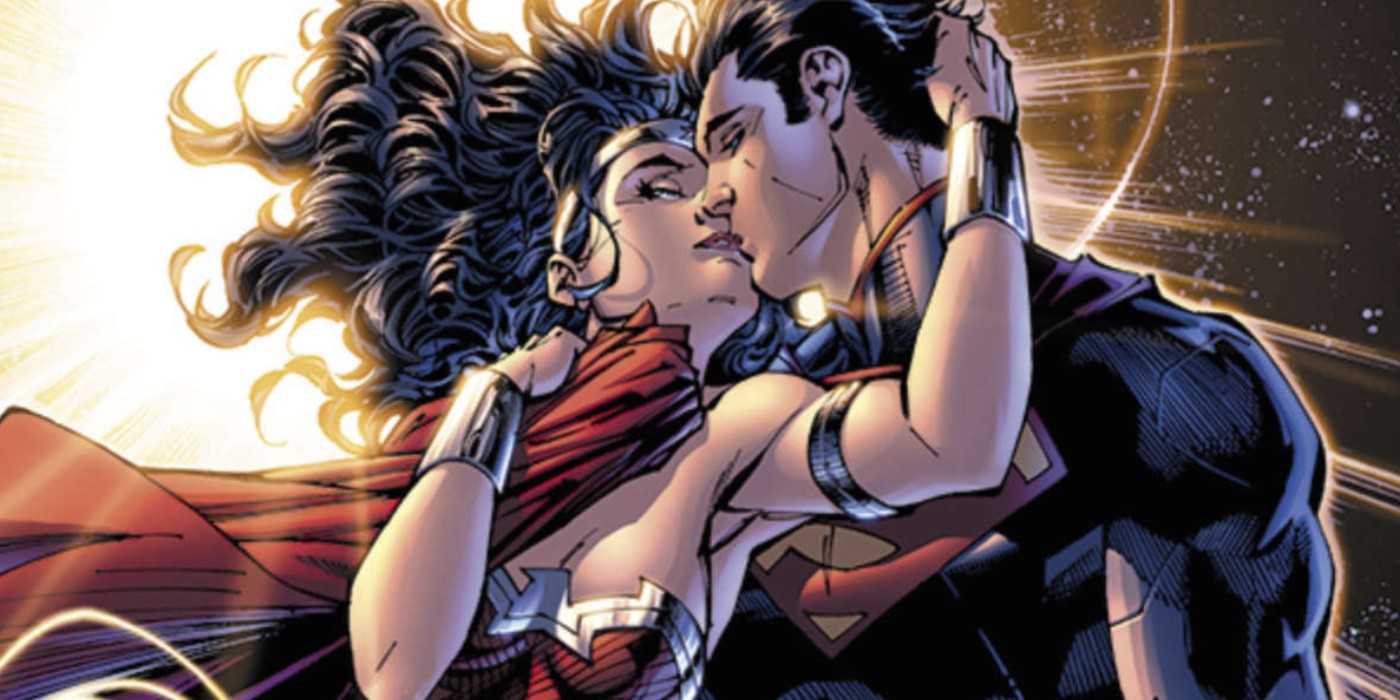
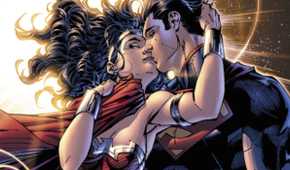
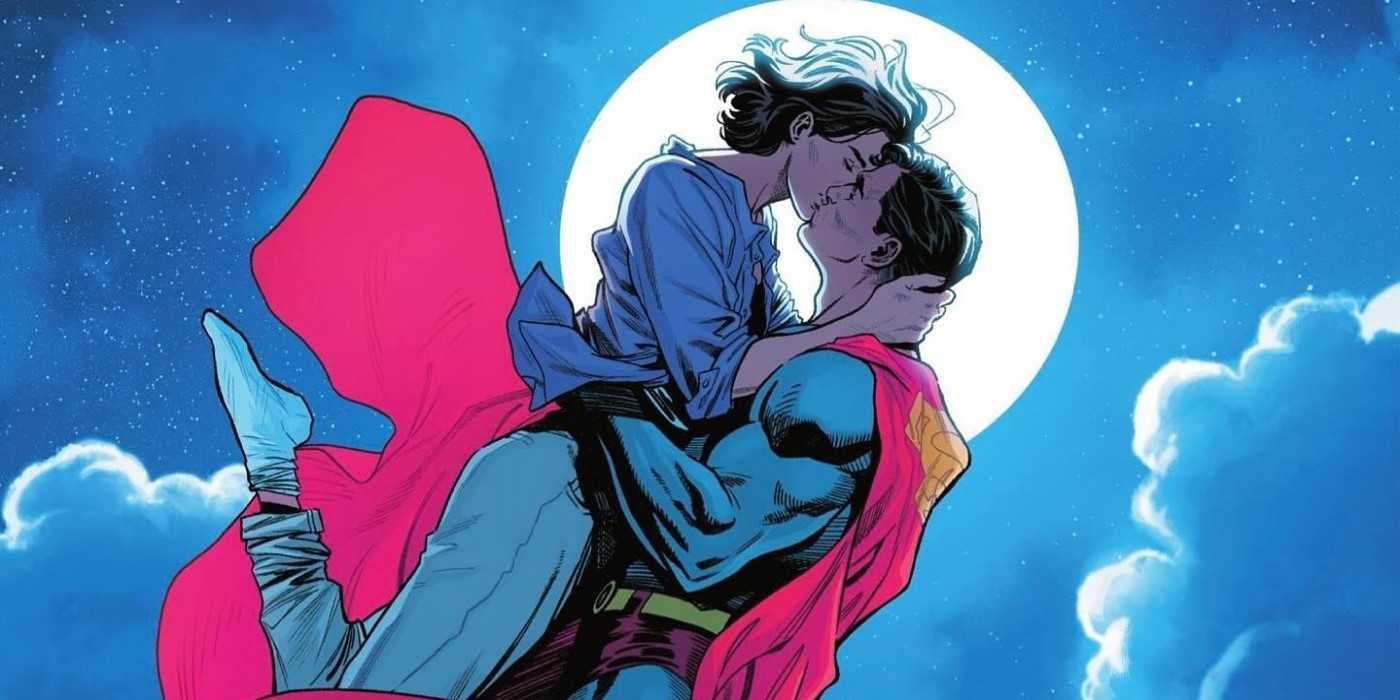
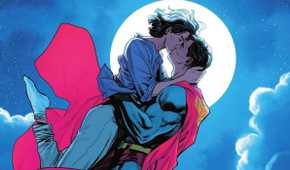
Perhaps the most controversial change to DC continuity was how virtually every character was made into a darker version of their post-Crisis selves. Superman became a more abrasive, temperamental figure; Batman became more grim than ever, and Wonder Woman's Amazon sisters were revealed to have tricked sailors into getting them pregnant – with their sons being traded to Hephaestus for weapons. One of the most hated changes among fans was a romance between Superman and Wonder Woman, erasing decades of emotional investment fans had placed in Lois and Clark.
From 2011 to 2013, DC soared to the top of the comic book industry's sales charts, with eight of the top ten best-selling comics in September 2011 – the launch of the New 52 – coming from DC.
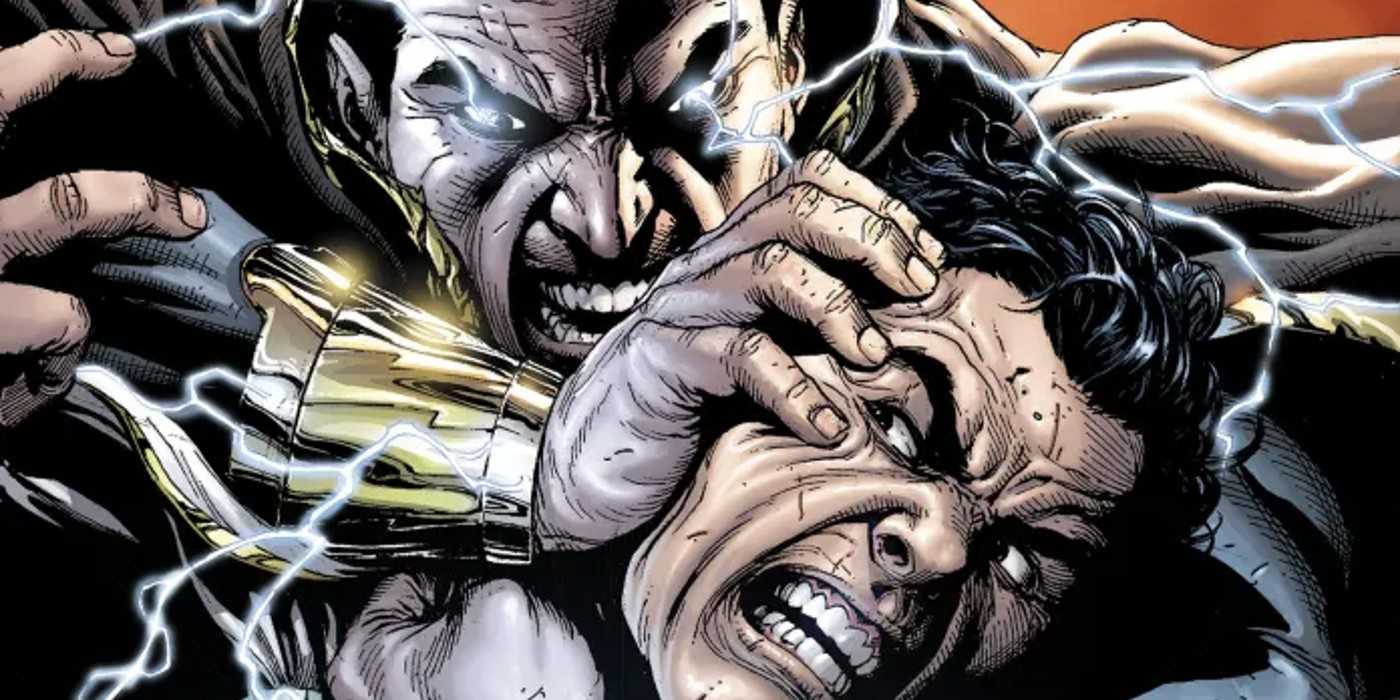
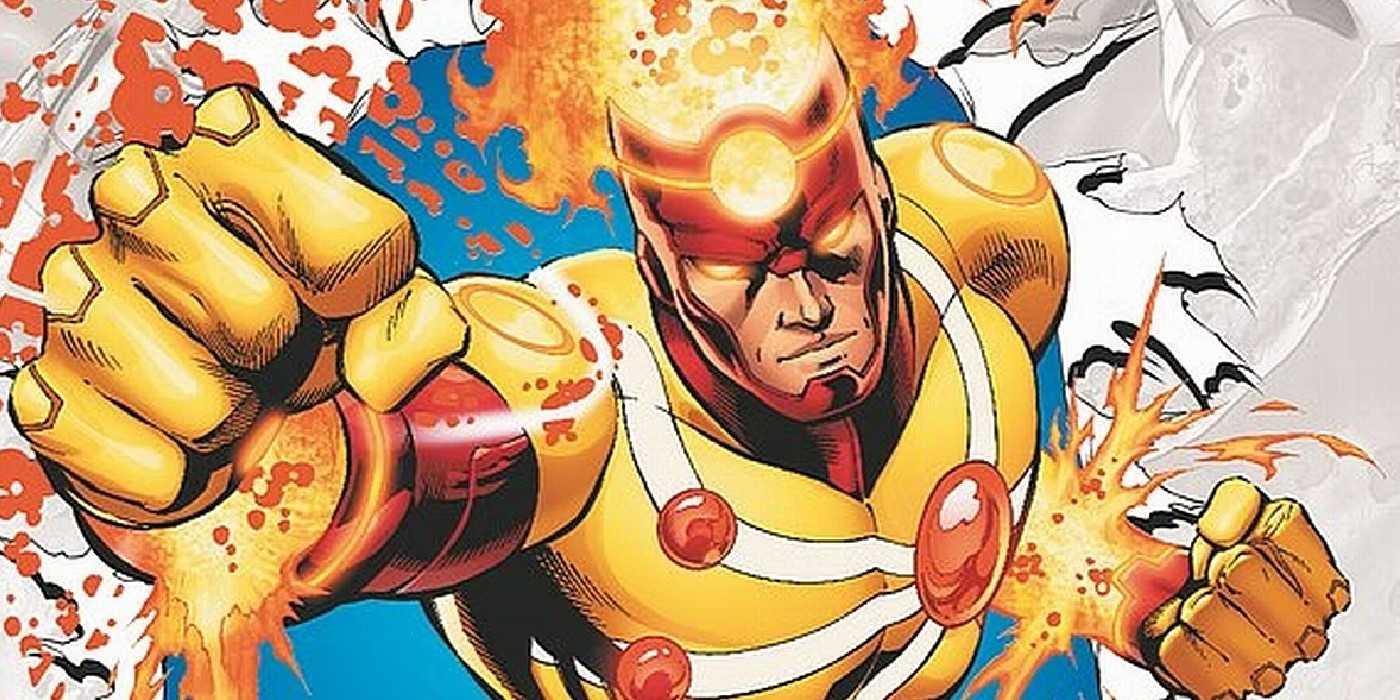
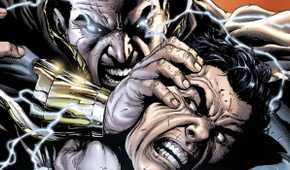
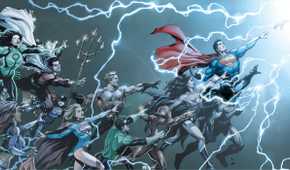
Some of the company's most profound changes included a new Justice League roster, an updated Shazam origin story, and the erasure of the Justice Society of America. In 2015, the company took the idea even further with its DCYou, a line of comics that moved away from the New 52 in some respects, though it is actually the most disliked phase of this era. Here, readers were given an unrecognizable YA-inspired Lobo, a young Doctor Fate, and a darker Superman. For many, this change was the true death knell for the New 52 as sales dipped to their lowest in modern DC records.
At the same time, despite the New 52's controversies, it's hard to deny some of the lasting good that came from it. Snyder and Capullo's Batman run remains a modern masterpiece in the eyes of readers, thanks in large part to their debut story, "The Court of Owls." At the time, DC's gamble proved to be remarkably successful, despite criticism of some of its creative decisions; the company's dominance was so undeniable that, coincidentally, Marvel relaunched a slew of its own titles within the next year. Like it or hate it, DC captured the attention of new readers.
The New 52 Remained DC's Status Quo For Nearly A Decade
DC Revamped Again In 2018


Another popular change from New 52 was the return of Barbara Gordon to the role of Batgirl, since she had been left wheelchair-bound since Alan Moore and Brian Bolland's The Killing Joke.
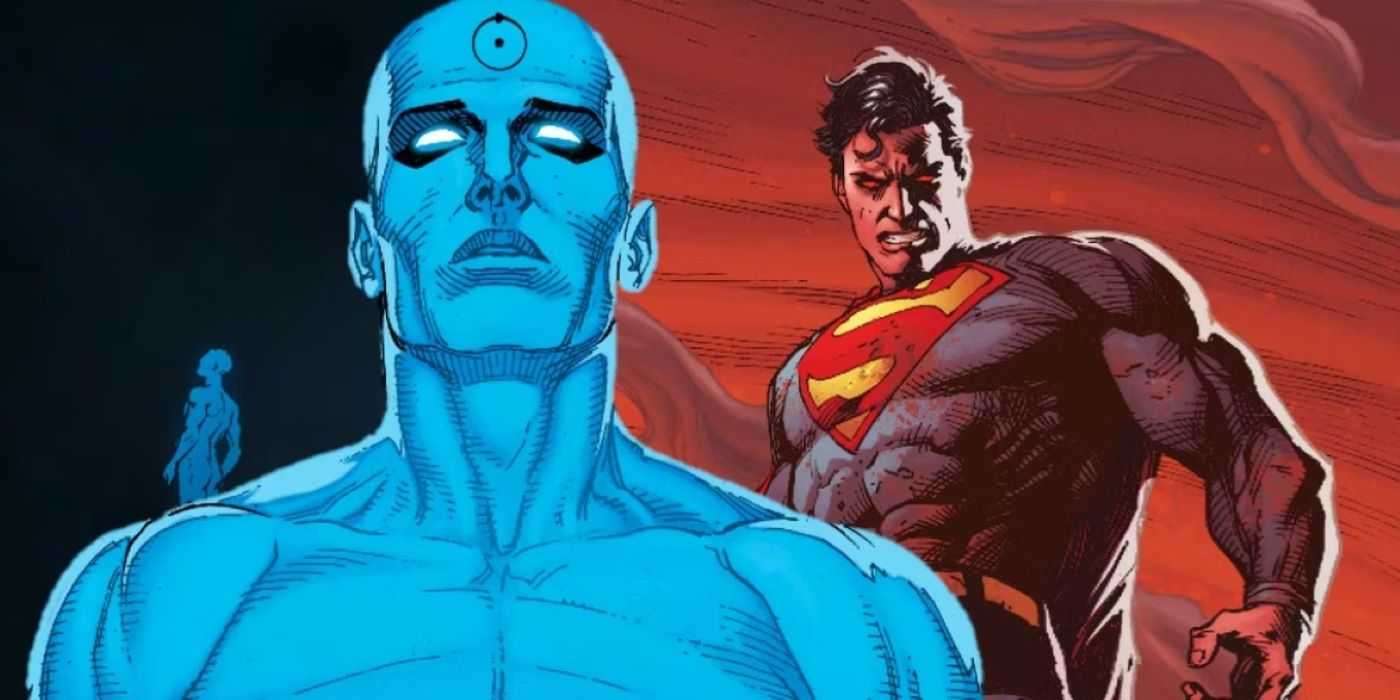
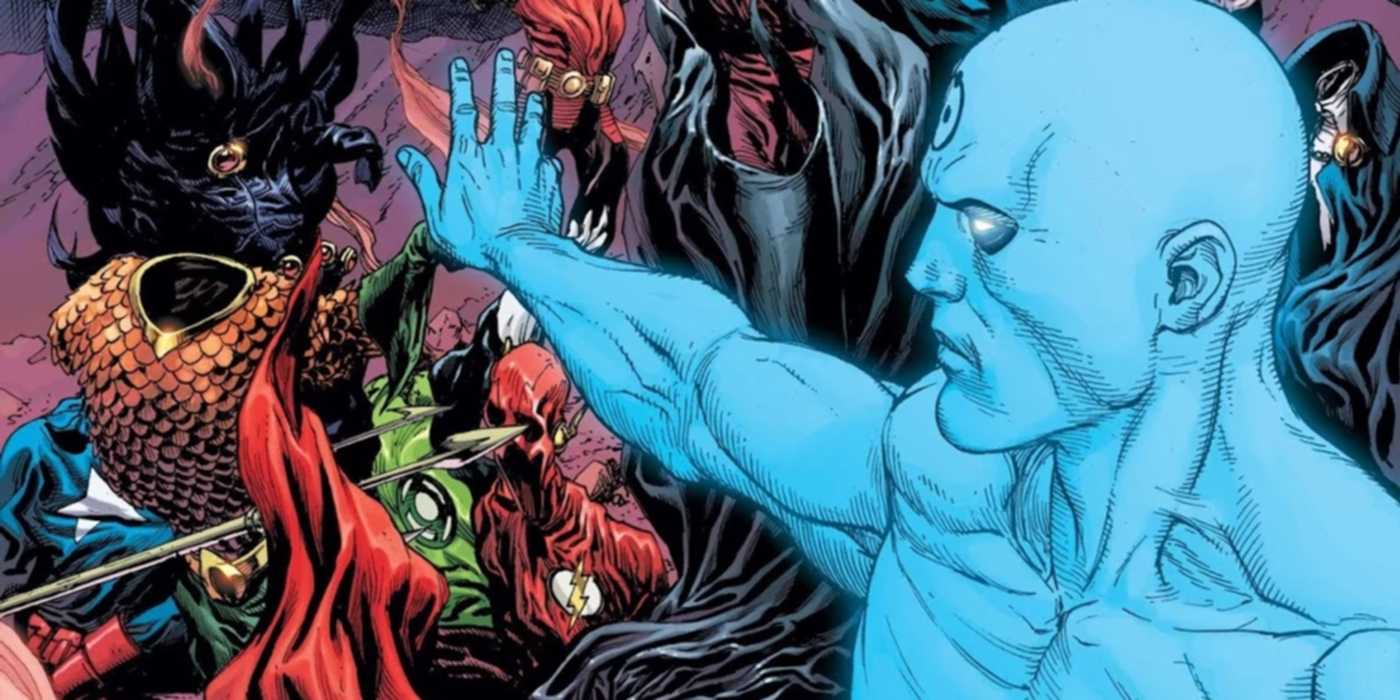
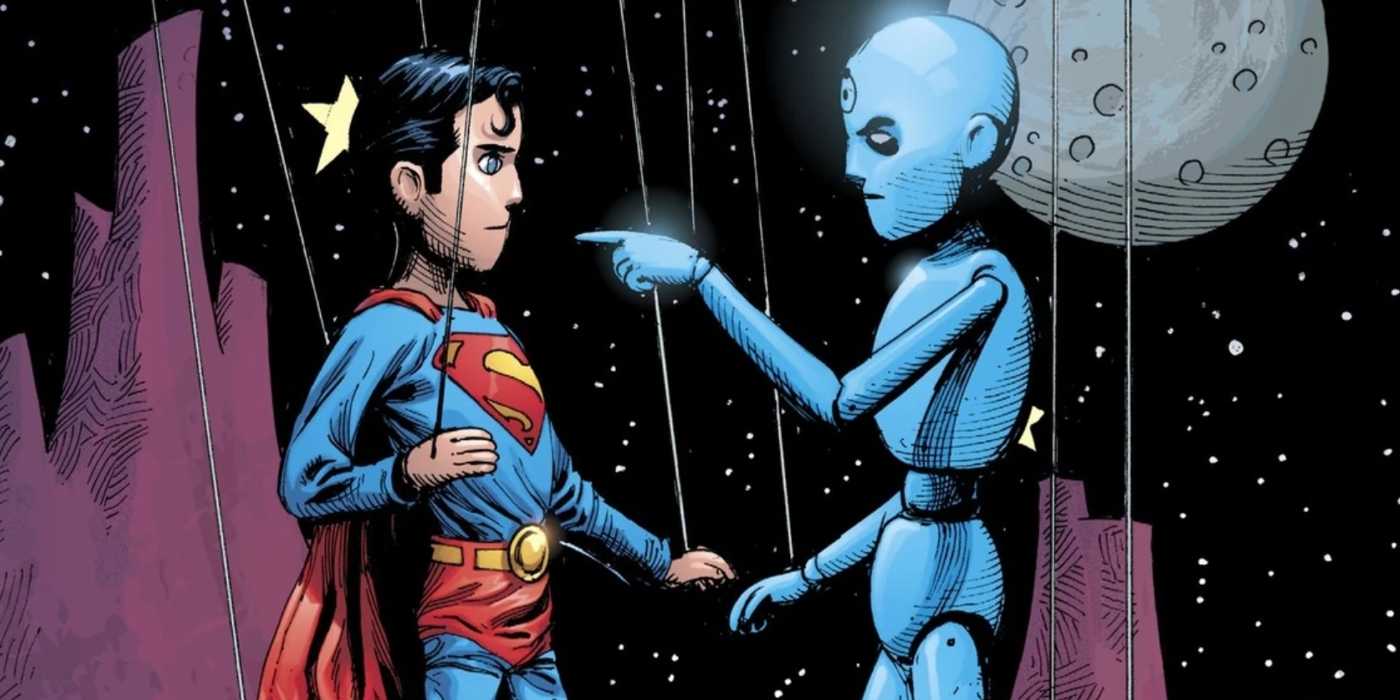
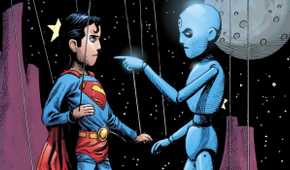
One of the biggest misconceptions people have about DC's Rebirth era is that it erased the New 52 timeline. This actually isn't the case. In fact, the 2011 timeline continued as the status quo in the DCU until Doctor Manhattan set everything right in 2018's Doomsday Clock. Here, it was revealed that the New 52 and almost every major event since had been caused by Doctor Manhattan, who had been altering the history of Prime Earth. It was he who, for example, made it so that the Justice Society of America never existed.
While the DCU did change between the New 52 and Rebirth, namely through restoration of classic character designs, the heroes retained their memories of the 2011-2016 era. However, this led to perhaps the most convoluted character arc in modern DC history when the post-Crisis Superman was pulled into the DCU from the Convergence event. This version of the Man of Steel was a happily-married family man with a son, Jon, making him the ideal successor for Rebirth. However, he wound up merging with his New 52 counterpart, who was believed to be dead.
The New 52 had some positive changes for DC. Among them were the creation of fan-favorite Green Lantern Jessica Cruz, as well as Simon Baz. Together, the new heroes became partners for Rebirth's Green Lanterns series, and Cruz has played a key role moving forward. Another popular change from New 52 was the return of Barbara Gordon to the role of Batgirl, since she had been left wheelchair-bound since Alan Moore and Brian Bolland's The Killing Joke. Other additions, such as Duke Thomas joining the Bat-family, also stand out from this era.
DC Movies Were The New 52's Strongest Legacy
The DCEU's Tone Reflected The Reboot




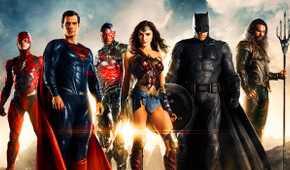
A line-wide reboot to encourage new readership wasn't the worst idea, but many critics still argue that the company shouldn't have deviated so far from its history, tone or continuity.
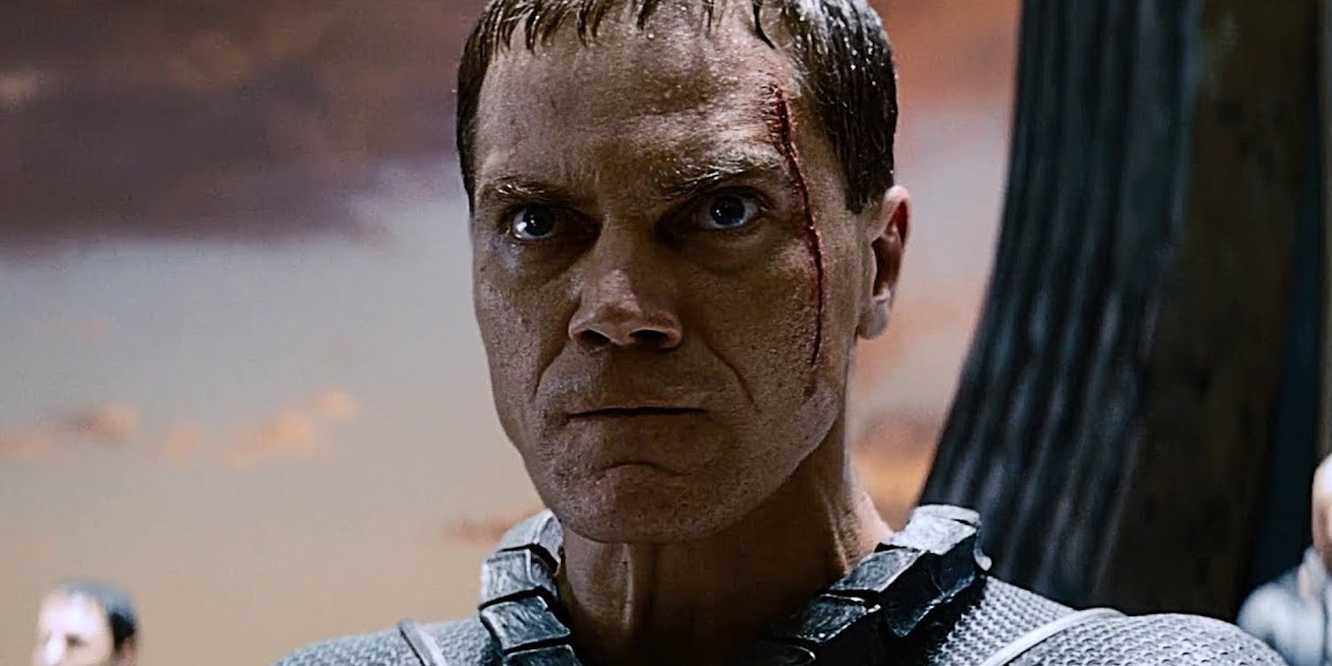
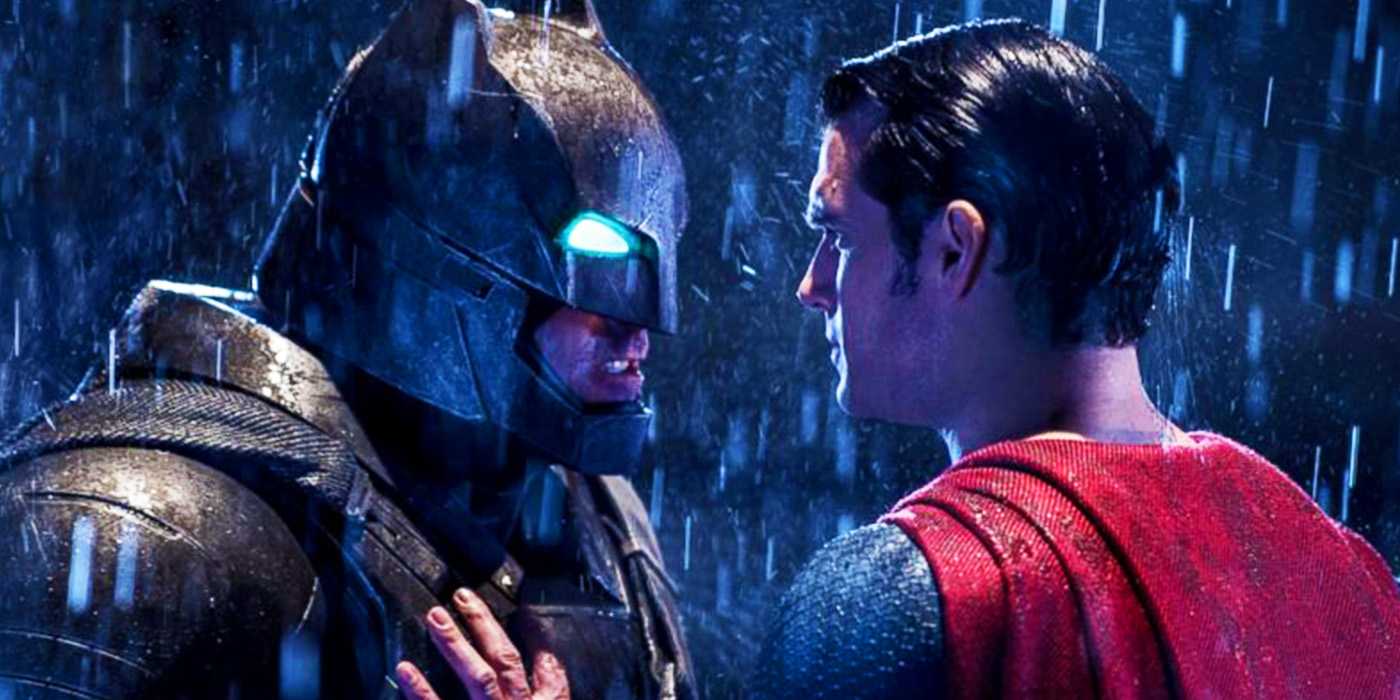
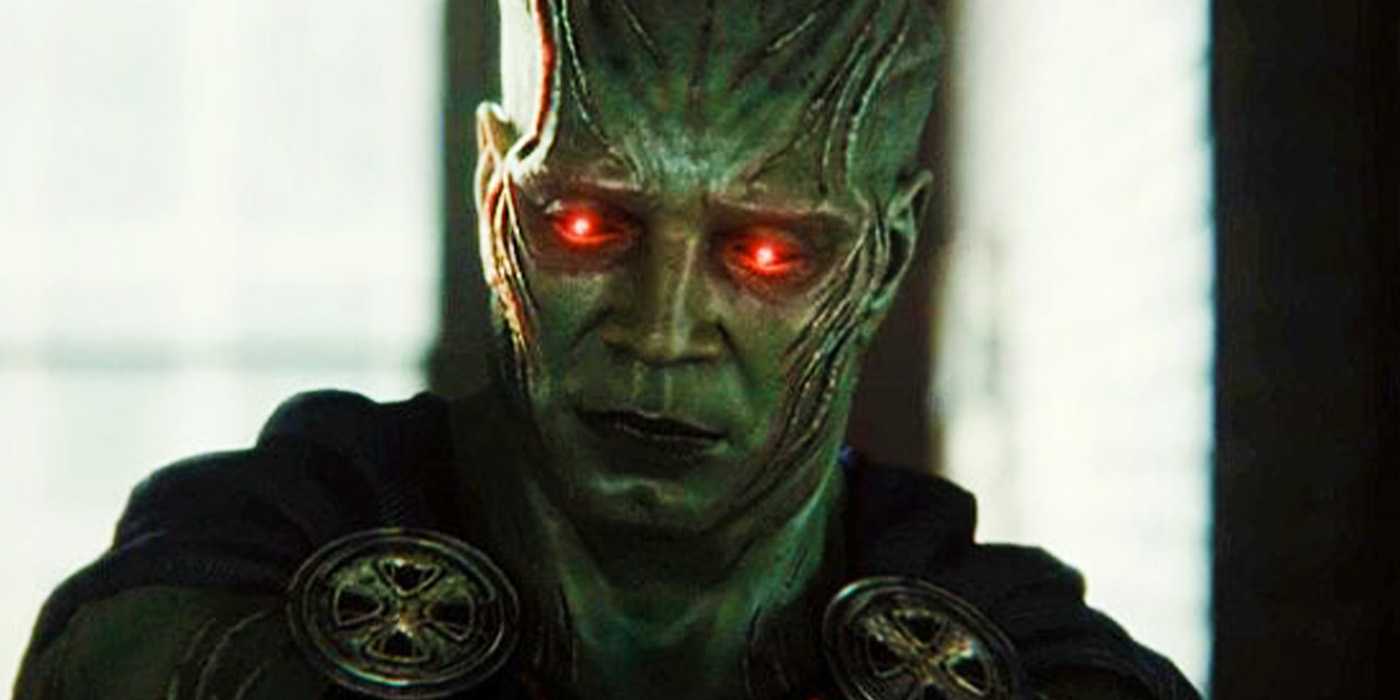
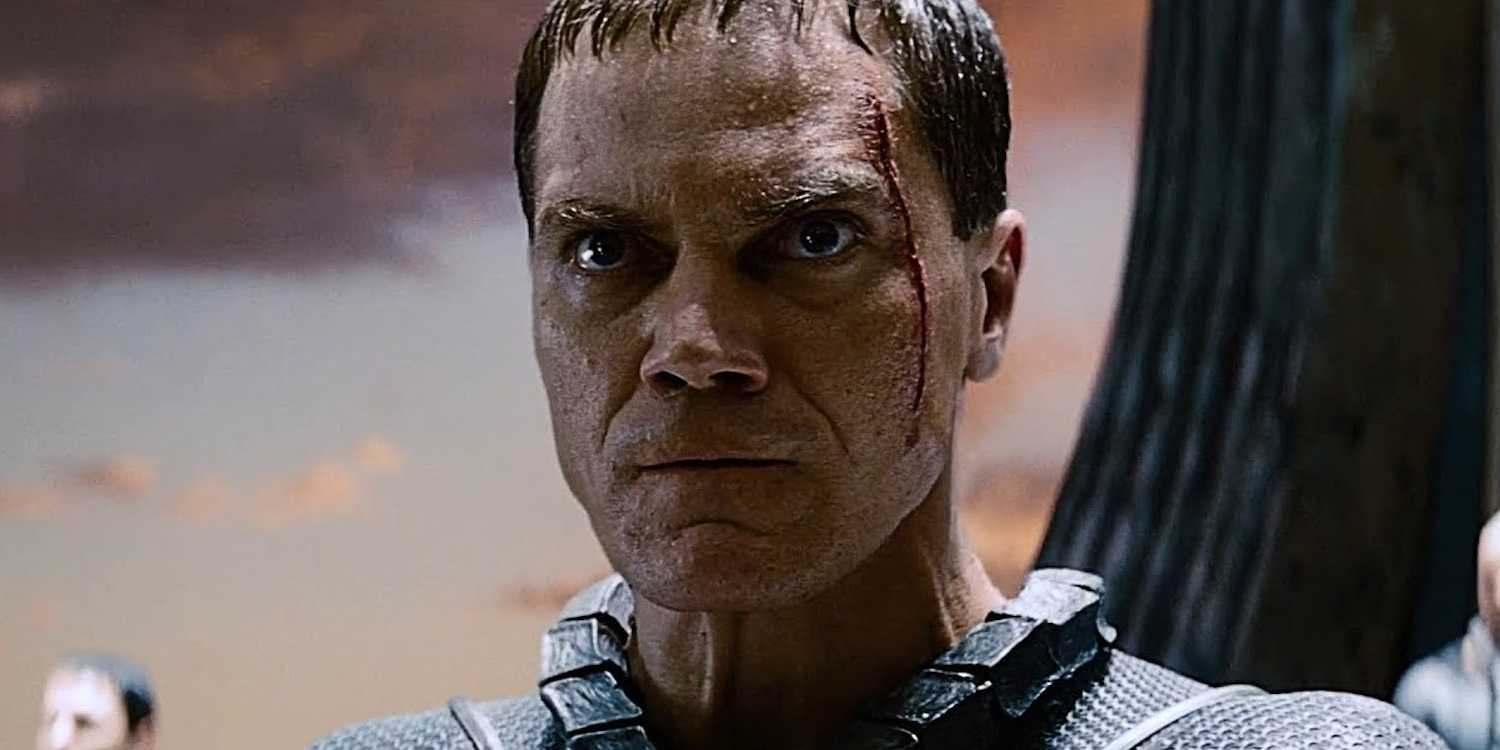
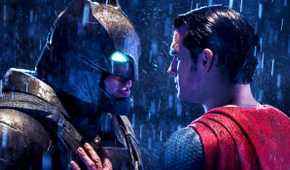
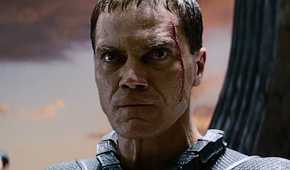
Moving beyond the initial juggernaut success of the New 52, the reboot's biggest impact was actually on the DC Extended Universe. Specifically, the films by Zack Snyder lifted directly from these comics, with other projects like Shazam and The Flash taking this era of DC's stories as inspiration as well. This is no surprise, considering how much the reboot's tone aligned with Snyder's gritty filmmaking style. This attempt at having the films mirror the comics of the time was at least part of the reason the DCEU was so distinctly dark, compared to the MCU, or previous DC movies.
In all, it can be said that DC's New 52 was perhaps a good idea, though with questionable execution.
A line-wide reboot to encourage new readership wasn't the worst idea, but many critics still argue that the company shouldn't have deviated so far from its history, tone or continuity. After all, fans had placed a great deal of emotional investment in the universe for years, and many felt betrayed by the abandonment of the company's legacy. In this sense, Rebirth was something of a mea culpa from the company, and a restoration of the universe's optimism. The New 52 relaunch remains a divisive chapter in DC Comics history, but it's hard to deny the strong sales and new fan-favorite heroes.
