


Summary
- In their newsletter, writer Grant Morrison highlighted the key difference between DC and Marvel: DC favors personal artistic visions for its characters, while Marvel prioritizes a cohesive continuity.
- The DC universe's "chaotic" continuity is what gives it its charm, according to Morrison, allowing for oddball energy and the coexistence of diverse characters.
- Morrison's distinctive and imaginative takes on superheroes were made possible by DC's auteur approach, which in turn allowed them to also contribute to the Marvel universe with new, unique characters and concepts.
Superstar creator Grant Morrison has written some of the greatest Marvel and DC comics of all time, so there are few better candidates to break down the differences between the two fictional universes. According to Morrison, the chief difference between DC and Marvel boils down to the freedom of DC's creators to tell their stories, as opposed to Marvel's emphasis on creating a coherent universe with a “strictly-enforced continuity.”
Answering a question from a fan in their Xanaduum newsletter about writing a “living comic book,” Morrison went on to explain that, if something is organized and complex enough, it eventually takes on a life of its own. The writer then used the intricate Marvel and DC Universes as an example.

Morrison uses the opportunity to explain their view of the difference between the two pre-eminent superhero universes. "More than Marvel, I think, the DC system favours auteur takes and personal visions over a strictly enforced continuity,” Morrison elaborated. “DC is its own Multiverse with a multitude of competing histories and possibilities.”
DC Favors Auteurs While Marvel Favors Continuity, According to Grant Morrison


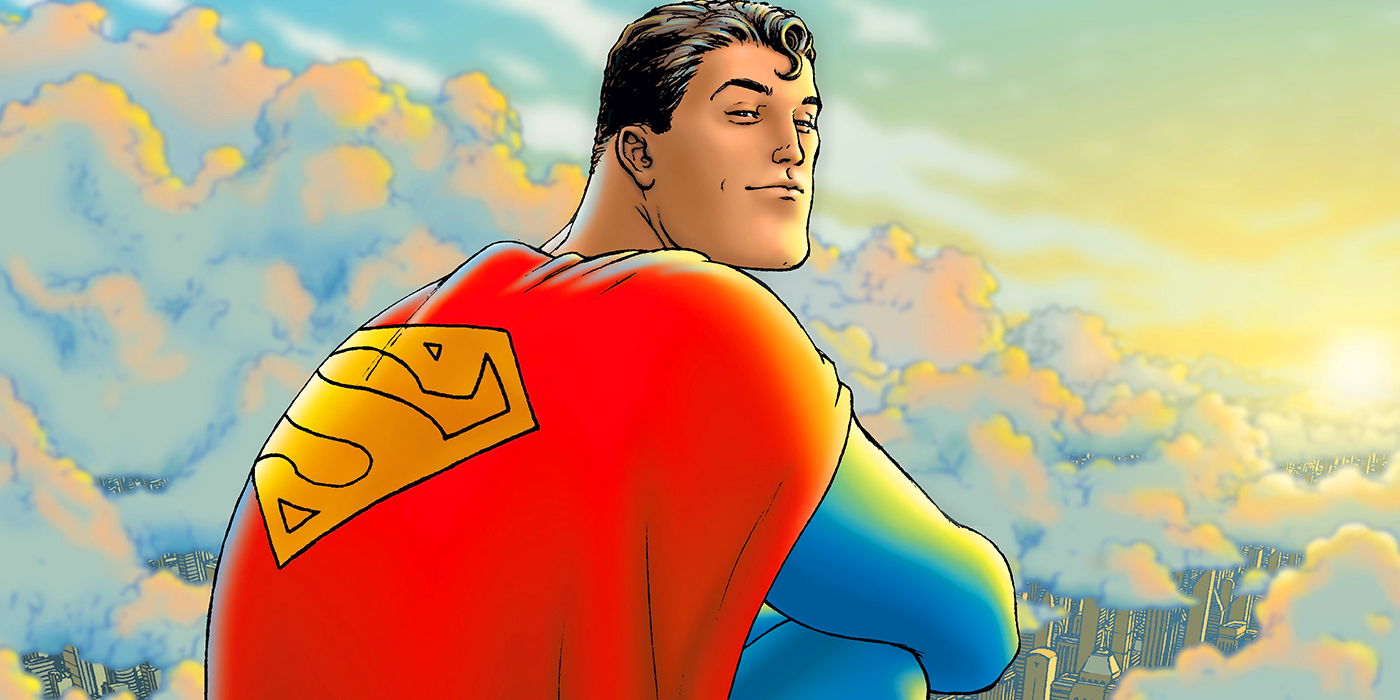
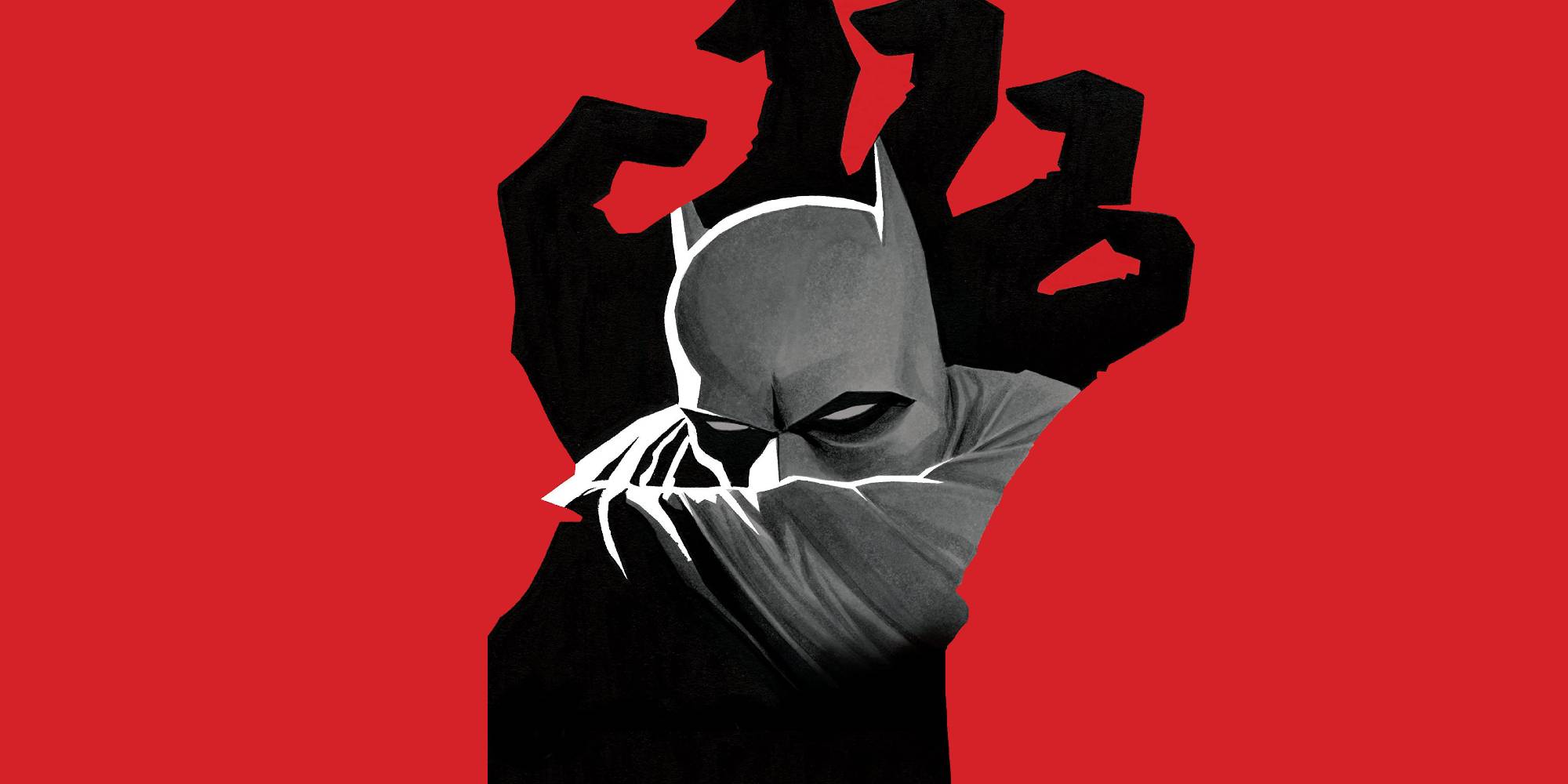
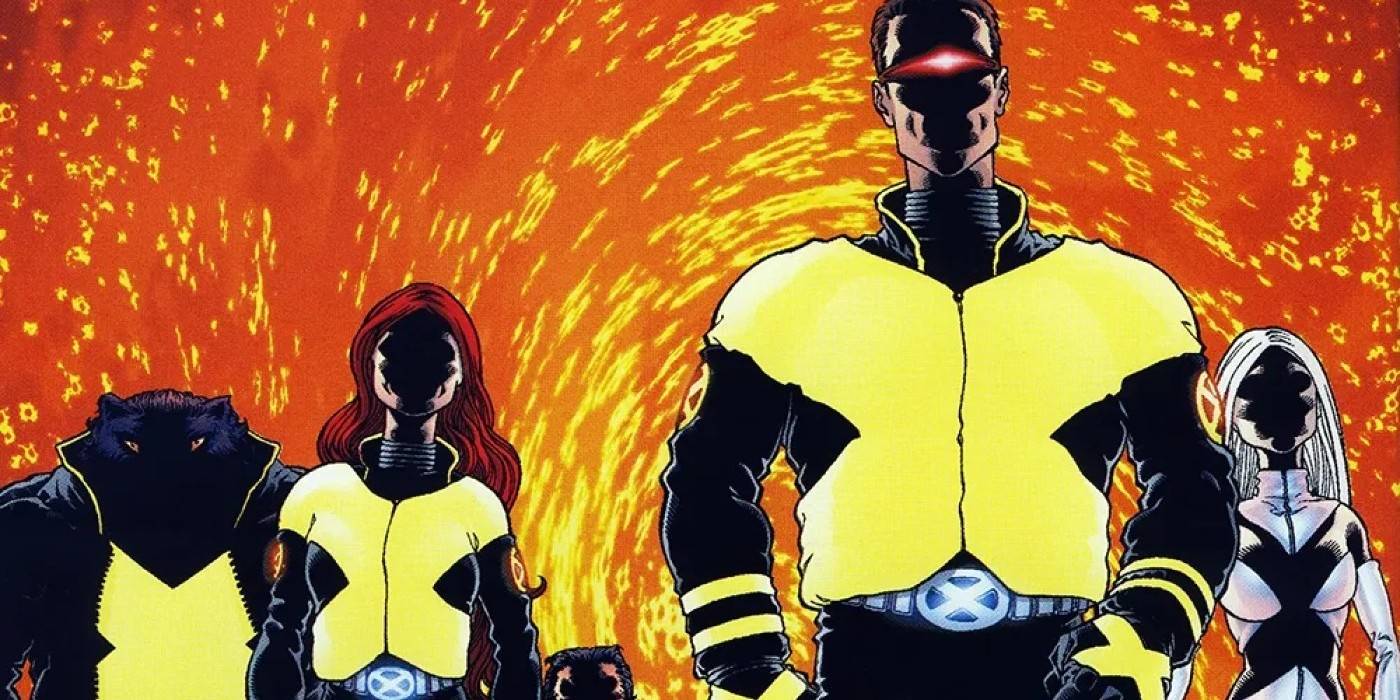
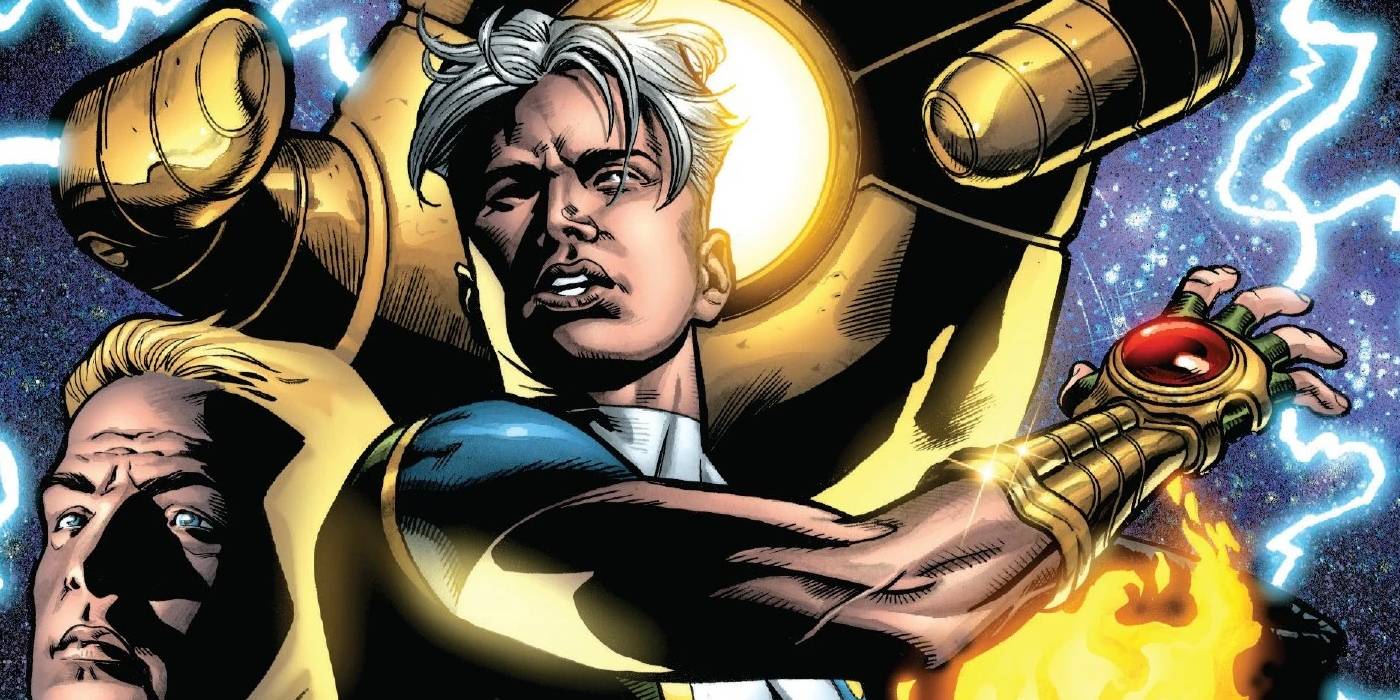



As always, Morison's take is insightful, identifying the major difference between the two major comic book continuities that has prevailed for a long time now. Initially, DC was largely made up of individual creators and studios, who created their own characters that would occasionally cross over with each other. The result was that when they came into a single, unified continuity, not everything lined up perfectly. Morrison went on to explain this is why the DCU has been rebooted so many times throughout the years, saying that “Post-Crisis attempts to prune the unkempt hedge that is the DCU have routinely spawned wild uncontrollable new growth!”
“DC never had Marvel’s coherence or the single-pointed vision of Lee, Ditko, Kirby,” Morrison explained, highlighting how the relatively small Marvel bullpen in the sixties allowed the creators to build their universe in a more cohesive way. Morrison was also quick to point out that each approach has its positives, saying the various creators contributing to the DCU is part of what gives the continuity its charm. “That chaotic froth of competing continuities can be seen as the source of [DC Comics’] oddball energy," Morrison stated – and they're right. It’s easy to see the charm of a universe where Superman, Batman, Peacemaker and Captain Carrot are allowed to coexist.
Grant Morrison Has Always Pushed The Boundaries Of Comics As A Medium

Morrison certainly benefited from the “auteur” approach of DC Comics, as the writer was allowed to let their imagination run wild with very distinctive and individual takes on DC’s stable of superheroes. From the moment they wrote themselves into their Animal Man run, to having everyone on planet Earth gain superpowers and join the Justice League in JLA, Morrison created some of the most memorable moments of DC Comics. Conversely, Grant Morrison also added to the tapestry of Marvel Comics with works like New X-Men and Marvel Boy, building new wings on the Marvel mansion with new characters and concepts that have been woven into the fabric of the continuity.
Source: Xanaduum
