


With six primary ability scores, Intelligence is still the most neglected option in Dungeons & Dragons. While it is the key choice for Wizards and studied spell-casters, it is nearly a dead investment for everyone else. Even Intelligence-related skills are better served via proficiency, expertise, or temporary bonuses over raw stats. But, it doesn’t have to be this way, as past rulesets made Intelligence important to everyone.
While all the ability scores should be an option for making a character, Wizards of the Coast still wants to avoid multi-ability dependency (MAD) where players feel obligated to stretch thin. Monks and Paladins already have this issue, needing to build up three or more ability scores to both attack and defend. Then again, unorthodox builds, like unexpected ranged holy warriors, can easily forgo their hitpoints and saving throws.
Intelligence Is Mainly For Wizards & Artificers
Only Certain Classes Rely On Intelligence



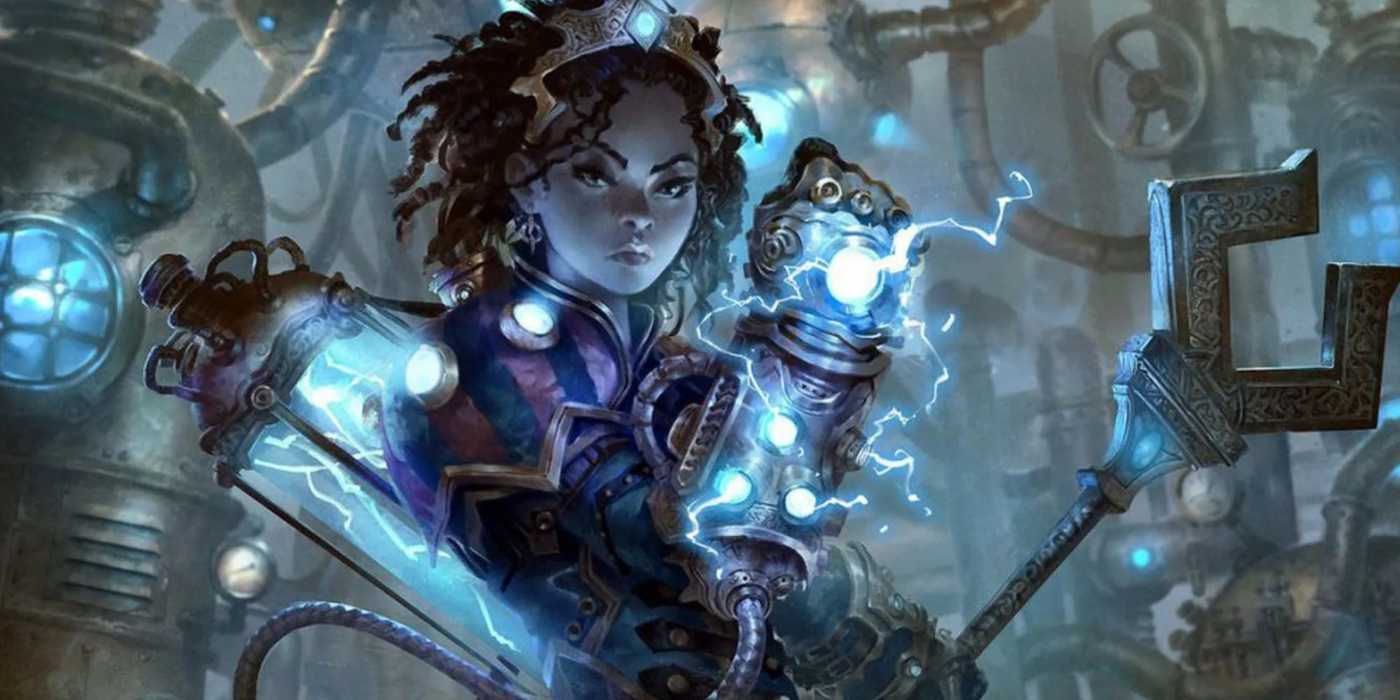
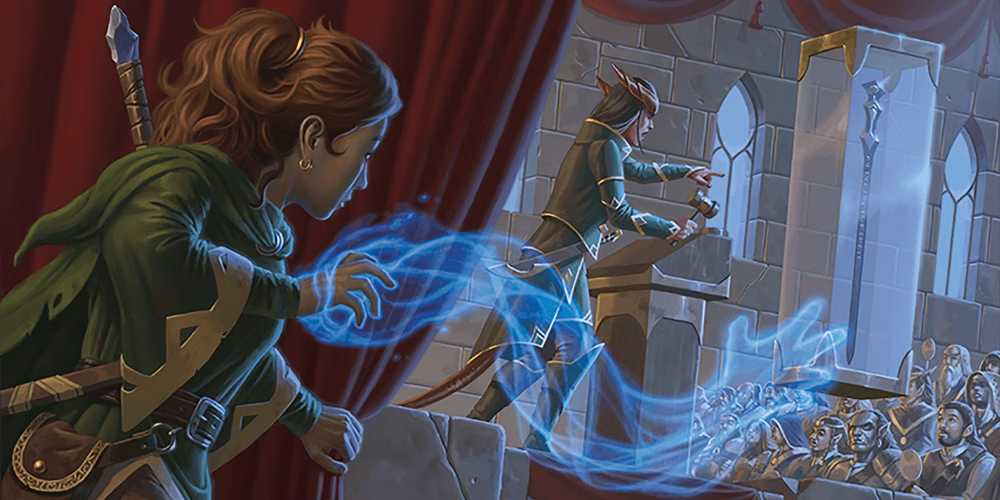



For all classes in D&D, Intelligence grants bonuses to a few skills: Arcana, History, Investigation, Nature, and Religion. If you aren’t building someone who focuses on these, you might purposely take the lowest possible Intelligence score of 8, giving a -2 modifier on all checks. As you level up, proficiency bonuses can even cover such a loss.
There are Intelligence saving throws, but these are few and far between. Phantasmal Force is the most notable, but it's mainly used at high D&D levels. This is because most magic was lifted directly from older versions of D&D. Only Constitution, Dexterity, and Wisdom existed. For the three new scores, saving throws had to be adjusted manually by the editors.
That leaves Intelligence for those that specifically use it as their spell-casting stats: Wizards, Arcane Trickster Rogues, Eldritch Knight Fighters, and the newly playtested D&D Artificers. In all cases, Intelligence helps determine spells-known, spell attack bonus, and saving throw difficulty class. But, if you are only targeting allies with buffs you can still keep Intelligence at a bare minimum. A caster that just uses Haste and Blur could be only a tiny bit smarter than the D&D party’s brutish Fighter or Barbarian.
Concentration Checks Should Use Mental Stats Instead Of Constitution
Don’t Think, Just Endure The Pain

One of the sustained designs from previous editions of Dungeons & Dragons is that maintaining spells is purely a Constitution check. The difficulty class to concentrate is either 10 or half the damage taken, whichever is higher. This means that classes proficient with Constitution - like Fighters - are better defensive casters than Wizards, even if the overall divide is greater.
Constitution runs triple duty for many characters. It determines hitpoints per level, prevents losing spells when attacked, and is one of the most common saving throws. It covers recovery from most physical ailments, including poisons and various diseases.
Pathfinder made a significant change decades ago: the spell-casting stat governs concentration, not Constitution. This meant all mages got better at maintaining their spells as they concentrated on the very ability score that made them deadly. In the case of Intelligence, this would still at first only help Wizards and Artificers. But, another clause could be added to include all mental stats - such as using the highest of Intelligence, Wisdom, or Charisma.
How D&D 2024 Rules Can Make Intelligence More Important
Feats And Skills Once Relied On Intelligence

The 2024 D&D rules did make a few adjustments to Intelligence, though minor. During social interactions, characters can be influenced even if they are hesitant. In these rare cases, the difficulty class is 15 or their Intelligence score, whichever is higher. However, a hostile enemy can’t really be reasoned with without magic.
Intelligence used to be extremely important in the third edition of D&D, allowing access to more skills, feats, and even languages known. This meant that skill monkey classes like Rogue and Bard would pile on Intelligence to have an absurd number of skills. Conversely, the skill-deprived Cleric would also have a decent amount of Intelligence to make up for their natural shortcomings. The question remains how much Intelligence should impact total skills, as it can't be a full one-to-one ratio. An option is to grant one skill per modifier bonus, without losing a base skill for negative Intelligence.
Intelligence was also used for an entire combat feat chain: Whirlwind Attack, a spectacular move coveted by Fighters that allowed them to deal one attack to every enemy in five feet - possibly eight hits total. Such a character needed 13 Intelligence and Dexterity, Expertise (which improved armor class), Dodge, Mobility, and Spring Attack. Several of those feats need to be reworked, as movement in D&D 5e is much more relaxed.
It is unclear why Wizards of the Coast moved away from the heavy focus on Intelligence in Dungeons & Dragons. This was possibly due to vocal complaints by longtime players. It could have also been an internal choice based on the developer’s playstyle. But in either case, there isn’t much of a reason to have more than 8 Intelligence if you aren’t a Wizard or Artificer that will be directly attacking.
- Franchise
- Dungeons & Dragons
- Original Release Date
- 1974
- Publisher
- TSR Inc., Wizards of the Coast
- Designer
- E. Gary Gygax, Dave Arneson
- Player Count
- 2-7 Players
