


Summary
- High HP classes like Barbarian excel at lower levels due to being able to tank hits.
- Rogue is powerful early on with sneak attack damage and movement options.
- Paladin's Divine Smite and healing make it an easy min-max choice for low levels.
Dungeons and Dragons has a host of different classes that provide players with many approaches to their tabletop game. From spell casters to martial experts to the hybrids in between, D&D has it all, but the nature of these classes means that not all are made equal, especially at the same level. Some have a rough time at lower levels while excelling in the late game, while others stagnate relatively early.
Ultimately, making the best character is determined by what campaign players are going to be in. Certain classes will excel in combat-orientated campaigns, while others are versatile in social situations, using their skills to deceive and persuade. It also depends on the creativity of a player, as well as how stats are distributed, but as with anything with rules and stats, there is an optimal way of doing things — even if it means being called a min-maxer.
What Makes A D&D Class Good At Lower Levels
Higher HP May Make Campaigns Easier


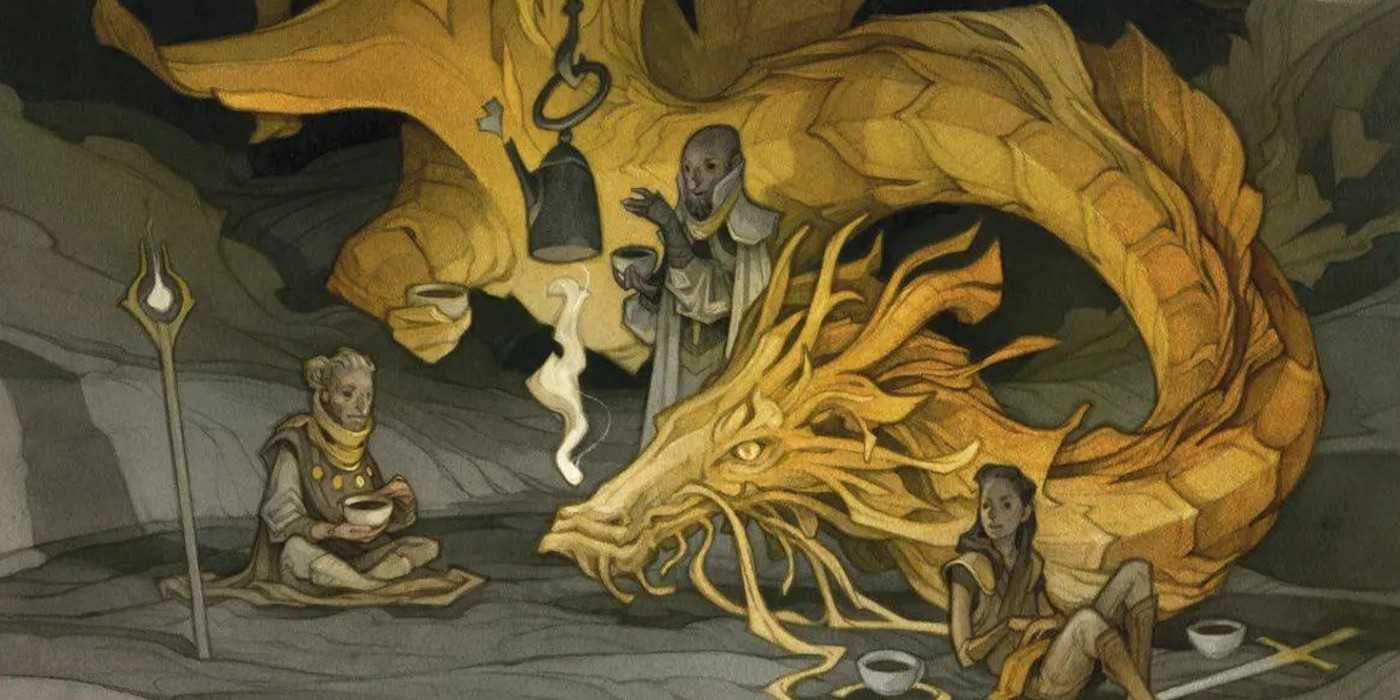

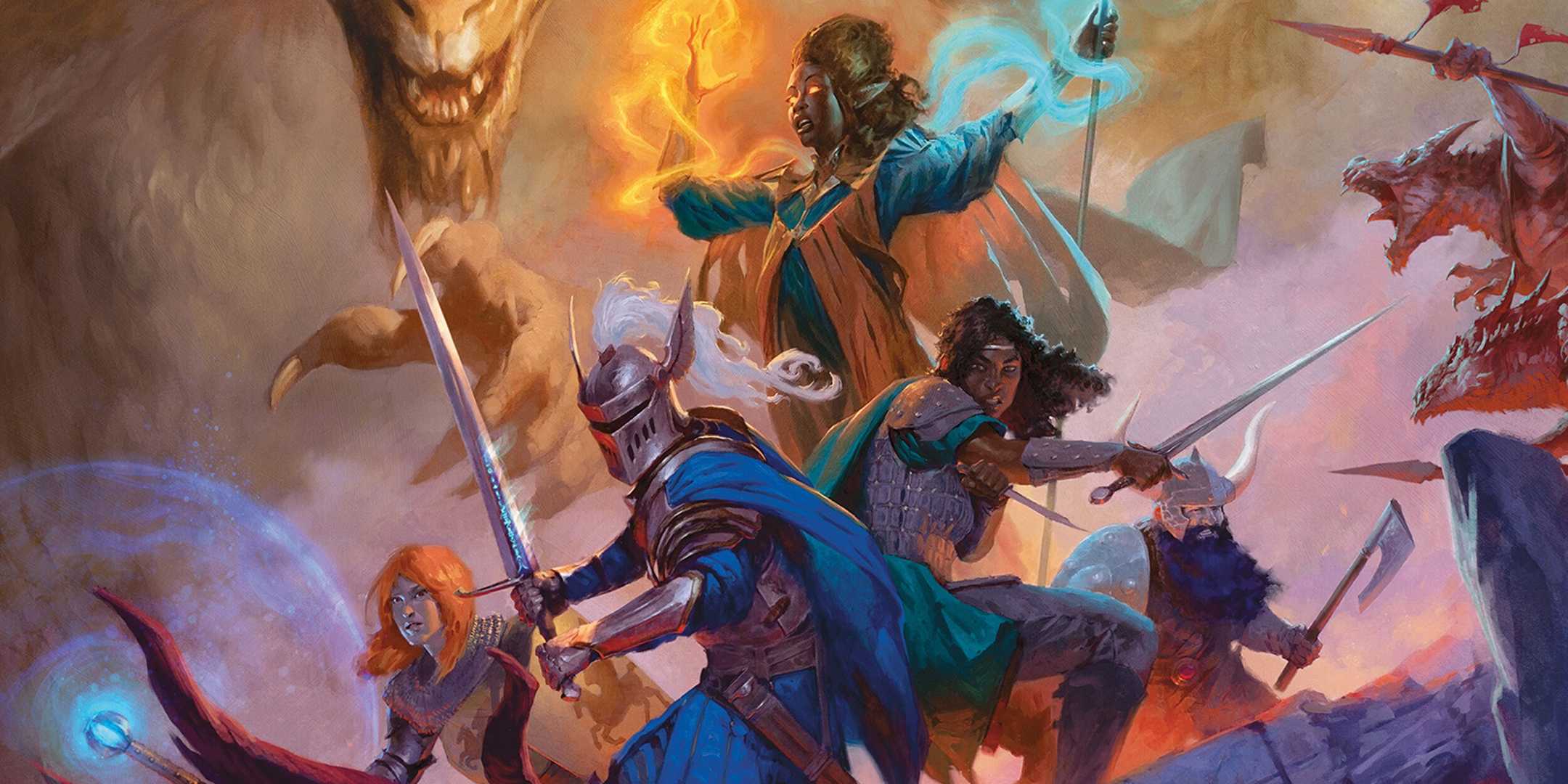

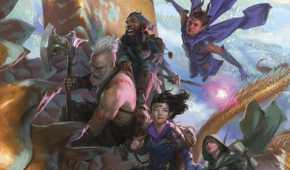
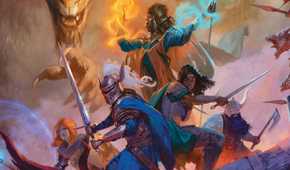

Low-level DnD can be stressful, thanks to always feeling like a breath away from being knocked unconscious. Because of this, classes with higher HP are useful. Barbarians tend to have the highest health pool thanks to using a d12 as their hit dice. The downside to barbarians is that they need this HP to maintain their Rage since landing hits is never guaranteed at low levels and getting hit keeps the Rage going. Thankfully, an enraged barbarian can tank hits better than other classes, and at level 2, they unlock Reckless Attack to be more accurate.
Other martial classes with high health are good choices, too, such as fighter and paladin. Both have a d10 as their hit dice while benefiting from relatively high AC. Fighter is the steadiest class and is a reliable choice at any level. Paladins unlock Divine Smite at level 2, an ability in their kit that they will likely use for the rest of the campaign. Lays of Hands provides healing, adding to a paladin's toughness. They hit hard and can be hit hard, which is always useful, no matter the level.
Fighters can heal with Second Wind. It revolves around a d10 and the healing isn't the most reliable.
Two other classes are extremely powerful at low level if played right. Rogue's sneak attack damage is incredible at any level, and the extra movement options make them slippery. Plus, Expertise is useful in social situations, and rogues tend to get everything they need in their kit early on. Druids aren't usually too powerful at low levels, unless players invest in the Circle of the Moon subclass. The upgraded Wild Shape makes them tougher than barbarians (by turning into a Brown Bear), and they can attack multiple times, which is amazing for any character below level 5.
Classes That Struggle At Lower Levels
Powerful Endgame Characters Aren't Always Strong At The Start

Health is important, and some classes suffer from a lack of spell slots more than others. Wizards and sorcerers are incredible at higher levels, but being one sneeze away from doing Death Rolls isn't amazing for low-level play, especially with lackluster damage from low-level spells and the weakest variant of cantrips. Of course, players can always be creative to make up for these shortcomings, since spells usually offer versatility.
Ranger has suffered from being mediocre for a while. There is a revised version that is better balanced, but other than roleplaying reasons, a figher with a bow is usually the more trustworthy option. Artificer, the newest D&D class, is a powerful option, too, but largely relies on their subclass to excel. They benefit from this at higher levels and can struggle during the early game, even if their versatile spells make them an asset to any party.
Monks thrive by attacking a lot, but don't have the resources to do that too much at low levels, plus their stats tend to be too low to have stellar AC.
A cleric is usually the healer of a party, but at lower levels, they don't have the spell slots to be a medic in combat. Later on, they are invaluable, but in the early game, clerics best serve as tanks. Thanks to their d8 hit dice; they tend to be worse at this than paladins while dealing less damage. Warlocks can be powerful, as they never have many spell slots, and their first-level spells and cantrips (specifically eldritch blast) are always useful, but having two spell slots doesn't help in campaigns with multiple encounters a day.
The Best D&D Class At Low Levels
There Are A Few Solid Options

Ultimately, the best class depends on what a party needs and what a player is looking to do, at least in a martial sense. The best class for social situations is bard, at least typically. Jack of All Trades makes them at least alright at everything; expertise makes them usually amazing at lying and persuading, their spells are useful outside of combat, and they are great fun to roleplay. Plus, they're not bad in a fight for players who like to stretch the rules and get creative in an encounter.
In combat, bards can be subpar thanks to their low damaging spells early on. Instead, consider being a utility/support character with spells like faerie fire and using Bardic Inspiration.
For players looking to be safe, rogue is the Dungeons and Dragons class for them. Spending most of a fight hiding keeps them safe, and the damage they deal is substantial, plus most of their kit is available at low levels. For those looking to be in the heart of a battle, fighter, paladin, and barbarian are great choices, but a paladin's Divine Smite and healing make them the easiest option for those looking to min-max. Druids and warlocks can be great with the right subclass, but their general kit isn't as powerful as other options.
- Franchise
- Dungeons & Dragons
- Original Release Date
- 1974
- Publisher
- TSR Inc., Wizards of the Coast
- Designer
- E. Gary Gygax, Dave Arneson
- Player Count
- 2-7 Players

Your comment has not been saved