


Dungeons & Dragons has an extensive new crafting system that includes more robust rules for making magic items. One recurring fantasy motif is the idea of creating the perfect magic tool to defeat an evil villain. From the crafting of Andúril in The Lord of the Rings to Thor and Groot crafting Stormbreaker in Avengers: Infinity War, it's often a critical step in the hero's journey that plays out in countless stories, including those that play out in games like D&D.
Previous editions of D&D had extensive crafting rules for both magic and mundane items, but the original ruleset for Fifth Edition only contained suggestions on how to make magic items. This was corrected as part of the 2024 Player's Handbook, allowing players to create their own mundane swords, armor, or equipment. The 2024 Dungeon Master's Guide, which comes out in November, expands on these rules with a more extensive guide on making magic equipment.
D&D's New Crafting System Is A Game Changer
Players Now Have Specific Rules To Craft Every Kind Of Item In Dungeons & Dragons

In D&D's 2014 ruleset, there were no explicit rules that allowed players to craft a normal sword or a suit of armor. While there were some vague rules about crafting magic items, they were rarely used because the DM had to determine whether a player had the base capacity to create a magic item in the first place. Now, having proficiency with a certain set of tools comes with the ability to craft everyday items of some kind. In addition, there are also explicit costs and time needed to craft every common piece of equipment in the Player's Handbook.
Another wrinkle to the crafting system is the addition of Bastions, which can also be found in the 2024 Dungeon Master's Guide. Players can add certain facilities to automatically craft specific items as part of a Bastion turn. While players still need to spend gold to make the material, the time cost is factored into the Bastion turn. Bastion facilities also come with hirelings that have proficiency in the necessary set of tools needed to make certain items.
By providing a set crafting system, Dungeons & Dragons players can now utilize downtime more efficiently. They can either earn money by crafting items or they can create their own homemade items to give their character more flavor. Players can also use their Bastions to automatically craft the items they want. These new crafting systems, while simple, also form the basis for the magic item crafting rules.
New Crafting Rules In The 2024 DM's Guide Explained
Players Need To Have Proficiency In Tools, Plus Time And Money
On the surface, the new magic item crafting rules in the 2024 Dungeon Master's Guide work similarly to those found in Xanathar's Guide to Everything. First and foremost, a character must be proficient in the Arcana skill in order to create a magic item. Also, every magic item requires a specific amount of gold and time based on the rarity of the magic item a player wants to create. Similar to mundane objects, the cost of materials needed to create a magic item is 50% of an item's typical purchase price. The specific amounts can be found in the table below:
|
Item Rarity |
Time in Days |
Cost |
|
Common |
5 |
50 GP |
|
Uncommon |
10 |
200 GP |
|
Rare |
50 |
2,000 GP |
|
Very Rare |
125 |
20,000 GP |
|
Legendary |
250 |
100,000 GP |
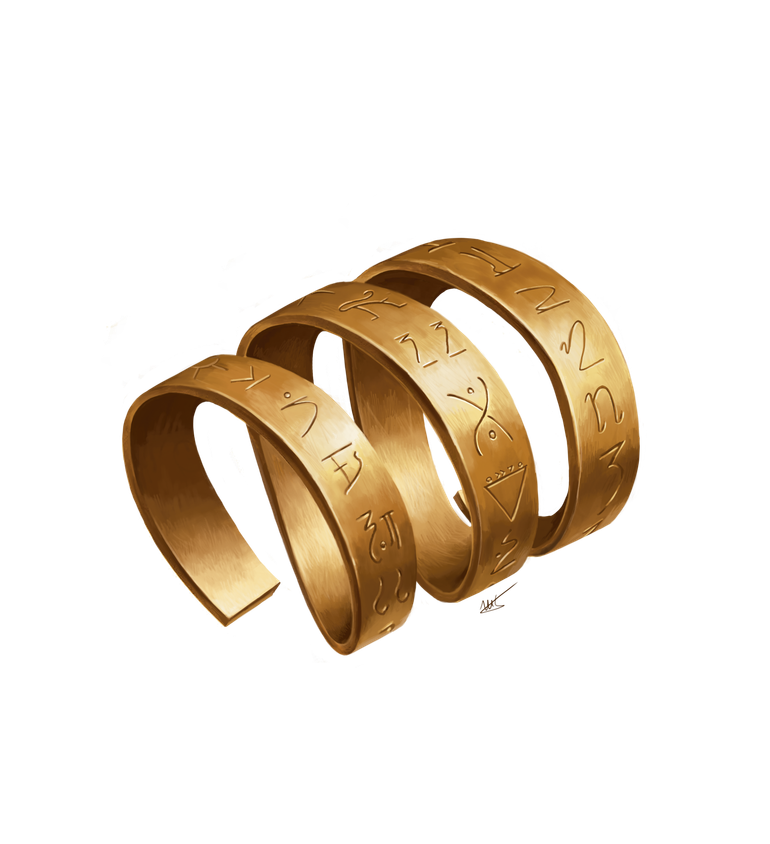
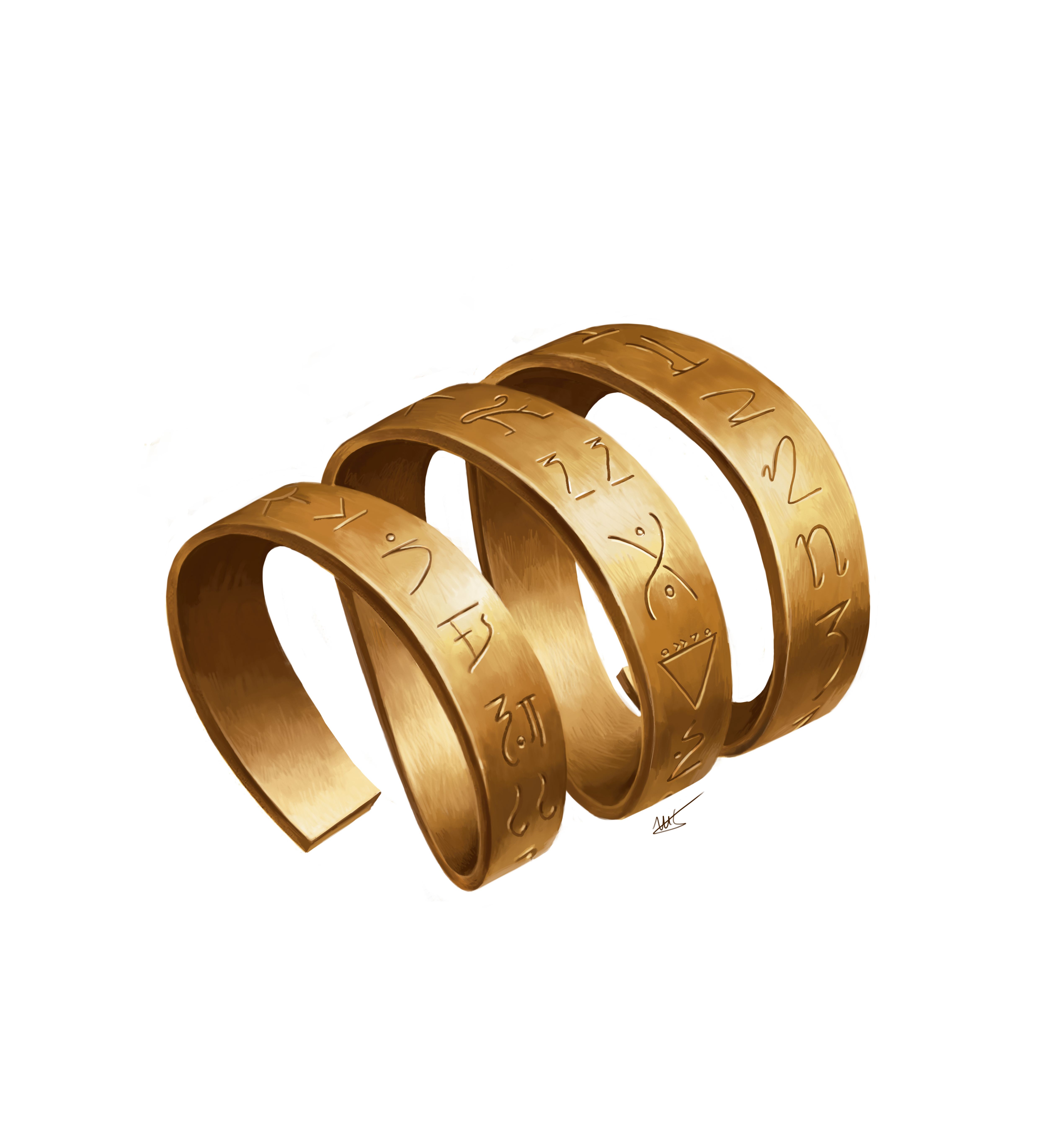
There are two major changes to magic item crafting from the 2014 ruleset. The first is that every magic item now requires a tool proficiency. Crafting a magic wand or staff, for instance, requires proficiency in Woodcarver's Tools. Crafting a magic ring requires proficiency in Jeweler's Tools. The other major change is that characters don't need to search for an "exotic material" that requires killing a specific monster. Instead, players have a 75% chance of finding the necessary raw materials to make a magic item in a city and a 25% chance of finding the raw materials in other settlements.
Players can also work together to craft a specific magic item. Assistants can be used to reduce the amount of time needed to craft a magic item. The time needed to create an item is divided by the number of total characters working on it. Any player who wants to assist also needs to have proficiency in Arcana, along with proficiency in whatever set of tools are needed to craft that item. While the Dungeon Master's Guide says that only one assistant is typically able to help craft a magic item, more can be used at a DM's discretion.
How Crafting Will Work In D&D Campaigns
Players Can Incorporate Item Crafting Into Storylines Or Downtime



 Wizards of the Coast
 Wizards of the Coast
 Wizards of the Coast
 Wizards of the Coast
 Wizards of the Coast
 Wizards of the Coast
 Wizards of the Coast
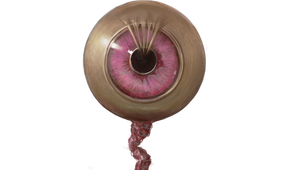

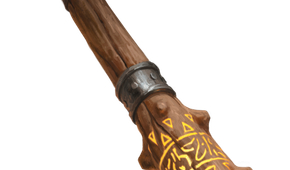
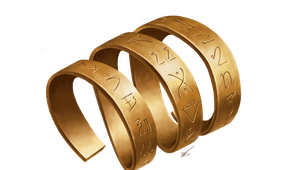
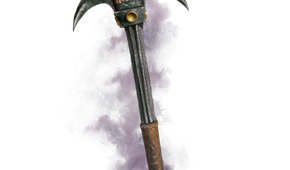
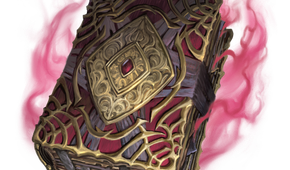
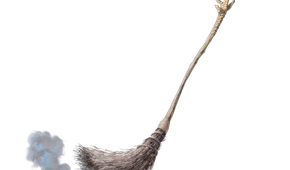
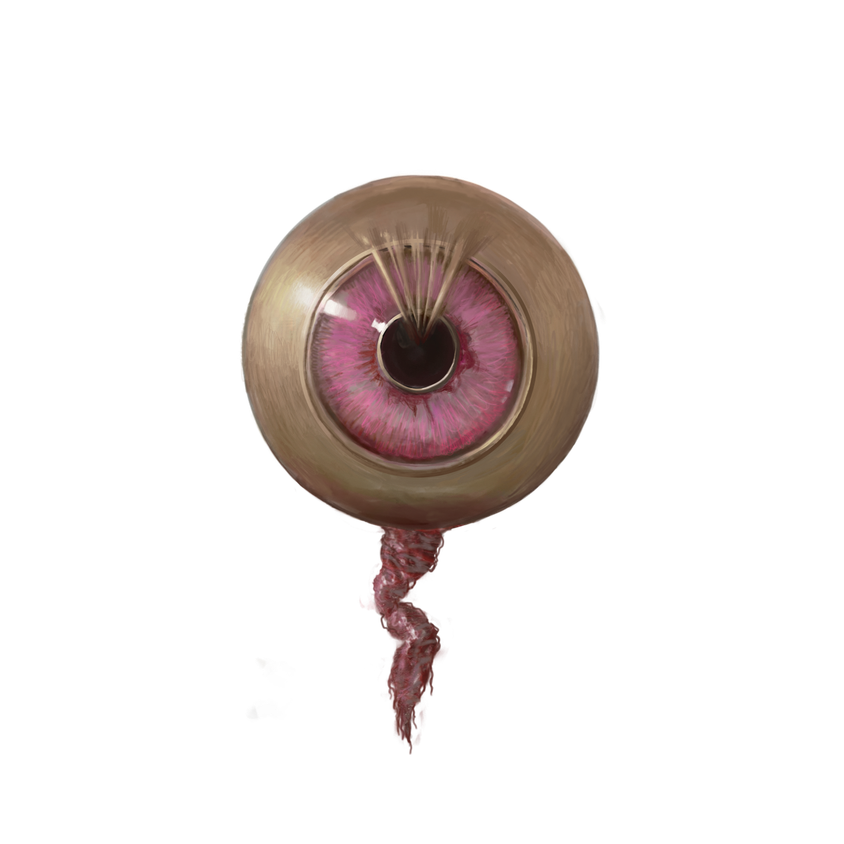
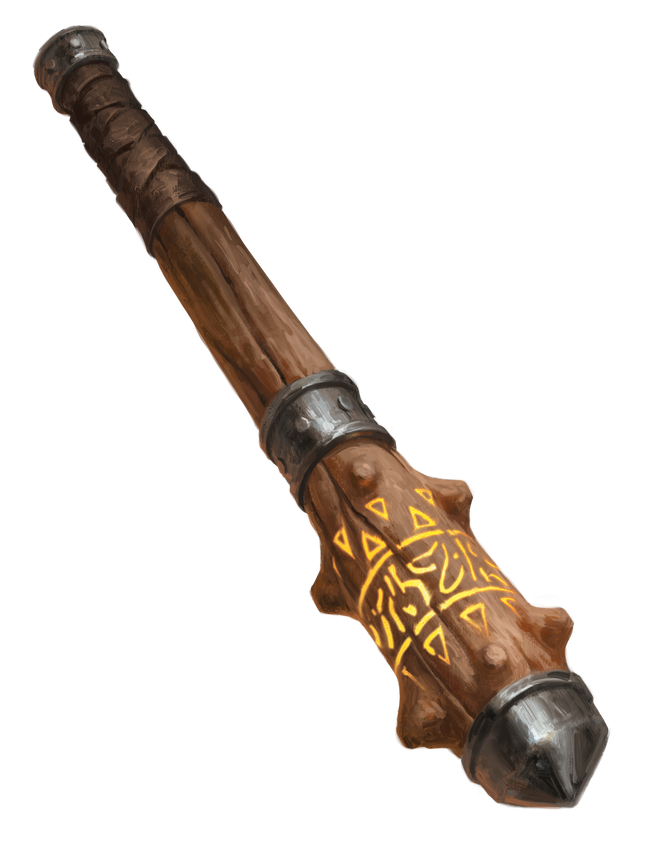
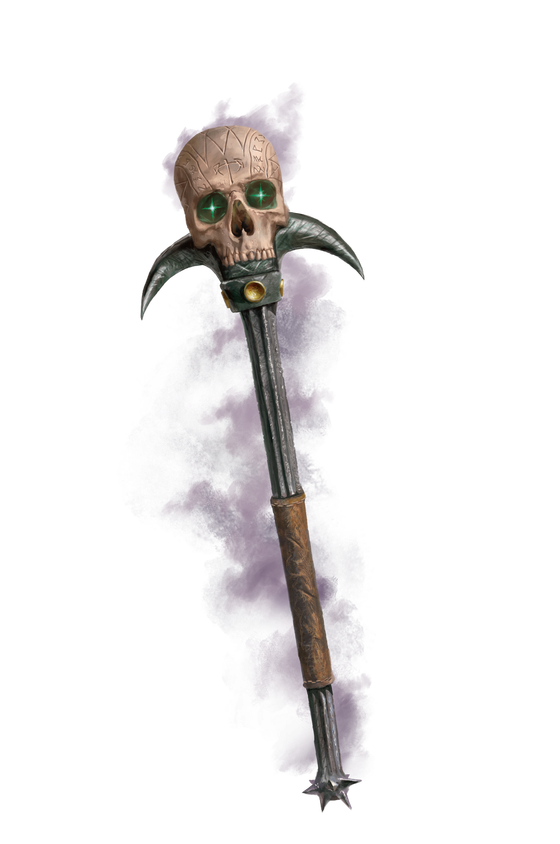
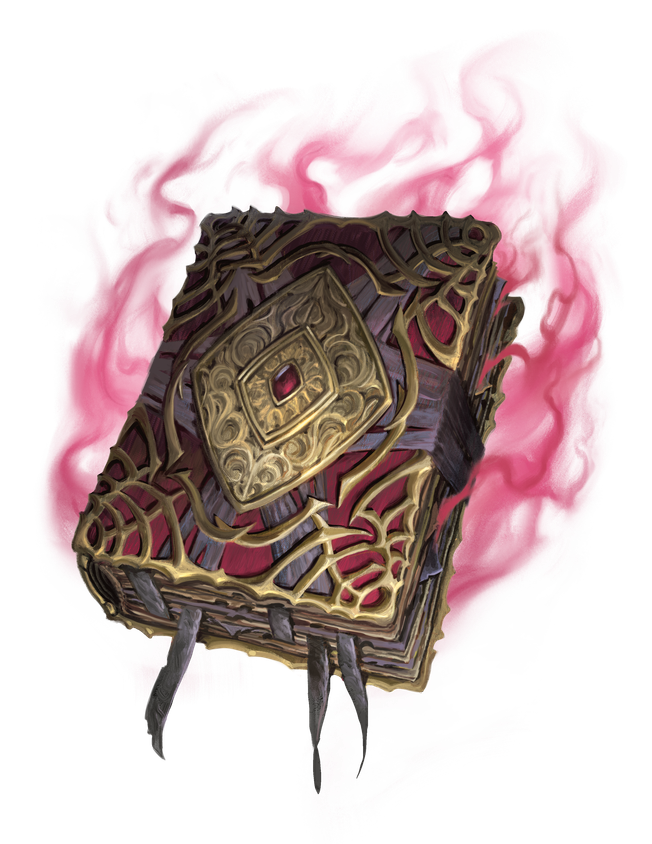
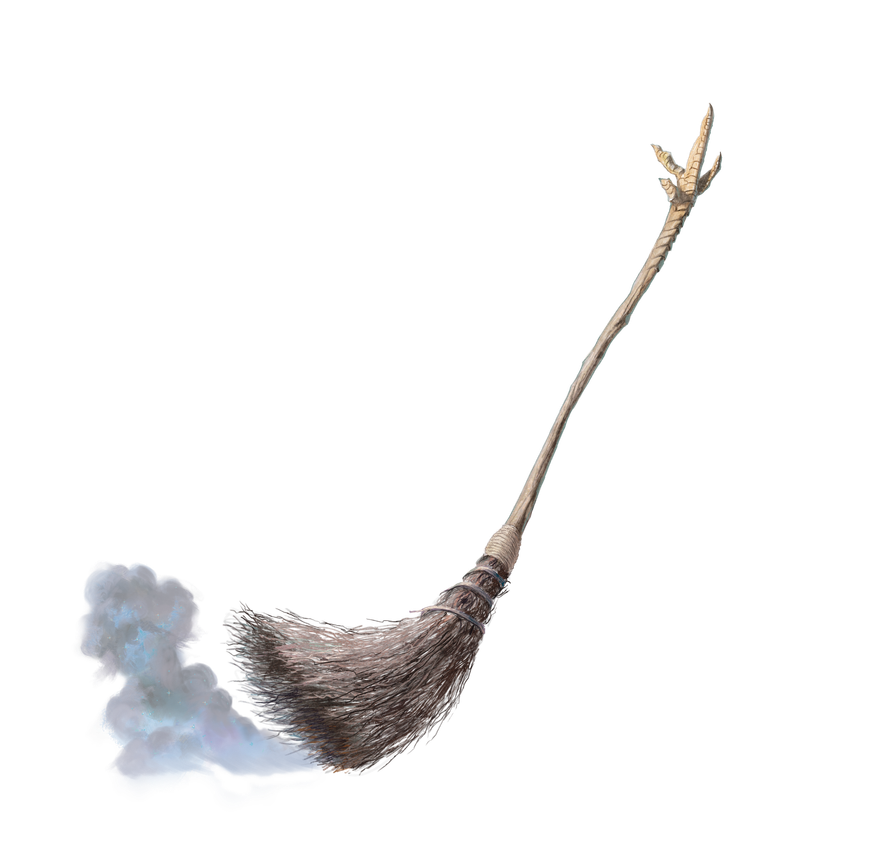
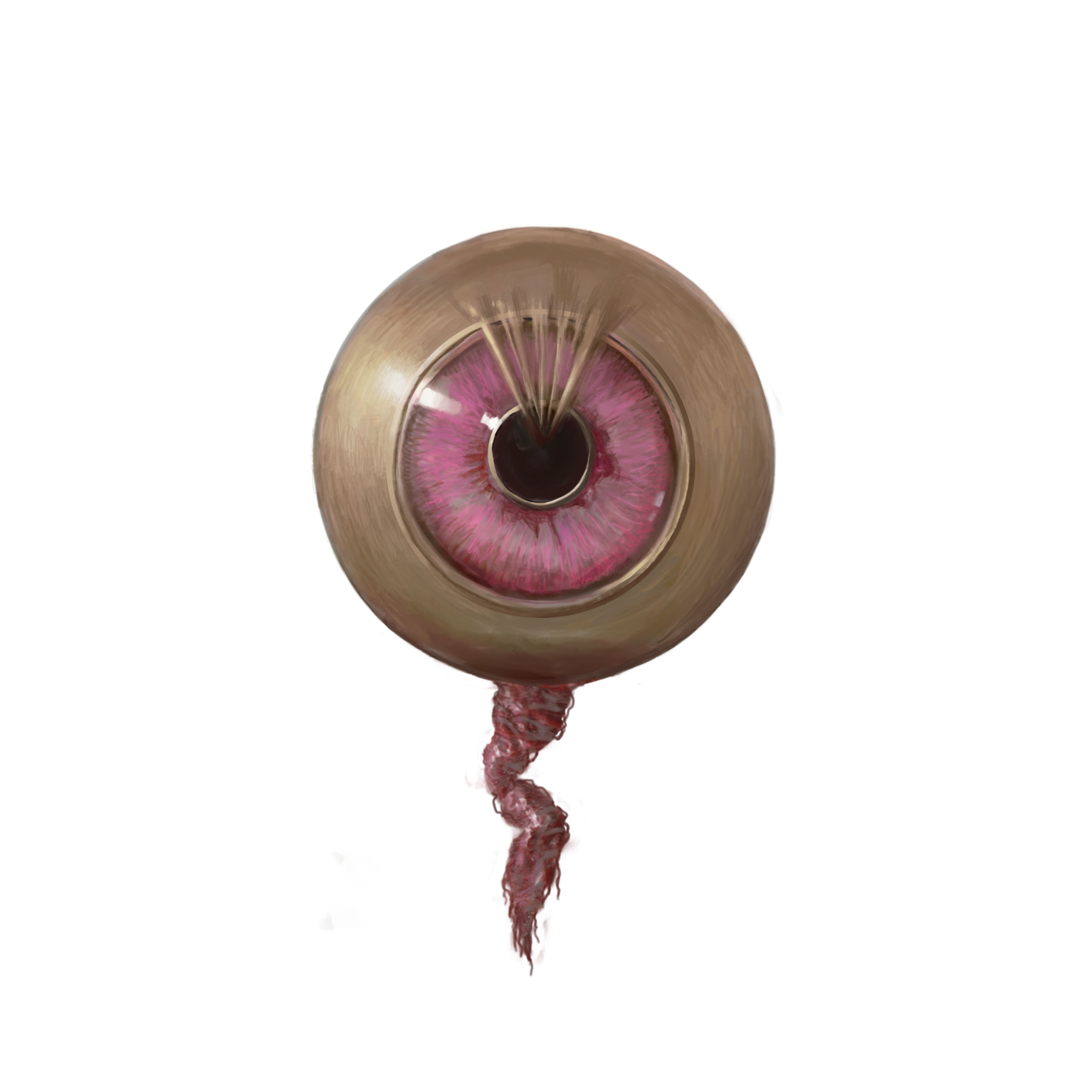
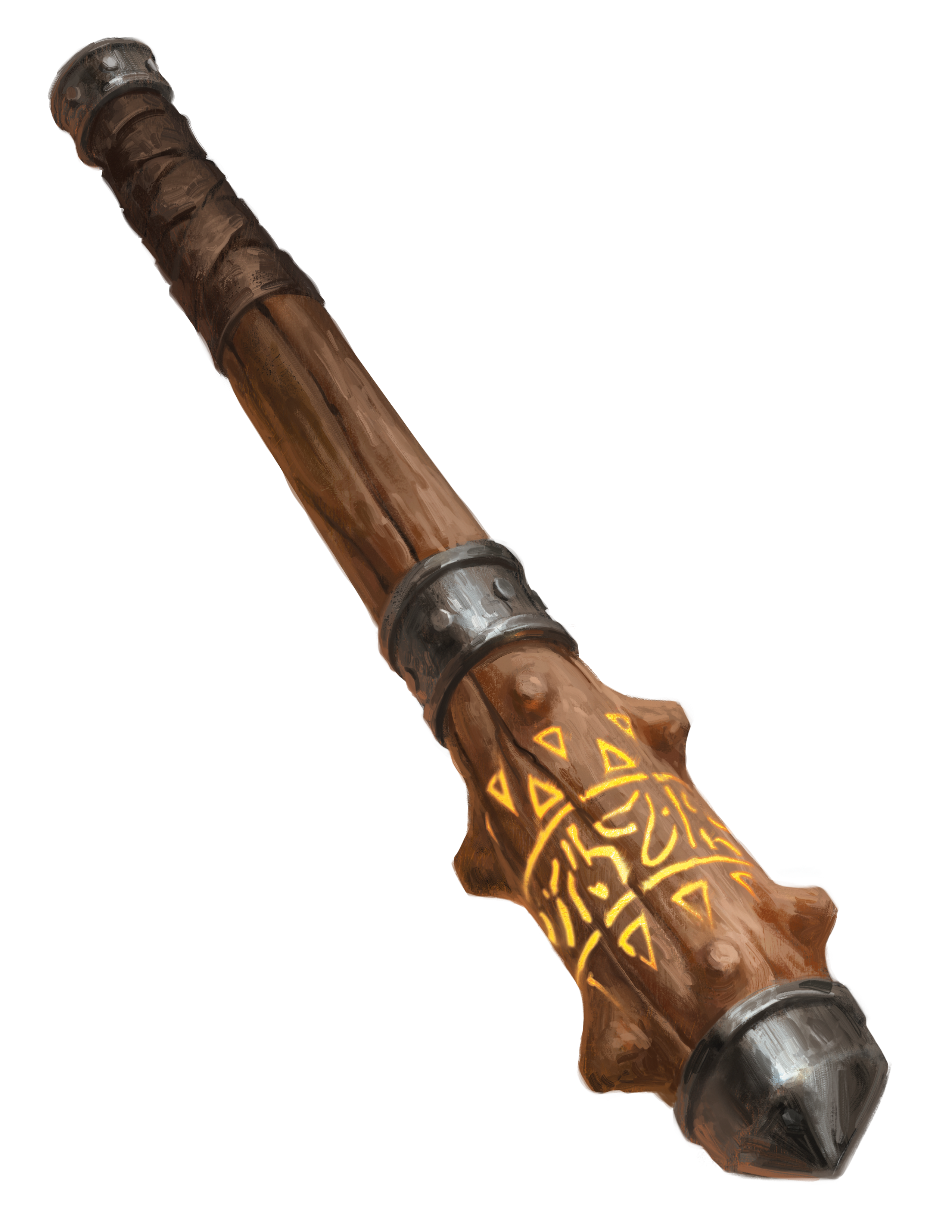
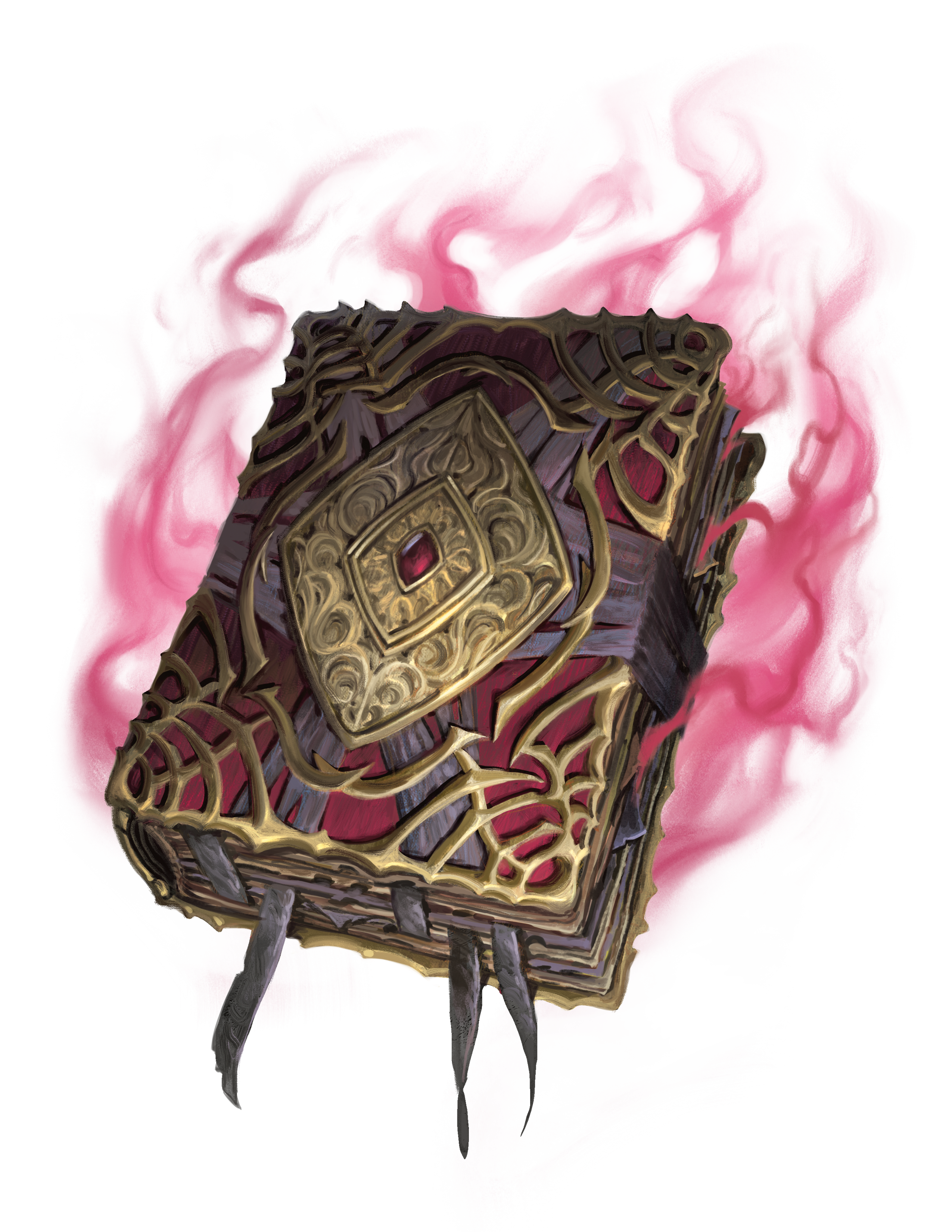
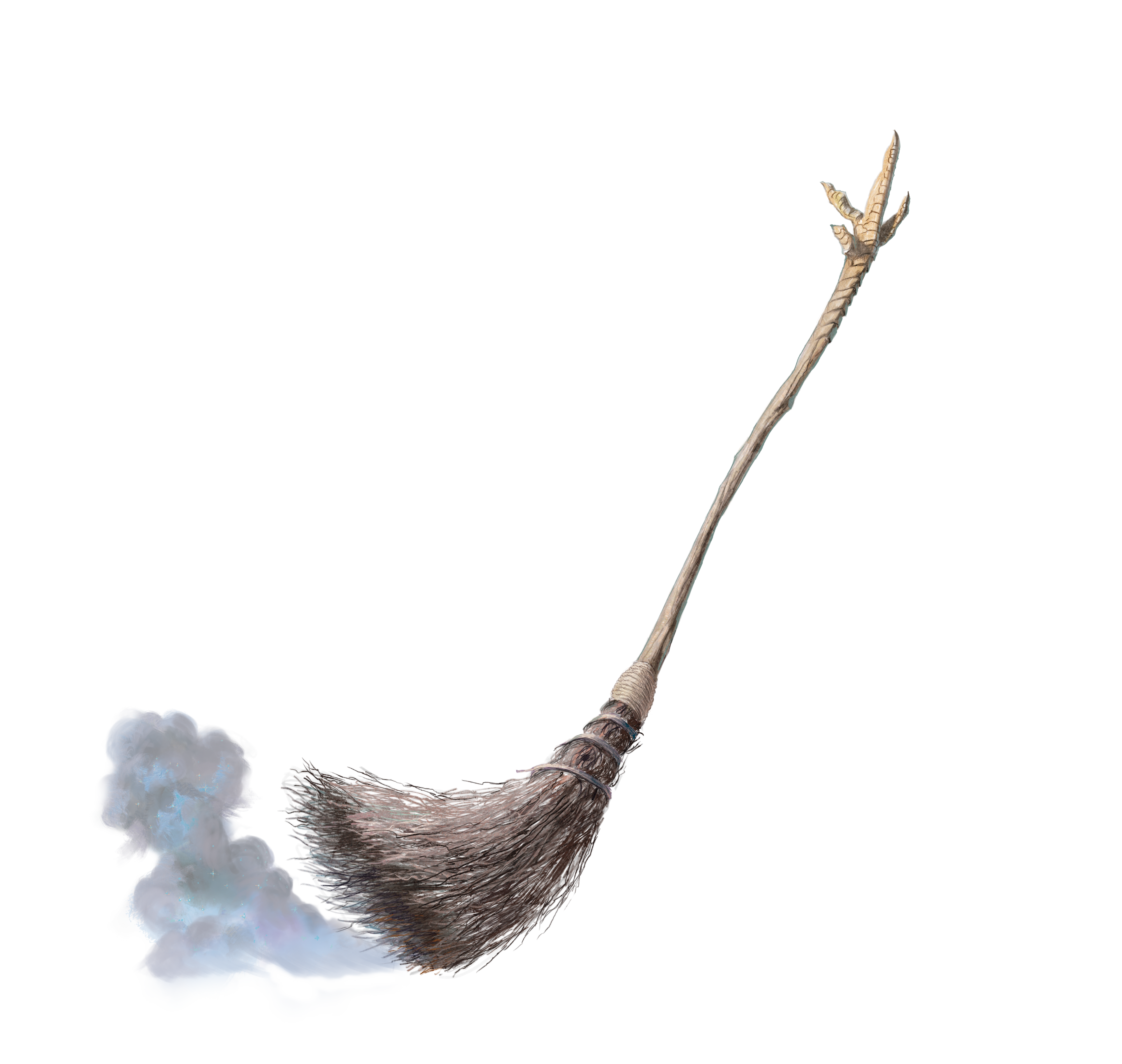
Not every D&D campaign will use the new magic item crafting system, but it's a much-needed tool that can add a lot of flavor to campaigns. Not only are there specific rules for crafting wands and scrolls that are invaluable magic tools during dungeon crawls, the DM can also build in magic item making into downtime or the new Bastion turn system. As with the previous rules, the DM can also choose to make magic item crafting a key part of adventures, either by including the raw materials as quest items or by incorporating hirelings or NPC craftsperson into questlines.
While the new crafting rules are similar to the 2014 rules found in the Dungeon Master's Guide and Xanathar's Guide to Everything, they are much more mechanically explicit. The system adds specific proficiencies needed to craft each kind of object, along with rules for how multiple characters can work together to build an object together. With much more specific systems in place, D&D players should find the new crafting system to be transformative and make it much easier for DMs to run a campaign.
Even if the new crafting system and magic item system don't seem revolutionary, they add a very important missing piece to the Dungeons & Dragons experience. The previous crafting system was abysmal at best and often relied on the DM homebrewing a solution to make up for big gaps in the system. The new crafting system should help expand the types of stories that can be meaningfully told in Dungeons & Dragons and make it a lot easier for both players and DMs to explore popular fantasy tropes.
Source: Dungeons & Dragons/YouTube
- Franchise
- Dungeons & Dragons
- Original Release Date
- 1974
- Publisher
- TSR Inc., Wizards of the Coast
- Designer
- E. Gary Gygax, Dave Arneson
- Player Count
- 2-7 Players
