


After playing Dungeons and Dragons for nearly a decade, I've seen many different types of the game's most iconic monsters - dragons. Around 15 types of dragons exist in D&D 5th edition, from dangerous chromatic beasts to noble metallic creatures that work with mortals rather than subjugate them. Among all the hoards, schemes, and benevolent helpers, there's one underrated dragon who could easily accomplish anything it wanted.
There are three types of dragons in D&D: Chromatic, Metallic, and Gem dragons. More often than not, the dragon types in D&D you'll encounter are Chromatic or Metallic, with each creating a huge presence in your games due to their strength. However, Gem dragons are fairly recent and sometimes overlooked, offering an unorthodox kind of primordial reptile to leave a mark on your players.
Sapphire Dragons Are Subterranean Strategists That Decimate Characters
Militaristic Gem Dragons Fiercly Protect Their Territory

One of the most underrated dragon types is the Sapphire Dragon, a Gem dragon with brilliant sparkling blue scales that resemble the stones they're named after. Often mistaken for lightning-spewing blue dragons, sapphire dragons have horns disconnected from their bodies and barb-like tails. Their horns are held together using psionic force, similar to other Gem creatures like Amythest and Emerald dragons.
Sapphire dragons are burrowers, creating huge tunnel networks underneath mountains filled with secret chambers and laybrinthian pathways. Hunting giant spiders under the earth for food, these dragons are able to psychically manipulate rock to form their lairs, sometimes even cutting off any entrance. With their innate magic turning their tunnels into crystalline sapphire veins, miners sometimes encounter these creatures by accident while digging for treasures.
DID YOU KNOW: Like many other Gem dragons who have psionic powers, sapphire dragons are often hostile to aberrations like Mind Flayers or Beholders. Gem dragons often have powers similar to the new Psion class in D&D's Unearthed Arcana, using psychic abilities alongside physical might.
As for their personalities, Sapphire dragons are fiercely territorial of their lairs, hoarding magical weapons and armor in large quantities. Sapphire dragons are fascinated by military history and strategy, making them far more cunning than some of their Chromatic cousins. The greatest treasures of a Sapphire dragon are usually relics or artifacts deeply tied to warfare, like a legendary magic sword or a piece of armor worn by a great conqueror.
Sapphire dragons often have to contend with other subterranean people, such as elvish Drow or Duergar dwarves. However, unlike Metallic dragons who communicate with mortals or Chromatic dragons who kill invaders, Sapphire dragons like to study those who dare enter their caves. Sapphire dragons take time to observe intruders, hiding in the tunnel systems only they know, until they understand every strength and weakness of those who find themselves in their crystal mazes.
Might And Magic Combine Within Sapphire Dragons
Telekenisis And Thunder Breath Create Dangerous Foes


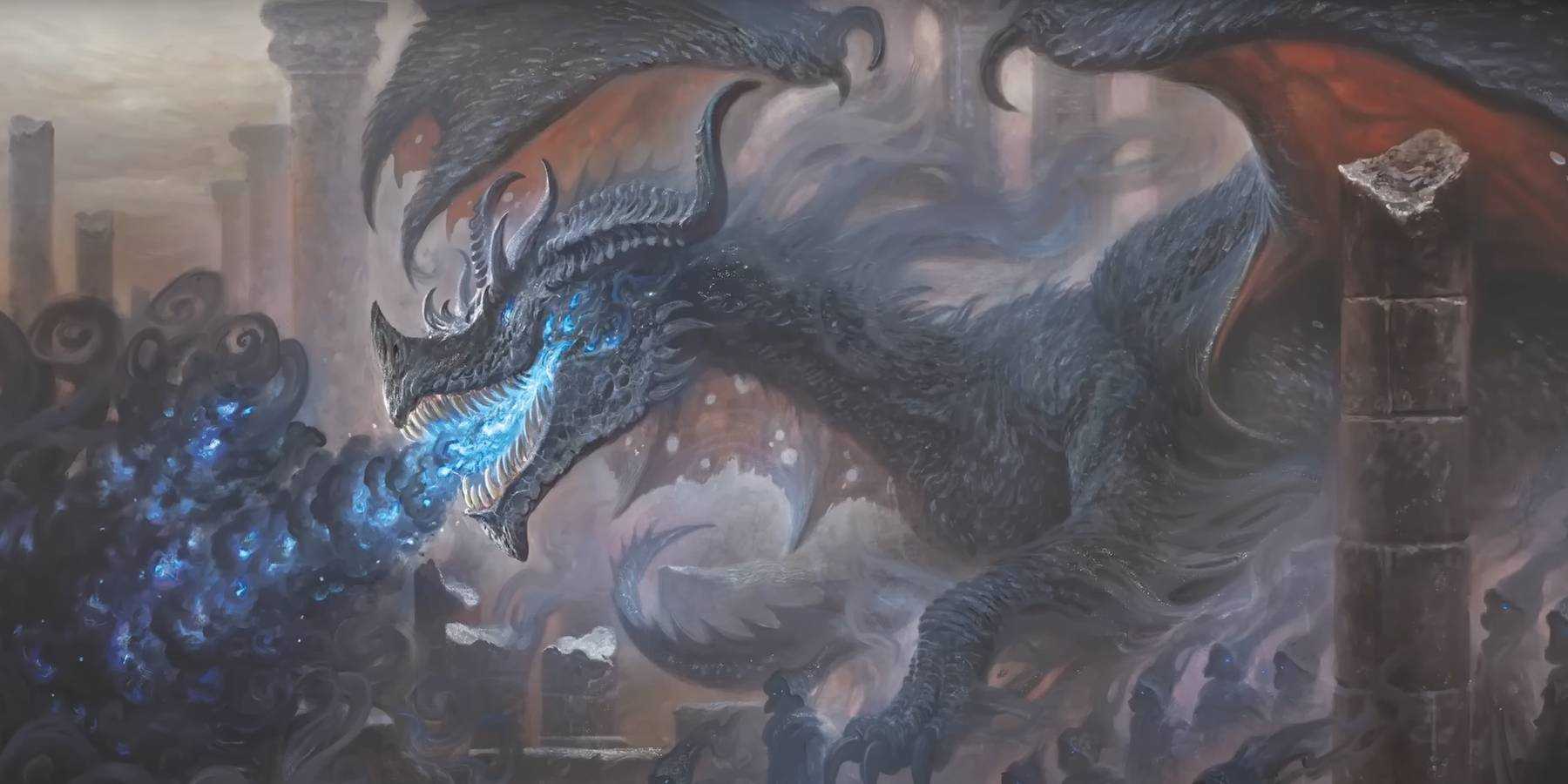
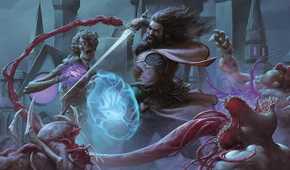
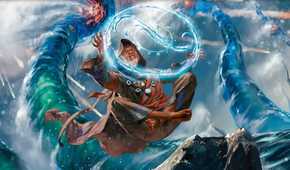
When Sapphire dragons do decide to fight, they are always prepared and ready to use a military strategy to take down groups of enemies. I've used many different types of dragon breath attacks with the iconic D&D monsters in my games before, but Sapphire dragons have one of the strongest breath weapons I've ever seen. Sapphire Dragons use a Debilitating Breath attack that can incapacitate characters, as well as deal tons of Thunder damage.
Thunder damage is sonic damage that is rarely seen in D&D games, with few characters having the tools to resist it. Gem dragons tend to use unorthodox damage types for their breaths, unlike the standard fire, cold, poison, acid, or lightning damage seen with Chromatic and Metallic dragons.
Through their psionics, Sapphire dragons can also cast some spells, including Scrying, Telekinesis, and even Teleportation Circle without any components. Although they can only use these spells once per day, the ability to telekinetically drag targets to the dragon's maw is a terrifying ability. With Scrying, Sapphire dragons can view creatures from their lair, plotting against them until they make an arcane circle to teleport to their location.
Some Legendary Actions allow a Sapphire dragon to also teleport during battle and fling objects at creatures using its innate telekinesis. Some Lair Actions even allow a Sapphire dragon to create walls of stone to trap its prey or charm them using their psionic influence. With the claws, teeth, and tail of any other dragon, Sapphire dragons use their magic to incapacitate or trap foes before rending them to pieces.
Sapphire Dragons Do Not Always Work Alone
Packs Of Dragons Are Nearly Unstoppable

Gem dragons are fascinating compared to Chromatic and Metallic ones because Gem dragons don't tend to work alone. This could be due to their higher intelligence from psionics, but Gem dragons will often work together to accomplish their goals. This extends to Sapphire dragons, whose military-focused minds understand the strength that comes from taking on challenges with the cohesion of a group.
Sometimes, Sapphire dragons will use their tunnel networks to scout ahead for other dragons, such as Emerald ones, who often end up being their neighbors. This makes Sapphire dragons difficult monsters in unexpected ways, as they make multiple alliances so that other creatures will come to their aid. It is not uncommon for multiple Sapphire dragons to work together and live in the same lair, something unheard of among other dragon types.
Although Sapphire dragon alliances are somewhat rare, their willingness to cooperate with others of their kind makes them stand out. Most dragons I've seen or used in D&D tend to be prideful or stubborn, even with the more benevolent Metallic dragons. Sapphire dragons have a rare trait that no other dragon seems to possess - they are capable of recognizing their own weaknesses that others of their kind can cover.
Whether Sapphire dragons' natural intelligence or study of military strategy makes them more open to allies, it makes them far more formidable than just a single dragon. While an Ancient Dragon is always going to be one of the most powerful creatures in Dungeons and Dragons, one Sapphire dragon is far stronger than you'd expect from how it doesn't rely on its strength alone.
- Franchise
- Dungeons & Dragons
- Original Release Date
- 1974
- Publisher
- TSR Inc., Wizards of the Coast
- Designer
- E. Gary Gygax, Dave Arneson
- Player Count
- 2-7 Players

Your comment has not been saved