


The new Dungeons & Dragons 2024 Dungeon Master's Guide includes some updated rules around firearms and their handling, which is nice since it allows you and Dungeon Masters (DM) to use weapons outside the scope of a normal fantasy world. However, some parties may run into trouble trying to balance these powerful firearms with other weapons, like swords or bows.
Guns in Dungeon & Dragons deal more damage than older weapons, as one might expect, but how do DMs keep their party members from becoming too overpowered in comparison to their peers? DMs can use a few different strategies to handle the damage imbalance of these weapons, still making them feel impactful while not letting one player overshadow the others too severely.
Restricting Ammunition In D&D Can Make Firearm Use Less Frequent
A Special Weapon Only For Emergencies


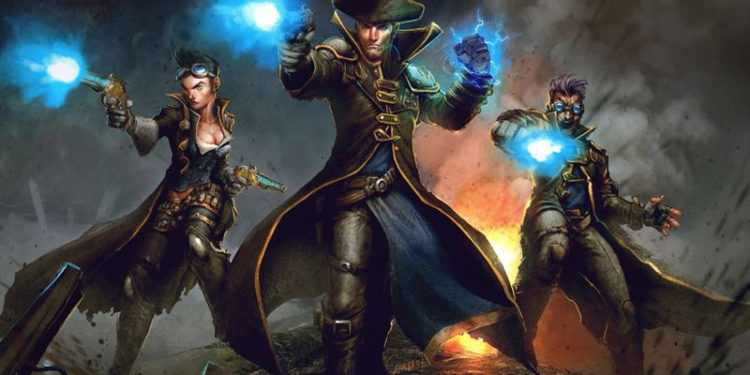
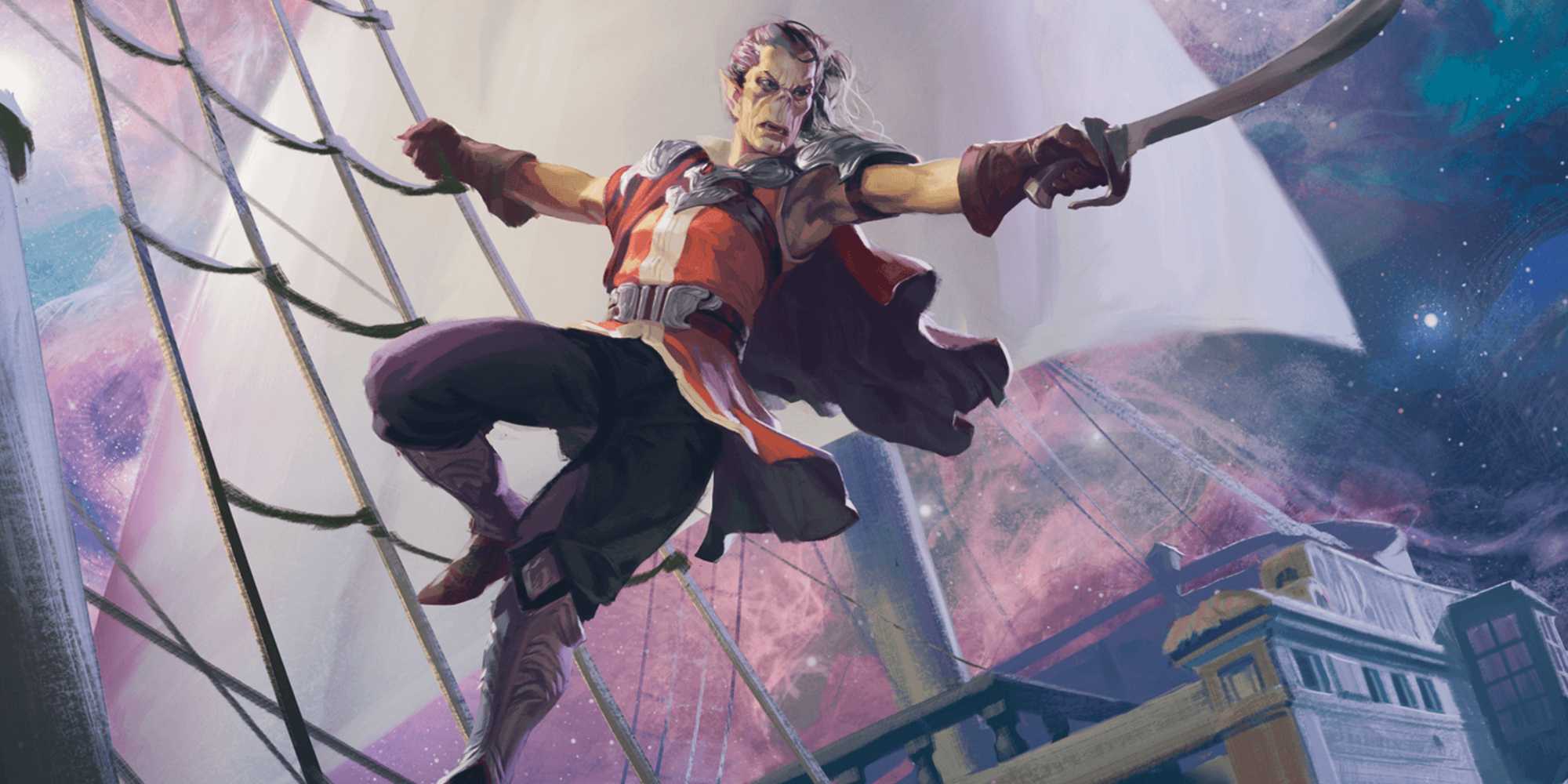
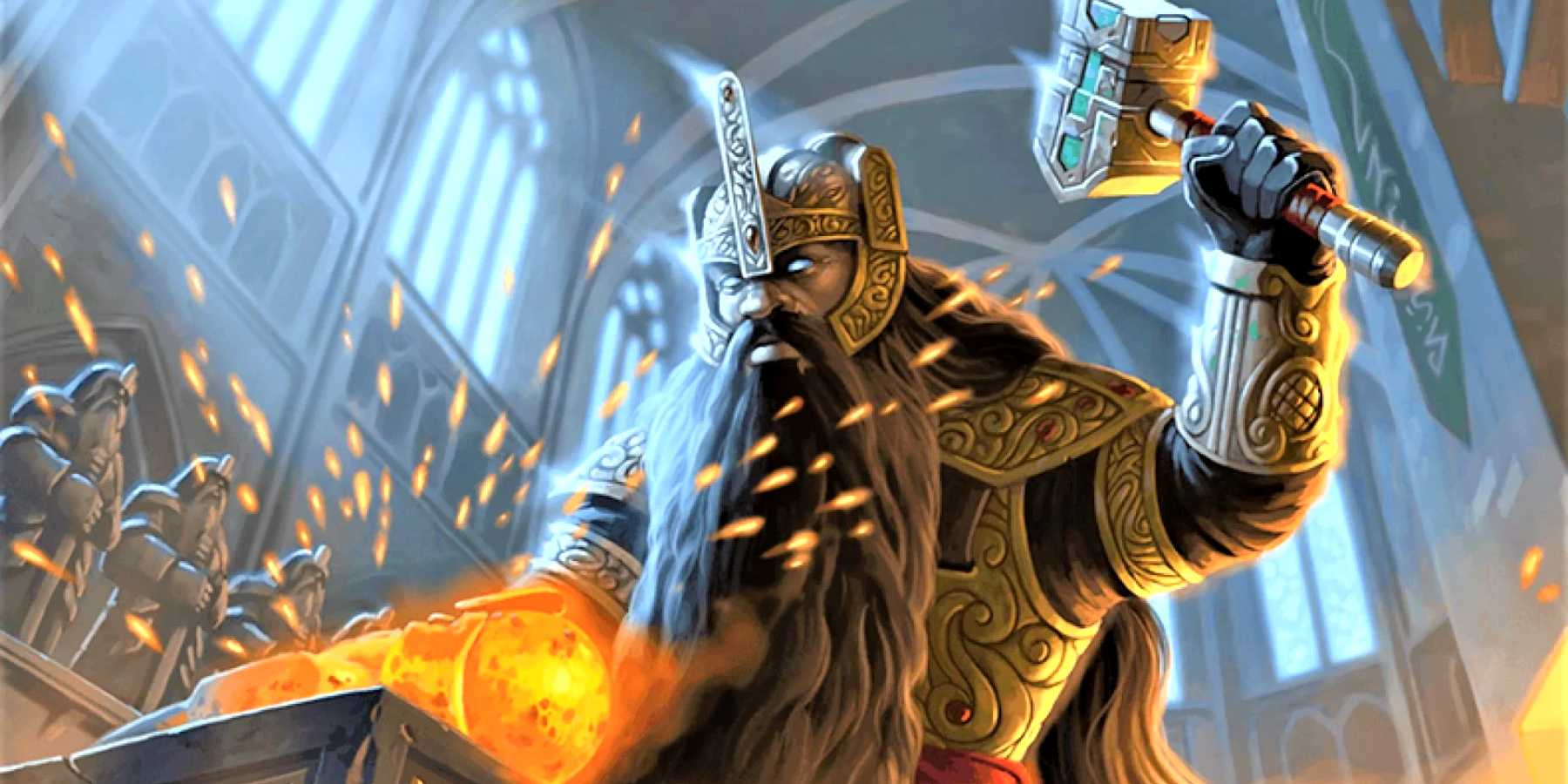

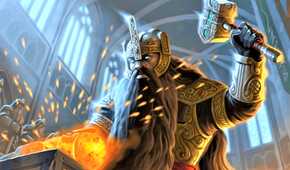
Many parties don't worry about counting arrows or bolts for their ranged characters, though it is a part of the regular D&D rules. However, tracking ammo for these firearms is a little more important since their loading properties and the cost of bullets are some of the easiest ways to balance these weapons out. Unlike swords or bows in D&D, their users occasionally need to use an action to reload them, wasting time when they could be attacking.
Of course, you could take certain feats to get around this issue, but in that case, when you are devoting your whole build to using these weapons, you should probably just be allowed to do so.
Plus, bullets are typically rare and expensive, unlike a wooden arrow. You could search for ways around this, like making your own ammo, which provides another level for roleplay, and possibly forging trick bullets, which could be fun. But letting players use these high-damage weapons indiscriminately will make the damage from normal weapons seem very lackluster.
Have Your Players Complete Extra Training To Use These Weapons
Make Them A Reward Which Must Be Thoroughly Earned


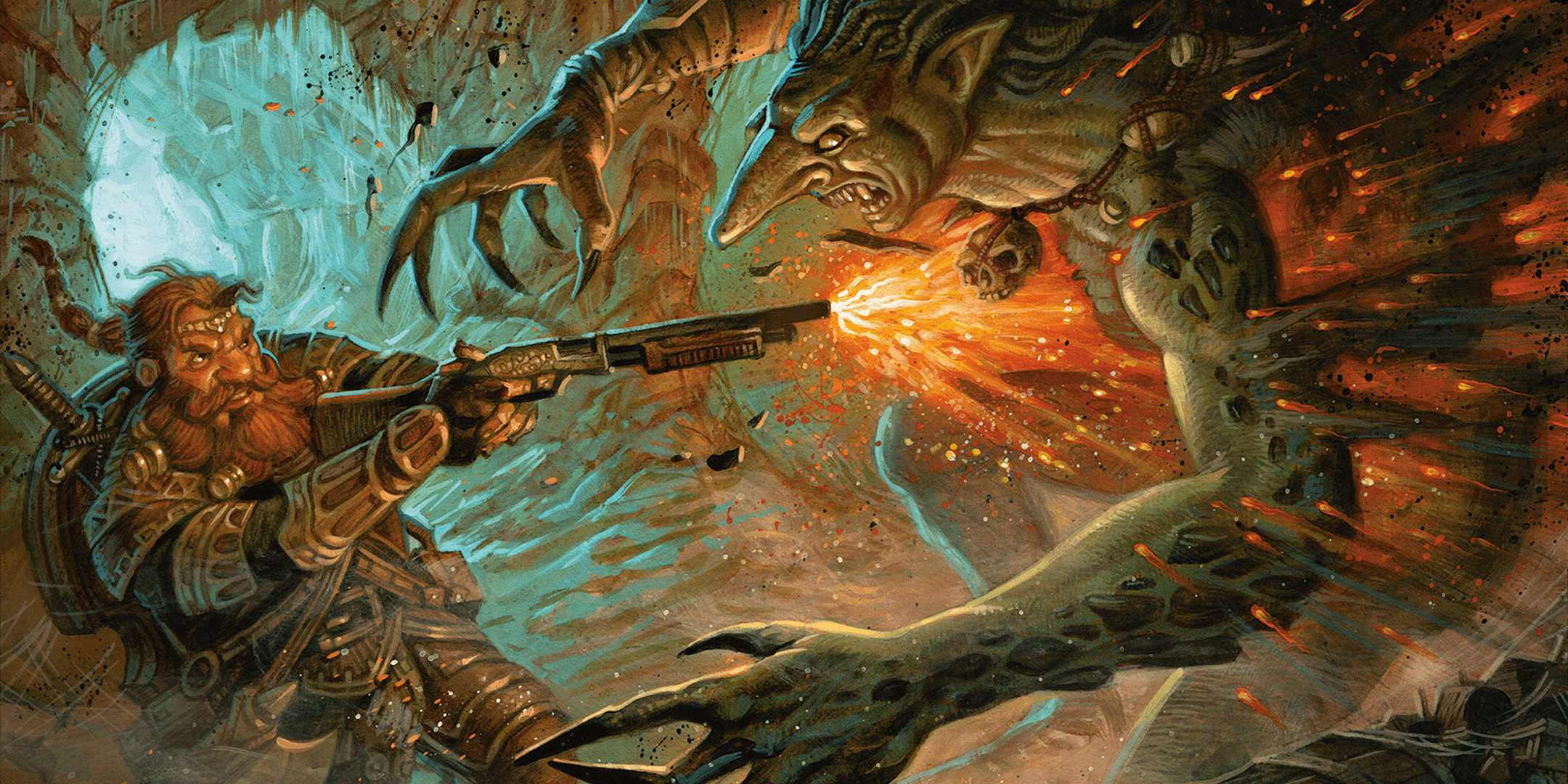
Another solution could be making these weapons extremely hard to use, requiring more training to wield than other weapons, even for fighters. This would create a challenge for players who want to wield them and make the weapons themselves almost a reward for time spent. This could be something of a martial equivalent to how spellcasters can learn and even create new spells in D&D now.
Finally, there is always the option to increase the damage caused by other weapons. The DM can change the rules in whatever way suits their party best, and they can always give enemies more health or have them appear in greater numbers. These solutions for balance may deviate from the basic rules, but they can also make the game more fun for everyone involved, which is a pretty good trade.
- Franchise
- Dungeons & Dragons
- Original Release Date
- 1974
- Publisher
- TSR Inc., Wizards of the Coast
- Designer
- E. Gary Gygax, Dave Arneson
- Player Count
- 2-7 Players

Your comment has not been saved