


While Dungeons & Dragons can be played entirely without maps or character tokens, taking a "theater of the mind" approach, the 2024 Dungeon Master's Guide does include rules for how to play with a map and grid. For many players, especially those who run games online, this is probably the approach they are used to. A map divided into five-foot by five-foot squares allows player characters to position themselves opposite their foes and get a more consistent visualization of the battlefield.
A square grid is not the only type that players use, however, and it's not even the only type of map with official rules in the DMG. There are also explanations of how to use hex-style grids or even how to use maps without any kind of grid overlay. Any one of these approaches can work, but how does a party know which will work best for them?
Using A Square Grid Keeps Things Simple
The Best Map Type To Streamline Combat


 Custom Image by Ben Brosofsky
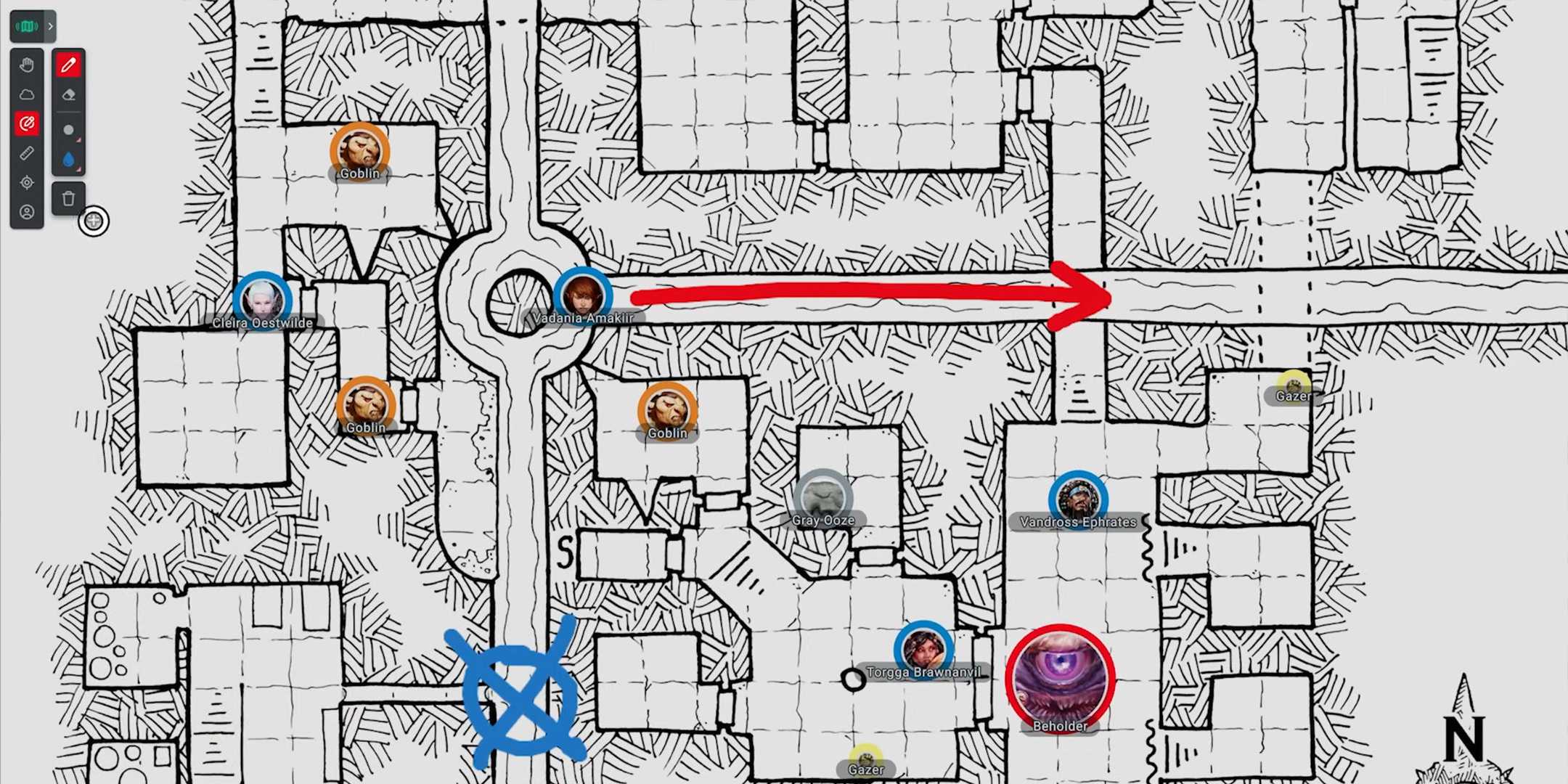
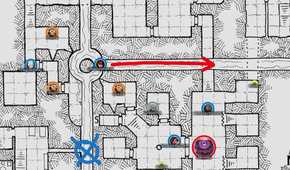
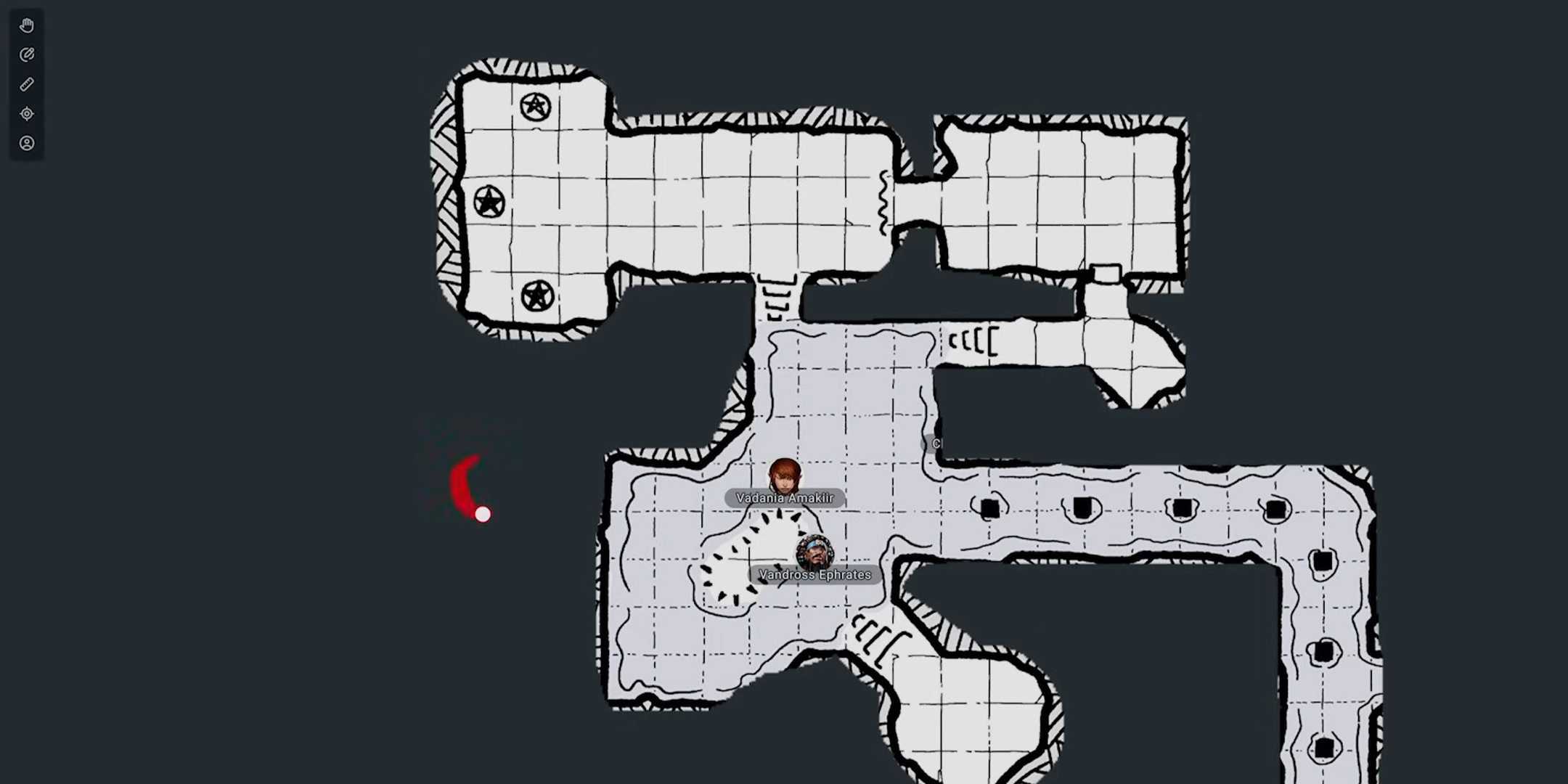
A square grid is undoubtedly the simplest way to run a battlefield, especially for online play. Basically, every feature, spell, and ability in the game measures distance in terms of multiples of 5 feet, meaning that these squares can be used to quickly and simply figure out how far a character can dash for how much room a wall of fire takes up.
For DMs that want to make combat quicker and players that don't like having to constantly take measurements, this is probably the way to go. But that's not to say that a square grid is without downsides. This method of measuring maps is infamously inaccurate since it counts the distances diagonally across a square as the same as the length of its sides. This is not how math works, and it creates situations where players can move farther than intended and AOEs can take up more space when measuring across diagonals.
DMs can always rule against moving diagonally, though that creates another problem where characters are once again limited in how they move.
For some players and DMs, this can be a big thorn in their side and bug them as they are playing. Additionally, the square grid is rather restrictive in terms of where creatures can be positioned. Especially on smaller maps, it makes options for positioning pretty narrow and can cut down on the creativity players could otherwise express with their character's movement.
Hex Grids Are More Mathematically Accurate
No More Weird Diagonals

The hex grid more or less solves the mathematical inaccuracy problem. It makes moving diagonally equal in distance to ordinary movement and can more accurately represent the space taken up by large creatures or areas of effect. For DMs and players who are troubled by the square grid's overly simplified measurements, this is the way to go.
It's worth noting that playing on a hex grid can feel more complicated to players who are used to a square one, and it may create a bit of a learning curve as they get used to the new system. It's important for DMs not to spring large changes like this on their players without discussion, and making sure they prefer the change is essential. Additionally, some may still find the hexes restrictive, since they create designated places where characters are "allowed" to stand on a map.
Not Using A Grid Gives Players More Freedom
Stand Anywhere You Want
The least restrictive method is, of course, not using a grid at all. Maps should still be scaled to match the size of the player characters and their enemies, but this method lets those creatures stand anywhere they desire on the battlefield. Rather than relying on a grid to represent distance, rulers and other tools are used to measure distance whenever necessary.
This method will not cause any trouble whatsoever with diagonals and also offers the most accurate circular measurements possible.
This is also the most complicated method, and it will not be for everyone. Not every player wants to whip out a ruler whenever they need to move, and the excess of choice in terms of positioning may even be overwhelming. Still, many Dungeons & Dragons parties prefer this method for how much freedom it offers, and it's fairly easy to use in an online setting as well, provided the platform the party uses provides measuring tools.
Source: Dungeons & Dragons/YouTube
- Franchise
- Dungeons & Dragons
- Original Release Date
- 1974
- Publisher
- TSR Inc., Wizards of the Coast
- Designer
- E. Gary Gygax, Dave Arneson
- Player Count
- 2-7 Players
