


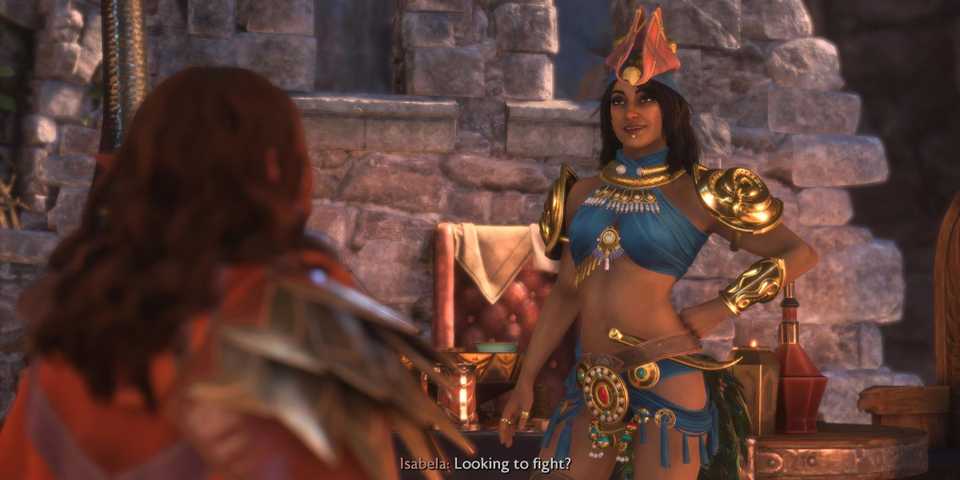
After Dragon Age: The Veilguard, BioWare's flagship fantasy franchise needs to make some major changes. Despite what some very vocal sectors of the fan base will try to tell you, The Veilguard wasn't an abject failure: with an 82 aggregated score on Metacritic, plus a positive 9/10 review from Screen Rant, critics praised its new real-time combat system and detailed world, especially when it came to its companions.
But The Veilguard undersold expectations, after which its lead writer and narrative designer was laid off amid wider restructuring at BioWare. Therefore, as Dragon Age looks to the future - if it looks to the future, considering former BioWare producer Mark Darrah's comments on the series' shaky future - it'll need to learn lessons from the series' past successes and failures.
Dragon Age Needs To Go Back To Basics
A Return To Origins

And I don't just mean taking stock of what went wrong with The Veilguard, as it needs to consider what players loved about the series in the first place. To that end, the next Dragon Age game (if there is one) should be a return to basics along the lines of Origins.
Dragon Age: Origins was the one that started it all, and, while it wasn't without its flaws, there's a reason it successfully launched a franchise. Origins nailed almost every aspect of its writing, and had solid gameplay to back it up - but many of the conventions it established are lost in The Veilguard.
In Dragon Age: Origins, the characters are almost all brilliantly written, with strong personalities, meaningful dialogue, and dynamic reactions to your choices. The real star of the show here, though, is the worldbuilding: the setting is so richly detailed, and there are new details to uncover around every corner.
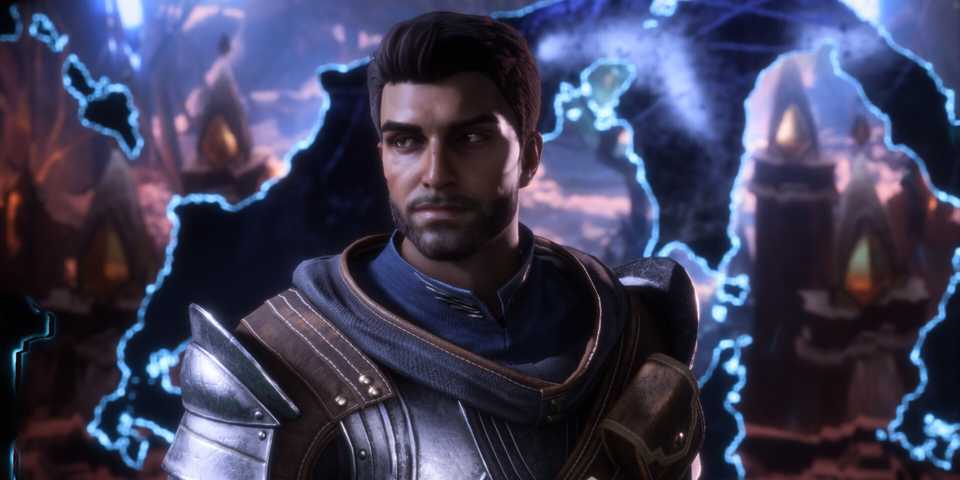
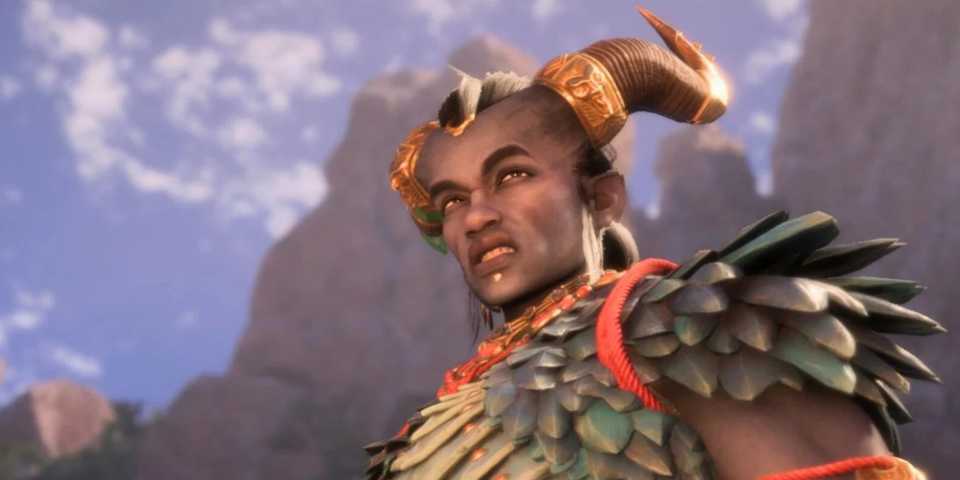
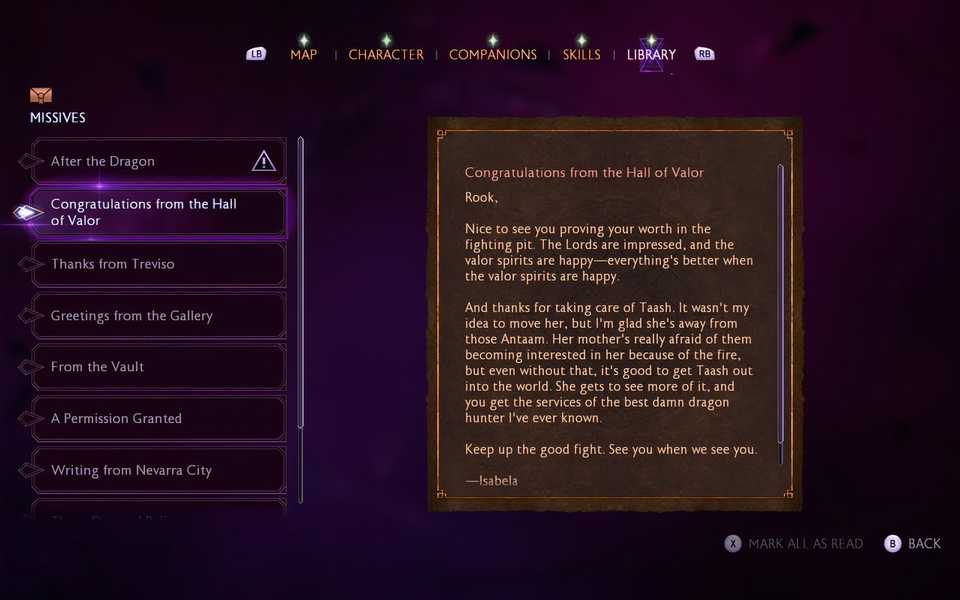
By contrast, The Veilguard's characters - while often strong in their own right - are inconsistent, and their dialogue often comes off as childish and hokey. The worldbuilding is still there, but so much of its body of lore is devoted to explaining things we already became intimately familiar with in previous games. This is a necessary evil to get new players on board, but it's not fun for returning players to rehash.
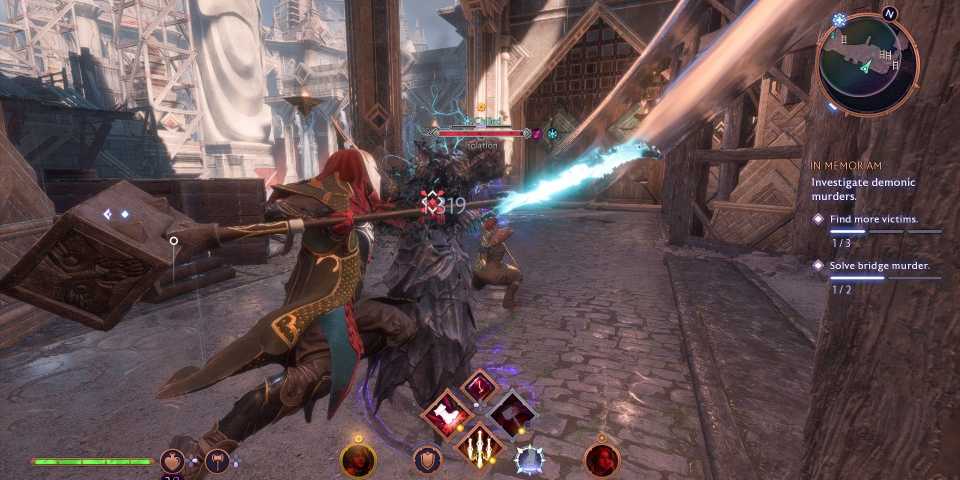
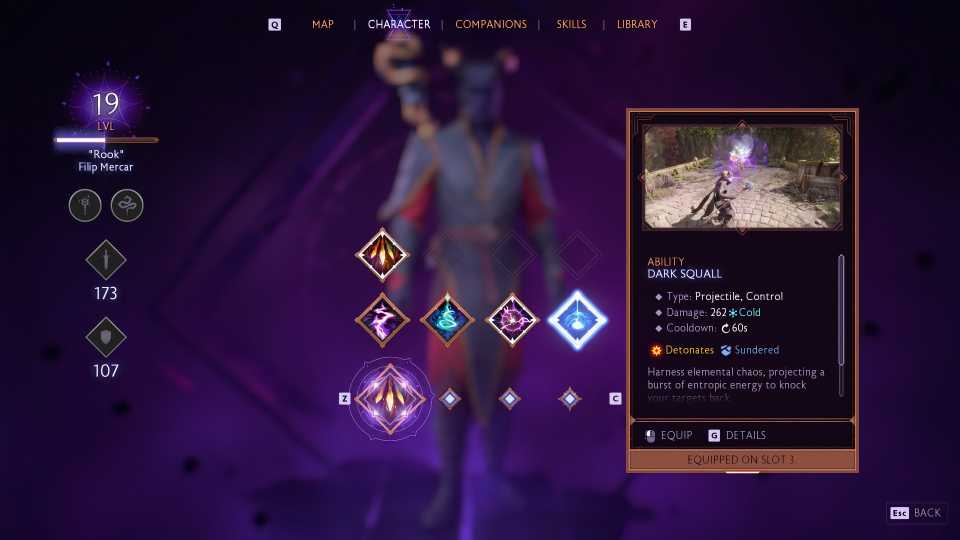
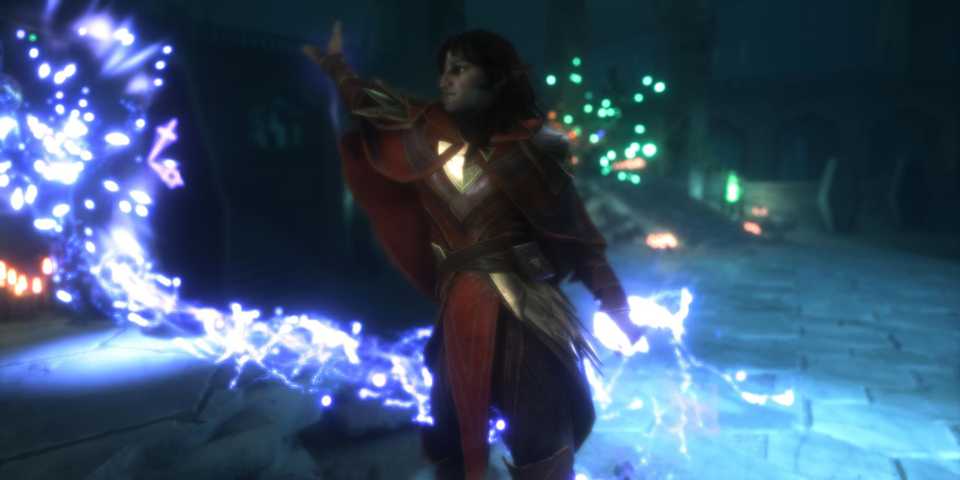
The gameplay is still pretty good, and many players got on board with its real-time combat pretty quickly. But the strategy of Dragon Age: Origins is sorely missed. You barely have control over your companions, positioning is unimportant, and, by the end, it becomes just another action RPG in an oversaturated market.
Although Origins isn't exactly open-world, it feels a lot less linear than The Veilguard. You genuinely do get the sense that you're uncovering pieces of a much larger, living world, where The Veilguard simply trots you through one map after another.
Baldur's Gate 3 Proves There Is Room For Complexity
How Dragon Age Can Take Notes From BG3

There's plenty of room for a classically-styled CRPG in today's market - just look at the overwhelmingly positive response to the character depth and tactical complexity of Baldur's Gate 3. Its turn-based structure allows it to be incredibly reactive, with near-infinite options for every battle.
Even though Dragon Age has come a long way since the first game, that doesn't mean it's improved in every aspect. Much of what initially made it a great series is nowhere to be found in its most recent entry. If it wants to recover, the best way to do so is to leave most of Dragon Age: The Veilguard's innovation behind, and go back to the classic CRPG it was always meant to be.



-
 OpenCritic Reviews
- Top Critic Avg: 80/100 Critics Rec: 71%
- Released
- October 31, 2024
- ESRB
- M For Mature 17+ // Blood, Nudity, Sexual Themes, Strong Language, Violence
- Developer(s)
- BioWare
- Publisher(s)
- Electronic Arts
- Engine
- Frostbite


- Genre(s)
- RPG

