


Summary
- Dungeonborne shows potential as a unique dungeon crawler with a PvPvE twist, but suffers from balance issues in gear-based PvP combat.
- The gameplay loop is addicting, but the lack of replay value and shallow loot pool may limit long-term enjoyment.
- With improvements in animation, combat, level design, and loot variety, Dungeonborne has the potential to be a great game, but imbalance may be a persistent issue.
The first word that comes to mind when thinking of Dungeonborne is "potential." Developed by indie studio Mithril Interactive, it takes the tense PvPvE gameplay of the extraction genre and applies it to an atypical setting: dark fantasy. Players select one of Dungeonborne's nine classes - armor-clad knights, elvish fire mages, skeletal necromancers, and every other manner of recognizable archetype from throughout the genre - and dive through a portal into one of two maps. Their job is to kill as many monsters and collect as much loot as possible, then get out before the whole thing collapses, all while other players try to steal their treasure out from under them.
Dungeonborne was first released as a playable demo during Steam's February 2024 Next Fest. It skyrocketed in popularity, quickly becoming the most-played demo during the showcase. Many saw it as a potential alternative to a similar game, Dark and Darker, which faced criticism for its free-to-pay structure. Dungeonborne avoids that particular pitfall, even if it does have flaws of its own. But it's a good game in its own right, and while it could use a little love in certain areas, it's already set up a solid foundation.
Dungeonborne's Gameplay Is Hard To Put Down


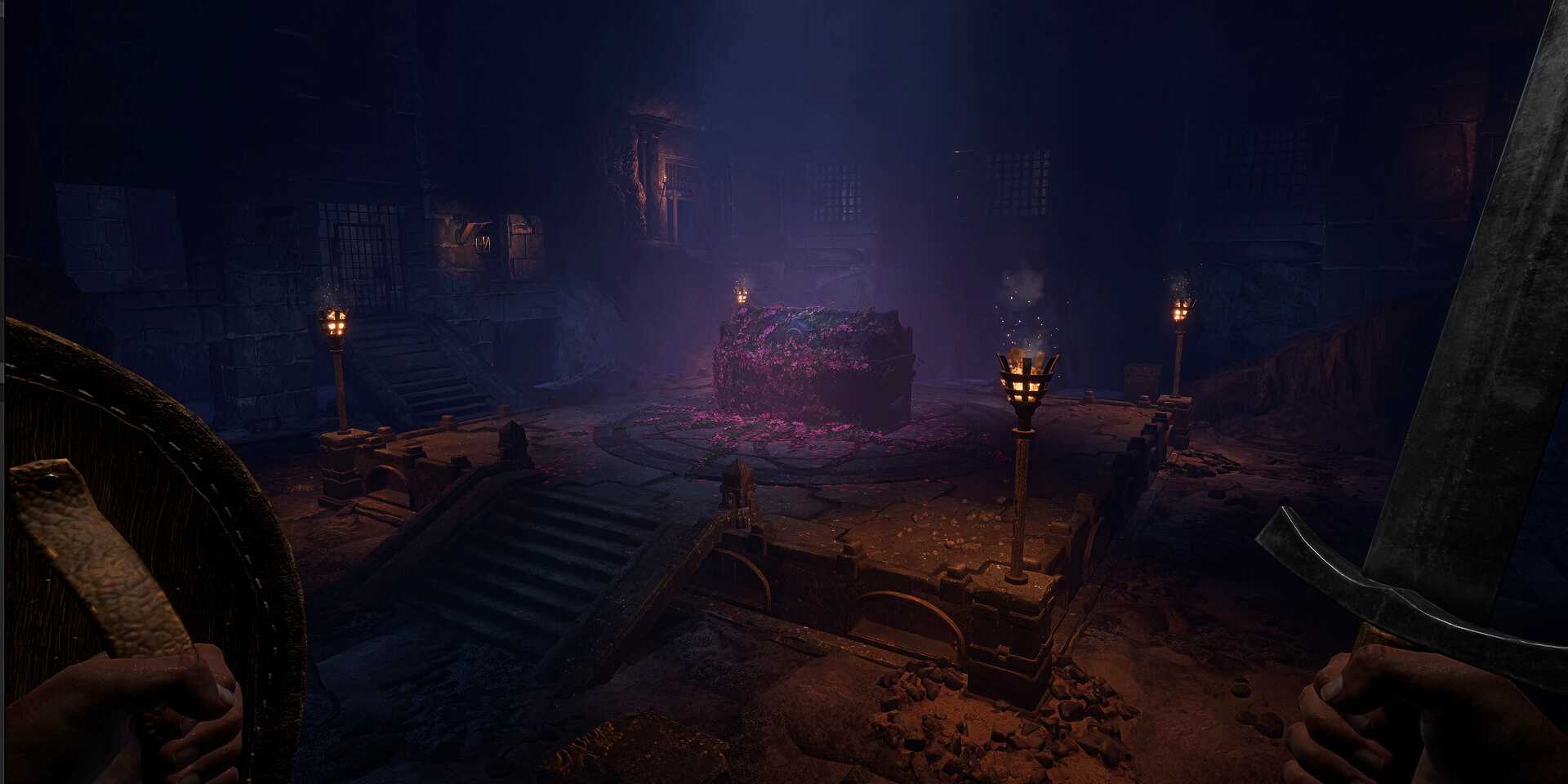
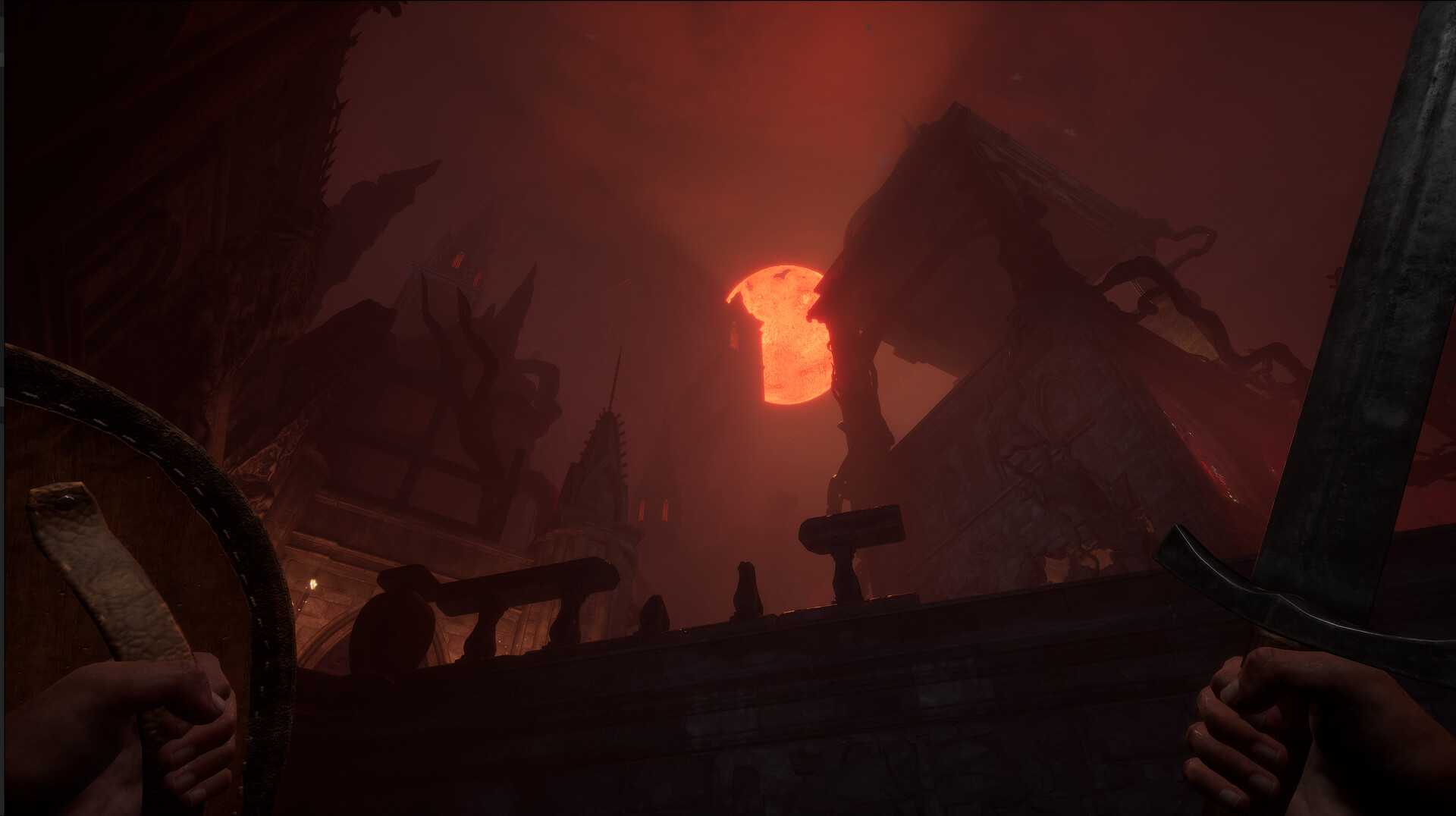
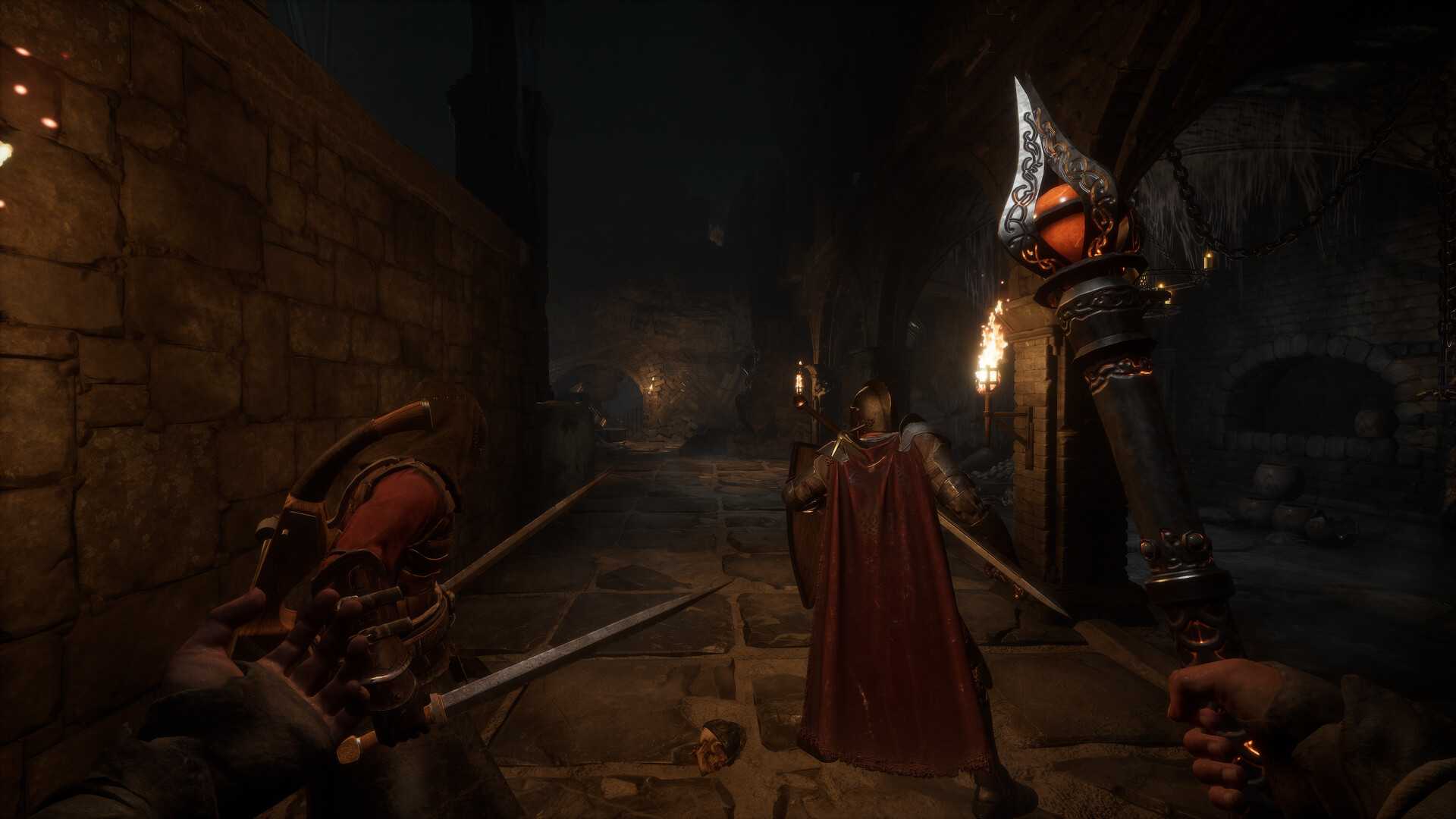
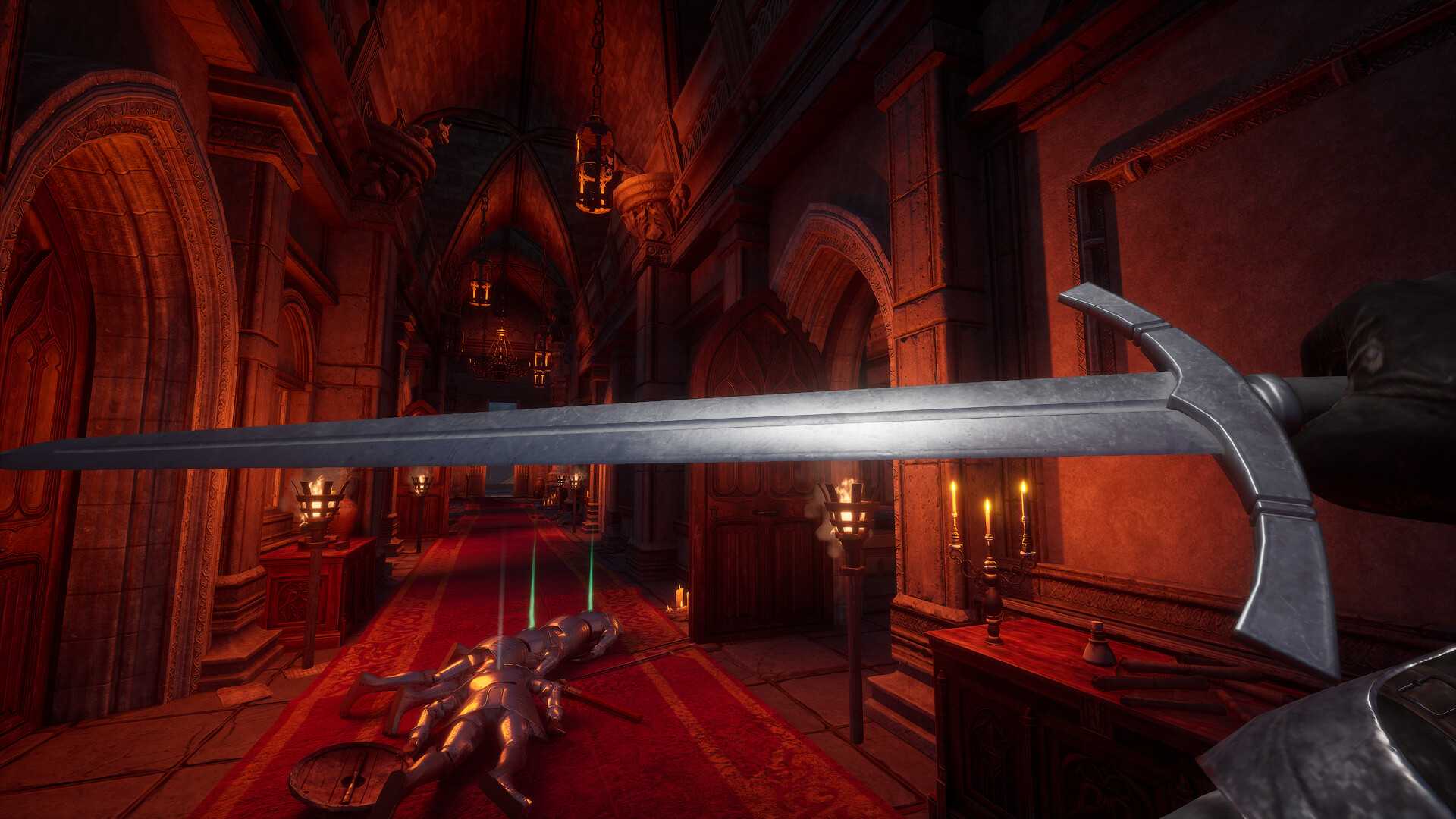
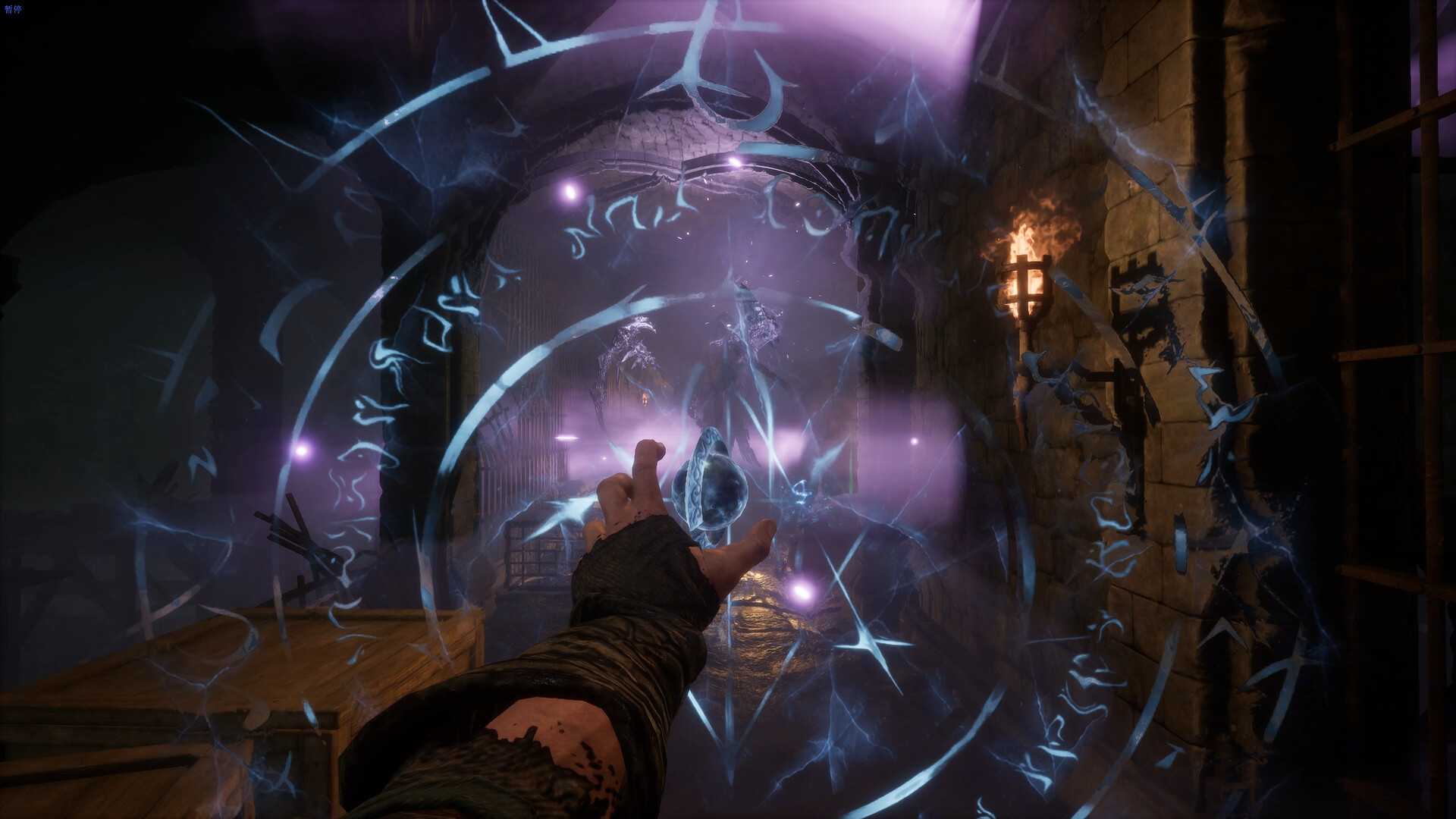
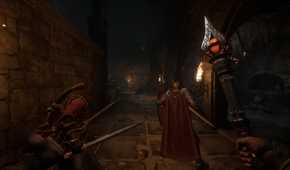
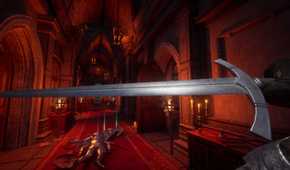
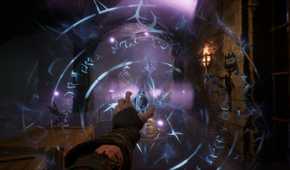
At its core, Dungeonborne's gameplay loop is downright addicting. Loot is both the objective and the reward. Each player will find a wide variety of items as they raid dungeons. The weapons, shields, armor, and accessories they come across may be immediately equippable, or may be better saved for teammates or an alternate character of a different class. They'll also come across pure commodities, things like silver goblets and fancy sculptures with no purpose other than to be sold for gold.
If they manage to get out alive, they can keep it; if they don't, they lose absolutely everything. Success means entering the next game with a much better loadout, which will allow the player to live longer, beat tougher enemies, and claim better loot. Or, they can sell their finds for gold, which they can use to buy even rarer equipment from other players via the in-game marketplace. But every dungeon is a gamble. Total loss is a risk, and means starting over with only the most basic equipment on the next run. However, players do gain a measure of XP for their character no matter what, which will eventually increase a series of class-specific passive buffs to their attributes.
If a player picks up a dead teammate's equipment, it'll be returned to them - as long as the player extracts alive.
That slow drip of power is intensely satisfying, and constantly fuels the drive to play just one more match. Players will put their lives on the line just to narrowly escape with that rare sword, only to lose it immediately in the next match. The resulting feeling is both frustrating and inspiring, ultimately evoking the early game of an average Soulsborne. Repeated failures eventually lead to a single, triumphant success, but the next run could very well contain even more difficult challenges.
Dungeonborne Suffers From Balance & Polish Issues

Unfortunately, that same gear-based gameplay can create massive imbalances in PvP. It's all too common for low-level players to get steamrolled by vets sporting high-rank gear. With the combination of improved passives granted by higher levels and better equipment bankrolled by massive stashes of gold, the more hours a player has in the game, the more overpowered they are in PvP. These matches are no fun for the losers: they're over in a second, with no chance of victory for lower-level players.
Where most of the differences between Dungeonborne and Dark and Darker can be chalked up to matters of taste, this is one area in which Dark and Darker excels. It uses a simple, yet effective system, akin to what MMO players know as item level. On queueing into a game, each player's loadout is given a numerical ranking. If it's over a certain number, that player is sorted into a harder version of their chosen dungeon, to make the fight fairer for all parties. In Dungeonborne, it's an unbalanced free-for-all.
Dungeonborne's PvE is a lot better in terms of balance. Enemies do deal a lot of damage, evoking Elden Ring: Shadow of the Erdtree's brutal difficulty, in which three well-placed hits can be enough to kill. But these are not the deft swordsmen with inscrutable combos that grace Elden Ring's boss arenas. Most enemies only have a handful of moves, and almost all of them are painfully slow and obviously telegraphed.
There's a fine line between readable and robotic, and almost every enemy animation falls into the latter category.
Of course, this is somewhat intentional, and exists to give players ample time to get out of the way; most classes can't dodge, so good placement and blocking are their only hopes in the event of an enemy attack. But there's a fine line between readable and robotic, and almost every enemy animation falls into the latter category. That not only makes PvE too easy, but also harms the overall visual presentation of Dungeonborne.
The dungeons themselves are sufficiently atmospheric - once-majestic darkened halls lined with fraying tapestries; disheveled studies littered with mysterious documents and hidden treasures; murky prisons with pockmarked walls and rusty pikes - players will find all these and more in Dungeonborne's two small, but condensed maps in early access. But this is cheapened by the unrealistic enemy animations, ultimately breaking immersion and distracting from the thrill of the fight.
Final Thoughts

Again, Dungeonborne has a lot of potential. It can be a lot of fun for a couple of quick games, especially when playing with a group of communicative friends. But in its current state, it also has a lot of flaws. It's severely limited in replay value: with only two maps and a surprisingly shallow pool of potential loot, players can easily see everything it has to offer in just a few short hours of gameplay. It's still in early access, though, and there's still plenty of time to fix that.
With some cleaner animations, slicker combat, creative level design, and truly desirable loot, Dungeonborne could even be great. The biggest problem facing it, though, is its lack of PvP balance. Unfortunately, that's also the aspect that's least likely to change, since it's a direct result of the mechanic that gives Dungeonborne its unique identity: gear-based gameplay. Only time will tell whether it's here to stay, but for now, Dungeonborne is one to watch.
Screen Rant was provided with a preview code for the purpose of this article.


- Released
- July 19, 2024
- Developer(s)
- Mithril Interactive
- Publisher(s)
- Mithril Interactive
- Engine
- Unreal Engine 5
- Multiplayer
- Online Multiplayer, Online Co-Op
- Steam Deck Compatibility
- Playable
- Platform(s)
- PC
- Genre(s)
- Dungeon Crawler, Extraction

