


Family Feud has been a television staple for almost 50 years, drawing viewers in with its hilarious hosts, squabbling families, and the simple but oh-so-addictive gameplay of guessing the most popular answers to quirky questions. And who can resist shouting out, "Survey says!" right along with the show?
But there's one aspect of the show that has always been a bit of a mystery — how do the surveys actually work? Each episode, the Family Feud host reminds contestants that "100 people were surveyed" for each question and the goal is to guess the most popular answers to rack up points. But who exactly conducts these mysterious surveys, and is there a way for anyone to take part?
Family Feud Has A Writing Staff That Comes Up With The Questions
The Executive Producer Picks The Best Questions


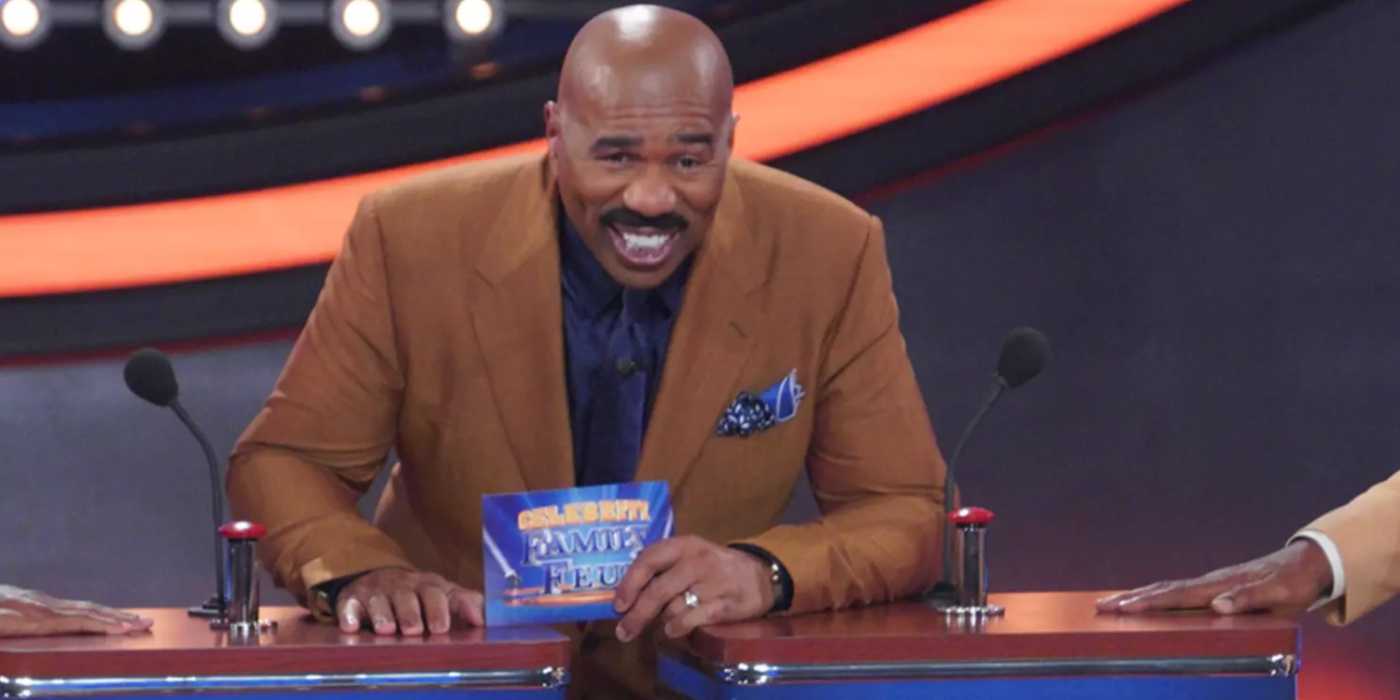
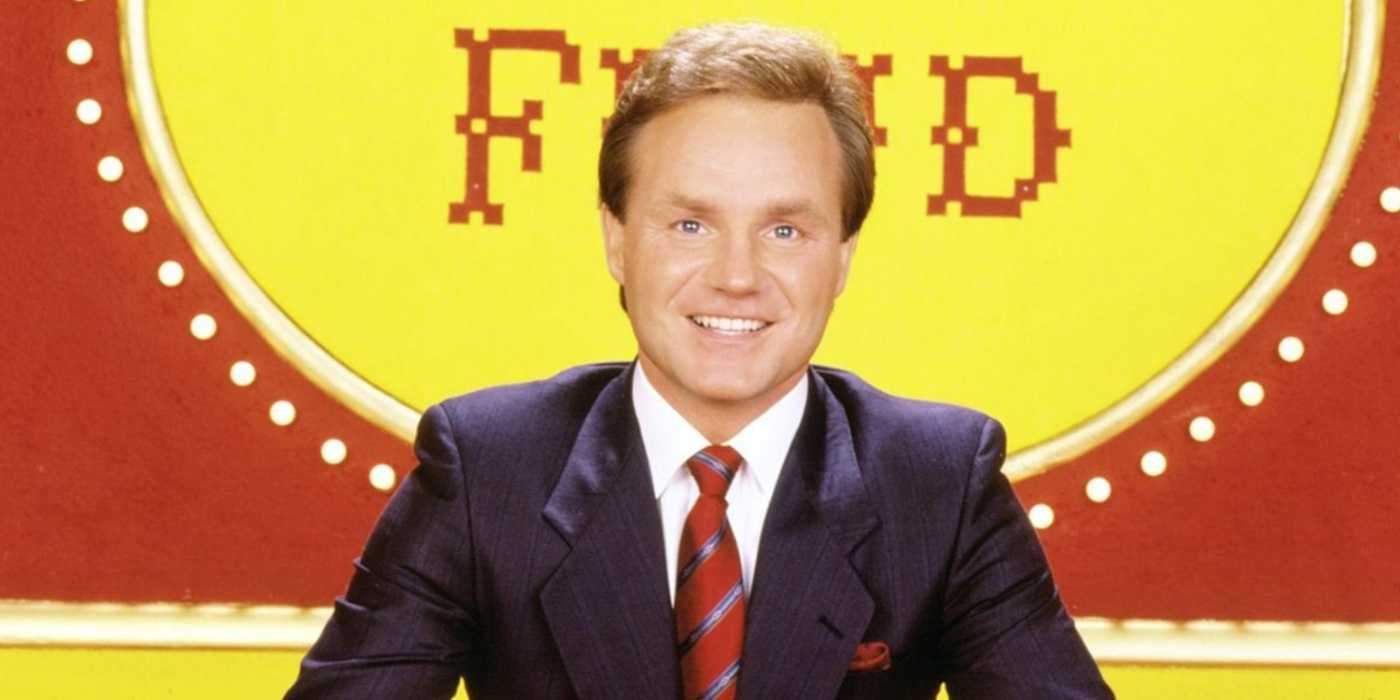
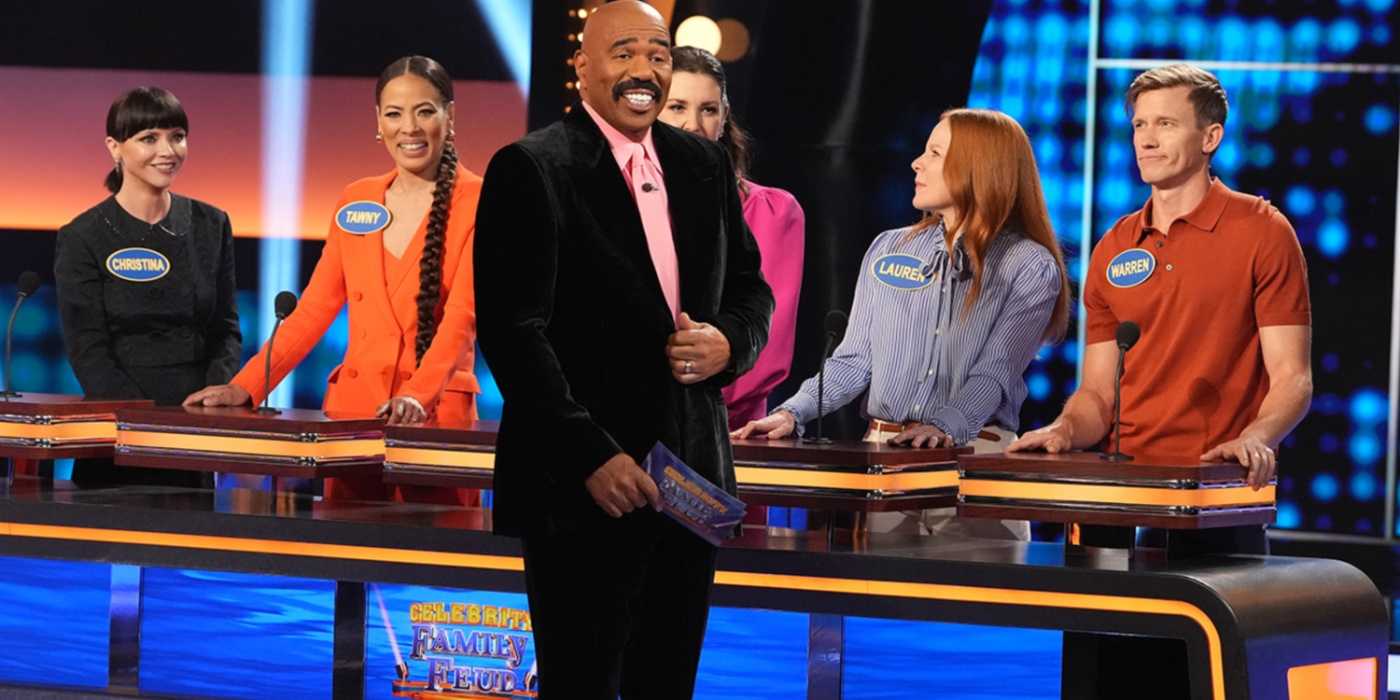
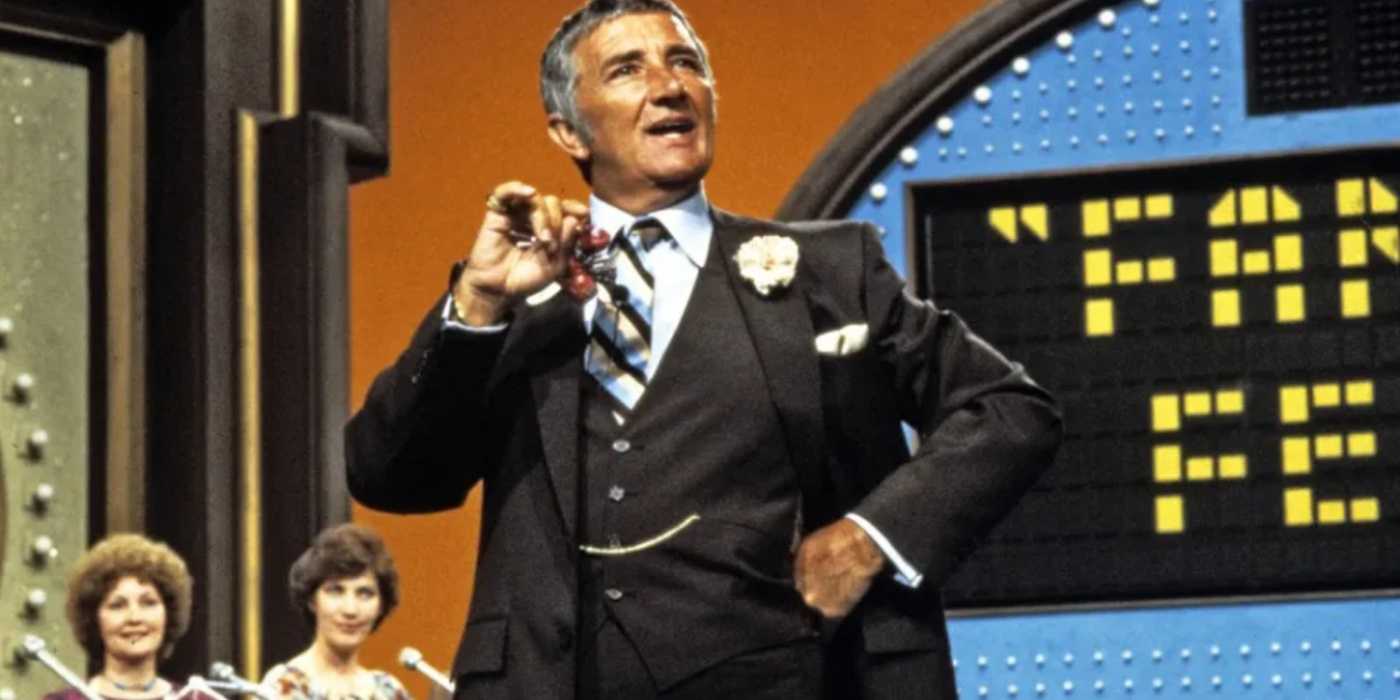

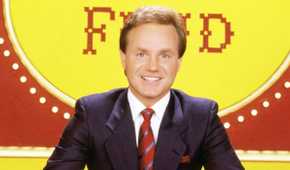

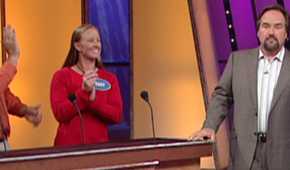
Like most television shows, Family Feud has a writing staff working behind the scenes. According to the Wall Street Journal, the writers brainstorm together and come up with around 100 questions daily. But it's not just about throwing together any old queries — they need to meet important criteria. The questions must be engaging, relatable, and elicit hilarious responses. The team also makes sure the questions cover diverse topics to appeal to the wide variety of contestants who come on the show. It's this mix of creativity and thoughtfulness that leads to so many Family Feud clips going viral.
Once the questions are drafted, the show's executive producer, Gaby Johnston, narrows the questions down to the top 30 or 40. Johnston, who has been with the show since the early 1980s (starting as a PA and working in contestant coordination), knows the show inside and out. Her main focus when picking the final questions is to ensure they'll generate fun responses, be engaging for viewers, and represent a broad cross-section of the American public.
How Family Feud Conducts The Surveys, And Who Gets To Participate
A Polling Firm Is Used To Survey People

Family Feud partners with the polling firm Applied Research West to conduct the surveys and gather answers from everyday people. To keep things discreet, the company calls random individuals to ask questions but never reveals that their responses will be used for Family Feud. This approach ensures that the answers are unbiased and genuine.
Once the producers receive the survey data, the responses are compiled, and the most popular answers are chosen for the game. This process guarantees that the answers reflect authentic opinions from a broad range of people. In the show's early seasons, surveys were conducted through a mailing list, but producers soon determined that calling random people provided a more effective method for capturing the best responses.
How Realistic Are The Surveys On Family Feud?
While It's Not A Perfect System, It's Still Impressive They Go To Such Effort

Many experts have weighed in on whether the surveys on Family Feud truly reflect public opinion. Most agree that the answers are generally realistic, but might not be as scientifically rigorous as they could be. Actual pollsters have expressed skepticism about the methodology behind Family Feud's surveys, but they still appreciated their efforts. Surveying just 100 people comes with a higher margin of error than larger polls with thousands of participants. Such a small sample can't fully represent the population, especially if the group surveyed isn't diverse or reflective of different cultures.
At the end of the day, Family Feud is meant to be entertainment. The goal isn't to provide scientific accuracy but to offer a fun and playful game that reflects societal norms. And on that front, Family Feud always delivers. You don't need a survey to prove that!

- Release Date
- 1977 - 1984-00-00
- Network
- Seven Network
- Directors
- Paul Alter
Cast
-
 John BlackmanAnnouncer
-
Daryl SomersHost
- Creator(s)

