One overlooked revelation about The Far Side from the two-volume Complete collection of Gary Larson's work is the fact that the author, along with his longtime editor, put much more thought into the release sequence for the comic, on a week-by-week basis, than even the most astute Far Side fan would realize.
Yes, there was actually a rhythm to the publication of The Far Side, as editor Jake Morrissey explained in his Introduction to 2003’s The Complete Far Side.
“Finding the order for the Far Side cartoons over the course of a week,” became an essential part of the process for Morrissey and Larson, and in retrospect, the editor’s commentary offers a new context through which Far Side fans can revisit their favorite cartoons as if looking at them for the first time all over again.
The Far Side's Editor Explains The Rationale Behind What Cartoons Were Published On Which Day Of The Week
From Jake Morrissey's "Introduction" To The Complete Far Side




Though there is a degree of "randomness" associated with The Far Side's humor, it is worth remembering that author/artist Gary Larson was, in fact, a very deliberate creator. The "random" quality of his work is the product of deliberate unpredictability; Larson liked to surprise himself, and surprise his readers, and that was part of the appeal of The Far Side. It's fair to say that the seemingly most random, or arbitrary, thing about the cartoon was the order in which they were published, but readers familiar with The Complete Far Side will know that is actually not the case.
According to Far Side editor Jake Morrissey, there was an art to sequencing and scheduling The Far Side in itself. During their time closely collaborating, Morrissey and Larson developed a carefully calibrated system, one that provides some insight into their own feelings about certain Far Side panels. As written in The Complete Far Side:
Finding the order for the Far Side cartoons over the course of a week was as important as finding the right language in the captions. We tried to pace the cartoons based on our own admittedly idiosyncratic view of newspaper readership. We opened the week on Monday with what we thought was the funniest cartoon. Tuesday's was usually a little less strong, but Wednesday's had to be the second funniest, since newspapers in North America usually ran their coupons and food advertisements in that day's edition, which generally meant a fatter newspaper and a wider-than-normal readership. Thursday's cartoon was more often than not one of the week's strange cartoons, while Friday's and Saturday's were usually the oddest of the group...the ones we weren't quite sure people would get, but which we liked anyway.
In other words, fans now have a map, of sorts, with which to navigate the thousands of panels Gary Larson produced; for starters, if they are looking for the comics Larson and his editor deemed the funniest, the best place to start is on Mondays.
A Look Back At This Week In Far Side Comics, Forty Years Later
Does Gary Larson And Jake Morrissey's Method Hold Up?


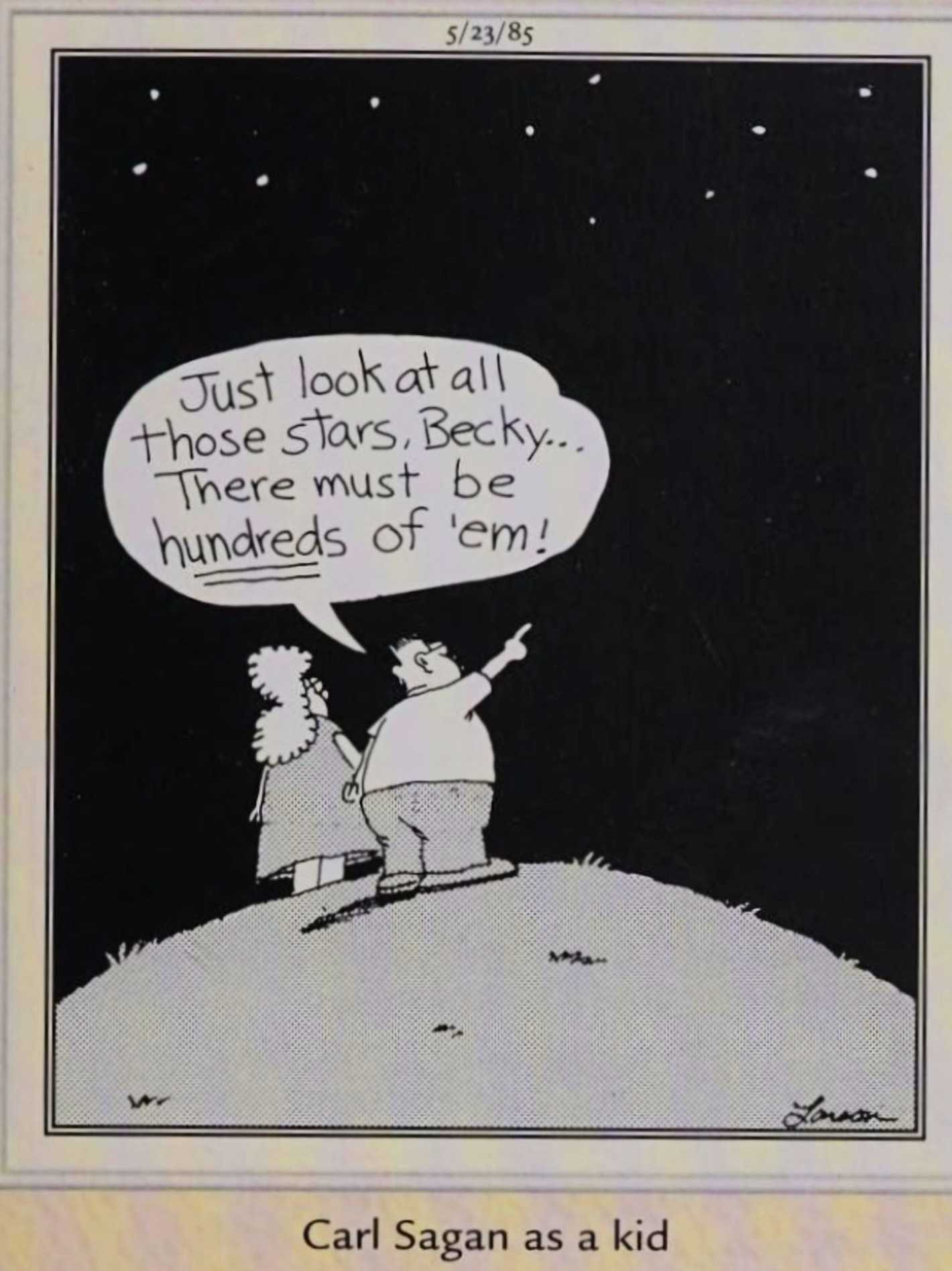
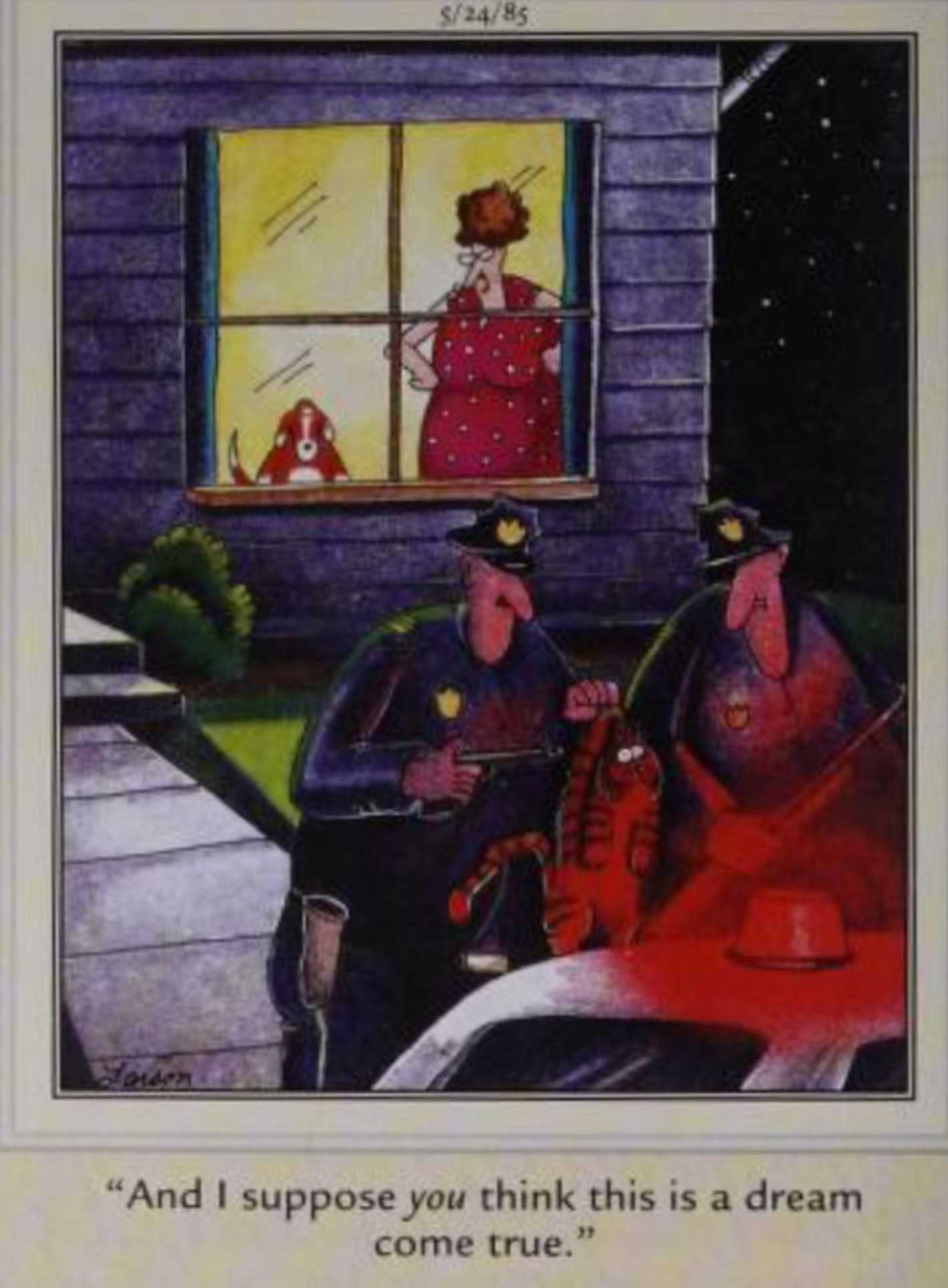
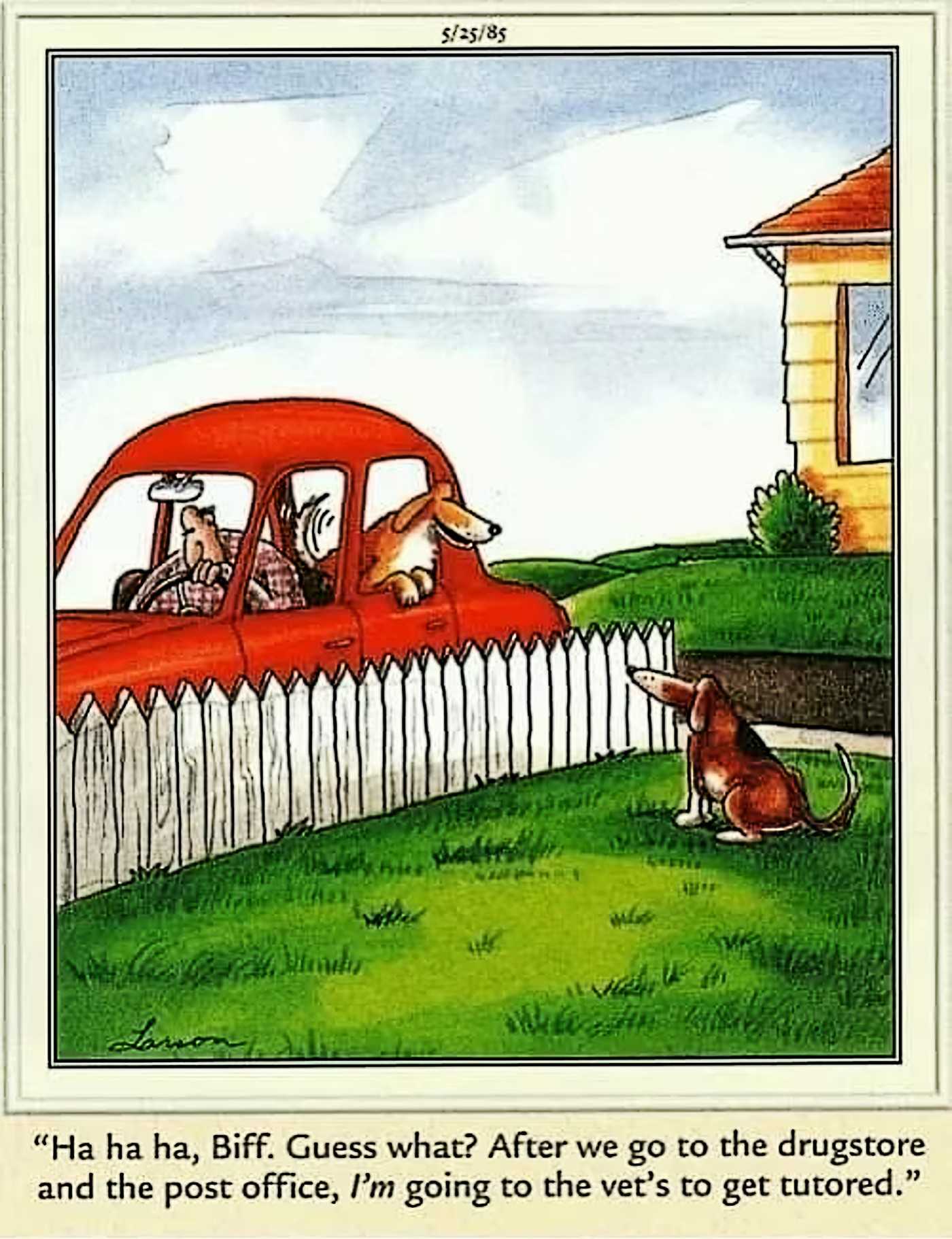

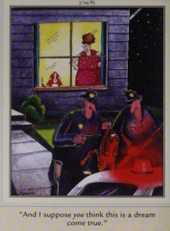
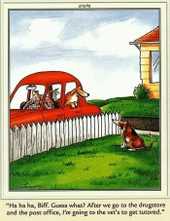
It is worth taking a look at some Far Side cartoons "in sequence," to get a better sense of how Gary Larson and his editor saw them, at the time of their production. Take for example, the Far Side cartoons published forty years ago this week, between Monday, May 20, and Saturday, May 25, 1985. ("Sunday cartoons were another matter entirely," Jake Morrissey mused in The Complete Far Side's introduction, and indeed, there is no entry for May 26, 1985 in the collection, suggesting no new Far Side panel ran that day.)
The 1985 and 2025 May calendars are just one day off from one another, with '85 being one day ahead.
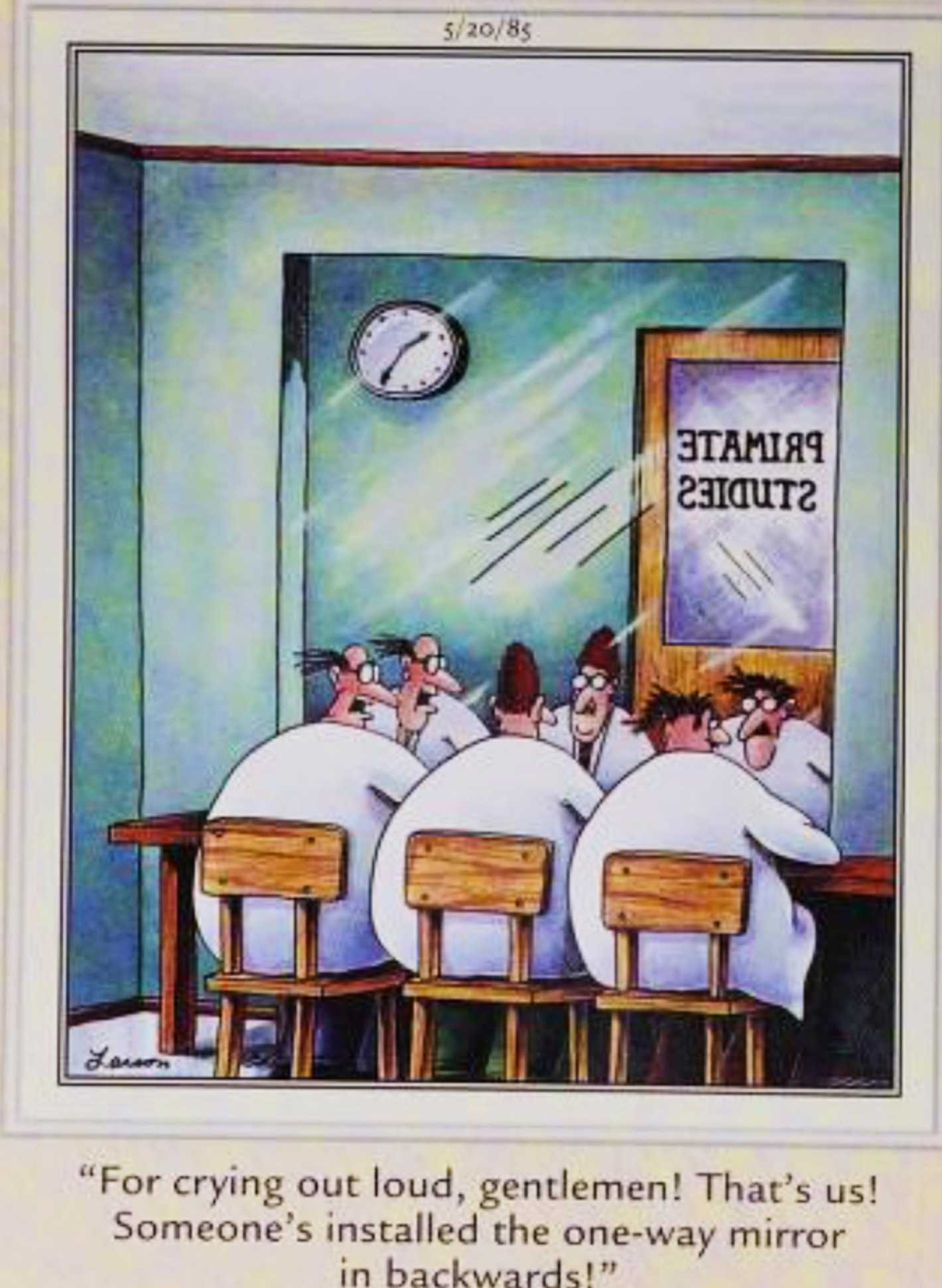
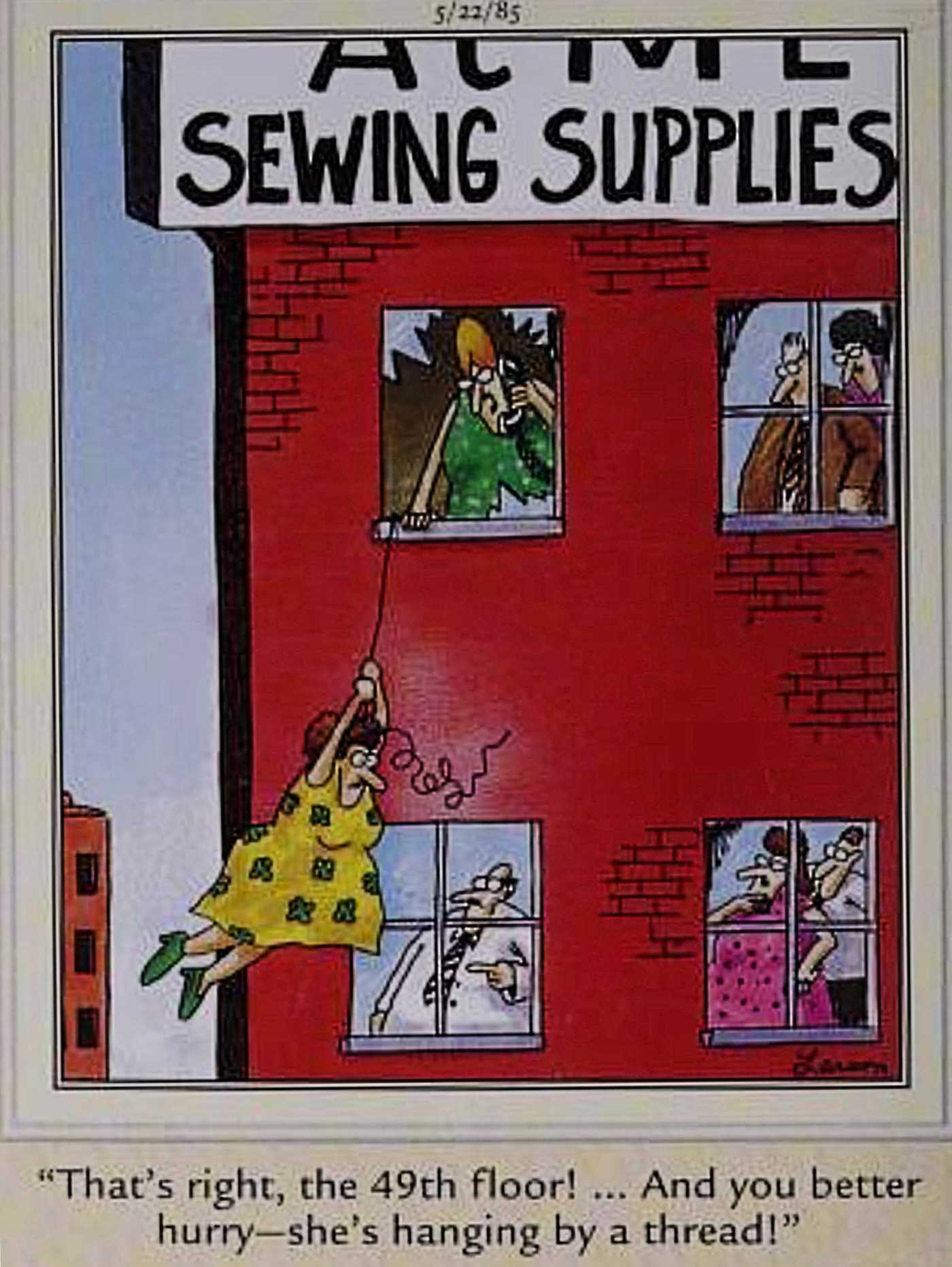
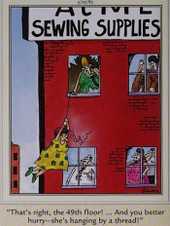
At first glance, they are just like any smattering of Far Side comics, but in the context of Morrissey's comments, it is possible to look at them differently. For instance, many readers will agree with Larson and Morrissey that the funniest of the bunch are the Monday cartoon, in which a group of scientists realize that "someone's installed the one-way mirror in backwards!", and Wednesday's, featuring a woman "hanging by a thread" from the high-rise window of the "Acme Sewing Supplies" building.
There is definitely some correspondence between how these Far Side cartoons [from May 1985] come across and Jake Morrisey's comments about sequencing the panels for their original release.
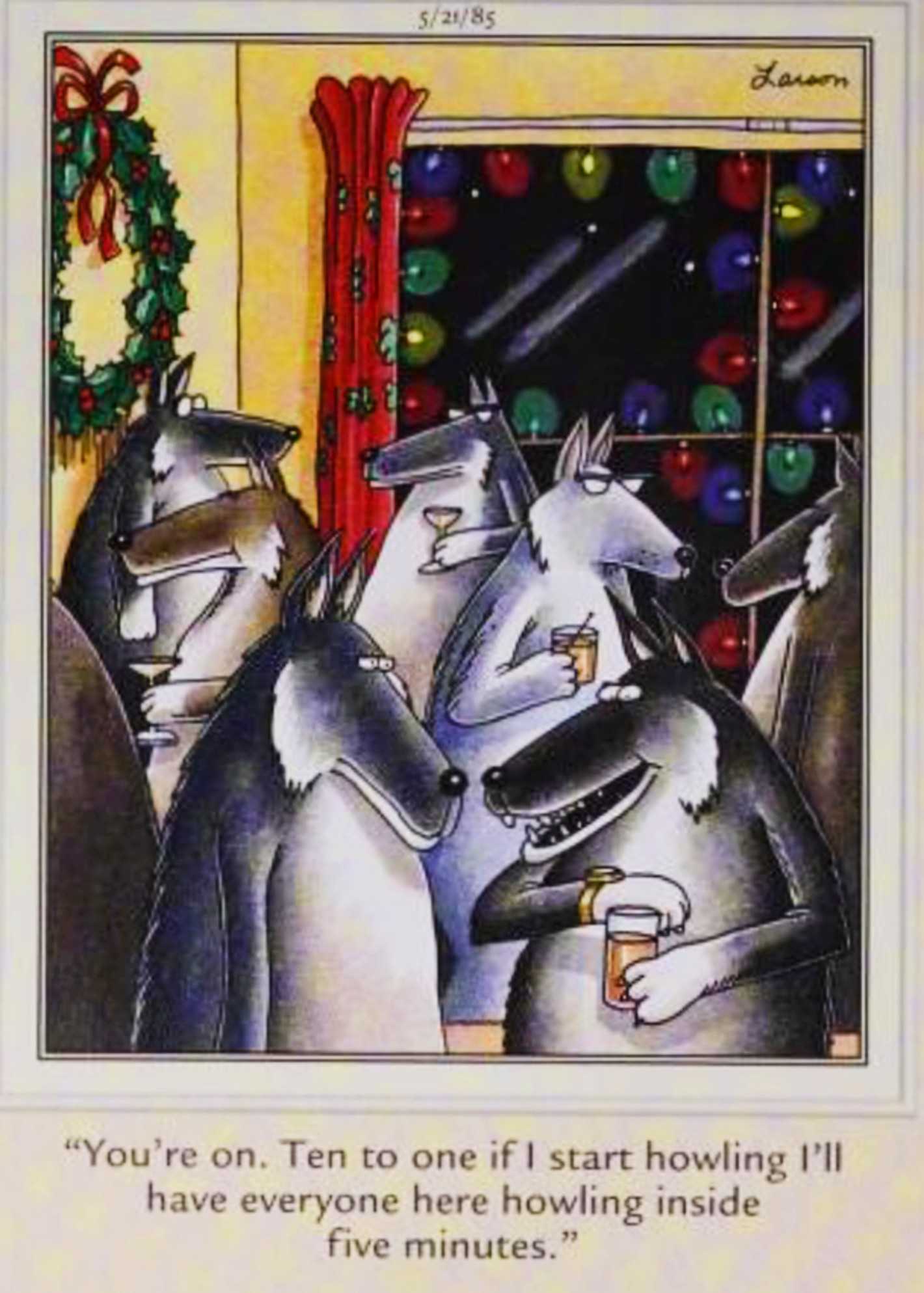
The Tuesday comic, featuring wolves at one of The Far Side's many cocktail parties, is amusing, but not laugh-out-loud funny in comparison to the preceding and following days' comics, while the panels published later in the week are certainly weirder than the Monday-Wednesday set, though by Far Side standards these examples are not egregiously out-there. Still, it is fair to say that there is definitely some correspondence between how these Far Side cartoons come across and Jake Morrisey's comments about sequencing the panels for their original release.
The Far Side's Sequencing Gives Fans A Deeper Look At How Gary Larson Felt About His Own Work
Not All Far Side Comics Were Created Equal


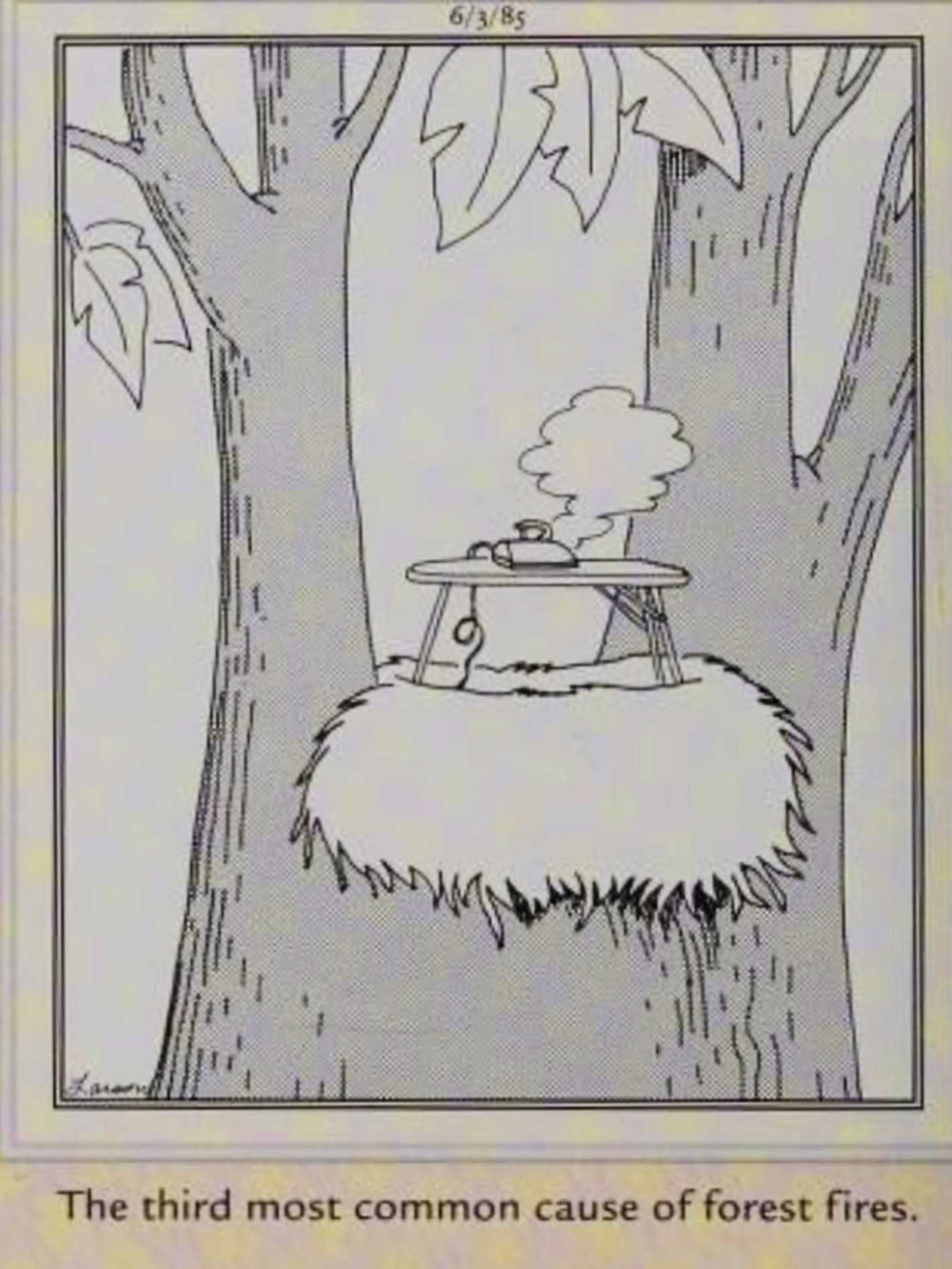
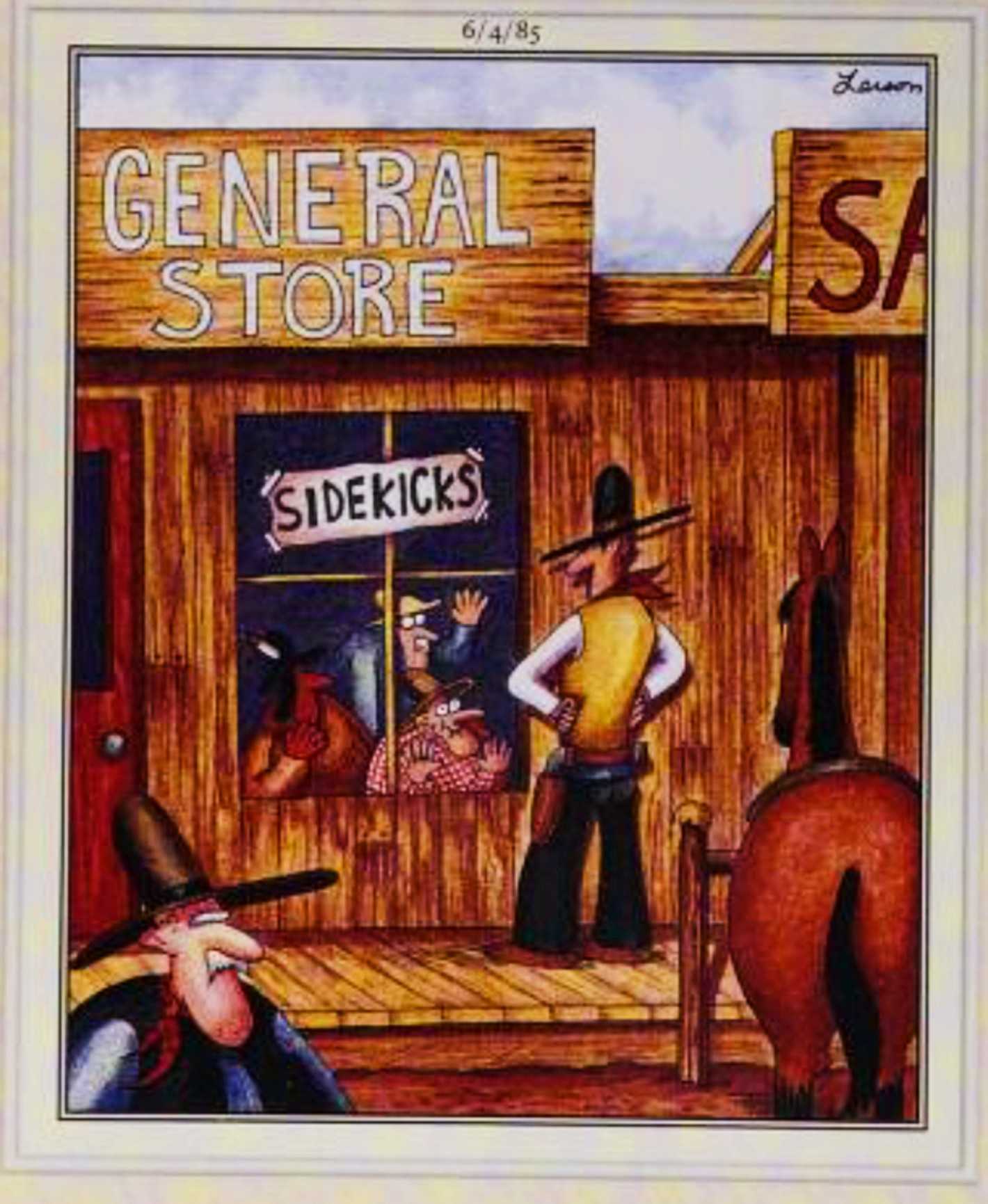
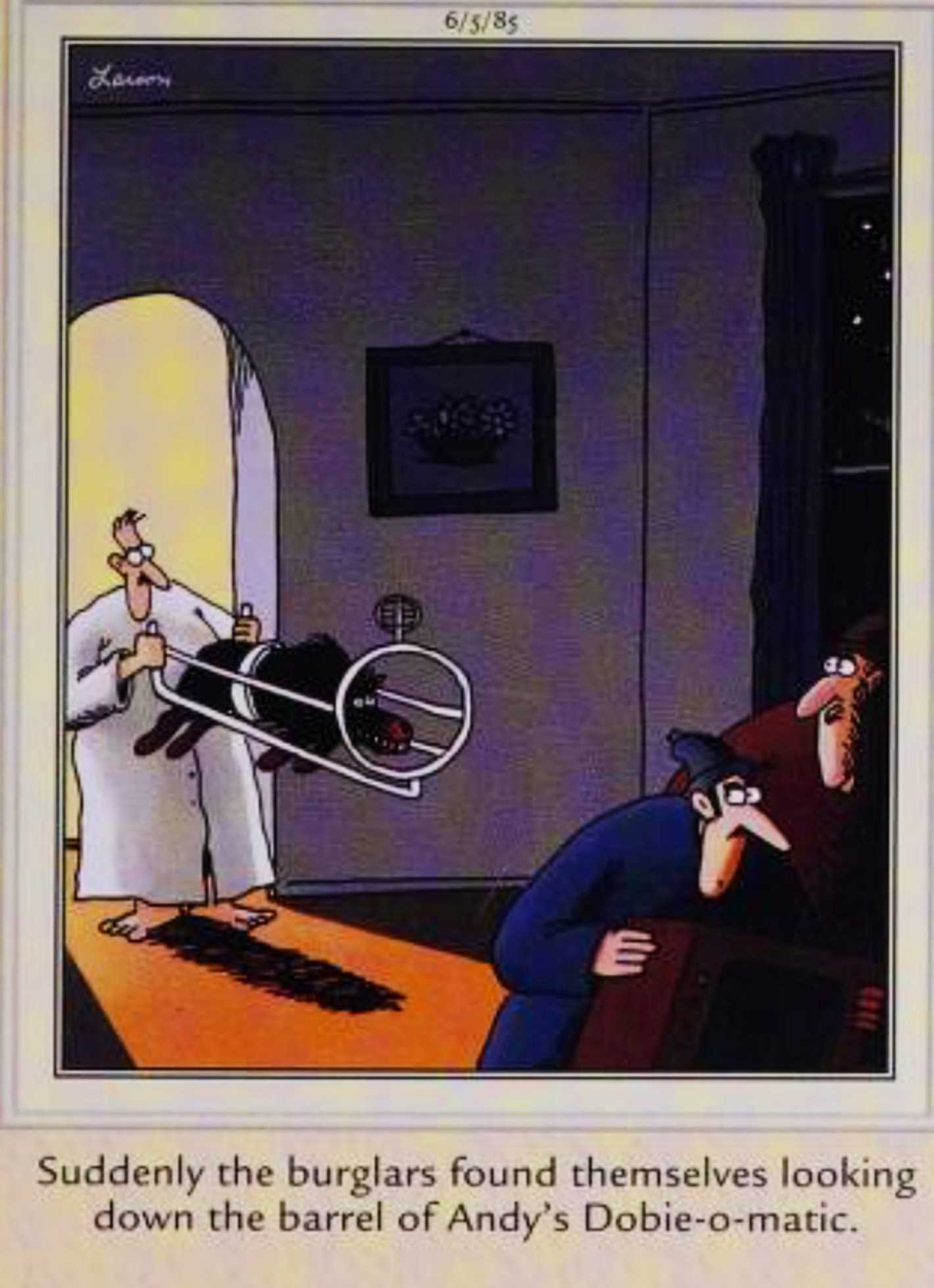

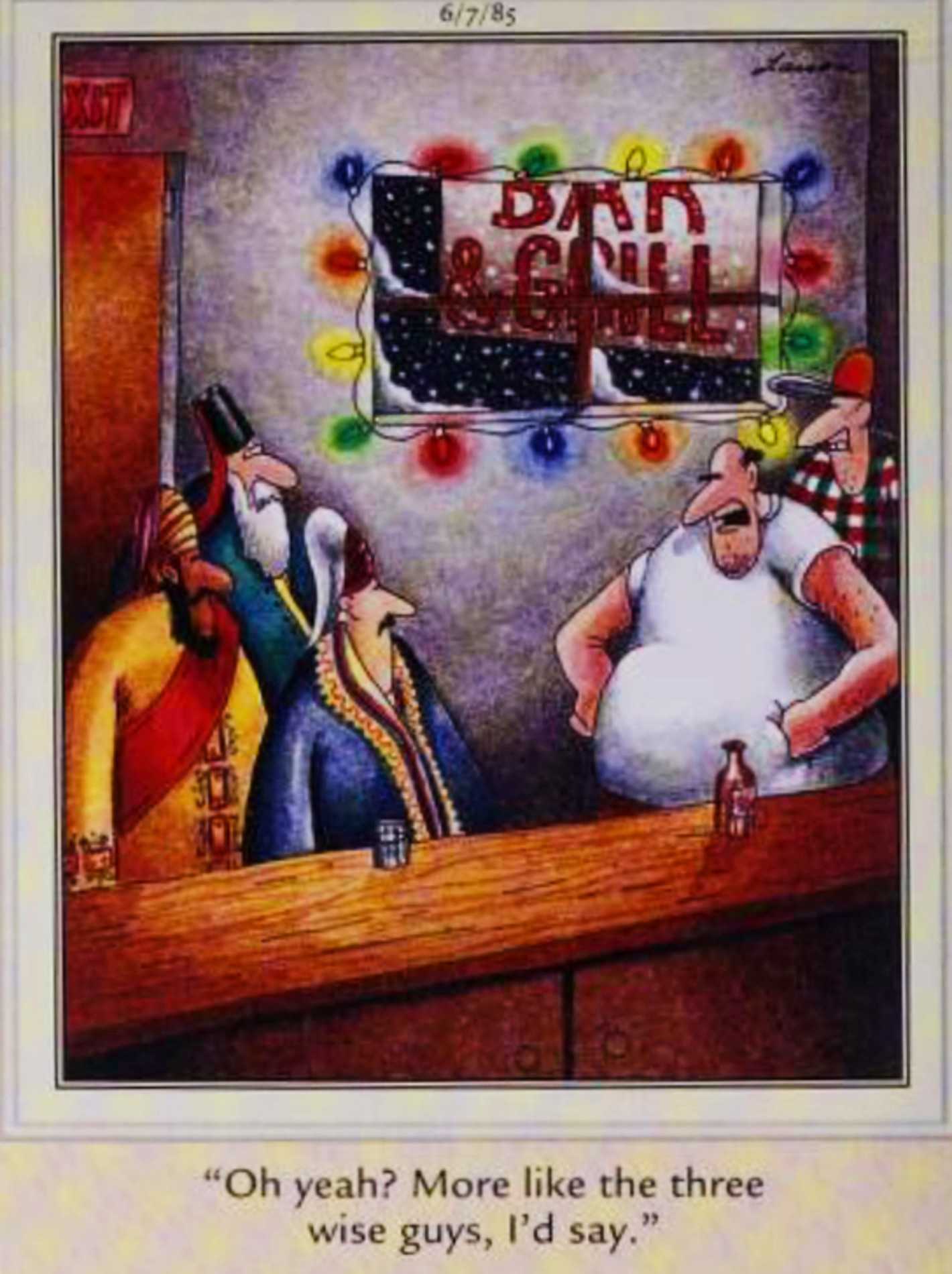
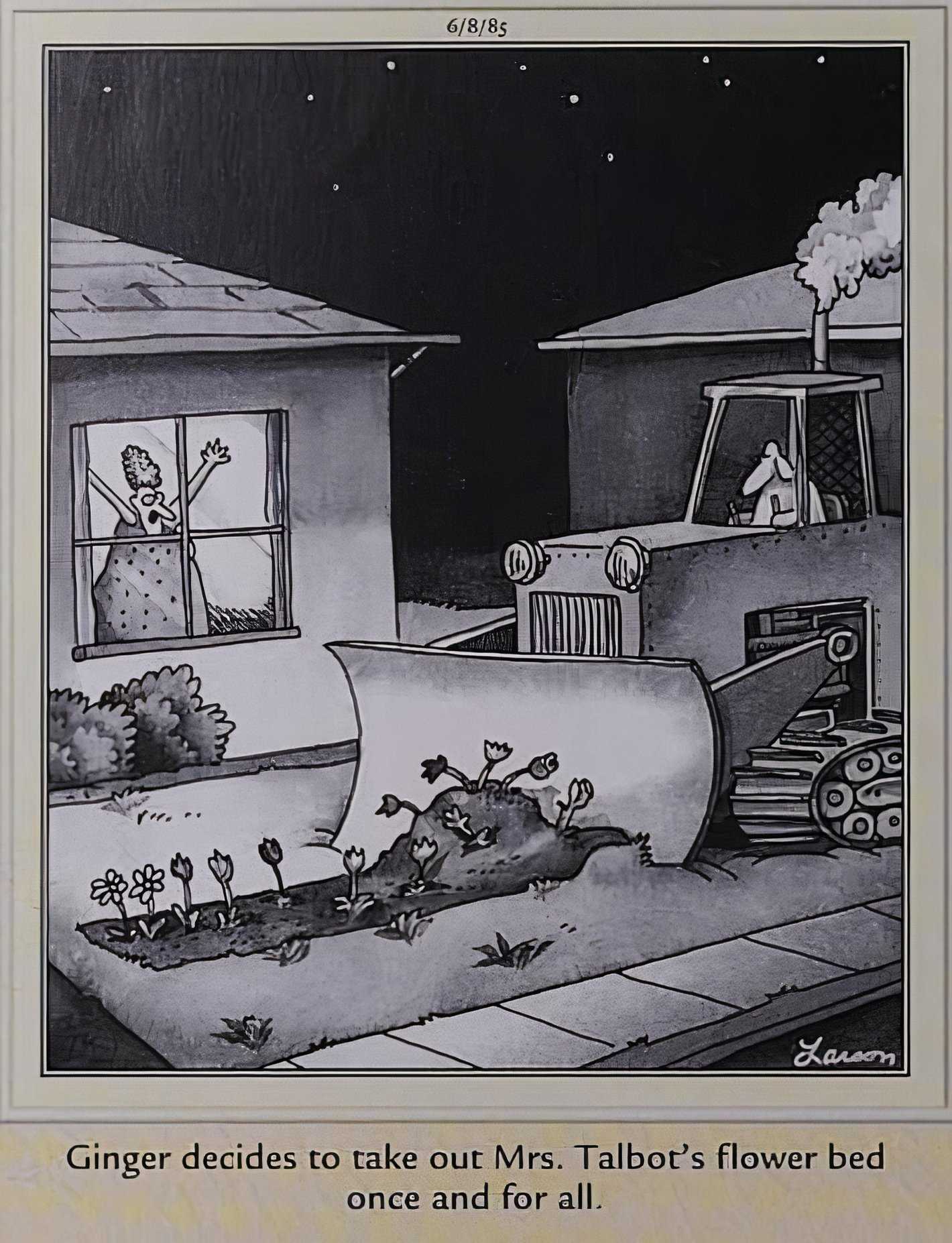
Jumping ahead a few weeks in 1985, it's worth examining one more sequence of Far Side cartoons in the context of Jake Morrissey's explanation of their arrangement. Here, the Monday and Wednesday cartoons do stand out among the bunch, but so does the Saturday cartoon, which has actually stood the test of time the best of them. Featuring a neighborhood dog using a bulldozer "to take out Mrs. Talbot's flower bed once and for all," this panel remains one of The Far Side's most hilarious dog cartoons, which is saying something, considering how much canines proliferated Gary Larson's work.

Perhaps the most fascinating thing about the sequencing ethos for The Far Side, as described by Morrissey, is that it reveals the ways in which Larson expected readers to react to certain cartoons, which in turn offers insight into his own opinions of his work. Dedicated Far Side fans know that its creator didn't love every comic that went out the door; the pressure of his publication schedule required some panels to go out the door before they were "done," and so it is noteworthy for Morrissey to admit that Tuesday was the slot for "less strong" Far Side cartoons.
As much as The Far Side's creator and editor developed a sense of their audience over the years, they could only predict readers' responses to a certain extent.
Similarly, The Far Side's legacy is largely defined by its weirdness, so it is useful to know which cartoons Larson and Morrissey considered to be the weirder ones among a bunch. It also shows, in the case of "Ginger" bulldozing "Mrs. Talbot's flower bed," that even as much as The Far Side's creator and editor developed a sense of their audience over the years, they could only predict readers' responses to a certain extent. Further, they were only thinking in the short term, not about which cartoons would stick with fans for years to come.
The Far Side's Sequencing Method Gives Readers A Sense Of What The Comic's Original Run Was Like
Approaching The Far Side In Retrospect Is Tricky


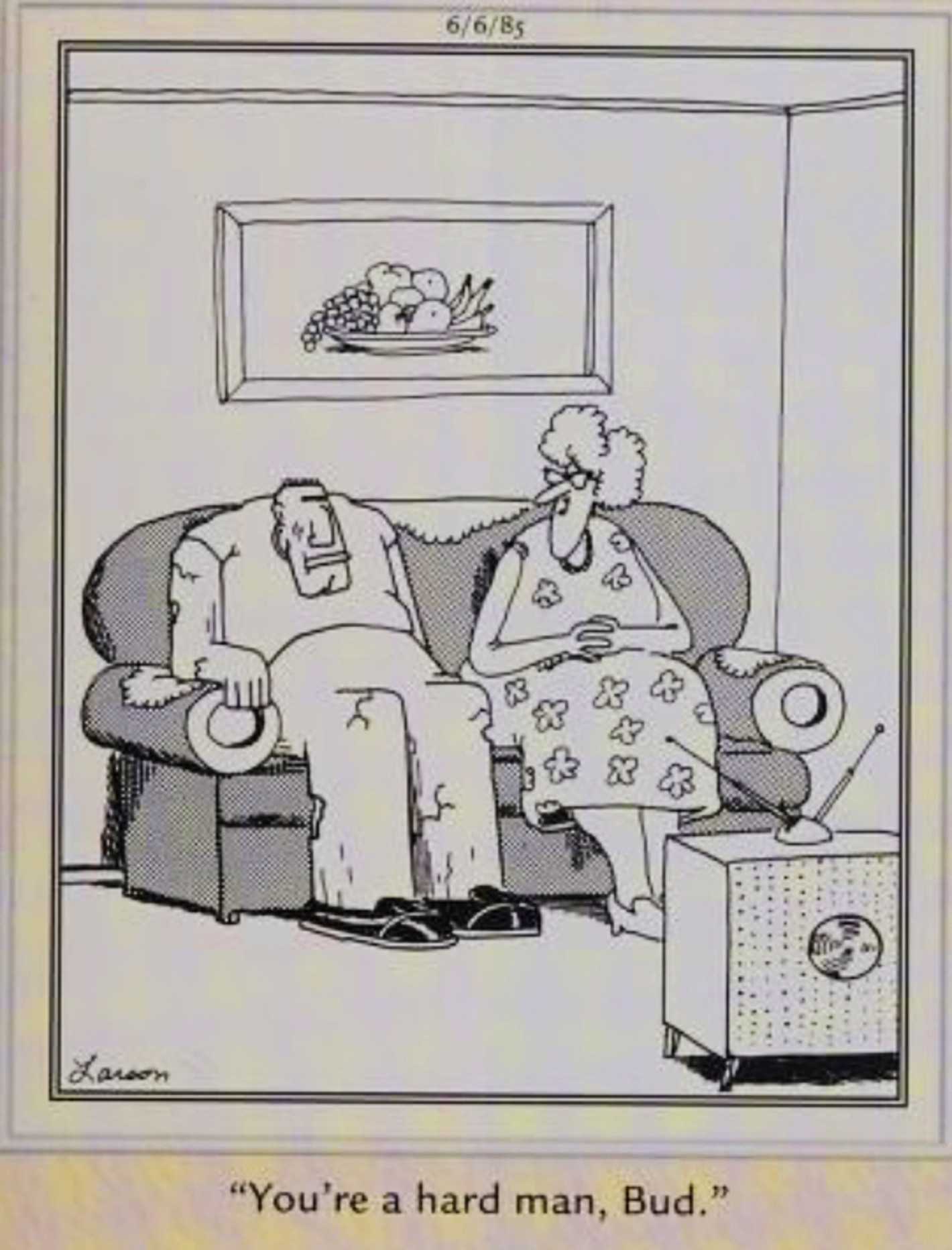

Even with its most obvious jokes, The Far Side could be mystifying to many readers, and in the decades since Gary Larson retired, that "confusing, obtuse, esoteric, and strange" reputation has been mythologized, and aggrandized. As such, fans of Larson's work are always looking for techniques, tips, and tricks to understand The Far Side better. That is why it is so valuable to parse The Complete Far Side for its wealth of insights, with editor Jake Morrissey's honest account of how the comic was published being altogether invaluable to any aficionado of the comic.
Short of reading one Far Side comic a day, in the order of their release, it is hard to engage with the cartoon in the way of its original publication, and for fans diving into the deep end and dealing with Gary Larson’s whole body of work at once, any way of breaking down his work so it can be analyzed more deeply is much appreciated. Thankfully, looking at The Far Side in terms of how panels were sequenced week-by-week gives fans exactly that, another piece of the puzzle.
Source: The Complete Far Side