


Summary
- I was surprised, given how much time I've spent with The Far Side's prehistoric comics lately, when I realized how many times caveman characters named "Thag" appeared.
- As I have become more familiar with Gary Larson's creative process, it has become a major inspiration to me in my own endeavors as a writer.
- The Far Side, which ran in publication for nearly fifteen years, was in a way a grand unfinished creative project – in part explaining why so many ideas came up again and again in Gary Larson's work.
I've become fairly well acquainted with The Far Side, so I was surprised when I realized just how many appearances of Gary Larson's most iconic caveman character I had overlooked. Of course, this is one of the great joys of Larson's work; like any great piece of longform art, The Far Side offers constant opportunities for discovery of something that we previously missed.
Among the reasons I love returning to The Far Side again and again is that something I hadn't picked up on before never fails to jump out at me, and the character of Thag is a great example of that.
Famously, the caveman known as "Thag" lent his name to the stegosaurus' tail, which Gary Larson identified as the "thagomizer" in a Far Side comic – a term scientists subsequently adopted in real life; still, this wasn't the character's only moment of glory over the years, as nearly a dozen Far Side cartoons charted the life, and multiple deaths, of Thag.
The Far Side's Caveman "Thag" Gave Me Yet Another Reason To Love Gary Larson's Work
Thag's First Appearance: February 11, 1981

When I say Thag's repeat Far Side appearances surprised me, I mean it evoked that pleasant "ping" sensation of registering a detail I had missed before.
Prehistoric people were ubiquitous on The Far Side; when reading Gary Larson's work, I get the impression that it was the ultimate fallback option for him. If the ideas weren't flowing, he could always turn his attention to the earliest days of human evolution. Over the course of his career, Larson drew countless cavemen. Offten they appeared nameless, but the artist also frequently gave them a variety of different monosyllabic names, such as Grok, Mog – and Thag, a name Larson used in at least eleven Far Side comics.
When I say Thag's repeat Far Side appearances surprised me, I mean it evoked that pleasant "ping" sensation of registering a detail I had missed before; think of it like clues to the twist ending you missed the first time you read your favorite book, or the great line of dialogue in an early season of your favorite TV show, that you didn't pick up on until your second (or third, or fourth) watch-through. As much as I have come to love Gary Larson's humor, it is this experience of discovery that keeps me coming back to The Far Side.
Thag Helped Me Understand Gary Larson's Approach To Storytelling Better
The Far Side & Existentialist Creativity


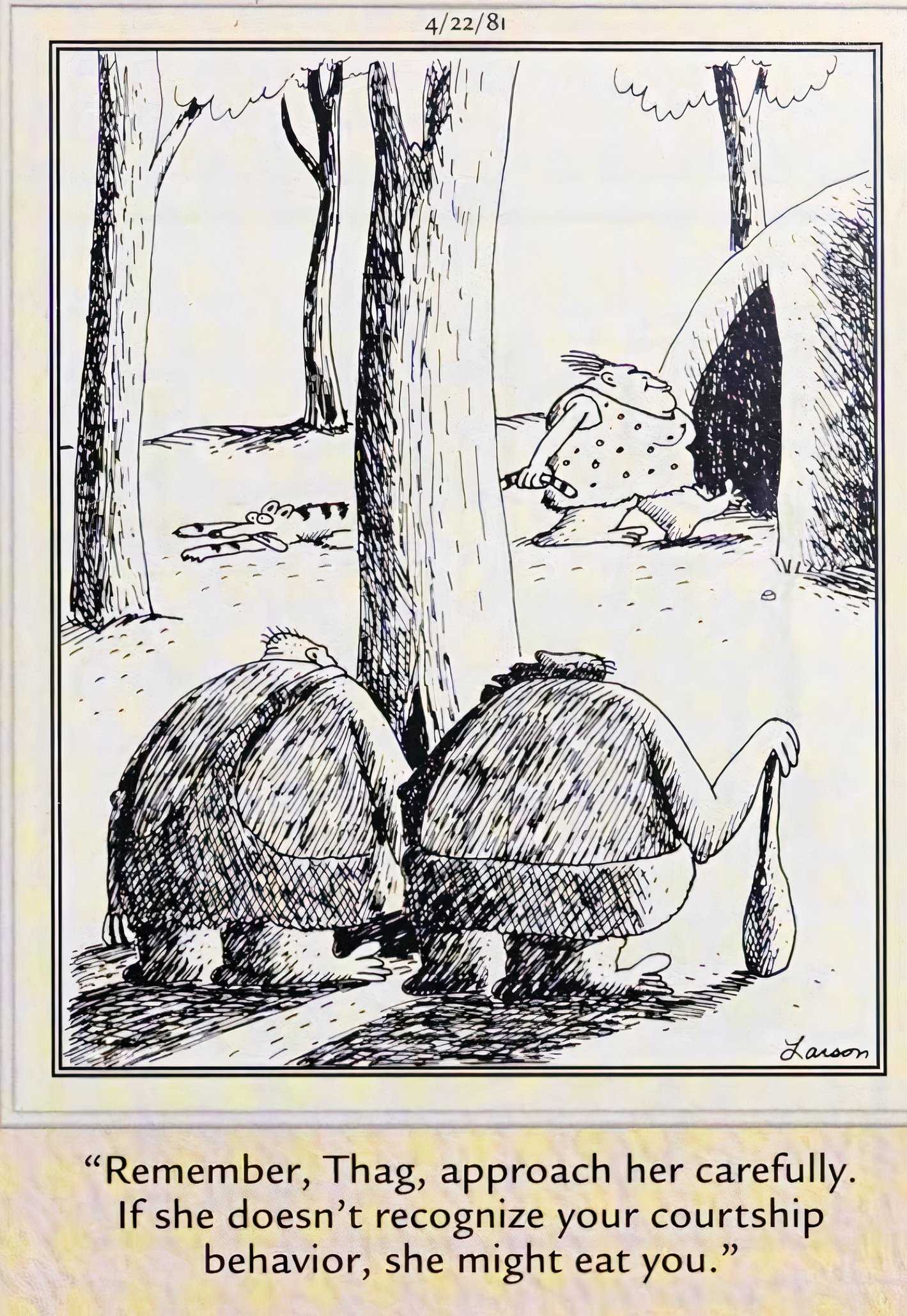
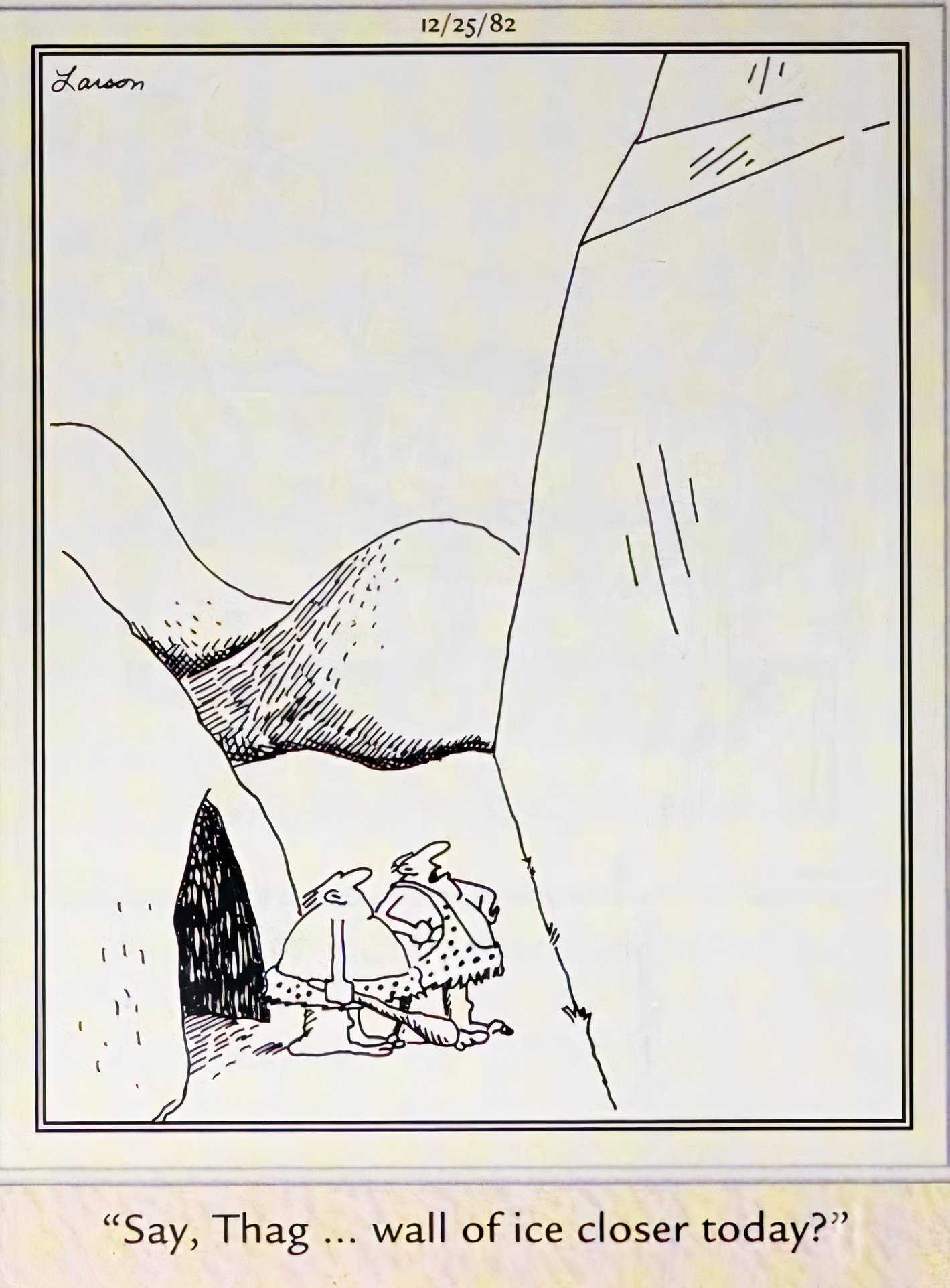
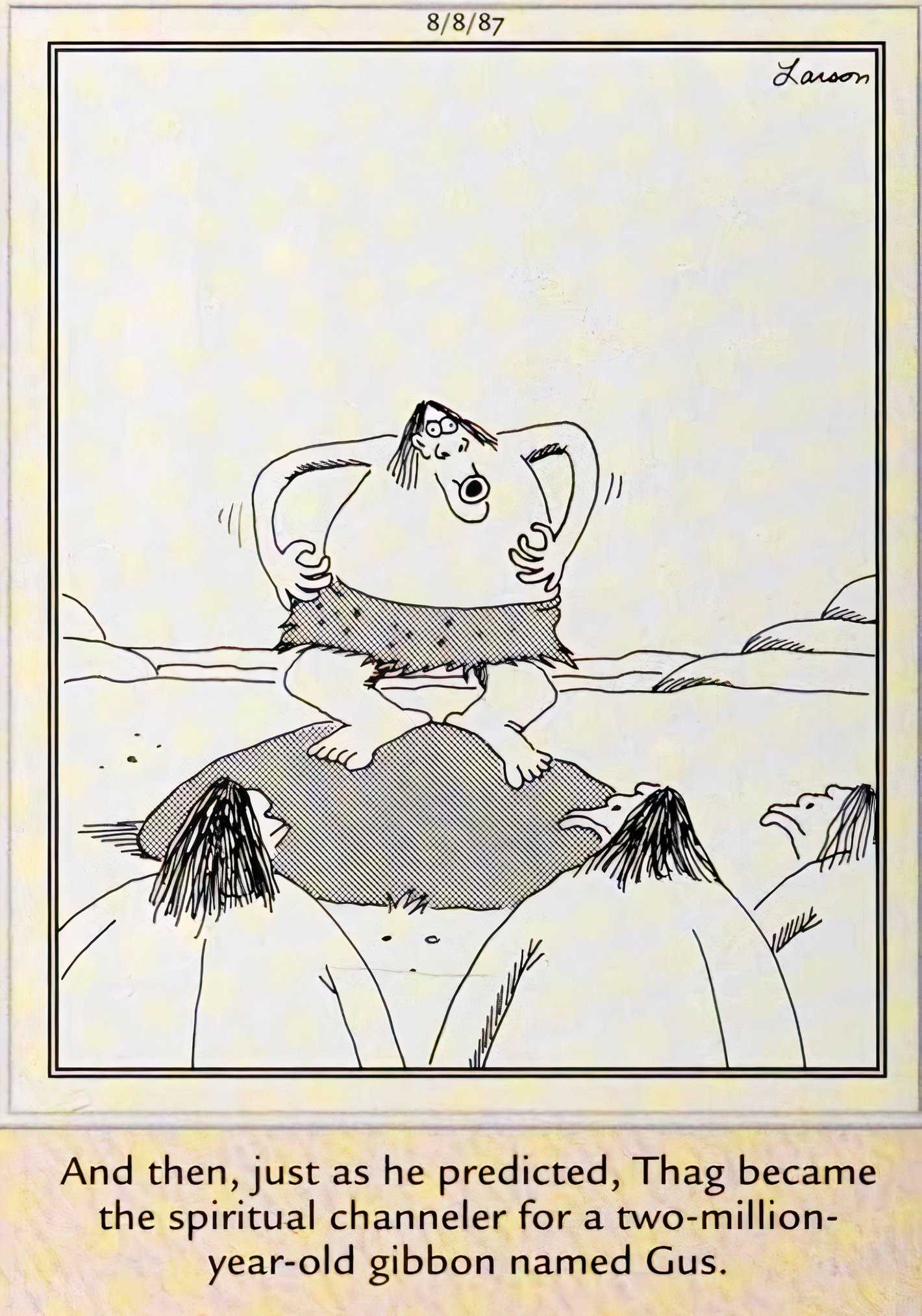
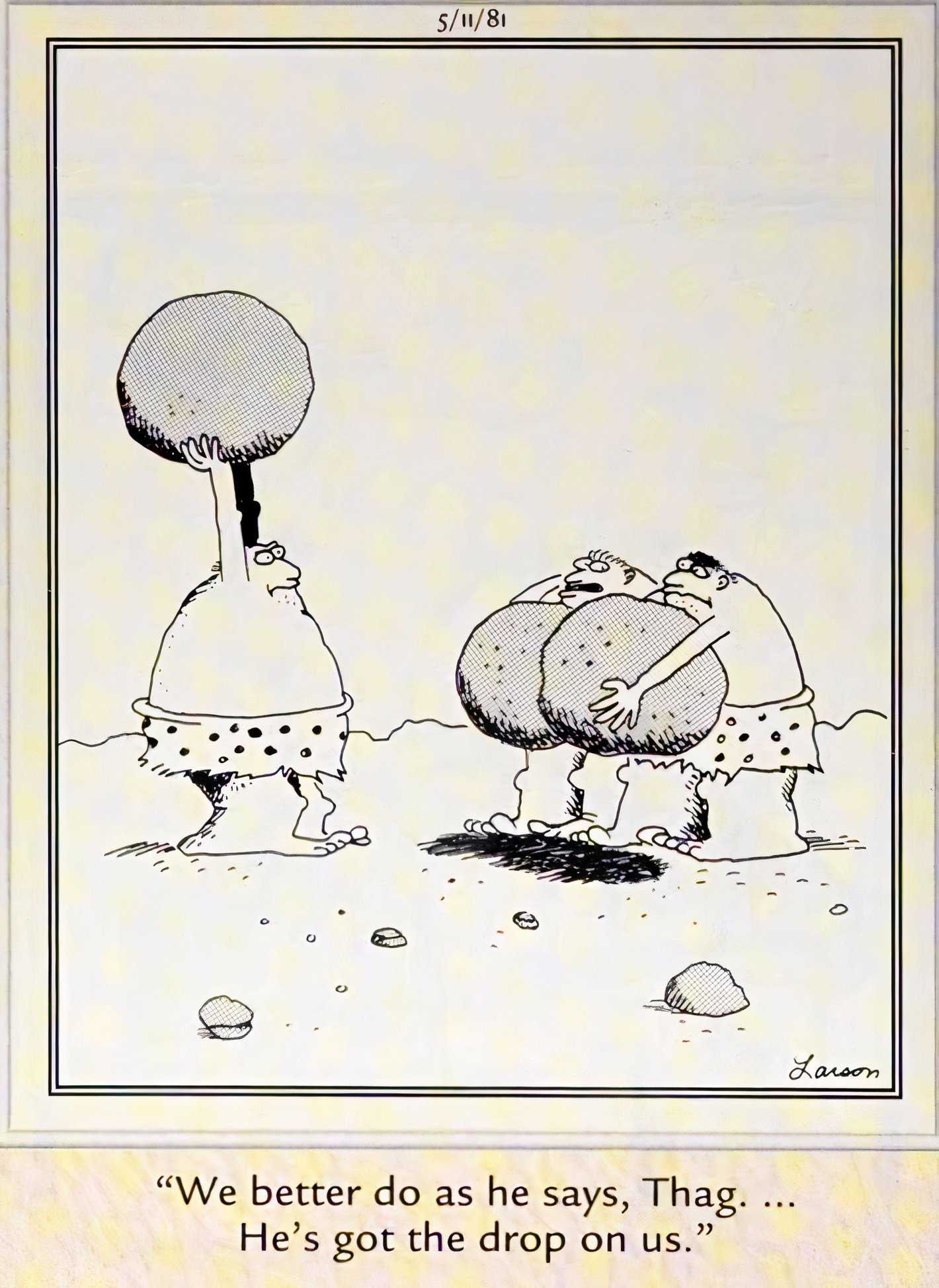
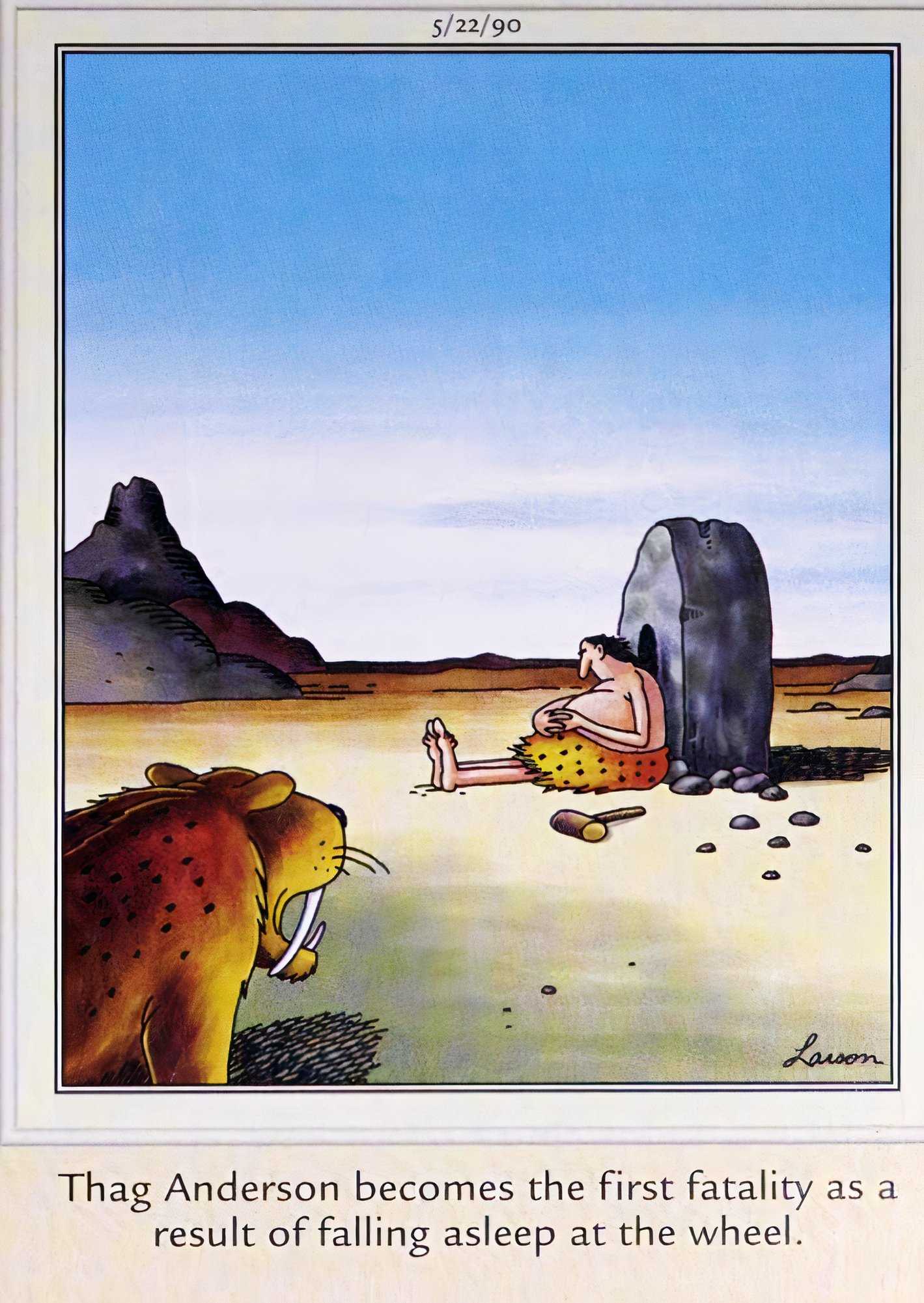
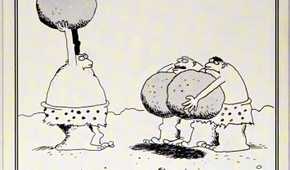
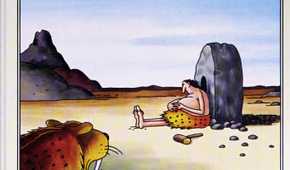
Each Far Side comic is intended to work in isolation from the others; the ability for us to study them together in retrospect is an added bonus, but it is not by design.
Of course, calling Thag a "character" is only a convenience; another thing that I have come to recognize – and appreciate – about The Far Side is the fact that continuity was not a concern of Gary Larson's in the slightest. As much as I also admire a comic like Doonesbury for doing the complete opposite of The Far Side, and keeping up an ongoing narrative for over fifty-years, the way Larson completely eschewed the problem of continuity is equally impressive to me. Again, Thag offers the perfect opportunity to illustrate what I mean here.
In the comic where Gary Larson coined the term "thagomizer," the name is said to be in honor of "the late Thag Simmons." A later cartoon refers to a "Thag Anderson," and the rest of time, Thag appears sans surname. While connections can be drawn between the different appearances – I'll get into this in a bit – there is no direct linkage, so to speak. That is, each Far Side comic is intended to work in isolation from the others; the ability for us to study them together in retrospect is an added bonus, but it is not by design.
I understand this can be a bit of a heady concept for canon-minded readers, who have become increasingly trained to view stories as unfolding puzzles, where pieces are constantly falling into place, then being rearranged, then reassembled again. I love a stable canon as much as any fan, but I have also come to find it to be actually soothing to consider the existential nature of stories, something The Far Side has really helped me to value, because it has given me a greater appreciation for the story and storytelling at the moment as I am experiencing it.

The Far Side Complete Collection
Fans of the far side can't pass up this master collection of Gary Larson's finest work. Originally published in hardcover in 2003, this paperback set comes complete with a newly designed slipcase that will look great on any shelf. The Complete Far Side contains every Far Side cartoon ever published, which amounts to over 4,000, plus more than 1,100 that have never before appeared in a book and even some made after Larson retired.
Gary Larson's Creative Process Has Become A Guiding Star For Me
The Far Side Creator Leads By Example


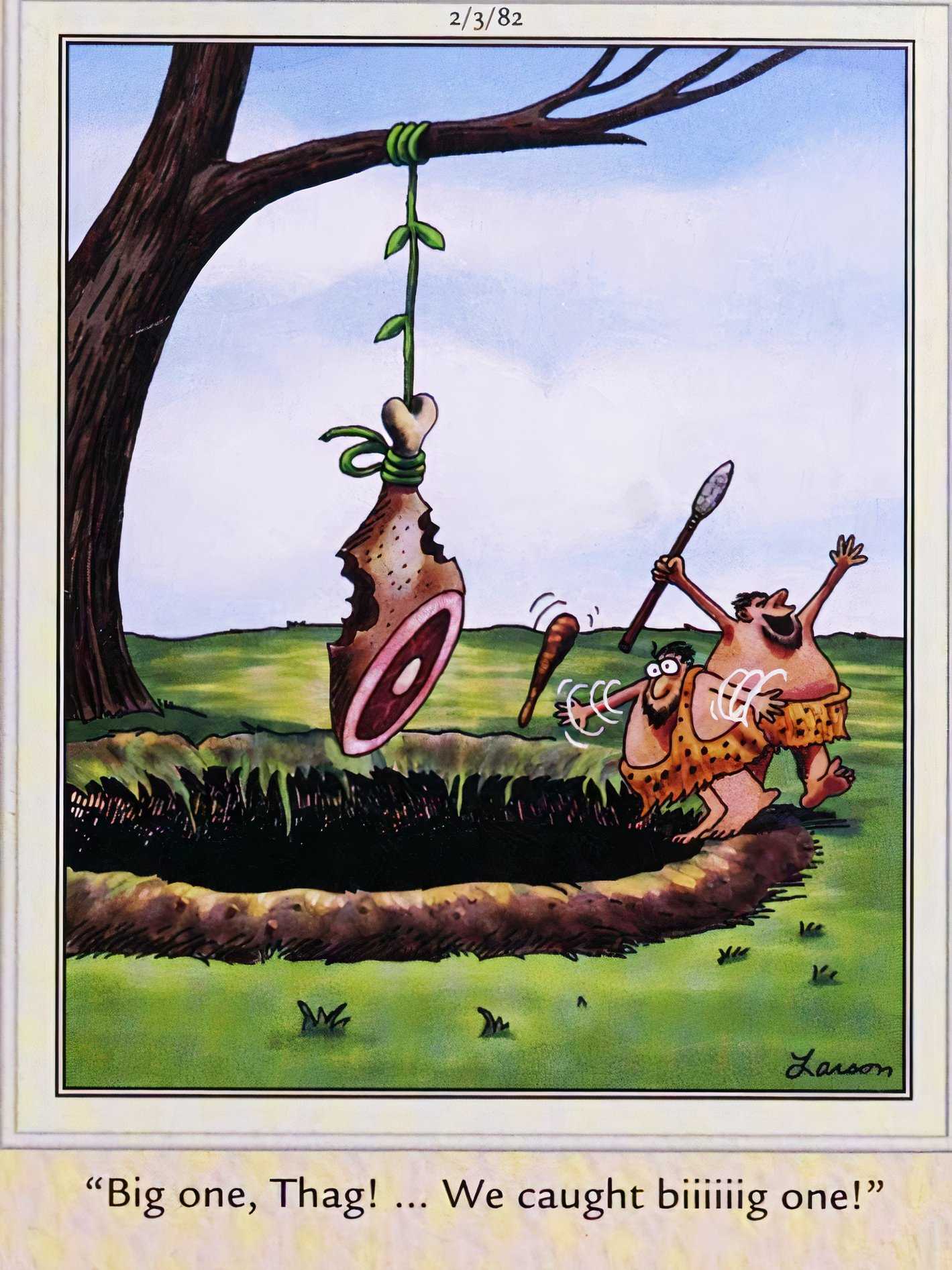
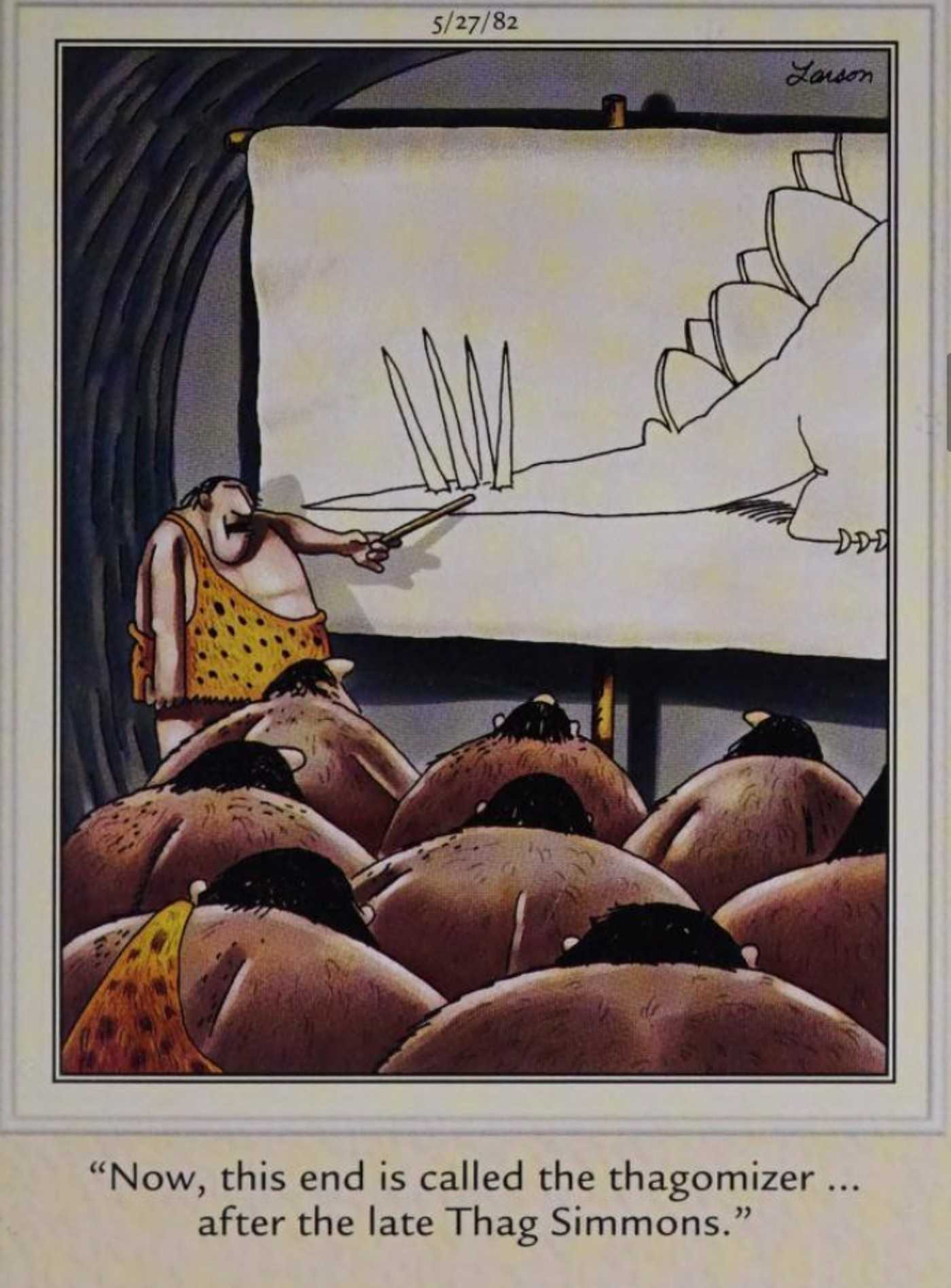
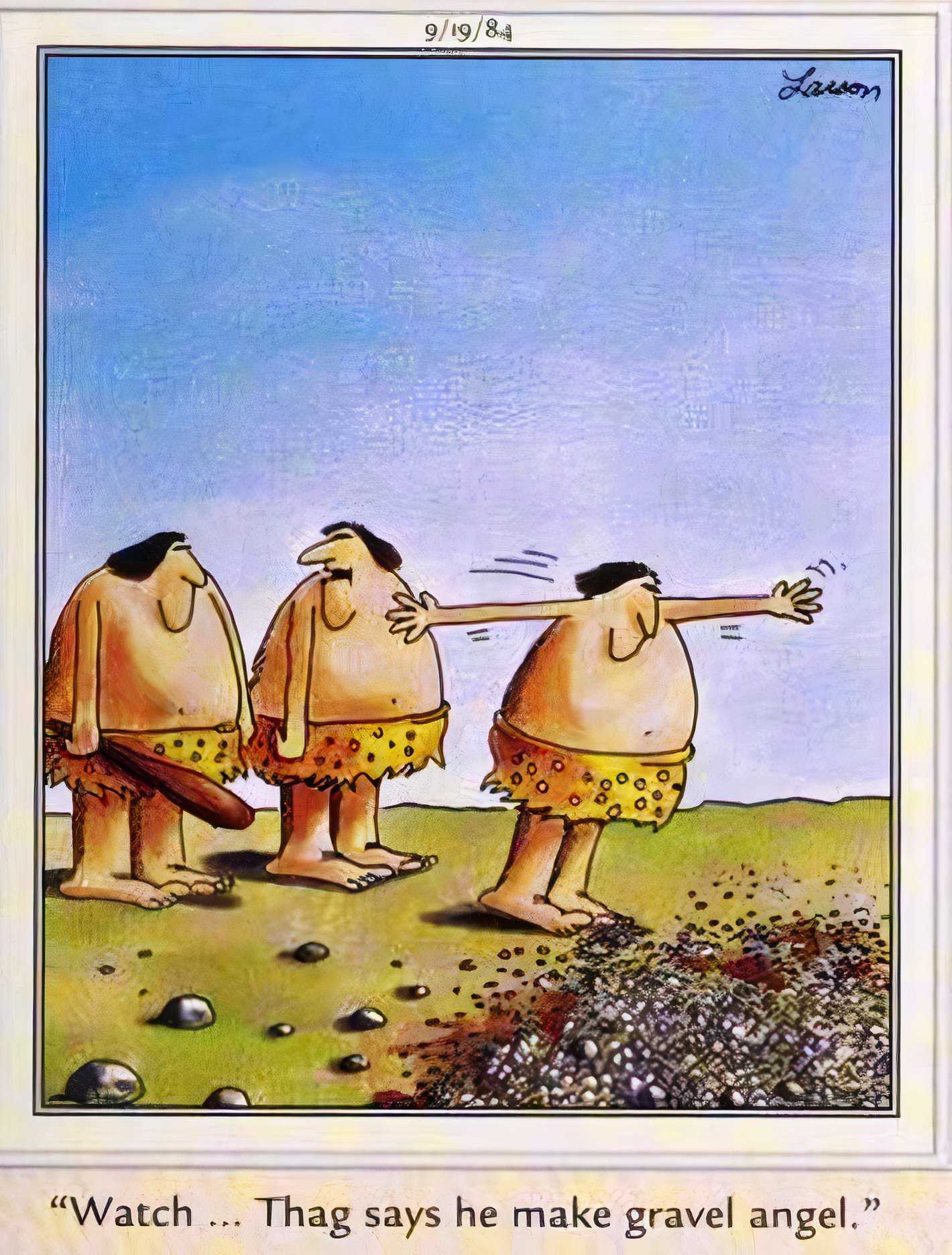
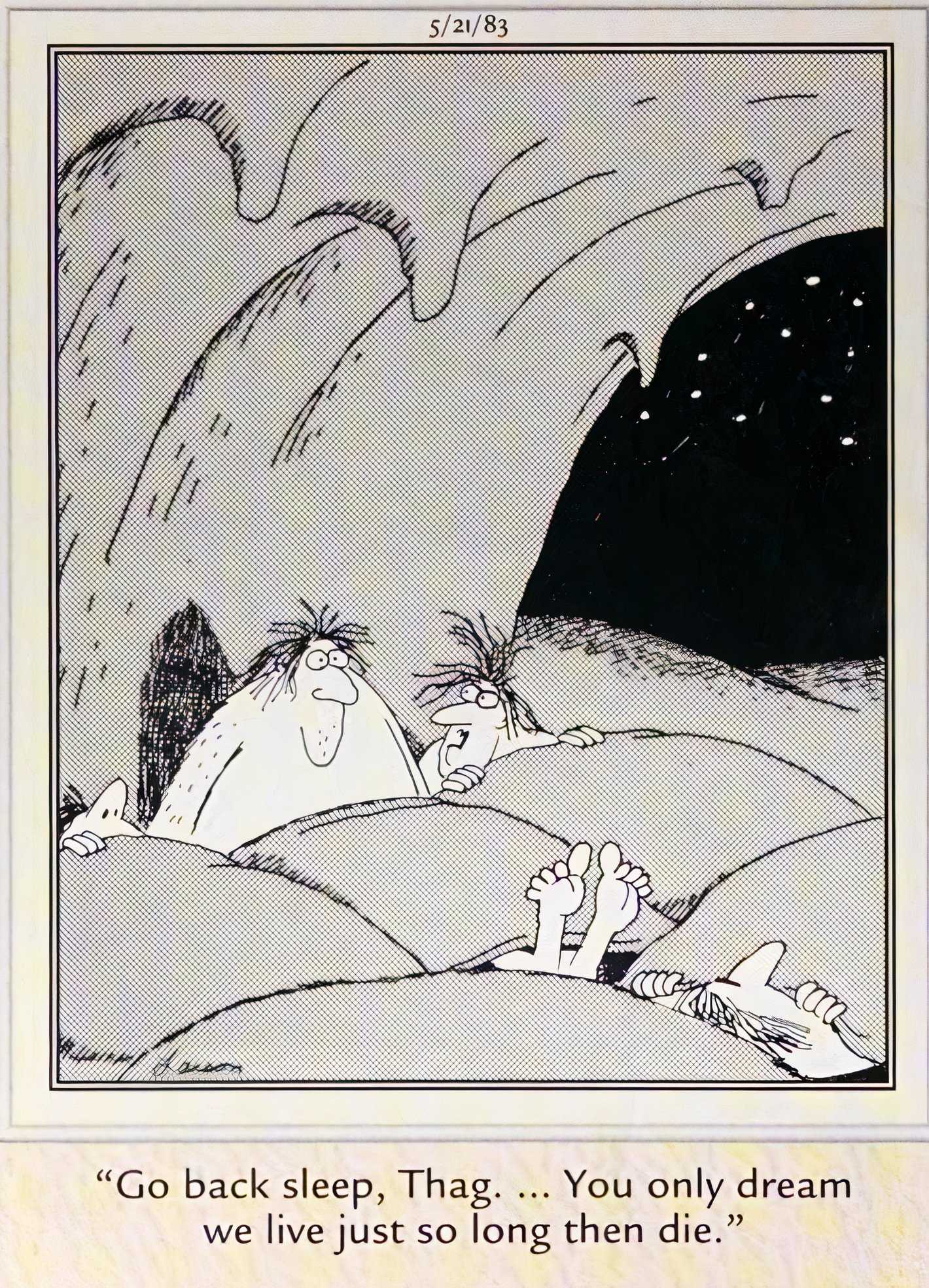
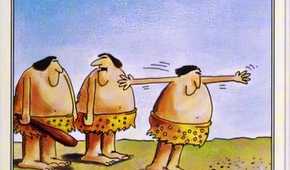
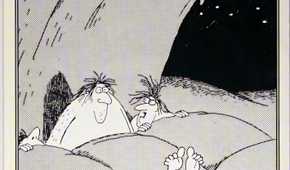
Repeated ideas and imagery dominated The Far Side – Gary Larson wrote and illustrated the things that were on his mind.
As much as I have become a devoted fan of The Far Side, I've lately found myself even more enamored with its creator, Gary Larson. Studying Larson's creative process – along with other comic authors like Robert Kirkman and Marvel maestro Jonathan Hickman, the greats like Alan Moore, and even Garfield's Jim Davis – has had a significant impact on my own approach to both writing and reading stories. Developing a greater understanding of Larson's work has been especially helpful, because it has helped me come to terms with the value of intuition in creativity.
The Far Side was the product of a deeply intuitive process, married to a dedication to consistent, hard work. While the exact recipe for artistic success varies from person to person, these are two essential ingredients practically all iconic creators' will acknowledge. In my opinion, this explains why repeated ideas and imagery dominated The Far Side – Gary Larson wrote and illustrated the things that were on his mind. Evidently, when he needed to conjure a name for a caveman character, "Thag" was always quick to bubble up to the surface.
When I am having a hard time getting the creative juices flowing these days, I think of Gary Larson sitting down at his desk at night to draw The Far Side, and I try to tap into that same subconscious place he seemed to have such ready access to. Further, I use Larson's example to remind myself to allow for mistakes in the creative process; after all, despite the simplicity of some of his drawings, Gary Larson labored for hours and hours over every Far Side panel, drawing and redrawing each one until it captured the essence of his idea.
The Far Side Was Unfinished Business For Gary Larson
Thag's Last Appearance: September 21, 1993

While there are many, many different recurring elements that appeared in Gary Larson's work, Thag the caveman is a surprisingly effective proxy for discussing how, and why.
There is the saying "art is never finished, only abandoned." I often reflect on this when I spend time on The Far Side. To me, this is the reason behind the connections that can be drawn between various batches of Far Side comics; there was often more to an idea than Gary Larson could fit into one panel, or more jokes to be mined from a particular concept. It's natural Larson would produce a comic where the caveman Thag is on the precipice of a violent death, and then another that references "the late Thag" just a few months later.
It is not that these are the same character – but rather they are manifestations of the same creative impulse, having evolved from the same ur-idea, and perhaps originated from the same initial sketches. While there are many, many different recurring elements that appeared in Gary Larson's work, Thag the caveman is a surprisingly effective proxy for discussing how, and why; this is why I was genuinely so excited when I finally realized how many times the name pops up in The Far Side.
- Writer
- Gary Larson
- Colorist
- Gary Larson
The Far Side is a humorous comic series developed by Gary Larson. The series has been in production since 1979 and features a wide array of comic collections, calendars, art, and other miscellaneous items.
