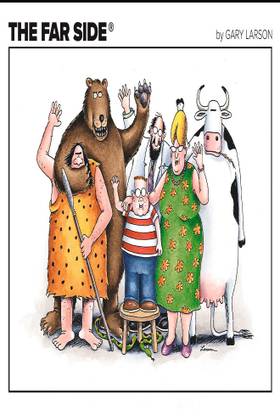
The Far Side was boundary-pushing by 1980s standards, during the peak of Gary Larson's career as a cartoonist, but there were limits to how edgy the comic could be, and nobody recognized that more than Larson himself. A behind-the-scenes at The Far Side creator's process makes it clear that he regularly had to consciously compromise his weirdest creative instincts, which is saying something, considering his reputation for bizarre humor.
Fans love to speculate about what The Far Side would be like if debuted today: whether it would be a viral sensation, or get lost in the deluge of modern internet humor, or if Gary Larson would get himself canceled for his sense of humor, rather than being lauded like he was in the '80s.
In fact, given how far ahead of the comedic curve The Far Side was during its heyday, and how much farther ahead Gary Larson himself was than that, it isn't outrageous to suggest that he would have found flourish as a cutting-edge humorist today.
Gary Larson Explains How Self-Censorship Played A Critical Role In Creating The Far Side
From The Prehistory Of The Far Side


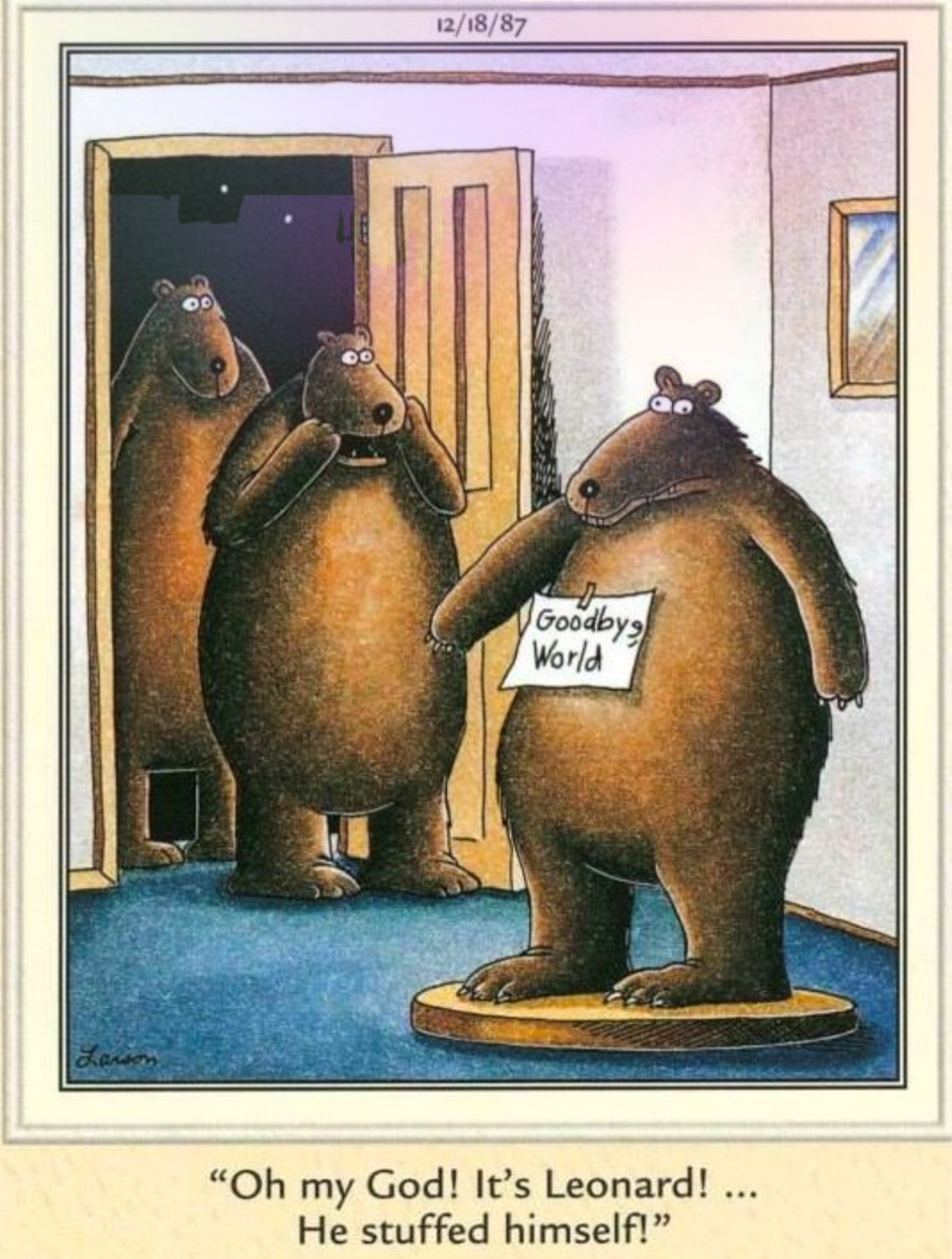
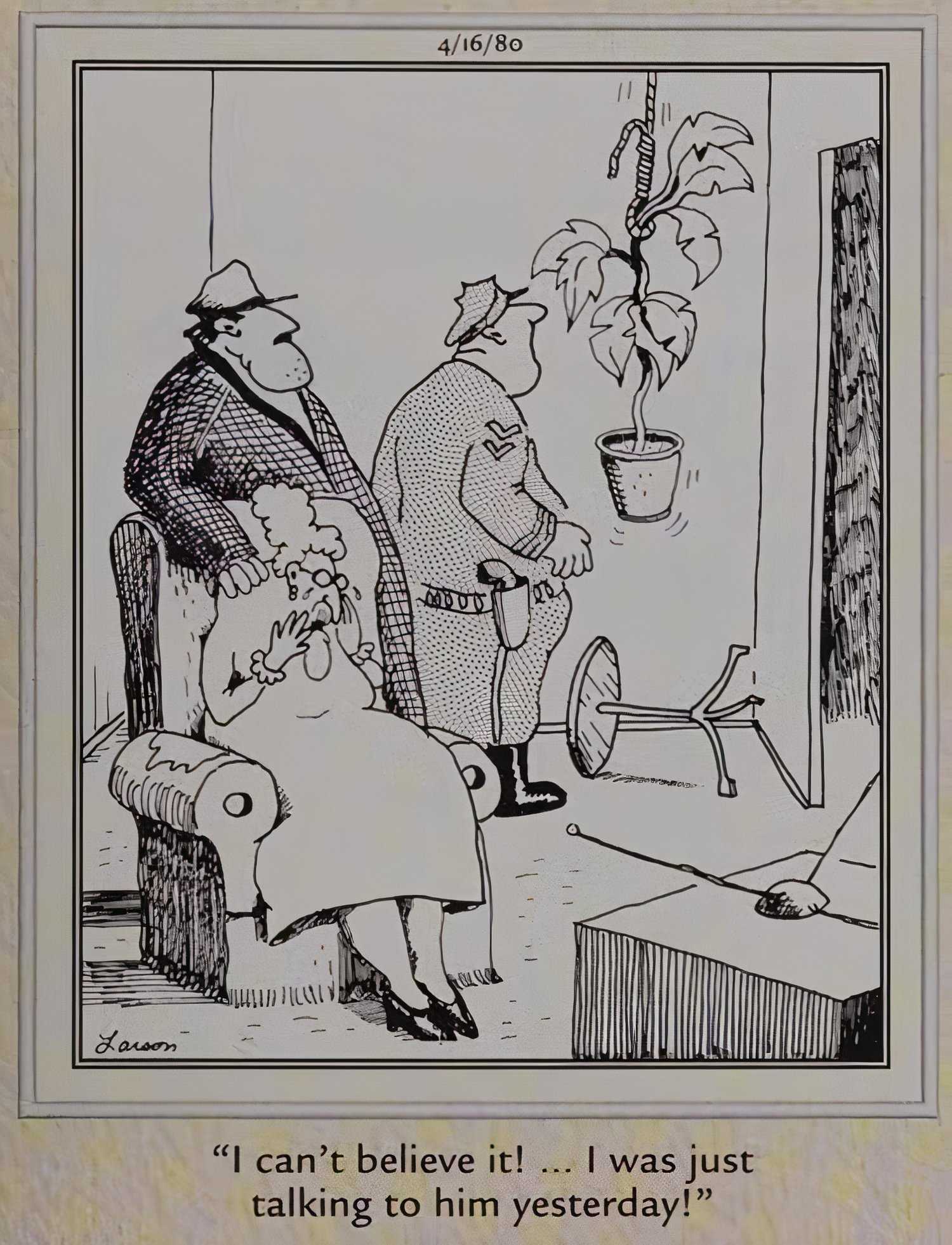
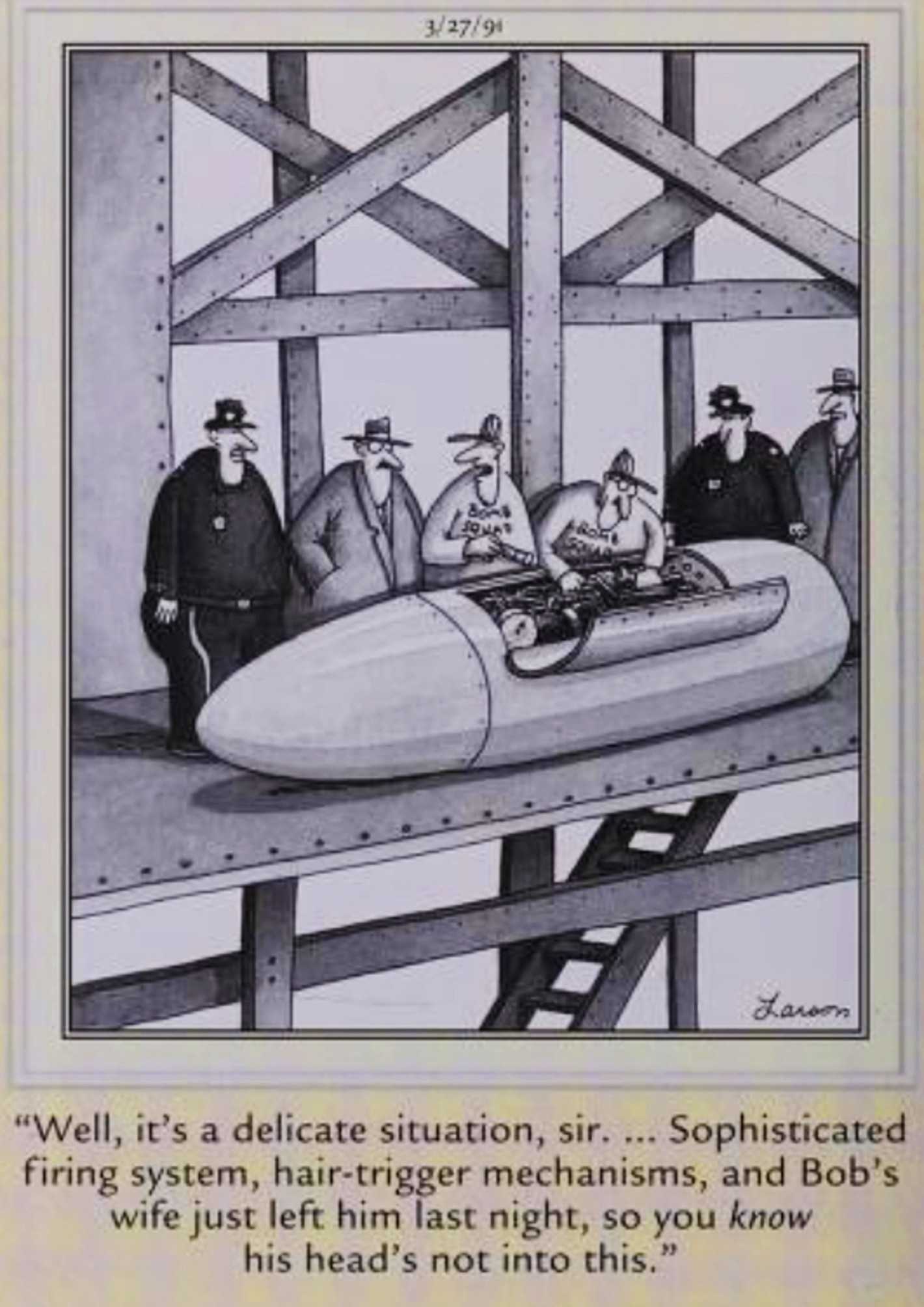
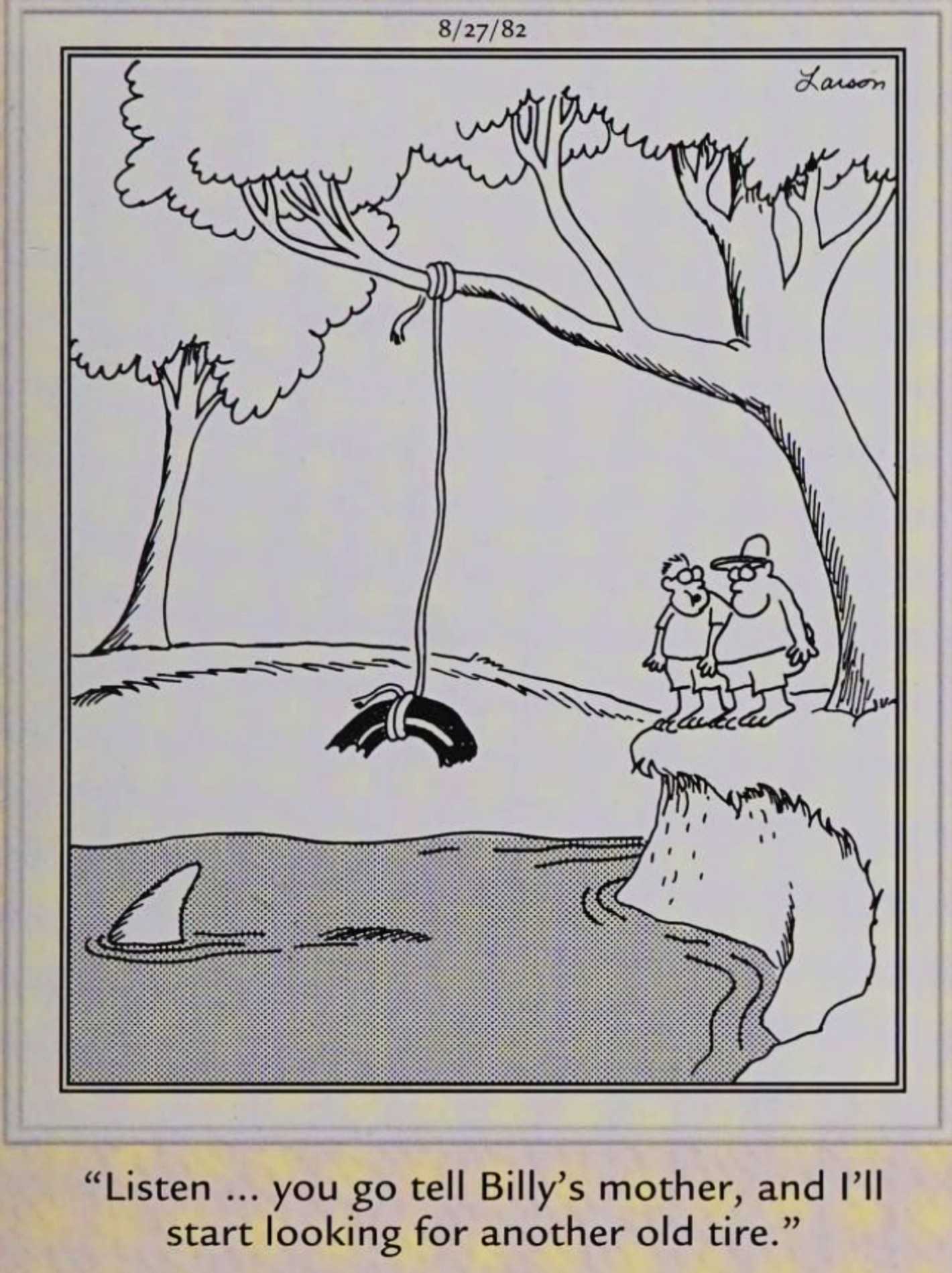
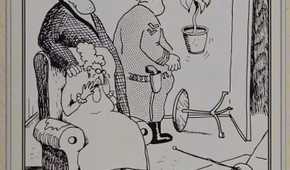
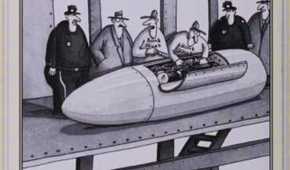
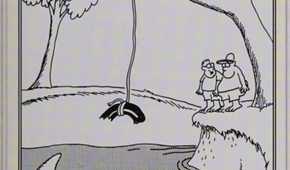
In The Prehistory of the Far Side, published in 1989, Gary Larson devotes an extensive section of the book to demystifying a selection of Far Side cartoons from his career up to that point, providing behind-the-scenes insight into the process of their production. In multiple instances, what this reveals is a form of self-editing, even self-censorship, that actually kept some of Larson's weirdest cartoons from being even more absurd, uncomfortable, and, in select cases, even more visually "gruesome," as the author himself puts it.
[Gary] was hyper-aware of the ways The Far Side broke conventions, and he often tried to blunt the impact of that when it became a nagging concern for him during the creation of certain comics.
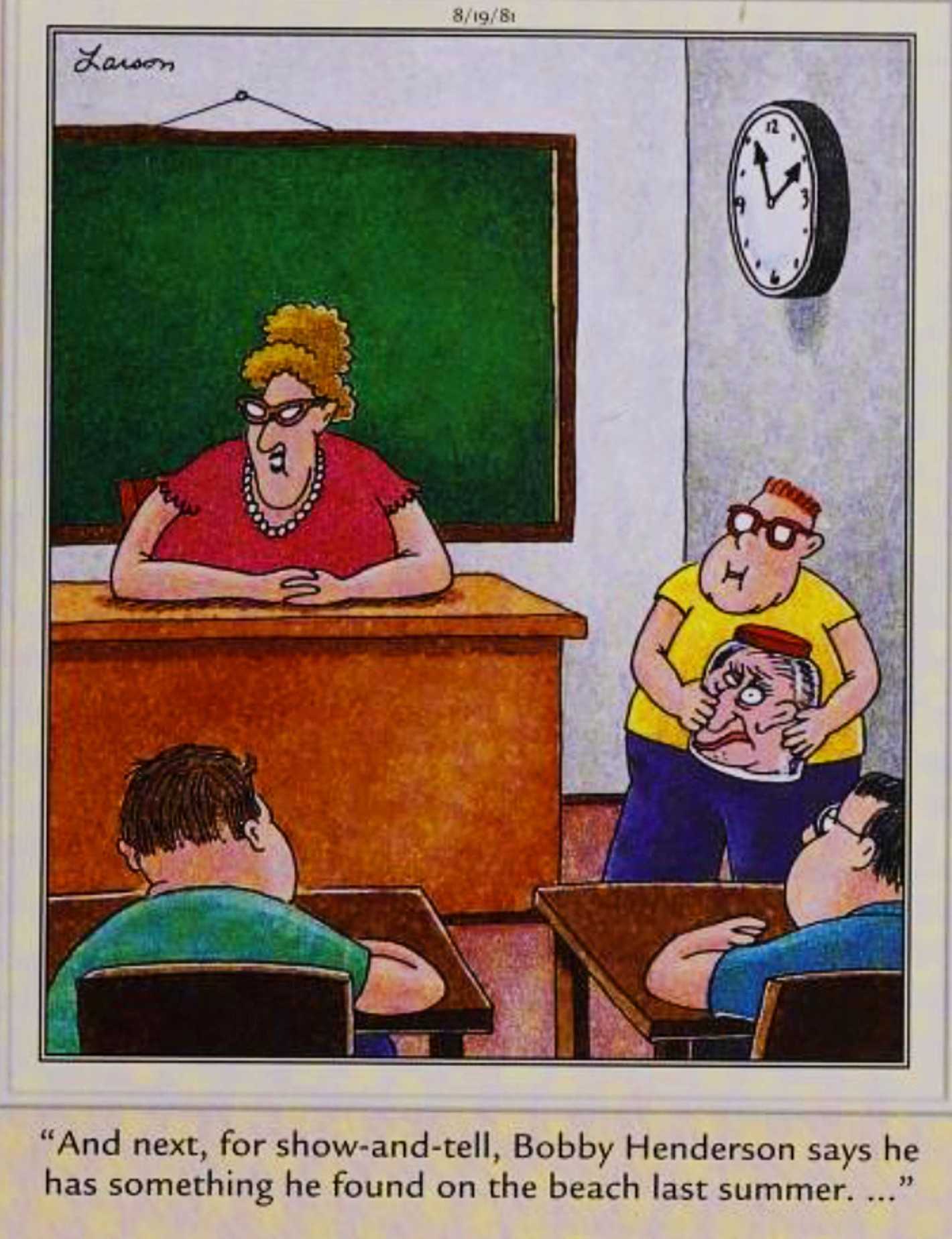
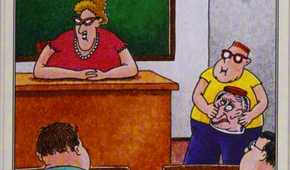
One example Larson cites in The Prehistory is the iconic panel in which a kid brings a human head in a jar to his class for show and tell, about which he writes:
At the time, a cartoon depicting a human head in a jar was, shall we say, uncommon on the comic pages...I was careful, however, to make the head in the jar look sort of silly and benign; any gratuitous details would have distracted from the humor and repelled a lot of readers.
First off, it is noteworthy that Gary Larson cites the unconventional quality of his humor, as it was pivotal to The Far Side's rise to national success in the '80s. This comes up in several of his reflections on the evolution of particular panels, demonstrating that Larson recognized the boundary-testing tendencies of his work.
Certainly, in this case, readers might quibble with the artist's appraisal of the head-in-jar imagery, as "silly and benign" vs. "strange and off-putting" are in the eye of the beholder, but what is important to extract from this commentary is that Larson thought of these things as he worked on The Far Side. He was hyper-aware of the ways The Far Side broke conventions, and he often tried to blunt the impact of that when it became a nagging concern for him during the creation of certain comics.
Gary Larson Regularly Made The Decision To Tone Down His Own Work To Appeal To Wider Audiences
The Far Side's Success Suggests It Worked


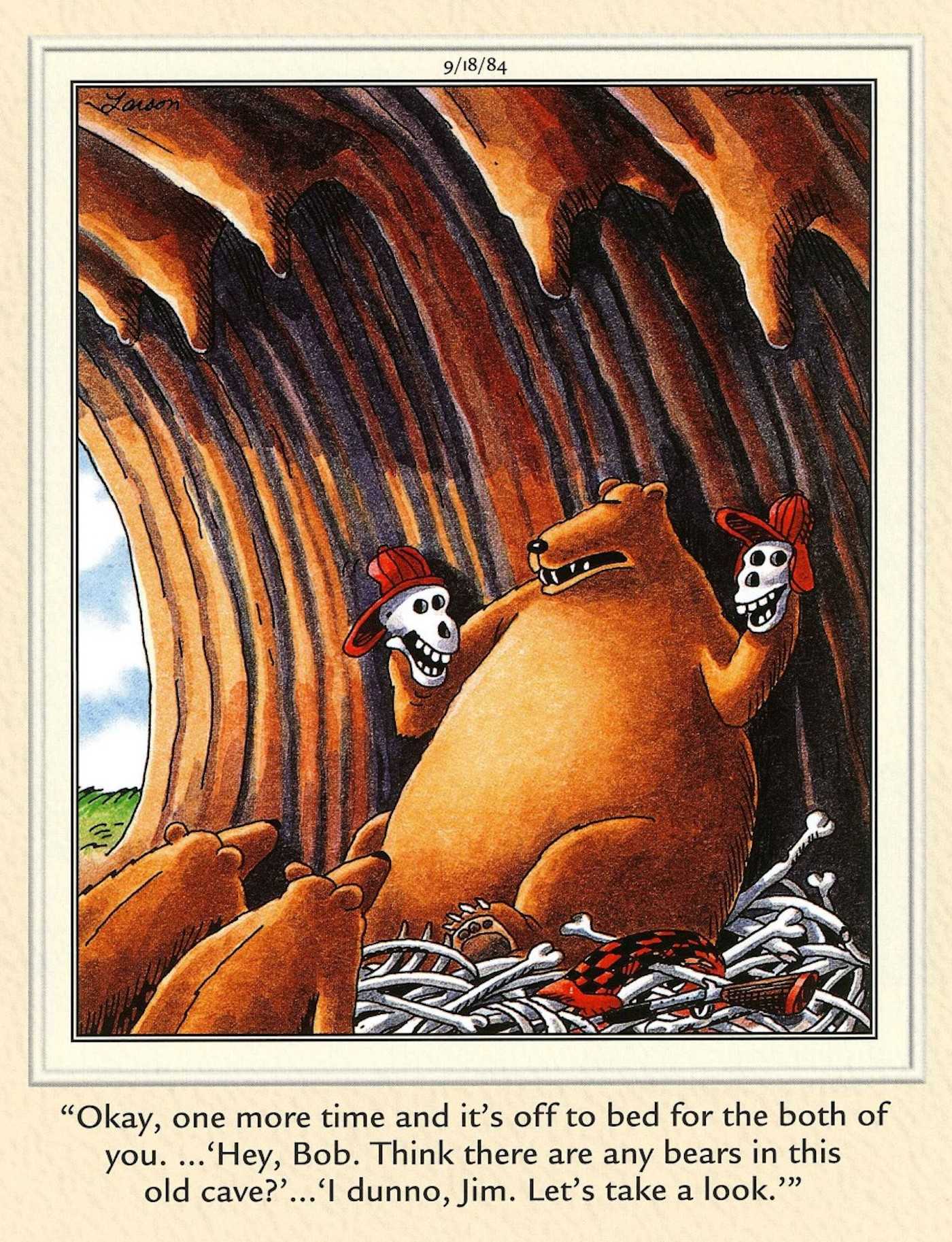
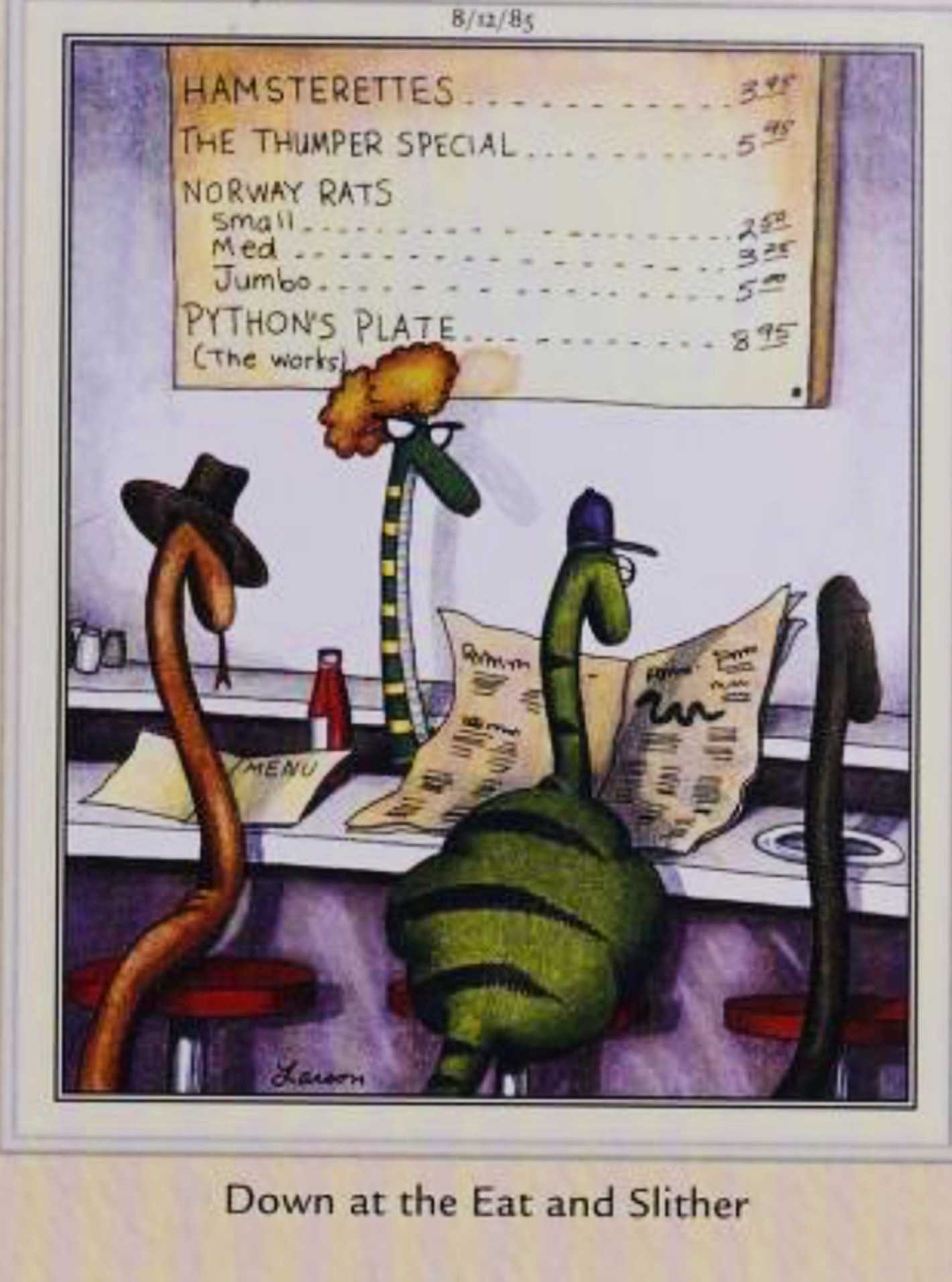
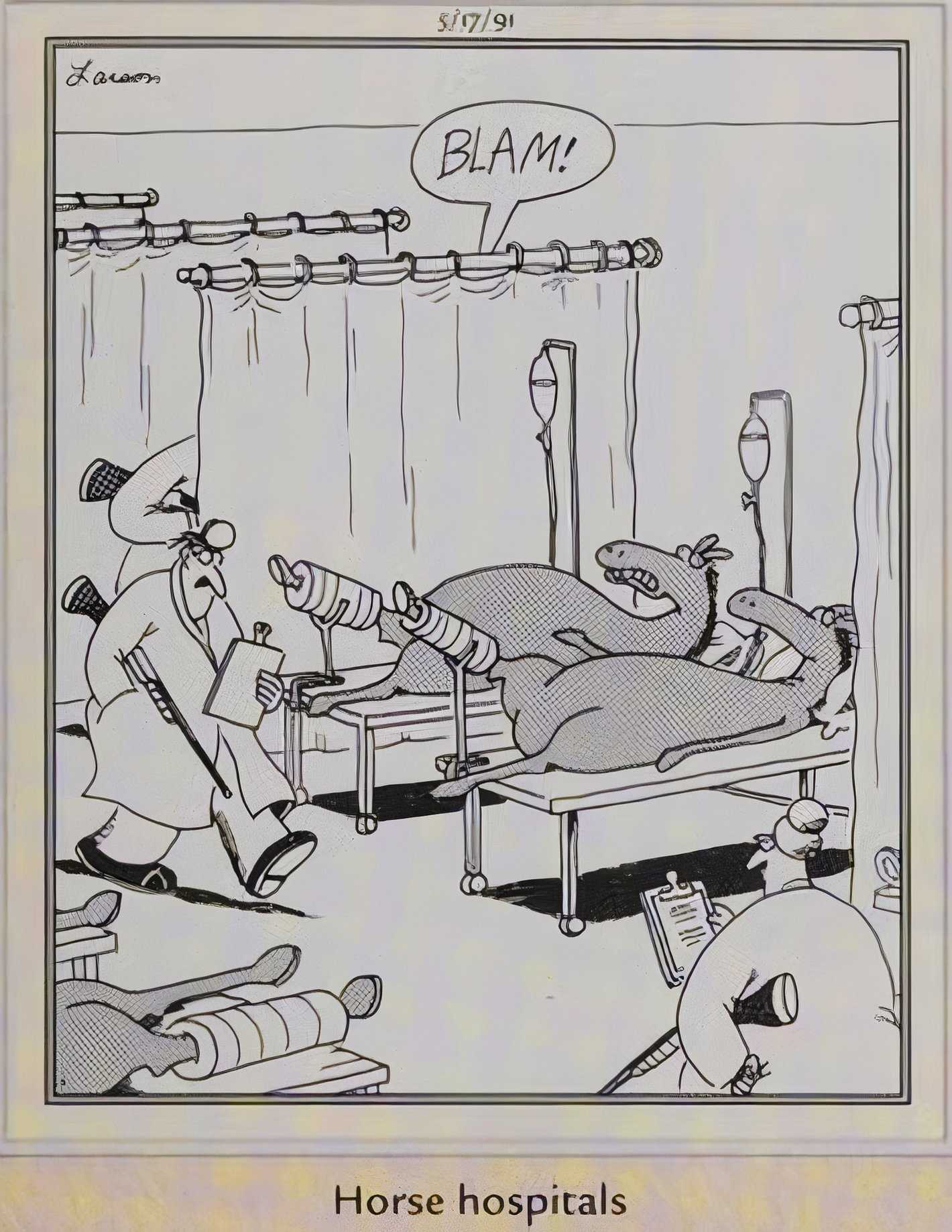
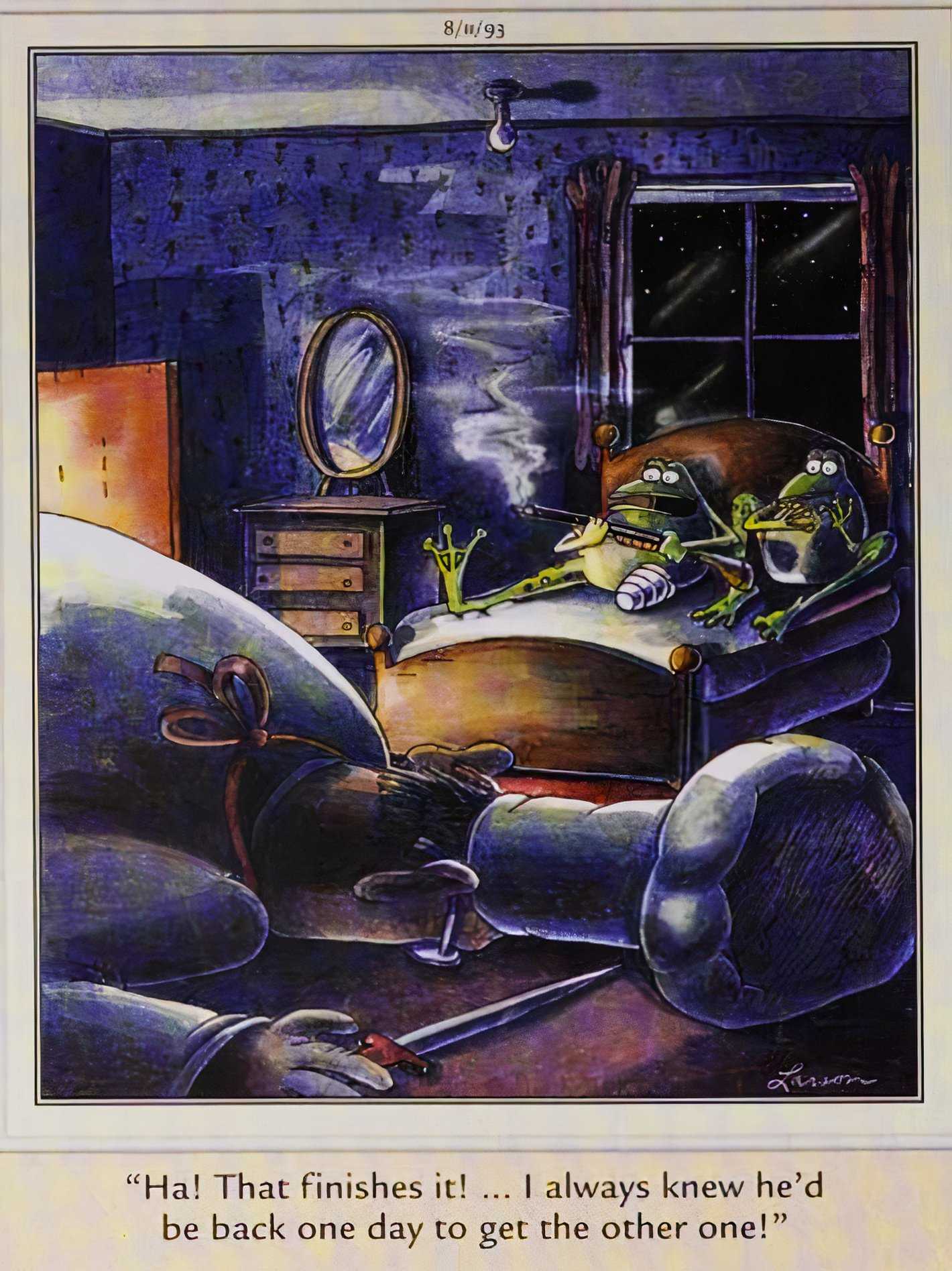
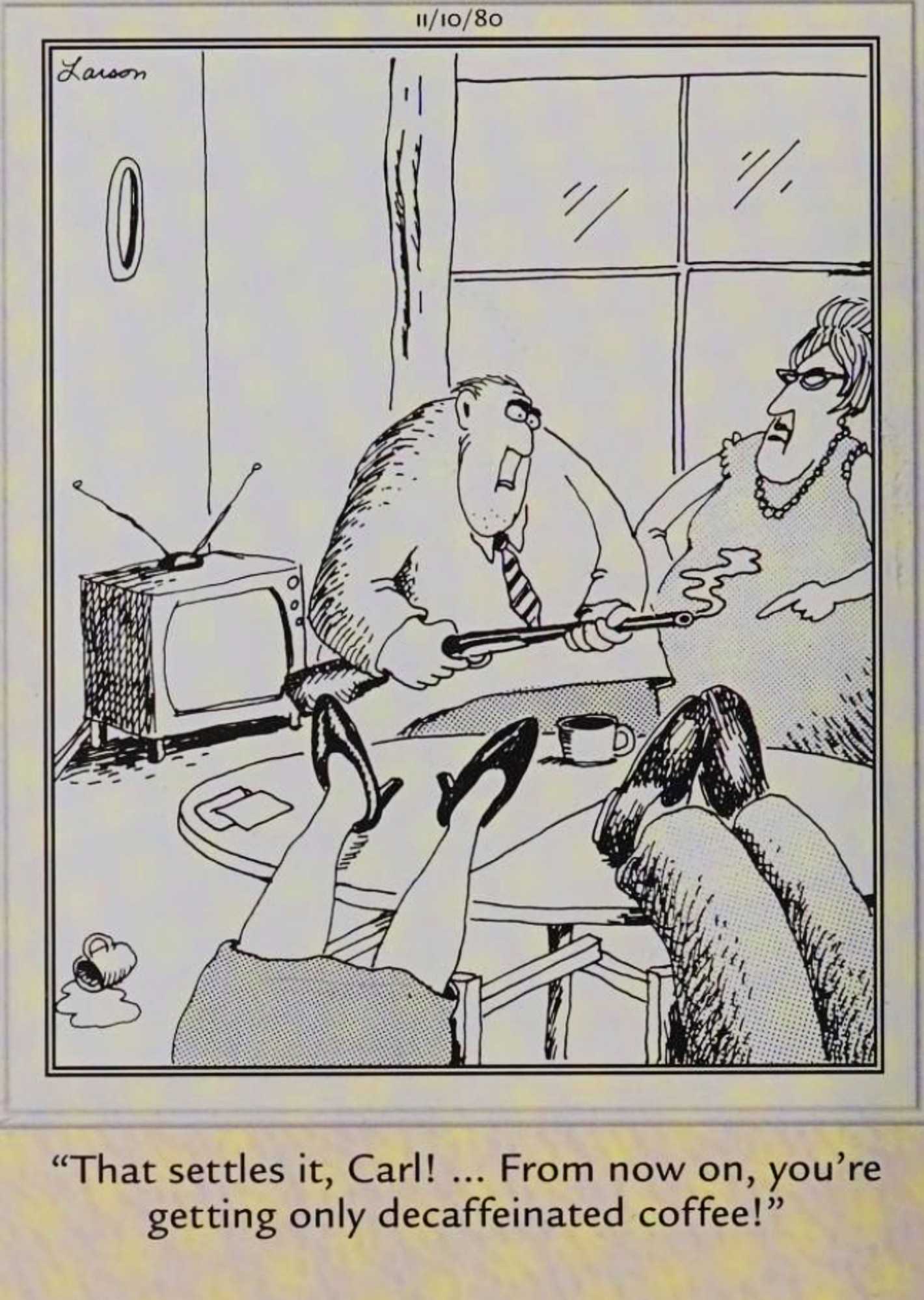
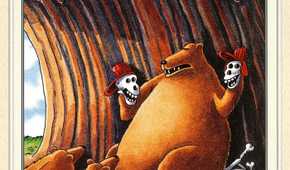
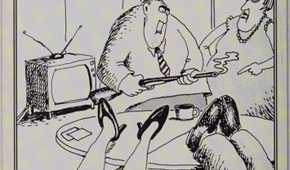
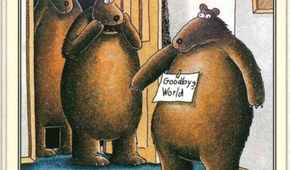
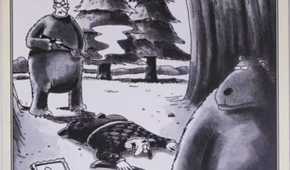
Another prominent example of self-conscious editing Gary Larson reveals in The Prehistory of The Far Side involves one of his many classic Far Side comics starring bears, in which a bear uses the skulls of two human hikers it killed as hand-puppets. According to Larson, he made some deliberate tweaks to the illustration in order to undercut the macabre hilarity of the joke. From The Prehistory:
At the time I drew this cartoon (1984) I don't think human skulls were an everyday sight on the comic page. (Of course, now they're everywhere. I think I saw Marmaduke burying one in the backyard.) With that in mind, I was careful to make sure there was nothing too gruesome about these two characters. Each of them ended up purposefully with an overall goofy expression and just a hint of a smile.
Again, whether Larson's attempt to dull the darkness of his joke was successful, or otherwise, the key takeaway here is that he made the attempt.
Which means there is a hypothetical version of The Far Side in which Larson didn't try to dilute the darkness and "shock value" of many of his punchlines. Moreover, there could have been a version in which Gary Larson leaned into the controversial qualities of his work; it is possible that had he come along a generation later than he did that this might have been the case. Instead, a mix of the more restrained era he was active during, and his own inclination toward moderation, resulted in The Far Side as readers know it today.
The Far Side's Controversial Comics Could Have Been Way Worse, But Even Gary Larson Had His Limits
Would He Make The Same Decisions Today?


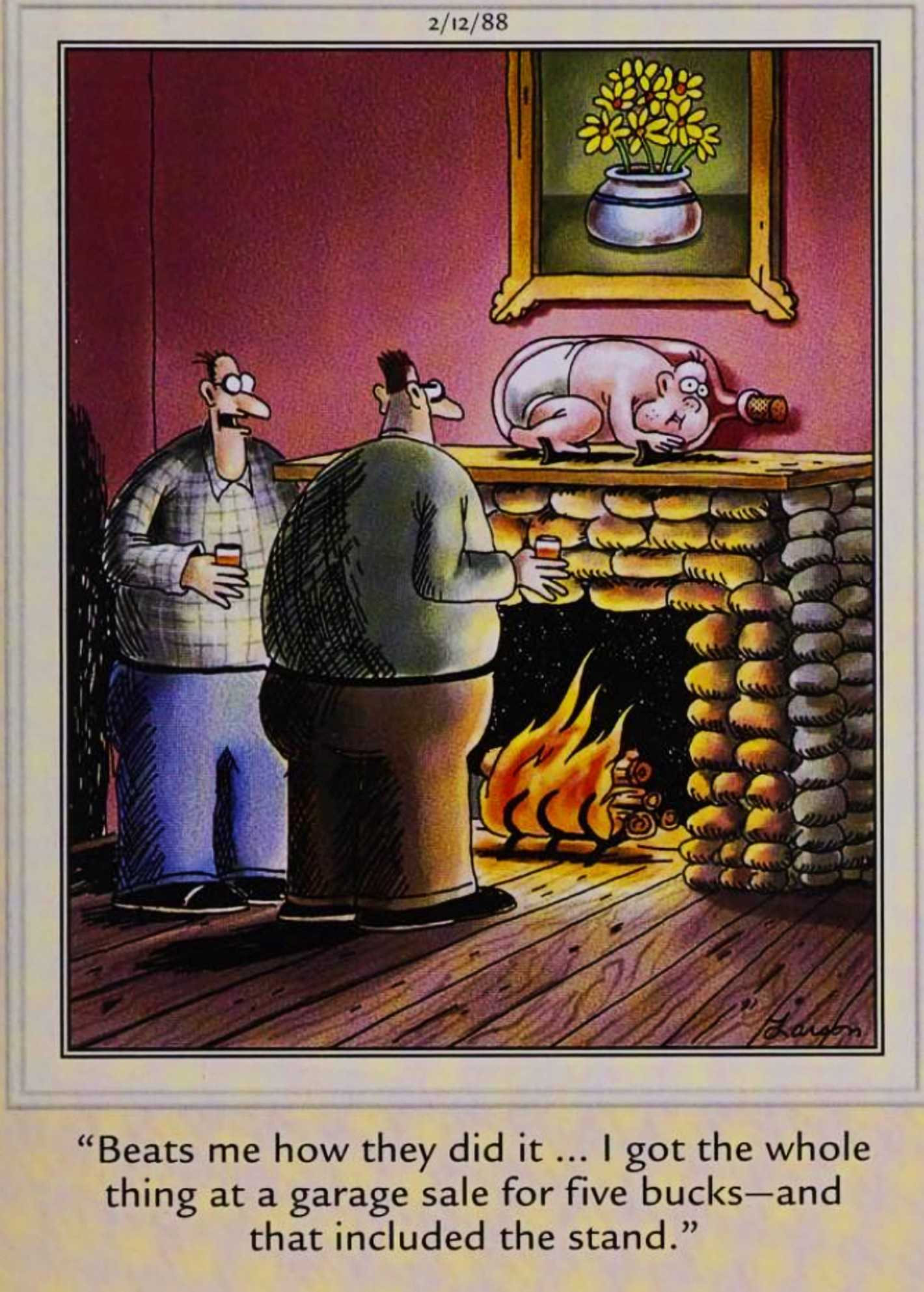
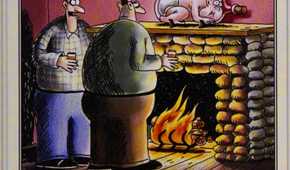
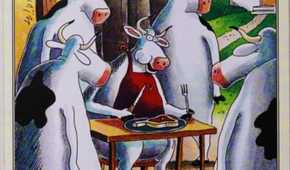
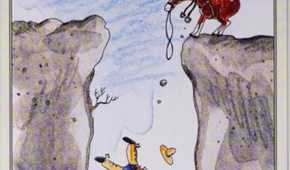
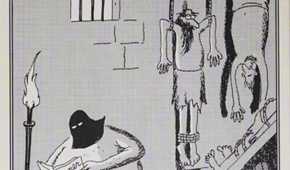
As mentioned, Gary Larson's attempts at moderating his humor's weird, potentially offensive qualities were not always successful. One notorious example Larson cites in The Prehistory of The Far Side is the "Baby in a Bottle" cartoon, which features a man bragging about the infant equivalent of a ship-in-a-bottle that he acquired cheap "at a garage sale." Larson wrote in The Prehistory:
This made a few people upset. I can't say that reaction caught me off-guard this time, but I at least attempted to soften its impact with those same people (and my editor) by making the baby's status indefinite. He's not supposed to look dead, stuffed, alive, fake, or anything.
In other words, there were times when Larson couldn’t make a panel less weird if he tried. In other instances, meanwhile, he completely undermined his own gag in the service of “taming” it.
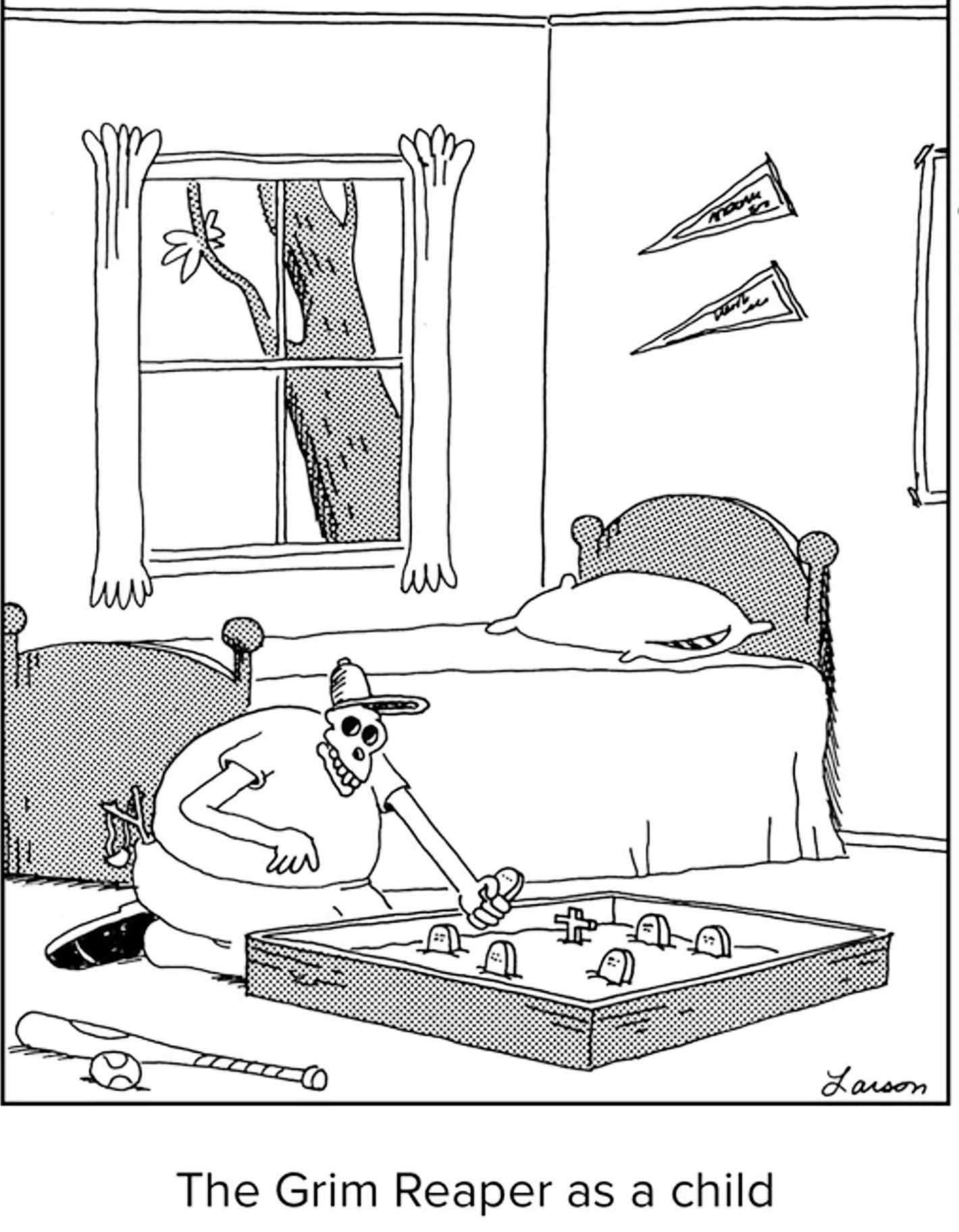
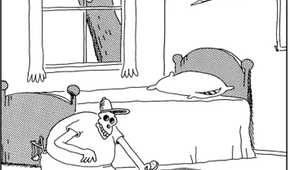
For example, Larson points to his "Grim Reaper as a child" panel, which features a skeletal adolescent playing with miniature tombstones in a sandbox in his room. It is a fairly innocuous joke, considering its subject is the personification of death. In The Prehistory, Larson includes his original draft of the comic, which depicts the young Reaper outside, on the playground, chasing a group of his terrified peers with a pair of scissors. About the change, Larson states:
I felt like the first version of this was actually better, in the sense that if the adult Grim Reaper carries a sickle, then as a kid he must have carried scissors. I worried about it for some reason, and ended up changing it to the bottom version.
While the final version of the joke is funny, there is no question the earlier draft is more jarringly funny.

In the contemporary comedic landscape, it is unlikely Gary Larson would have hesitated to go with the first version of his young Reaper joke. Still, in the 1980s, and into the early '90s, that self-moderating instinct certainly proved valuable to Larson, and was instrumental in The Far Side's commercial success. Larson managed to cultivate a reputation for "going too far," without ever truly crossing the kind of lines that would have gotten The Far Side pulled from publication. It was, in effect, a truly remarkable balancing act.
Gary Larson's Moderating Instinct Played An Essential Role In The Far Side's Legacy
Skillfully Toeing The Line Between Outrageous And Iconic


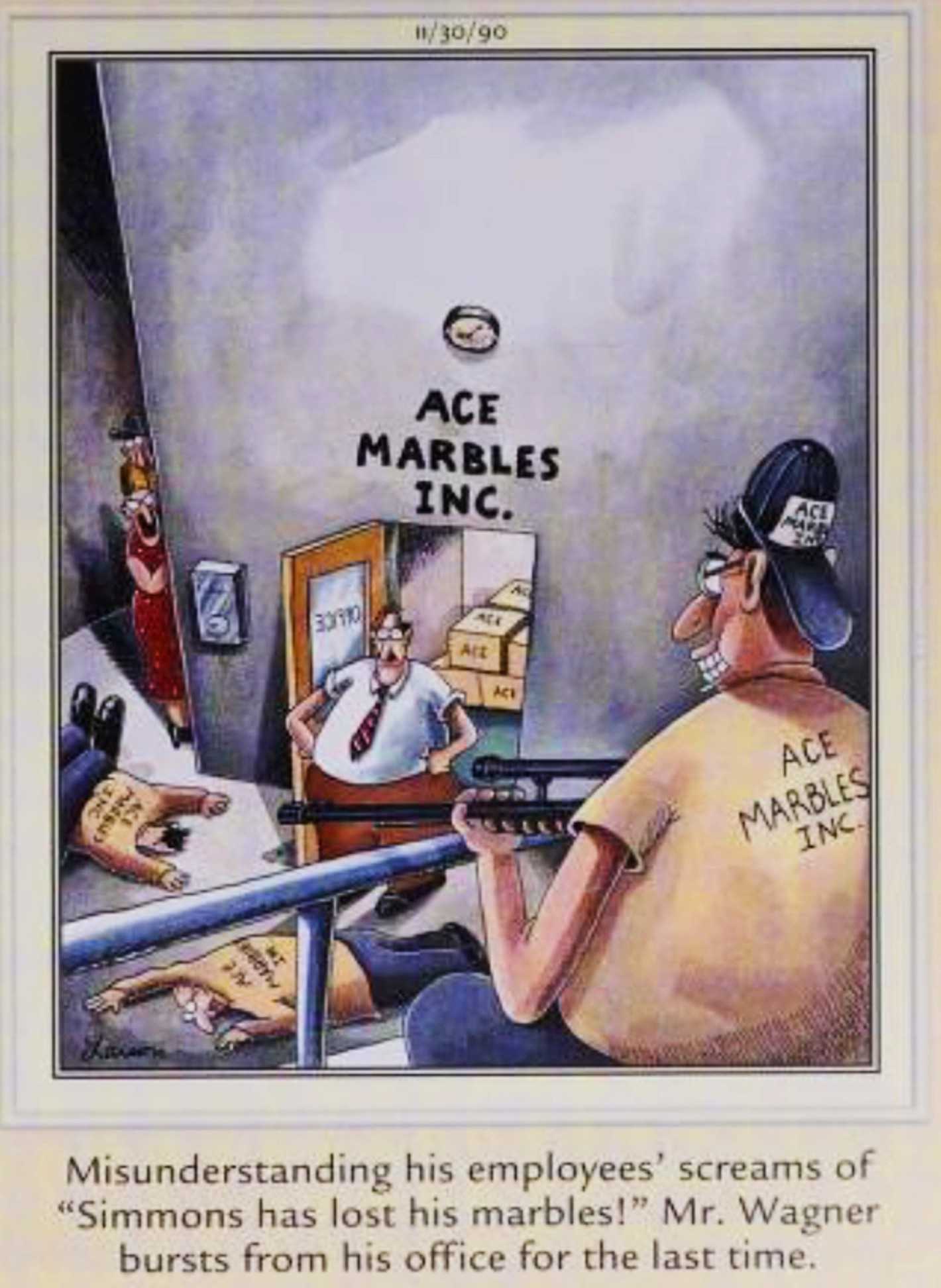
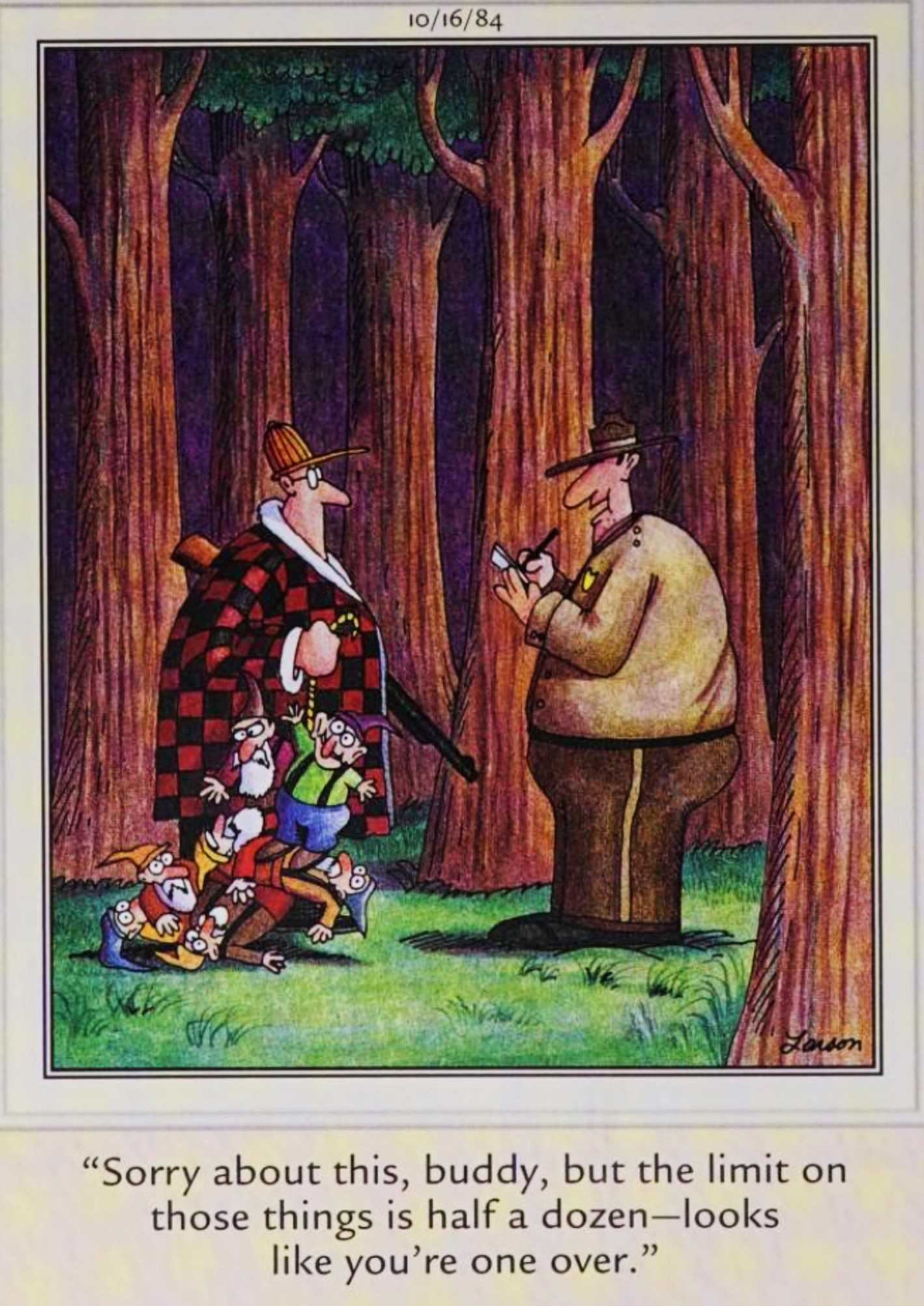
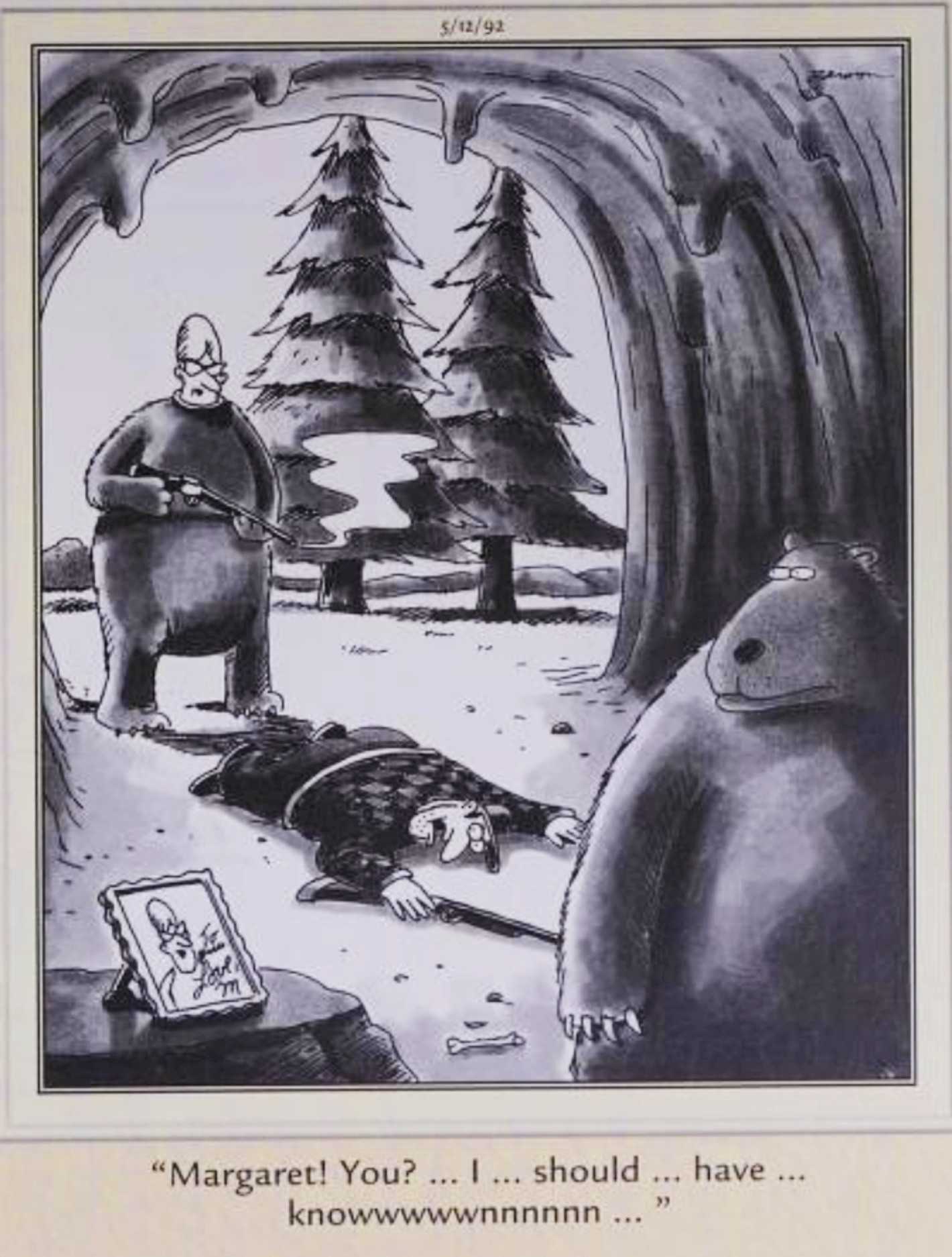
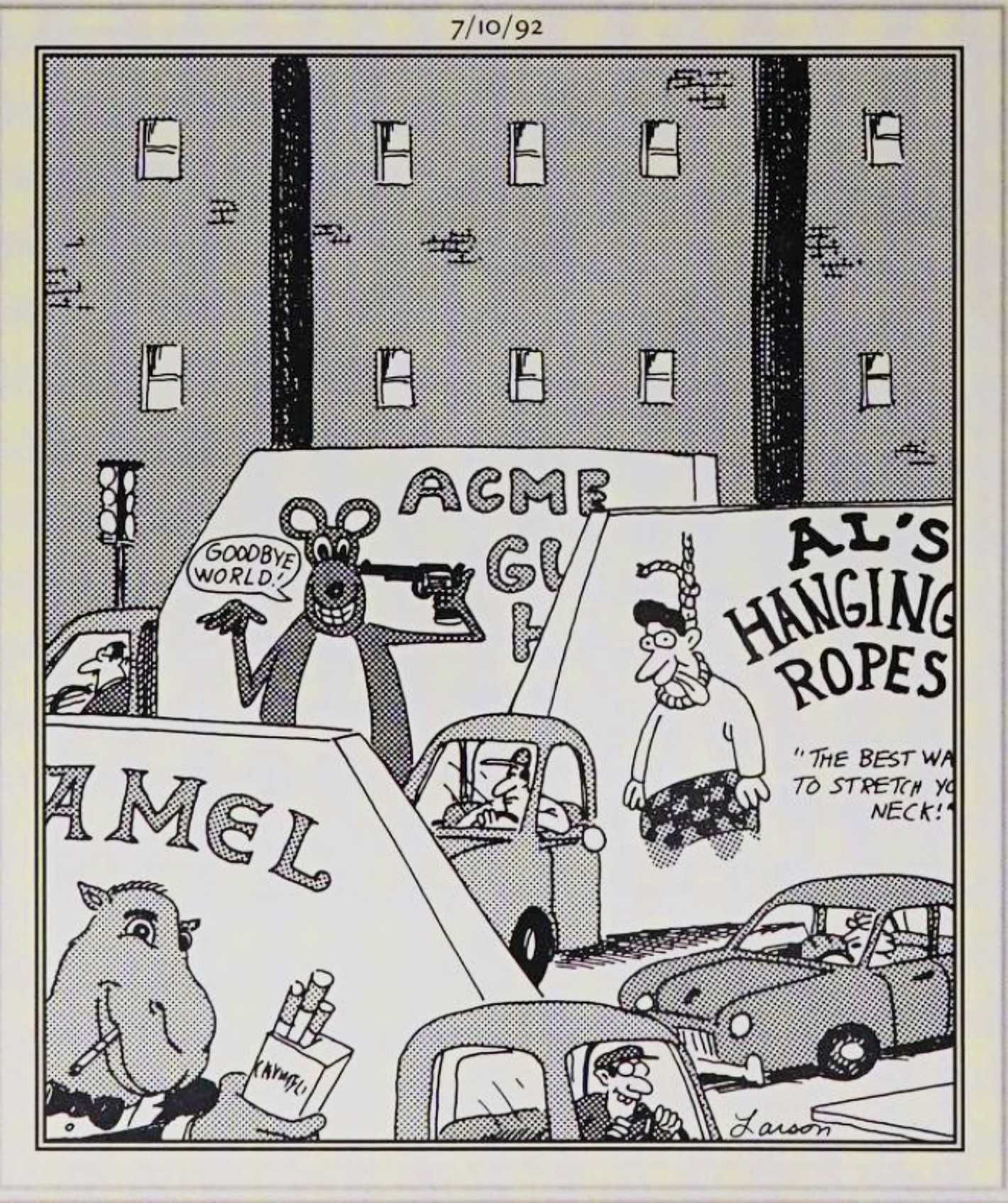
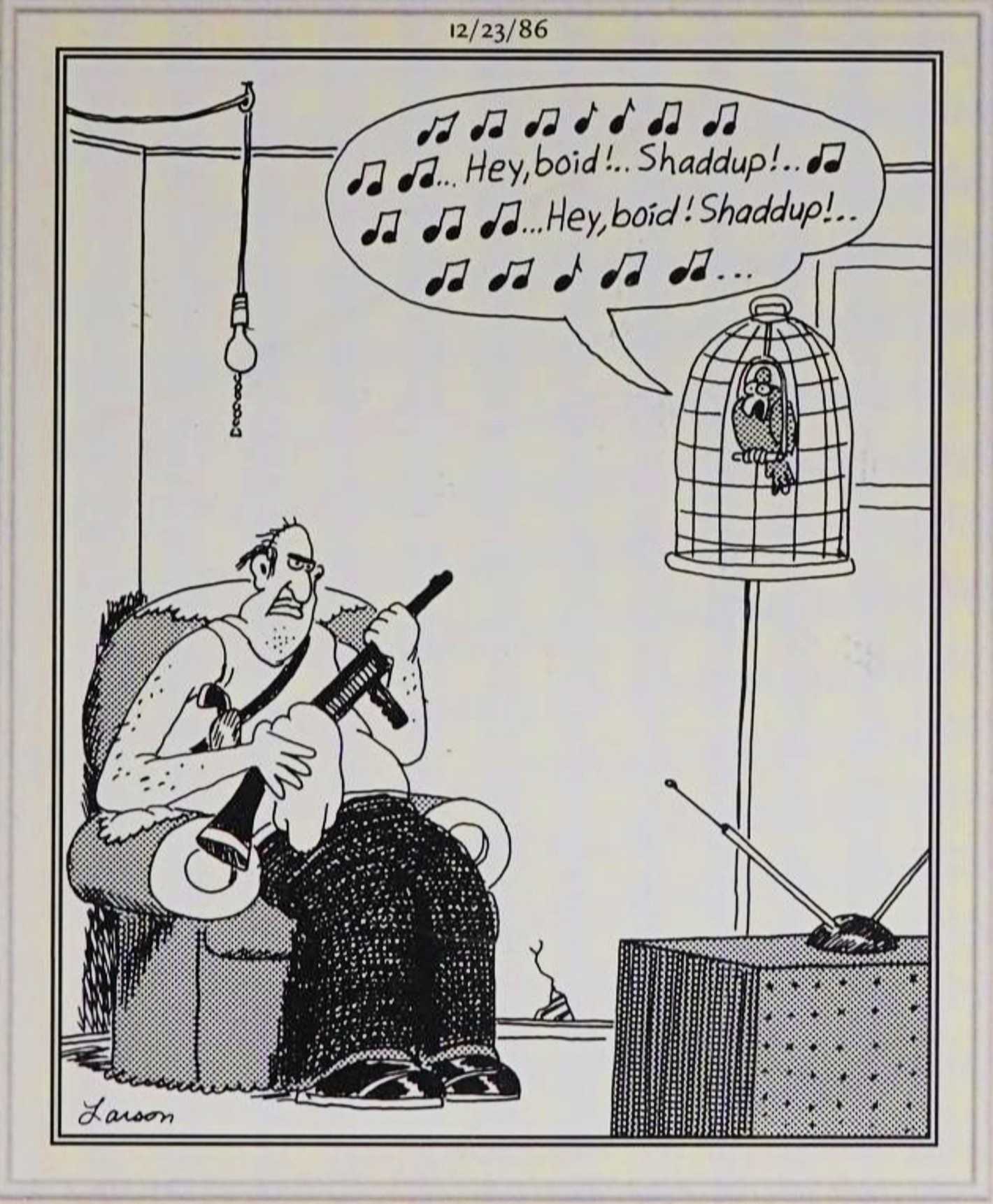
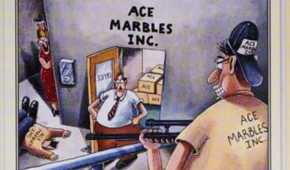
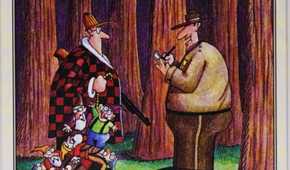
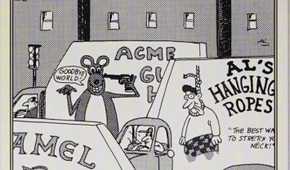
All of that is to say, while The Far Side might be "edgier" today, just by the nature of today's edgier standards for humor in general, a closer analysis of the cartoon makes it evident that this was just one dimension of Gary Laron's multifaceted humor. Only so long as a contemporary version of The Far Side maintained the same complimentary awareness of its readers' limitations would it truly be able to become the unique cultural benchmark that it was decades ago.
As Gary Larson said himself, skulls were not a familiar sight in the newspaper funny pages in 1984, but by 1989, there had been a culture shift, and The Far Side was at the heart of it.
With that in mind, it is worth looking at The Far Side as more than just a product of its era, but rather the result of an artist who was deeply aware of his time, and who possessed an acute understanding of how to work within the limitations of that time, while subtly working to push back against them. As Gary Larson said himself, skulls were not a familiar sight in the newspaper funny pages in 1984, but by 1989, there had been a culture shift, and The Far Side was at the heart of it.
Source: The Prehistory of the Far Side