


The real meaning behind Forrest Gump’s final scene has been debated since the movie’s release in 1994 for several reasons. As the movie that helped define Tom Hanks’ career and won him an Academy Award, Forrest Gump has earned its spot as one of the most popular comedy-drama movies with its endearing characters and clever use of real-life historical figures edited alongside Forrest Gump to paint a picture of modern America. However, Robert Zemeckis’ Forrest Gump ends on a somewhat ambiguous note and the film’s audience is left with quite a few questions.
At the end of Forrest Gump, Forrest Gump waits for the school bus with his son at the side of the road. As the bus comes closer, Forrest notices a Curious George book in his son’s backpack and examines it as Forrest Jr. states “Grandma used to read it to you.” Forrest sends his son onto the school bus, telling him that he will wait there for him when he finishes and that he loves him. In the final shot, next to Forrest’s feet, a white feather (which fell out of the book) flies off into the sky.
Why Forrest Gump Ends With Forrest's Son Getting On The Bus To School
Forrest Gump’s Intelligence Was Not Hereditary


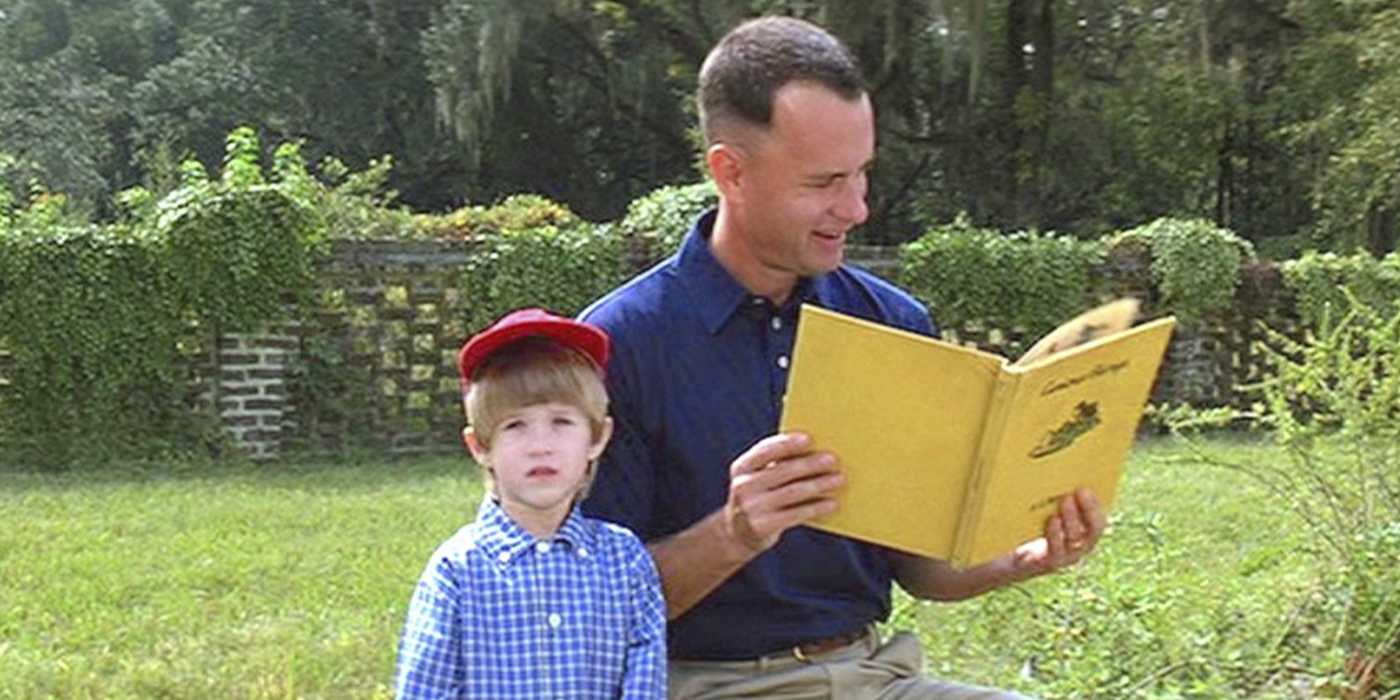
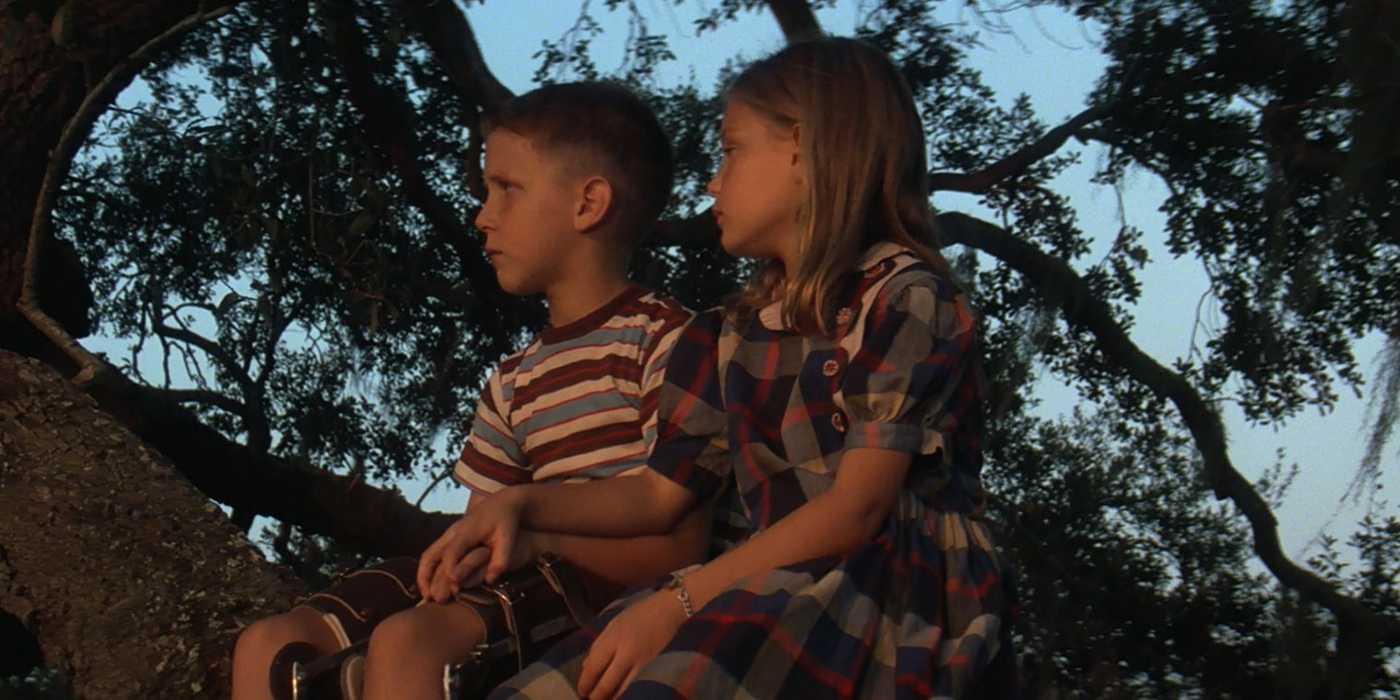
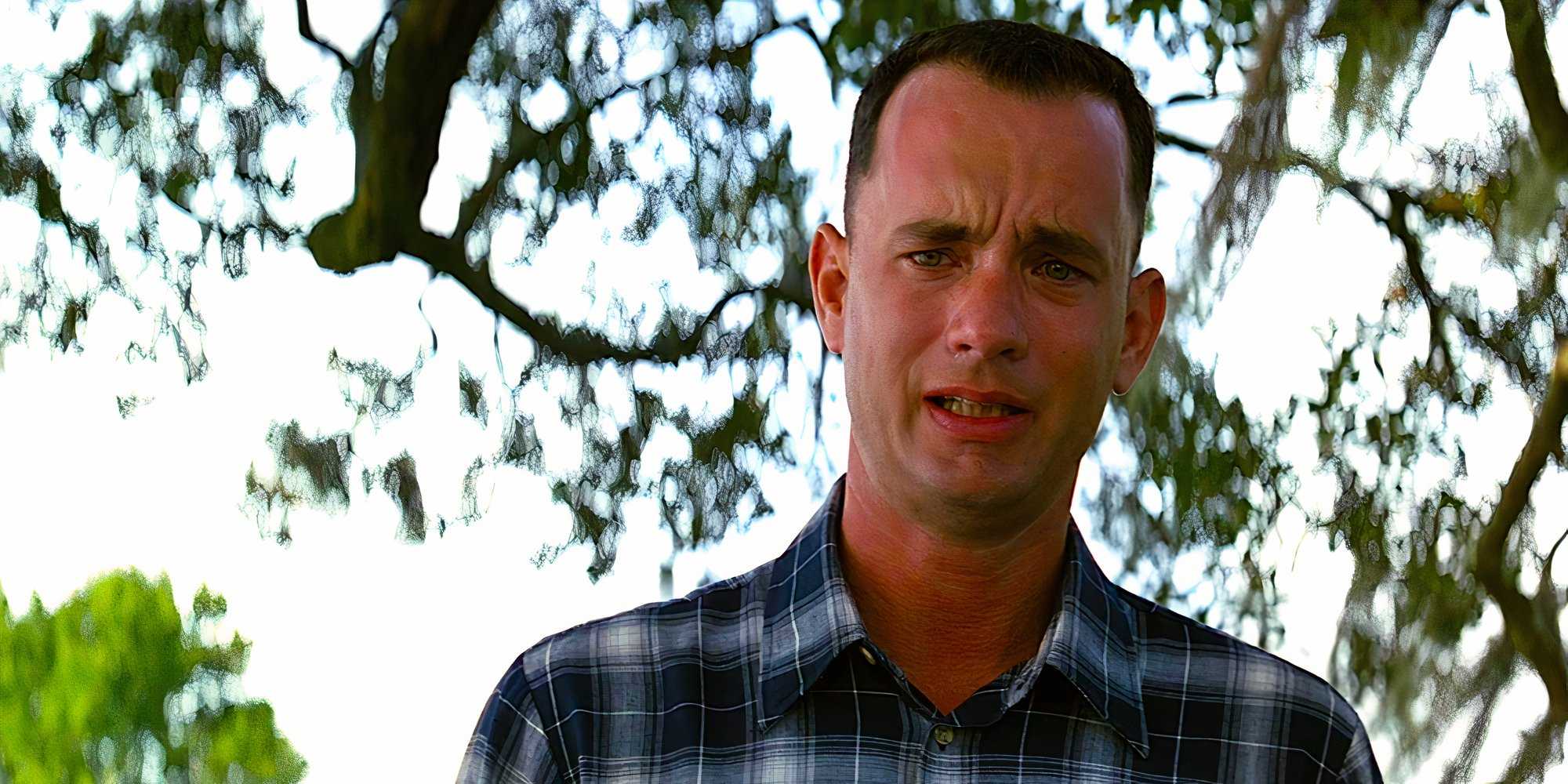
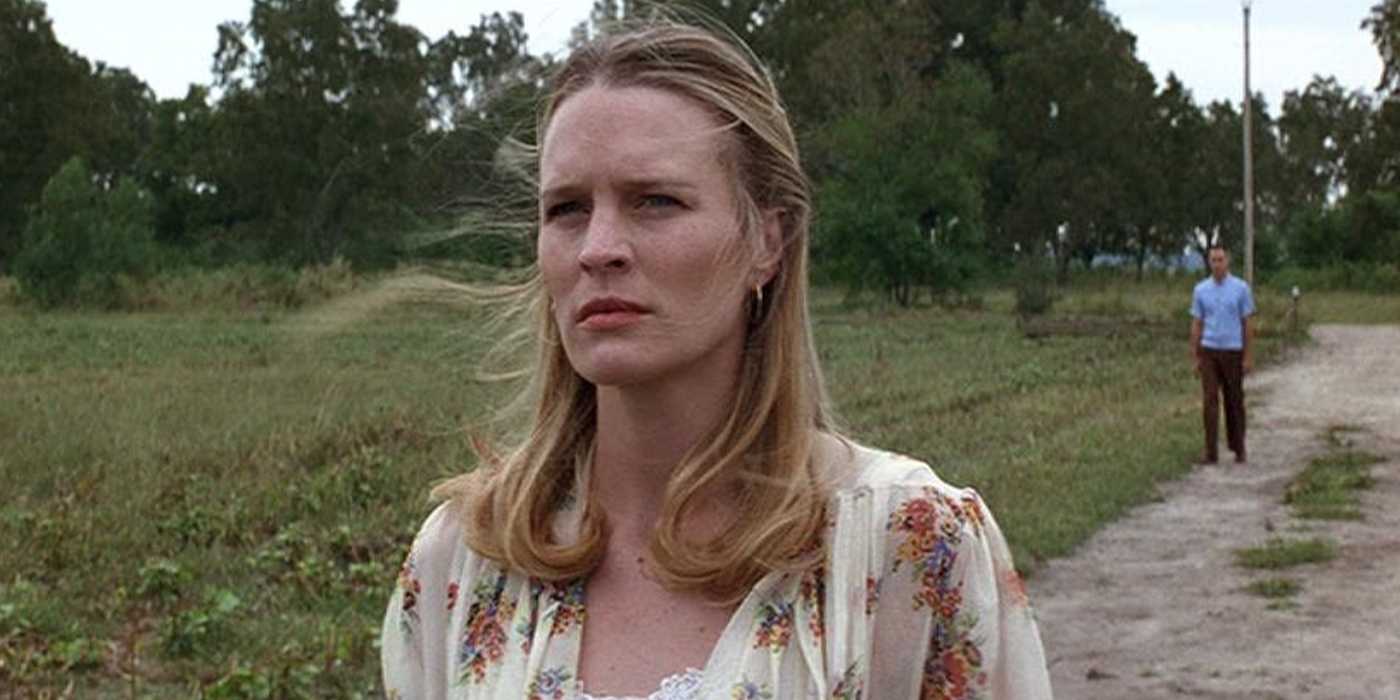
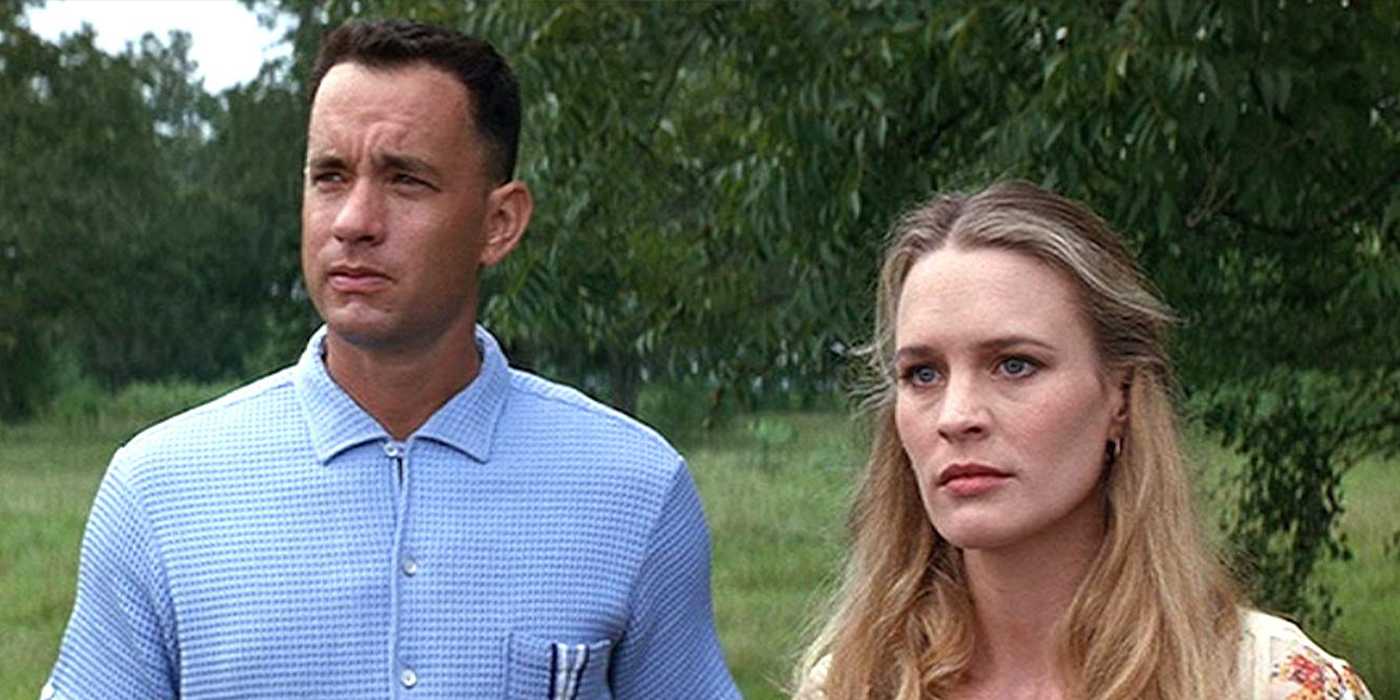
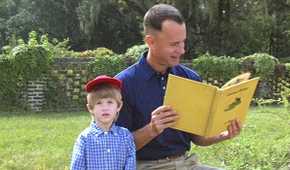
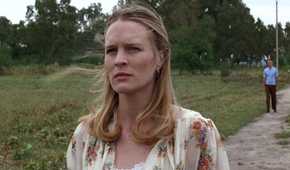
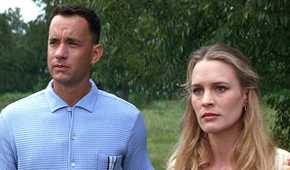
The movie ends with Forrest Gump’s son getting on the bus to school because it is a direct reference to Forrest’s own life. Following his extraordinary journey throughout US history, the death of Jenny in Forrest Gump leads to him looking after his son. When Forrest was a young boy, it was stated that Forrest’s IQ was too low, and so his mother had to fight for his education. Ending the movie by showing that his son is able to go to school, in a way, heals Forrest’s past struggles with education and gives hope for a better future.
Haley Joel Osment played Forrest Jr. in Forrest Gump.
The fact that Forrest Gump’s son is able to get a formal education marks the start of a “normal” life for him. Instead of being bullied for his appearance or intelligence, Forrest’s son can experience the things his father missed out on for being different. Furthermore, before Forrest lets his son leave for school, he also says that he wants him to know that he loves him. Forrest cares a lot for his son, and it mirrors the way that Forrest Gump’s mother ensured he was cared for at the same spot on his first day of school.
What The White Feather Blowing Away Means In Forrest Gump's Final Scene
The Feather Represents The Theme Of Destiny

The white feather blowing away is a particularly prominent scene in Forrest Gump’s ending because it is a direct reflection of the beginning of the movie. The opening scene of Forrest Gump sees a feather float down to the ground in front of Forrest, who is sitting on a bench, and Forrest places it inside the Curious George book in his suitcase for safekeeping. A bus then drives past and drops off the first person to Forrest talks about his life. The feather appearing from the same book and blowing away after the bus takes off mirrors that.
“I don't know if we each have a destiny, or if we're all just floating around accidental-like on a breeze, but I, I think maybe it's both. Maybe both is happening at the same time.”
– Forrest to Jenny’s grave
While the real meaning behind the white feather can be debated, it could likely represent a lesson that Forrest Gump learned after Jenny’s death; that destiny is sometimes circumstantial. Forrest never really planned anything that he did throughout the movie and often did things on a whim. Forrest Gump spent much of his life “floating around accidental-like” much like the feather, yet the feather appeared again, almost like it was destined to be there. This alludes to Forrest Gump’s story finally coming to a close as his destiny was to end up here, in the final scene, being a father.
Why Forrest Gump's Final Scene Is The Perfect End To Forrest's Story
Forrest Has Finally Found Peace In His Life

Forrest Gump’s final scene is the perfect end to Forrest’s story because it finally shows him in a place where he is content with what he has. Forrest Gump has seemingly moved through time, bouncing from one event in American history to another, from the Vietnam War to the National Ping-Pong Championships. Therefore, by demonstrating Forrest being completely alone on the sunny road of his childhood home, it shows that Forrest is finally at peace with where he is and does not feel the need to talk or do anything other than wait for his son to return from school.
The way that Forrest Gump’s ending mirrors the beginning also displays a cyclic pattern that alludes to the theme of destiny. Instead of the feather coming down and Forrest preserving it inside Curious George, the ending shows it rising into the air freely. Instead of the bus dropping a random citizen off for Forrest to talk to on a seemingly arbitrary bench, the school bus takes his son away with the same bus driver next to his childhood home. Forrest Gump’s ending adds to its rewatch value, as the feather and the themes are recycled again in a comforting way.




Forrest Gump is a drama film released in 1994, starring Tom Hanks as the titular character. The film explores the life of a man with a low IQ who inadvertently shapes several historical events, while his personal journey remains centered on his unrequited love for childhood friend Jenny.
- Studio(s)
- Paramount Pictures
- Main Genre
- Drama

