


The long-awaited action drama sequel Gladiator II advances the story of Lucius Verus Aurelius while expanding upon the legacy of Maximus Decimus Meridius with an adventure that takes place across the vast Roman Empire. The narrative picks up roughly 16 years after the events of the original Gladiator, and begins with Lucius far from the streets of Rome. Over the course of Gladiator II, Lucius makes his way across the empire before finding himself back on the sands of the Colosseum, with stops at some of the most significant locations of the Roman Empire in the second century.
While the true story of the locations and events shown in Gladiator II may not line up precisely with what is depicted on screen, the changes are clearly made to create a more engaging narrative. As Lucius (Paul Mescal) makes his way back to the Colosseum, each of the locations he stops at plays a role in his evolution into a gladiator. The events at these locations may not be historically accurate from a timeline perspective, but they were all very real places with significant impacts on the operations of the Roman Empire during the reign of Emperors Geta and Caracalla.
Numidia
The Ancient Kingdom Of Northwestern Africa

As Gladiator II opens, Lucius is living in relative peace with his wife, Arishat, in the North African kingdom of Numidia. At its height, the kingdom covered areas that make up present-day Algeria, Tunisia, and Libya, although the territory's borders shifted over the centuries (as did most kingdoms in ancient times) thanks to a number of conflicts. Numidia in general was famous for its high-quality wheat, which, of course, the Roman Empire imported from once Numidia became a province of the Empire known as Africa Nova in 46 BC.
Peter Mensah, who plays Lucius' Numidian mentor Jubartha, is a swords-and-sandals legend; he starred as the real-life rebel general Oenomaus, who is depicted as a Numidian, in the now-classic Starz show Spartacus.
A siege like the one that takes place at the beginning of Gladiator II is perfectly plausible, given that a sea conquest would have been one of the most probable methods of annexing a vast kingdom with oceanfront strongholds. While the movie never specifies, the city that is under siege could be Hippo Regius (modern-day Annaba), Thabraca (modern-day Tabarka), or a similar coastal city. However, those sieges occurred during the Jugurthine War that began in roughly 112 BC, which was over 300 years before the time frame depicted in Gladiator II.
Ostia
The Port City Of Ancient Rome

Ostia was recognized as the port city of Ancient Rome, and as such was a major thoroughfare for imports and exports. Ostia was also the home base for the entire Roman Navy, and given that it's currently no more than a 30-minute drive to Rome proper by today's standards, it was essentially an extension of Rome itself. In Gladiator II, Ostia is the destination for the ship that Lucius and Jubartha (Peter Mensah) are put on after being captured in Numidia. It's there that Lucius is branded as a slave, and set upon the path as a potential gladiator.
Antium
The Coastal Center Of Culture To The South Of Rome

The sprawling city of Antium was located roughly an hour (again, by today's standards of transportation) south of Rome along the coastline, in the territory that currently holds the cities of Anzio and Nuttuno. Antium's rich soil made it a major asset for grain that serviced Rome, and between that and its proximity to the ocean, it became a popular living destination for the rich and powerful. Per the Encyclopedia Britannica, it was far enough removed from Rome that the corruption and disease that plagued late-stage Rome never really touched Antium.
|
Gladiator Franchise Key Details |
|||||
|---|---|---|---|---|---|
|
Movie |
Release Date |
Budget |
Box Office Gross |
RT Tomatometer Score |
RT Popcornmeter Score |
|
Gladiator |
May 1st, 2000 |
$103 million |
$465.5 million |
80% |
87% |
|
Gladiator II |
November 22nd, 2024 |
$250-$310 million |
$100 million (and counting) |
72% |
84% |
In Gladiator II, Antium is where Lucius is first recognized as a potential gladiator by Denzel Washington's Macrinus. As a wealthy weapon and slave dealer with plans to seek higher power in Rome, Antium is the most fitting location for Macrinus to live given its significant in that time period. At an arena in Antium, Lucius and his fellow captives are pitted against savage and drug-enhanced olive baboons. It is there that Lucius demonstrates his inherent rage and savagery, which is ultimately what endears him to Macrinus and sets him on the path to Rome.
Rome
The Heart Of The Roman Empire And Home Of The Colosseum
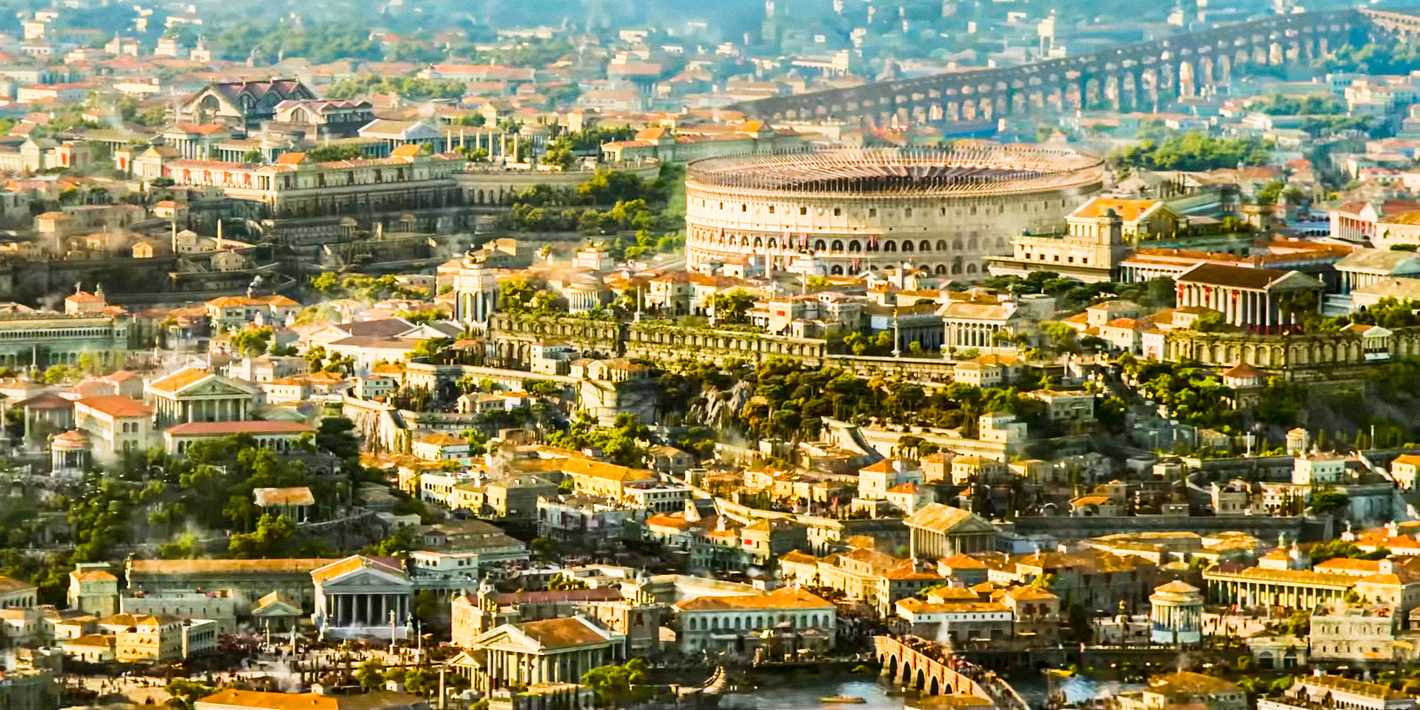
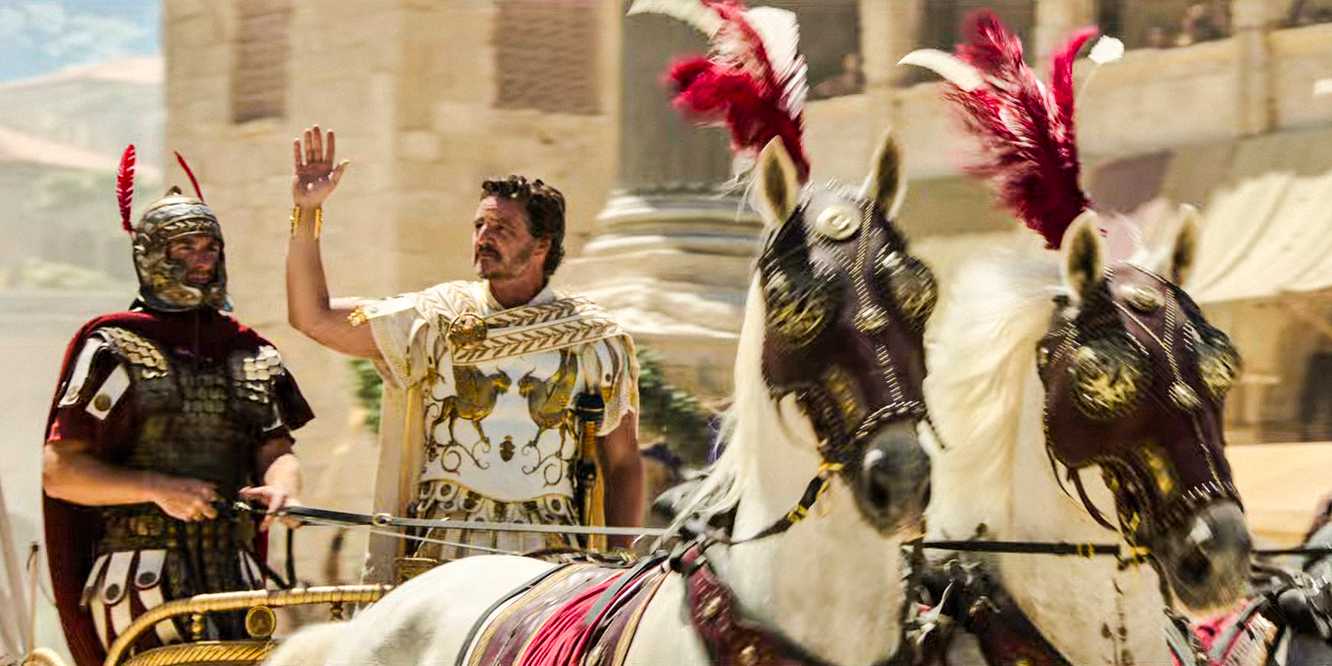
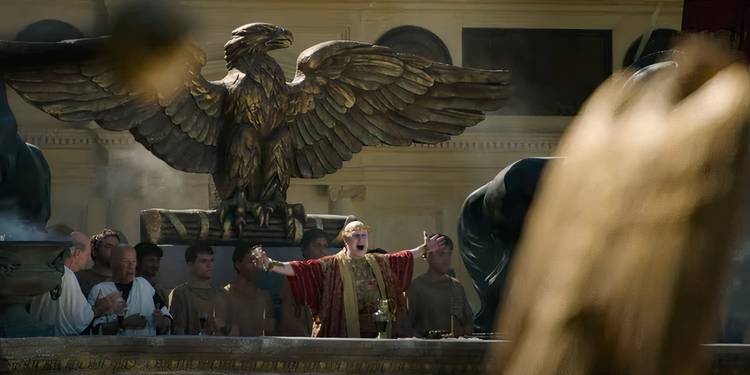
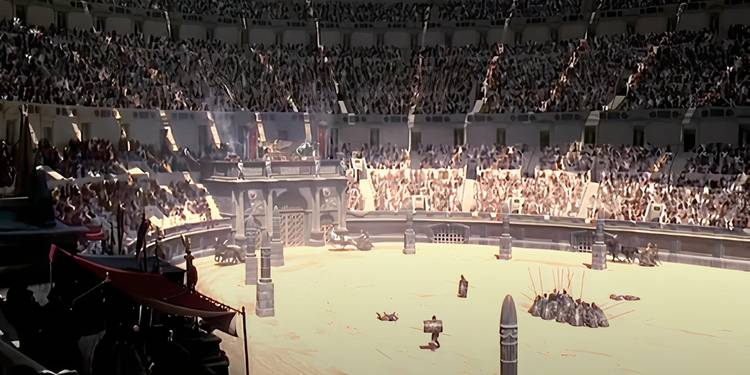
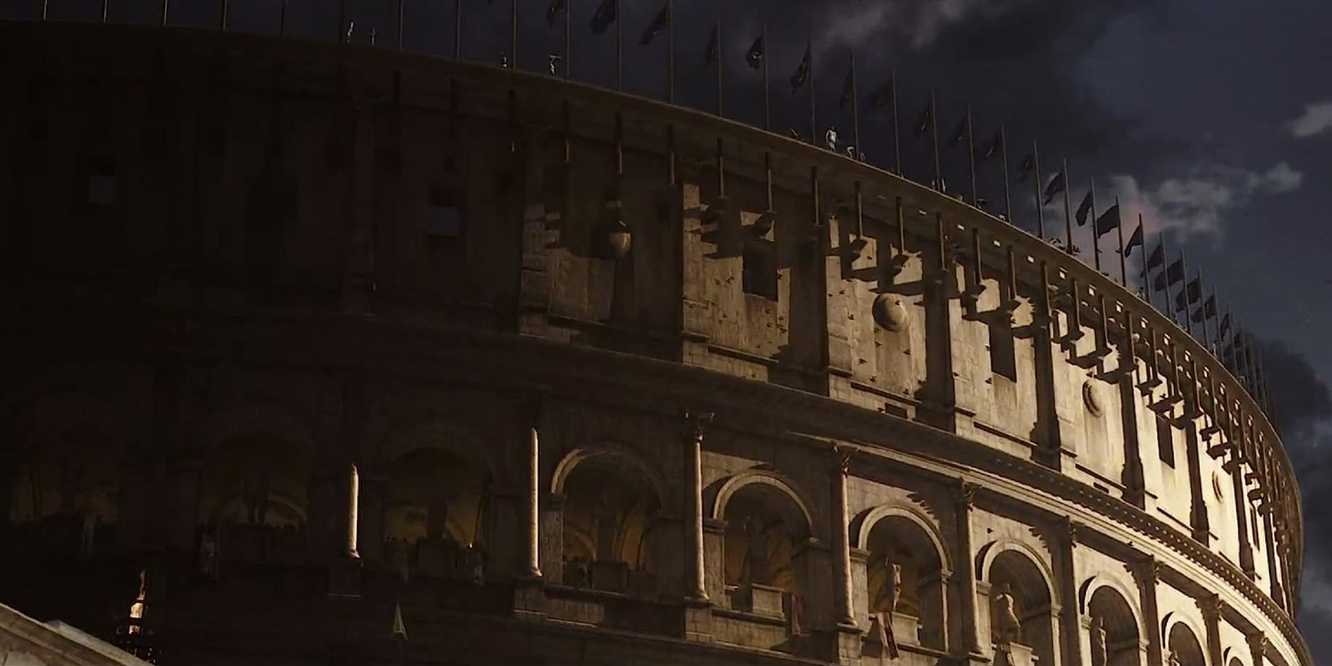


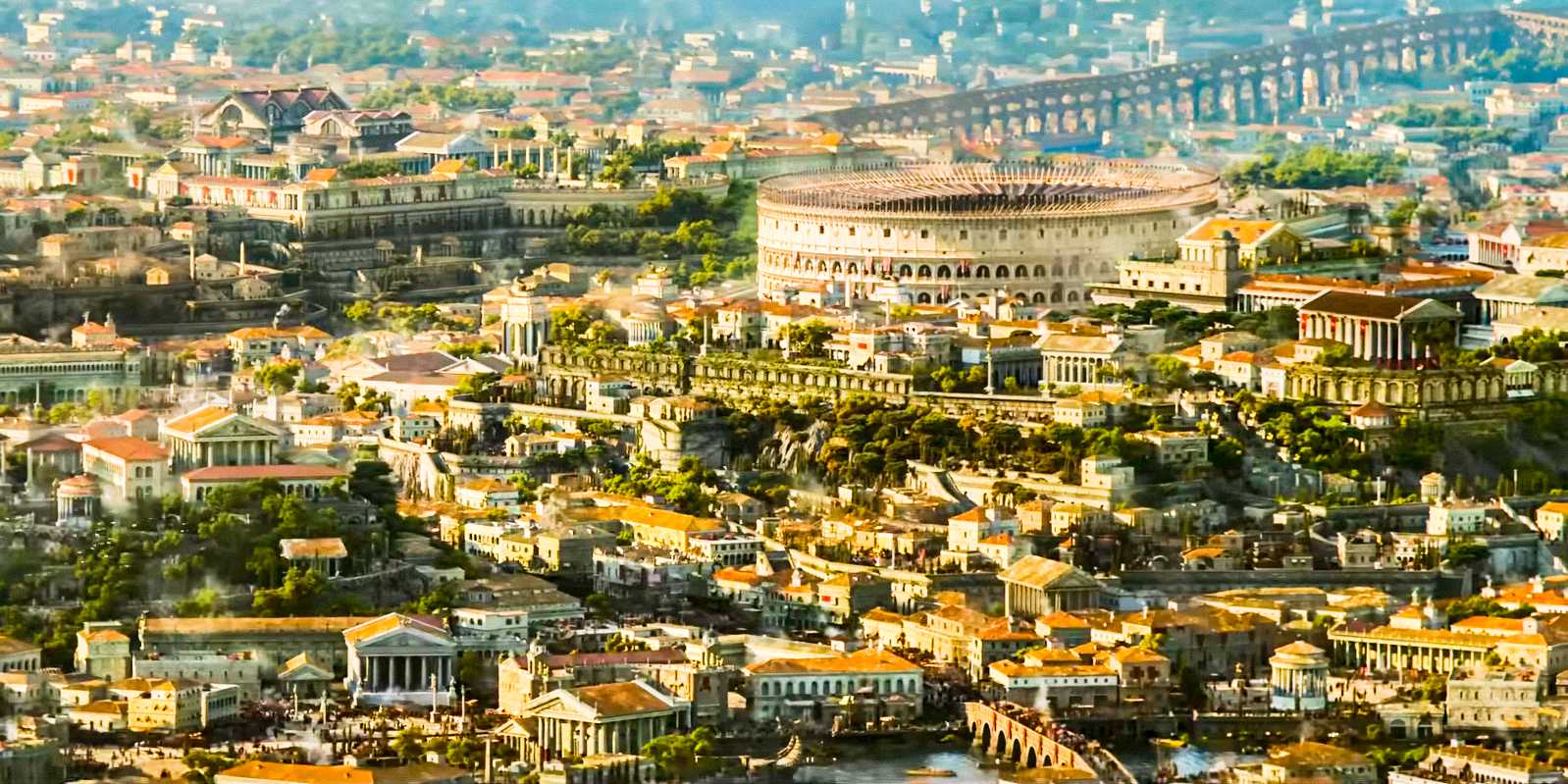
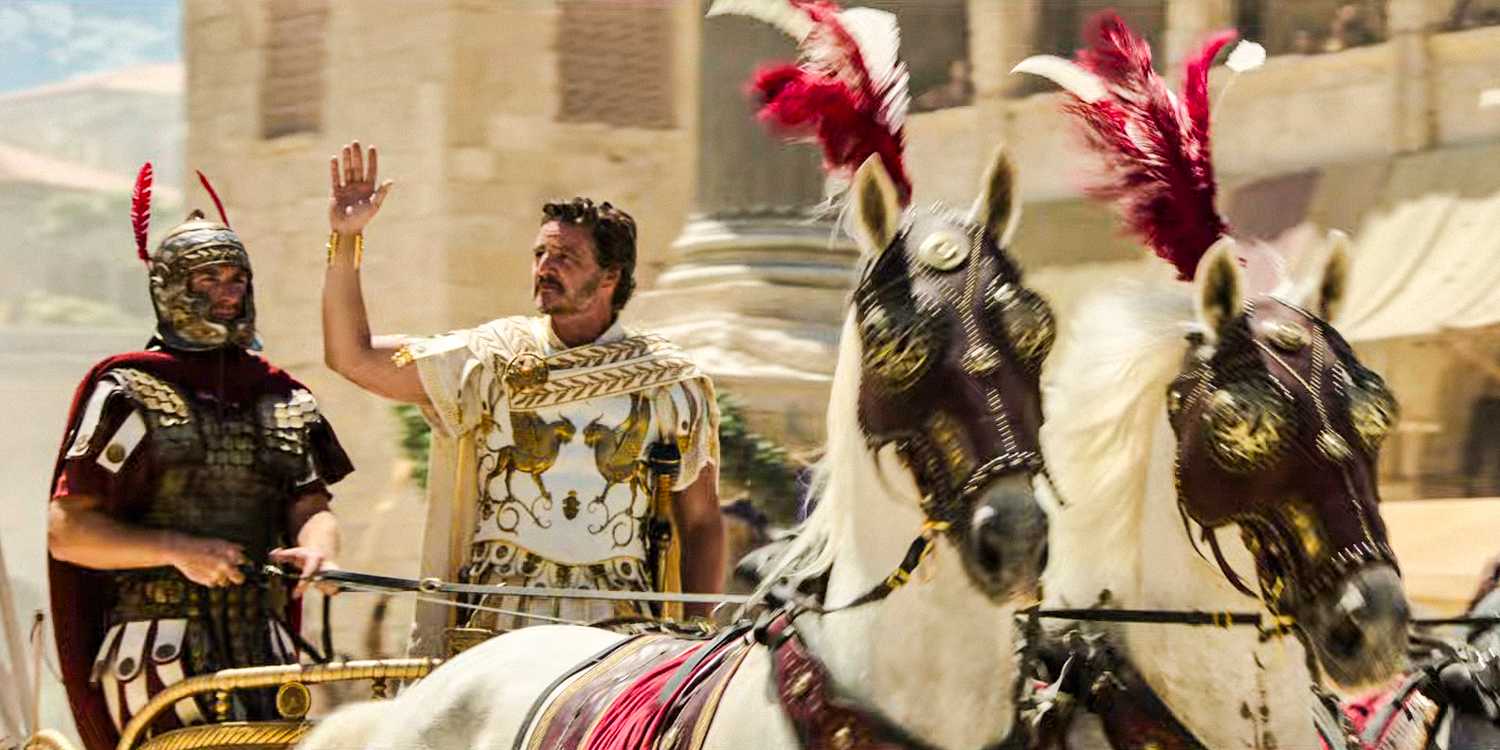 Image via Paramount Pictures
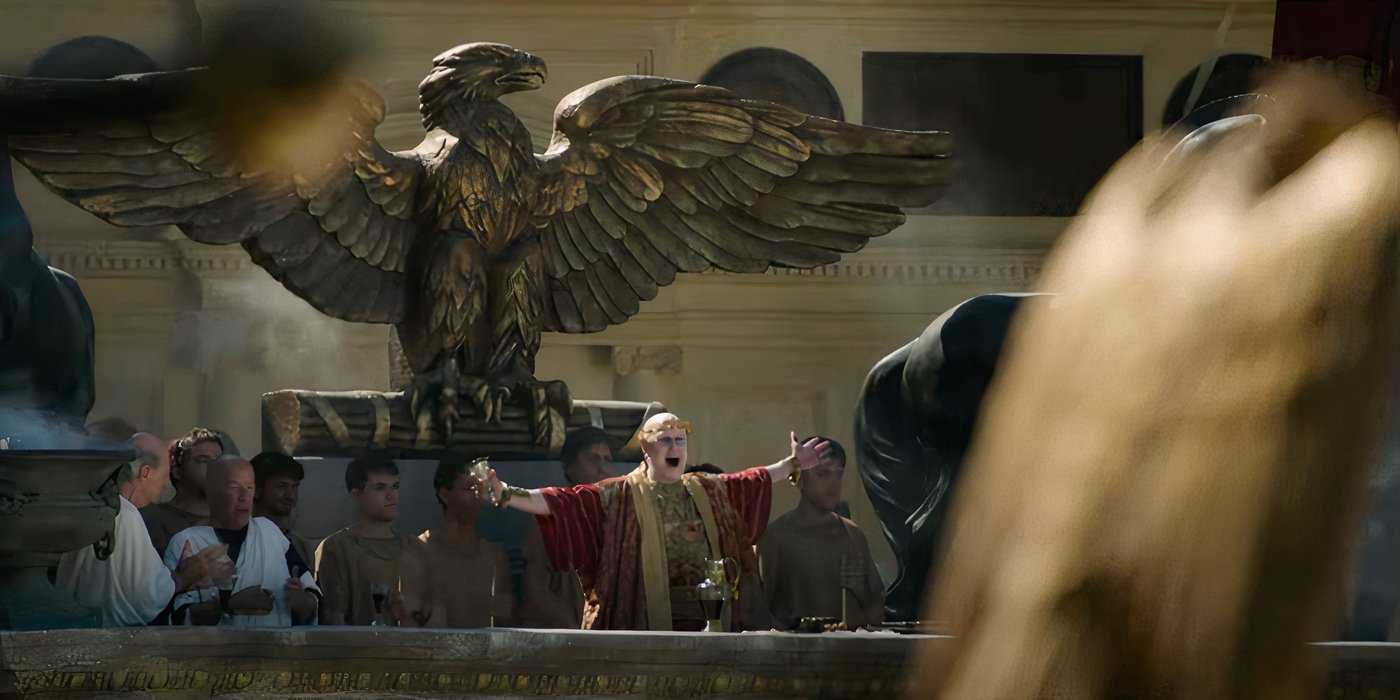
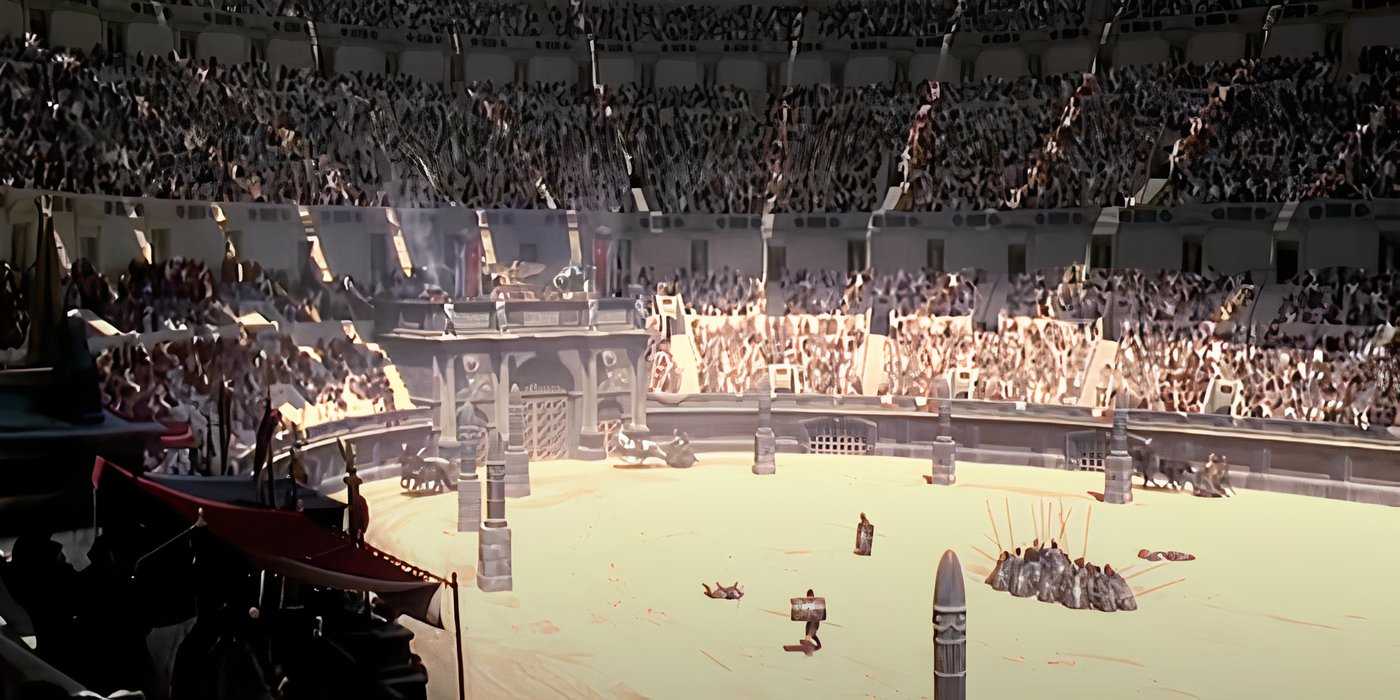
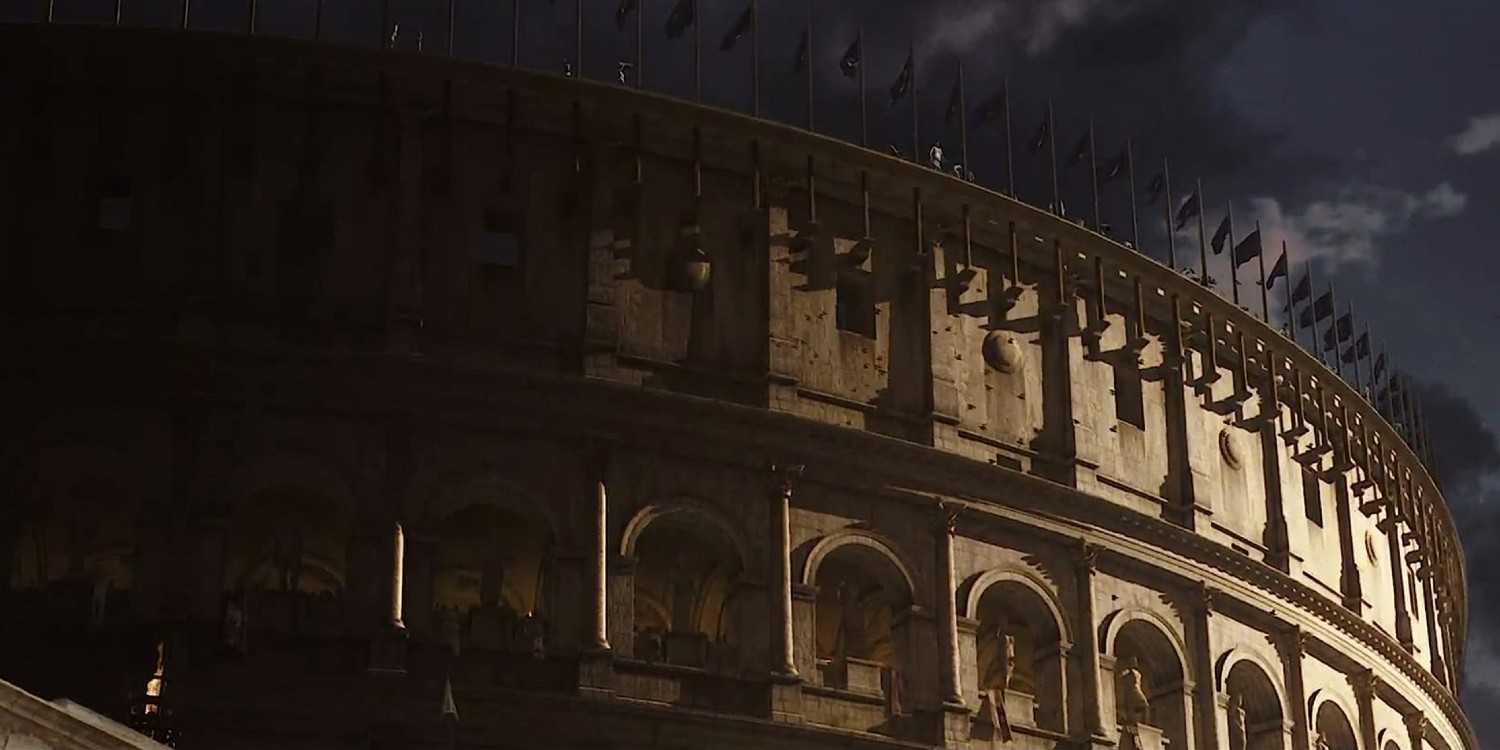
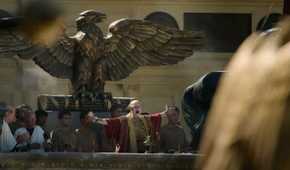
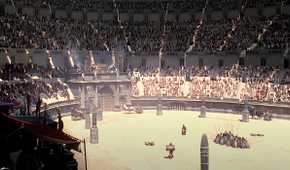
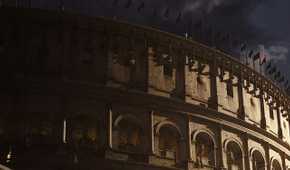
The ancient city of Rome was the heart of the vast Roman Empire, which at its height stretched from the wilds of modern-day Scotland to the sands of southern Egypt. Given the diverse array of cultures within its ever-shifting borders, Rome became a collecting point for people, goods, and novelties from all walks of life in the ancient world. While the Gladiator franchise deals with the preservation of Marcus Aurelius' dream of Rome as a beacon of knowledge and justice, in reality it was corrupt, especially in the Empire's latter stages of existence.
The cracks in Rome's armor were already visible and growing in the time of Geta and Caracalla.
Rome is the home of the Colosseum, which still stands as the largest standing amphitheater ever built; it could hold anywhere from 50,000 to 80,000 people, on par with even the grandest of today's modern sporting arenas. During the time period depicted in Gladiator II, Rome was subject to constant changes in leadership, as the real Caracalla did murder his brother so as not to have to share the rule of Rome. The true fall of the Roman Empire wouldn't occur until 476 AD, but the cracks in the armor were growing in the time of Geta and Caracalla.
The River Styx
A Dream Sequence Shows A Key Location Of The Afterlife

One other location worth pointing out in Gladiator II is only shown briefly, and in a dream sequence. One of the most famous images from the original Gladiator is Maximus' vision of Elysium, the heavenly Roman afterlife where his wife and son await him. Gladiator II follows the tradition of portraying the afterlife somewhat, although in a darker sense. After Arishat is killed during the siege of Numidia, Lucius is knocked unconscious and falls into the ocean, where he briefly hovers in the gray between life and death.
He finds himself on a riverbank, and sees a vision of Arishat accepting the offer of a pair of hooded figures to board a boat across the river. It is clearly intended to be a variation of Charon (or Charun, depending on which ancient polytheistic religion you subscribe to), the ferryman who takes the souls of the dead across the River Styx in the underworld. It seems likely that Lucius sees a representation of his wife's Numidian belief system, or translates her experience into his own religious beliefs from his Roman upbringing.
Source: Encyclopedia Britannica


- Release Date
- November 22, 2024
- Runtime
- 148 minutes
- Director
- Ridley Scott
- Writers
- David Scarpa, Peter Craig, David Franzoni
- Prequel(s)
- Gladiator
Cast
-
 Lucius Verus
-
 Marcus Acacius
Lucius enters the Colosseum after Rome’s oppressive emperors destroy his home and tighten their grip on the empire. Haunted by the memory of Maximus and fueled by vengeance, he searches for the strength and honor needed to oppose corruption. His journey becomes a fight not only for survival, but also for the future and dignity of Rome.
- Studio(s)
- Paramount Pictures, Universal Pictures, Scott Free Productions, Red Wagon Entertainment
- Distributor(s)
- Paramount Pictures
- Main Genre
- Adventure

