


Summary
- Liberating planets is a major component of Helldivers 2's overarching narrative, but the Galactic War's exact systems aren't explained in-game.
- Each planet's liberation meter acts almost like a health bar, with a number of factors affecting how quickly it can be replenished.
- Common misconceptions in the Galactic War include operation abandonment affecting enemy progression and GM control over progress.
Although Helldivers 2 is, for the most part, a game that's easy to learn in terms of moment-to-moment gameplay, the exact workings of the galaxy-spanning war for liberation that the game centers its overarching progression around can be a little harder to intuit. Pitting players against (at the moment) two different factions on separate fronts of an unending war, Helldivers 2 centers much of its overarching narrative and gameplay progression around liberating and occasionally defending planets from Terminids and Automatons, with Major Orders designating specific objectives for the entire playerbase to achieve over periods of time.
Unfortunately, exactly how the galactic war works can be somewhat confusing to parse, and recent Major Orders have caused some players to express frustration with the system's general lack of clarity. The first failure of a Major Order, in which players were directed to defend planets from Automaton invasions, the seemingly slow progression of the following Major Order to liberate Veld, and even the minimal liberation progress of planets like Malevelon Creek and Erata Prime have all led to a lot of confusion regarding exactly how liberating planets is supposed to function.
How Helldivers 2's Galactic War Works


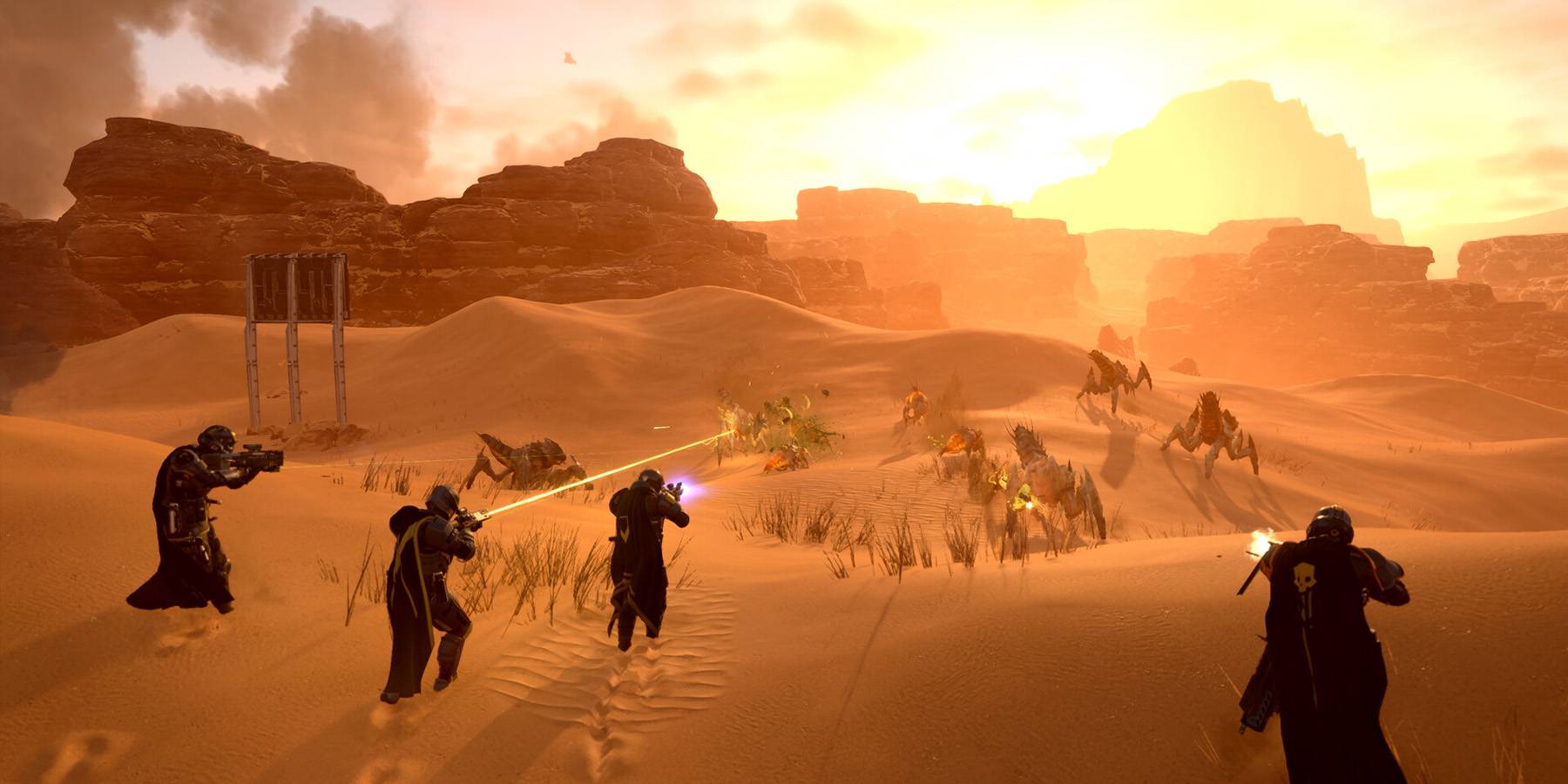
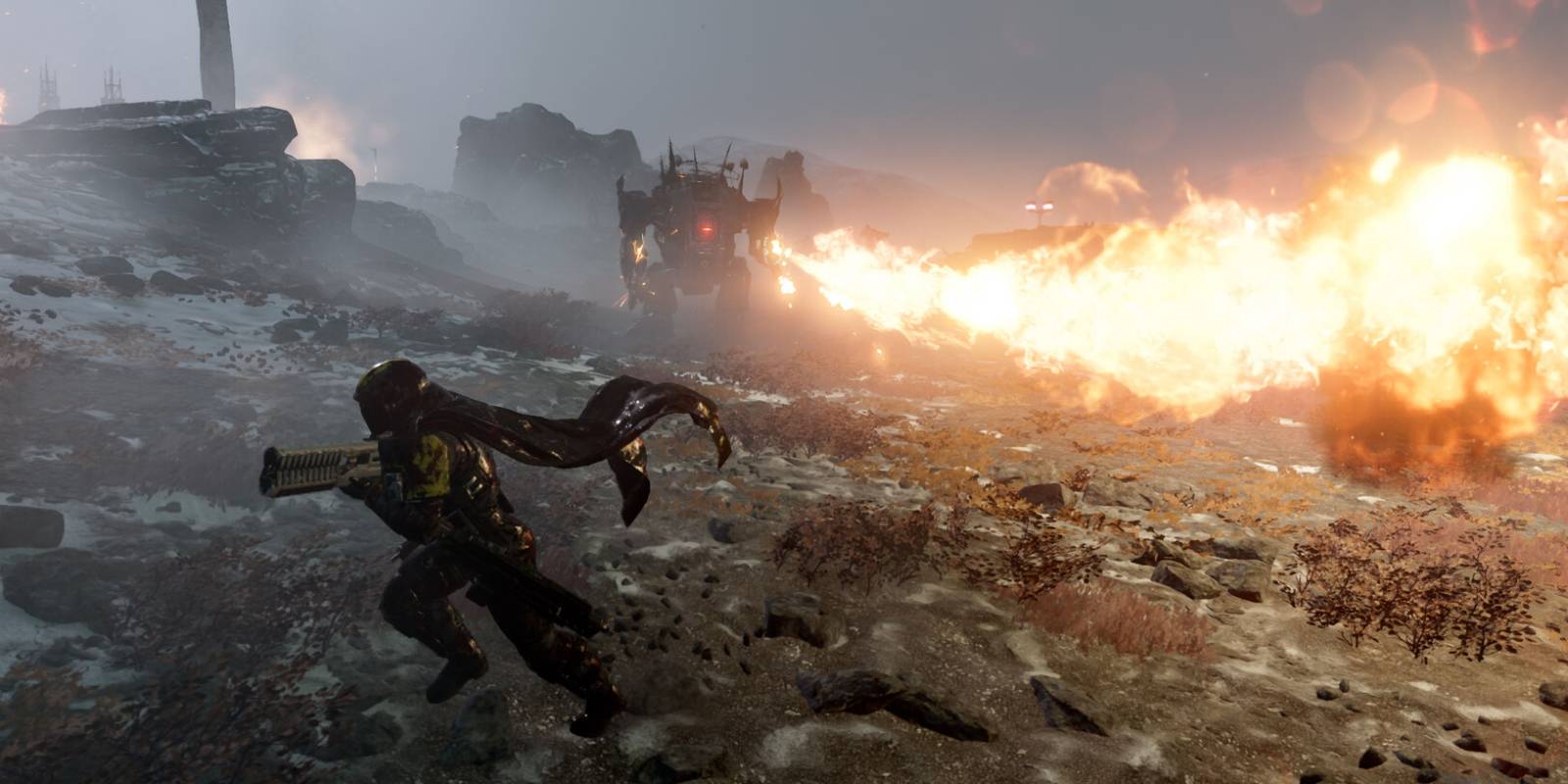

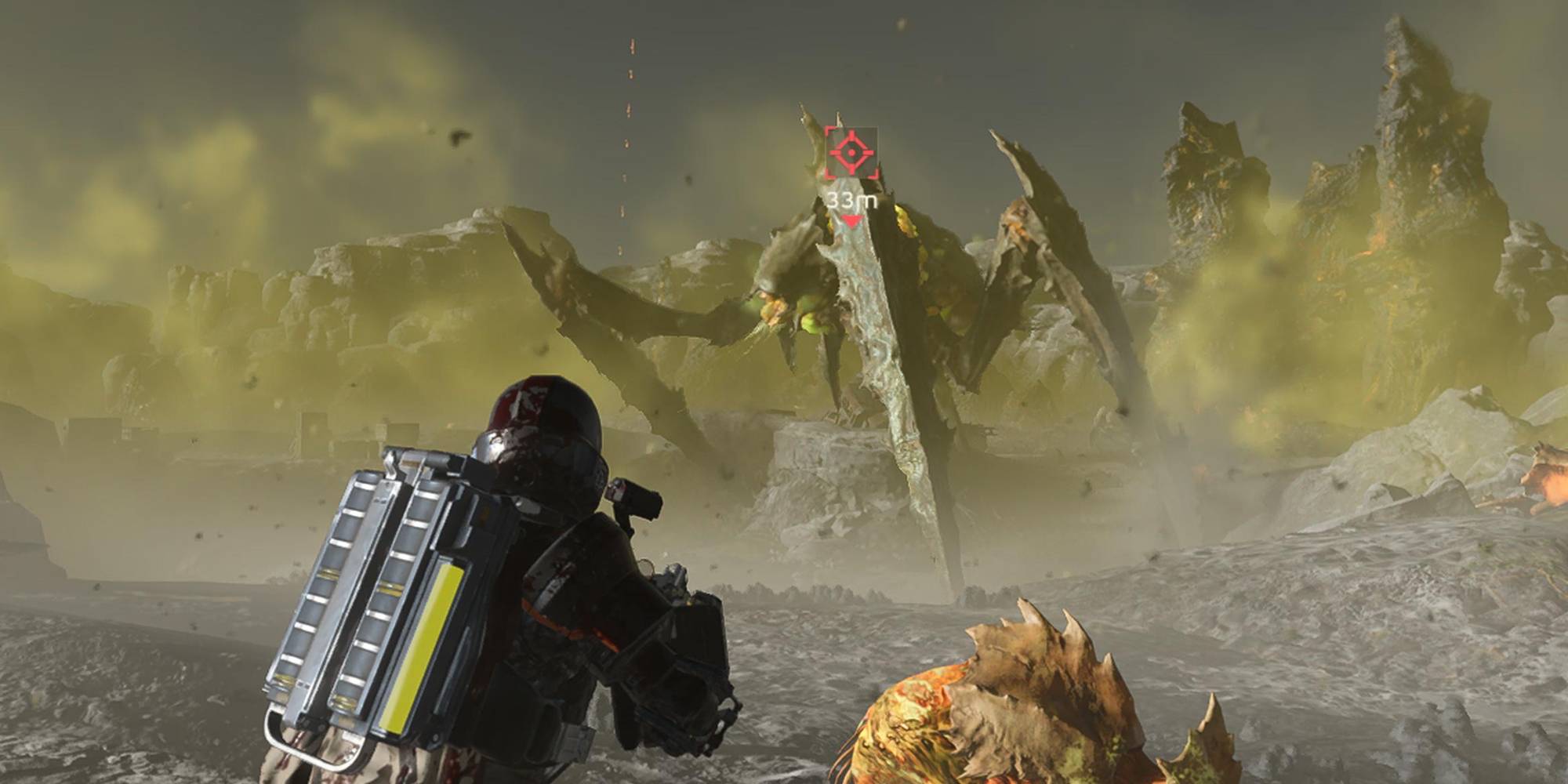


Liberating planets in Helldivers 2 is essentially similar to depleting the health bar of a boss - as some dedicated players have found and explained on community site helldivers.io, successfully completed operations across the entire playerbase contribute to depleting a planet's "health," shown visually as increasing the blue portion of the meter, and once a planet's "health" is entirely depleted, that planet is considered to be liberated. Complicating the effort, however, is the fact that enemy forces will constantly push back against liberation progress, essentially acting as a kind of health regeneration effect for planets being liberated.
Another added wrinkle is that different planets can have different "health" and "regen" values, meaning that progression can sometimes feel inconsistent with what the game displays, and even planets that are hosting large portions or even the vast majority of the playerbase might not progress as fast as might be expected. The health regeneration value, in particular, can be manually tuned by the person presiding over Helldivers 2's Galactic War, a GM identified by Arrowhead only as Joel, and is likely adjusted to make sure that large player populations don't make any single planet's liberation especially fast.
On the other hand, defense campaigns, where enemy forces actively attack planets that may have previously been liberated, operate somewhat differently, functioning more like a DPS race between the playerbase and enemy forces. In these campaigns, successfully completing operations depletes the planet's "health," as usual, contributing visually to a blue bar that fills up as players complete more operations. At the same time, however, a red bar will also be filling up - succeeding in defense campaigns means filling the blue bar before the red bar fills on its own.
Common Misconceptions & How To Liberate Planets In Helldivers 2's Galactic War

As the Galactic War has progressed from the time of Helldivers 2's launch, a few common misconceptions have sprung up, many of which have been addressed by comments from developers at Arrowhead. One common misconception, for example, was that abandoning or failing operations would contribute to losing liberation progress or, in defense campaigns, building up the enemy's red bar progress faster. While this was mistakenly confirmed by one Arrowhead developer, another, AHGS_Misty, later clarified in a Reddit comment on the game's subreddit that leaving operations doesn't have any negative impact.
Operations are a series of two or three missions, depending on difficulty. The latter missions in an operation reward more Warbond Medals for completion.
In the same vein, while many players were initially under the impression the enemy progression in defense campaigns was dependent on a number of factors, including the previously mentioned operation abandonment, the progression of the red bar is purely a function of time, unaffected by outside factors. Although the opposing bars can make it seem like a tug-of-war between opposing forces, the red bar is functionally just a timer - so, while the most popular leveling method in Helldivers 2, doing single missions and leaving operations incomplete, doesn't contribute to the war effort, it also doesn't actively detract from it.
Additionally, while the single GM presiding over the Galactic War gives the impression of an all-powerful developer who can stall progress, push it back, or even reset planets each day, there's a much simpler explanation for the push and pull of the liberation meters on some planets. Often, a planet will seem close to liberation, only for the meter to rapidly deplete overnight - and although some players might want to blame an overzealous GM, an easier explanation is that Helldivers 2 has the majority of its playerbase concentrated around the same few timezones.
Simply put, outside the largest playerbase's active hours - roughly concentrated around daytime and evening hours in the United States - the remaining global population of Helldivers 2 isn't large enough to combat the constant "health regeneration" of each planet, causing liberation progress to slip back down overnight. While the GM has some part in that, being able to decide how fast progress decays per planet, the concentration of the playerbase into just a few timezones is the most significant contributing factor.
However, the GM does undeniably play a large role in the Galactic War, and some players have been frustrated by the seemingly artificially slowed progress of the previous Major Order to liberate the planet Veld. As some players noted, the major order concentrated the majority of the playerbase onto a single planet, but progression seemed to suffer from artificially introduced setbacks at times, where the liberation meter would deplete much faster than expected. While this can be explained as Arrowhead tuning encounters to fit a much larger-than-expected playerbase, GM control over liberation efforts can sometimes feel artificial.
The Galactic War is one of Helldivers 2's most interesting and unique mechanics, and one that Arrowhead has refined from its implementation in the first Helldivers, but a combination of unclear mechanics, GM control, and the game's own unexpected success can make it hard to parse. As the game continues to receive updates, potentially introducing new factions and events, it's likely that the implementation of the galactic war will improve, and the long-term progression of Helldivers 2 will give way to many interesting narrative and gameplay decisions.
Sources: helldivers.io, Reddit/AGHS_Misty


-
 OpenCritic Reviews
- Top Critic Avg: 83/100 Critics Rec: 91%
- Released
- February 8, 2024
- ESRB
- Mature 17+ / Blood and Gore, Intense Violence, In-Game Purchases, Users Interact
- Developer(s)
- Arrowhead Game Studios, Nixxes
- Publisher(s)
- Sony Interactive Entertainment, PlayStation Publishing
- Engine
- bitsquid

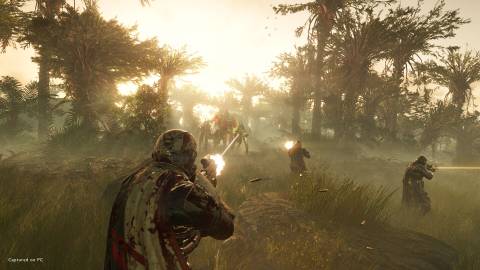
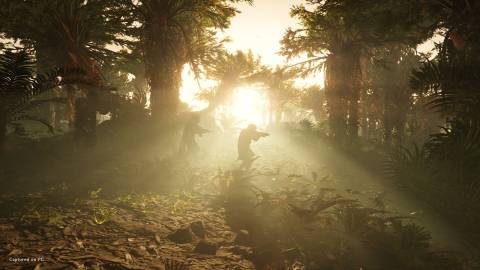
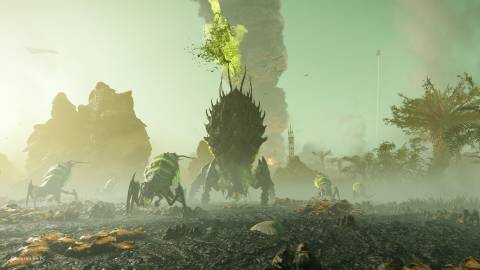
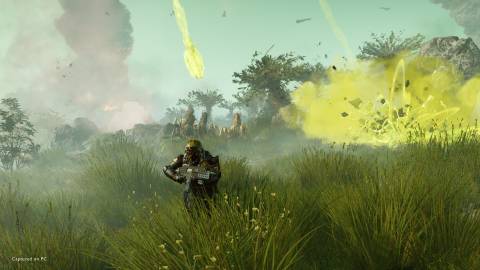
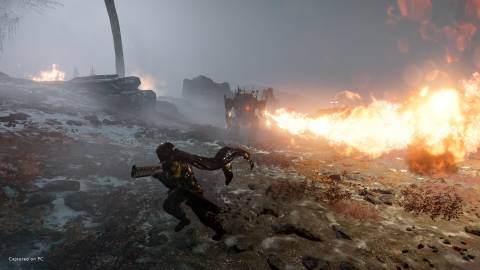
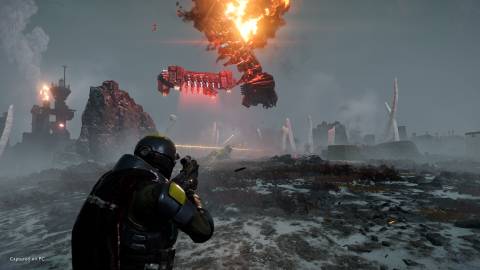
Helldivers II is the follow-up to the 2015 multiplayer top-down single-player/co-op shooter from Arrowhead Game Studios. The sequel, which has shifted gears to a third-person shooter format, drops players into the boots of elite super-soldiers who fight to protect Super Earth from invading alien forces while taking the fight to those who threaten the "democracy of Super Earth."
- Genre(s)
- Third-Person Shooter, Extraction Shooter, Action, Science Fiction

