


Robert Zemeckis’ time-hopping drama movie Here uses all-new VFX technology to de-age its stars, Tom Hanks and Robin Wright — here’s how the technology’s A.I. feature works. Here takes place on a single patch of land and chronicles the lives of its inhabitants, from the distant past into the distant future. It’s primarily shown through the eyes of a couple, played by Hanks and Wright, growing old together in the same house. It marks a reunion of the core creatives behind Forrest Gump as Zemeckis, Hanks, Wright, and screenwriter Eric Roth have all collaborated on the project.
Digital de-aging is nothing new; it’s become quite common in big-budget filmmaking in recent years, especially for productions that aim to play on the audience’s nostalgia. It’s been seen in everything from the Marvel Cinematic Universe to Martin Scorsese’s The Irishman. Sometimes, it looks genuinely impressive, like the filmmakers stumbled upon some lost footage of the actor’s early career (see: the opening flashback in Indiana Jones and the Dial of Destiny), but more often than not, it slips into uncanny valley territory. But Here uses a brand-new technology to create de-aging effects like they’ve never been done before.
Here Used A New De-Aging AI Known As Metaphysic Live
Metaphysic Live Does All The Effects In-Camera In Real Time
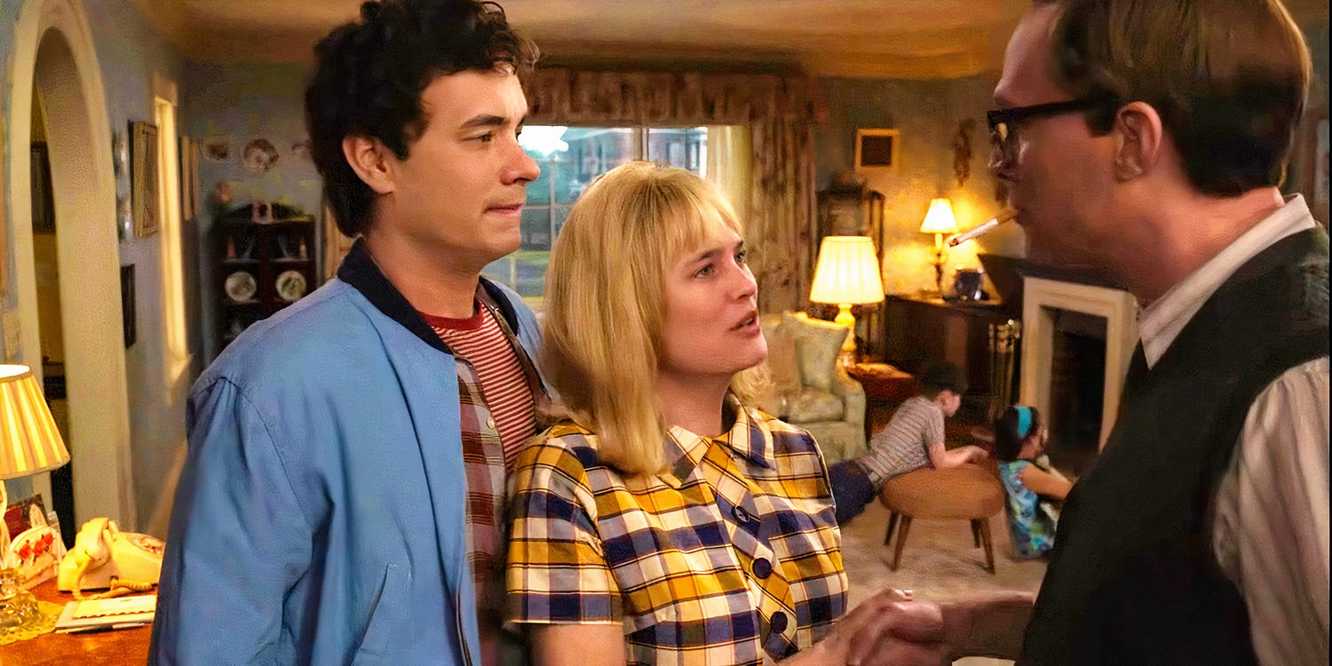
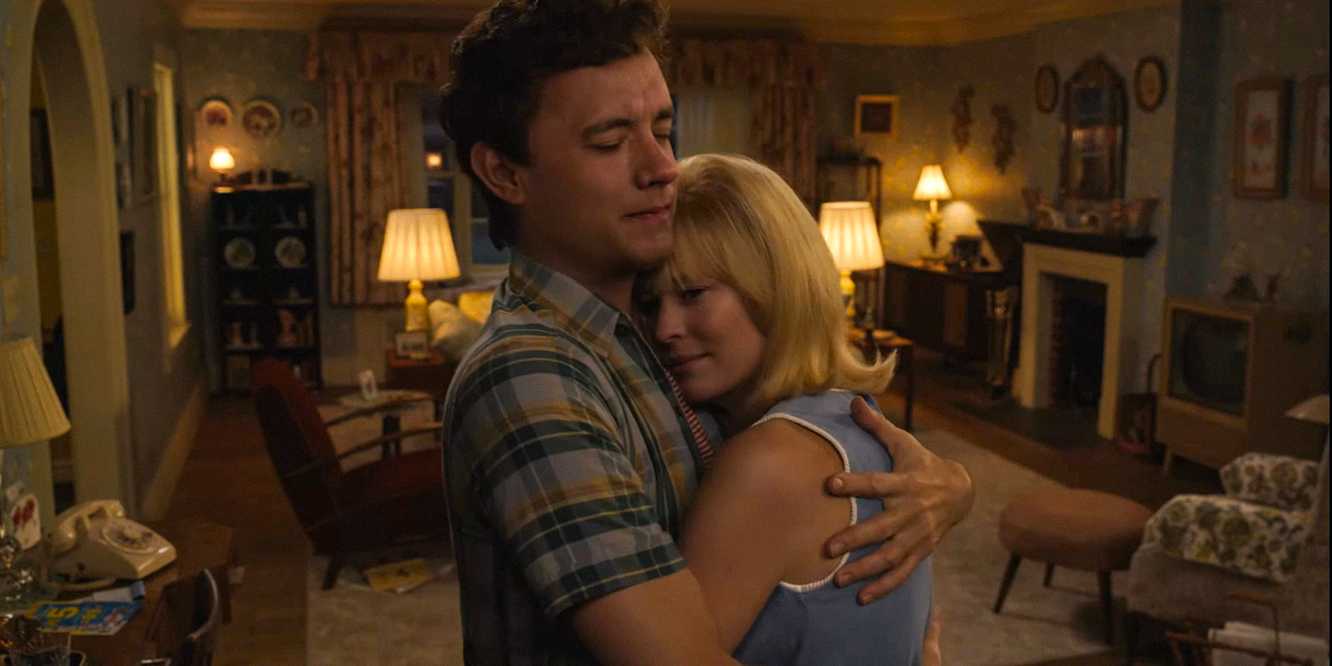
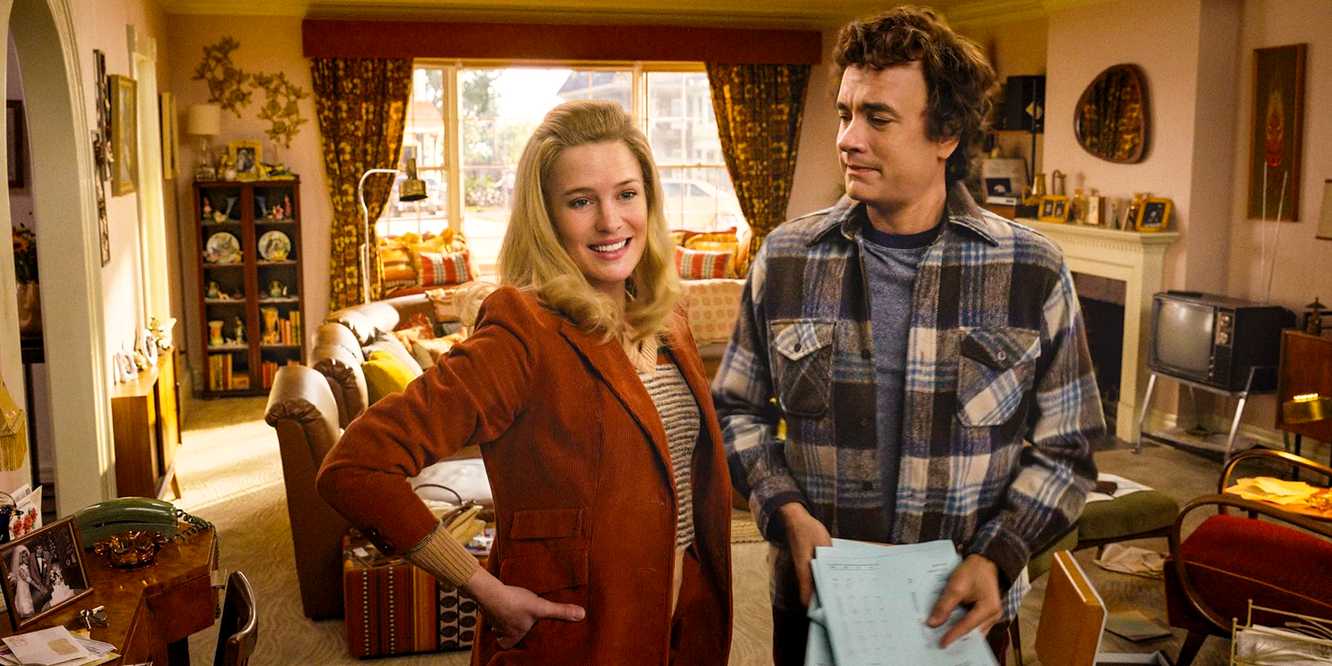
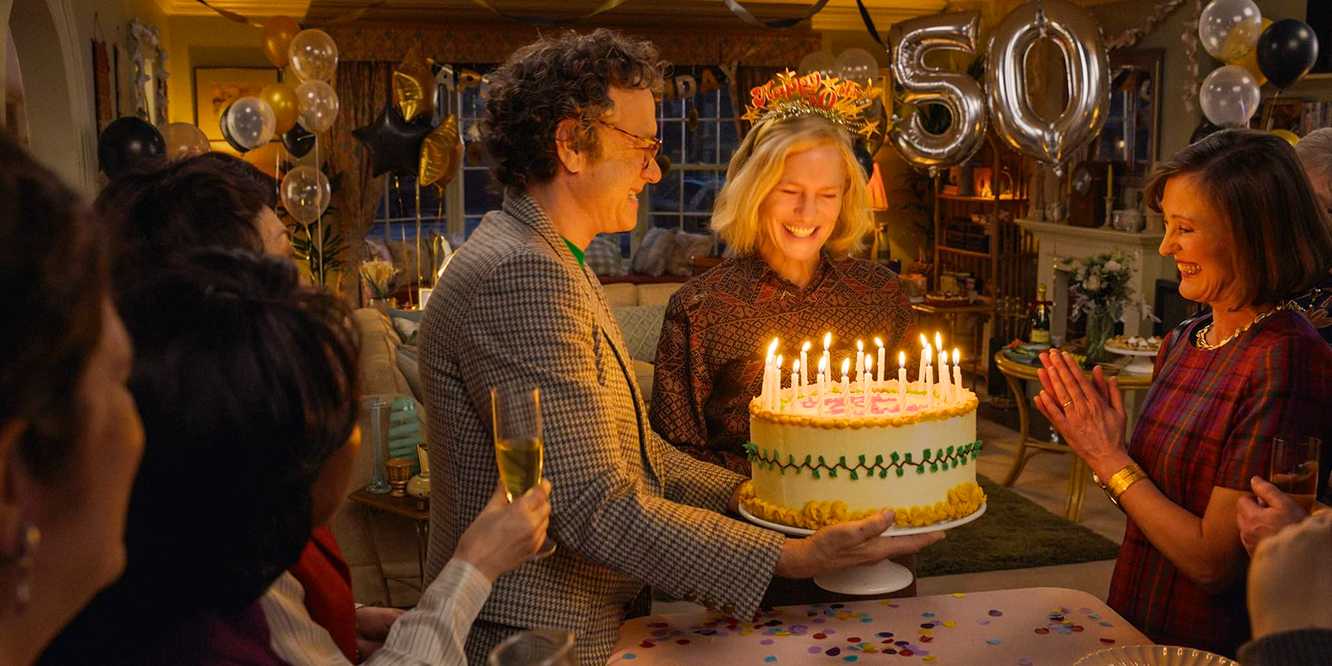



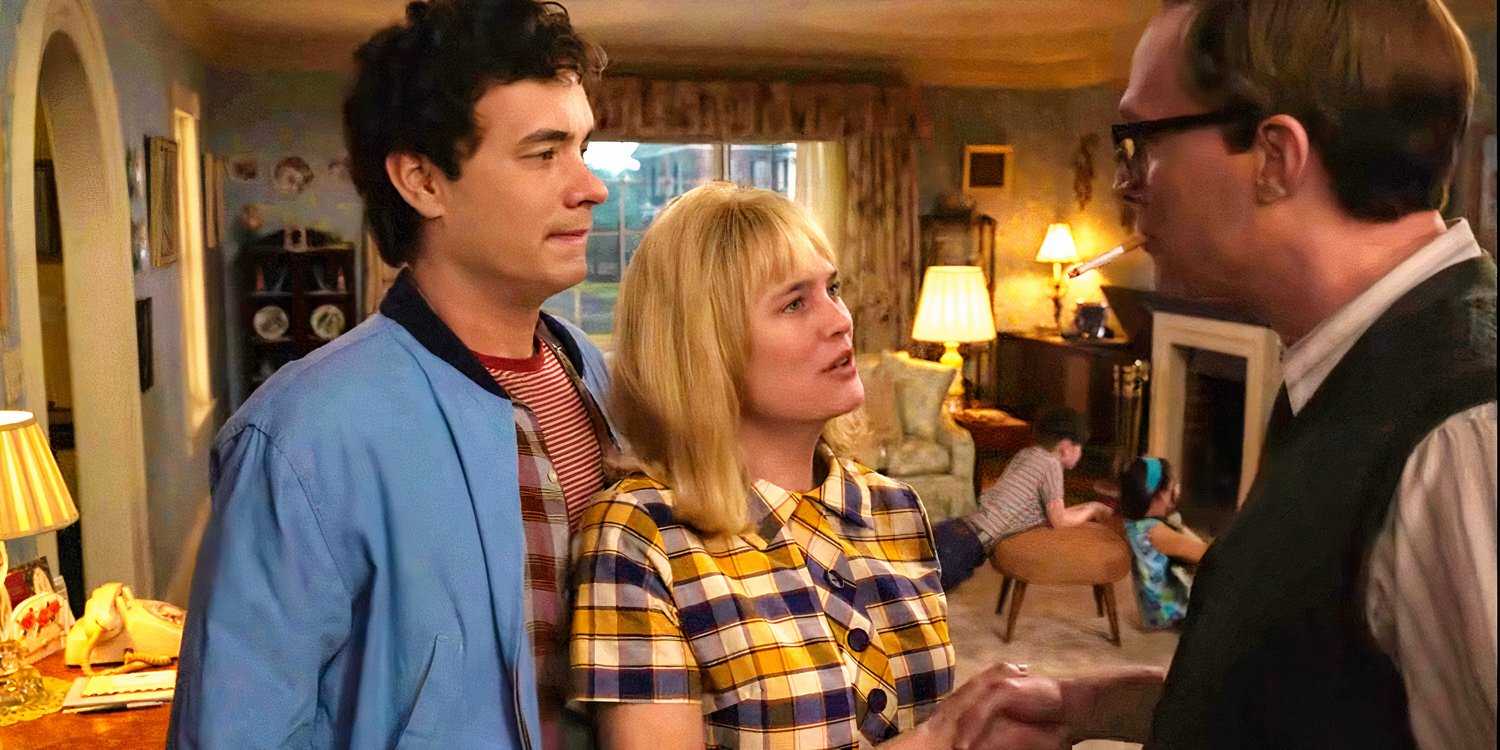
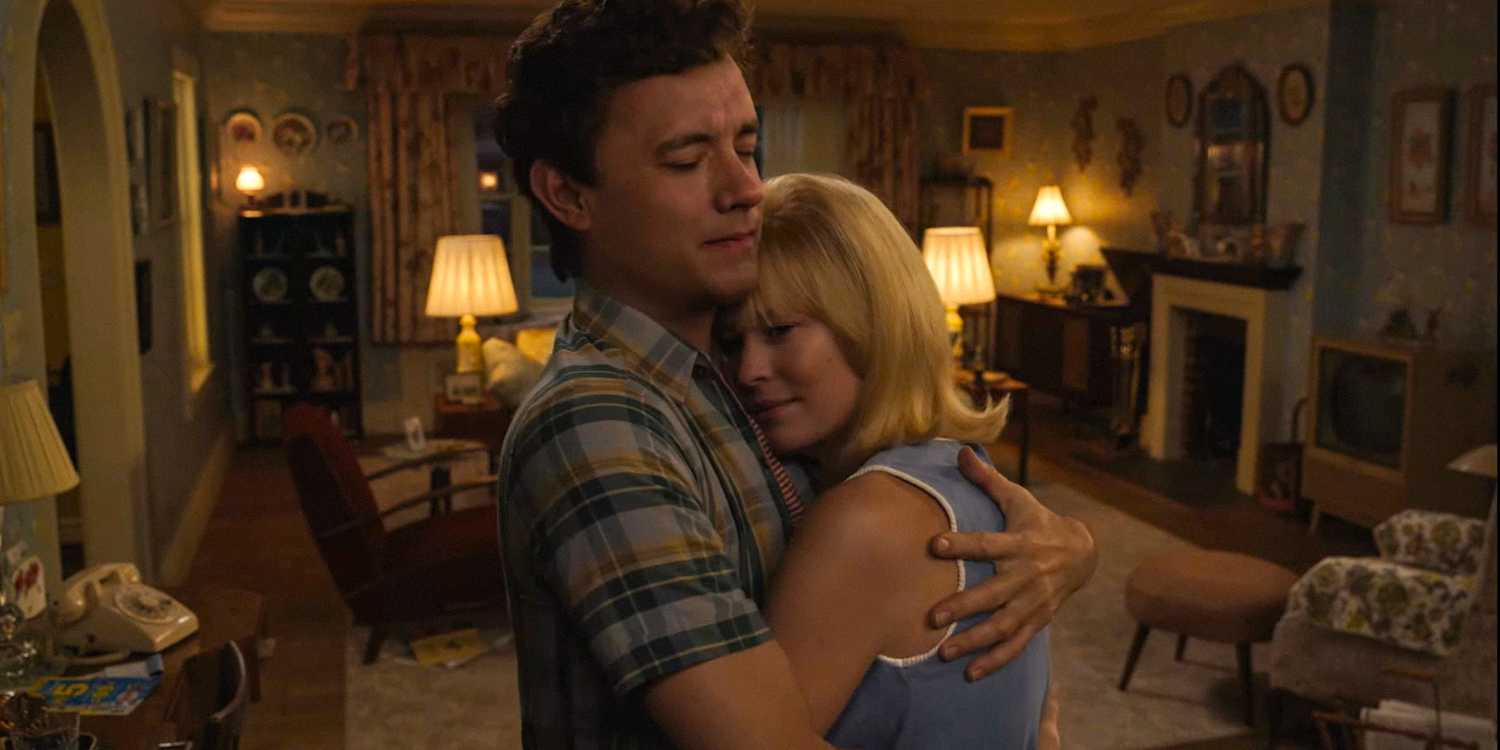
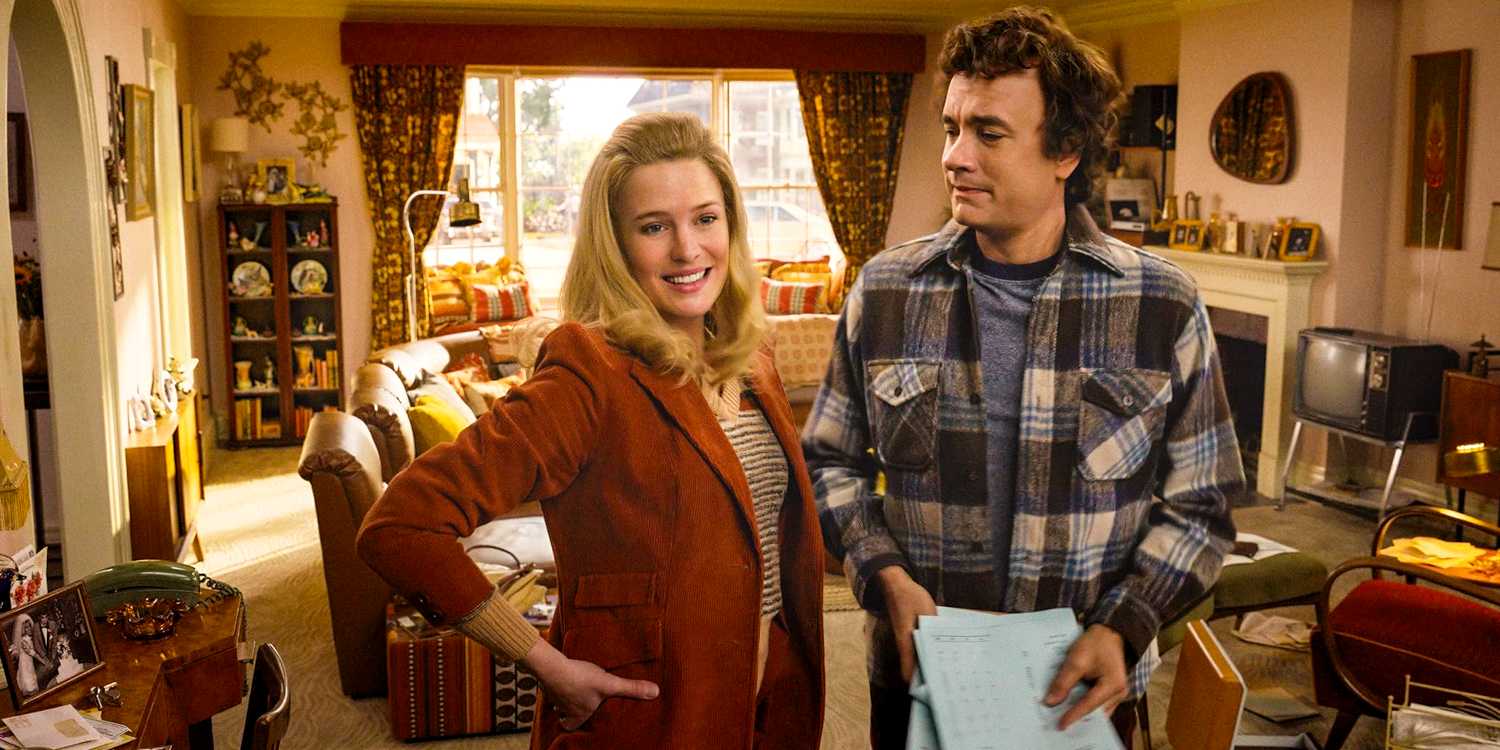
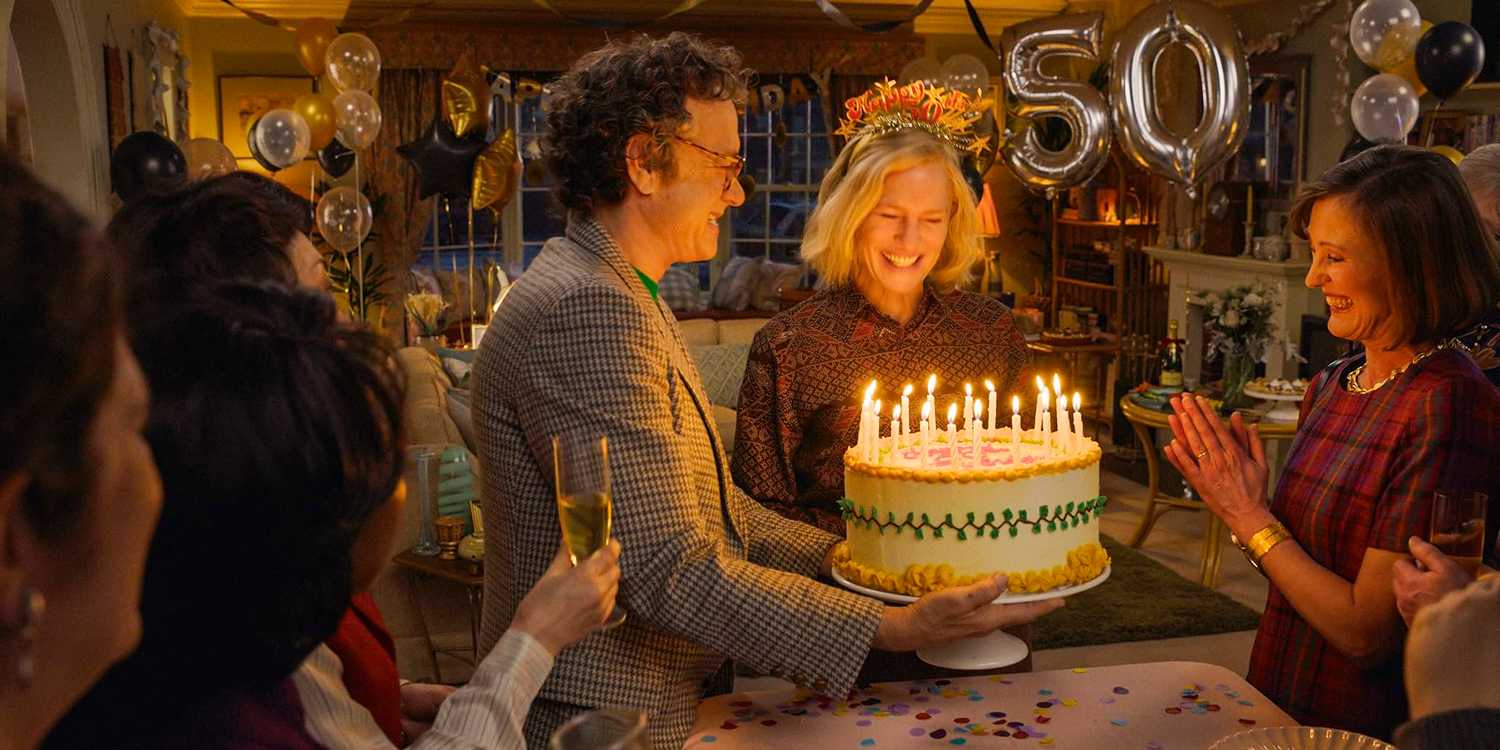


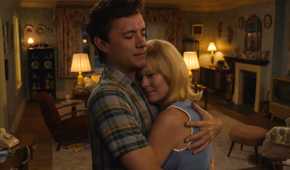

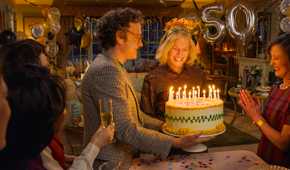

The producers of Here used a brand-new VFX technology called Metaphysic Live to de-age Hanks and Wright to the ages they needed to be for each scene. Metaphysic Live is touted as a VFX technology that doesn’t require any post-production, because it uses A.I. to instantly put the effects in every shot as it’s being filmed. Almost every VFX application on the market requires some touching up to fix the mistakes after the fact. But with Metaphysic Live, the effects arrive fully formed. The “live” aspect refers to the fact that the effects are done in real time.
All the de-aging effects are done in-camera. When Zemeckis is shooting Hanks and Wright performing a scene as twentysomething versions of their characters, they appear as twentysomethings on the monitors in video village.
All the de-aging effects are done in-camera. When Zemeckis is shooting Hanks and Wright performing a scene as twentysomething versions of their characters, they appear as twentysomethings on the monitors in video village. It’s not just picking up information for VFX artists to use later on; it includes fully rendered effects in each shot. This is a pretty groundbreaking development in VFX-based filmmaking. Zemeckis didn’t have to use his imagination to picture what the finished shot would look like. He could see the finished shots on the day as he captured them.
Here is based on the comic strip of the same name by Richard McGuire.
Metaphysic Live is essentially a face-swapping technology, but it’s better than practically every other face-swapping technology in existence. Face-swapping has been pretty easy for A.I. to pull off for a few years — it can even be done by a Snapchat filter — but it’s rarely as seamless as Metaphysic Live’s movie-quality effects. Whereas most deepfake technology fails when the subject turns their head or their hair gets in the way or something gets in front of them, Metaphysic Live handles these obstacles with aplomb. It gave Hanks and Wright complete freedom in their performances.
How Here's De-Aging Technology Is Different From Other CGI
Other De-Aging Methods Require Extensive Post-Production Work



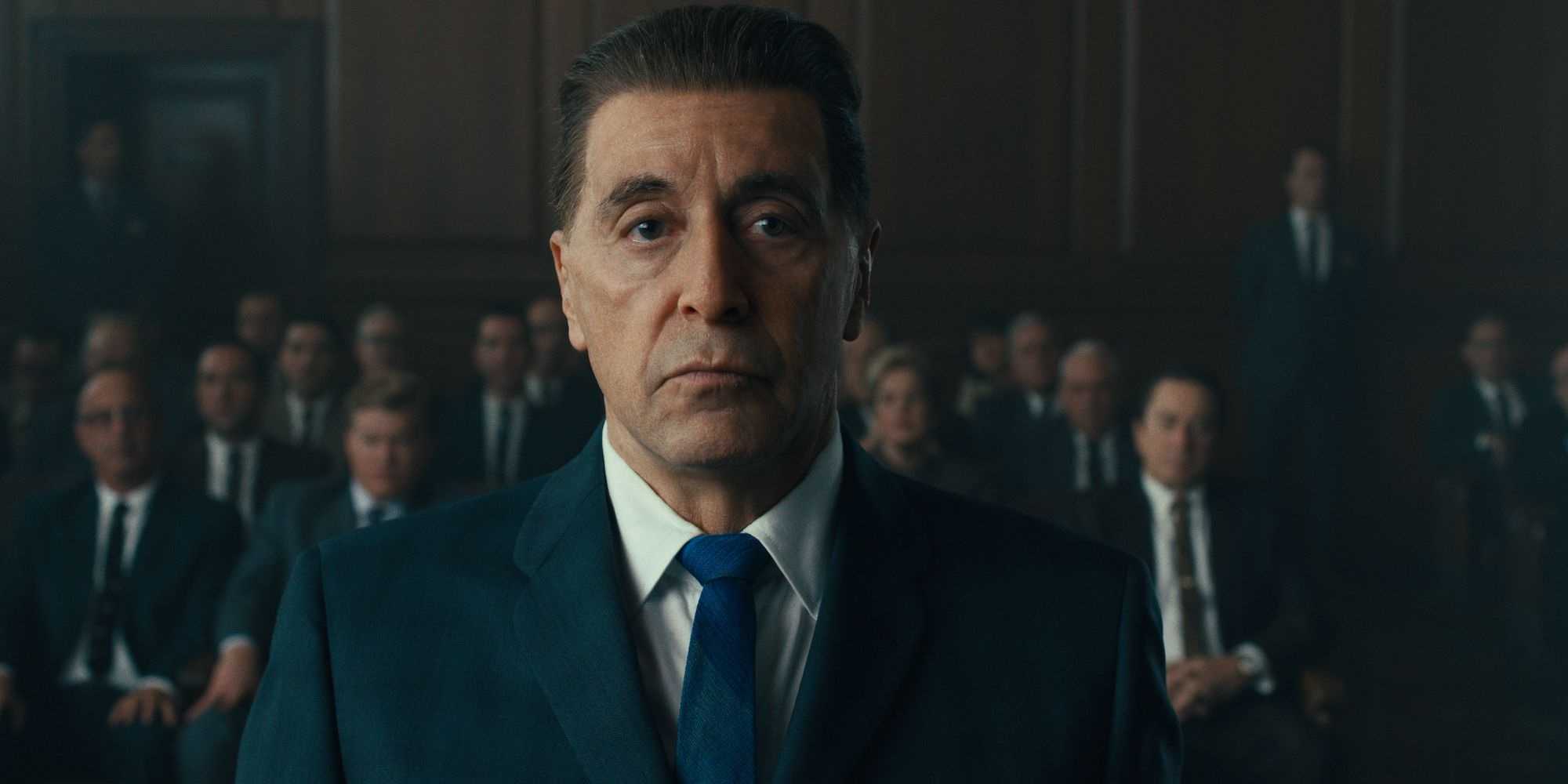


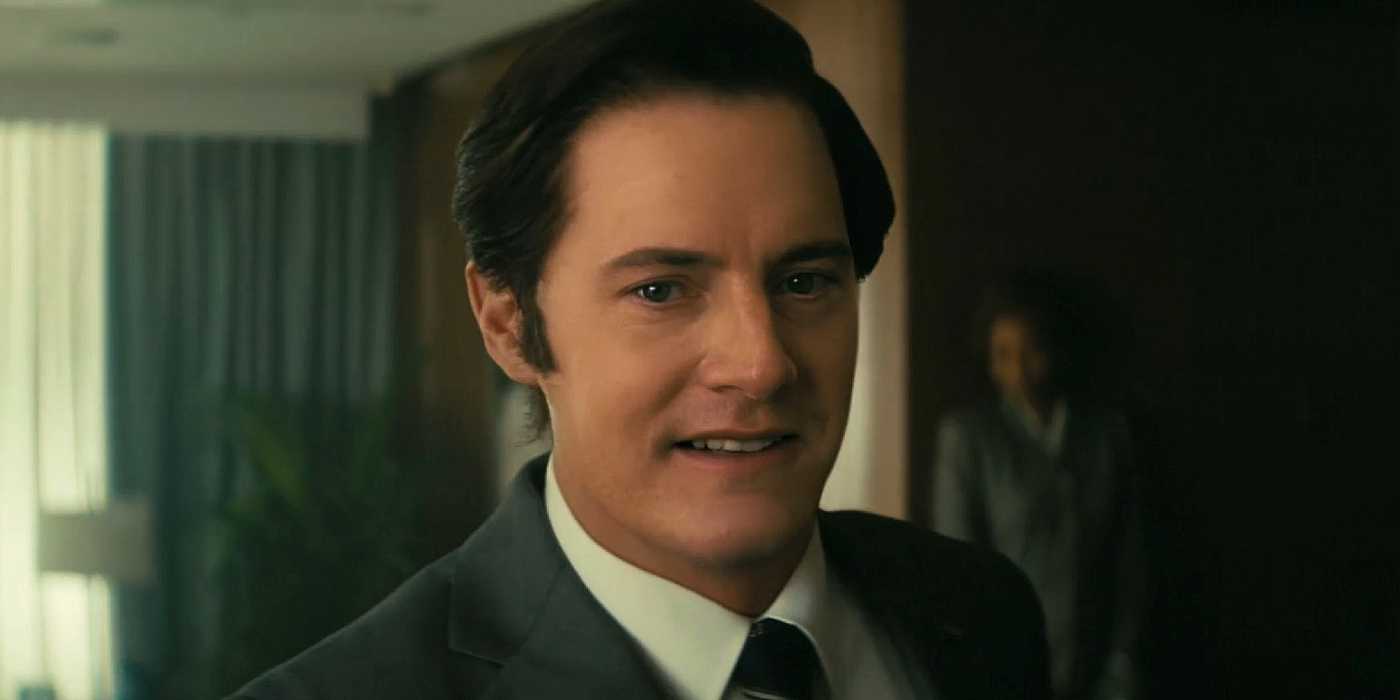





De-aging effects are typically achieved by digitally editing the image of an actor to appear younger or using CG overlays and touch-ups to smooth out the wrinkles in their skin. When VFX artists are de-aging an actor with a prolific body of work going back decades, like Al Pacino in The Irishman or Harrison Ford in Indiana Jones and the Dial of Destiny, then they’ll use footage from their old movies as a reference point. In some cases, the artists will even create de-aged digital actors from scratch or use a combination of stand-ins and CGI.
What makes the de-aging effects in Here so different is that they were done on the fly. No one had to consult old footage of Hanks and Wright from their previous films to create convincing CG models of their younger selves, because Metaphysic Live’s A.I. already did that for them. When it came time for Zemeckis to edit the movie, he didn’t have to wait months for the VFX artists to de-age his actors in each individual shot; he could go straight into the cutting room and start working through the footage.
No one had to consult old footage of Hanks and Wright from their previous films to create convincing CG models of their younger selves, because Metaphysic Live’s A.I. already did that for them.
When Michael Douglas was de-aged for Ant-Man, the director had to wait until he was deep into the post-production process just to see what those shots would look like. When Carrie Fisher was de-aged for Rogue One: A Star Wars Story, a younger stand-in had to be brought in for some of the filming and the finished scene ended up being a hodgepodge of different takes. When Zemeckis made Here, he didn’t have any of those problems. His finished shots appeared instantly on the day of filming and he never had to replace Hanks or Wright with a stand-in.
What Robert Zemeckis Said About Using De-Aging AI To Make Here
Zemeckis Tested Every VFX Technology Available Before Settling On Metaphysic Live

Zemeckis has nothing but positive things to say about the effects provided by Metaphysic Live. Even before he made the movie, he was enamored with the tech. As he was preparing to shoot Here, he said in a statement (via The Hollywood Reporter) that he’s always seeking out new kinds of “technology that helps me to tell a story.” When it came to the story of Here, he said the movie “simply wouldn’t work” if they weren’t able to seamlessly transform the actors into their former selves during the shoot, and Metaphysic Live’s A.I. tech does “exactly that.”
According to Zemeckis, what Metaphysic Live is able to do was “previously impossible.” He said that as he was preparing to make Here, he “tested every flavor of face replacement and de-aging technology available today,” and found that nothing else on the market compared to Metaphysic Live. He called them “the global leaders in feature-quality A.I. content” and deemed them to be the ideal choice to bring the emotional storyline of Here to life. Without Metaphysic Live, it wouldn’t have been possible for Zemeckis to tell the story of Here in the way he wanted to tell it.
Did Here Use CGI Or AI To Make Tom Hanks & Robin Wright Look Older Too?
The Aging-Up Seems To Have Been Done Practically

Here doesn’t just de-age Hanks and Wright; it ages them up, too. After making them look younger for the scenes set in the past, it makes them look older for the scenes set in the future. But it doesn’t seem as though Metaphysic Live or any other VFX technology was used in the aging-up process.
This seems to have been done practically. There may have been some CGI involved to touch it up, but based on the behind-the-scenes photos, the aging-up effects appear to have been done with the time-tested techniques of makeup and prosthetics alone.
Source: The Hollywood Reporter




Here tells the story of a single place across generations, following the many people who live, love, and grow within the same home as their lives unfold over decades. Told from a fixed point of view, the film traces the passage of time through the families who inhabit the house, revealing how moments both ordinary and life-changing leave a lasting mark on the place they all call home.

