


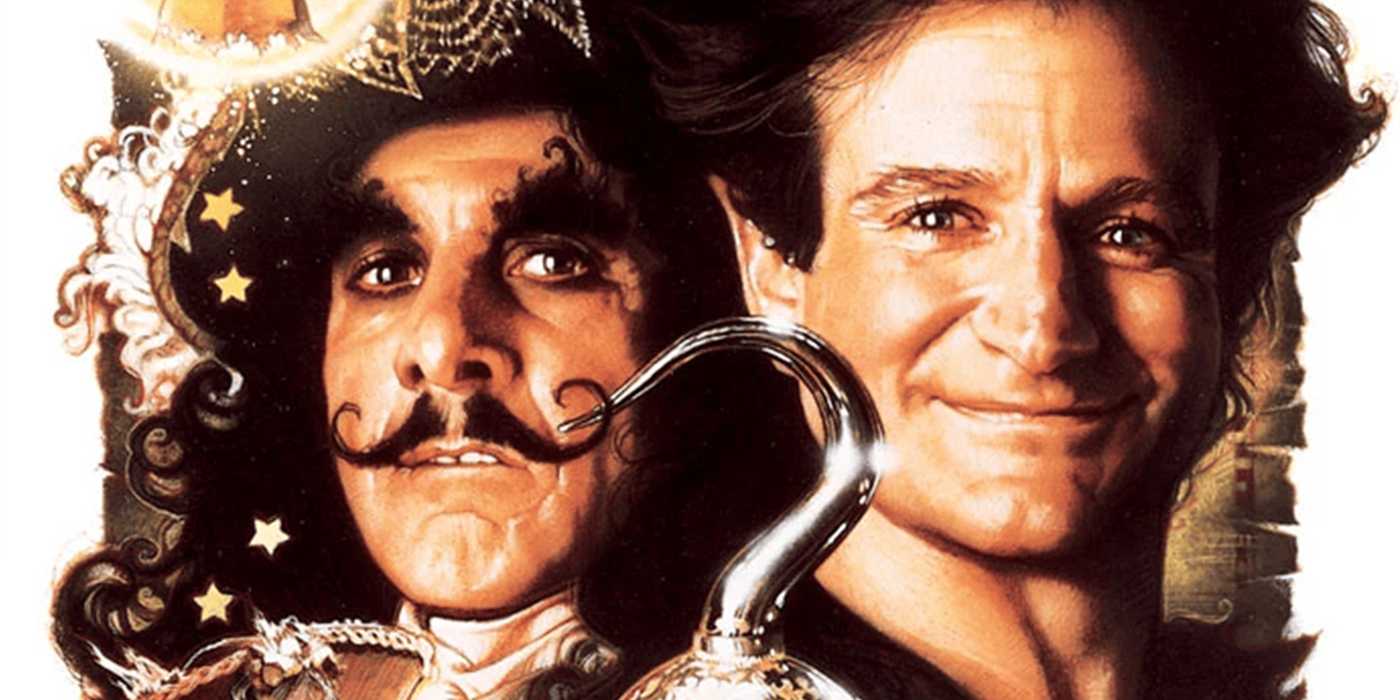
The 1991 film Hook quickly became a fan-favorite, but its ending created many questions. The film's plot follows an adult Peter Pan (Robin Williams), who must rediscover himself after Captain Hook (Dustin Hoffman) kidnaps his children (Charlie Korsmo and Amber Scott) and takes them to Neverland. Director Steven Spielberg has shared his dislike for Hook, but the movie still holds a place in millennials' hearts due to its stellar cast, bigger-than-life sets, and magical score by John Williams. Just hearing Hook's main theme brings a wave of emotions and nostalgia.
Despite all the great parts of Hook, people still debate many aspects of the movie's ending on social media sites like Reddit. In the third act, there is a massive battle between Peter Pan, the Lost Boys, Captain Hook, and the rest of the pirates. After he wins the battle, Peter returns to England with his children. Within the spaces of these events, questions arise around bigger elements like Hook's death and Peter's new family dynamic. Additionally, seemingly smaller topics bring up confusion like Smee's presence in England and Toodles' marbles. These topics all have explanations worth exploring further.
Hook Is Killed After Being Eaten By The Crocodile Clock
His Death Calls Back To His Fear Of Time Passing

Hook's fear of clocks and method of death make commentary on the immutable nature of time.
After being shown mercy, Captain Hook attempts to kill Peter Pan with his hook. With the help of Tinkerbell, Peter deflects and sticks the hook into the crocodile clock behind him. This is where everything occurs so quickly that it becomes confusing. A loud roar erupts from the beast when the hook enters the crocodile's body. The jaw opens slightly wider. The movement only becomes visible when watching the scene at a slower speed. The clock falls out of the crocodile's mouth.
The scaffolding holding the crocodile clock in place begins to fall due to small, almost unnoticeable movements from the crocodile. With another loud roar, the beast lowers its head and falls forward, landing its mouth on top of Hook. The next part requires a large suspension of disbelief because the crocodile never closes his jaw. Yet, Hook is gone and the crocodile burps, implying that he swallowed Hook. It's ironic that the crocodile clock he boasted about becomes his downfall in the Hook ending.
Hook's fear of clocks and method of death make commentary on the immutable nature of time. Right before this death sequence, Hook comments on how he will be remembered as part of Neverland forever. Hook's fear of clocks represents his fear of becoming irrelevant. He doesn't want others to forget him. He tried to prevent this by making the crocodile clock and clocks that didn't tick. If time didn't pass, he couldn't be forgotten. When Hook is eaten by the crocodile clock, it's a reminder that nobody can escape time forever. Over time, the world will forget everyone, including Captain James Hook.
Why Peter Decides To Devote More Time To His Family
Peter Has To Remember What Childhood Is Like


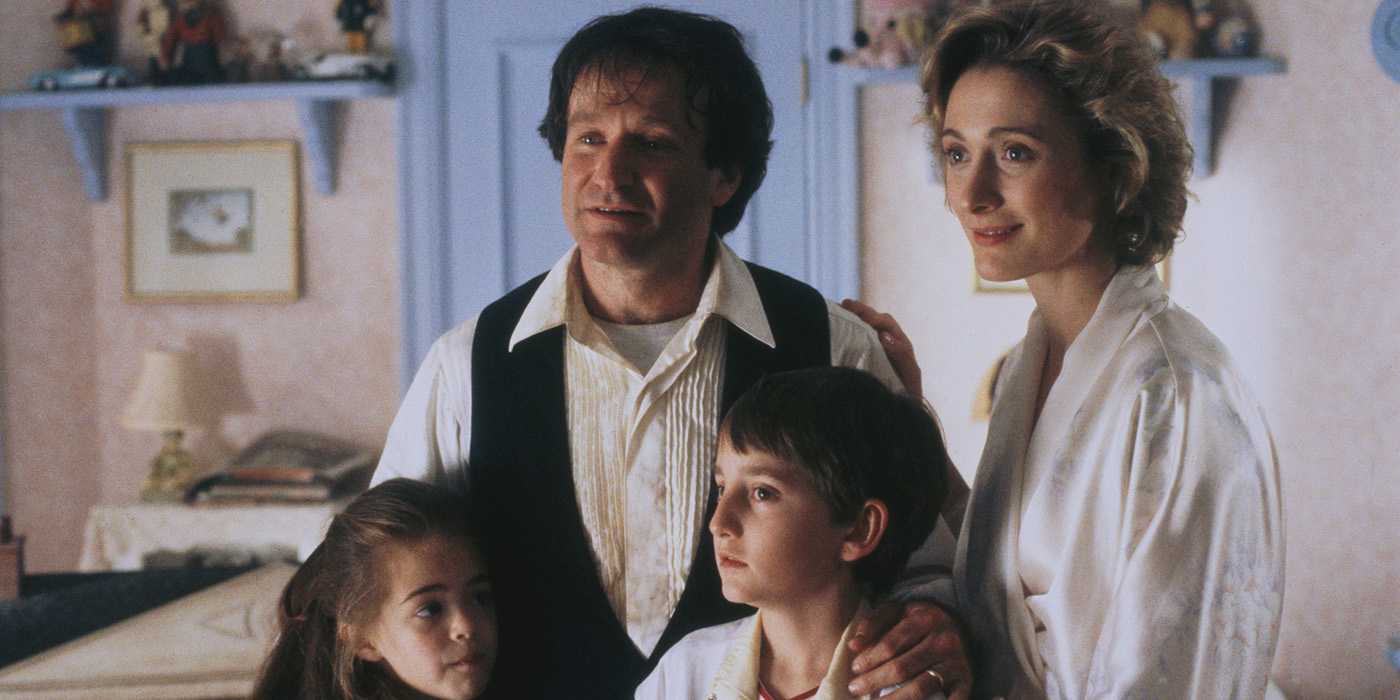
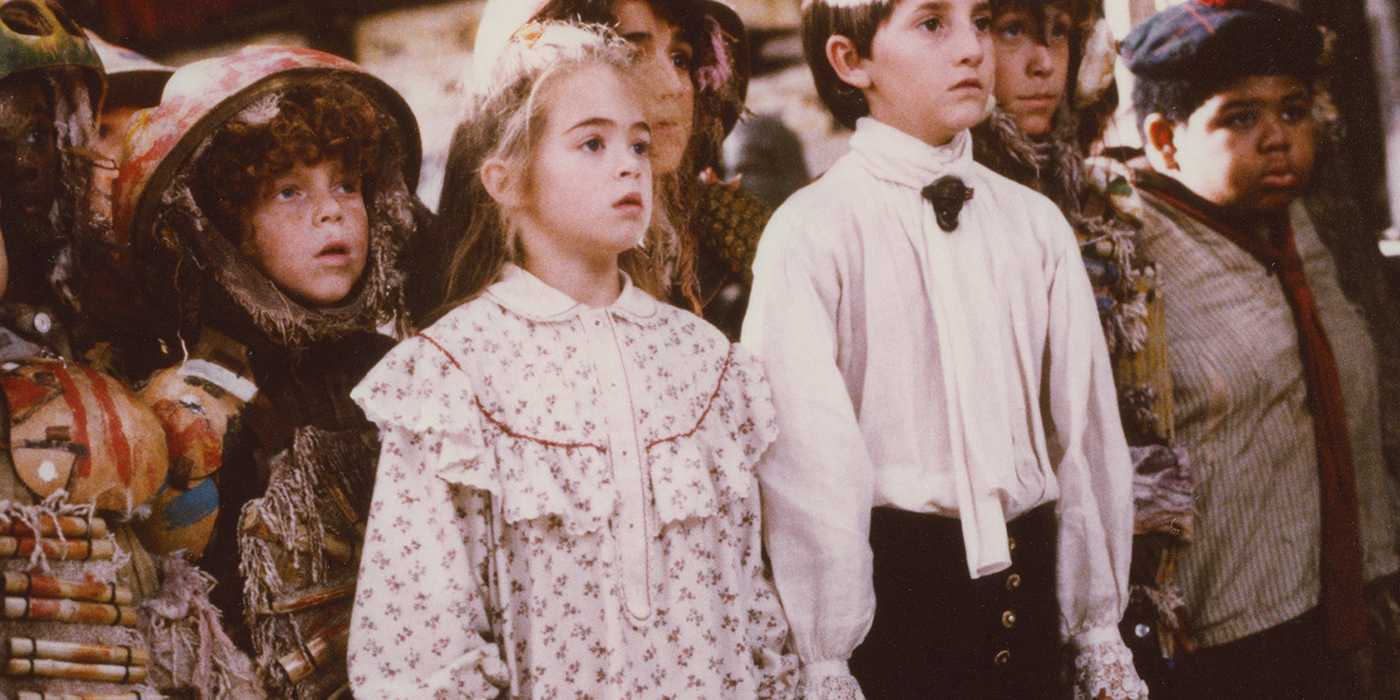
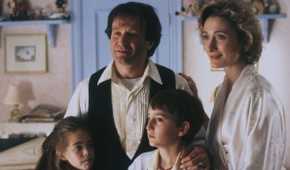
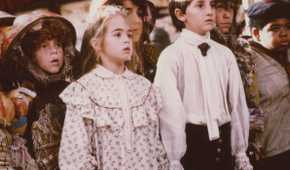
Throughout Hook, Peter must learn to be Peter Pan instead of Peter Banning in order to defeat Hook and save his kids Jack and Maggie. It turns out the key to bonding with his kids was to find the kid inside himself.
As Pan, Peter learns to play, imagine, and have fun. He stops berating children for being rambunctious, instead participating in the world as they see it. This is first shown in the Lost Boys' hideout, but it's later demonstrated again during the battle against the pirates. Peter fights like a child on an adventure, not like an adult. All these moments are significant to Peter's Hook ending.
The changes Peter made in Neverland connect him to his kids more than when he was a workaholic and temperamental lawyer. The children hold him in reverence with Jack even using Peter as his happy thought to fly home. A meaningful moment that indicates a core change in his personality is toward the end when he says, "What have I told you about this window?" in an angry voice. Then he snaps into a jubilant tone saying, "Always keep it open!" This contrasts with a line from early in the film where he yells at Jack for simply opening the window.
Ultimately, Peter's decision to devote more time to his family can be attributed to his love for his children and wife Moira (Caroline Goodall). He found that embracing Pan allowed him to bond with Jack and Maggie. His marriage, strained by his choice to put work above everything else, needed him to be Pan, too. He chooses his roots as Pan over Banning when throws his phone out the window.
The Significance Of Peter Returning The Marbles To Tootles
Tootles Gets His Happy Thoughts Back

This humbling moment for Peter allows him to acknowledge internally that he was wrong...
Peter giving Tootles (Arthur Malet) his marbles back is a significant moment in the ending of Hook. When Peter is in Neverland, Thud (Raushan Hammond) pulls him aside and hands him a bag for Tootles. Thud says, "These are his marbles. These are his happy thoughts." This line adds weight to the moment where Peter gives Tootles his bag of marbles.
At the beginning of the film, Peter calls Tootles senile for looking for his seemingly nonexistent marbles. It turns out Tootles had a clear mind the whole time. This humbling moment for Peter allows him to acknowledge internally that he was wrong about a lot of things, including Tootles.
Additionally, the pixie dust in the marbles bag makes Tootles fly immediately. Every other person must work to fly, striving for a happy memory. This shows that he was always childlike in his heart, he was only missing his happy thoughts. By getting back the marbles, Tootles can become a lost boy again, despite his age, because being a kid is simply a mindset.
Smee Appears in London As A Street Sweeper - Was Hook All A Dream?
Smee's Presence Has Produced A Lot Of Theories

One aspect of the Hook ending that's created a lot of confusion is the presence of Smee (Bob Hoskins) in London when Peter wakes up. There are two primary theories as to why Smee appears in that scene. Firstly, the director might've wanted to place doubt in the audience's minds about whether the events of the film actually occurred. Spielberg might've been trying to pull a Wizard of Oz type ending where everything was just Peter's dream.
This theory is bolstered by a statement made by Tinkerbell (Julia Roberts) immediately after Smee's scene. She says, "You know that place between sleep and awake, that place where you still remember dreaming? That’s where I’ll always love you, Peter Pan. That’s where I’ll be waiting." But if Spielberg wanted to pull the dream trope, he made a misstep when he included Tootles flying from pixie dust. This confirms to the audience that Neverland is real.
The second theory for Smee's presence is that he followed Peter back to London. If he could get ahold of pixie dust, he may have been capable of flying. After all, he'd just stolen jewels from Hook. That might elicit a happy thought. In this case, Smee would have really been present in the scene. He might have pretended to be a street sweeper to blend in with his new setting. After all, if Peter knew Smee was anywhere near his kids, he would have made a commotion.
The Real Meaning Of Hook's Ending
Hook Reminds The Audience To Live In The Moment

Ultimately, the ending of Hook leans on an iconic quote from Peter. He says, "To live would be an awfully big adventure." The movie's ending reminds audiences to live life to the fullest right now because time will continue to pass. Hook will die. Smee will move on to another place. Peter's children will only be young for so long. Tootles will continue to physically age no matter how much he keeps his childlike wonder.
However, these facts make time all the more precious. As Peter does in Hook, viewers should figure out what's important to them and hold onto it while they can.
How The Hook Ending Was Received
The Hook Ending Received Mixed Responses


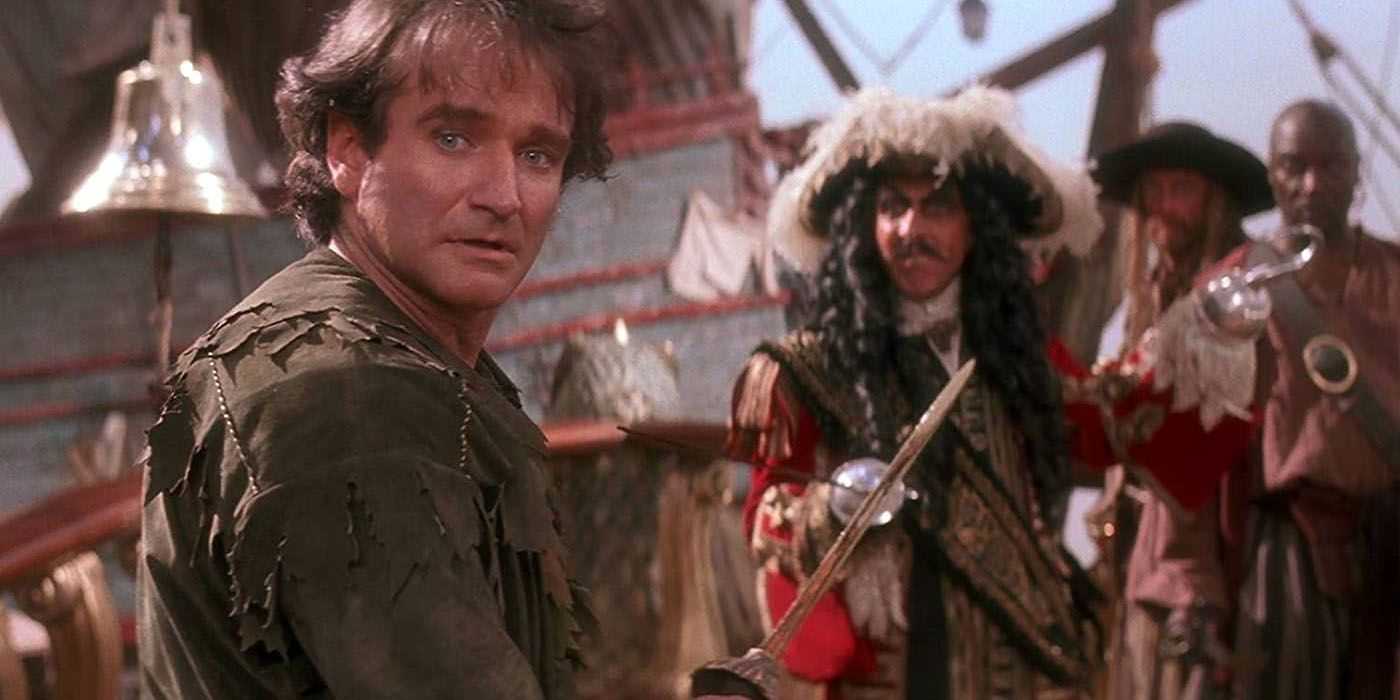
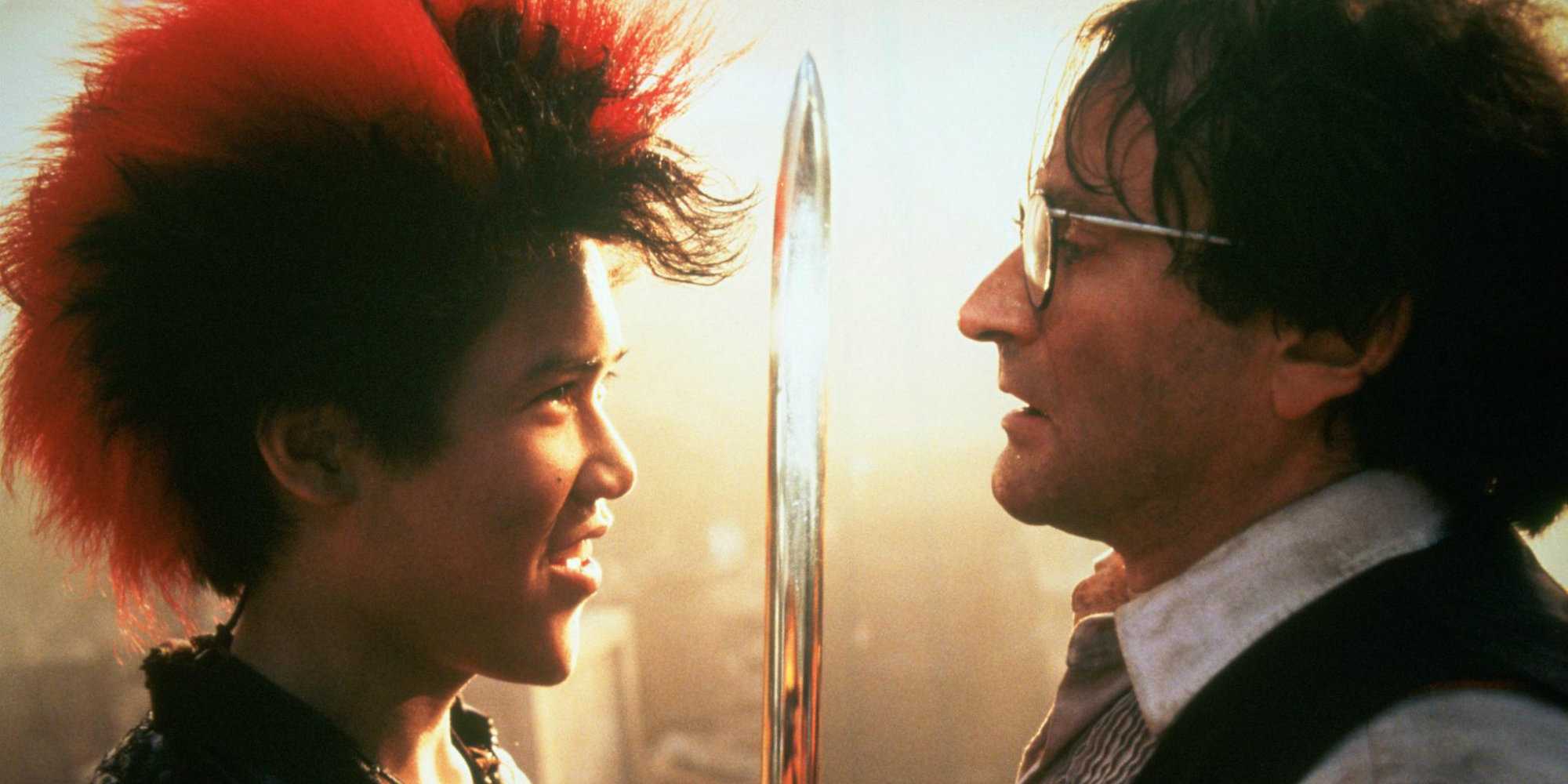
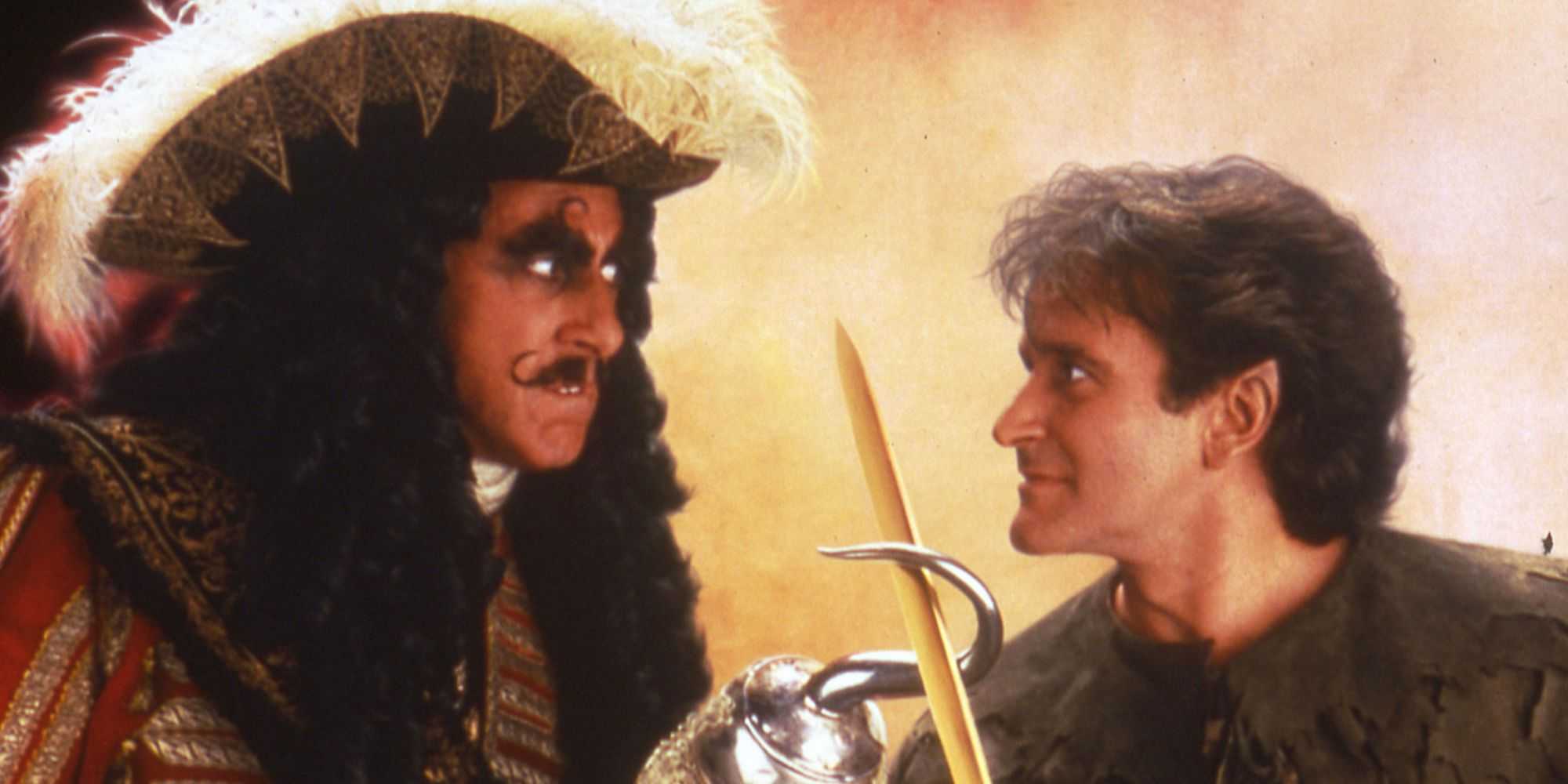
Hook as a whole received mixed reviews, especially when comparing the reactions of children and adults at the time of release. While kids could get lost in the wonder of rediscovering Neverland, adults were more critical of the movie. That extended to the end of the movie as well with Smee’s appearance in England causing confusion.
Roger Ebert famously disliked Hook, but especially the ending, believing it went on for too long. In his review of the movie, he said:
Then comes the ending of the movie. Or the endings. One after another. Farewells.
Poignancy. Lessons to be learned. Speeches to be made. Lost marbles to be rediscovered. Tears to be shed. The conclusion of "Hook" would be embarrassingly excessive even for a movie in which something of substance had gone before.
Over 30 years later, adults who saw the movie as kids enjoy the movie and have their own theories about the movie’s ending and Smee’s appearance, while those who saw the movie first as adults have more questions than answers. In a Reddit thread exploring people’s reaction to the movie today, one commenter of a now-deleted account said, “I was pretty shocked to learn that it was a flop and widely regarded as one of if not Speilberg's worst.”
That tends to sum up the reaction of most people who first saw the movie through a child’s gaze and now view it through nostalgia-coated lenses. Those who view it that way have a different kind of appreciation for the movie, enjoying the spectacle and the reminders of the fleeting nature of time.
Interestingly, Spielberg himself told Empire in 2018 that the parts of the movie he actually had confidence in were the first act and the epilogue, implying that he was satisfied with the movie’s ending even if he could find fault with so much of his work on the film. He explained:
I felt like a fish out of water making Hook... I didn't have confidence in the script. I had confidence in the first act and I had confidence in the epilogue. I didn't have confidence in the body of it.
When Rich Knight of Cinemablend watched the movie for the first time as an adult, his criticisms of the ending only pointed out that it should have been “stronger,” but that is because, as he also points out throughout his review, so much of the rest of the movie actually has a stronger emotional punch. Knight could understand why so many millennials who saw the movie as kids still loved it as an adult as well, saying:
I really love that this is a film that tries to warn you that life is short, and that you have to go out of your way to seek out the magic that exists in the world, since it’s so easy to forget.
That is why the confusing ending is forgivable for a lot of fans who enjoyed and still enjoy Hook. The movie is a fun ride that reminds the audience of the need to experience the magic in their everyday lives.


Hook
- Release Date
- December 11, 1991
- Runtime
- 142 minutes
- Director
- Steven Spielberg
- Writers
- James V. Hart, Malia Scotch Marmo
- Producers
- Frank Marshall, Kathleen Kennedy, Gerald R. Molen
Cast
-
 Captain Hook
-
 Peter Banning / Peter Pan
Hook is a fantasy adventure film directed by Steven Spielberg, featuring Robin Williams as an adult Peter Pan who has forgotten his childhood. Returning to Neverland to rescue his children from the clutches of Captain Hook, played by Dustin Hoffman, Peter must reclaim his lost identity and sense of adventure.

