


Warning: this article discusses addiction, suicide, and mental health.
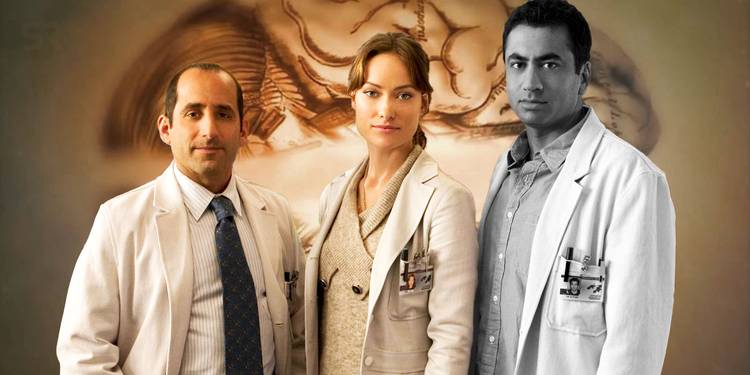
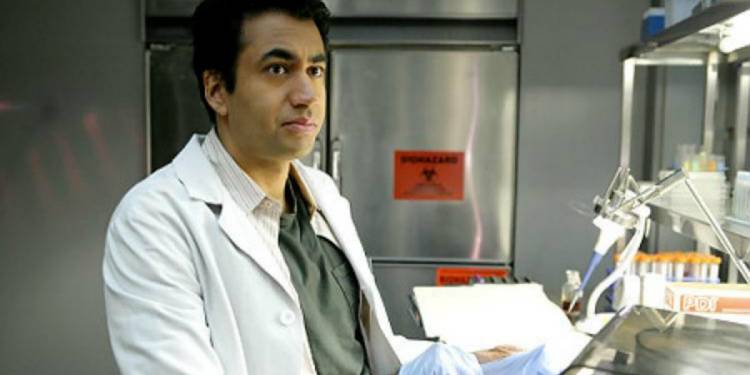
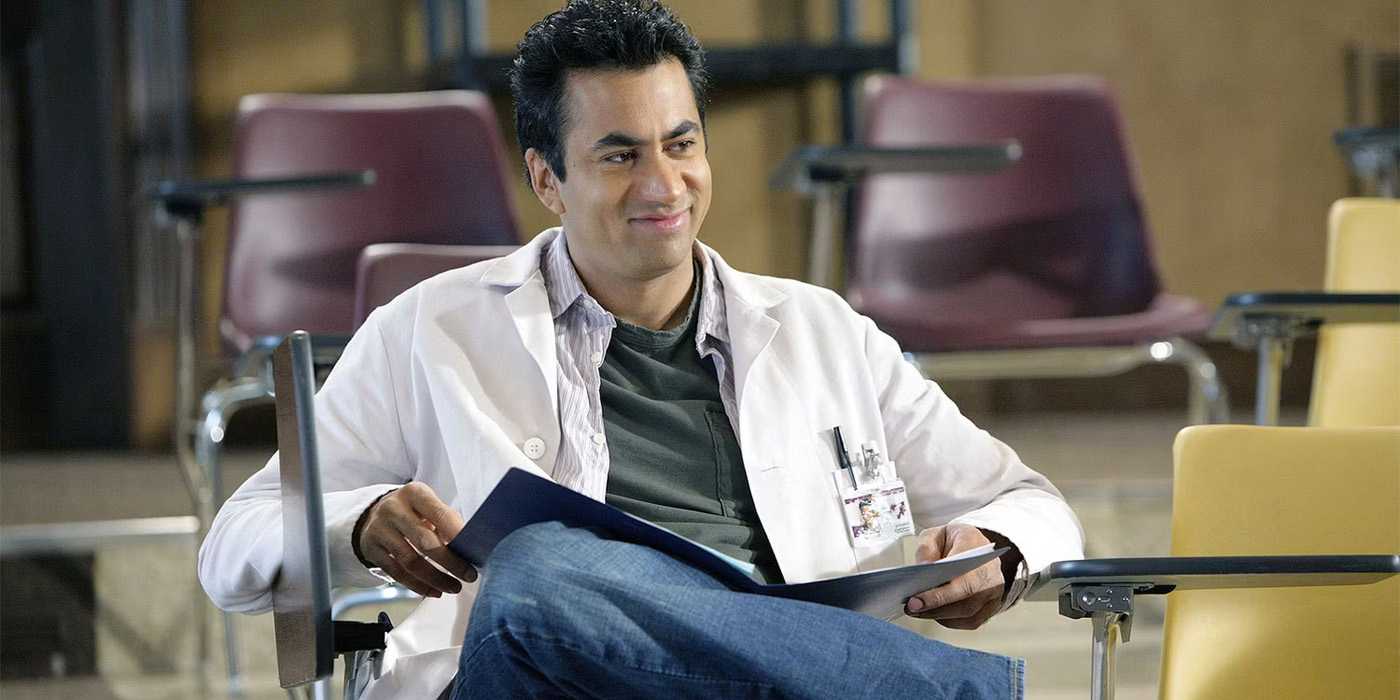
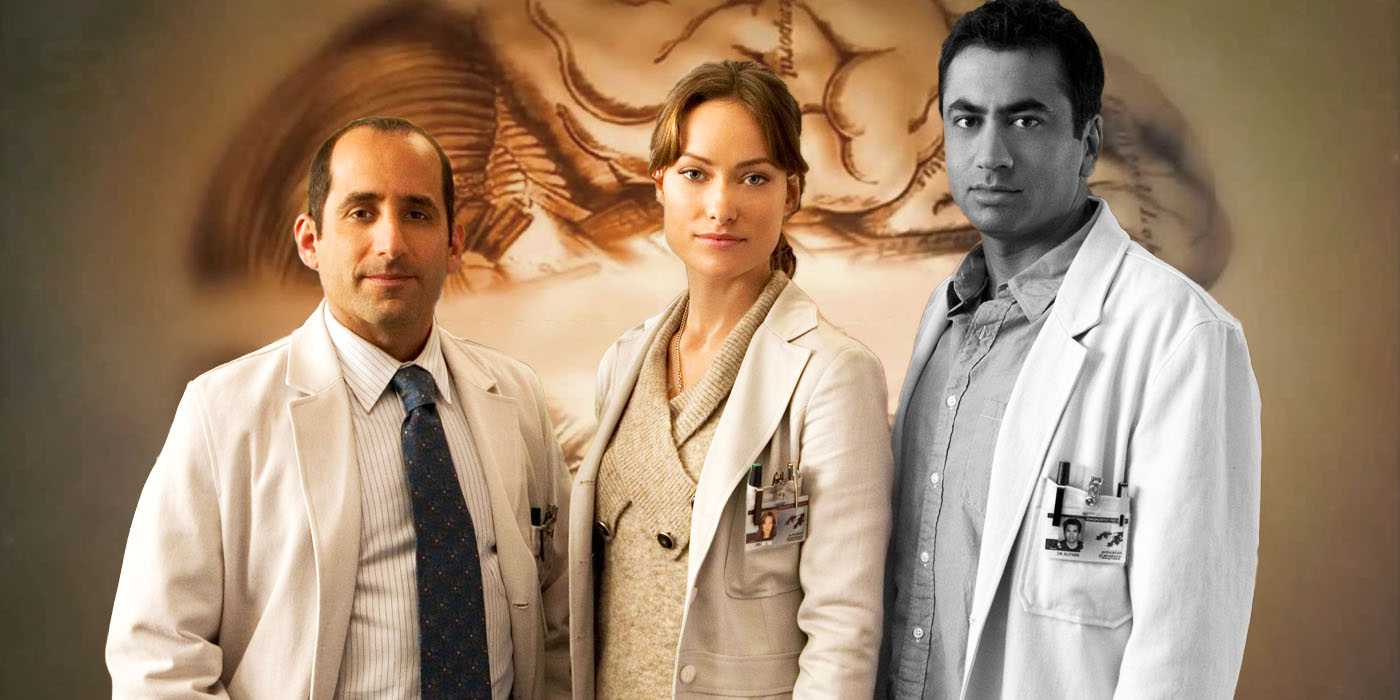
There were many emotional deaths and notable cast exits in House, but one impacted the show more than any other. Dr. Lawrence Kutner wasn’t just another member of House’s diagnostic team, he was the emotional heart of it. Introduced in season 4, Kal Penn’s Kutner brought levity, curiosity, and unexpected warmth to a show built around cynicism. He quickly became a fan favorite, so when he suddenly took his own life in season 5’s “Simple Explanation”, it was devastating - and not just for fans. The emotional fallout rippled through the entire show, forever changing its tone and the path of the titular doctor played by Hugh Laurie.
The reason behind Kutner’s death wasn’t narrative, but behind-the-scenes scheduling issues. Kal Penn leaving the House cast to work in the Obama administration forced the writers into an impossible situation. Rather than write a traditional exit, they chose one that would shake House to his core. That single moment arguably locked the show into a darker, more tragic trajectory. If Penn had stayed, House might have remained more balanced. Instead, Kutner’s absence became a haunting presence, and everything that followed, from House’s breakdowns to his growing isolation, can be traced back to Kal Penn leaving the House cast.
House Would've Been A Very Different Show If Kutner Didn't Die
The Nihilistic Tone Became Set When Kal Penn Left





 Custom image by SR Image Editor
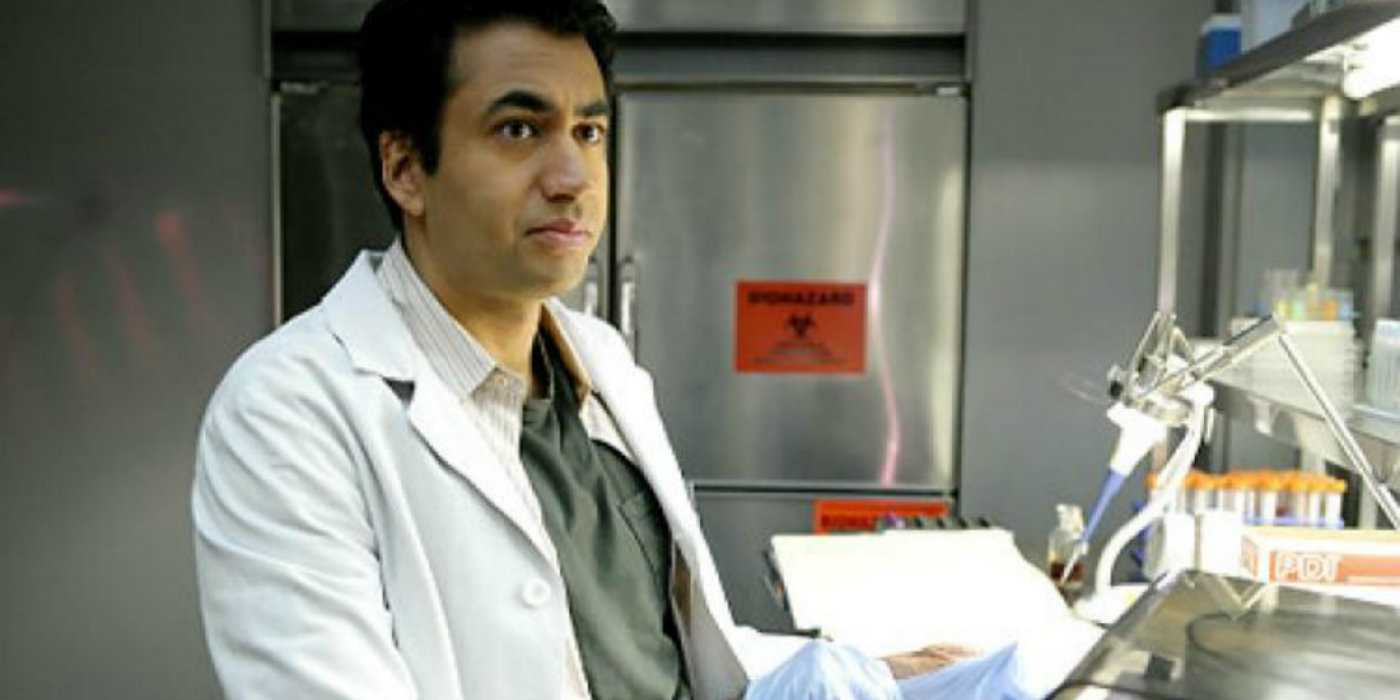
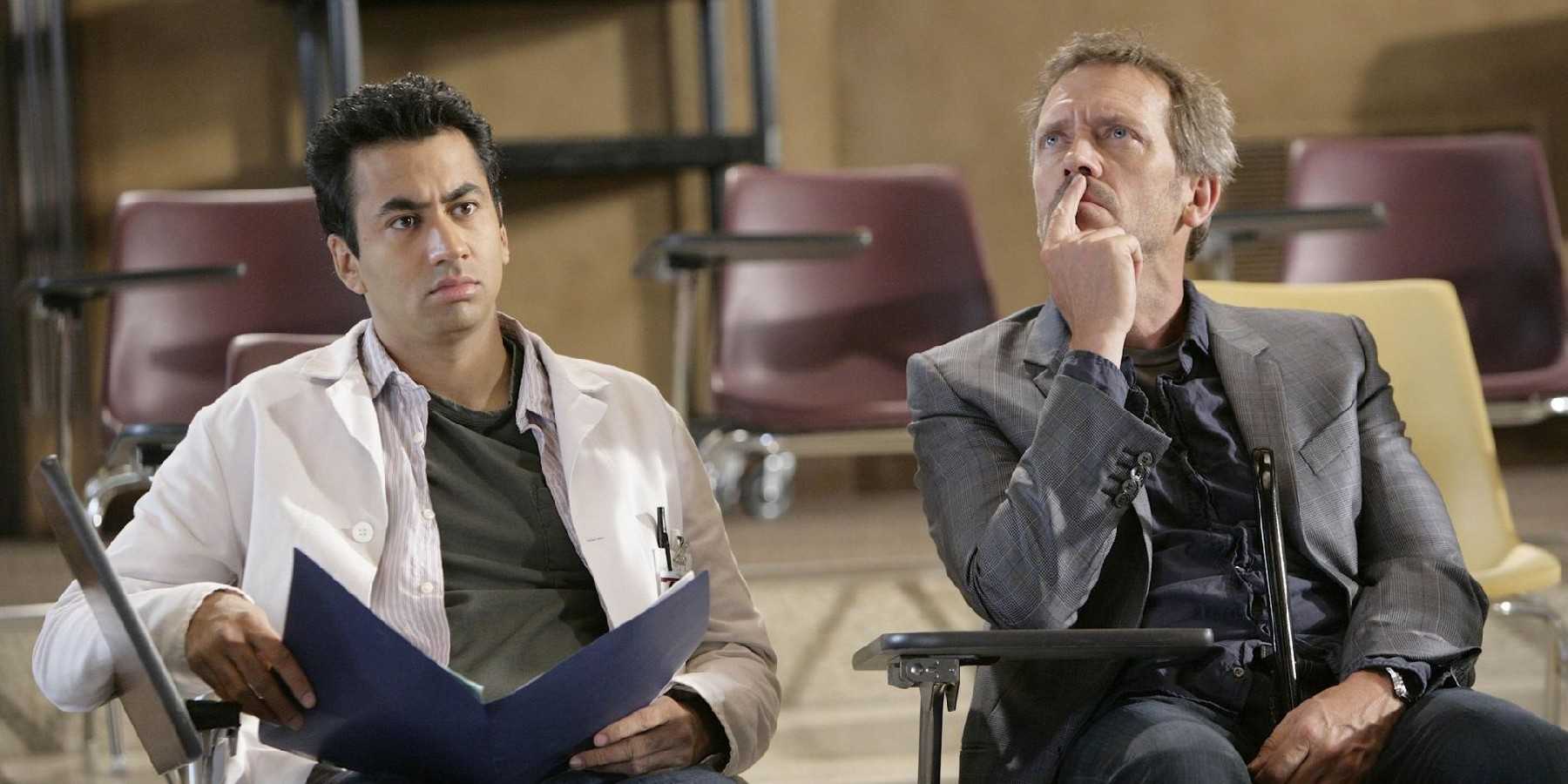





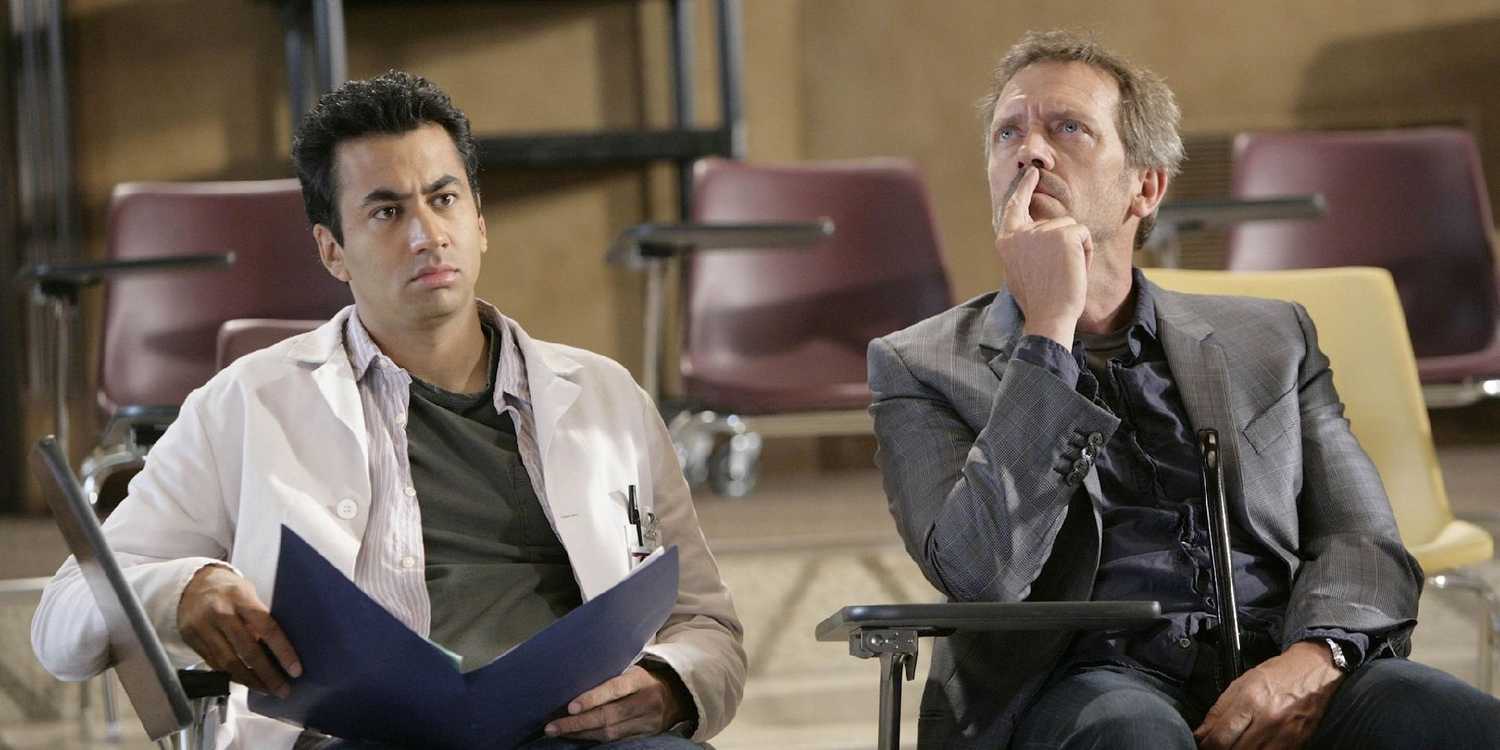
Kutner’s death wasn’t just another tragic moment in House, it was the moment that emotionally broke the show's central character. Gregory House, who always prided himself on being untouchable and emotionally distant, was suddenly staring at the death of a team member he never saw coming. And while House was no stranger to loss (Amber Volakis’ death in House season 4 already hit him hard) Kutner’s suicide added a new kind of weight: guilt, confusion, and emotional disarray.
What made it worse was that Kutner didn’t fit the profile of someone who was struggling. He was energetic, driven, often the comic relief. House was blindsided by learning of Kutner’s hidden struggles, and that’s exactly why it destroyed him. If Kal Penn leaving the House cast hadn’t happened, the writers wouldn’t have had to pivot to such an abrupt and severe blow. House might still have dealt with pain, but this was different. This was trauma without answers.
Kal Penn’s exit didn’t just change the team lineup; it redefined House’s entire emotional trajectory.
Kutner was also one of the few team members who never challenged House’s authority in destructive ways. He admired House, respected him, and tried to understand him. Without Kutner, the team dynamics changed drastically, and House was forced into a much more antagonistic position when it came to the dynamics of the show’s characters. House lost a kind of emotional buffer that kept him slightly more grounded.
In a version of House where Kutner never died, Gregory House may have remained cynical, but he wouldn’t have become quite so lost. His downward spiral in later seasons - addiction relapses, mental hospital stays, even driving a car into Cuddy’s house - likely wouldn’t have hit the same extremes. Kal Penn’s exit didn’t just change the team lineup; it redefined House’s entire emotional trajectory.
Kutner's Death Took A Toll On House That He Never Really Addressed
The Wounds The Moment Left Went Unhealed

One of the most devastating realizations about the death of Kutner in House is that House himself never really recovered from it. Kutner’s death marked the beginning of a long, downward slide for House, one that even his attempts at emotional healing and personal growth in season 6 couldn’t stop for long. House masked this descent with sharp dialogue, clever cases, and the occasional moment of redemption, but Gregory House was never truly okay again after the loss of Kutner.
True to form, House refuses therapy, won’t talk about it directly, and hides behind sarcasm and Vicodin.
In the episodes and seasons of House that followed “Simple Explanation,” House becomes more erratic, more unstable, and more obsessed with understanding what happened. He even hallucinates Kutner in later episodes, an eerie sign that he never processed the trauma. But true to form, House refuses therapy, won’t talk about it directly, and hides behind sarcasm and Vicodin. This refusal to confront his grief head-on is what makes his psychological deterioration feel so real and so tragic.
House season 6 offers a glimmer of hope. House enters a psychiatric hospital, genuinely tries to change, and for a brief period, seems to be getting better. Sadly, the truth is that the transformation never lasts. House’s old wounds, including Kutner’s death, are never truly addressed. By the time he relapses, trashes his relationships, and lands in prison, it’s clear that his emotional compass is completely shattered.
Kutner wasn’t just a colleague to House. He represented potential, someone who might’ve truly understood House, or at the very least, reminded him that not everyone around him had to be broken. His suicide told House the opposite: that even the people who seemed okay could be silently falling apart. The haunting realization that never leaves him. Kal Penn leaving the House cast ultimately triggered one of the show’s darkest, most emotionally complex arcs. House didn’t just lose Kutner; he lost a sense of safety and predictability. The death made everything unstable, especially his own mind.
No Other House Storyline Would've Hit As Hard As Kutner's Death
The Cast Change Ultimately Made The Show Better

Even in a series known for high-stakes medical cases and shocking twists, nothing in House hit quite like Kutner’s death. It was sudden, unexplained, and deeply personal, not just to House but to viewers. The moment didn’t just serve the plot - it ruptured the emotional foundation of the entire series. While other characters died (Amber, for instance), Kutner’s suicide felt especially cruel because it offered no closure.
If the writers had planned a different emotional turning point for House, it likely would’ve involved more buildup or a more typical dramatic arc.
From a storytelling perspective, it’s hard to imagine any other plot point matching the level of impact that Kutner’s death in House had. The show could’ve killed off another team member, but it wouldn’t have had the same unpredictable, off-screen punch. Kutner’s death shattered the illusion that House could keep functioning despite all the chaos around him. It proved that some pain can’t be rationalized or solved like a puzzle. That idea became central to House’s character moving forward.
Kal Penn leaving the House cast wasn’t just a headline, it was a narrative earthquake. If the writers had planned a different emotional turning point for House, it likely would’ve involved more buildup or a more typical dramatic arc. But Kutner’s death came out of nowhere, just like suicide often does. And that realism is what made it unforgettable. No twist or trauma in House ever landed quite the same way again.


House
- Release Date
- 2004 - 2012-00-00
- Network
- FOX
- Showrunner
- David Shore
- Directors
- Greg Yaitanes, Deran Sarafian, David Straiton, Daniel Attias, Daniel Sackheim, Miguel Sapochnik, Andrew Bernstein, David Platt, Juan José Campanella, Matt Shakman, Sanford Bookstaver, Peter O'Fallon, David Semel, Fred Gerber, Lesli Linka Glatter, Bryan Spicer, David Shore, Frederick King Keller, Hugh Laurie, James Hayman, Martha Mitchell, Newton Thomas Sigel, Tim Southam, Tucker Gates
- Writers
- Pam Davis, David Foster, Liz Friedman, Sara Hess, Lawrence Kaplow, David Hoselton, Doris Egan, Eli Attie, John C. Kelley, Leonard Dick, Matt Witten, John Mankiewicz, Kath Lingenfelter, Matthew V. Lewis, Seth Hoffman, Sara B. Cooper, Marqui Jackson, Michael R. Perry, Sean Whitesell, Joel Anderson Thompson, David Shore
Cast
-
 Hugh LaurieGregory House
-
 Robert Sean LeonardJames Wilson

