


Unlike any other medical procedural in TV history, House had viewers enthralled with its unique blend of humor, drama, and mystery. Part of that is thanks to its star, Hugh Laurie, who donned an impressively convincing American accent and gruff attitude as the curmudgeonly Dr. Gregory House. Even though House's series finale aired 13 years ago, there hasn’t been anything quite like the award-winning drama that had us all wondering if a minor cough could actually be lupus (which, of course, is ridiculous- it’s never lupus in House).
With 176 episodes to its name, House boasts an impressive plethora of awards, including five Emmys. Whether or not it is listed among the award-winners, every viewer has their own opinion on which episode of House is the best. Yet there is one episode of House that stands above the rest, and it helped set the standard for future episodes.
"Three Stories" Is House's Best Episode, Despite Many Strong Contenders
It Was The First Episode To Use The Unreliable Narrator Trope


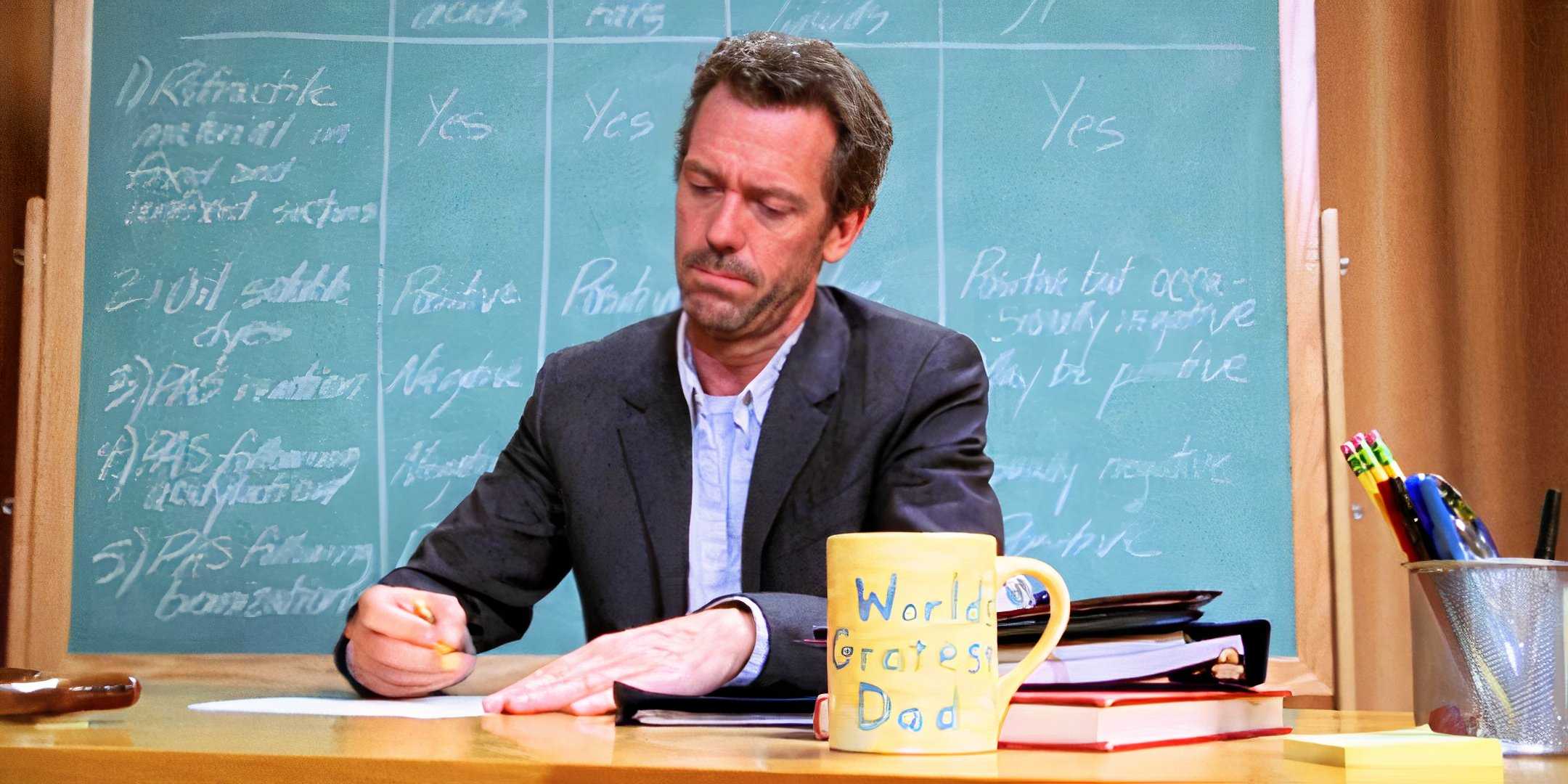

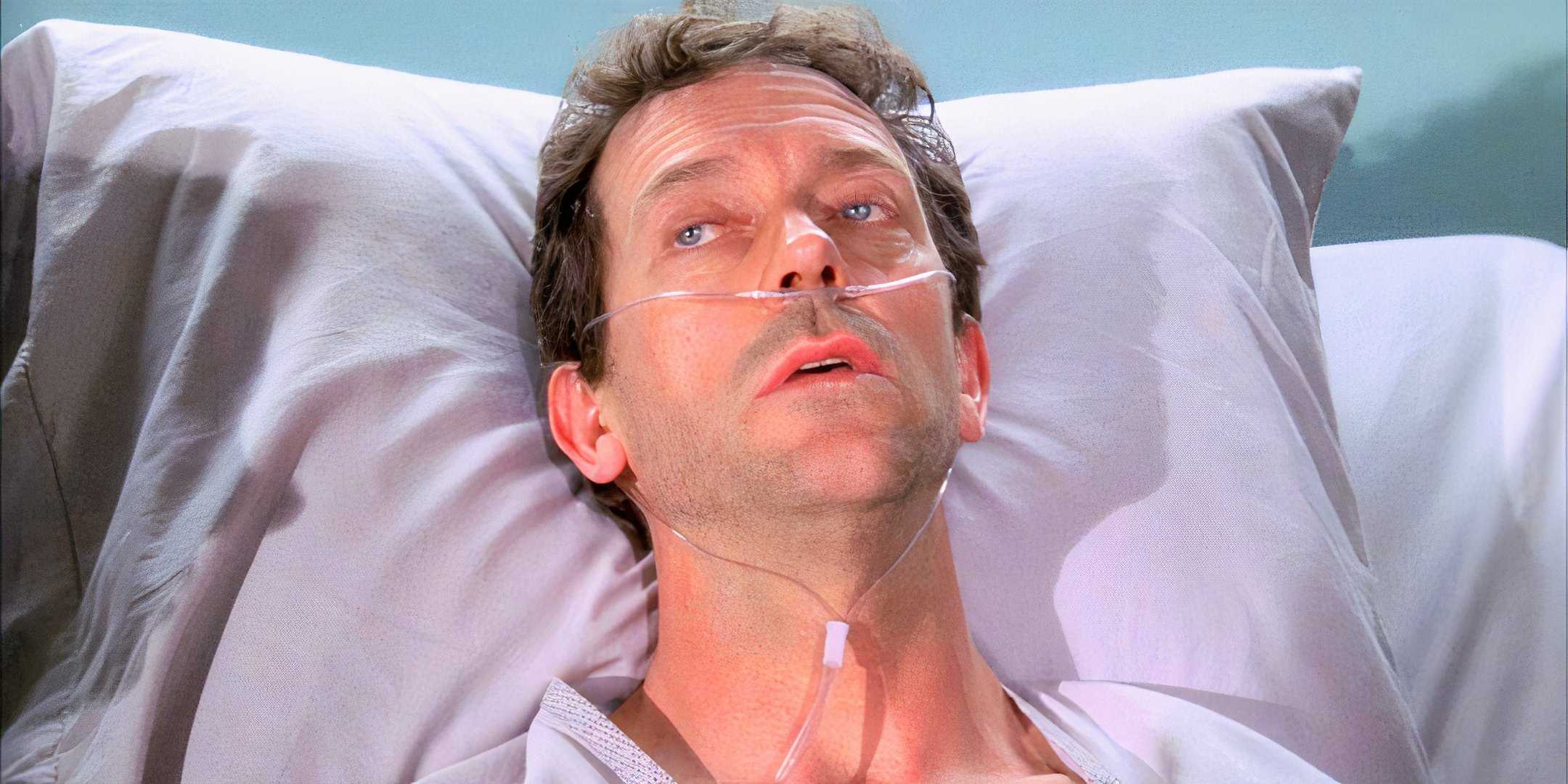



Even with eight seasons across a timeline of as many years, the most lauded episode of House remains the episode “Three Stories.” IMDb lists the 21st episode of season 1 at number four on the list of highest-rated episodes, just below “House’s Head” and “Wilson’s Heart” from season 4, and the special 2-hour premiere of season 6, “Broken.”
The episode begins with Dr. House once again shirking his clinic duties, yet Cuddy proposes a deal which will wipe his slate clean - he has to fill in for a sick professor to give a diagnostic lecture to a group of med students. House reluctantly agrees and introduces three unique cases for the class to solve. As House offers the details of the various patients, the episode gets amusingly creative with how those patients are portrayed. For instance, famous ‘90s actor Carmen Electra fills in as a farmer who hurt their leg - at least, that’s the way House tells it.
Not only does the episode reveal how House hurt his leg, but it also introduces the origin of his pill addiction and his former relationship with Stacy Warner (Sela Ward).
House continues to play with perspective as he describes the cases, yet the humor comes with a dramatic twist when it’s revealed that one of the patients was House himself. Not only does the episode reveal how House hurt his leg, but it also introduces the origin of his pill addiction and his former relationship with Stacy Warner (Sela Ward).
House Used The Unreliable Narrator Trope Several Times After "Three Stories"
Two Of Them Would Go On To Win Emmy Awards


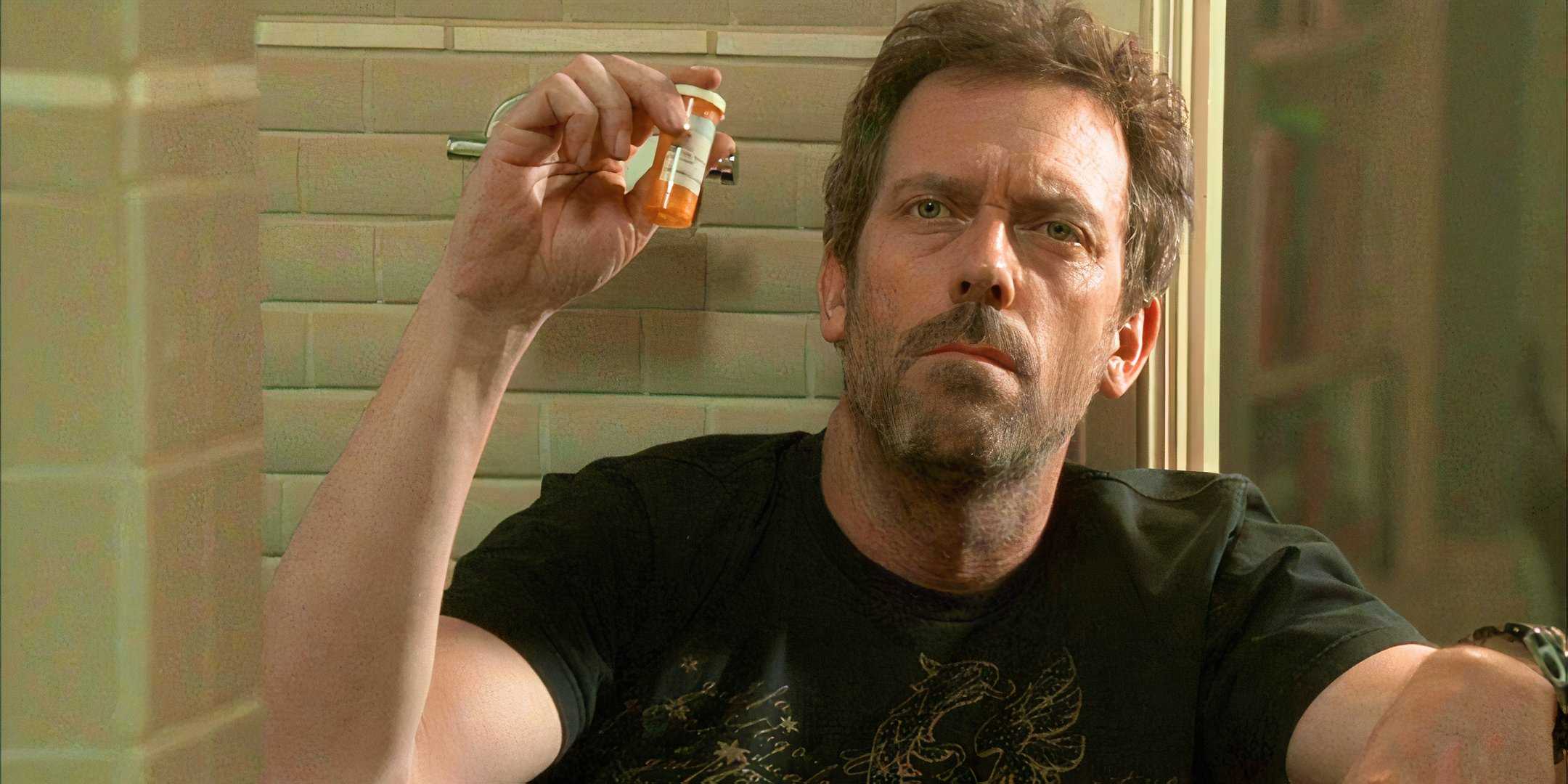

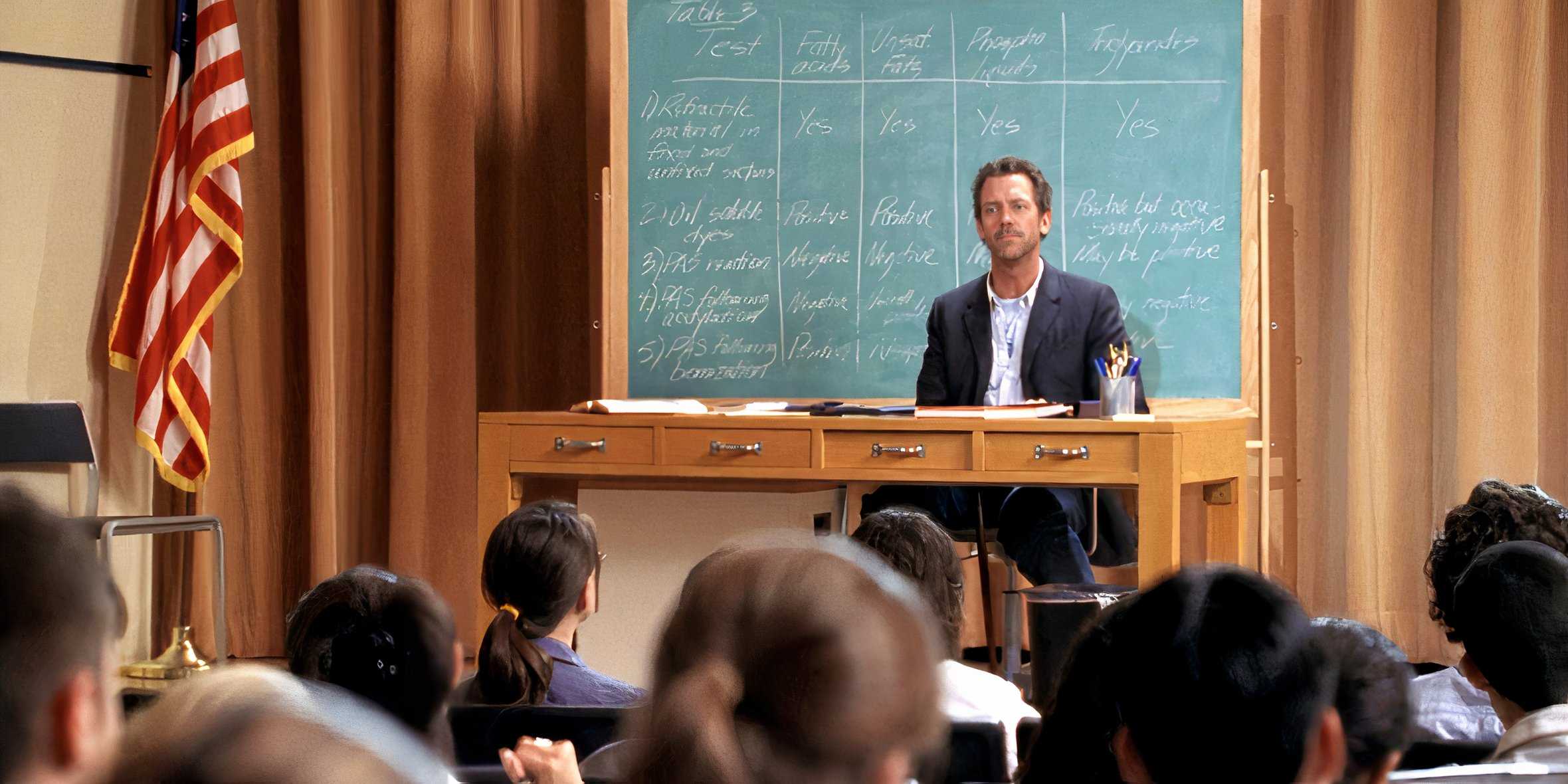



Although “Three Stories” isn’t the number-one-rated episode according to IMDb, I would argue that it should be, as it was this episode that inspired the unreliable narrator formula in later episodes of the series. For instance, the powerful 2-parter finale in season 4, “House’s Head” and “Wilson’s Heart,” has House piecing together his missing memories following a bus accident that left several passengers dead and many more injured. House’s vision of a mysterious woman wearing a necklace eventually leads him to remember that Dr. Amber Volakis, House’s former fellow and Wilson’s girlfriend, was fatally wounded in the crash.
An even better example is the season 5 finale, “Both Sides Now,” in which House decides that he is going to quit taking Vicodin and kick his pill addiction. He enlists Cuddy’s help as he goes through terrible withdrawal symptoms, and the two finally consummate their feelings for each other when she spends the night. However, House realizes the next day that he hallucinated the entire thing, and instead of quitting the pills, they’ve begun to affect him more than ever.
Each of these episodes is deserving of praise, particularly "House's Head" and "Wilson's Heart." Like "Three Stories," "House's Head" was the winner of a Primetime Emmy. However, if you ask me, "Three Stories" walked so that "House's Head" could run.
House's Best Episodes Were The Ones That Ignored The Show's Formula
Episodes Like "Broken" and "No Reason" Were The Most Memorable



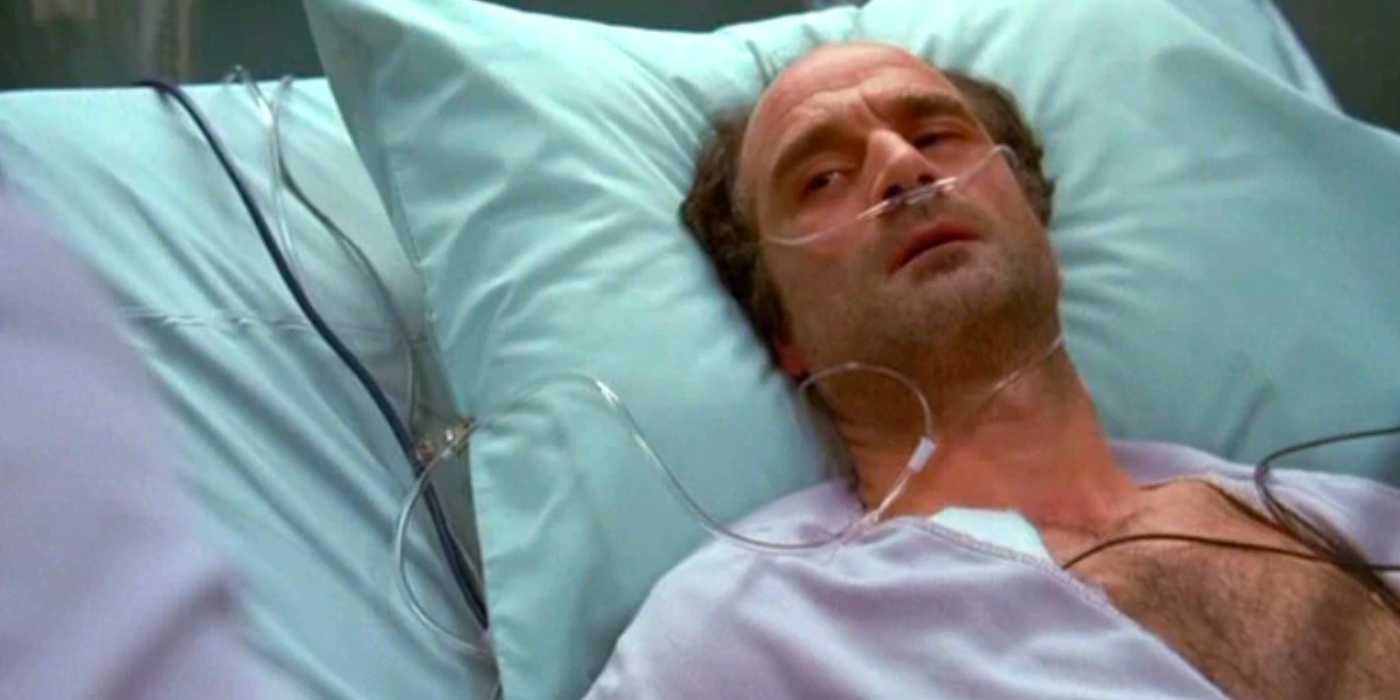



Most episodes of House followed a very similar formula: the team takes on an unusual case, House uses eccentric methods to seek out the cause of the illness, and eventually his Sherlockian investigation results in him diagnosing the patient and saving their life. As far as medical procedurals go, it’s not a bad formula, but the fact remains that the most riveting episodes were the ones that went against the typical storyline.
Take “Broken,” for instance. The entire episode takes place in a mental facility, with House being treated for his Vicodin addiction and withdrawal. Not only did we get fantastic performances from guest stars Lin-Manuel Miranda and Andre Braugher, but the story takes us away from the usual setting and gives us a deeper examination of House’s character.
Although the "normal" episodes were always entertaining, they didn't stick with me as much as the others...
Another great example is the season 2 finale, “No Reason,” which literally starts with a bang when House is shot by the disgruntled husband of a former patient. The episode plays out with House not knowing what is real and what is not, revealing at the end that the events that followed his being shot were all in his head.
I'm sure I'm not alone when I say that the most memorable episodes of House were the ones that didn't follow the show's regular formula. Although the "normal" episodes were always entertaining, they didn't stick with me as much as the others, and episodes like "Three Stories" are the ones that I think of when I look back on the series.


House
- Release Date
- 2004 - 2012-00-00
- Network
- FOX
- Showrunner
- David Shore
- Directors
- Greg Yaitanes, Deran Sarafian, David Straiton, Daniel Attias, Daniel Sackheim, Miguel Sapochnik, Andrew Bernstein, David Platt, Juan José Campanella, Matt Shakman, Sanford Bookstaver, Peter O'Fallon, David Semel, Fred Gerber, Lesli Linka Glatter, Bryan Spicer, David Shore, Frederick King Keller, Hugh Laurie, James Hayman, Martha Mitchell, Newton Thomas Sigel, Tim Southam, Tucker Gates
- Writers
- Pam Davis, David Foster, Liz Friedman, Sara Hess, Lawrence Kaplow, David Hoselton, Doris Egan, Eli Attie, John C. Kelley, Leonard Dick, Matt Witten, John Mankiewicz, Kath Lingenfelter, Matthew V. Lewis, Seth Hoffman, Sara B. Cooper, Marqui Jackson, Michael R. Perry, Sean Whitesell, Joel Anderson Thompson, David Shore
Cast
-
 Hugh LaurieGregory House
-
 Robert Sean LeonardJames Wilson

