


Even before Journey, "light puzzle adventure games" were pretty prolific. Since Journey, however, there have been many more high-profile projects, and it feels like many studios (from indie to AAA) have dabbled in the genre. Keeper is the latest entry from the iconic Double Fine Studios.
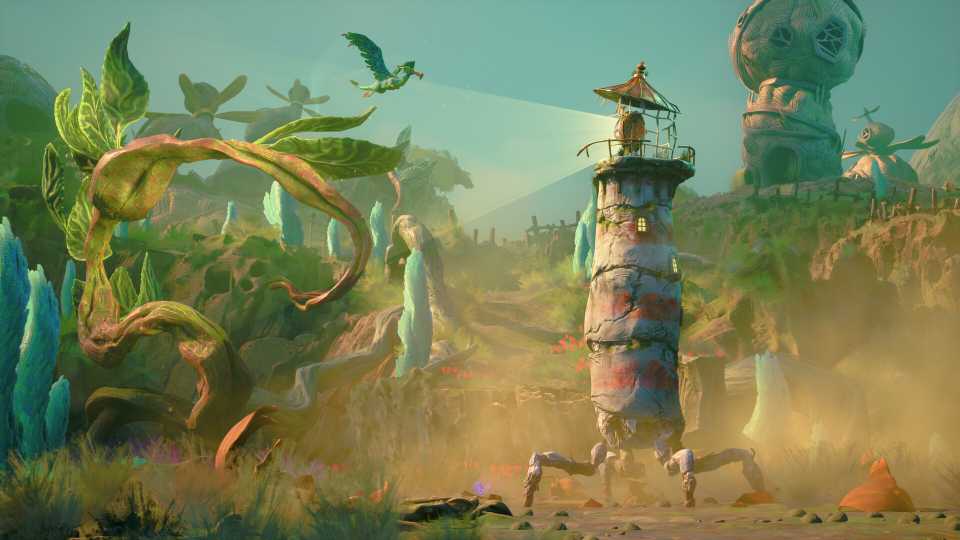
As a dilapidated sentient lighthouse, you'll adventure through haunting scenery, solve some puzzles, and even make a friend. If you're looking for another "cozy puzzle game" and are a fan of Double Fine's irreverent sense of style, you may have found a keeper with Keeper.
Keeper's Unique Setting Is A Strong Selling Point
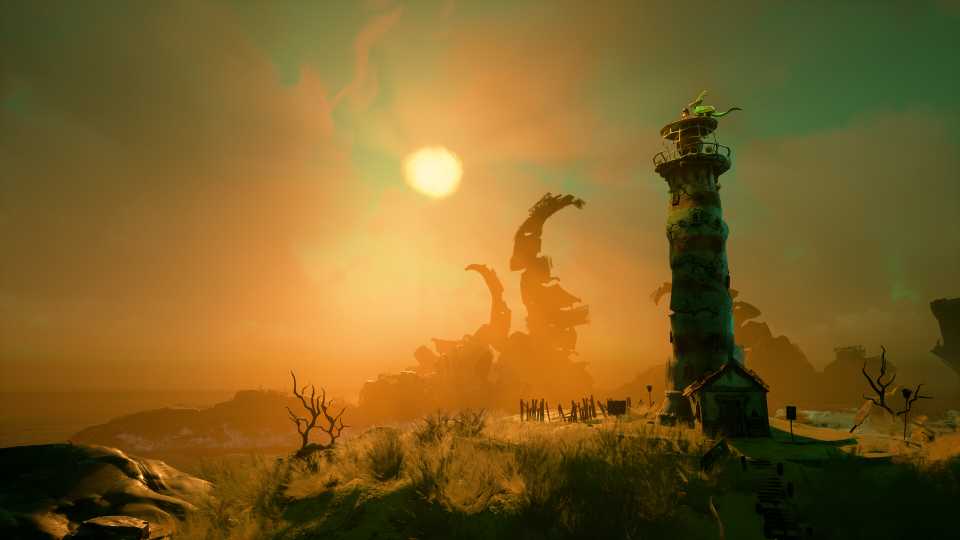
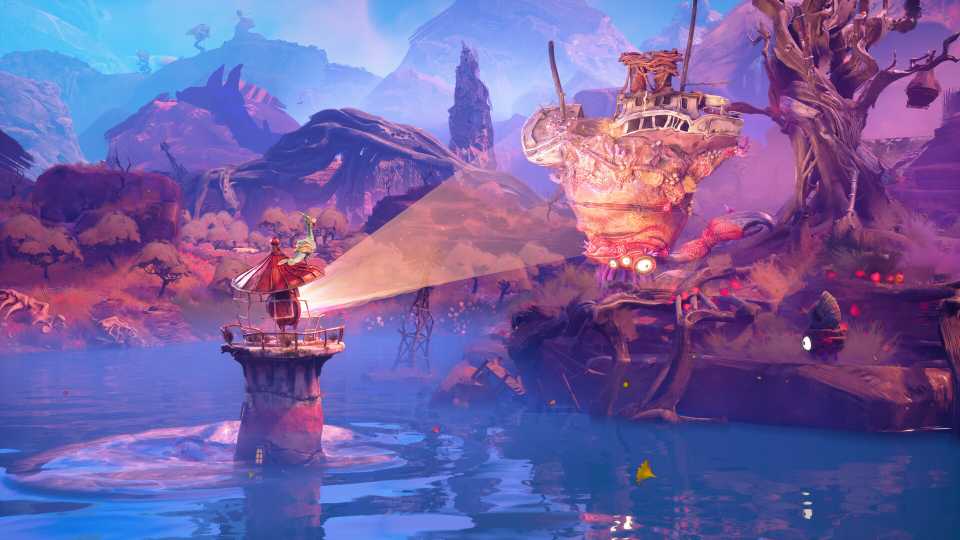
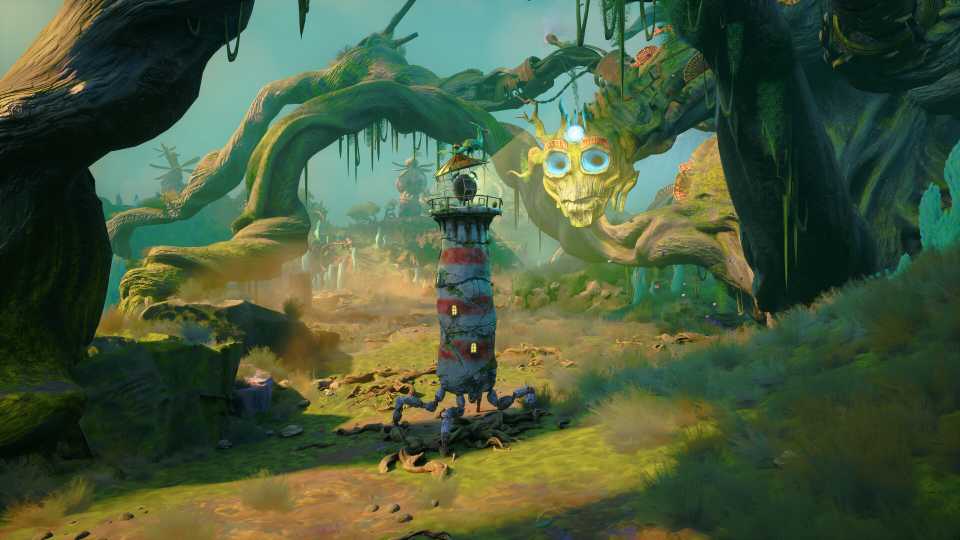
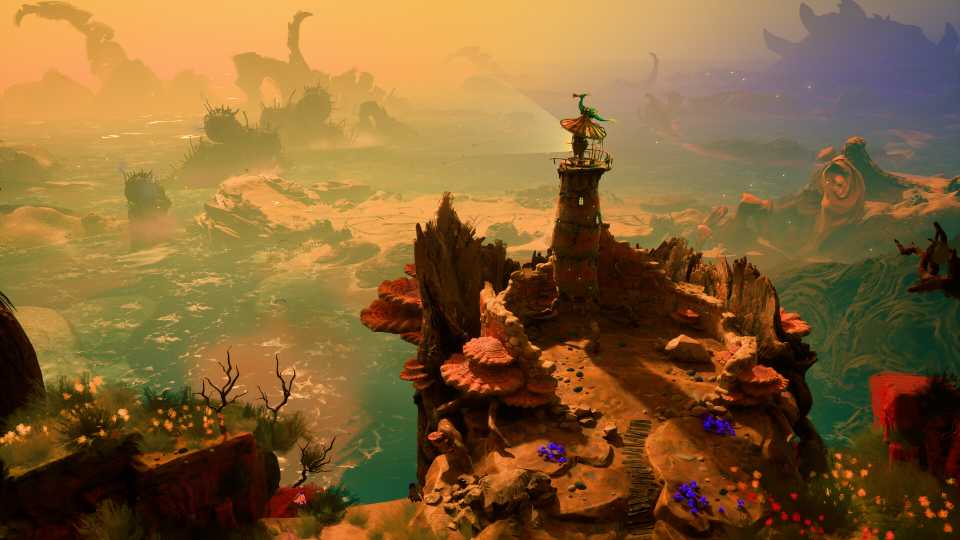
Haunting Yet Beautiful

I hesitate to call Keeper a walking simulator (especially as it opens up near the end), but you will be doing a lot of walking. The first portion of the game is largely cinematic, as you'll awaken as the aforementioned sentient lighthouse, walk down a single path, and slowly pick up the game's mechanics.
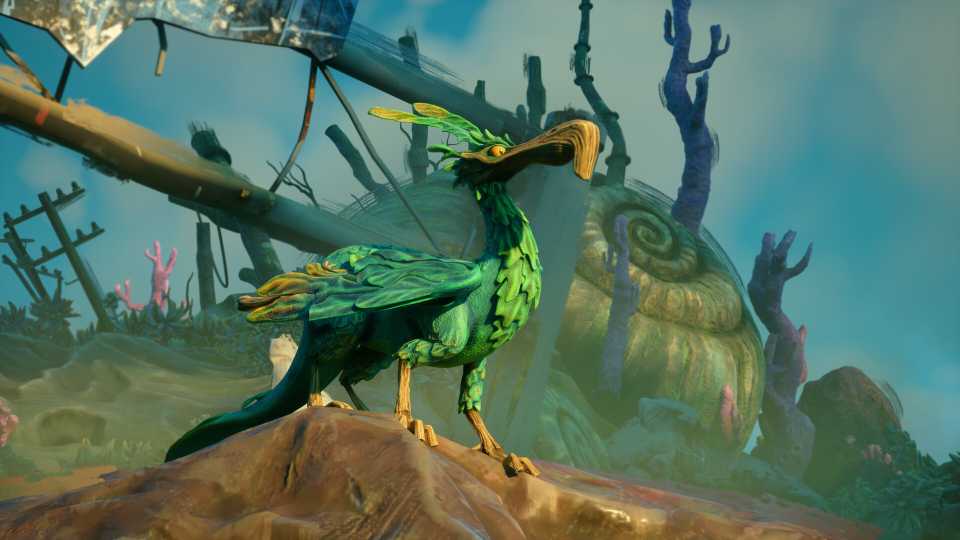
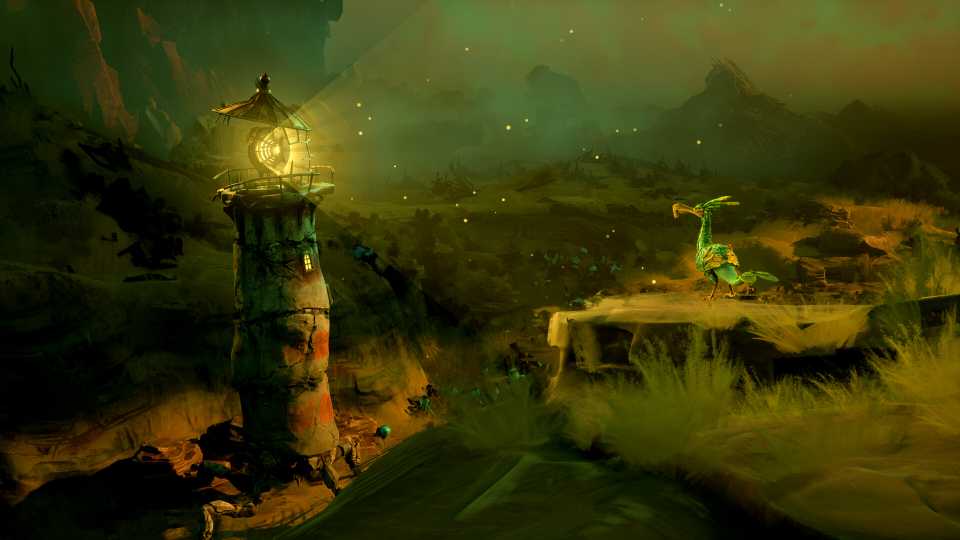
You have the option to sprint (with tiny spindly little legs) and manipulate/focus your light beam, which helps you solve puzzles. Very shortly, you'll meet a bird companion who hangs out on your head and also assists with puzzles. There are some collectibles to find, but this is essentially a linear experience, as you move forward and discover more of the world on the way to the game's finish line.
The narrative is very light, told with no text except for achievement descriptions that reveal more of the game's world and history. While this approach isn't for everyone, it's alluring and easy-going, which makes it incredibly breezy to play. I never got bogged down with lengthy cutscenes that went nowhere. A sense of "what's next?" and puzzle-solving are the key components that make Keeper tick.
Puzzles Are Kept Light, But Are Never Frustrating
Plus, The Most Fun Is Near The End

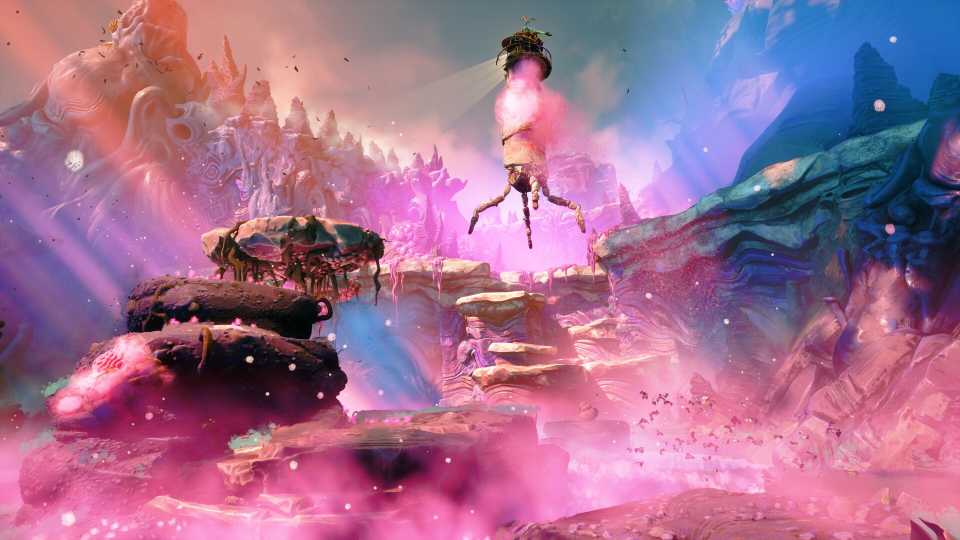
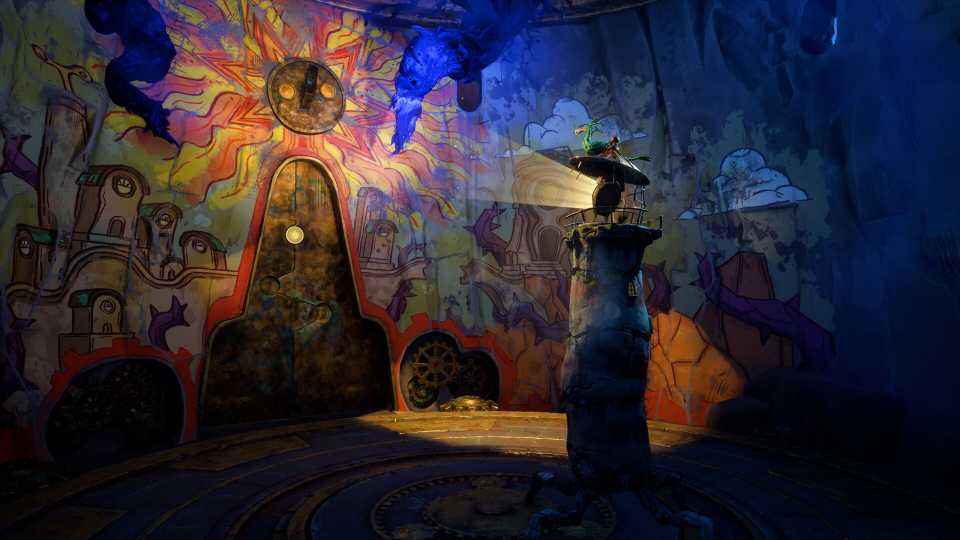
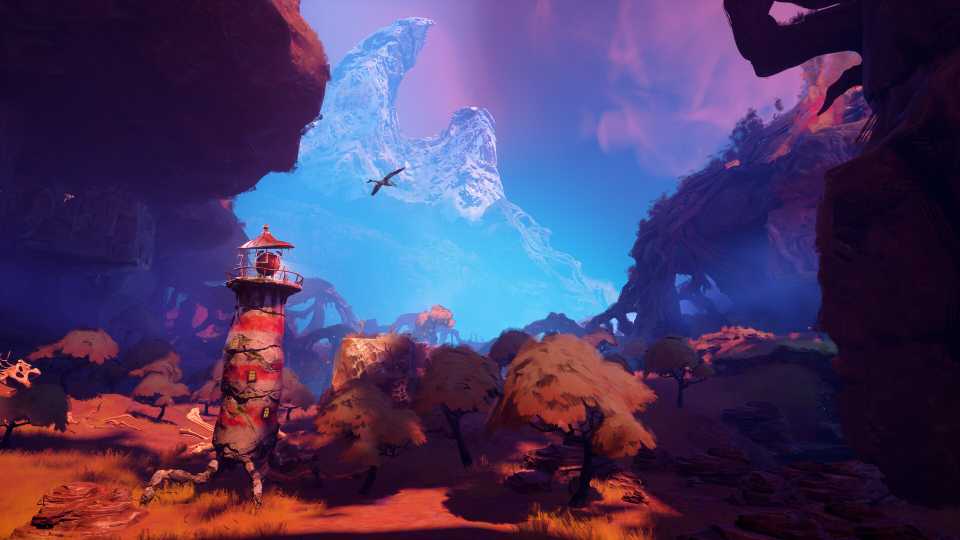
All of this is bolstered by a wonderful soundtrack and Tim-Burton-esque visuals. For a "budget" $30 game, the art team really outdid themselves, especially when you're moving from zone to zone and witnessing some of the wider transitional shots of the world.
Despite controlling a gigantic tower, Keeper's controls are precise. Dual analog sticks help you manipulate the lighthouse's movement and light separately (the left and right sticks, respectively), the right trigger focuses the light's beam, and a single button press will call the bird at specific instances shown with a blue glint on-screen. It couldn't be simpler, but there are a few wrinkles in these streamlined controls as you move through the story.
Again, puzzles are very light, to the point where you'll solve most of them without thinking. A lot of these are to the tune of: "aim your light at something and focus on it to clear the way." Around the mid-point, things get slightly more taxing, and there are several hub zones (which are among the most interesting areas in the game) that are more involved than "solve a puzzle, move to the next connected room, and repeat." Near the end, the game opens up considerably, culminating in a fever dream of a final act.
I get that Double Fine wanted to make this more of a relaxing experience, but after finishing the game's later areas, I would love to see a sequel that expands upon what Keeper has to offer. There's a much bigger ceiling here using the exact same framework and visuals, maybe with another inanimate hero character.
Keeper Is A Conditional Recommendation
You Have To Be Into The Genre

The genre that Keeper is a part of is near and dear to my heart, even though it can be uneven and, at times, hard to recommend. Balancing narrative intent and puzzle depth can be a tall order, but Double Fine has so much experience with both that they do end up succeeding in the end.
If you're looking for a breezy, atmospheric game, check out Keeper. While some of the game can feel on rails at times, the world is always dazzling, and the parts that work, really work.



-
 OpenCritic Reviews
- Top Critic Avg: 81/100 Critics Rec: 75%
- Released
- October 17, 2025
- ESRB
- Everyone 10+ / Fantasy Violence, Animated Blood
- Developer(s)
- Double Fine Productions
- Publisher(s)
- Double Fine Productions
- Number of Players
- Single-player

- A wonderfully crafted world.
- Relaxing and responsive movement.
- A lot of the more interesting areas are backloaded.
- Not enough puzzle diversity.
