


Summary
- Light No Fire's focus on one planet instead of a vast universe like No Man's Sky may result in a more appealing and meaningful sense of progression.
- The fantasy elements in Light No Fire make it potentially more engaging than No Man's Sky's science fiction setting, allowing for more unusual and memorable experiences.
- While the scale of Light No Fire's world is ambitious, maintaining a balance between quantity and quality may be a challenge for Hello Games.
Light No Fire is doing something very different from what No Man's Sky did, and that might just be the reason why it could end up being the superior game. At first glance, it might seem like No Man's Sky developer Hello Games is making a smaller promise with its newest title, as Light No Fire locks things down to one planet rather than a space-faring journey. The big difference, however, is that Light No Fire is going all-out on that one planet, attempting to create something as big as Earth itself.
If Light No Fire had been announced not long after the launch of No Man's Sky, expectations would likely be rock-bottom for the title. No Man's Sky failed to deliver much of what Hello Games had said or implied it would when it originally released, and Light No Fire is the kind of game that could easily disappoint in a similar way. In the intervening years, however, Hello Games has vastly improved No Man's Sky through a regular series of free updates, and the studio has clearly learned a lot about how to make games at this scale along the way.
Having One Planet In Light No Fire Is Better

Although No Man's Sky 's capacity to generate trillions of planets is a unique claim, Light No Fire sticking to one planet ultimately sounds a lot more appealing. In the early hours of playing No Man's Sky, hopping between planets with varied biomes and interesting creatures can be engaging and exciting, carried by a sense of surprise and anticipation to see what more the game has in store. Eventually, however, the system usually starts to wear thin. Repeat features become familiar, and the lack of any real connecting thread makes it hard to find a particularly meaningful sense of progression.
Generating one huge planet may make it harder to springboard between vastly different environments, but it seems more likely to sustain itself in the long run than the structure of No Man's Sky. Although there's still a random element to the sense of discovery, it shouldn't be as haphazard. Crossing a desert means that something else will be found on the other side, not another desert that happens to have a different coloration or a couple of unique resources. If ecosystems and wildlife are done right, taking time to understand them will actually matter, as individual elements can continue to feed into each other as part of a cohesive world.
Light No Fire seems like the perfect opportunity for a game to truly transform Skyrim's infamous promise of seeing a mountain and climbing it, as having one complete, enormous planet makes everything in sight truly ripe for exploration. While choosing a planet can feel somewhat arbitrary or purely data-informed in No Man's Sky, Light No Fire can promote a more seamless feed of interest and discovery. Everything that can be discovered is always on or beyond the horizon, and striking out toward the next spot of interest should always continue to feed a loop that never has to break directly.
Light No Fire Is More Fantastical Than No Man's Sky


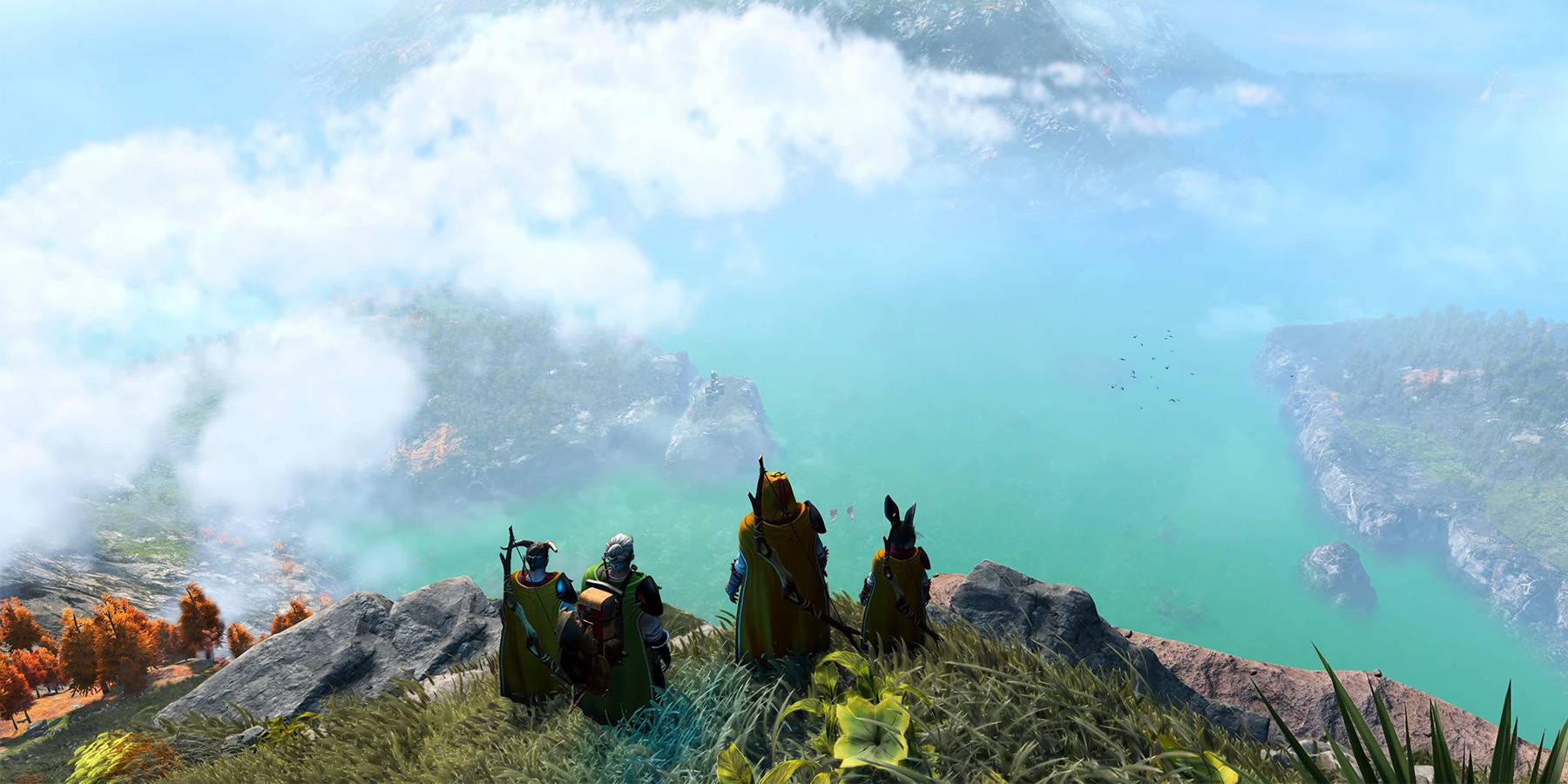
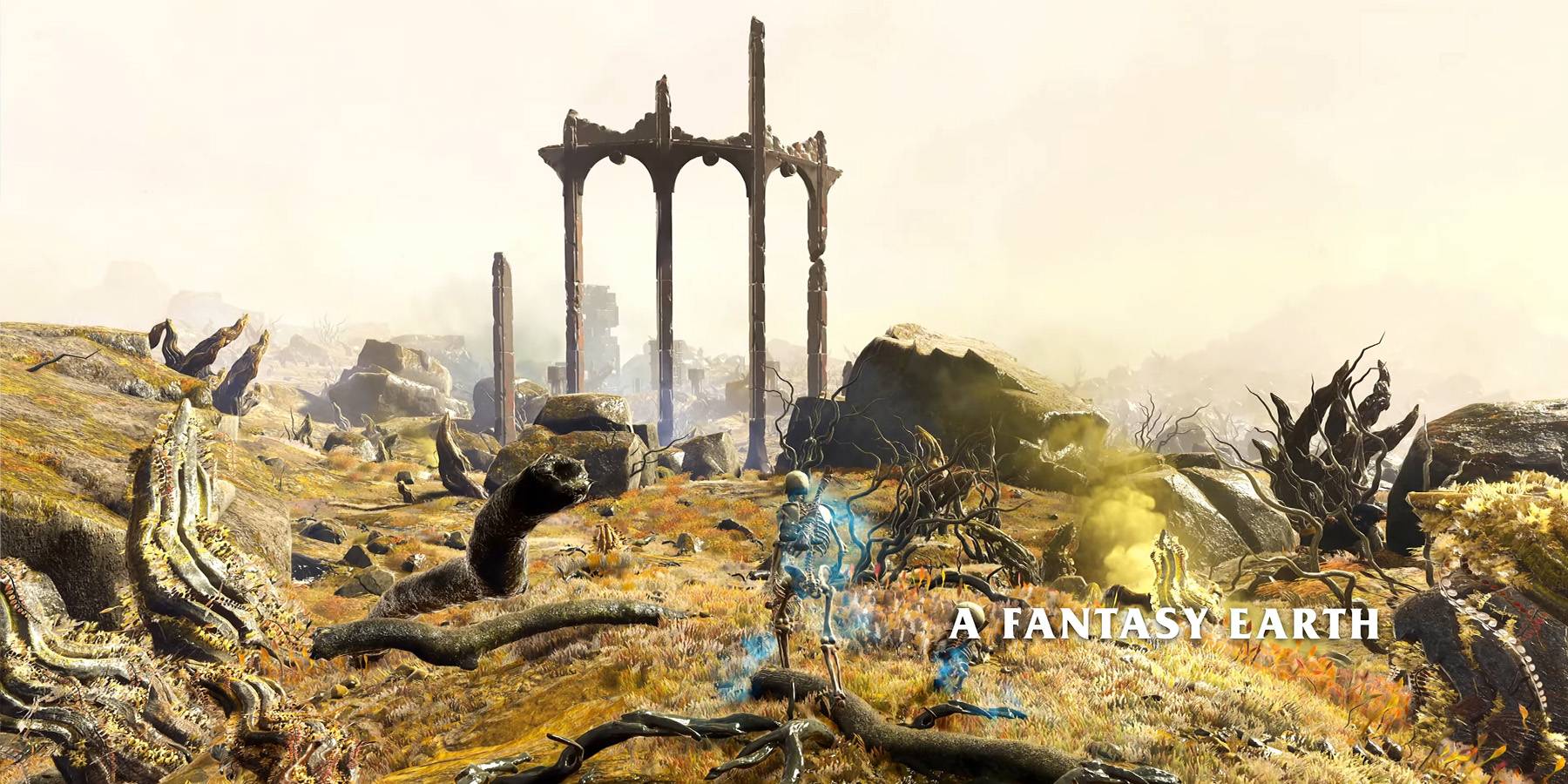
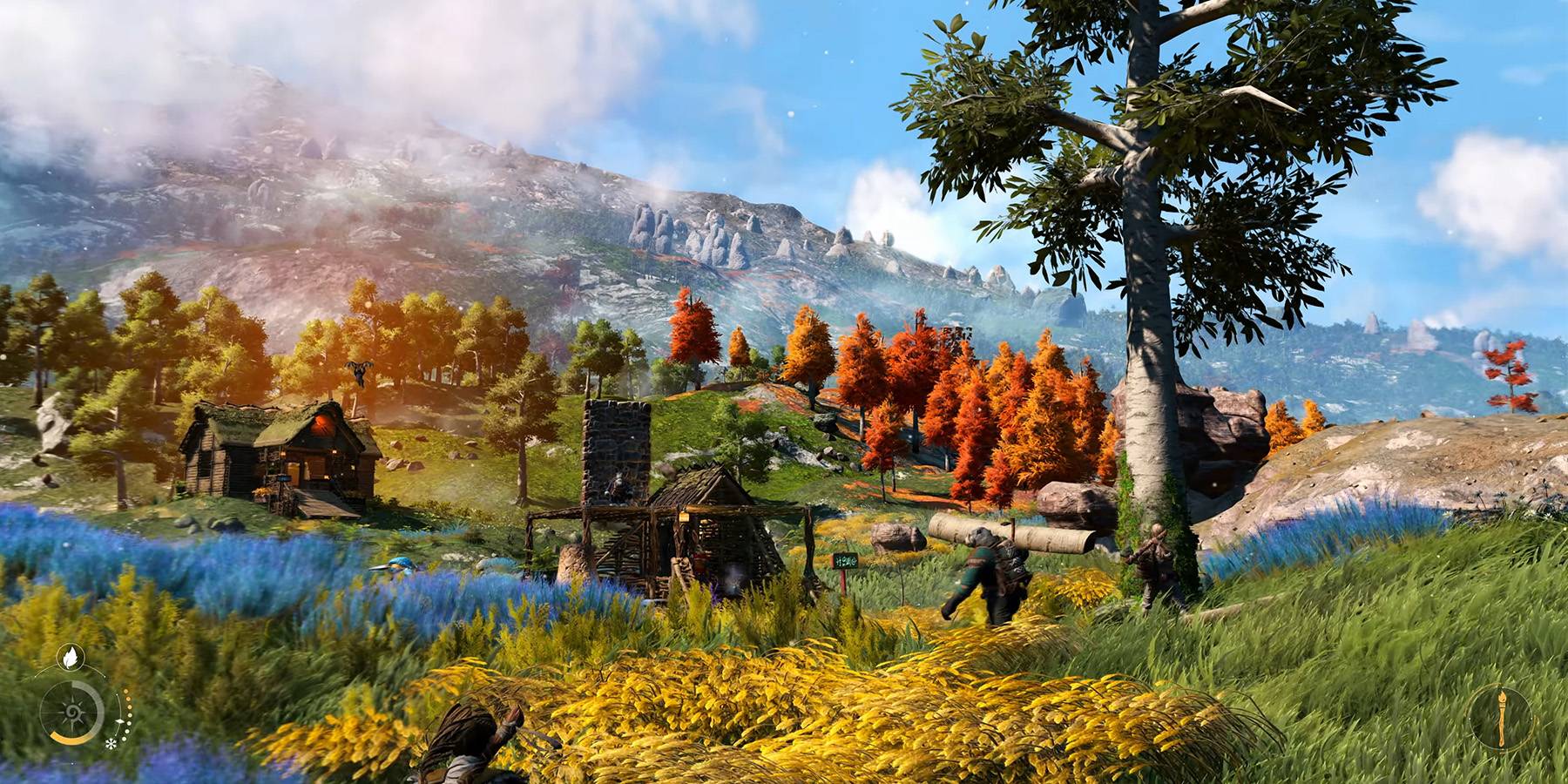

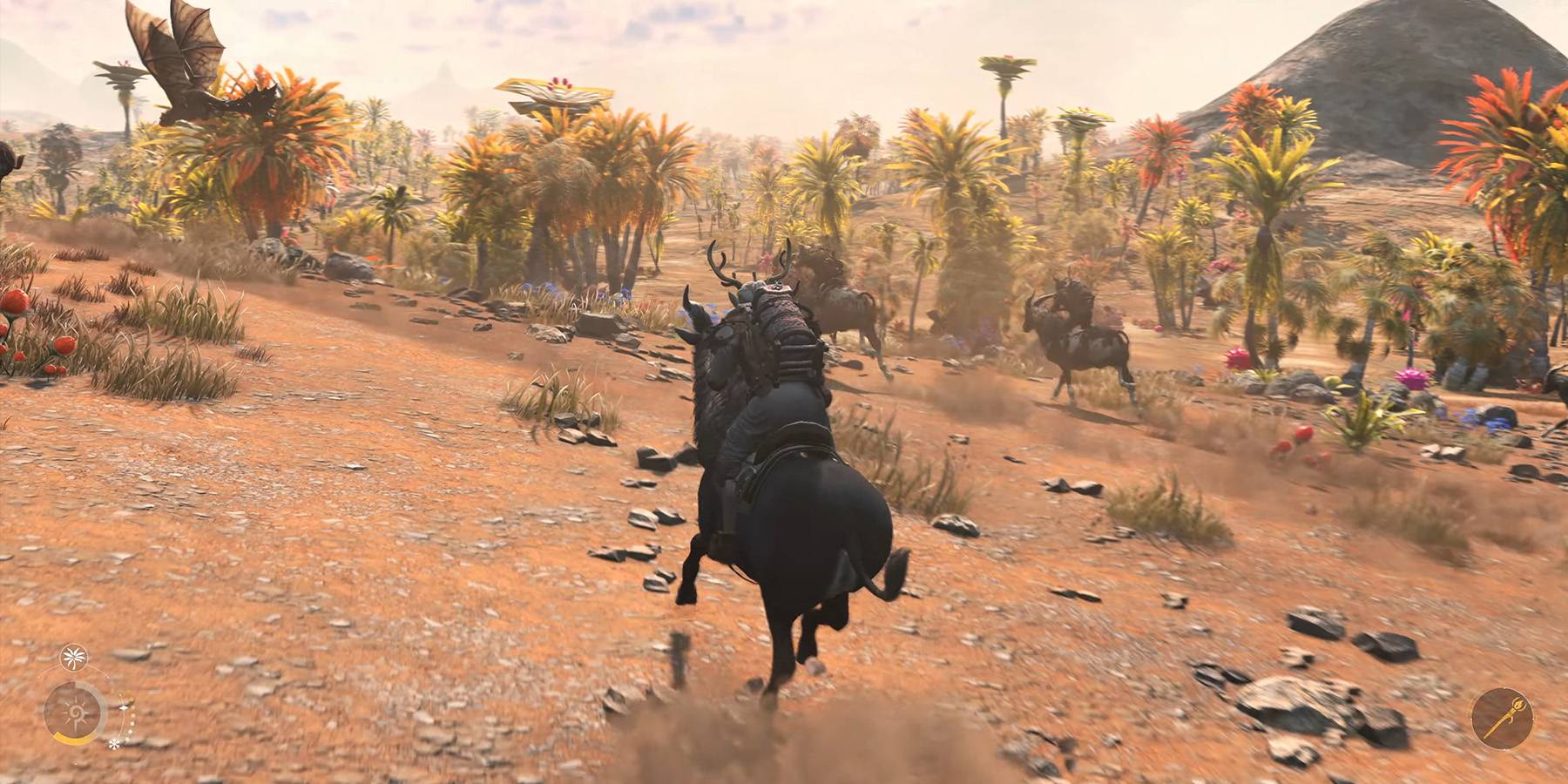

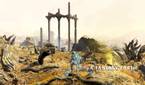
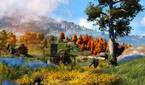


Light No Fire also appears to be leaning more into fantasy elements than No Man's Sky ever did, with dragons, walking skeletons, and hints of mysterious civilizations and beings. There isn't necessarily one answer to whether sci-fi or fantasy flavor is better for an open-world game, but this approach looks more engaging in context than No Man's Sky's brand of science fiction ever did. One of the more interesting aspects of No Man's Sky was coming across unusual alien creatures, and building a world that leans more into the idea of the unusual plays off of that strength.
Starfield's failure to match Skyrim's hype and attract the same wide acclaim as other Bethesda titles is a recent example of this dichotomy. Although its focus on a realistic NASA-inspired aesthetic is meritorious in some regards, the game arguably never managed to build on that in a way that felt as fascinating as the fantasy realms of The Elder Scrolls or the significantly more off-kilter post-apocalypse of Fallout. The full nature of Light No Fire's world remains to be seen, but what's been shown so far looks like an appropriately charming basis for a world that could be memorable.
Light No Fire's Scale Could Still Be Too Big

Although setting the game on one planet offers a lot of advantages compared to the explorable universe of No Man's Sky, the scale in which Light No Fire is attempting to build a planet is still unprecedented. Going big is often exciting, but the balance of quantity and quality is always a relevant concern. Making the moment-to-moment gameplay consistently interesting and maintaining a sense of surprise and wonder that feels organic and rewarding will be a challenge in Light No Fire, and Hello Games may not be able to stick the landing entirely.
Hello Games is still a relatively small development studio, creating its massive game worlds by utilizing significant procedural generation, meaning Light No Fire's game world will not be entirely hand-crafted.
Wide-open spaces aren't necessarily a bad thing in open worlds, and the recent The Legend of Zelda games show just how well an empty field can be put to use when a strong control of atmosphere is in place and discoveries lurk around every corner. If the rewards for long treks feel more obligatory than inspired, however, the illusion can quickly fall apart. Light No Fire's world will no doubt have its fair share of interesting possibilities, but whether exploring more than a fraction of it ends up being worth the time remains to be seen.
At any rate, Hello Games is more qualified to take on the challenge of Light No Fire than most studios would be, and the vastly improved current state of No Man's Sky is a strong credit to back the idea up. Taking the most critical features of No Man's Sky updates and building them into a world with a singular vision is an attractive idea, especially when friends can come along for the ride. Hello Games is focusing on a different concept of scale and discovery with Light No Fire, and that might just be the best way for the game to be better than No Man's Sky ever has been.
