


Lost’s mystery-box storytelling revolutionized television and inspired a bunch of other TV shows to follow in its footsteps — and that’s exactly why a reboot wouldn’t work. In recent years, as I.P. with even the faintest glint of recognizability has become Hollywood’s most lucrative source of sustenance, just about every popular TV show has been rebooted or revived in some form. Frasier came back with Kelsey Grammer reprising his iconic role. The Fresh Prince of Bel-Air was reimagined as a gritty drama. Dexter has come back with a prequel, a sequel, and even more spinoffs on the way.
The idea of a Lost reboot has been floated around, because the original series is still hugely popular to this day, and it left a lot of questions unanswered. A revival of Lost could either bring back the original cast (although that would be tough, given how the show ended), or it could introduce a whole new cast of characters who end up stranded on the island somehow. Josh Holloway has cast doubt on a possible Lost reboot, because he feels that the story is complete and doesn’t need to be reopened, and he’s right.
Lost Completely Changed Television During The 2000s & Led To Numerous Copycats
Lost's Mysteries Had Viewers Hooked For Six Seasons


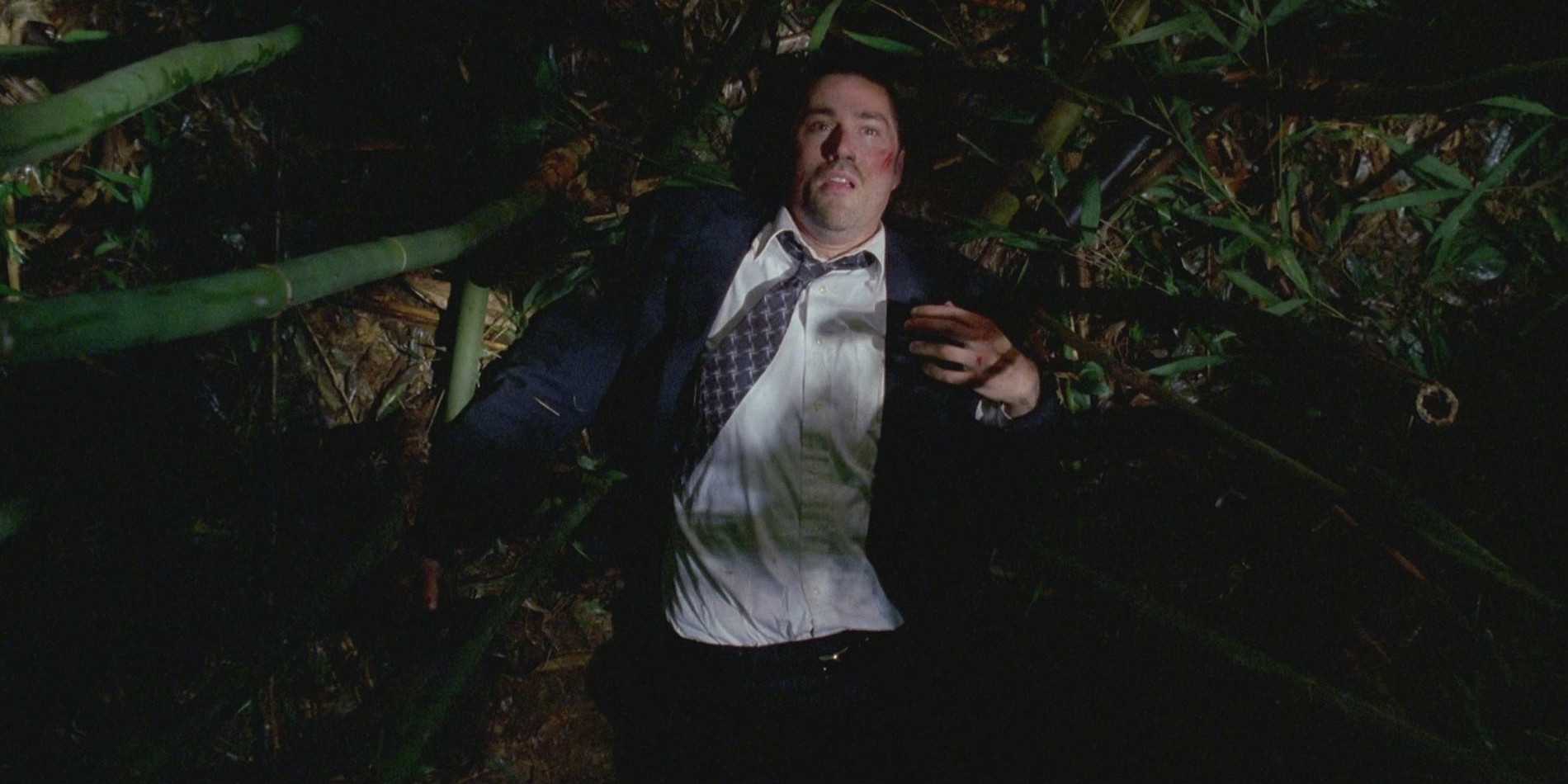
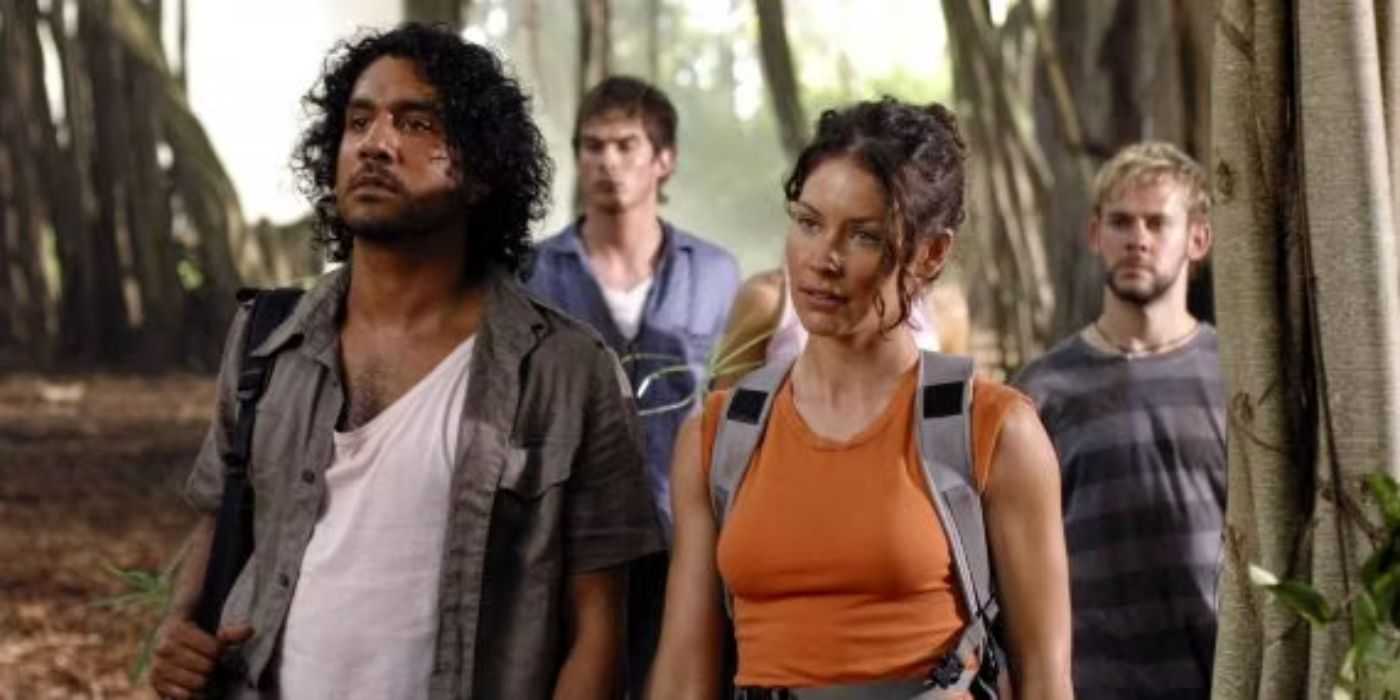
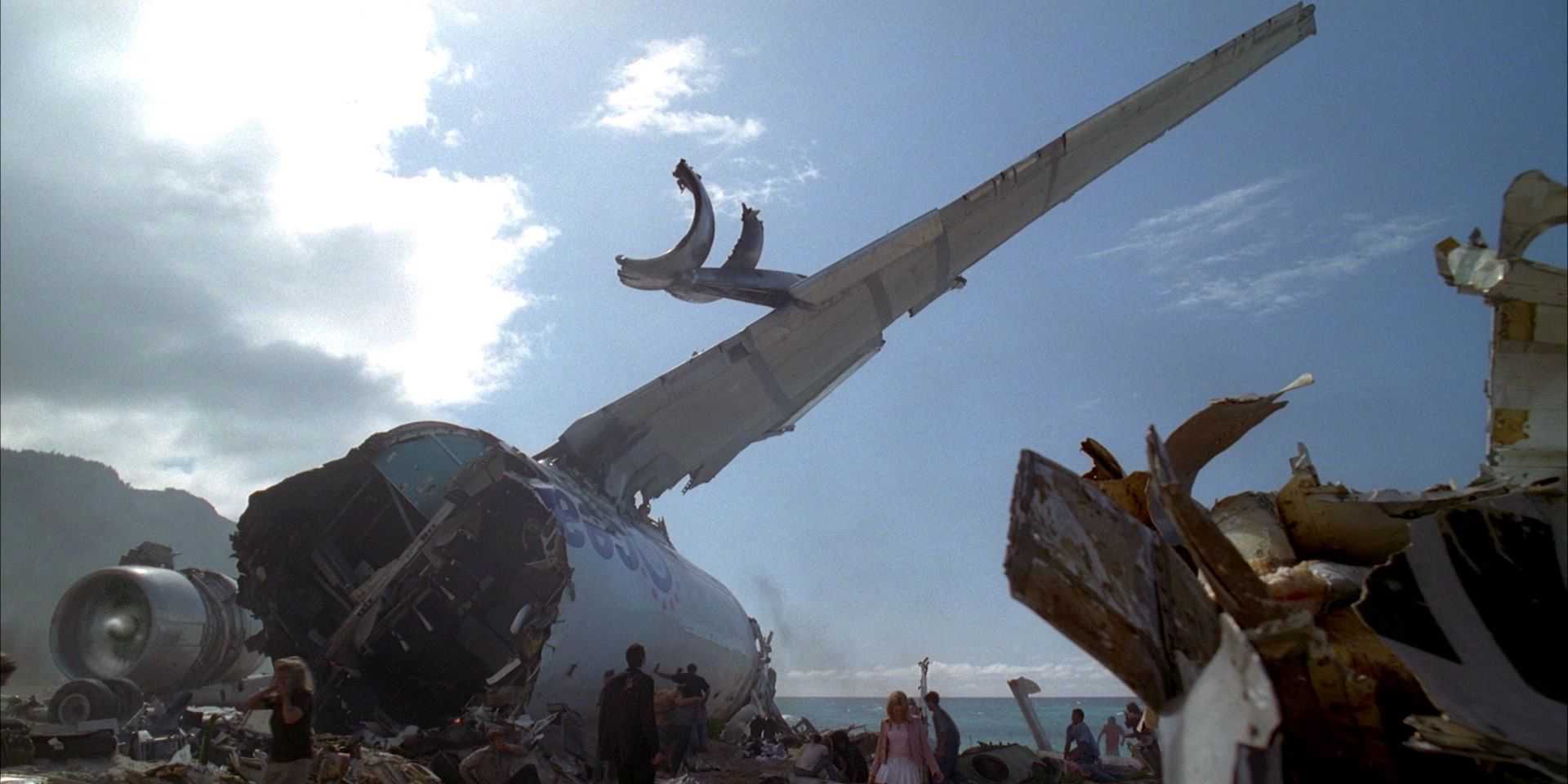
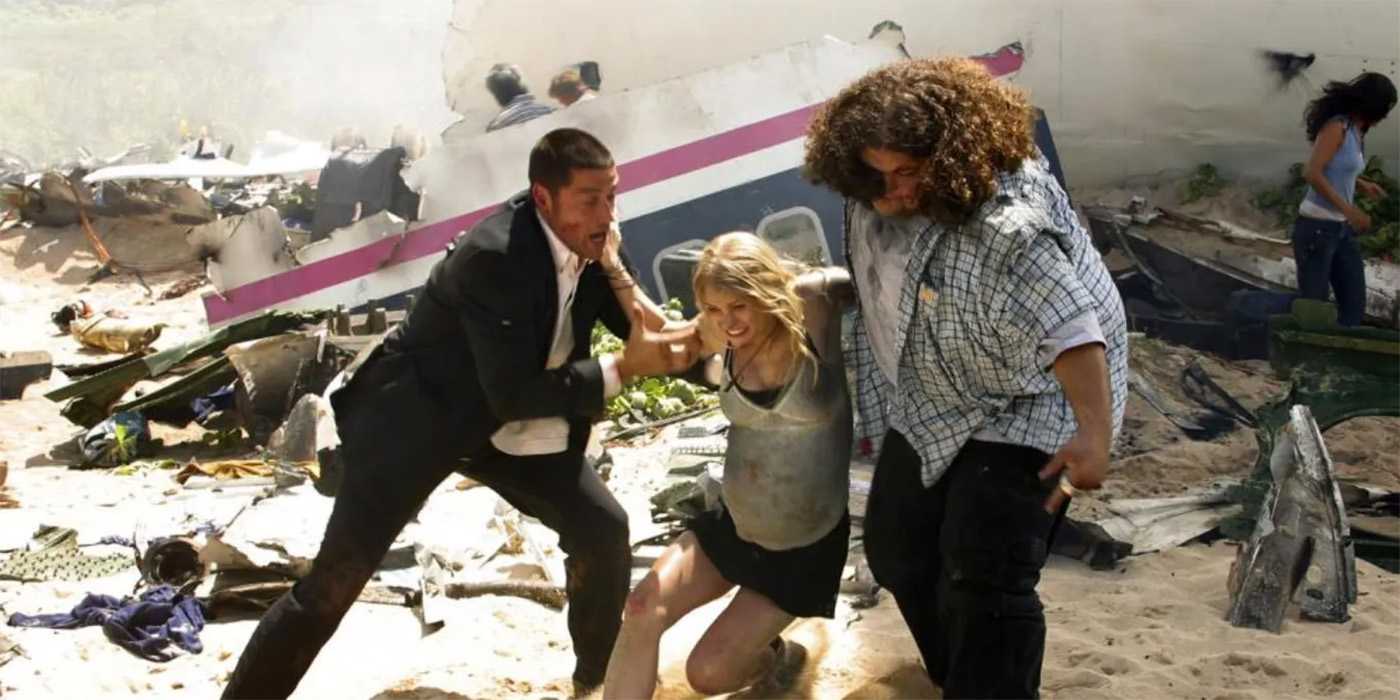
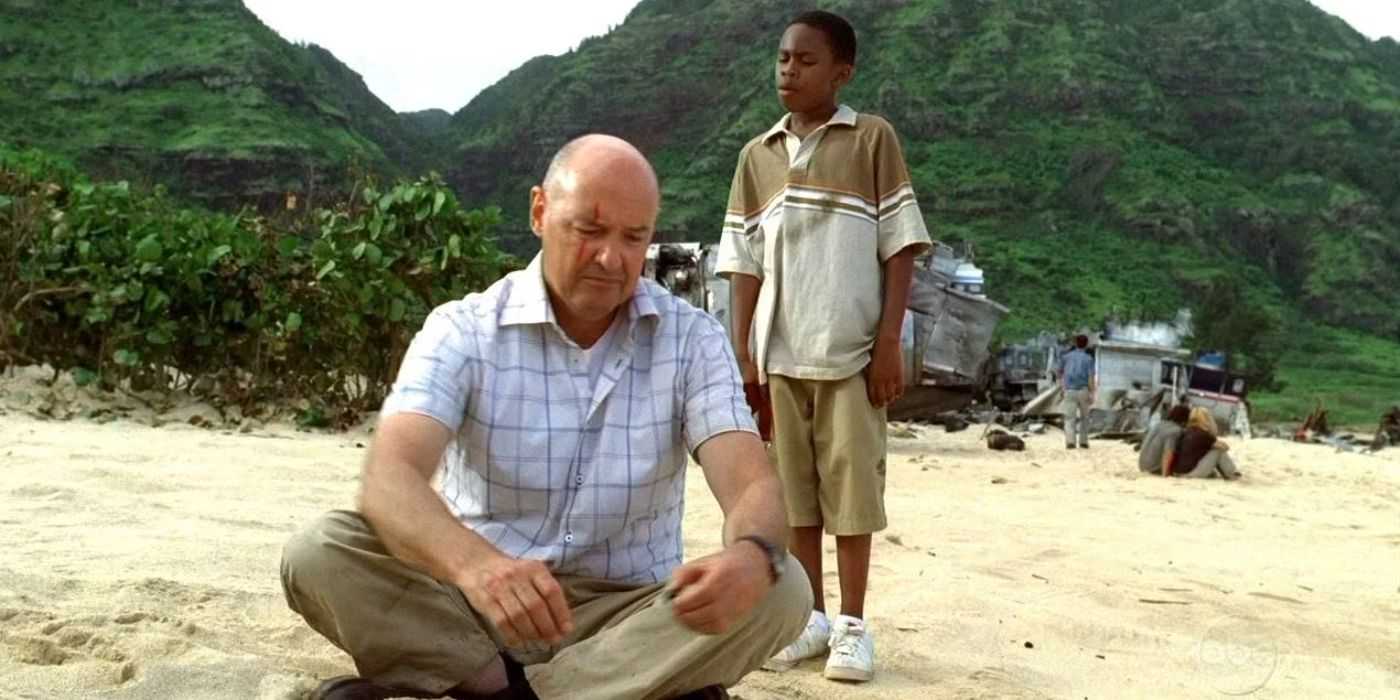
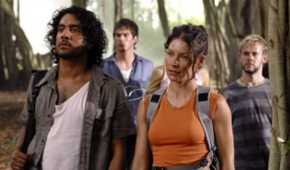



When Lost premiered in 2004, it was a completely new type of TV show. Lost’s incredible pilot episode left viewers with a bunch of questions they couldn’t wait to have answered, and as the series went on, the questions kept coming. Why is there a polar bear in a jungle? How long have the Others been on the island? What’s that weird black smoke monster? The questions about the island were bolstered by questions about the characters and their complicated backstories, which unfolded piece by piece in a series of flashbacks.
The series’ intriguing mysteries ensured that viewers kept coming back, tuning in week after week, searching for answers.
Throughout Lost’s six-season run, it was one of the highest-rated and most talked-about shows on television. The series’ intriguing mysteries ensured that viewers kept coming back, tuning in week after week, searching for answers. Other networks and producers took notice of this and started coming up with their own Lost clones to fill the void after the show ended. This tends to happen with groundbreaking, hugely successful TV shows. The Sopranos led to a wave of shows about morally gray antiheroes; Ted Lasso led to a wave of feel-good, optimistic comedies.
FlashForward followed the mystery surrounding a two-minute blackout experienced by the entire world’s population. The Leftovers revolved around the chilling aftermath of a worldwide rapture-like event that can’t be explained by science or religion. Manifest, like Lost, followed the passengers of a commercial flight. After being presumed dead when their plane went missing, all the passengers reappeared, but they started exhibiting some disturbing changes. And these are just some examples. There were plenty of other shows that hoped to capture an audience’s imagination and keep them hooked for years the way Lost did.
Lost's Groundbreaking Approach To Storytelling Was Why It Was So Successful
Lost Kept Its Audience Guessing Throughout Its Whole Run

Lost pioneered a whole new style of storytelling for serialized television. Dubbed the “mystery box” method, it’s become synonymous with J.J. Abrams’ work. The idea is to pull mysterious, inexplicable items out of an imaginary box, whether it’s a polar bear or a smoke monster or a crashed plane in a tree or a hatch in the ground, without necessarily having a solid explanation for it. These kinds of stories keep pulling mysteries out of the box, getting the audience more and more intrigued, and hope that everything will fall into place and make sense at some point.
Based on the response to the Lost finale, viewers seem to be polarized on whether or not everything did fall into place and all their questions got satisfying answers. But there’s no denying that it was effective while it lasted. Audiences got swept up in those mysteries and went along for the ride. This approach to storytelling is the reason Lost was so successful. Whether or not the answers to the questions ended up satisfying everybody, those questions kept the audience coming back for the show’s entire run.
It Would Be Impossible To Recapture The ABC Show's Magic On Modern TV
The TV Landscape Has Been Flooded With Lost Copycats

While Lost was a marvel of contemporary television, it would be impossible to recapture that magic in the modern TV landscape. A big part of what made Lost so successful was that it was the ultimate water-cooler show. Every episode would drop a handful of clues and ask a couple of new questions, viewers around the world would soak it in, and the next day, it would be fervently discussed. That doesn’t really happen anymore. In the streaming age, audiences don’t tune in to watch weekly episodes at the same time; they go at their own pace.
Lost has been too influential for its own good. It’s had so many imitators over the years that any official reboot would end up feeling like another imitator.
And it’s not just the changing model of television viewing that makes a potential Lost reboot unworkable; it’s the widespread influence the show has had. There have been way too many similar mystery-box shows in the years since Lost went off the air: From, Alcatraz, Yellowjackets, 1899. Lost has been too influential for its own good. It’s had so many imitators over the years that any official reboot would end up feeling like another imitator. Plus, there’s still the original series. Some audiences are still discovering Lost for the first time through streaming.
This Lost Detail Shows Precisely Why A Reboot Could Never Work
The Show Already Ended & Answered Its Biggest Mysteries

What kept Lost’s fan base coming back every week was the unresolved mysteries. The show left a few questions unanswered here and there, but the biggest questions about the true nature of the island and the destiny of the main characters were all answered when Lost ended. This is why a reboot of the show could never work. It’s likely that Hollywood will eventually get around to rebooting Lost — it seems to be on a relentless crusade to bring every show back from the dead — but it would be a bad idea.
The final episode of Lost, “The End,” originally aired on ABC on May 23, 2010.
Holloway’s response to a possible Lost reboot is the correct one. He said he’d be open to reprising his role as Sawyer if the series did get a revival, but he also pointed out that the show got a conclusive ending in its initial run. The last episode of Lost provided about as much of a sense of finality as it’s possible to give. There would be nowhere else for a reboot to go without retreading the original.


Lost
- Release Date
- 2004 - 2010-00-00
- Network
- ABC
- Showrunner
- Damon Lindelof, Carlton Cuse
- Directors
- Jack Bender, Paul A. Edwards, Tucker Gates, Eric Laneuville, Bobby Roth, Greg Yaitanes, Daniel Attias, J.J. Abrams, Karen Gaviola, Kevin Hooks, Rod Holcomb, Stephen Semel, Adam Davidson, Alan Taylor, David Grossman, Deran Sarafian, Fred Toye, Mario Van Peebles, Marita Grabiak, Mark Goldman, Matt Earl Beesley, Michael Zinberg, Paris Barclay, Robert Mandel
- Writers
- Jim Galasso, Christina M. Kim, Graham Roland, Kyle Pennington, Brent Fletcher, Dawn Lambertsen Kelly, Janet Tamaro, Jeffrey Lieber, Paul Dini, Jordan Rosenberg
Cast
-
 Matthew FoxJack Shephard
-
 Evangeline LillyKate Austen
- Creator(s)
- J.J. Abrams, Damon Lindelof, Jeffrey Lieber

