


Lost arrived in 2004 and quickly became a force that changed what television could be. J.J. Abrams, Damon Lindelof, and Carlton Cuse introduced viewers to a thriller that disguised itself as a survival drama while building the blueprint for modern genre storytelling.
Week to week, Lost invited millions to participate in a sprawling serialized mystery. It promised resolution, but Lost ended with unanswered questions. That tension—between myth and meaning—reshaped what network television could attempt in a pre-streaming, appointment-viewing world.
Today, Lost holds an 86% on Rotten Tomatoes and still divides audiences. But whether fans hated the ending or felt seen by it, the series pushed television forward. Its influence is still visible in shows Lost inspired like Yellowjackets, The 100, and Person of Interest, and for sci-fi fans, Lost remains essential viewing.
21 Years Later, Lost Is Still A Journey Worth Embarking On
Peak Pacing, Perfect Cast, Perfect Season 1
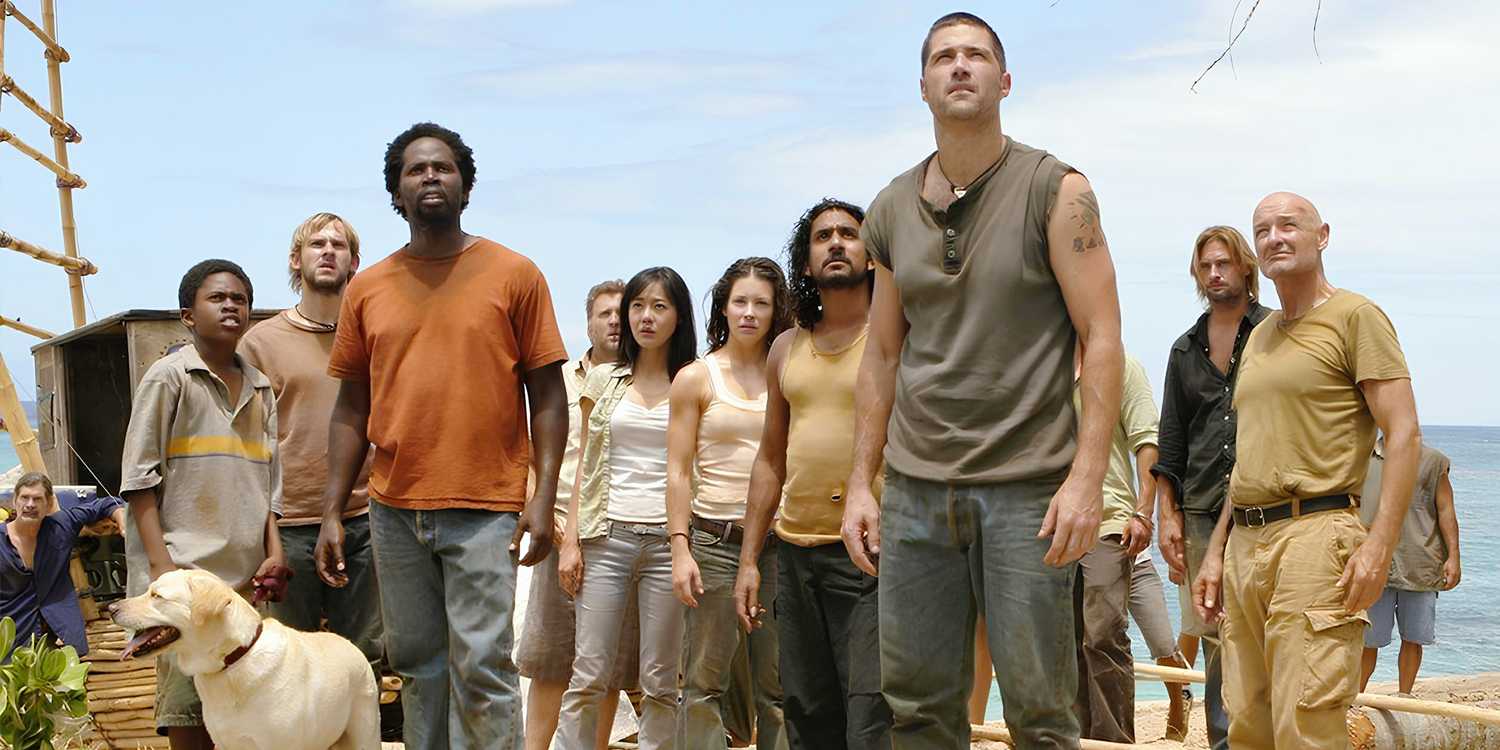
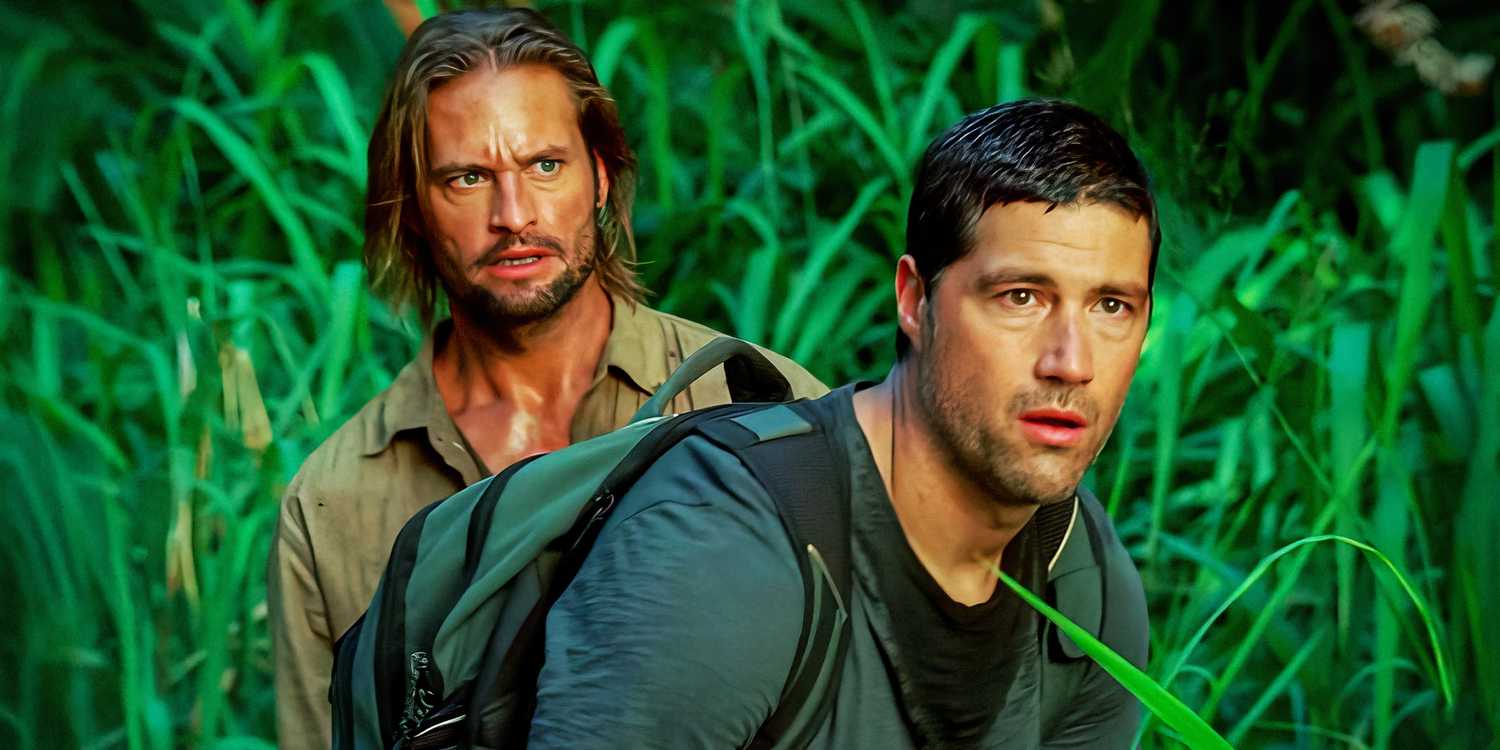
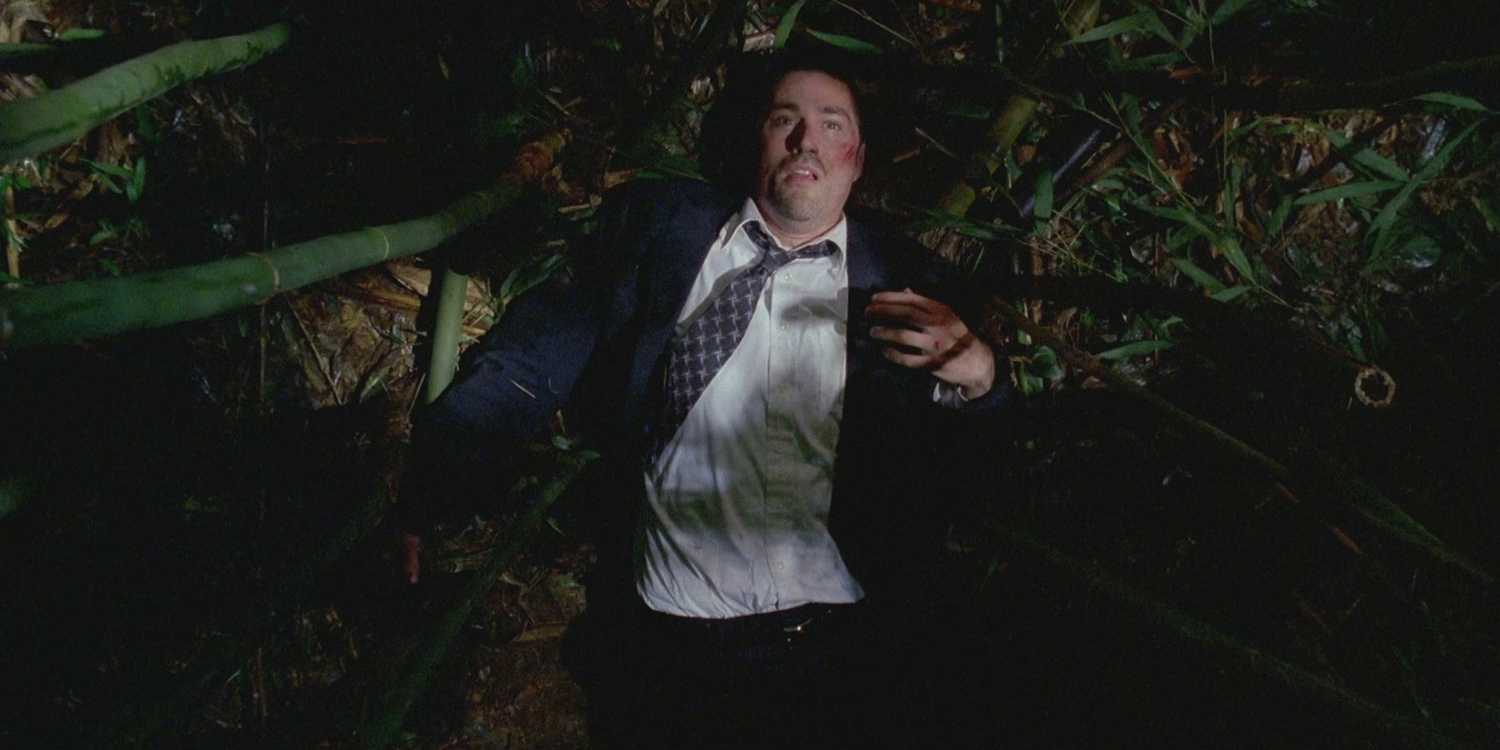

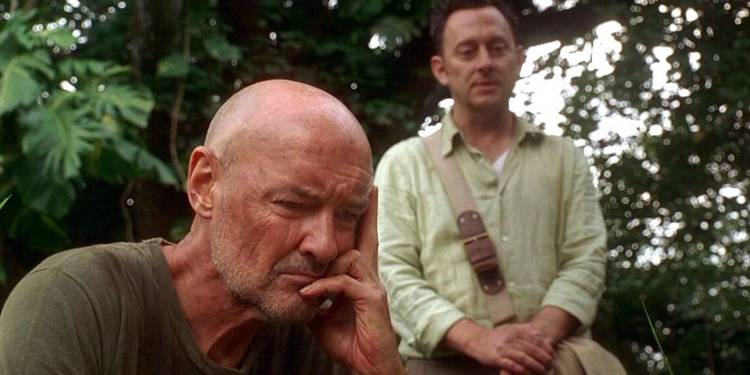


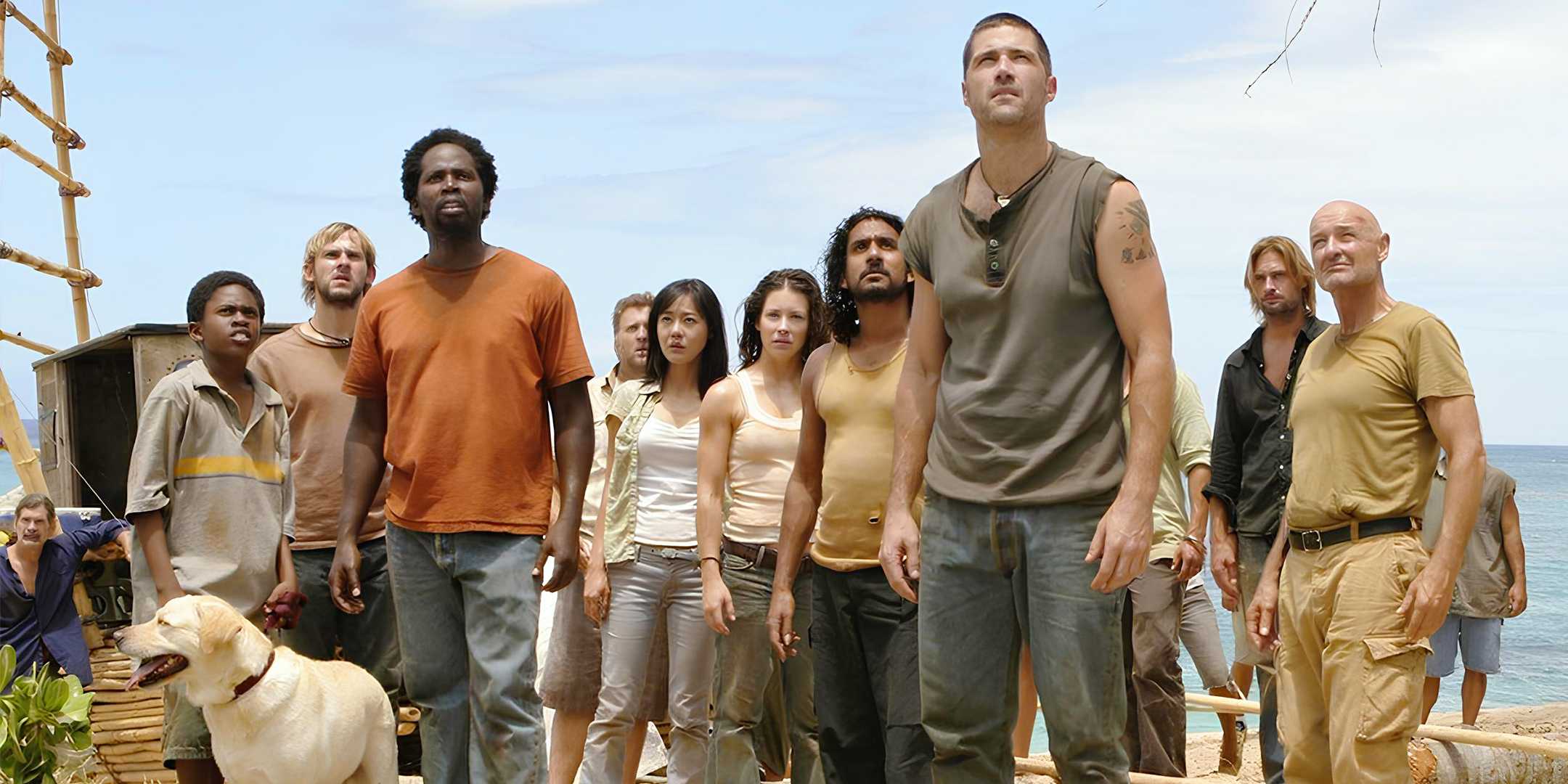 Image by Milica Djordjevic
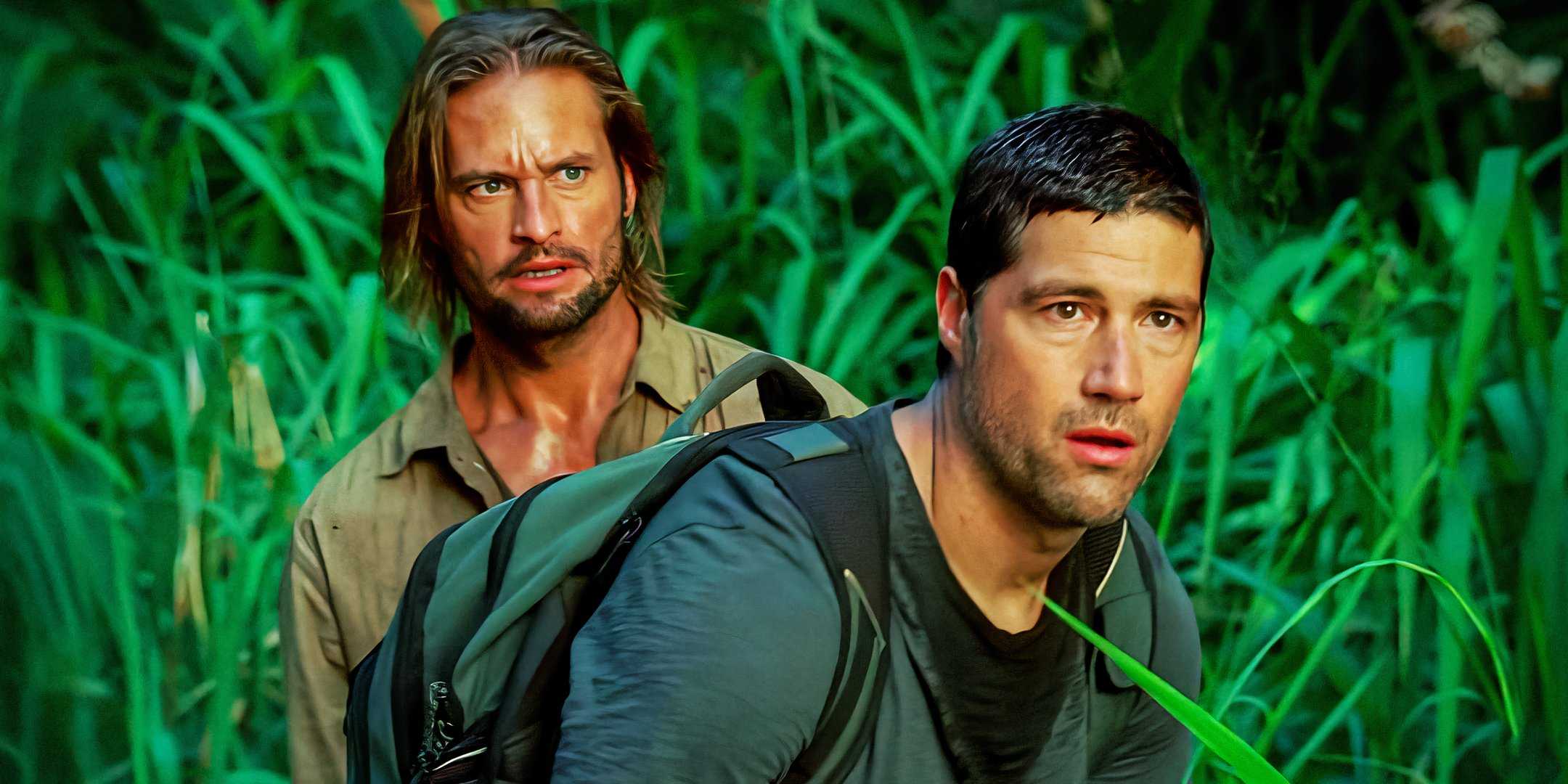
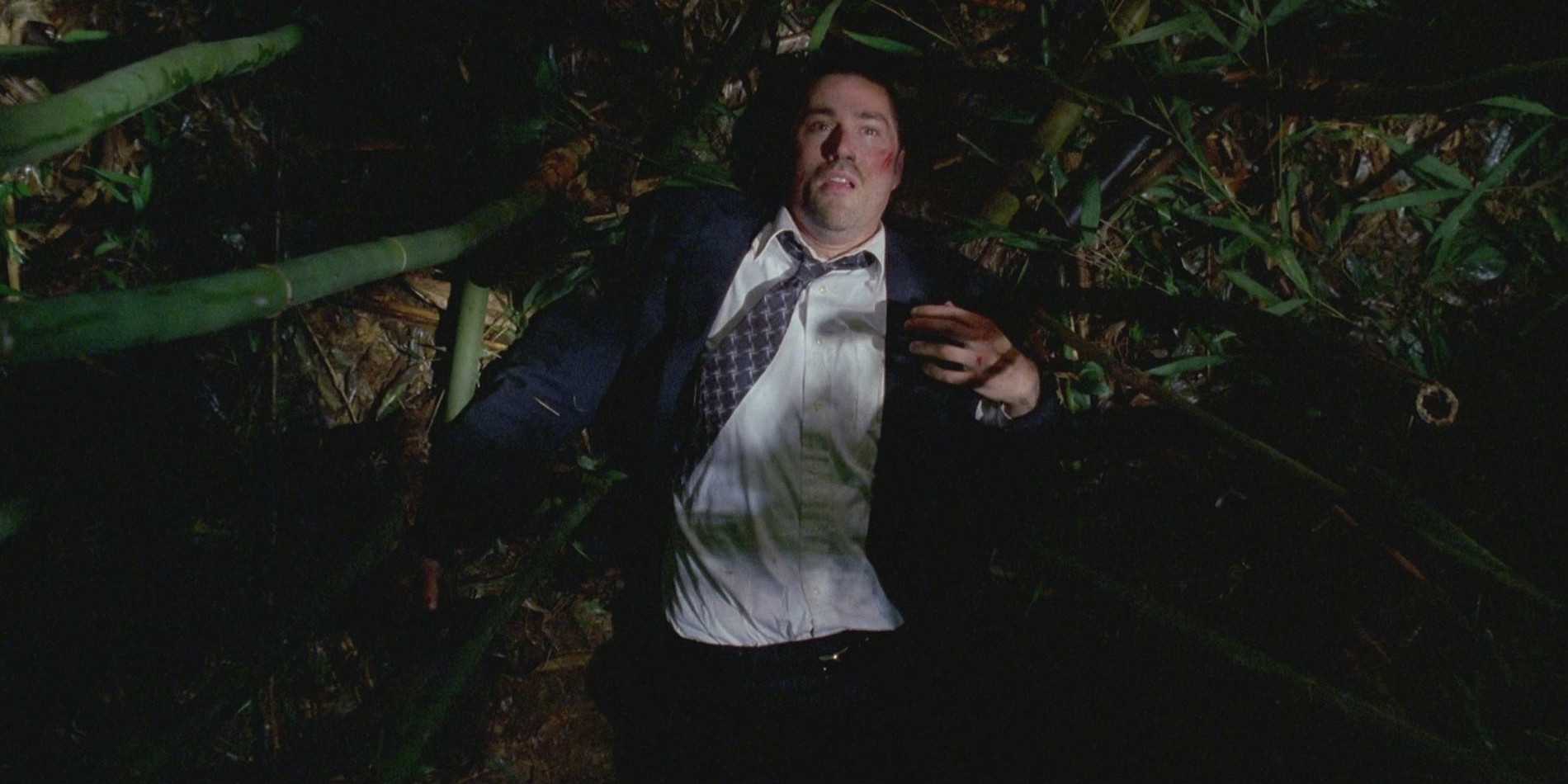

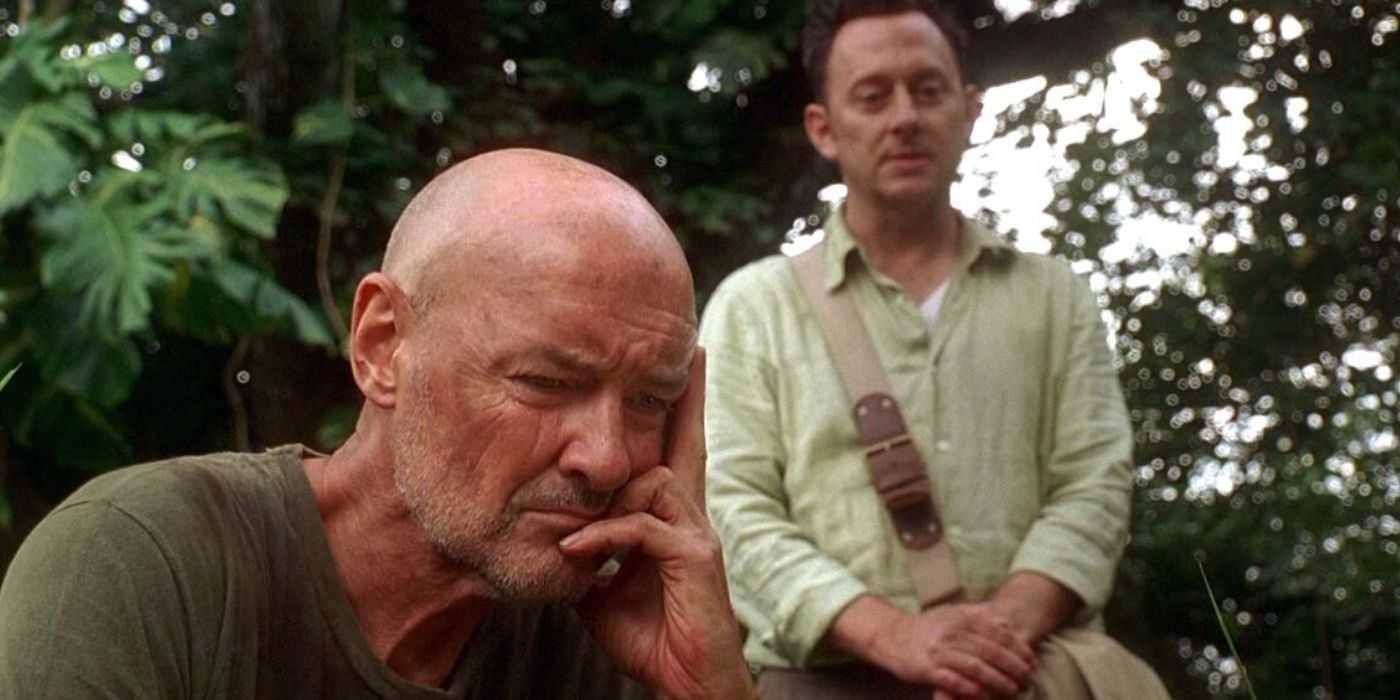


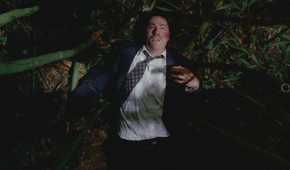

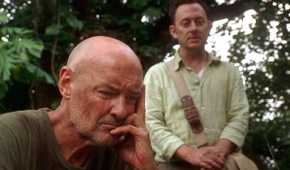
The pacing of Lost remains a masterclass in episodic structure. At 45 minutes per episode, each installment feels lean but emotionally dense—driven by character and anchored in urgency. Cliffhangers serve the story rather than distract from it. Season 1 especially feels engineered with precision. Nearly every episode lands with the weight of a finale.
The first season delivers across the board. It blends island survival with personal reckoning, using flashbacks to reveal each character’s emotional terrain. Kate’s guilt, Locke’s longing, and Sayid’s grief are all layered in deliberately, without resorting to exposition. The show builds stakes through introspection as much as suspense.
The ensemble brings that depth into focus. Matthew Fox, Terry O’Quinn, Evangeline Lilly—the whole cast—give performances that feel lived-in. Their characters carry trauma that affects every decision they make. Every Lost season has a best character because of each character's personal journey.
Lost is far more compelling than the island mysteries, and on rewatch, it’s the way these damaged individuals navigate a second chance that's so poignant.
How Lost Changed The Way We Consume Television
Fandom, Forums, And The First Binge Show
Before streaming became the default, Lost was the show you planned your week around. It aired on Wednesdays, and by Thursday morning, the internet was already flooded with breakdowns, theories, and spoilers. Missing an episode meant walking into school or work the next day unprepared. The show made real-time viewership feel urgent.
In 2004, Lost helped define television fandom. It thrived during an early internet era where forums and later Reddit became hunting grounds for Easter eggs, theories, and conspiracy threads. That level of engagement shaped how viewers processed the show in real time.
The Lost pilot alone cost an estimated $10-14 million—then the most expensive in TV history—and set the tone for the show’s cinematic ambition.
For those who watched the series after it ended, Lost became an early blueprint for the binge-watch experience. Fans caught up through DVD box sets or torrented seasons, consuming episodes back-to-back in marathons long before Netflix turned binging into standard practice.
In many ways, Lost revolutionized television, demonstrating that serialized storytelling could command attention across both formats—week to week and all at once.
Lost's Infamous Finale May Have Overshadowed An Otherwise Great Show
The Ending Took the Spotlight—Not the Show


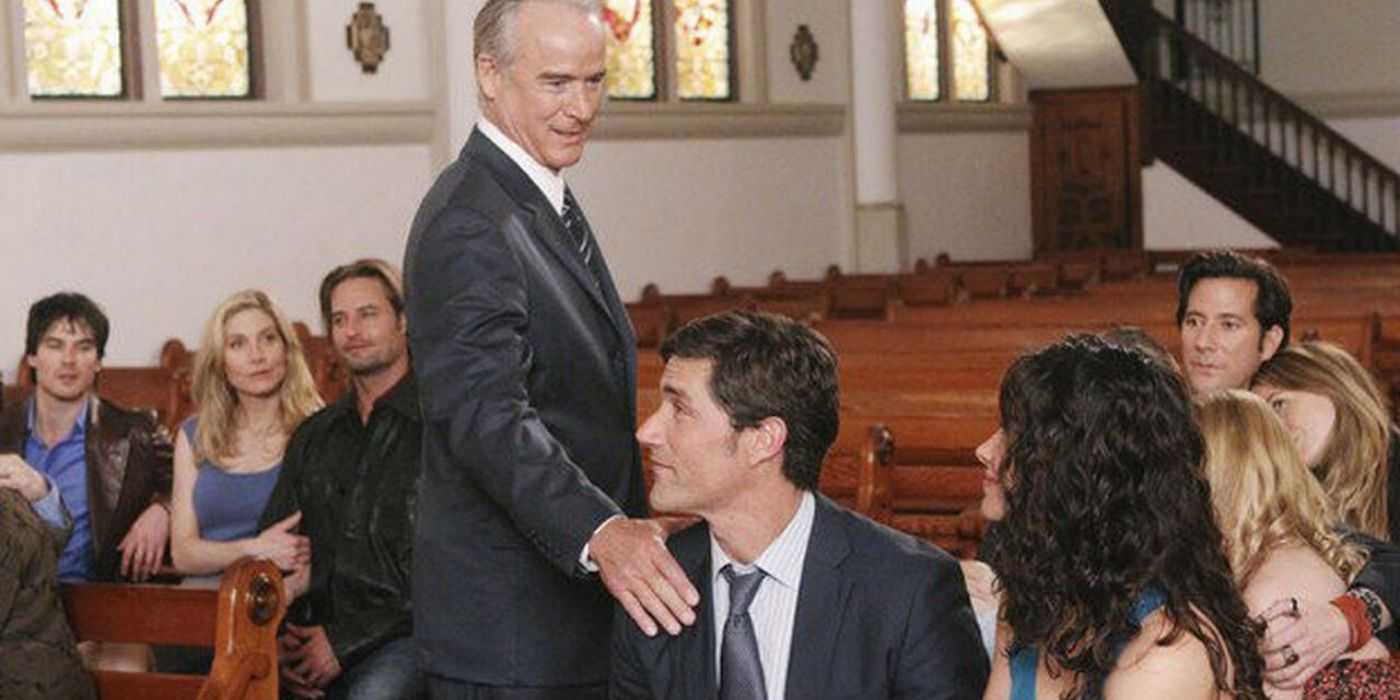
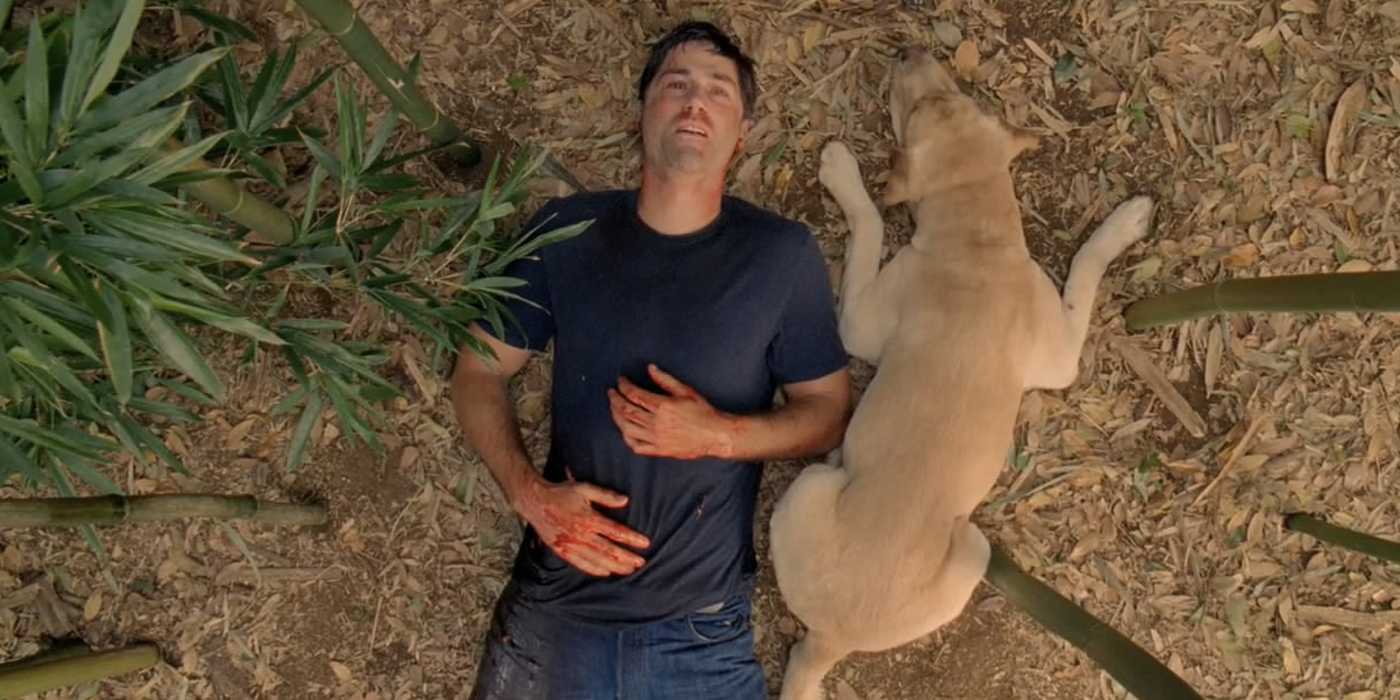
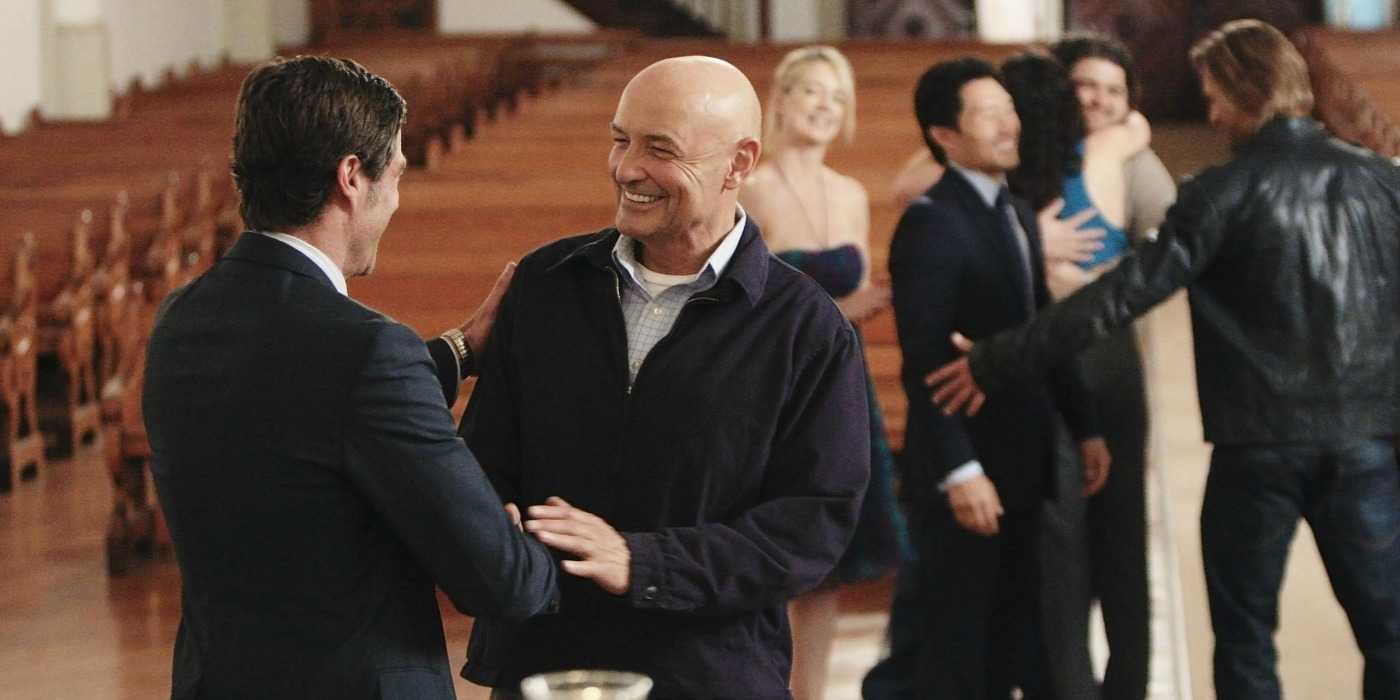

By the time Lost ended in 2010, the conversation had shifted. The conclusion of Lost drew more attention than the show itself during its final stretch. Entire communities focused on what answers would come, what questions would remain, and whether the series could pull off the impossible: a conclusion that satisfied everyone.
|
Season |
Critical Score |
Audience Score |
Highlights |
|---|---|---|---|
|
Season 1 |
96% |
94% |
One of TV’s strongest debuts; tightly paced, deeply emotional arcs |
|
Season 2 |
100% |
93% |
Expands mythology while deepening character tension |
|
Season 3 |
71% |
91% |
Uneven first half but ends with a game-changing finale |
|
Season 4 |
89% |
91% |
Fast-paced, post-strike arc with major reveals |
|
Season 5 |
92% |
86% |
Bold time-travel structure, sharp storytelling |
|
Season 6 |
69% |
80% |
Divisive finale, but thematically rich and emotionally ambitious |
In that process, the show's deeper strengths were often sidelined. Lost had already delivered six seasons of deeply resonant, often genre-defying television. Its character arcs—especially for Locke, Jack, Sun, Desmond, and Ben—pushed beyond sci-fi expectations and into emotional territory rarely seen on network TV. The obsession with resolution muted how rare that achievement was.
Lost reaching that level of mainstream popularity with so many surreal, philosophical, and morally layered threads remains remarkable. Lost prioritized emotional storytelling over puzzle-solving, and 21 years later, it still resonates.


Lost
- Release Date
- 2004 - 2010-00-00
- Network
- ABC
- Showrunner
- Damon Lindelof, Carlton Cuse
- Directors
- Jack Bender, Paul A. Edwards, Tucker Gates, Eric Laneuville, Bobby Roth, Greg Yaitanes, Daniel Attias, J.J. Abrams, Karen Gaviola, Kevin Hooks, Rod Holcomb, Stephen Semel, Adam Davidson, Alan Taylor, David Grossman, Deran Sarafian, Fred Toye, Mario Van Peebles, Marita Grabiak, Mark Goldman, Matt Earl Beesley, Michael Zinberg, Paris Barclay, Robert Mandel
- Writers
- Jim Galasso, Christina M. Kim, Graham Roland, Kyle Pennington, Brent Fletcher, Dawn Lambertsen Kelly, Janet Tamaro, Jeffrey Lieber, Paul Dini, Jordan Rosenberg
Cast
-
 Matthew FoxJack Shephard
-
 Evangeline LillyKate Austen
- Creator(s)
- J.J. Abrams, Damon Lindelof, Jeffrey Lieber

