


Summary
- There are two types of time travel in Lost, one involving temporal displacement and the other physically occurring due to The Island.
- "Whatever happened, happened" is a key rule of time travel in Lost. Changes in the timeline may occur, but the end result remains the same.
- Time travel in Lost influences the present and the characters' circumstances, even if the timeline corrects for their actions.
Time travel is an important part of Lost's narrative, though it isn't explained until later in the ABC series — and the rules and effects may be confusing even after it's confirmed. Lost drew viewers into its central mystery with ease, following a group of plane crash survivors stranded on a seemingly deserted island. As the group realizes they're not alone — and their circumstances may be more extraordinary than they first imagined — the storyline gets increasingly complex. Lost's constant twists were part of the show's appeal, and some of them were so bizarre that a time-traveling island didn't seem too off base.
Lost hints at its time travel themes in season 2, as the episode "The Long Con" finds Sayid and Hurley picking up a distress signal that could come from anywhere — or "any time," as Hurley jests. And Hurley isn't far from the truth, as later seasons of Lost adopt this sci-fi narrative in earnest, especially after Desmond arrives on The Island and the DHARMA Initiative is introduced. As it turns out, The Island itself has the ability to move through time and space thanks to its electromagnetic barrier. There are also humans whose consciousness can venture through time in a non-linear fashion, making this aspect of Lost a perplexing one.
How Time Travel Works In Lost
The Island's Electromagnetic Energy Is The Biggest Factor

Time travel is confusing within the world of Lost, but the show's version of this sci-fi concept is partly explained during a conversation between Daniel Faraday and Desmond in season 4, episode 5, "The Constant." Faraday studies time travel and even finds a way to send a rat's consciousness into the future. This enables the rat to know things it hasn't learned yet, similar to how Desmond realizes certain things will happen before they do. Unfortunately, this knowledge can't change the future. To avoid paradoxes, Lost drives home the fact that "whatever happened, happened." Essentially, a person can change the "how" of what happens, but not what happens.
Desmond's not the only character moving through time in Lost, as The Island itself toys with time and space in a way that impacts everyone on and around it. Many of Lost's biggest mysteries are explained by The Island's powerful electromagnetic field, which throws off the timing of the things occurring near and on The Island from the very beginning. In Lost season 4, a missile takes longer than it should to reach its intended target just because it's fired near The Island. This is also why the survivors speak to Doc Ray over the radio even though he's seemingly dead at the time.
These oddities surrounding time and space on The Island are precisely what the DHARMA Initiative is studying, but the physical impact of time travel gets more intense when their "subject" becomes destabilized. A Frozen Wheel is able to channel The Island's electromagnetic energy. However, when it's turned, it causes far more noticeable shifts in time, physically transporting the survivors to various points in the past and future and even moving The Island itself. As Faraday tells Desmond, "Every equation needs stability." The lack of it is likely what causes physical time travel to become so apparent later on.
All six seasons of Lost are currently streaming on Hulu.
Lost's Confirmed Methods Of Time Travel
Temporal Displacement & Physical Time Travel Occur


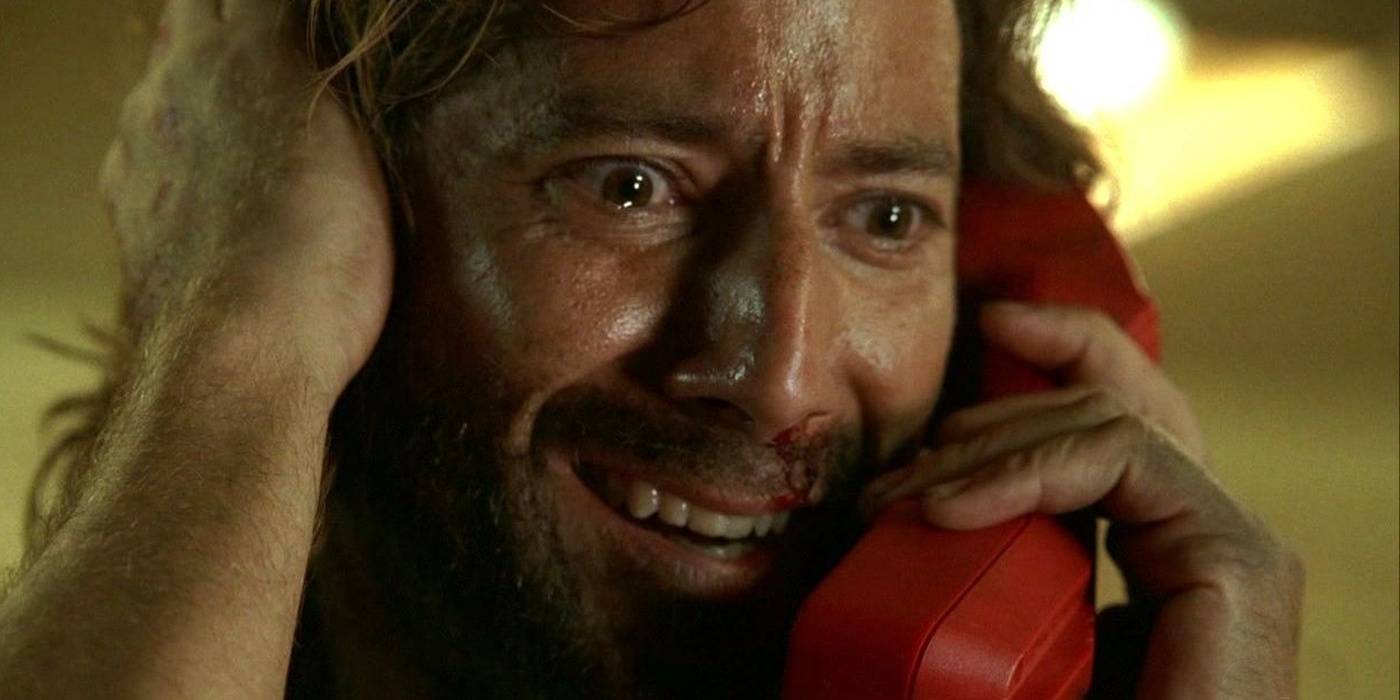
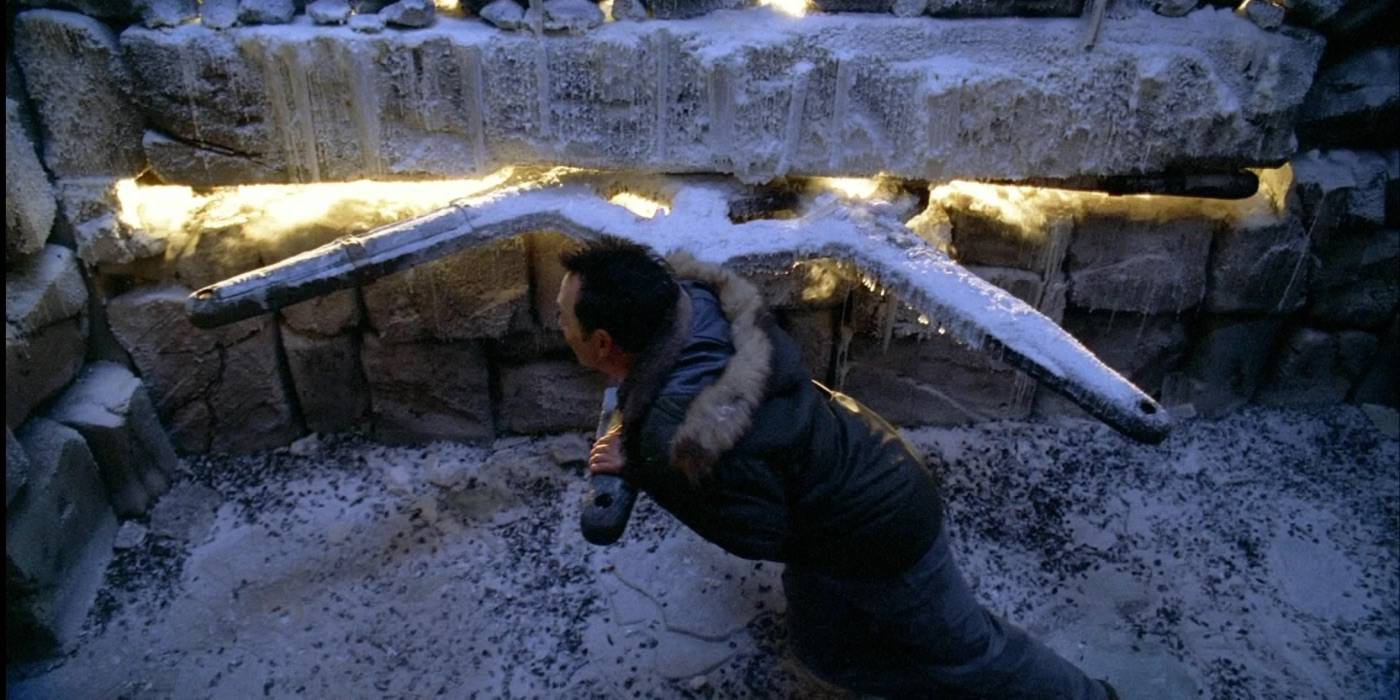
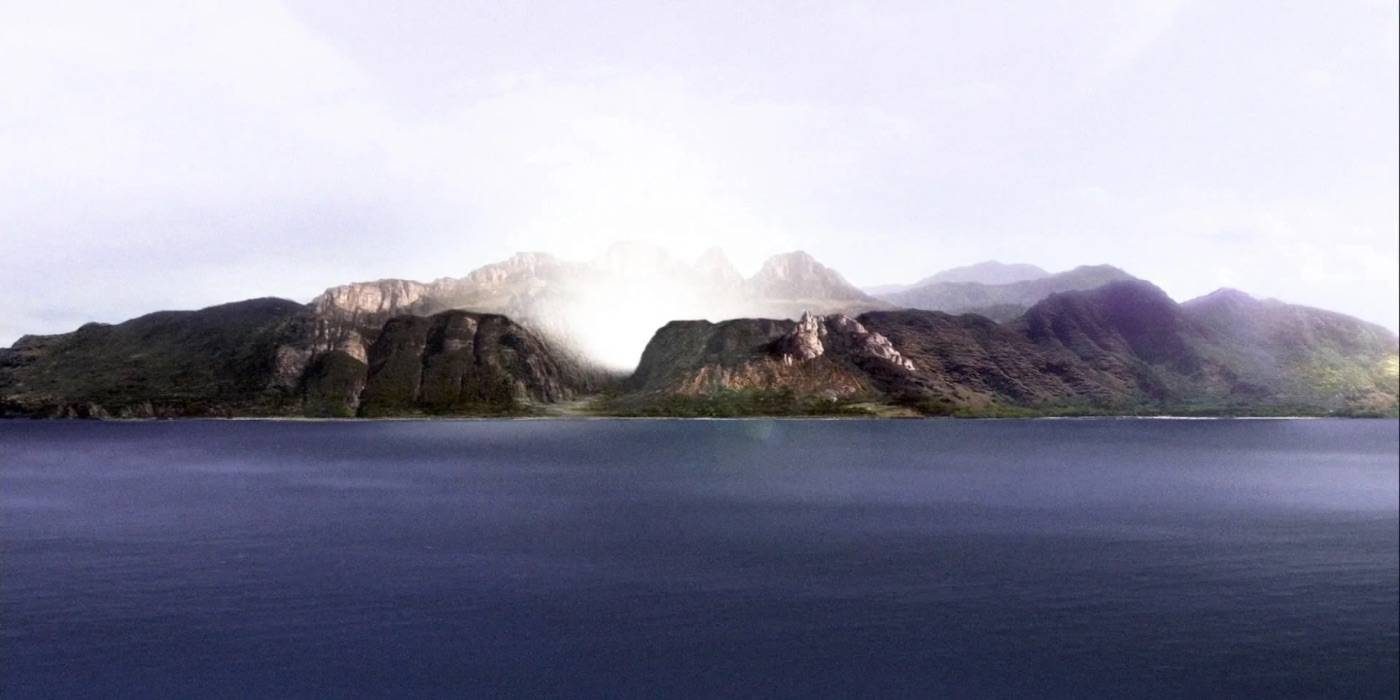
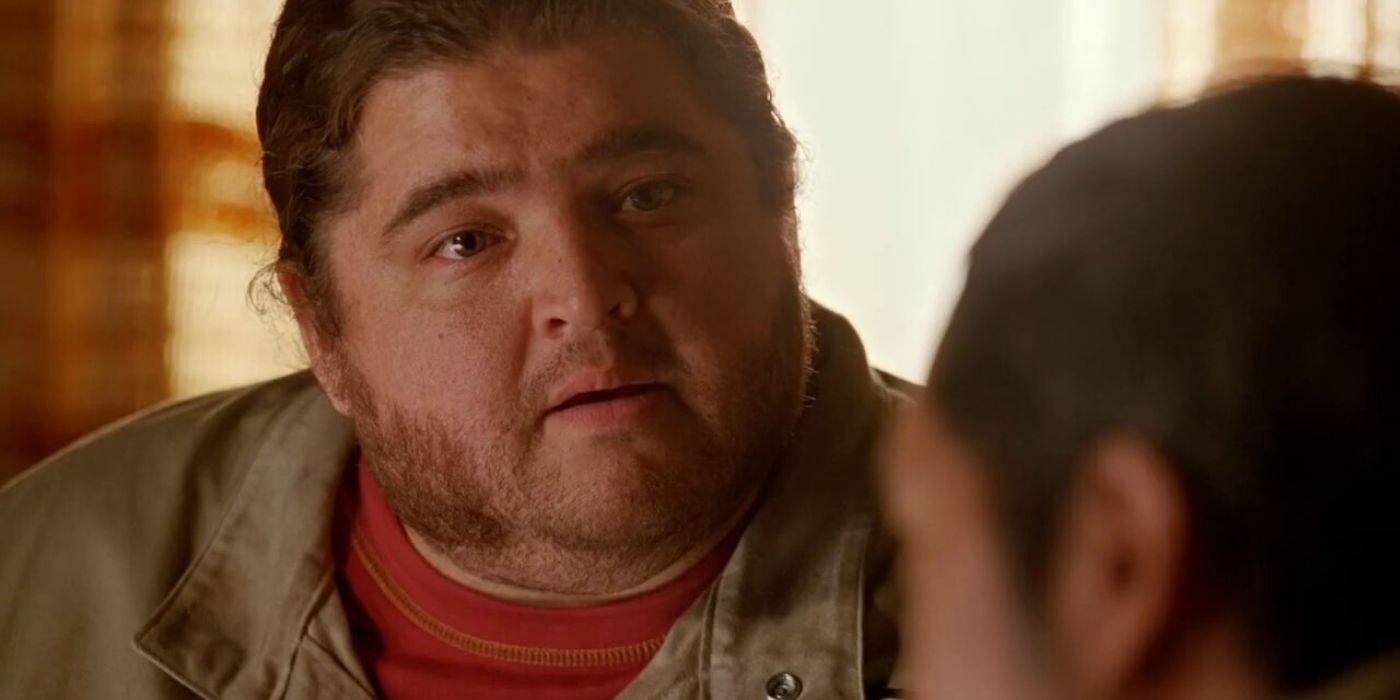


Lost appears to have two confirmed methods of time travel: temporal displacement and physical time travel via The Island. The former is what happens to Desmond as his mind moves him through time, a distinct experience compared to the flashbacks and flash-forwards the other characters have throughout Lost. Desmond realizes that he's moving through time and space, and he's frequently bewildered by the shift, as well as the knowledge he gains from it. He's forced to use a "constant" — in his case, his girlfriend Penny — to tether him to a stable point in time and allow him to emerge from his "travels" unscathed.
Lost confirms that temporal displacement can be fatal if a person or animal doesn't have a "constant," something seen with Faraday's rat and George Minkowski. Being exposed to The Island's electromagnetic energy is what grants Desmond his time travel abilities, bringing the sci-fi phenomenon back to the show's setting. And this makes sense, as The Island itself is also responsible for the second confirmed type of time travel.
Lost also showcases physical time travel during its later seasons, though there are hints that The Island is moving through space and time before. A Frozen Wheel beneath The Island is used to stabilize its energy, and when Ben Linus turns it, the other characters are sent to different points of The Island's timeline. These time travel flashes throw the characters off-kilter, sending them to the past and future. Ben also manages to move The Island itself after destabilizing its power source. Locke eventually fixes the placement of the Frozen Wheel, but even the act of shifting it has odd consequences, transporting the person responsible to a desert in Tunisia.
Is "What Happened, Happened" Really True?
The Future Can't Be Changed In Lost

Lost's time travel rule of "what happened, happened" does appear to be true, as Desmond is incapable of saving Charlie despite numerous efforts to prevent his death. Although Charlie's death is caused by different circumstances each time Desmond helps him cheat it, Charlie will always die. This inevitability helps Lost keep its timeline intact despite the introduction of time travel. The series emphasizes that whatever happens during time travel directly contributes to an already-set future. The characters' actions while traveling may change minor aspects of the timeline, but the end result always remains the same.
Whenever the characters do try to change the future in Lost, the timeline sets itself straight and redirects to the inevitable outcome. In the case of Charlie, he meets his end in the Lost season 3 finale, "Through the Looking Glass," sacrificing himself to save the other passengers. This is a different death than the ones Desmond saves him from earlier — drowning to save Claire and an arrow to the neck among them. However, if Charlie chose to save himself, he would have perished another way. Essentially, Lost takes a Final Destination approach to time travel. The characters can delay an outcome, but they can never completely avoid it.
How Lost's Time Travel Influences The Present
Time Travel's Influence On The Present Underscores Lost's Themes

Although time travel in Lost can't change the future, it does seem to influence the present as the characters experience it. The show's timeline always corrects for the changes the characters make, so they aren't creating a multiverse of timelines with their antics. However, traveling through time does change their present circumstances. In Charlie's case, it even buys him more time and a different ending. In this way, time travel seems to further the ABC show's themes. Connection and fate vs. free will are huge elements throughout Lost's six seasons. Although free will only goes so far, it does seem to make a difference to the characters' lives and relationships.


- Release Date
- September 22, 2004
- Seasons
- 6

